Cause Of Dry Eye Disease
Cause Of Dry Eye Disease: Understanding Why Your Eyes Feel Like Sandpaper
If you've ever felt that gritty, burning, or persistently uncomfortable sensation in your eyes, you know just how disruptive dry eye syndrome can be. It's more than just annoying; it can genuinely impact your quality of life.
Understanding the root cause of Dry Eye Disease (DED) is the first step toward effective management and relief. It isn't always about simply lacking tears; often, it's a complex issue involving the quality of your tears and how quickly they evaporate.
In this comprehensive guide, we'll break down the science behind DED in an easy-to-understand way. Get ready to learn why your eyes are misbehaving and what exactly is going wrong with your protective tear film.
The Core Mechanism: How Your Tear Film Protects You
Your eyes rely on a constant, thin layer of liquid known as the tear film. Think of this film as your eye's natural lubrication, shield, and cleaning crew all rolled into one. It keeps the surface smooth for clear vision and protects the delicate tissues.
When this tear film becomes unstable, either due to insufficient production or rapid evaporation, DED occurs. To understand the various types of cause of Dry Eye Disease, we need to look closely at the film's structure.
The Three Layers of the Tear Film
The tear film is not just pure water. It is a highly specialized, three-layered structure, and a problem in any layer can be a primary cause of Dry Eye Disease.
- The Mucus (Mucin) Layer: This thin layer sits right against the surface of your cornea. Its job is crucial: it helps the watery layer spread evenly across the eye rather than pooling up. If this layer is compromised, the tear film breaks up quickly.
- The Aqueous (Water) Layer: This is the thickest layer, produced by the lacrimal glands. It contains water, nutrients, oxygen, and antibacterial agents. This layer is responsible for moisturizing and flushing out debris.
- The Lipid (Oil) Layer: This is the outermost, thinnest layer. It is made of oil secreted by the tiny Meibomian glands located in your eyelids. Its primary role is to act as a barrier, preventing the watery layer underneath from evaporating too quickly.
Main Causes of Dry Eye Disease (DED)
Dry eye is generally categorized into two main types, reflecting the underlying cause of Dry Eye Disease: Evaporative and Aqueous Deficient.
Evaporative Dry Eye: The Oil Problem
Surprisingly, this is the most common form of DED, accounting for about 86% of all cases! In this scenario, your lacrimal glands are producing enough water, but the tears are evaporating too fast off the eye surface.
Meibomian Gland Dysfunction (MGD)
The number one cause of Dry Eye Disease is MGD. MGD occurs when the Meibomian glands, which produce the vital lipid layer, become clogged or their oils thicken and solidify. The oil that is produced is poor quality, or sometimes, no oil is released at all.
Without a healthy oil layer, the watery tears simply dissipate into the air rapidly. This leads to symptoms like constant watering (the body's attempt to compensate) and severe irritation.
Low Blink Rate (Digital Strain)
When you focus intensely on a screen—whether it's your computer, phone, or tablet—your blink rate drastically decreases. A normal blink rate is about 15-20 times per minute. When staring at a screen, this can drop to as low as 5-7 times per minute.
Blinking is essential for squeezing the Meibomian glands and distributing fresh, quality tears. Infrequent or incomplete blinking is a huge factor contributing to evaporative dry eye in the modern world.
Aqueous Deficient Dry Eye: The Water Problem
This type occurs when the lacrimal glands simply do not produce enough aqueous (watery) component of the tear film. This is a less common but often more severe form of DED.
The reduction in tear volume means the protective layer cannot cover the entire eye surface, leaving patches exposed and vulnerable to damage.
Aging and Natural Reduction in Tear Production
As we get older, natural physiological changes occur throughout the body, including decreased glandular function. Reduced tear production is a natural part of the aging process, making age a significant risk factor.
Systemic Medical Conditions
Certain autoimmune diseases can directly attack the tear-producing glands, leading to severe aqueous deficiency. The most notable example is Sjögren's Syndrome, which attacks glands that produce tears and saliva.
Other conditions like diabetes, thyroid disorders, and rheumatoid arthritis are also known factors in the cause of Dry Eye Disease.
External and Lifestyle Factors Contributing to Dry Eye
While MGD and glandular failure are internal problems, external environmental conditions and lifestyle choices can significantly exacerbate or even initiate symptoms.
Environmental Triggers You Can't Ignore
Your surroundings play a huge role in tear evaporation. Dry air acts like a sponge, pulling moisture rapidly from your eyes. This is why offices with powerful air conditioning or heating systems are notorious dry eye culprits.
- Low humidity (common in arid climates or high altitudes).
- Windy conditions or direct airflow (from fans, car vents, or hair dryers).
- Smoke, pollution, or airborne allergens that cause inflammation.
- Extended contact lens use, which can absorb tear film moisture.
Medications and Hormonal Changes
Many common prescriptions can dramatically reduce tear production as a side effect. If you started experiencing dry eyes after beginning a new medication, check with your doctor.
Medications known to contribute to the cause of Dry Eye Disease include:
- Antihistamines and decongestants.
- Certain antidepressants and anti-anxiety medications.
- Diuretics and certain blood pressure medications.
- Hormone replacement therapy (HRT).
Furthermore, hormonal fluctuations, particularly those experienced during menopause, can alter the consistency and amount of oil produced by the Meibomian glands, contributing to dry eye symptoms primarily in women.
Conclusion: Identifying Your Specific Cause Of Dry Eye Disease
The journey to relief begins with a precise diagnosis. As we've seen, the cause of Dry Eye Disease is complex and multi-faceted, stemming from either insufficient water production (Aqueous Deficient DED) or, more commonly, poor tear quality and rapid evaporation (Evaporative DED).
Whether your symptoms are triggered by extensive screen time leading to MGD, or are related to systemic issues like aging or medications, treatment must be tailored to the specific problem. If you suffer from persistent dryness, seeking a comprehensive dry eye evaluation from an eye care professional is essential to identify your unique triggers and start the path toward clearer, more comfortable vision.
Frequently Asked Questions (FAQ) About Dry Eye Causes
- What is the most common cause of Dry Eye Disease?
- The most common cause is Evaporative Dry Eye, which is typically due to Meibomian Gland Dysfunction (MGD). This means the oil layer of the tears is deficient, causing the watery layer to evaporate too quickly.
- Can screen time truly be a cause of Dry Eye Disease?
- Yes, absolutely. Extended screen use significantly reduces the frequency of blinking, often by 50% or more. Infrequent blinking prevents the proper distribution of tears and exacerbates MGD, leading to dry eye symptoms.
- Is Dry Eye Disease curable?
- In most cases, DED is a chronic condition that requires ongoing management rather than a cure. However, with accurate diagnosis and targeted treatment—addressing the specific cause of Dry Eye Disease—symptoms can be effectively controlled and comfort significantly improved.
- Do contact lenses contribute to dry eyes?
- Yes, contact lenses can absorb the watery component of the tear film. They can also slightly interfere with the stability of the tear film and lead to increased discomfort, particularly with prolonged wear.
Cause Of Dry Eye Disease
Cause Of Dry Eye Disease Wallpapers
Collection of cause of dry eye disease wallpapers for your desktop and mobile devices.

Spectacular Cause Of Dry Eye Disease Scene Photography
Immerse yourself in the stunning details of this beautiful cause of dry eye disease wallpaper, designed for a captivating visual experience.
Vivid Cause Of Dry Eye Disease Scene Concept
Experience the crisp clarity of this stunning cause of dry eye disease image, available in high resolution for all your screens.
Dynamic Cause Of Dry Eye Disease Artwork for Desktop
Immerse yourself in the stunning details of this beautiful cause of dry eye disease wallpaper, designed for a captivating visual experience.
Vibrant Cause Of Dry Eye Disease Scene Concept
Transform your screen with this vivid cause of dry eye disease artwork, a true masterpiece of digital design.
Vibrant Cause Of Dry Eye Disease Capture Photography
Transform your screen with this vivid cause of dry eye disease artwork, a true masterpiece of digital design.
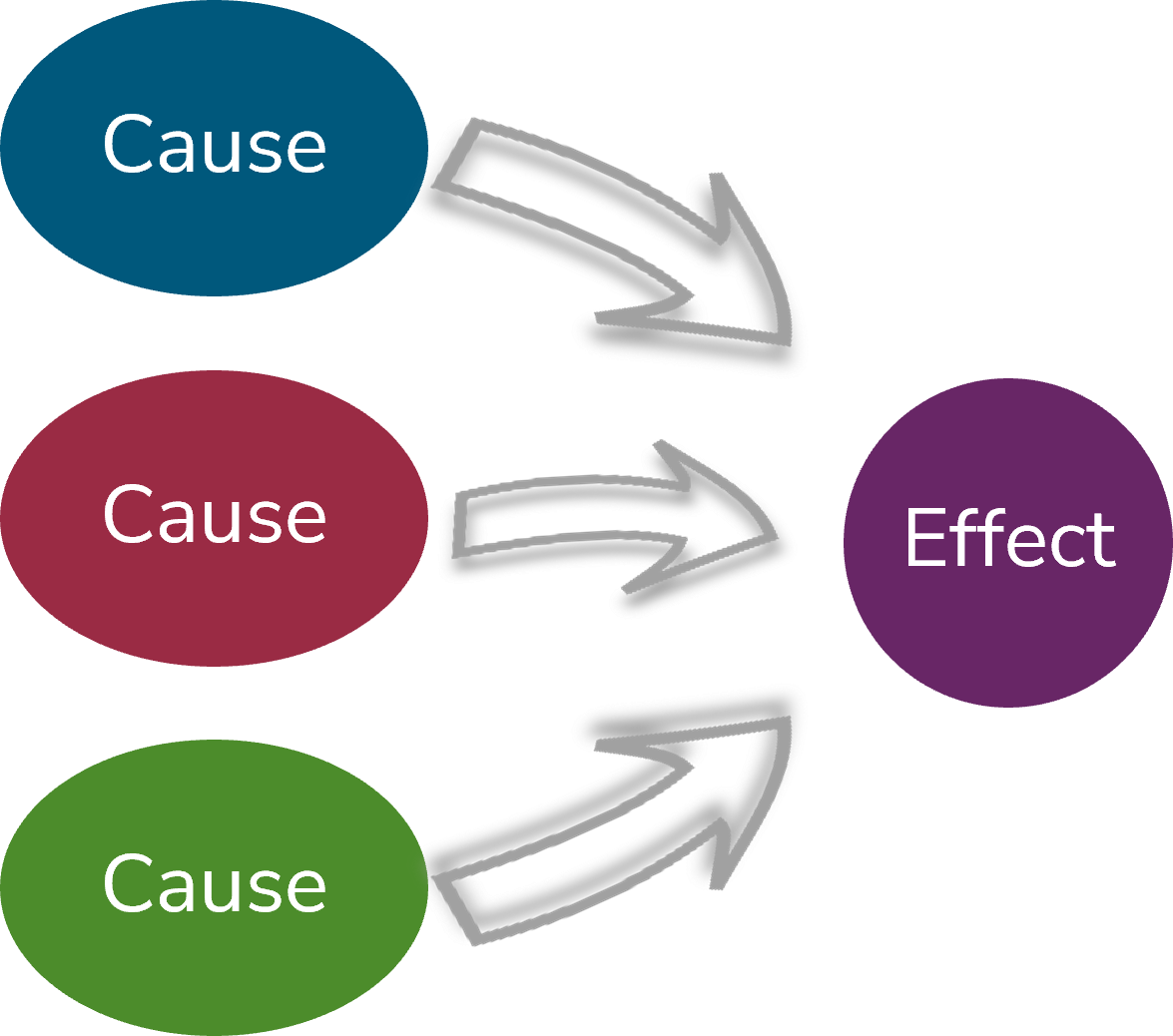
Lush Cause Of Dry Eye Disease Picture Nature
Find inspiration with this unique cause of dry eye disease illustration, crafted to provide a fresh look for your background.

Vibrant Cause Of Dry Eye Disease Image Illustration
Explore this high-quality cause of dry eye disease image, perfect for enhancing your desktop or mobile wallpaper.

Amazing Cause Of Dry Eye Disease Wallpaper for Mobile
Experience the crisp clarity of this stunning cause of dry eye disease image, available in high resolution for all your screens.

Gorgeous Cause Of Dry Eye Disease Artwork Concept
Find inspiration with this unique cause of dry eye disease illustration, crafted to provide a fresh look for your background.

Serene Cause Of Dry Eye Disease Photo Nature
Explore this high-quality cause of dry eye disease image, perfect for enhancing your desktop or mobile wallpaper.
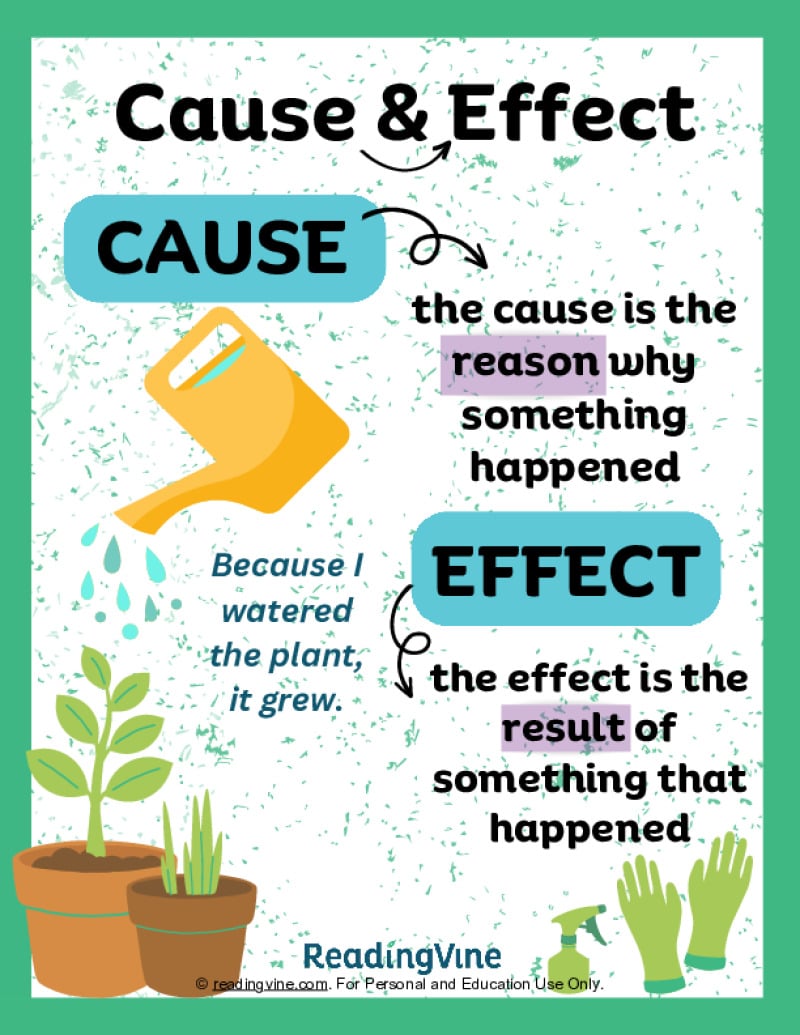
Lush Cause Of Dry Eye Disease Background Collection
Find inspiration with this unique cause of dry eye disease illustration, crafted to provide a fresh look for your background.
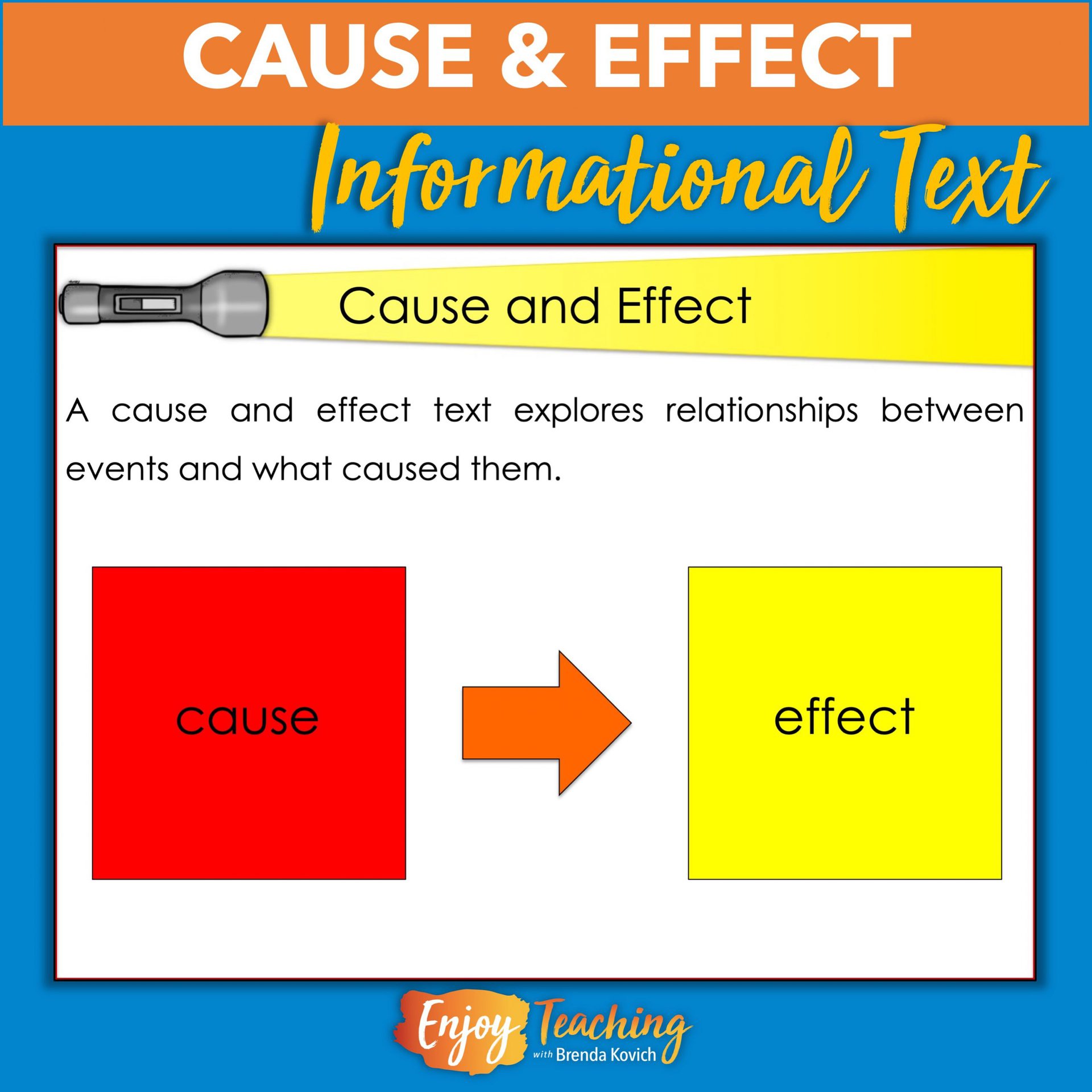
Exquisite Cause Of Dry Eye Disease Image in HD
A captivating cause of dry eye disease scene that brings tranquility and beauty to any device.

Lush Cause Of Dry Eye Disease Abstract for Desktop
Immerse yourself in the stunning details of this beautiful cause of dry eye disease wallpaper, designed for a captivating visual experience.

Lush Cause Of Dry Eye Disease Design for Your Screen
This gorgeous cause of dry eye disease photo offers a breathtaking view, making it a perfect choice for your next wallpaper.

Captivating Cause Of Dry Eye Disease View Illustration
A captivating cause of dry eye disease scene that brings tranquility and beauty to any device.

High-Quality Cause Of Dry Eye Disease Wallpaper for Mobile
Explore this high-quality cause of dry eye disease image, perfect for enhancing your desktop or mobile wallpaper.

Crisp Cause Of Dry Eye Disease Photo Illustration
This gorgeous cause of dry eye disease photo offers a breathtaking view, making it a perfect choice for your next wallpaper.

Vibrant Cause Of Dry Eye Disease Photo Digital Art
Discover an amazing cause of dry eye disease background image, ideal for personalizing your devices with vibrant colors and intricate designs.
Gorgeous Cause Of Dry Eye Disease Photo in 4K
Immerse yourself in the stunning details of this beautiful cause of dry eye disease wallpaper, designed for a captivating visual experience.
Gorgeous Cause Of Dry Eye Disease View in HD
Find inspiration with this unique cause of dry eye disease illustration, crafted to provide a fresh look for your background.
Download these cause of dry eye disease wallpapers for free and use them on your desktop or mobile devices.
0 Response to "Cause Of Dry Eye Disease"
Post a Comment