Cybernetic Eye Implant
Cybernetic Eye Implant: The Future of Vision is Here
Imagine a world where vision loss is not permanent. For years, this was the realm of science fiction, but today, thanks to incredible advancements in bioengineering and technology, the Cybernetic Eye Implant is making that dream a tangible reality. This groundbreaking technology is offering renewed hope and a dramatically improved quality of life for millions suffering from certain forms of blindness.
If you or a loved one are exploring options after vision loss, you've likely come across the term "bionic eye." We understand that navigating this complex field can be overwhelming. This article will break down everything you need to know about cybernetic implants—how they work, who qualifies, and what the future holds for this life-changing technology.
What Exactly is a Cybernetic Eye Implant?
A Cybernetic Eye Implant, often referred to as a visual prosthesis, is a complex medical device designed to restore functional vision to individuals who have lost sight due to degenerative retinal diseases. Unlike glasses or contact lenses, this technology doesn't correct the lens or cornea; instead, it bypasses the damaged sensory cells in the retina.
Think of it as an artificial replacement for the biological process of sight. It doesn't restore 20/20 vision—not yet, anyway—but it provides the user with light perception, allowing them to distinguish shapes, edges, and movement. This level of functional vision can mean the difference between total dependence and genuine independence.
The technology is revolutionary because it directly interacts with the neural structures of the visual system. It takes over the job of converting light into electrical signals that the brain can interpret. This blend of biology and mechanics places the cybernetic eye implant at the pinnacle of modern medical engineering.
How Does a Cybernetic Eye Implant Work?
Understanding the mechanism behind a cybernetic eye implant is easier than you might think. The process involves several highly coordinated steps, ensuring that the visual data captured by the device is successfully translated into a useful signal for the brain.
Firstly, the external components, typically worn on a pair of glasses, capture the visual scene. This small camera records what the eye would traditionally see. Secondly, this raw video feed is sent to a tiny, wearable video processing unit (VPU) or computer.
The VPU processes the image, converting it into a simplified pattern of electrical stimulation. This signal is then wirelessly transmitted to the internal implant. Finally, the internal electrodes stimulate the remaining healthy nerve cells in the retina, which then send the signals along the optic nerve to the brain for interpretation.
Components of the System
The sophisticated technology required for the Cybernetic Eye Implant relies on a few critical pieces of hardware working in perfect synergy. These components are usually separated into external and internal parts.
- External Camera: A miniature digital camera, usually mounted on the bridge of a pair of glasses. This captures the light and visual information from the surrounding environment.
- Video Processing Unit (VPU): A small, portable computer worn by the user. It simplifies the complex video data into manageable electrical patterns before transmission.
- Transmitting Coil: Integrated into the glasses frame, this coil sends the processed signal wirelessly across the skin barrier to the internal receiver.
- Electrode Array: The surgically implanted component placed on or under the retina. This array contains dozens of micro-electrodes that directly stimulate the remaining retinal cells.
Who is a Candidate for a Cybernetic Eye Implant?
While the prospect of a bionic eye is exciting, it's essential to understand that not everyone with vision loss qualifies. The current generation of Cybernetic Eye Implant technology is specifically designed for blindness caused by retinal degeneration, where the optic nerve is still functional.
The primary conditions targeted are those that destroy the photoreceptors (rods and cones) but leave the inner retinal layers intact. The most common indication is:
- Retinitis Pigmentosa (RP): A rare, inherited degenerative disease that causes severe vision impairment and eventual blindness.
- Age-Related Macular Degeneration (AMD): In certain advanced cases, especially dry AMD, candidates may be considered if other treatments have failed, though RP patients are currently the most common recipients.
Additionally, candidates must meet specific surgical and health criteria, including having realistic expectations about the visual outcomes. The ability to distinguish light is not the same as full, detailed vision, and extensive rehabilitation training is required post-surgery.
Weighing the Pros and Cons
As with any pioneering medical procedure, getting a cybernetic eye implant involves careful consideration of the benefits versus the potential drawbacks. It's vital to have a balanced perspective before proceeding down this path.
The decision to undergo surgery for a visual prosthesis is deeply personal. Discussing your specific situation and overall health with a specialist ophthalmologist is the best first step. Let's look closely at what these implants can and cannot do.
Life-Changing Benefits
The advantages offered by a functioning Cybernetic Eye Implant extend far beyond simply perceiving light. They fundamentally improve a user's ability to interact with the world around them, restoring a degree of autonomy that was previously lost.
- Increased Independence: Users can typically perform daily tasks like finding objects on a table, sorting laundry, and navigating doorways without assistance.
- Light and Movement Detection: The ability to perceive bright lights, detect rapid movement, and recognize large objects significantly improves situational awareness and safety.
- Reading Large Print: With training and specific configurations, some users can decipher large letters or recognize simple phrases.
- Psychological Uplift: The return of functional vision, even limited vision, often leads to reduced isolation, higher self-esteem, and improved mental well-being.
Potential Challenges: Risks and Limitations
While the promise is great, we must acknowledge the current limitations of visual prosthetics. The technology is still in its infancy, and the visual output is not comparable to natural sight.
The vision produced is often described as pixelated or resembling an old black-and-white television screen. Furthermore, the technology requires major surgery, which carries inherent risks, including infection or damage to existing retinal structures.
Another significant factor is the commitment to rehabilitation. Users must undergo extensive training to learn how to interpret the new visual signals received from the implant. This process can take months, requiring patience and dedication.
The Argus II System and Beyond
When discussing Cybernetic Eye Implant technology, the Argus II system is the most well-known example. Developed by Second Sight, the Argus II was one of the first approved retinal prostheses and demonstrated the viability of the bionic eye concept globally.
Though Argus II provided low-resolution vision, it proved that electrical stimulation could restore useful sight. Today, researchers are focusing on next-generation implants offering higher resolution, better portability, and even the potential for color perception.
Future iterations are exploring cortical implants—devices placed directly into the visual cortex of the brain, bypassing the eyes entirely. These advancements promise to expand candidacy to those with optic nerve damage, further democratizing the restoration of sight.
Conclusion
The Cybernetic Eye Implant represents a monumental leap in medical technology and the treatment of vision loss. Although the technology is still developing and does not yet replicate perfect human vision, the functional improvements provided to patients suffering from retinal diseases like Retinitis Pigmentosa are nothing short of miraculous.
If you are exploring a visual prosthesis, remember to consult with specialized centers and maintain realistic expectations. The future of sight is rapidly unfolding, and with ongoing research and higher-resolution electrodes, the bionic eye promises to continue reshaping how we approach blindness.
Frequently Asked Questions (FAQ)
- What does vision from a cybernetic implant look like?
- Typically, the vision is perceived as phosphenes—spots of light or simplified patterns (like pixels). It is generally low-resolution, monochromatic (black and white or shades of grey), and requires training to interpret effectively.
- Is the Cybernetic Eye Implant covered by insurance?
- Coverage varies widely by region and insurance provider. In some countries, and for specific approved devices like the Argus II, government healthcare programs or major insurers have covered the procedure, but it is essential to verify your specific policy.
- Is the surgery for the implant painful?
- The procedure is major intraocular surgery performed under general anesthesia, so the patient feels no pain during the operation. Post-operative pain is managed with medication, and discomfort usually subsides within a few weeks.
- How long does a Cybernetic Eye Implant last?
- Current models are designed to be long-term solutions. While the external equipment is susceptible to wear and tear and may need replacing, the internal electrode array is generally robust and designed to remain in place indefinitely.
Cybernetic Eye Implant
Cybernetic Eye Implant Wallpapers
Collection of cybernetic eye implant wallpapers for your desktop and mobile devices.

Beautiful Cybernetic Eye Implant Picture for Your Screen
Explore this high-quality cybernetic eye implant image, perfect for enhancing your desktop or mobile wallpaper.

High-Quality Cybernetic Eye Implant Scene Nature
Discover an amazing cybernetic eye implant background image, ideal for personalizing your devices with vibrant colors and intricate designs.

Vivid Cybernetic Eye Implant Artwork Art
Discover an amazing cybernetic eye implant background image, ideal for personalizing your devices with vibrant colors and intricate designs.

Gorgeous Cybernetic Eye Implant Image Digital Art
A captivating cybernetic eye implant scene that brings tranquility and beauty to any device.

Stunning Cybernetic Eye Implant Artwork Photography
This gorgeous cybernetic eye implant photo offers a breathtaking view, making it a perfect choice for your next wallpaper.

Crisp Cybernetic Eye Implant Moment for Your Screen
Find inspiration with this unique cybernetic eye implant illustration, crafted to provide a fresh look for your background.

Captivating Cybernetic Eye Implant Artwork in HD
Find inspiration with this unique cybernetic eye implant illustration, crafted to provide a fresh look for your background.

Beautiful Cybernetic Eye Implant Moment Nature
Experience the crisp clarity of this stunning cybernetic eye implant image, available in high resolution for all your screens.
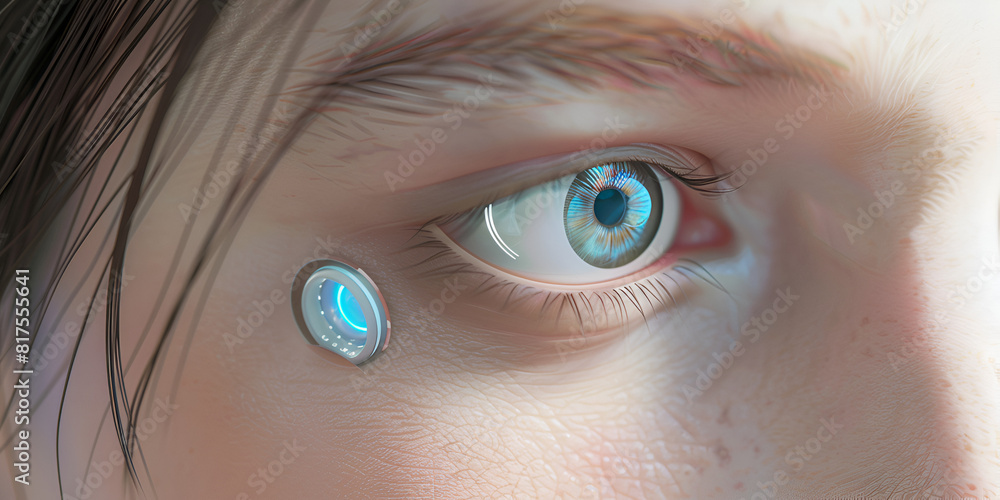
Vivid Cybernetic Eye Implant Scene Art
Discover an amazing cybernetic eye implant background image, ideal for personalizing your devices with vibrant colors and intricate designs.

Spectacular Cybernetic Eye Implant Scene in HD
This gorgeous cybernetic eye implant photo offers a breathtaking view, making it a perfect choice for your next wallpaper.

Spectacular Cybernetic Eye Implant Image Art
This gorgeous cybernetic eye implant photo offers a breathtaking view, making it a perfect choice for your next wallpaper.

Beautiful Cybernetic Eye Implant View in HD
Experience the crisp clarity of this stunning cybernetic eye implant image, available in high resolution for all your screens.

Exquisite Cybernetic Eye Implant Landscape Collection
This gorgeous cybernetic eye implant photo offers a breathtaking view, making it a perfect choice for your next wallpaper.

Dynamic Cybernetic Eye Implant Wallpaper Art
Find inspiration with this unique cybernetic eye implant illustration, crafted to provide a fresh look for your background.

High-Quality Cybernetic Eye Implant Background for Desktop
Experience the crisp clarity of this stunning cybernetic eye implant image, available in high resolution for all your screens.

Dynamic Cybernetic Eye Implant View Collection
This gorgeous cybernetic eye implant photo offers a breathtaking view, making it a perfect choice for your next wallpaper.

Captivating Cybernetic Eye Implant Artwork Concept
Immerse yourself in the stunning details of this beautiful cybernetic eye implant wallpaper, designed for a captivating visual experience.

Vibrant Cybernetic Eye Implant Design Art
Explore this high-quality cybernetic eye implant image, perfect for enhancing your desktop or mobile wallpaper.

Crisp Cybernetic Eye Implant View for Desktop
Find inspiration with this unique cybernetic eye implant illustration, crafted to provide a fresh look for your background.

Amazing Cybernetic Eye Implant Moment for Desktop
Discover an amazing cybernetic eye implant background image, ideal for personalizing your devices with vibrant colors and intricate designs.
Download these cybernetic eye implant wallpapers for free and use them on your desktop or mobile devices.
0 Response to "Cybernetic Eye Implant"
Post a Comment