Eye Brain Connection
Eye Brain Connection: Unlocking the Secrets of Sight
Have you ever stopped to think about how you actually 'see' the world? It's far more complex than just your eyes doing the work. The truth is, seeing isn't just a function of the eyes; it's a profound collaboration between your eyes and your brain. Understanding the intricate process of the Eye Brain Connection is key to appreciating and protecting your visual health.
This journey takes the light entering your pupils and transforms it into the rich, meaningful picture you perceive. Ready to dive deep into this fascinating topic? Let's explore the superhighway that links your sight to your mind.
What Exactly is the Eye Brain Connection? (The Fundamentals)
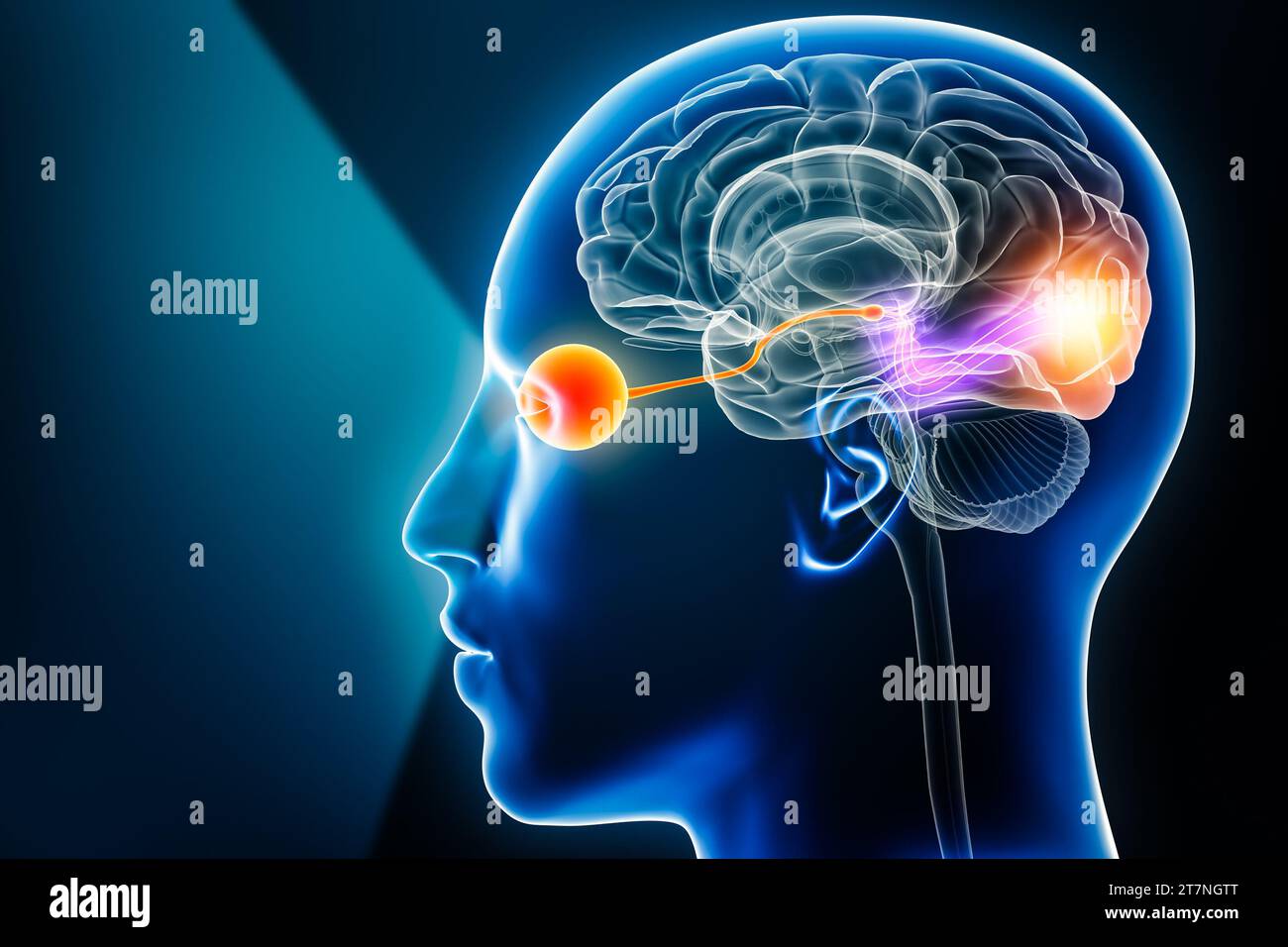
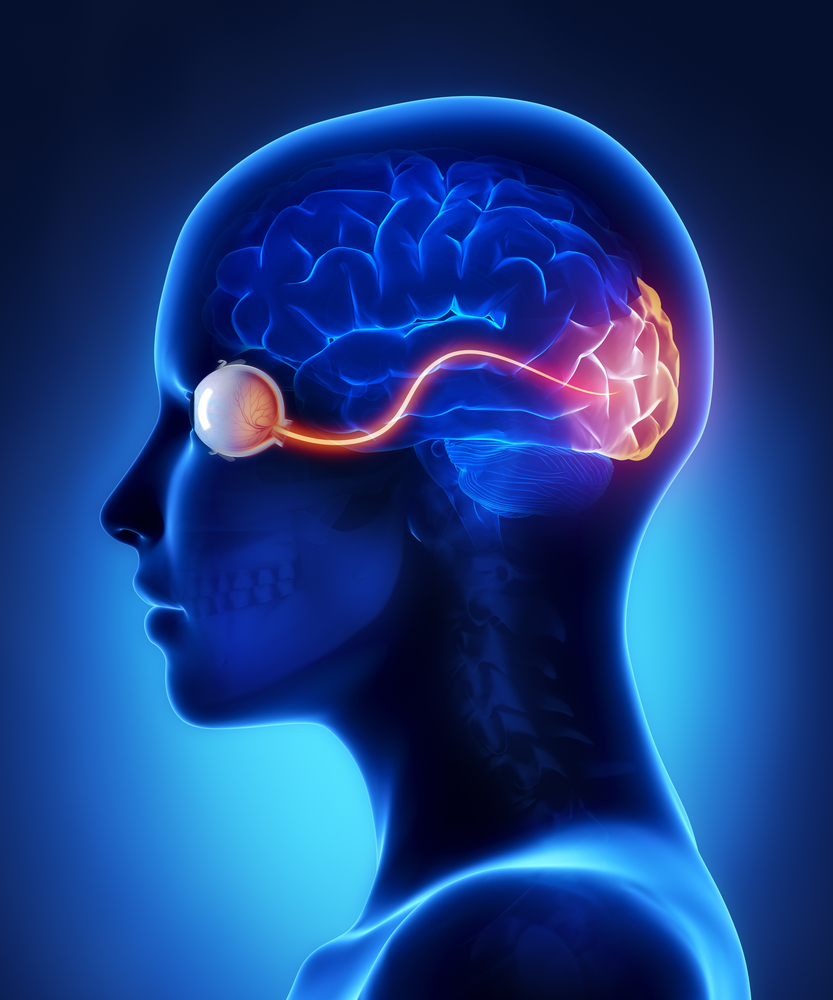
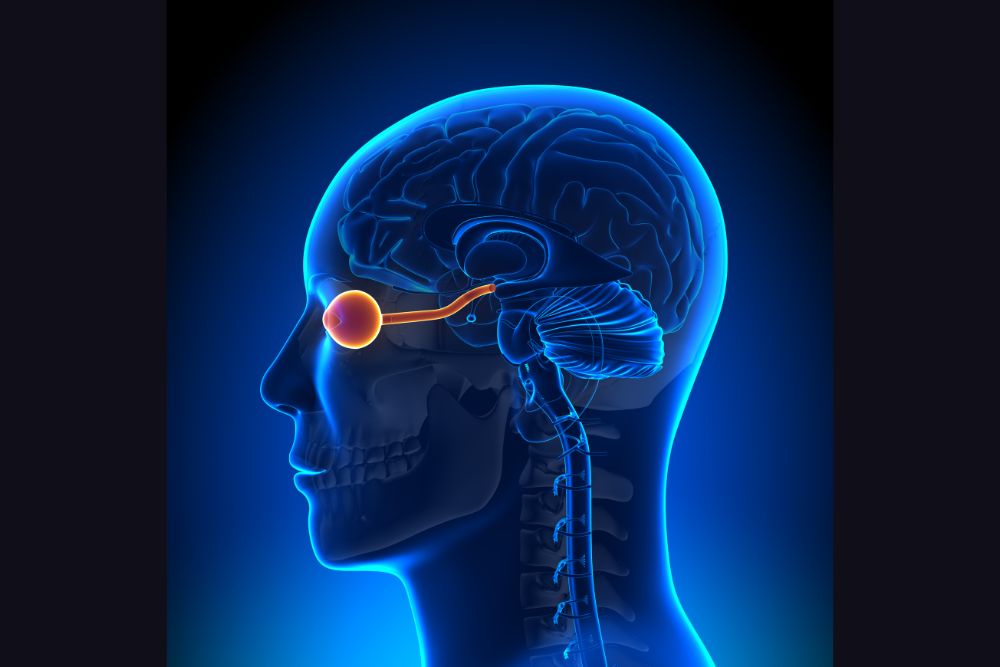
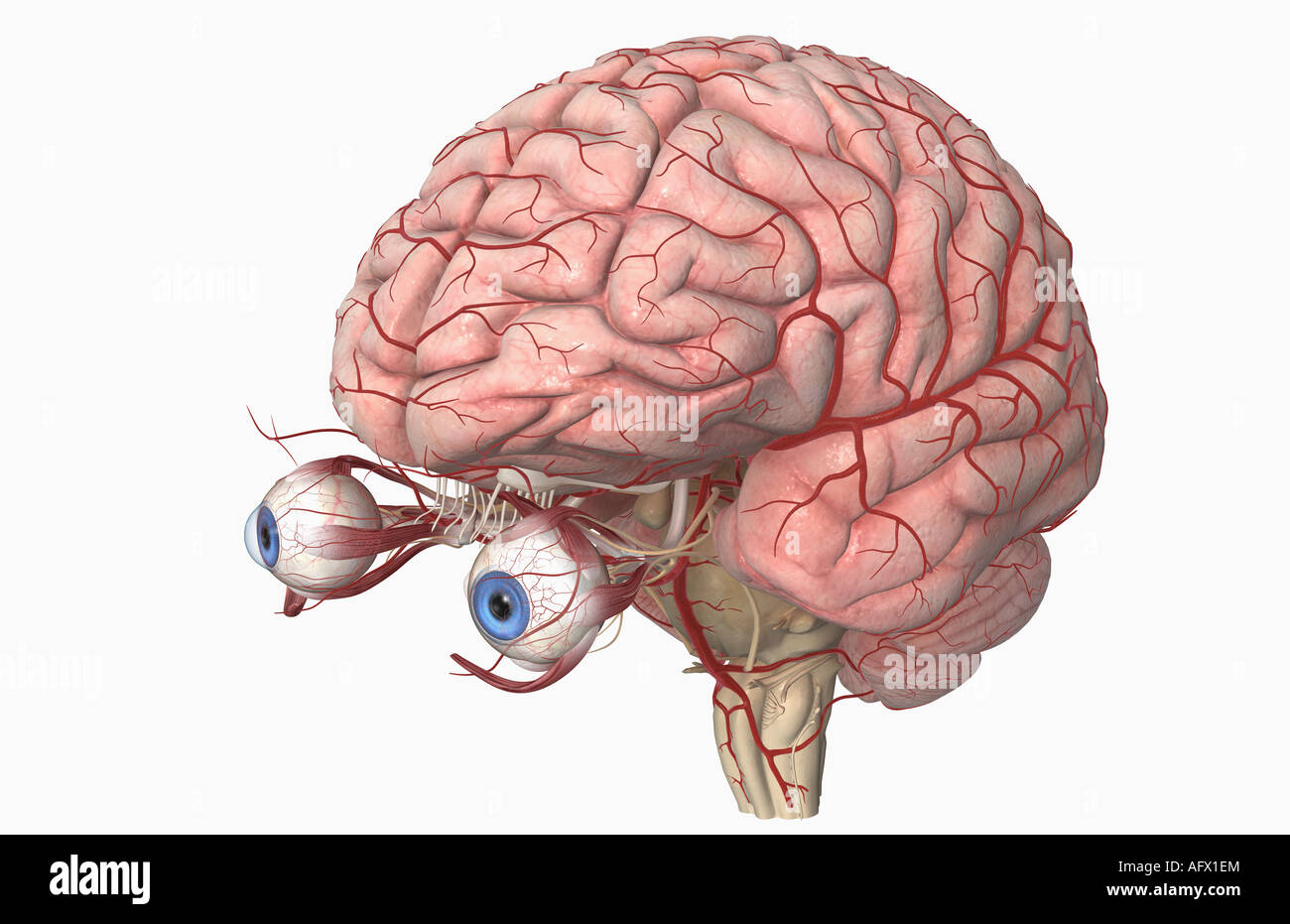
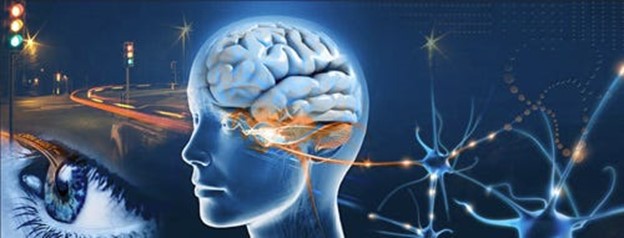
Simply put, the Eye Brain Connection refers to the neurological pathway that transmits visual information gathered by the retina to the visual processing centers in the brain. It's a rapid communication system that allows us to react instantly to our surroundings.
When light hits the back of your eye, specialized cells convert that energy into electrical signals. These signals are then packaged up and sent straight to the brain for interpretation. Think of your eyes as high-tech cameras and your brain as the supercomputer that develops the final image.
The Visual Pathway: A Highway of Information
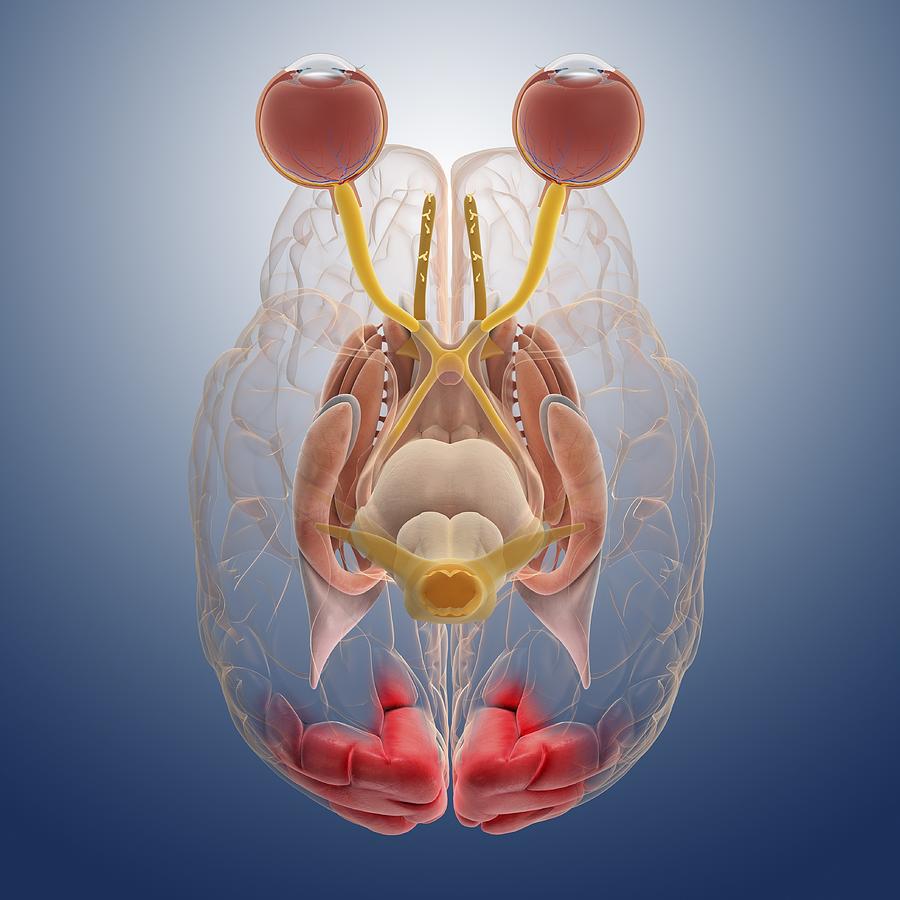
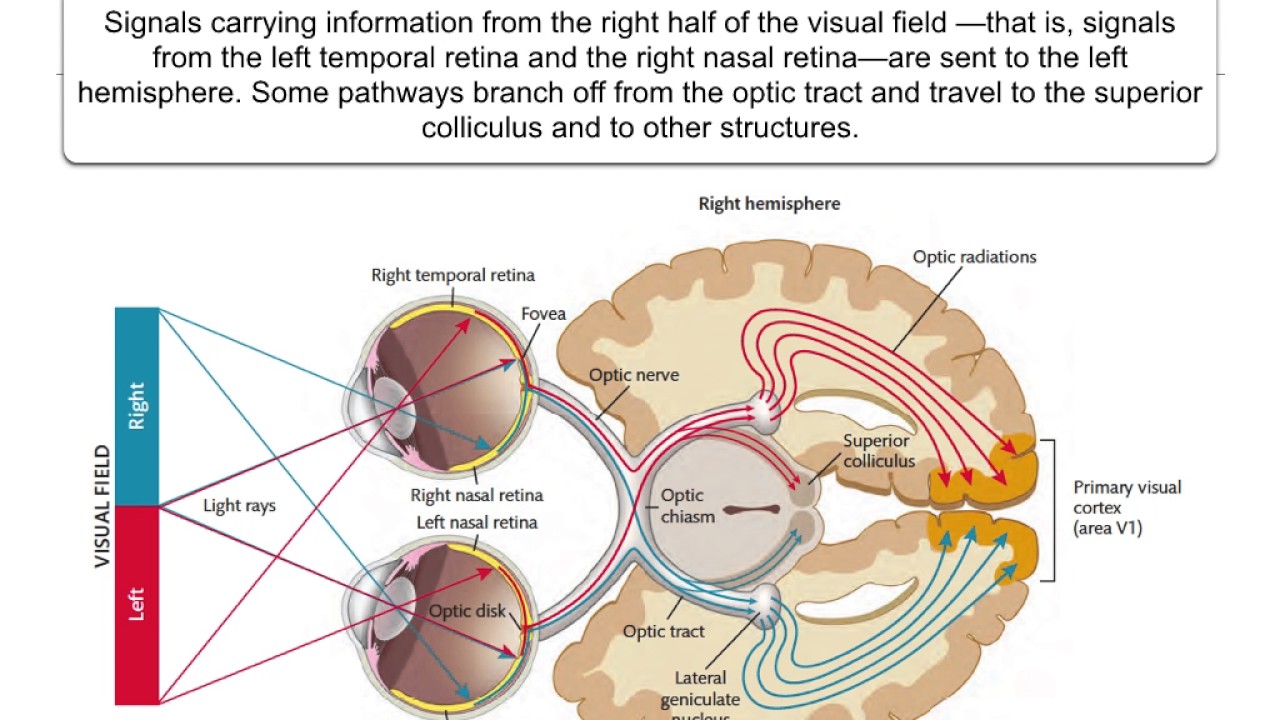
The path that visual information travels is called the visual pathway. It is incredibly organized and involves several stops along the way before reaching the final destination in the cerebral cortex. Interestingly, the image captured by your eye is actually inverted (upside down) and needs the brain to flip it back correctly.
This comprehensive pathway ensures that signals from both eyes are merged, allowing for crucial elements like depth perception and stereoscopic vision. It's a miracle of biological engineering that facilitates our navigation and interaction with the environment.
Key Players in the Vision Orchestra (Retina and Optic Nerve)
The successful operation of the Eye Brain Connection relies heavily on two primary structures working in tandem. These structures convert light into neural language the brain can understand.
- The Retina: This layer of tissue at the back of the eye contains millions of photoreceptors, categorized as rods and cones. Rods help us see in low light and detect movement, while cones handle color and fine detail.
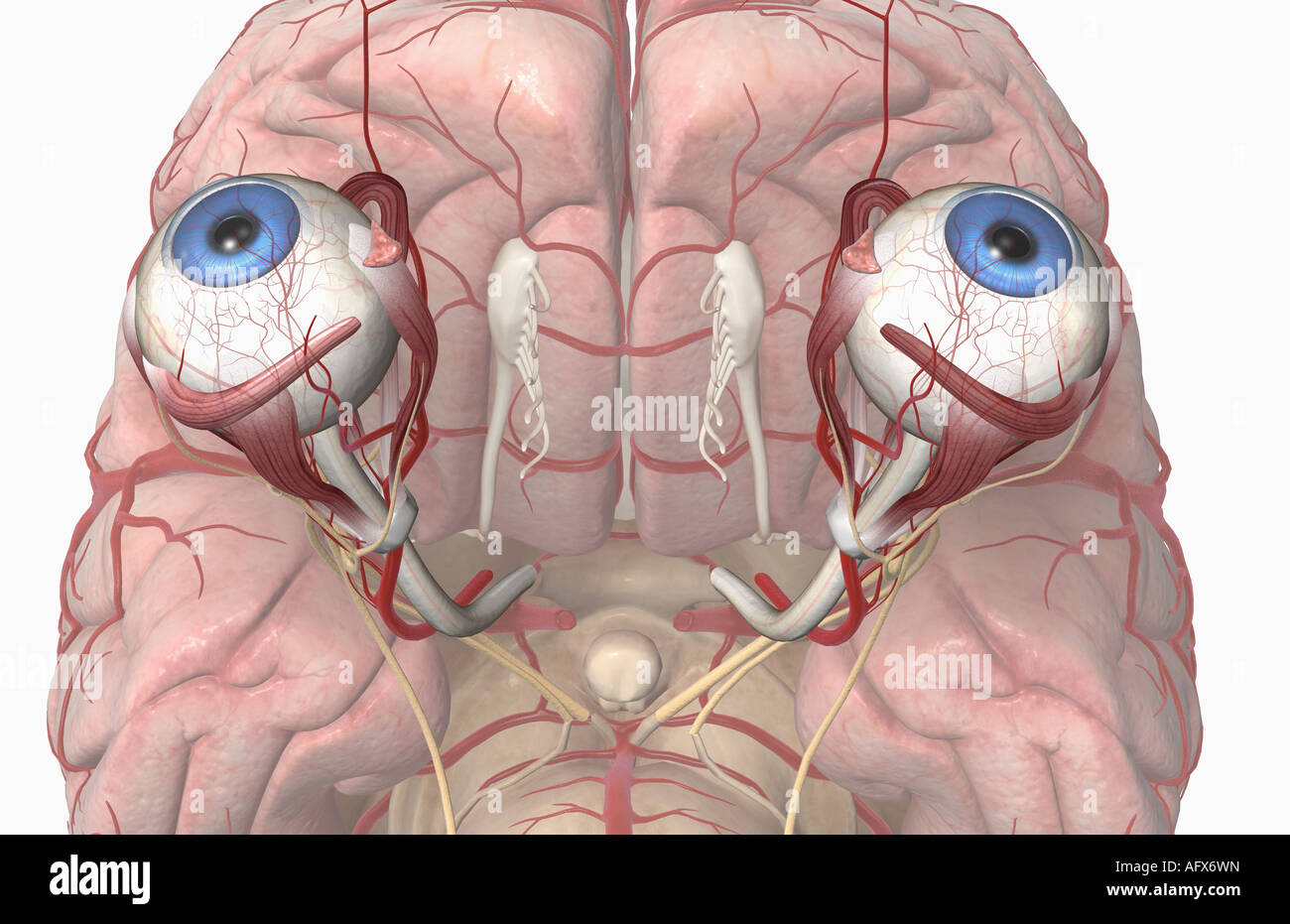
- The Optic Nerve: Often called the cable connecting the eye to the brain, the optic nerve bundles all those electrical signals from the retina and transmits them swiftly towards the brain's processing centers. Damage to this nerve, perhaps from glaucoma, severely impacts the ability of the brain to receive visual data.
It's important to realize that the optic nerve carries over a million nerve fibers, making it one of the largest bundles of nerves in the human body dedicated to a single sense.
How Visual Processing Happens in the Brain
Once the visual signals travel along the optic nerves and cross at the optic chiasm, they finally land in the ultimate recipient: the brain. The processing here isn't just about 'seeing' the raw data; it's about making sense of the light and shadow through complex interpretation.
The brain effectively fills in missing information, corrects for quick movements, and associates the newly perceived image with prior experiences and learned knowledge. This rapid, unconscious interpretation is what makes our visual experience feel seamless.
The Occipital Lobe: Vision's Command Center
The primary visual cortex is located in the occipital lobe, right at the back of your head. This is the first station where raw visual data is registered and analyzed for basic features like lines, edges, and movement. But the advanced processing doesn't stop here; it moves on quickly to specialized pathways.
From the visual cortex, information typically splits into two main functional streams, known conceptually as the "What" and the "Where" pathways. The "What" pathway (ventral stream) helps you identify objects—for example, recognizing that the shape you see is a book. Conversely, the "Where" pathway (dorsal stream) helps you locate objects in space and guide your movement toward them—like knowing exactly where to reach to pick up that book.
Beyond Sight: Vision's Role in Memory and Emotion
Did you know your visual input dramatically influences your mood and memory? It's profoundly true! The Eye Brain Connection doesn't just connect to the visual cortex; it also links up closely with the limbic system, which is the brain's emotional center, including the amygdala and hippocampus.
Consider how quickly you might recall a powerful, long-forgotten memory just by seeing a certain color, object, or familiar face. This direct link explains why visual cues are so potent in our daily emotional lives. The process is almost instantaneous, bypassing slower processing channels.
Here are a few ways vision intertwines with emotion and memory:
- Visual stimuli often trigger emotional responses faster than complex auditory or tactile stimuli due to direct neural shortcuts.
- Visual memory (iconic memory) is extremely robust and often long-lasting, providing stable reference points for our lives.
- Our fundamental ability to recognize faces, identify social cues, and assess threats is hardwired directly through this emotional visual loop.
Protecting and Optimizing Your Eye Brain Connection
Since this incredible connection is absolutely vital for our daily function and overall quality of life, maintaining its health is crucial. Fortunately, good, consistent habits can significantly support the integrity of the optic nerve and the clarity of visual processing, enhancing the health of your Eye Brain Connection.
It's about adopting a holistic approach that benefits both your physical health and your neural pathways.
Lifestyle Choices for Visual Health
Taking care of your eyes is intrinsically taking care of your brain. Here are a few simple steps you can integrate into your routine right now:
- Nutrition Matters: Ensure your diet is rich in Omega-3 fatty acids, Lutein, Zeaxanthin, and Vitamins C and E. Prioritize leafy greens, fatty fish, and brightly colored vegetables to protect the retina.
- Screen Breaks (The 20-20-20 Rule): Especially if you work digitally, this rule is essential. Every 20 minutes, look away from your screen at something 20 feet away for at least 20 seconds. This simple act relaxes the focusing muscles in the eyes.
- Stay Hydrated: Adequate hydration supports overall nerve health and prevents conditions like dry eye, which can stress the visual system.
- Regular Exercise: Good cardiovascular circulation benefits the optic nerve and the tiny blood vessels that supply the retina, keeping all components healthy.
- Wear UV Protection: Protecting your eyes from excessive sun exposure prevents oxidative damage to the delicate retinal tissues over time.
Signs That Your Connection Needs Attention
Sometimes, the connection encounters interference or damage. It's crucial to recognize warning signs that might indicate problems with the visual pathway or the brain's ability to process images. If you experience any of these, seeking professional medical attention is non-negotiable:
Warning signs related to potential issues with the Eye Brain Connection:
- Sudden, unexplained blurring or permanent loss of vision in one or both eyes.
- Persistent double vision (diplopia) which may indicate nerve damage.
- Severe headaches accompanied by unusual visual disturbances (such as persistent flashes or aura that don't subside).
- Noticeable difficulty judging distances, leading to frequent tripping or bumping into objects.
Remember, early detection and swift intervention are crucial when dealing with issues affecting the optic nerve, retina, or primary visual cortex.
Conclusion: The Marvel of Sight and Mind
The entire journey from light hitting your eye to you recognizing a loved one's face, reading this very article, or avoiding a hazard is truly miraculous. The robustness of the Eye Brain Connection determines not only the clarity of what you see, but also how efficiently you interact with the world around you, deeply influencing your balance, spatial awareness, memory, and emotional state.
By understanding the mechanics of the visual pathway and committing to proactive steps to protect your optic nerve and retinal health, you are actively preserving the unparalleled quality of your perception. Treat your vision with the respect it deserves—it's truly your most sophisticated window to the world, powered by your amazing brain.
Frequently Asked Questions (FAQ) About the Eye Brain Connection
- What is the most common condition affecting the Eye Brain Connection?
- The optic nerve is often affected by conditions like glaucoma, which slowly damages the nerve fibers responsible for transmitting signals, potentially leading to blindness if untreated. Other issues include optic neuritis (inflammation) or damage caused by stroke in the visual cortex.
- Can the brain repair damage to the visual pathway?
- While the optic nerve itself has limited capacity for regeneration, the brain exhibits remarkable neuroplasticity. In cases where the visual cortex is damaged, other cortical areas can sometimes reorganize and compensate for some loss of function, especially with consistent visual therapy and rehabilitation exercises.
- How does screen time impact the Eye Brain Connection?
- Excessive screen time leads to digital eye strain (asthenopia) and reduced blinking rates. While it doesn't usually cause permanent nerve damage, the strain can lead to blurry vision, dry eyes, and headaches, which temporarily interfere with the smooth functioning of the visual processing system.
- Is peripheral vision handled differently than central vision?
- Yes, absolutely. Central vision (high resolution, fine detail, color) primarily uses the fovea (high concentration of cones) and is deeply processed in the visual cortex. Peripheral vision (movement detection, low light) relies more on rods and is often processed faster by deeper brain structures to allow for quick threat responses, often before you consciously recognize the object.
Eye Brain Connection
Eye Brain Connection Wallpapers
Collection of eye brain connection wallpapers for your desktop and mobile devices.
Gorgeous Eye Brain Connection Capture Concept
Find inspiration with this unique eye brain connection illustration, crafted to provide a fresh look for your background.

Detailed Eye Brain Connection Picture Collection
Explore this high-quality eye brain connection image, perfect for enhancing your desktop or mobile wallpaper.
Artistic Eye Brain Connection Artwork Nature
Find inspiration with this unique eye brain connection illustration, crafted to provide a fresh look for your background.

High-Quality Eye Brain Connection Abstract for Desktop
Experience the crisp clarity of this stunning eye brain connection image, available in high resolution for all your screens.

Vibrant Eye Brain Connection Picture for Your Screen
Discover an amazing eye brain connection background image, ideal for personalizing your devices with vibrant colors and intricate designs.
Lush Eye Brain Connection Wallpaper Photography
This gorgeous eye brain connection photo offers a breathtaking view, making it a perfect choice for your next wallpaper.
High-Quality Eye Brain Connection Capture Photography
Explore this high-quality eye brain connection image, perfect for enhancing your desktop or mobile wallpaper.
Exquisite Eye Brain Connection Background Photography
Immerse yourself in the stunning details of this beautiful eye brain connection wallpaper, designed for a captivating visual experience.

Artistic Eye Brain Connection Landscape Digital Art
Immerse yourself in the stunning details of this beautiful eye brain connection wallpaper, designed for a captivating visual experience.
Amazing Eye Brain Connection View Nature
Transform your screen with this vivid eye brain connection artwork, a true masterpiece of digital design.
Stunning Eye Brain Connection Artwork for Desktop
Find inspiration with this unique eye brain connection illustration, crafted to provide a fresh look for your background.

High-Quality Eye Brain Connection Picture for Your Screen
Transform your screen with this vivid eye brain connection artwork, a true masterpiece of digital design.
Crisp Eye Brain Connection Picture Photography
Immerse yourself in the stunning details of this beautiful eye brain connection wallpaper, designed for a captivating visual experience.
Breathtaking Eye Brain Connection Abstract in 4K
Discover an amazing eye brain connection background image, ideal for personalizing your devices with vibrant colors and intricate designs.

Stunning Eye Brain Connection Scene Nature
A captivating eye brain connection scene that brings tranquility and beauty to any device.

Detailed Eye Brain Connection Wallpaper Digital Art
Experience the crisp clarity of this stunning eye brain connection image, available in high resolution for all your screens.
Amazing Eye Brain Connection Artwork in 4K
Explore this high-quality eye brain connection image, perfect for enhancing your desktop or mobile wallpaper.
Amazing Eye Brain Connection Scene Art
Explore this high-quality eye brain connection image, perfect for enhancing your desktop or mobile wallpaper.

Vibrant Eye Brain Connection View for Desktop
Explore this high-quality eye brain connection image, perfect for enhancing your desktop or mobile wallpaper.

Captivating Eye Brain Connection Artwork in 4K
Find inspiration with this unique eye brain connection illustration, crafted to provide a fresh look for your background.
Download these eye brain connection wallpapers for free and use them on your desktop or mobile devices.
0 Response to "Eye Brain Connection"
Post a Comment