Eye Convergence Disorder
Eye Convergence Disorder: Understanding, Symptoms, and Effective Treatment Options
Are you struggling with persistent headaches or eye strain, especially after spending time reading or working on a computer? If focusing up close feels like a constant battle, you might be dealing with a common but often overlooked condition known as Eye Convergence Disorder, or Convergence Insufficiency (CI).
This condition affects how your eyes work together when viewing nearby objects. Essentially, your eyes struggle to turn inward (converge) smoothly and sustain that posture, leading to a host of uncomfortable symptoms. It's a frustrating issue, but the good news is that it is highly treatable. Let's dive into what Eye Convergence Disorder is, how to spot the signs, and the best ways to get back to comfortable vision.
What Exactly is Eye Convergence Disorder?
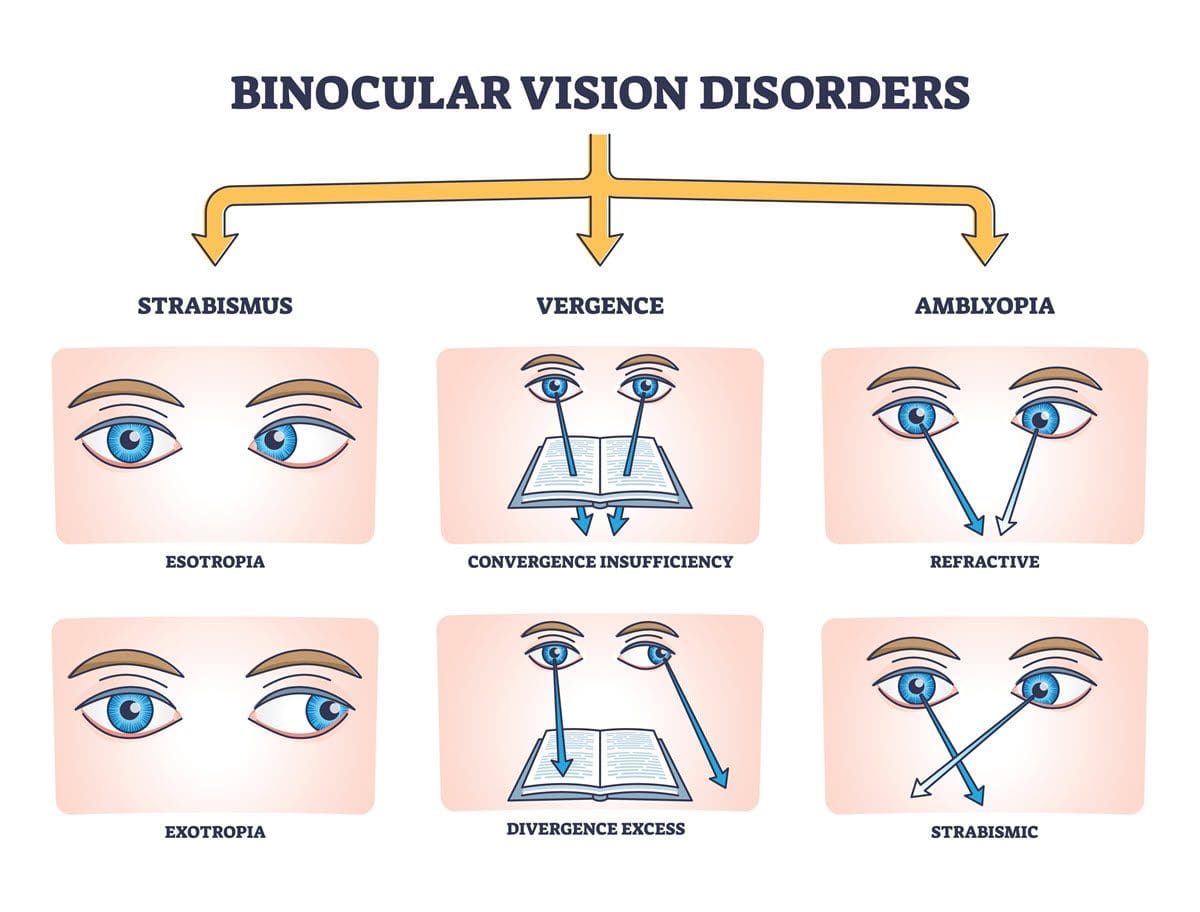
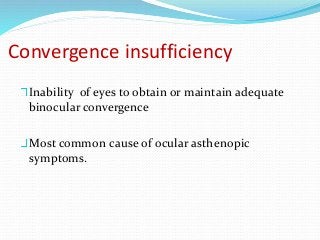
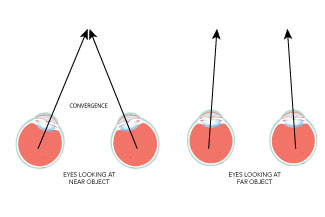
Convergence Insufficiency (CI) is a specific type of binocular vision disorder. Binocular vision simply means using both eyes together to create one clear, 3D image. When you look at an object close to your face, your eye muscles must pull your eyes slightly inward towards your nose—this movement is called convergence.
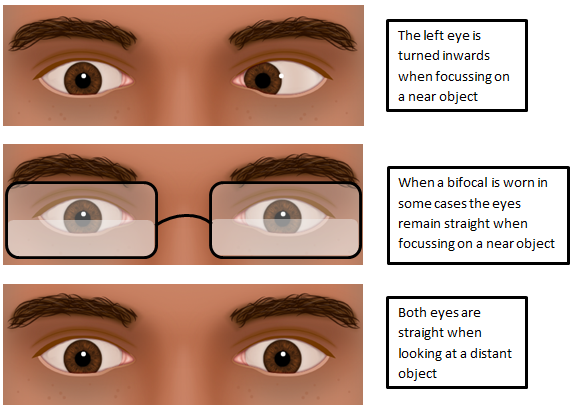
For individuals with Eye Convergence Disorder, these muscles do not perform this action efficiently or accurately. Instead of converging easily, one or both eyes drift outward when focusing on something up close, making it incredibly difficult to maintain clear, single vision during tasks like reading or writing.
This inefficiency forces the brain and eyes to work much harder to compensate, leading directly to the classic symptoms of eye strain and fatigue. Think of it like trying to hold two heavy objects together for a long period; eventually, your muscles give out.
Spotting the Signs: Symptoms of Convergence Insufficiency
Because the body and brain are excellent compensators, symptoms of CI often manifest indirectly. Many people mistakenly attribute their discomfort to simply needing stronger glasses or spending too much time on screens. However, the symptoms related to Eye Convergence Disorder specifically worsen during close-up work.
If you or your child struggle with reading comprehension or fatigue after a short period of focused work, Convergence Insufficiency should certainly be considered. These symptoms are usually not apparent when looking at distant objects.
Common Visual Complaints
The most common indicators that you might be experiencing Eye Convergence Disorder include:
- Double vision (diplopia) when reading or working up close.
- Eyestrain or tired eyes, often felt around the temples or forehead.
- Headaches, particularly those that start later in the day after using the eyes heavily.
- Blurred vision that clears only when you close one eye.
- Difficulty concentrating during reading or homework tasks.
- Slowing down or avoidance of near work altogether.
- Dizziness or motion sickness during visually demanding activities.
Children often show these symptoms through behavioral changes, such as holding books far away, frequently rubbing their eyes, or losing their place easily while reading. Recognizing these specific signs is the first step toward finding effective treatment for their vision problems.
Why Does This Happen? Exploring the Causes
Unlike simple refractive errors (like nearsightedness), Eye Convergence Disorder is not usually related to the shape of the eyeball. Instead, it's a neuromuscular issue—a problem with the communication and coordination between the brain and the eye muscles.
The exact cause often remains unknown, but researchers believe it stems from a weak or poorly calibrated link in the visual system. It's often found in people who are otherwise healthy and have perfect 20/20 distance vision.
Lifestyle and Risk Factors
While CI can affect anyone, certain conditions or circumstances can increase the likelihood of developing or worsening Eye Convergence Disorder. These are often related to activities that demand prolonged close focusing.
Risk factors include:
- **Excessive Screen Time:** Modern life demands heavy use of digital devices, placing unprecedented strain on near vision skills. This prolonged demand can exhaust the convergence system.
- **Traumatic Brain Injury (TBI) or Concussion:** Damage to the neurological pathways controlling eye movements frequently leads to CI.
- **Neurodevelopmental Conditions:** CI is often more prevalent in individuals with ADHD, dyslexia, or other learning disabilities.
- **Aging:** As we age, the flexibility of the visual system naturally decreases, although CI is more commonly diagnosed in children and young adults.
If you have experienced any of these factors and are noticing symptoms, seeking a specialized eye exam is crucial for proper diagnosis of Eye Convergence Disorder.
Getting Help: Diagnosis and Treatment Pathways
The first step toward relief is getting a comprehensive visual efficiency exam, usually performed by an optometrist specializing in binocular vision or a developmental optometrist. Standard eye exams typically only check for clarity (20/20 vision) and basic eye health, which is often insufficient for diagnosing Eye Convergence Disorder.
How Optometrists Test for Convergence Insufficiency
A specialized exam will assess several key metrics to measure how well your eyes converge and sustain focus. The primary test involves measuring the "near point of convergence" (NPC).
During the NPC test, the optometrist slowly moves a target (like a small light or a stick) toward your nose until you either see double or until one eye drifts outward. A normal NPC is very close to the face. If the eyes stop converging too far away, it confirms a diagnosis of Eye Convergence Disorder.
Other tests measure the patient's fusional reserves—how much strain the eyes can tolerate before the image breaks apart. These objective measurements help pinpoint the severity of the issue.
Effective Treatment Strategies for Convergence Disorder
The good news is that Eye Convergence Disorder is one of the most successfully treated vision disorders. Treatment focuses on retraining the visual system to converge efficiently and automatically.
Vision Therapy: The Gold Standard
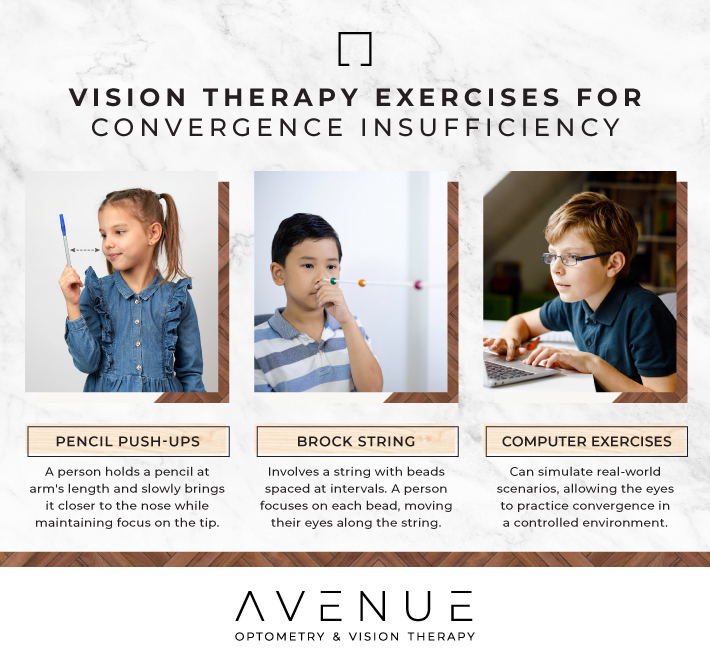
Vision therapy (VT) is essentially physical therapy for the eyes and brain. It involves a structured, doctor-supervised program of exercises designed to improve eye teaming skills and focusing accuracy. VT teaches the eyes to converge effortlessly, often making it feel like muscle memory.
Sessions may be conducted in an office setting once or twice a week, often supplemented by daily home exercises. Studies have repeatedly shown that in-office vision therapy combined with specific home practice is the most effective approach for treating Eye Convergence Disorder, especially in children and young adults.
Corrective Lenses and Prisms
In some cases, specific types of eyeglasses can help manage the symptoms of Eye Convergence Disorder. Reading glasses may reduce the accommodative effort required, thereby slightly easing the convergence demand.
Alternatively, prismatic lenses can be used. Prisms shift the image seen by the eyes, which can reduce the amount of eye turning needed. However, prisms are typically used as a temporary aid or a palliative measure, often recommended when vision therapy is not feasible or for mild cases. They manage symptoms rather than curing the underlying coordination problem.
Managing Life with Convergence Insufficiency
While undergoing treatment, implementing simple environmental and behavioral modifications can significantly reduce strain and improve comfort. This is particularly important if your job requires extensive close work.
Try these practical tips:
- Take frequent, short breaks (the 20-20-20 rule is excellent: every 20 minutes, look 20 feet away for 20 seconds).
- Ensure proper lighting to minimize glare and maximize contrast while reading.
- Adjust your monitor distance and height so you are not straining your neck or visual system unnecessarily.
- Use a pointer or follow along with a finger while reading to help maintain focus and prevent losing your place.
By consciously managing your visual workload and committing to a prescribed treatment plan, you can dramatically reduce the daily struggles associated with Eye Convergence Disorder.
Final Thoughts on Eye Convergence Disorder
Eye Convergence Disorder is a genuine visual impairment, but it is far from a life sentence. Recognizing the symptoms—from headaches to difficulty concentrating—is the most crucial step toward resolution. If these issues sound familiar, do not settle for a standard glasses prescription.
Seek out a specialized optometrist who can perform a thorough binocular vision assessment. With commitment to evidence-based treatments like vision therapy, you can retrain your visual system and achieve comfortable, efficient vision, making close-up tasks feel effortless once again. Effective treatment for Eye Convergence Disorder truly is within reach.
Frequently Asked Questions About Eye Convergence Disorder
- Is Eye Convergence Disorder the same as being farsighted?
- No. Farsightedness (hyperopia) is a refractive error where distant objects are clear, but near objects are blurry. Eye Convergence Disorder is a neuromuscular issue where the eyes struggle to coordinate for near tasks, regardless of whether the vision is blurry or clear at a distance. You can have both conditions simultaneously, but they are treated differently.
- Can adults develop Convergence Insufficiency?
- Yes. While it is often diagnosed in childhood, adults can develop or experience symptoms of Eye Convergence Disorder, especially following a concussion, neurological event, or due to prolonged visual demands related to work.
- How long does vision therapy take to treat Convergence Insufficiency?
- The duration varies depending on the severity of the Eye Convergence Disorder and the patient's compliance with the home exercise regimen. Typically, a successful program lasts between 3 to 6 months, requiring consistent in-office sessions and daily practice.
- Will my insurance cover treatment for Eye Convergence Disorder?
- Coverage varies widely. Some medical insurance plans may cover vision therapy or specialized testing, particularly if the condition resulted from a TBI. It is essential to check with your specific insurance provider regarding coverage for visual training or developmental optometry services.
Eye Convergence Disorder
Eye Convergence Disorder Wallpapers
Collection of eye convergence disorder wallpapers for your desktop and mobile devices.

Crisp Eye Convergence Disorder View for Desktop
A captivating eye convergence disorder scene that brings tranquility and beauty to any device.
Vibrant Eye Convergence Disorder Design in 4K
Experience the crisp clarity of this stunning eye convergence disorder image, available in high resolution for all your screens.

Mesmerizing Eye Convergence Disorder Capture Collection
Explore this high-quality eye convergence disorder image, perfect for enhancing your desktop or mobile wallpaper.

Artistic Eye Convergence Disorder Capture in HD
This gorgeous eye convergence disorder photo offers a breathtaking view, making it a perfect choice for your next wallpaper.
Dynamic Eye Convergence Disorder Design for Mobile
Find inspiration with this unique eye convergence disorder illustration, crafted to provide a fresh look for your background.

Stunning Eye Convergence Disorder Picture Concept
Find inspiration with this unique eye convergence disorder illustration, crafted to provide a fresh look for your background.

Exquisite Eye Convergence Disorder Background Concept
A captivating eye convergence disorder scene that brings tranquility and beauty to any device.

Spectacular Eye Convergence Disorder Background Collection
Immerse yourself in the stunning details of this beautiful eye convergence disorder wallpaper, designed for a captivating visual experience.

Spectacular Eye Convergence Disorder Image Digital Art
Immerse yourself in the stunning details of this beautiful eye convergence disorder wallpaper, designed for a captivating visual experience.
Serene Eye Convergence Disorder Capture Collection
Explore this high-quality eye convergence disorder image, perfect for enhancing your desktop or mobile wallpaper.

Lush Eye Convergence Disorder Scene in 4K
A captivating eye convergence disorder scene that brings tranquility and beauty to any device.
Amazing Eye Convergence Disorder Picture for Your Screen
Discover an amazing eye convergence disorder background image, ideal for personalizing your devices with vibrant colors and intricate designs.
Spectacular Eye Convergence Disorder Artwork in HD
A captivating eye convergence disorder scene that brings tranquility and beauty to any device.
Detailed Eye Convergence Disorder Image for Your Screen
Discover an amazing eye convergence disorder background image, ideal for personalizing your devices with vibrant colors and intricate designs.
High-Quality Eye Convergence Disorder Landscape Art
Experience the crisp clarity of this stunning eye convergence disorder image, available in high resolution for all your screens.

Dynamic Eye Convergence Disorder Moment for Your Screen
Immerse yourself in the stunning details of this beautiful eye convergence disorder wallpaper, designed for a captivating visual experience.
Dynamic Eye Convergence Disorder View Concept
Find inspiration with this unique eye convergence disorder illustration, crafted to provide a fresh look for your background.
Stunning Eye Convergence Disorder Artwork Photography
This gorgeous eye convergence disorder photo offers a breathtaking view, making it a perfect choice for your next wallpaper.

0 Response to "Eye Convergence Disorder"
Post a Comment