Eye Perception
Decoding the Magic: Understanding the Science of Eye Perception
Have you ever stopped to wonder how your brain instantly recognizes a familiar face, accurately judges the distance of a speeding car, or differentiates between thousands of colors? It's not just your eyes taking a snapshot; it's a sophisticated cognitive process known as Eye Perception.
Eye Perception is the complex, often subconscious, mechanism that transforms raw light energy collected by the eyes into a meaningful, three-dimensional understanding of the world. It bridges the gap between biological sensing and conscious experience. We are going to explore this fascinating journey, from the moment light hits your cornea until your brain tells you exactly what you are seeing.
The Anatomy of Sight: How the Eye Captures Light
The first step in Eye Perception is capturing light. Think of your eye as a high-tech camera constantly adjusting to incoming stimuli. Light enters through the protective layer called the cornea, passes through the pupil (which acts like the camera's aperture), and is then focused by the lens onto the retina.
This biological focusing system ensures that the light hits the back of the eye with maximum clarity, even when objects are moving quickly or changing distance. However, the image projected onto the retina is actually upside down and two-dimensional—the brain handles the heavy lifting of correction later on!
The Role of the Retina and Photoreceptors
The retina is arguably the most crucial biological element in the initial stages of Eye Perception. It contains millions of photoreceptors, specialized cells responsible for converting light into electrical signals that the brain can understand. There are two main types of photoreceptors:
- Rods: Extremely sensitive to light and movement. They are primarily responsible for peripheral vision and helping us see in low-light conditions (night vision).
- Cones: Responsible for sharp central vision and detecting color. They require much brighter light to function effectively, which is why color perception is poor in the dark.
Once the rods and cones are stimulated, they fire off signals to adjacent nerve cells, initiating the sensory transmission phase. This instantaneous conversion process is essential for providing high-quality raw data for the brain to interpret.
Beyond the Image: Processing Visual Information
The real magic of Eye Perception happens after the light has been turned into an electrical impulse. The retina aggregates these signals, passing them along the optic nerve. This nerve acts as a massive data cable, carrying millions of bits of information per second from the back of your eye directly toward the brain.
This flow of data is complex and rapid. If the transmission pathway is interrupted or damaged, even a perfectly healthy eye may struggle to send accurate information, resulting in impaired vision or perception issues.
The Journey to the Visual Cortex
The optic nerves from both eyes meet at a junction called the optic chiasm. Here, the visual fields are split. Information from the right visual field (processed by both eyes) goes to the left side of the brain, and vice versa. This cross-wiring is crucial for depth perception and coordination.
The signals then travel through the thalamus, acting as a relay station, before finally arriving at the primary visual cortex located in the occipital lobe at the very back of the brain. This area is dedicated solely to decoding the complex patterns and electrical impulses it receives.
Interpreting Depth and Distance
One of the most impressive components of Eye Perception is stereopsis, or depth perception. Since our eyes are set slightly apart, each eye captures a slightly different view of the world. The brain fuses these two distinct images into a single, three-dimensional representation.
However, we don't rely solely on having two eyes. Your brain also uses several visual cues to determine depth, even when viewing things with only one eye:
- Relative Size: Objects that appear smaller are perceived as being farther away.
- Linear Perspective: Parallel lines seem to converge as they move into the distance.
- Texture Gradient: Textures appear coarser and more distinct up close and smoother far away.
- Interposition: If one object partially blocks the view of another, the blocking object is judged to be closer.
These cues work together seamlessly, allowing us to navigate complex environments without having to constantly calculate spatial relationships consciously.
The Psychology of Eye Perception: Making Sense of the World
Perception isn't just about seeing; it's about interpreting. The brain isn't just passively recording data; it is actively constructing reality based on incoming stimuli, context, and past experience. This interpretive stage is heavily influenced by cognitive factors and psychological shortcuts.
For instance, the concept of "perceptual constancy" means we perceive objects as having stable properties (like size or color) even when the sensory input changes. A white shirt looks white in bright sunlight and in dim shade, even though the actual amount of light hitting your retina is drastically different.
Visual Illusions: Tricking Eye Perception
Visual illusions provide incredible insight into how our brain processes information. When you look at an illusion, your eyes are sending accurate information, but your brain misinterprets it based on its learned assumptions about the world.
Common illusions, like the Müller-Lyer illusion (where two lines of the same length appear different due to arrowheads), show that the brain automatically applies context and perspective cues, even when they lead to an incorrect result. This proves that Eye Perception is an active, predictive process, not merely a receptive one.
Keeping Your Eye Perception Sharp
Maintaining clear vision and optimal perception is essential for overall quality of life. Since Eye Perception relies on both the physical health of the eye and the cognitive health of the brain, proactive steps are key.
Ensuring regular eye exams can catch issues like macular degeneration or cataracts early, preventing the physical limitations that disrupt the raw data signal. Furthermore, maintaining good cardiovascular health directly benefits the tiny blood vessels supplying the retina and optic nerve.
Think about incorporating these simple habits into your routine:
- Follow the 20-20-20 rule to reduce digital eye strain (every 20 minutes, look at something 20 feet away for at least 20 seconds).
- Wear UV-blocking sunglasses, as prolonged exposure to ultraviolet light can damage the retina.
- Eat foods rich in antioxidants, Omega-3 fatty acids, and vitamins A, C, and E, which support retinal health.
By protecting your physical eyes, you give your brain the best possible chance to interpret the world accurately, keeping your visual perception sharp for years to come.
Conclusion
The journey from light hitting your eyeball to the conscious understanding of what you are seeing is nothing short of miraculous. Eye Perception is a dynamic partnership between biology and cognition, relying on intricate anatomical structures to capture information and powerful neural circuitry to transform that information into a coherent reality.
It's a process defined by speed, precision, and continuous interpretation. Understanding how this vital system works helps us appreciate not only the complexity of human biology but also the subtle ways our brain constantly constructs the visual world we inhabit. Protect your eyes, nourish your brain, and enjoy the show!
Frequently Asked Questions About Eye Perception
- What is the difference between sight and Eye Perception?
- Sight refers to the sensory process of capturing light and sending raw electrical signals to the brain (the biological aspect). Eye Perception is the interpretation, organization, and conscious understanding of those raw signals, often involving context and memory (the cognitive aspect).
- Can Eye Perception be improved?
- While the fundamental biology of vision is fixed, the cognitive aspects of perception can be enhanced through practice, especially tasks involving visual discrimination, depth judgment, and spatial awareness. Keeping the physical eyes healthy also maximizes the quality of the visual data sent to the brain.
- What happens if my optic nerve is damaged?
- Damage to the optic nerve disrupts the critical transmission pathway from the retina to the visual cortex. This can lead to varying degrees of vision loss or blind spots, even if the eye itself is still capable of capturing light, proving that transmission is key to proper Eye Perception.
Eye Perception
Eye Perception Wallpapers
Collection of eye perception wallpapers for your desktop and mobile devices.
Serene Eye Perception Wallpaper Digital Art
Transform your screen with this vivid eye perception artwork, a true masterpiece of digital design.

Gorgeous Eye Perception View Art
This gorgeous eye perception photo offers a breathtaking view, making it a perfect choice for your next wallpaper.
High-Quality Eye Perception Scene Collection
Experience the crisp clarity of this stunning eye perception image, available in high resolution for all your screens.

Gorgeous Eye Perception Abstract in 4K
A captivating eye perception scene that brings tranquility and beauty to any device.
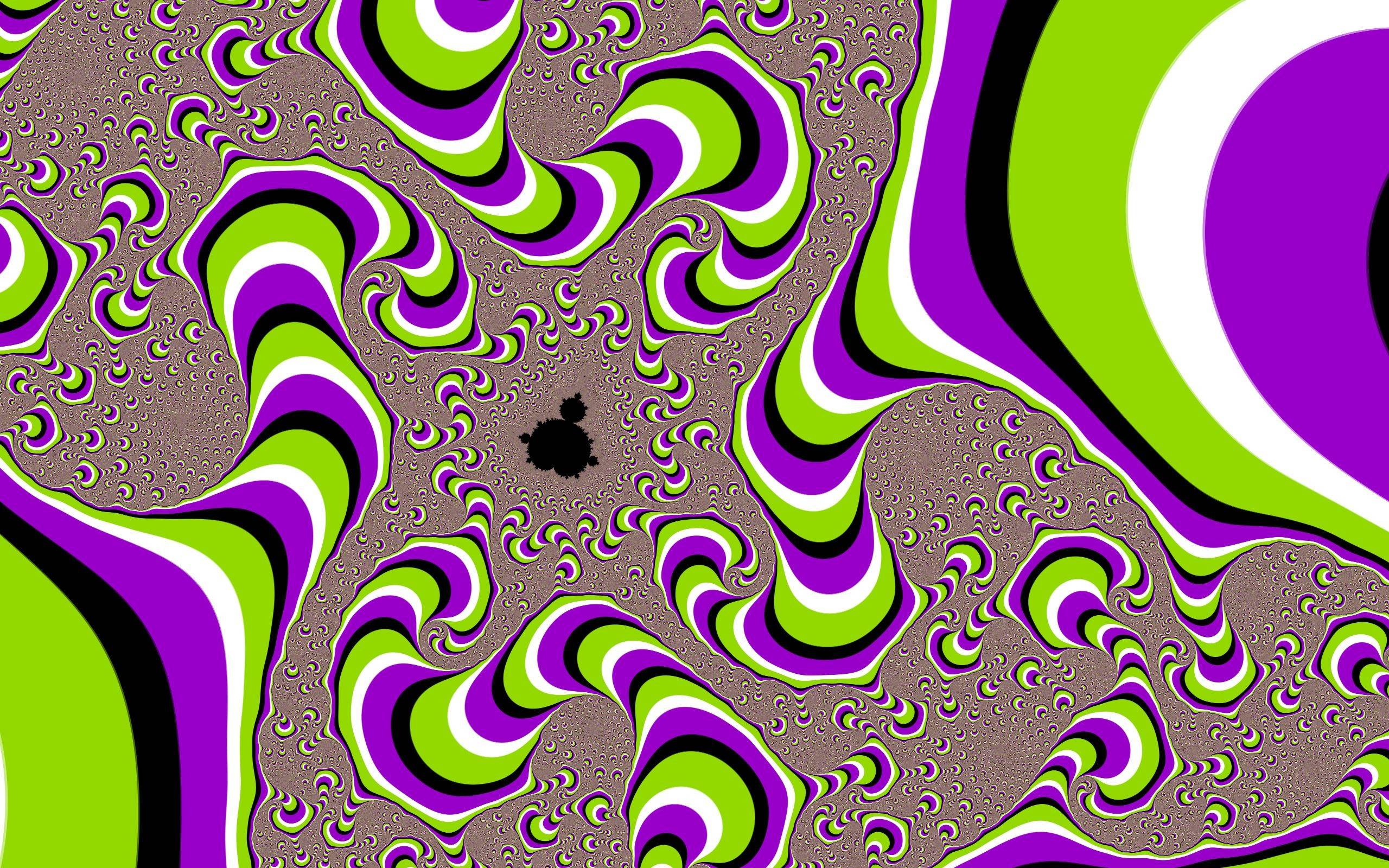
Exquisite Eye Perception Moment in HD
A captivating eye perception scene that brings tranquility and beauty to any device.
Stunning Eye Perception Scene for Your Screen
This gorgeous eye perception photo offers a breathtaking view, making it a perfect choice for your next wallpaper.
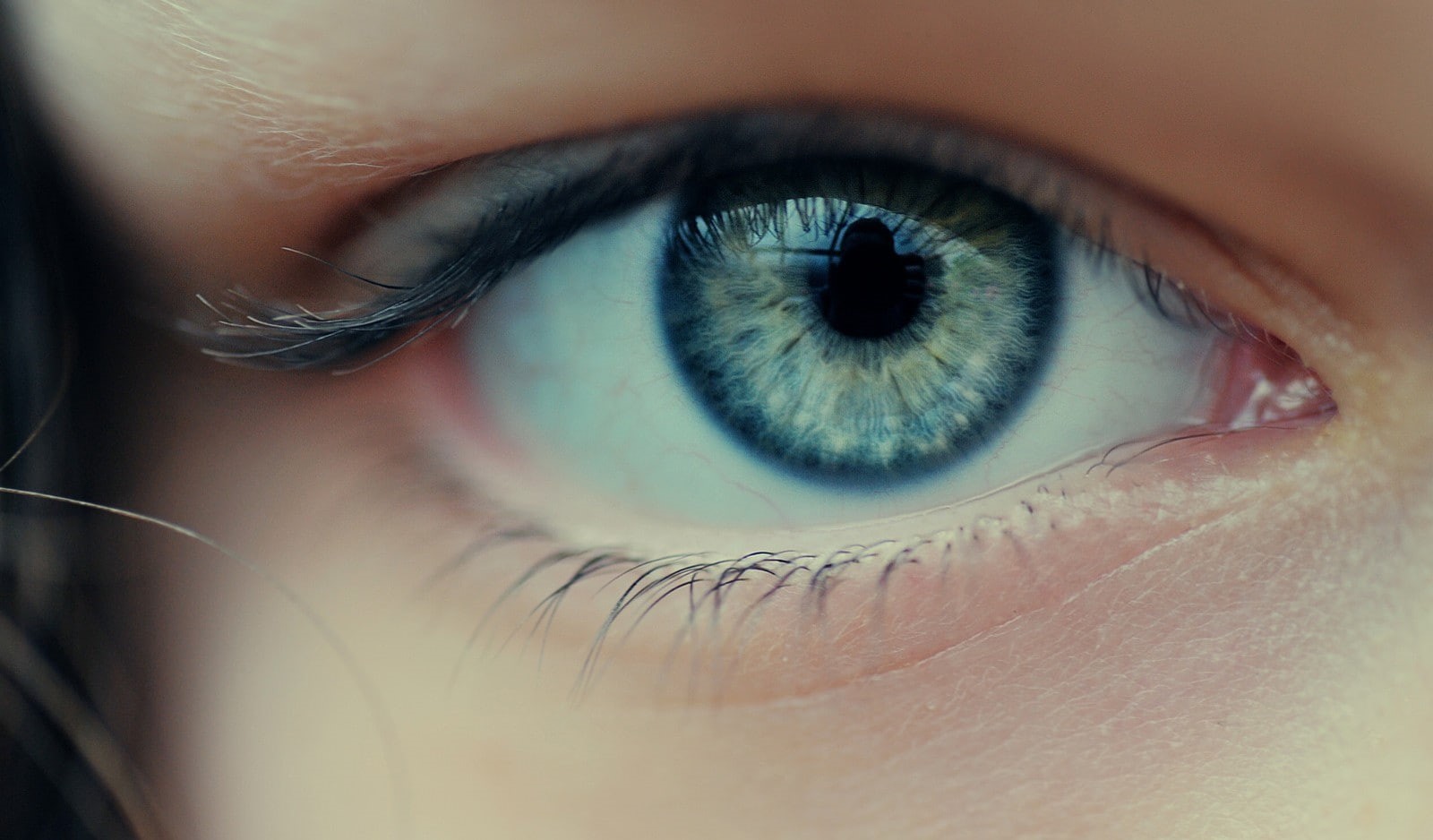
Beautiful Eye Perception Abstract in HD
Transform your screen with this vivid eye perception artwork, a true masterpiece of digital design.
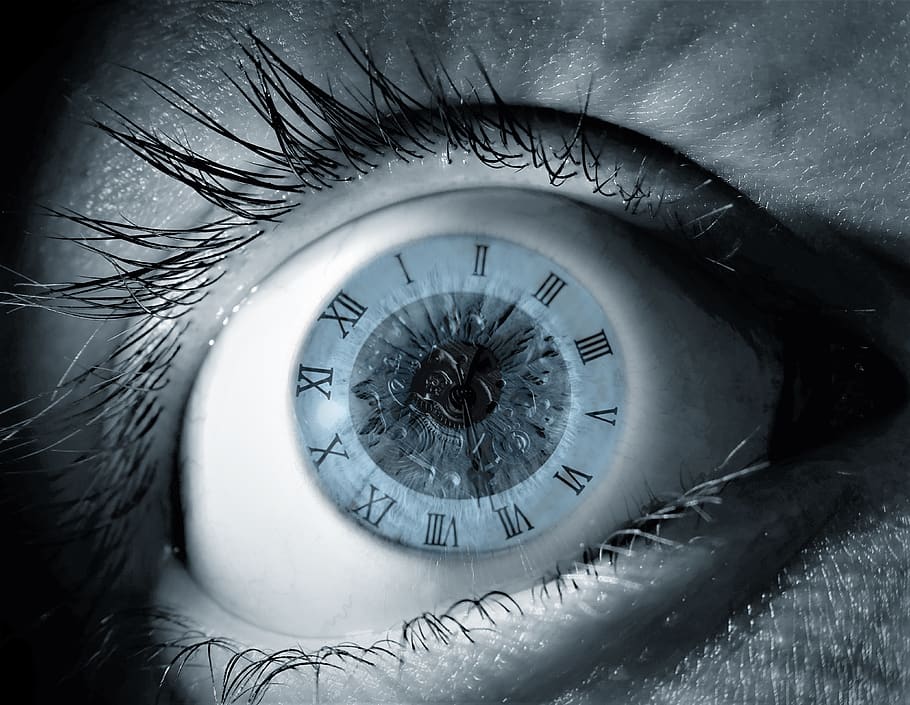
Detailed Eye Perception Wallpaper Art
Discover an amazing eye perception background image, ideal for personalizing your devices with vibrant colors and intricate designs.
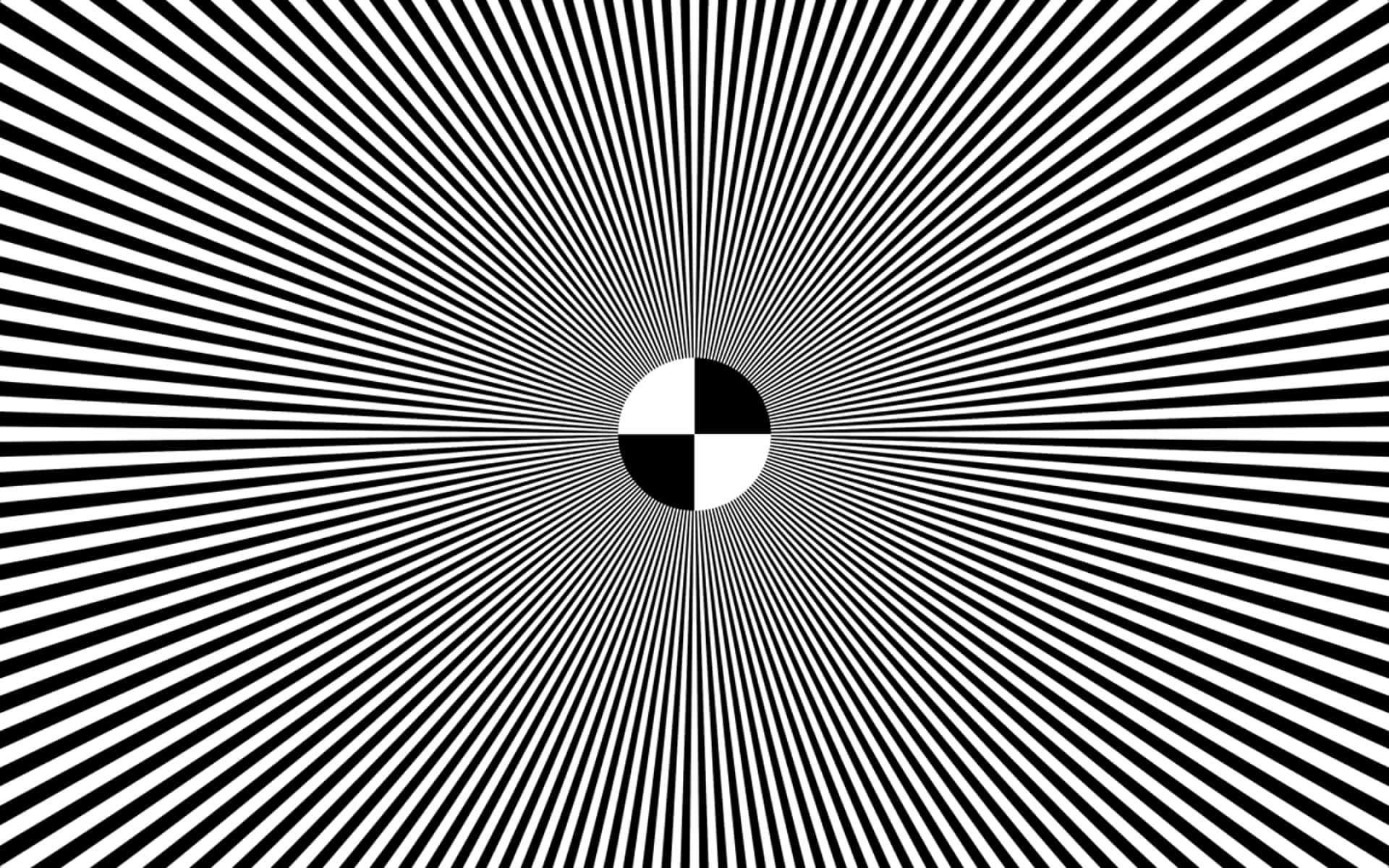
Captivating Eye Perception View Digital Art
Immerse yourself in the stunning details of this beautiful eye perception wallpaper, designed for a captivating visual experience.

Beautiful Eye Perception Design for Your Screen
Discover an amazing eye perception background image, ideal for personalizing your devices with vibrant colors and intricate designs.
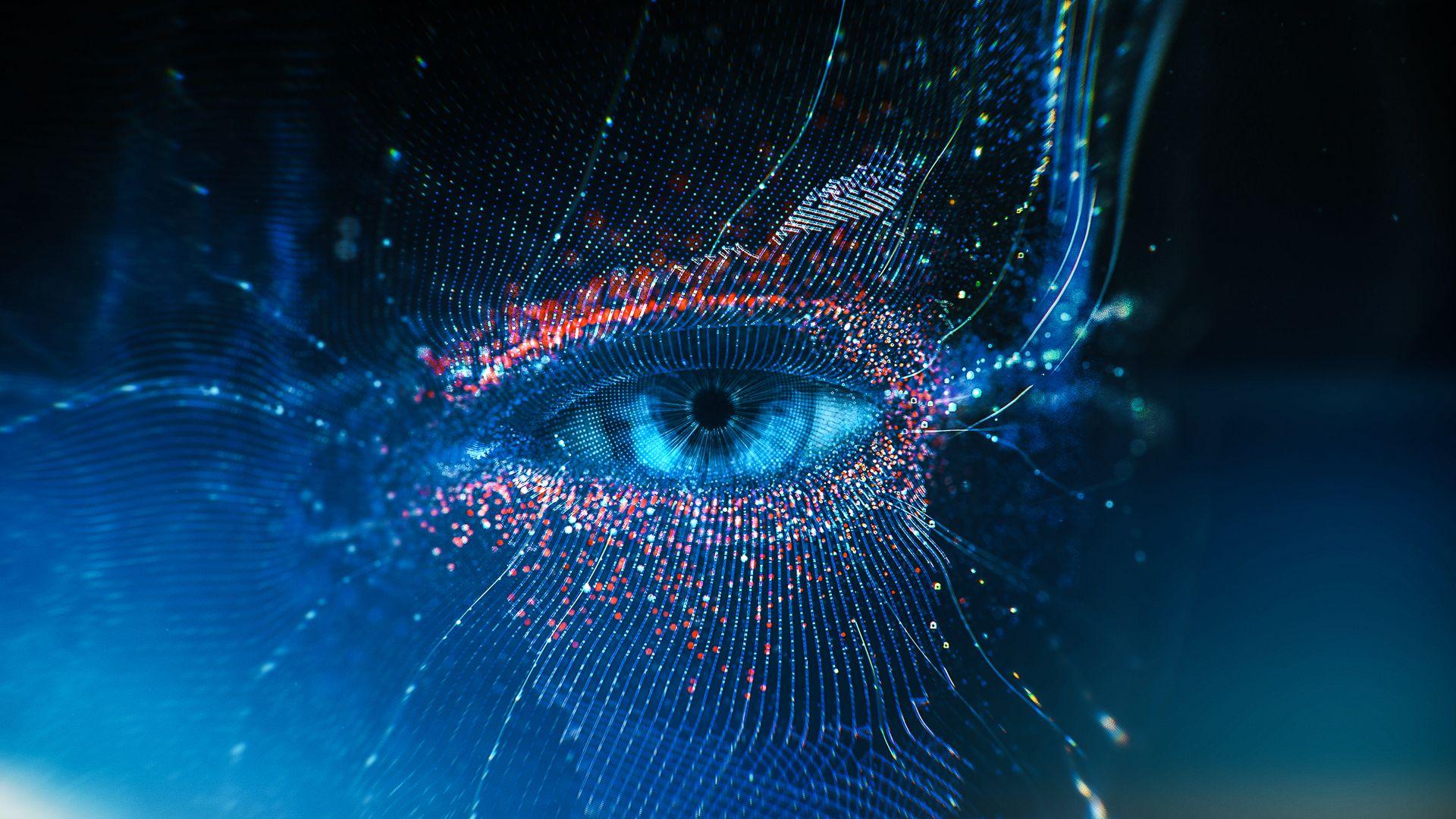
Artistic Eye Perception Image Collection
Immerse yourself in the stunning details of this beautiful eye perception wallpaper, designed for a captivating visual experience.

Stunning Eye Perception Capture in HD
Find inspiration with this unique eye perception illustration, crafted to provide a fresh look for your background.
Captivating Eye Perception Artwork Photography
This gorgeous eye perception photo offers a breathtaking view, making it a perfect choice for your next wallpaper.
Artistic Eye Perception Landscape Nature
Immerse yourself in the stunning details of this beautiful eye perception wallpaper, designed for a captivating visual experience.
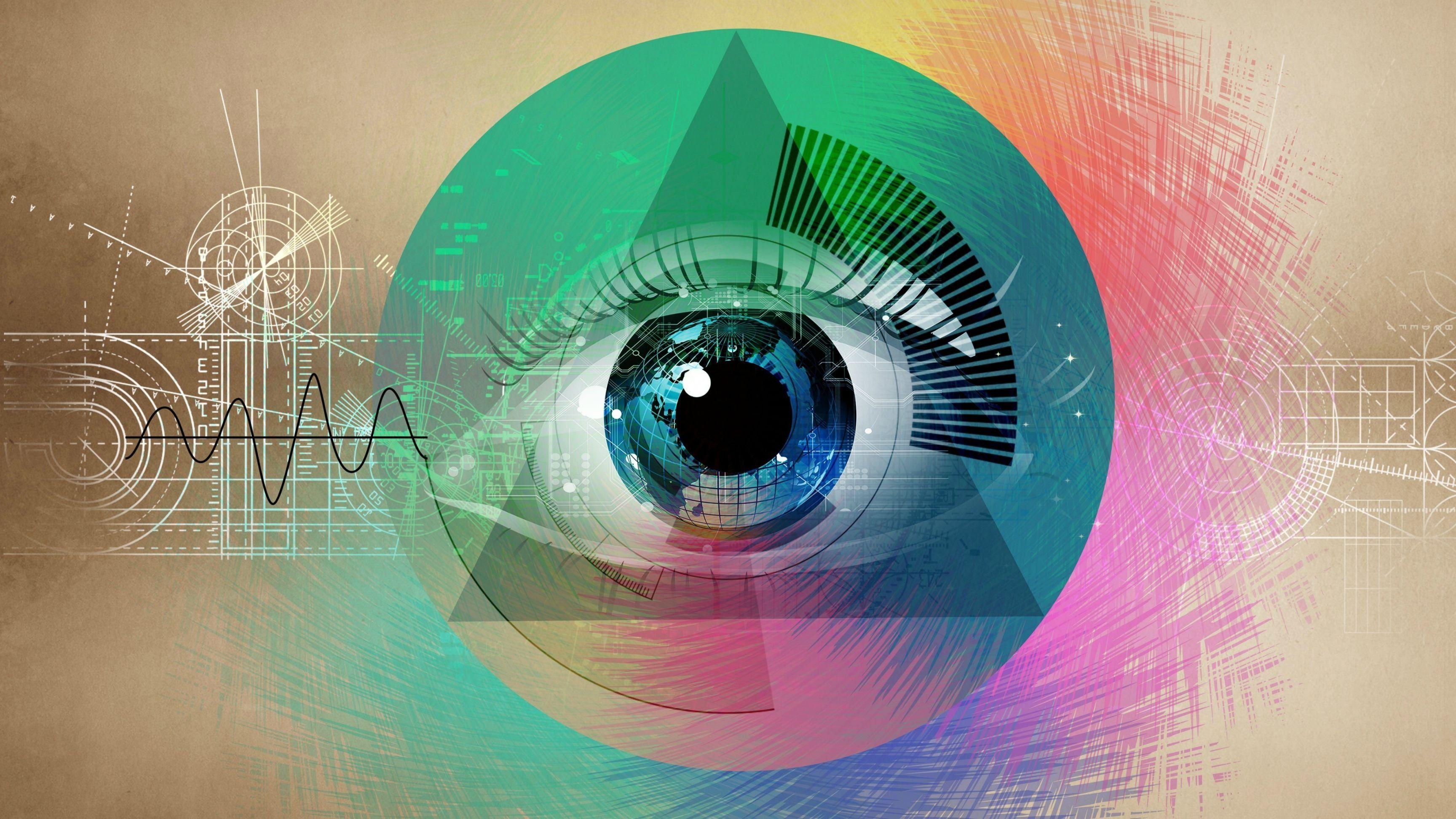
Mesmerizing Eye Perception Wallpaper for Mobile
Transform your screen with this vivid eye perception artwork, a true masterpiece of digital design.
Vibrant Eye Perception Design Concept
Transform your screen with this vivid eye perception artwork, a true masterpiece of digital design.
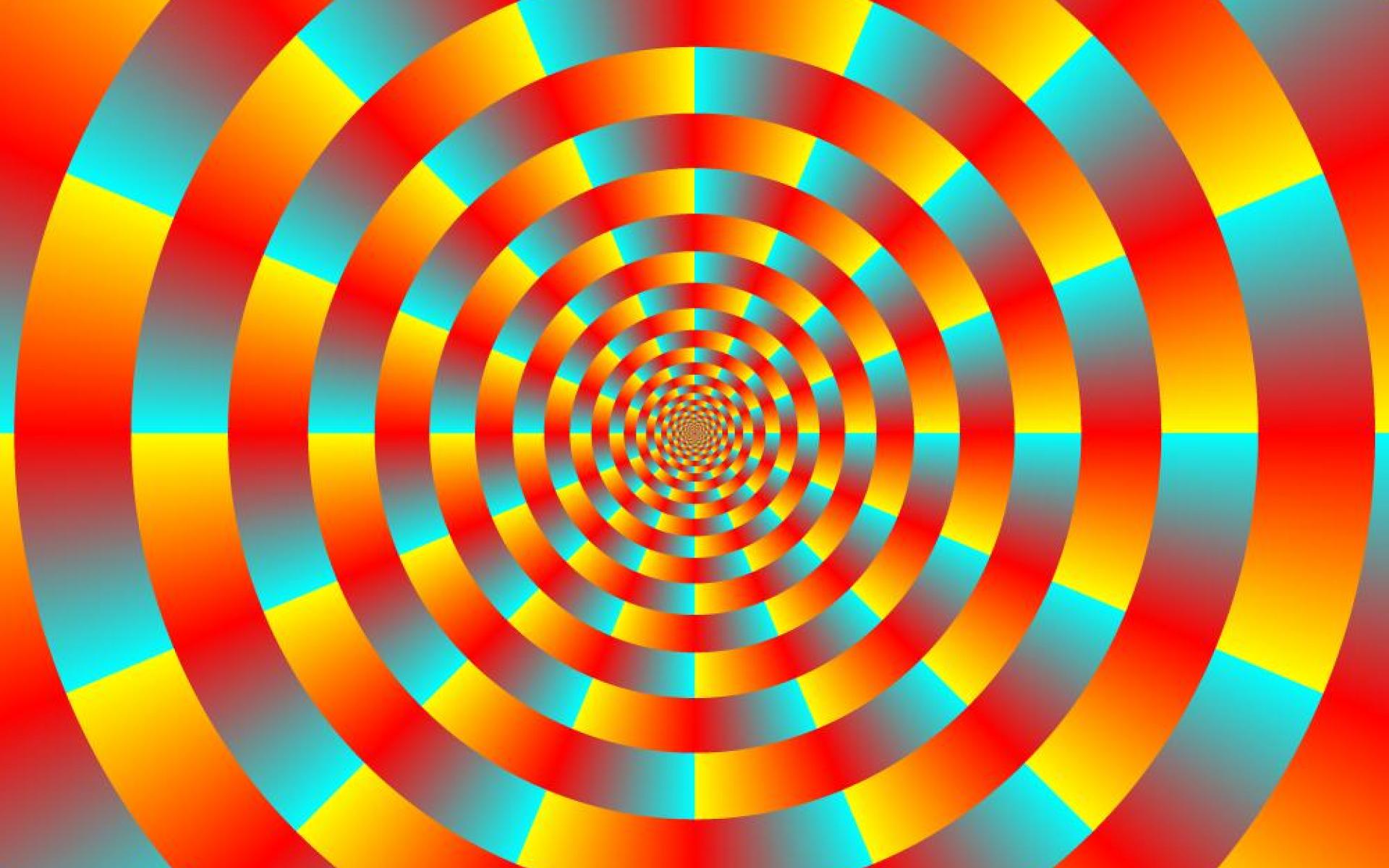
Beautiful Eye Perception Landscape Concept
Transform your screen with this vivid eye perception artwork, a true masterpiece of digital design.
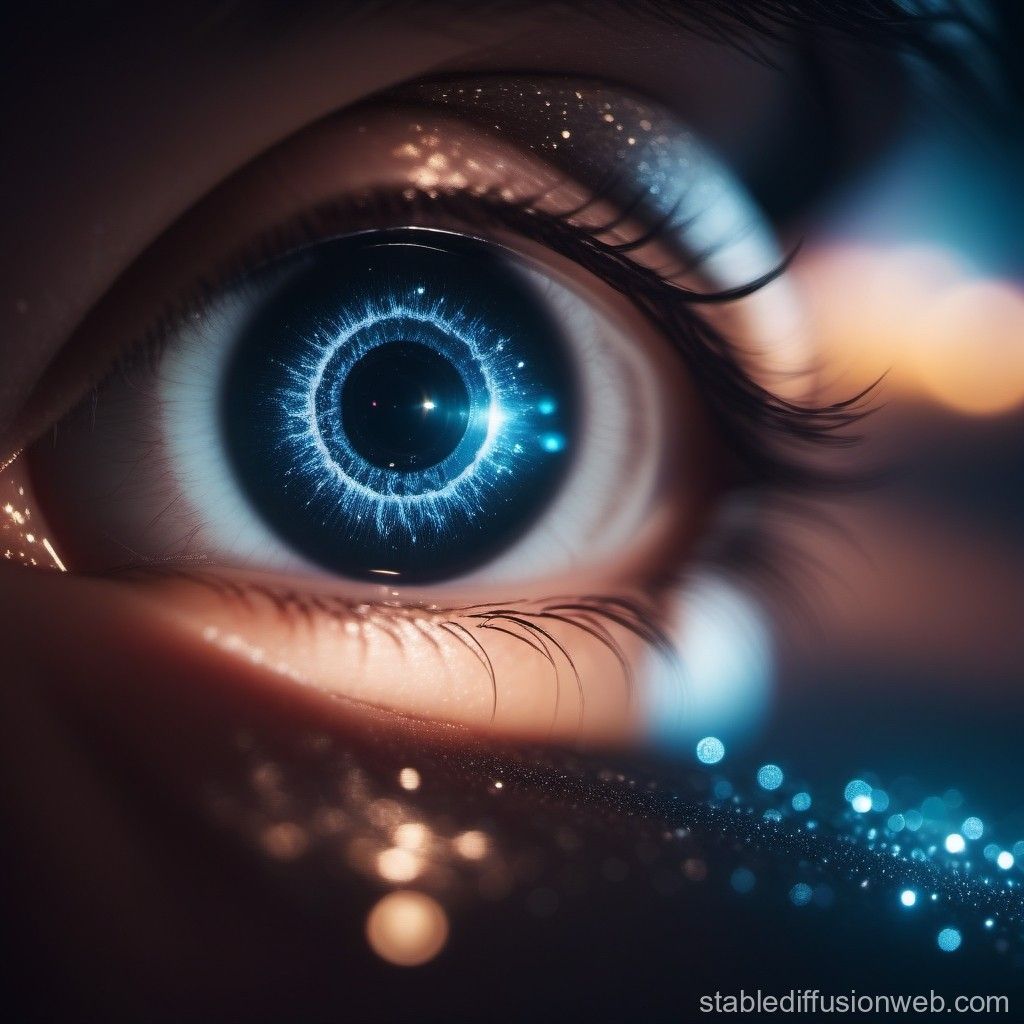
Spectacular Eye Perception Capture Photography
Find inspiration with this unique eye perception illustration, crafted to provide a fresh look for your background.
Serene Eye Perception Wallpaper Photography
Experience the crisp clarity of this stunning eye perception image, available in high resolution for all your screens.
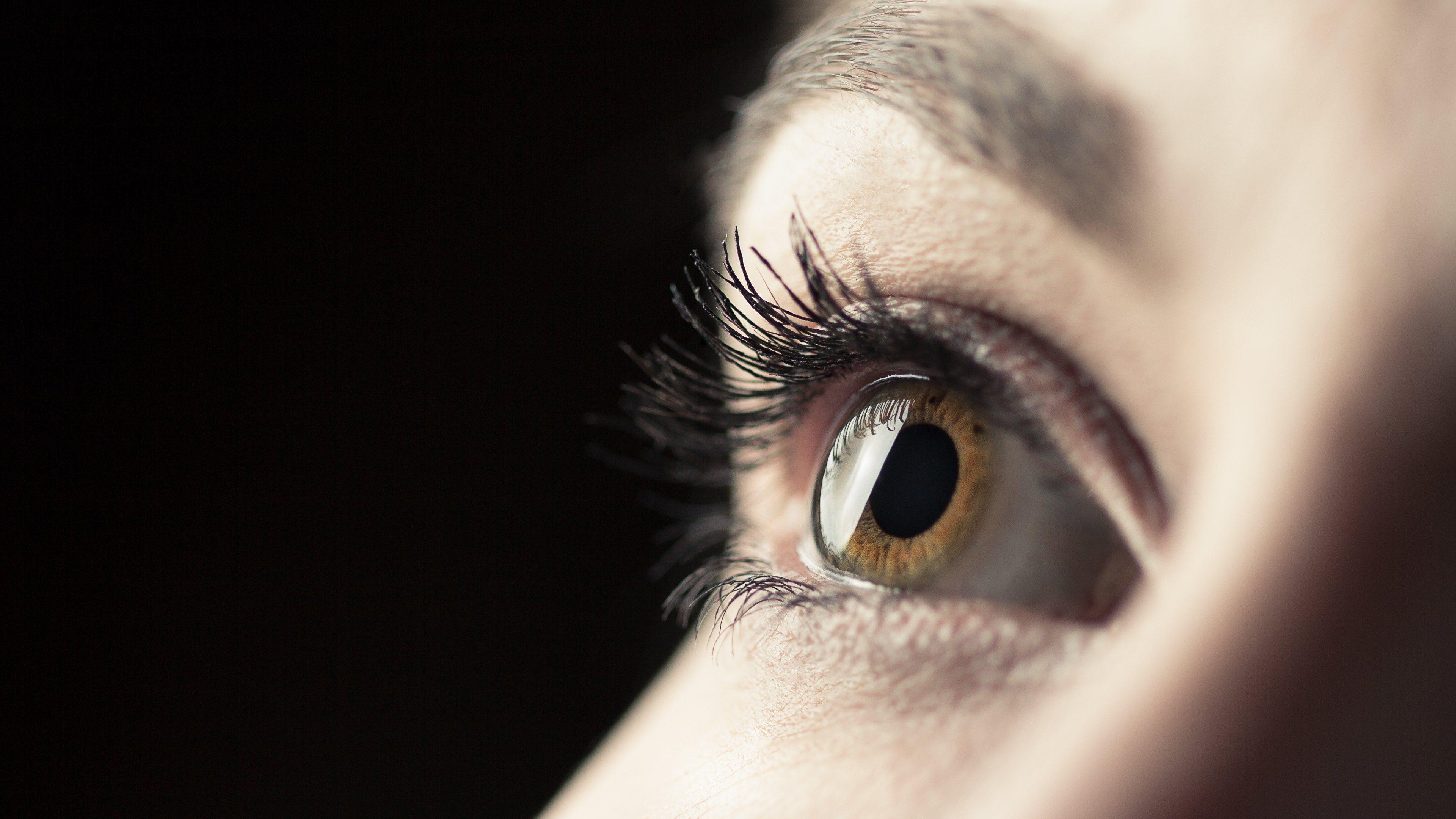
Dynamic Eye Perception Moment for Mobile
Immerse yourself in the stunning details of this beautiful eye perception wallpaper, designed for a captivating visual experience.
Download these eye perception wallpapers for free and use them on your desktop or mobile devices.
0 Response to "Eye Perception"
Post a Comment