Eye Prescription Types
Decoding Your Vision: A Simple Guide to Eye Prescription Types
If you've ever received an eye prescription slip, you know it can look like ancient hieroglyphics. All those abbreviations, positive and negative numbers, and confusing terms can make ordering new glasses feel daunting.
But don't worry! Understanding the different Eye Prescription Types doesn't require a medical degree. This guide is designed to break down the language of optometrists into simple terms, helping you feel confident the next time you shop for eyewear.
Let's dive in and demystify exactly what those numbers mean for your unique vision needs.
Understanding the Vision Problem (Refractive Errors)
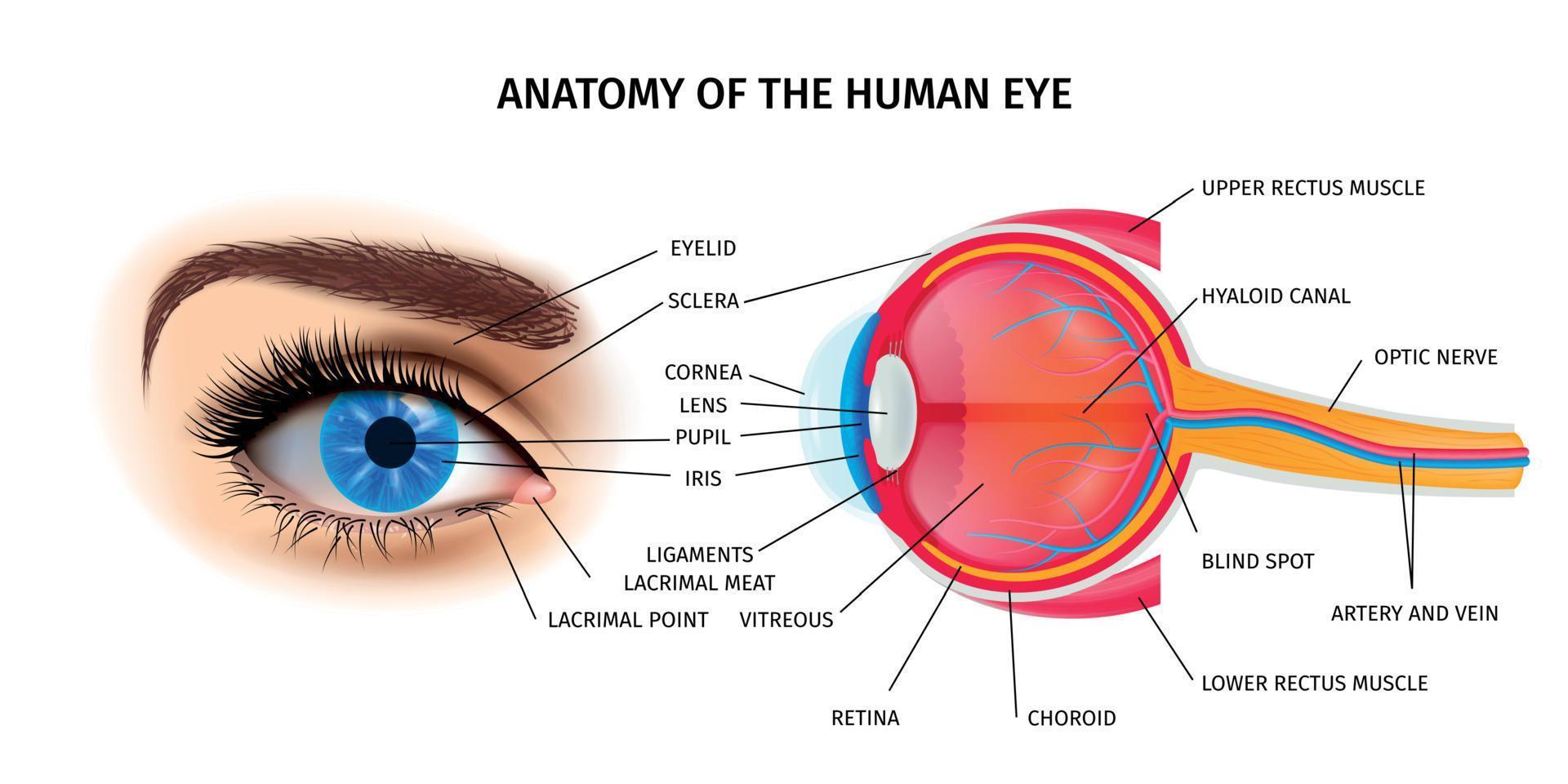
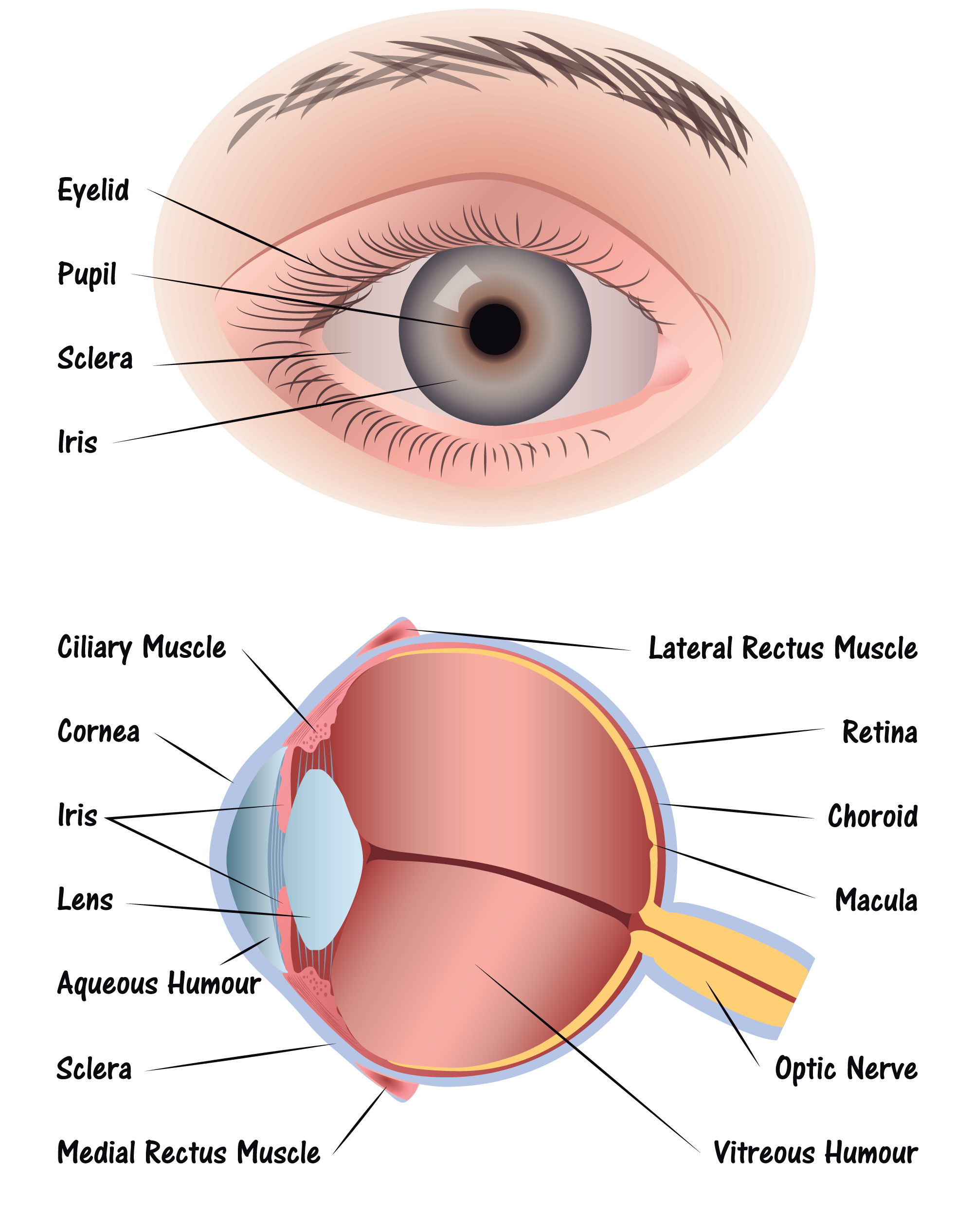
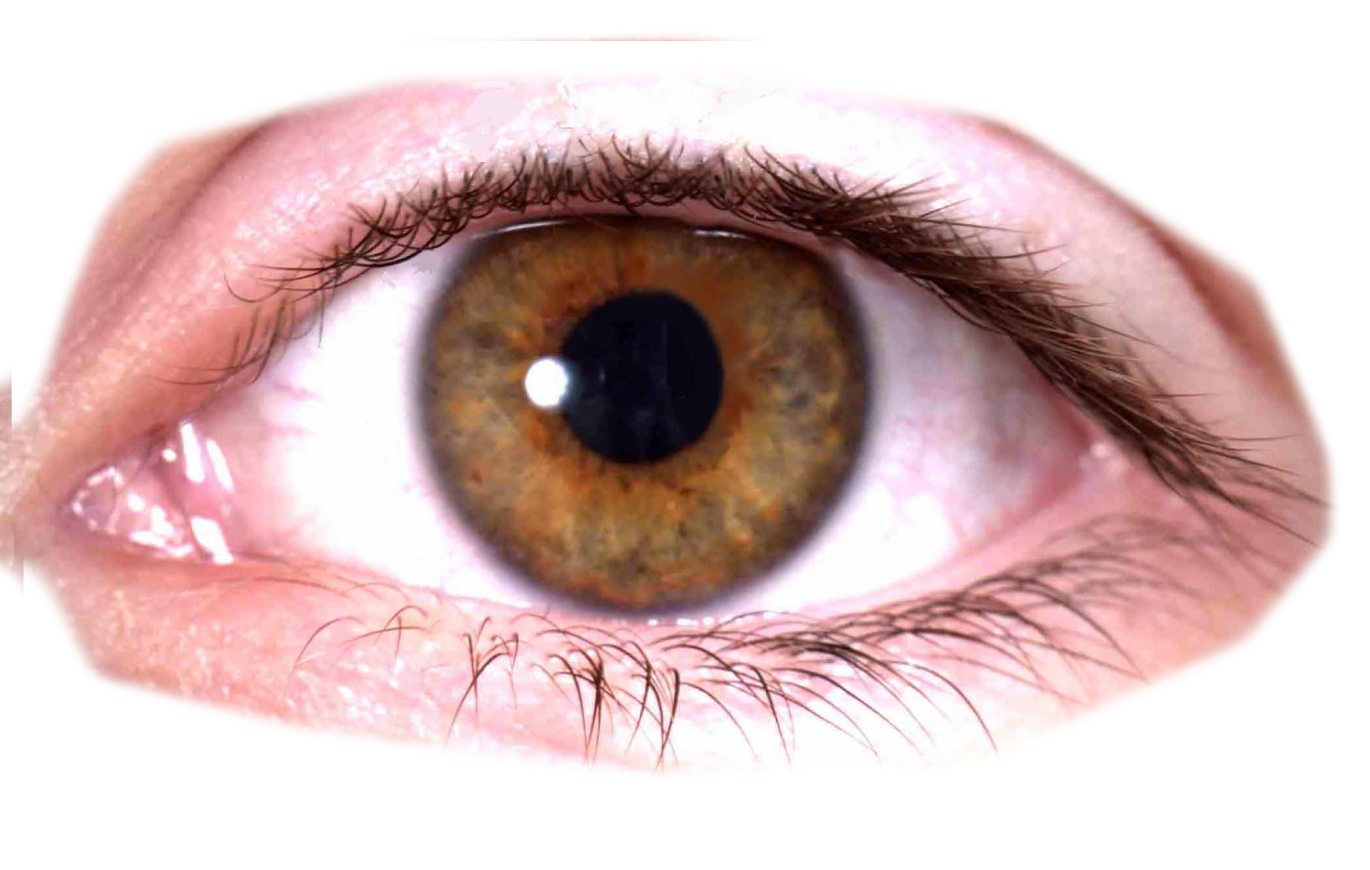
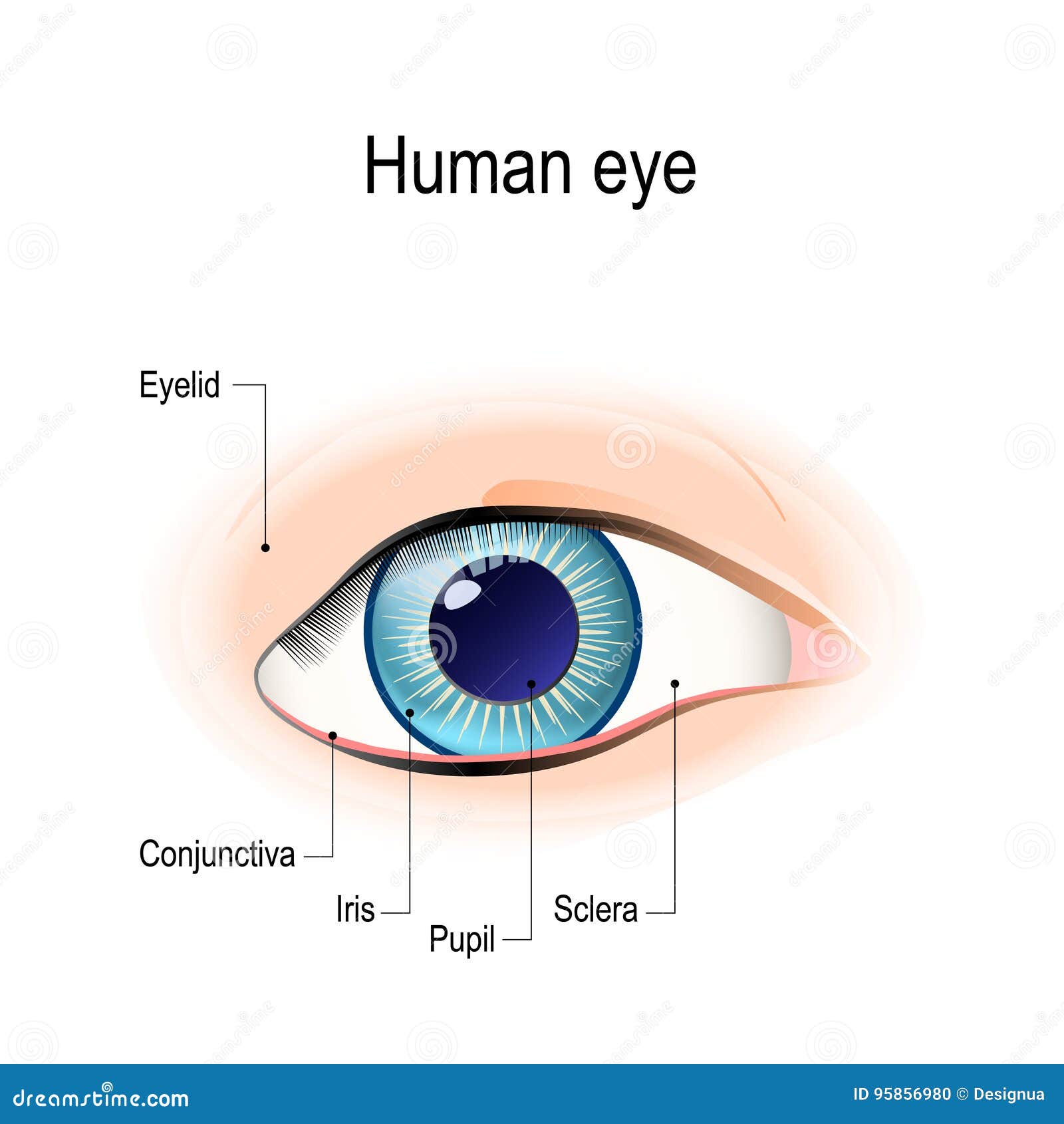
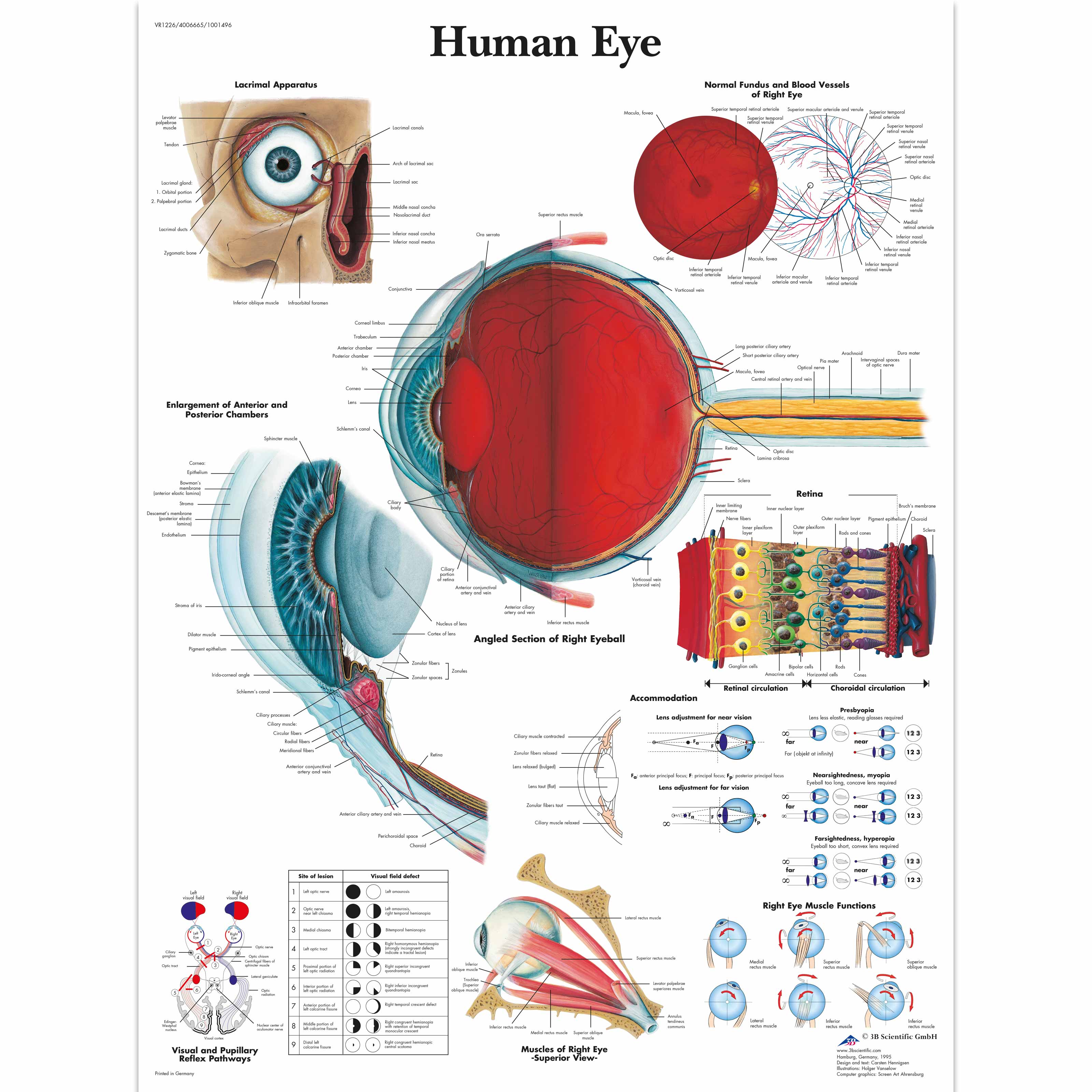
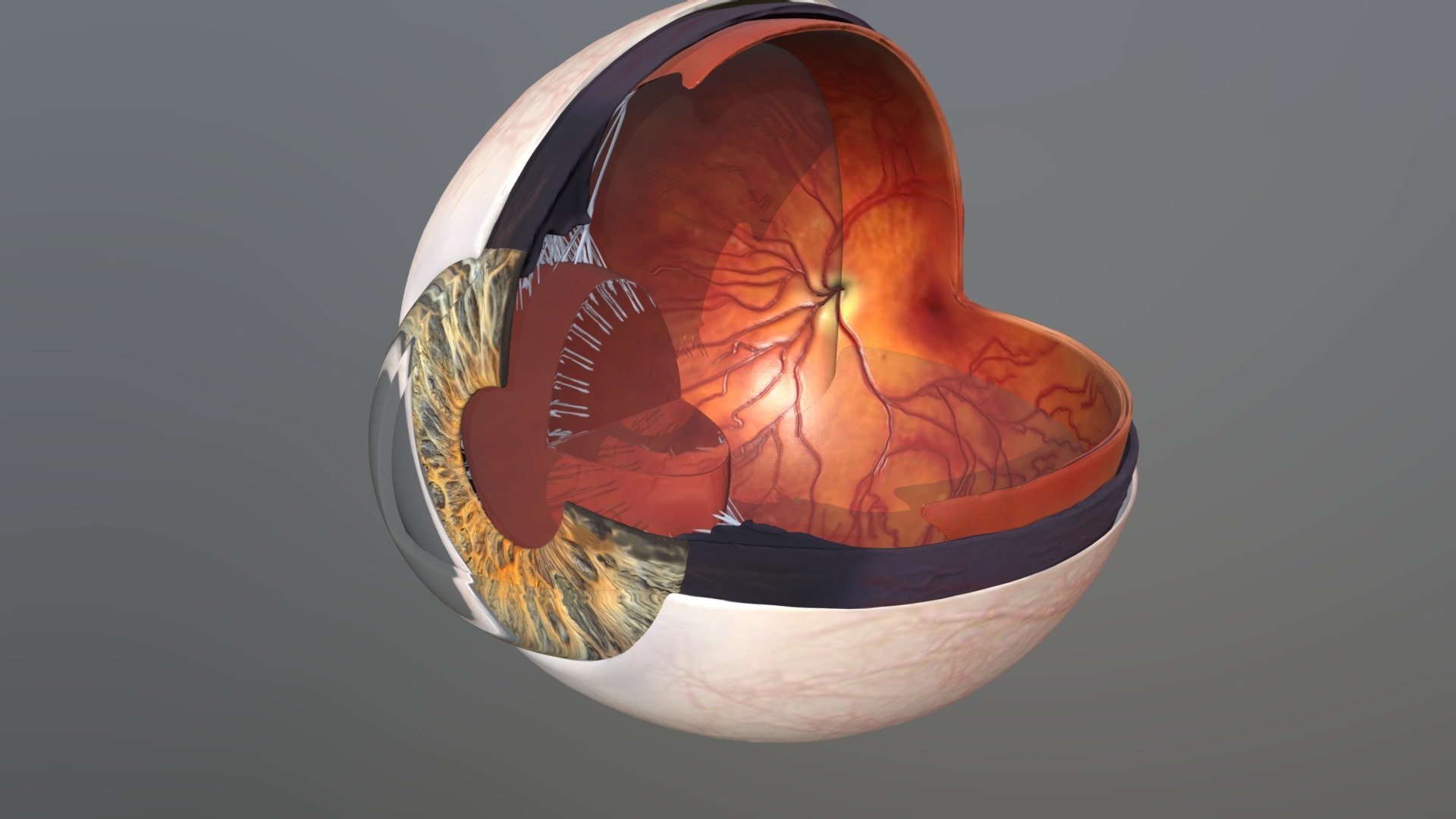
The need for glasses generally stems from something called a refractive error. Essentially, this means your eye isn't bending (refracting) light exactly right to focus it directly onto the retina, which is the light-sensitive tissue at the back of your eye.
Think of your eye as a camera. If the lens is shaped improperly or the focal point is off, the resulting picture is blurry. Your prescription corrects these physical imperfections using customized lenses.
The three most common types of refractive errors define the primary categories of Eye Prescription Types.
The Core Eye Prescription Types Explained
When looking at your prescription, the main types of vision correction needed will determine the power applied to the lenses.
Myopia (Nearsightedness)
Myopia is the clinical term for nearsightedness. If you have this condition, you can see objects close to you clearly, but distant objects appear fuzzy and blurred.
This happens because the eyeball is slightly too long, or the cornea (the front surface of the eye) is too curved. This causes light to focus in front of the retina, rather than directly on it.
On your prescription, myopia is always indicated by a negative sign (-) in the 'Sphere' column. The higher the number (e.g., -5.00 is higher than -1.00), the stronger your prescription needed to correct the distant vision.
Hyperopia (Farsightedness)
Hyperopia, or farsightedness, is the opposite of myopia. People with hyperopia generally see distant objects clearly, but struggle to focus on things close up, like reading a book or looking at a phone screen.
This condition occurs because the eyeball is too short, or the cornea is too flat. As a result, the light focuses theoretically behind the retina.
If you see a positive sign (+) or sometimes no sign at all (since '+' is implied) in the 'Sphere' column, you likely have hyperopia. These lenses use a magnifying effect to bring the focal point forward.
Astigmatism
Astigmatism is very common and often occurs alongside myopia or hyperopia. It's not necessarily about distance or closeness; it's about distortion.
Astigmatism is caused by an uneven curvature of the cornea or lens, meaning the eye is shaped more like a football than a perfectly round basketball. This causes light to focus at multiple points, resulting in blurry or stretched vision at any distance.
Correcting astigmatism is complex because it requires power applied only in specific meridians (like lines on a clock face). You will only have astigmatism if you have numbers listed under the 'Cylinder' (CYL) and 'Axis' columns.
Beyond the Basics: Specialized Prescription Terms
While nearsightedness and farsightedness cover the fundamental refractive errors, specific age-related changes introduce a separate category of prescription need. This is particularly relevant if you are over 40.
Presbyopia and the 'ADD' Power
Presbyopia is an age-related condition where the natural lens inside the eye becomes less flexible and unable to change shape easily to focus on near objects. This is why many people start needing reading glasses around their mid-forties.
If you are prescribed bifocals, trifocals, or progressives, your slip will include a value under the 'ADD' or 'NV' (Near Vision) column.
The 'ADD' value stands for "Added Power." It represents the additional magnifying power needed specifically for reading and close work, which is added to the basic distance prescription (Sphere and Cylinder).
Crucially, this ADD power is always positive (+), and it is the same for both eyes. Common ADD values range from +0.75 to +3.00.
Decoding the Numbers on Your Prescription Slip
Now that we understand the types of vision errors, let's look at the columns and abbreviations that define your specific correction level. Knowing these terms is key to understanding your specific Eye Prescription Types.
Essential Abbreviations (OD, OS, OU)
These abbreviations are based on Latin terms and simply indicate which eye the measurement applies to:
- OD (Oculus Dexter): Refers to your Right Eye.
- OS (Oculus Sinister): Refers to your Left Eye.
- OU (Oculus Uterque): Refers to Both Eyes (used infrequently, usually to indicate overall power or treatment).
It's important to note that prescriptions are often written with the Right Eye (OD) listed first, followed by the Left Eye (OS).
Sphere, Cylinder, and Axis: The Power Players
These three columns define the specific corrective curve needed for your distance or near vision. The measurements are provided in Diopters (D), indicating the optical power of the lens.
- SPH (Sphere): This is the main lens power required to correct nearsightedness (-) or farsightedness (+). If you have no astigmatism, this is the only power measurement you will have.
- CYL (Cylinder): This measures the degree of astigmatism you have. It represents the extra power needed to correct the uneven curvature of your cornea. If this column is blank, you do not have astigmatism.
- AXIS: If you have a CYL value, you must have an Axis value. The Axis is measured in degrees (from 1 to 180) and tells the lens maker exactly where to place the astigmatism correction on the lens.
Keep in mind that numbers for SPH and CYL are measured in quarter-diopter increments (0.25, 0.50, 0.75, etc.).
Prism and Base (The Less Common Types)
While most prescriptions stop at ADD power, a small percentage of people require prism correction. This is reserved for patients who have alignment or eye teaming issues.
A prism is needed when the eyes struggle to work together to align an image, often resulting in double vision. The lens incorporates a small prism to gently shift the image so the two eyes can align effortlessly.
If you see a measurement under 'Prism' and 'Base,' the Base simply indicates the direction the prism needs to be oriented (e.g., BU for base up, BD for base down, BI for base in, or BO for base out).
Conclusion: Understanding Your Prescription
Understanding the different Eye Prescription Types—whether it's simple myopia or a complex prescription involving cylinder, axis, and ADD power—is a powerful step toward taking control of your eye health.
The numbers and terms might look complicated initially, but they are simply precise measurements tailored to correct specific refractive errors. The Sphere corrects distance issues, Cylinder corrects shape issues (astigmatism), and ADD corrects near focusing issues (presbyopia).
The key takeaway is that every number and abbreviation serves a vital purpose in ensuring your new glasses give you the sharpest, most comfortable vision possible. If you are ever unsure, always consult your eye care professional for clarification!
Frequently Asked Questions About Eye Prescription Types
- What do plus (+) and minus (-) signs mean on my prescription?
- The sign indicates the type of correction needed in the Sphere (SPH) column. A minus sign (-) means you are nearsighted (myopic), and a plus sign (+) means you are farsighted (hyperopic).
- Can I use my prescription for both glasses and contact lenses?
- No. Although the basic refractive error (Sphere, Cylinder, Axis) is the same, contact lens prescriptions require different measurements. This is because contacts sit directly on the eye's surface, while glasses sit a small distance away. You must have a separate contact lens fitting and prescription.
- What is the minimum age that people start needing an ADD power?
- The need for ADD power (to correct presbyopia) typically begins around age 40 to 45, though this varies slightly from person to person. It is a natural, progressive change.
- Does a higher number mean worse vision?
- Generally, yes. The higher the absolute value (ignoring the + or - sign), the stronger the lens power required. For example, a prescription of -6.00 is a much stronger correction for myopia than -1.50.
Eye Prescription Types
Eye Prescription Types Wallpapers
Collection of eye prescription types wallpapers for your desktop and mobile devices.
:max_bytes(150000):strip_icc()/GettyImages-553394069-59a34f61d963ac001178667d.jpg "Vivid Eye Prescription Types Design Nature")
Vivid Eye Prescription Types Design Nature
Explore this high-quality eye prescription types image, perfect for enhancing your desktop or mobile wallpaper.

Detailed Eye Prescription Types Photo Illustration
Experience the crisp clarity of this stunning eye prescription types image, available in high resolution for all your screens.
High-Quality Eye Prescription Types Landscape for Mobile
Explore this high-quality eye prescription types image, perfect for enhancing your desktop or mobile wallpaper.
Detailed Eye Prescription Types Wallpaper Photography
Experience the crisp clarity of this stunning eye prescription types image, available in high resolution for all your screens.
/GettyImages-1176128997-50151a347f6645e98e944a7b55fba595.jpg "Breathtaking Eye Prescription Types Capture Photography")
Breathtaking Eye Prescription Types Capture Photography
Transform your screen with this vivid eye prescription types artwork, a true masterpiece of digital design.

Lush Eye Prescription Types Design Collection
A captivating eye prescription types scene that brings tranquility and beauty to any device.

Beautiful Eye Prescription Types Scene Digital Art
Discover an amazing eye prescription types background image, ideal for personalizing your devices with vibrant colors and intricate designs.

Detailed Eye Prescription Types Landscape in HD
Discover an amazing eye prescription types background image, ideal for personalizing your devices with vibrant colors and intricate designs.
Vivid Eye Prescription Types Artwork Photography
Transform your screen with this vivid eye prescription types artwork, a true masterpiece of digital design.

Vibrant Eye Prescription Types Wallpaper Digital Art
Experience the crisp clarity of this stunning eye prescription types image, available in high resolution for all your screens.
Amazing Eye Prescription Types Moment Photography
Discover an amazing eye prescription types background image, ideal for personalizing your devices with vibrant colors and intricate designs.
Mesmerizing Eye Prescription Types Wallpaper in 4K
Discover an amazing eye prescription types background image, ideal for personalizing your devices with vibrant colors and intricate designs.
Gorgeous Eye Prescription Types Picture in HD
Find inspiration with this unique eye prescription types illustration, crafted to provide a fresh look for your background.

Amazing Eye Prescription Types Capture for Desktop
Transform your screen with this vivid eye prescription types artwork, a true masterpiece of digital design.
Crisp Eye Prescription Types Image in 4K
A captivating eye prescription types scene that brings tranquility and beauty to any device.

Vibrant Eye Prescription Types Moment Concept
Explore this high-quality eye prescription types image, perfect for enhancing your desktop or mobile wallpaper.

Lush Eye Prescription Types Capture for Your Screen
A captivating eye prescription types scene that brings tranquility and beauty to any device.

Spectacular Eye Prescription Types Picture Illustration
Immerse yourself in the stunning details of this beautiful eye prescription types wallpaper, designed for a captivating visual experience.

Captivating Eye Prescription Types Moment for Desktop
This gorgeous eye prescription types photo offers a breathtaking view, making it a perfect choice for your next wallpaper.
Mesmerizing Eye Prescription Types Artwork Photography
Explore this high-quality eye prescription types image, perfect for enhancing your desktop or mobile wallpaper.
Download these eye prescription types wallpapers for free and use them on your desktop or mobile devices.
0 Response to "Eye Prescription Types"
Post a Comment