Lazy Eye In Infants
Lazy Eye In Infants: Everything You Need to Know
Finding out that your infant might have a vision problem can be scary, especially when terms like "Lazy Eye" are thrown around. If you've heard about Lazy Eye In Infants, you're likely searching for clarity, reassurance, and actionable steps. Take a deep breath. Amblyopia, the medical term for lazy eye, is highly treatable, but early intervention is the absolute key to success.
This comprehensive guide is here to walk you through what lazy eye is, how to spot it, and the effective treatment options available for your little one. We aim to make this complex topic easy to understand, giving you the confidence to talk to your pediatrician or eye specialist.
What Exactly is Lazy Eye (Amblyopia)?
When we talk about lazy eye, we are referring to a condition where vision in one eye doesn't develop properly because the eye and the brain aren't working together as they should. Essentially, one eye is stronger, and the brain starts to favor that strong eye, ignoring the input from the weaker one.
It's important to understand that amblyopia isn't just about weak muscles; it's a breakdown in the communication pathway. If the brain consistently receives poor images from one eye during the critical period of development (infancy and early childhood), the brain pathways supporting that eye deteriorate.
Because infants are still developing their visual systems, amblyopia is most common and easiest to treat when caught early. If left untreated, the "lazy eye" can result in permanent vision loss or poor depth perception.
Recognizing the Signs of Lazy Eye In Infants
Spotting Lazy Eye In Infants can be challenging because babies are masters at compensating. They don't know they should be seeing better, so they don't complain. Therefore, observation is the parent's most powerful tool.
Here are key indicators that might signal your child has amblyopia:
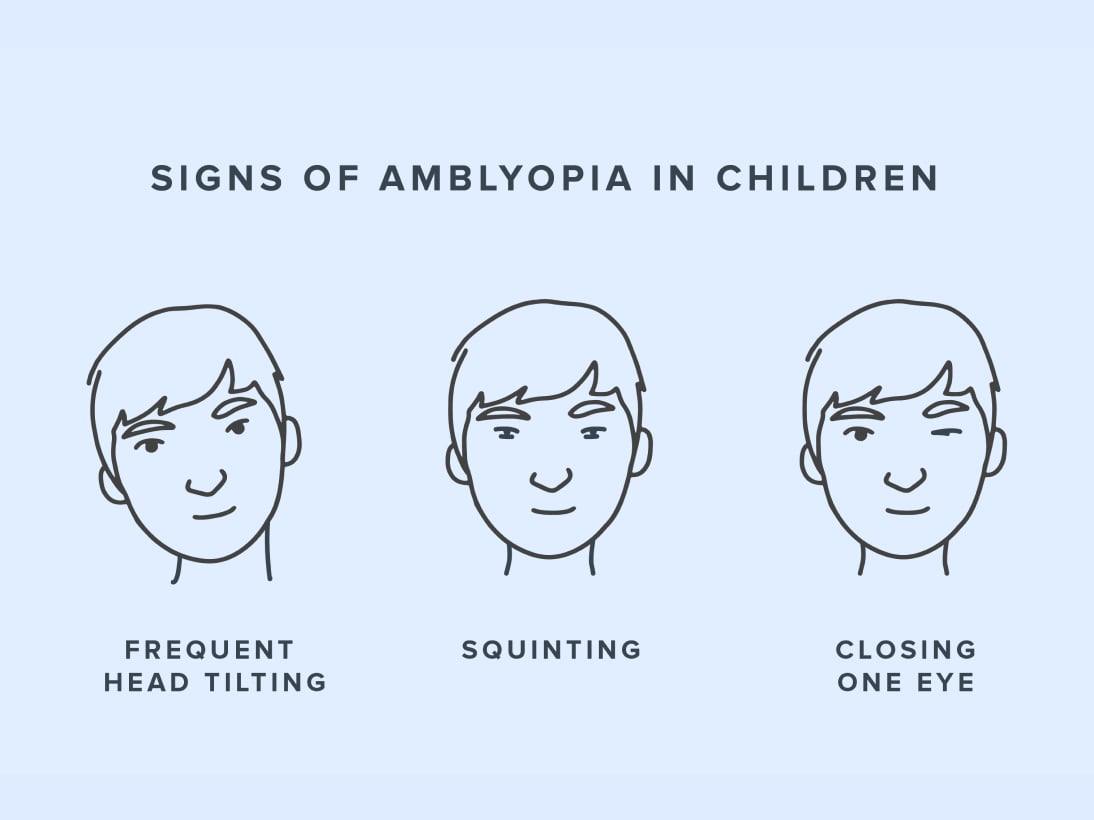
- Constant Squinting or Head Tilting: Your infant might instinctively try to compensate for blurry or double vision by angling their head or partially closing one eye.
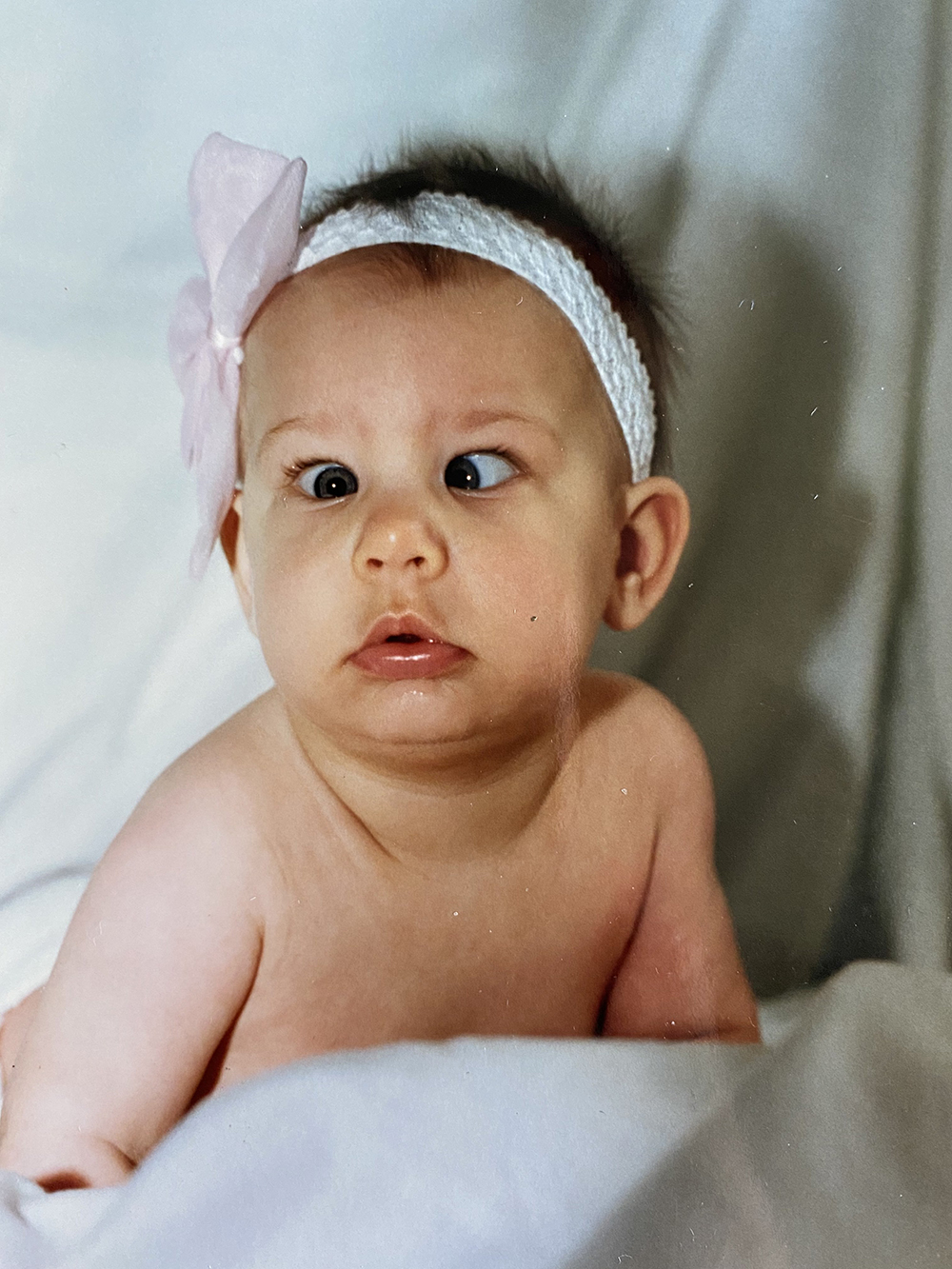
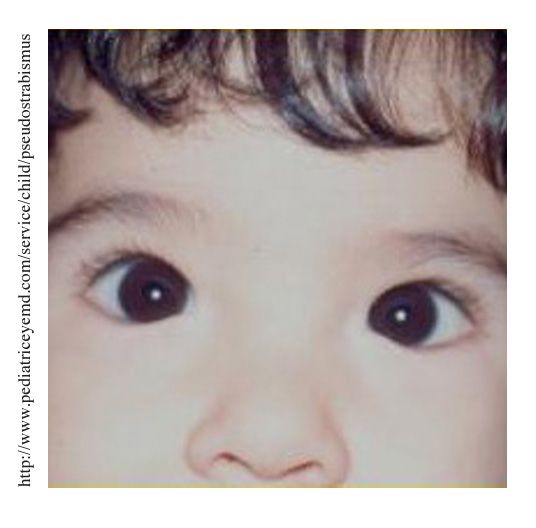
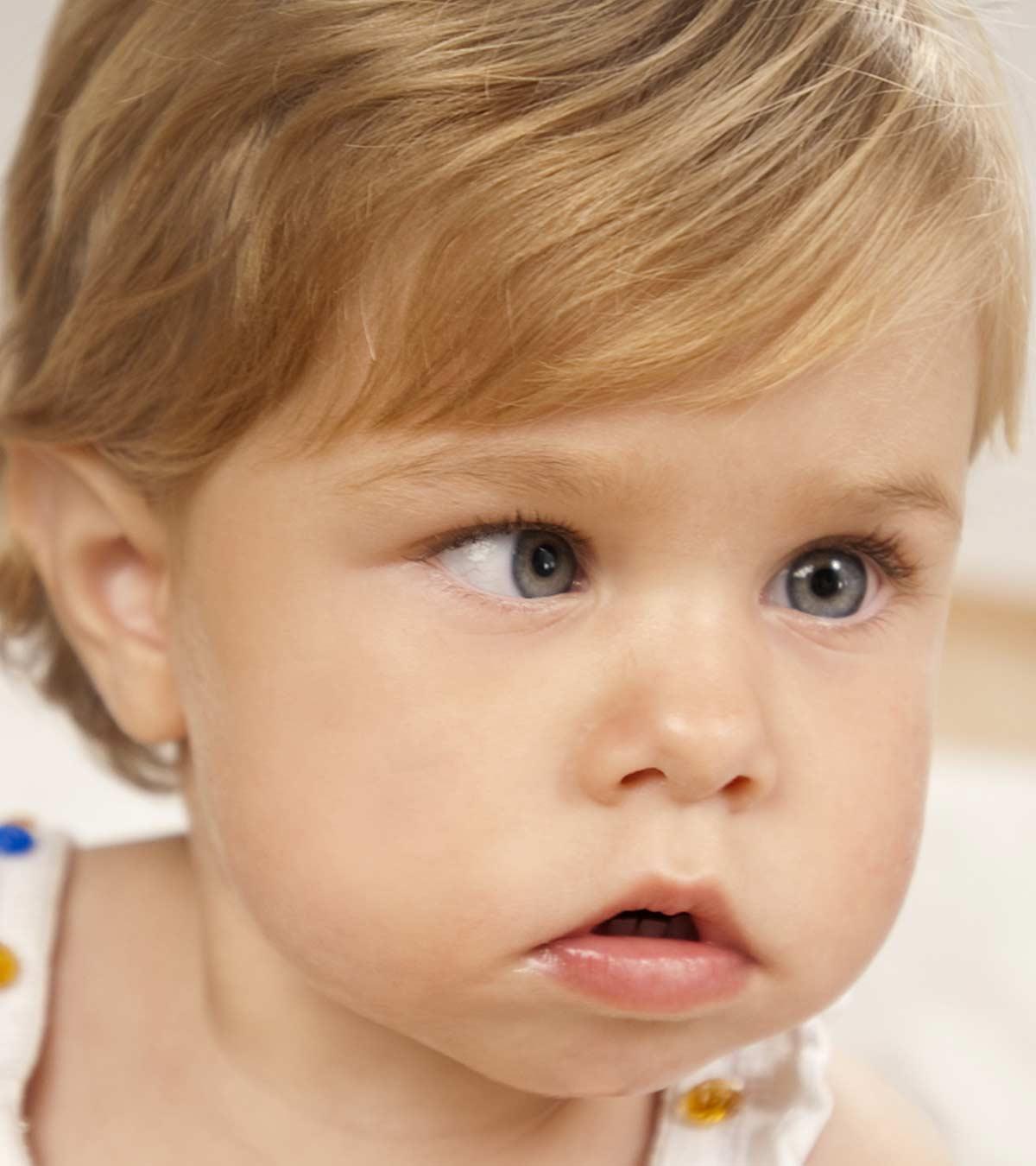
- Asymmetry in Eye Alignment: One eye visibly turns inward (crossed eye, or esotropia) or outward (walleye, or exotropia). This is one of the most common causes of amblyopia.
- Poor Depth Perception: Difficulty reaching accurately for toys or frequently bumping into objects as they start moving around.
- Noticing One Eye Drifting: While slight drifting is normal in newborns, persistent drifting past the age of six months is a significant red flag.
- Sensitivity to Light: Though not a direct cause, infants with severe amblyopia may display increased light sensitivity.
When to Seek Professional Help
The pediatric timeline for vision screening is crucial. If you notice any of the signs listed above, don't wait for the next scheduled check-up; make an appointment immediately. However, even if your infant shows no obvious signs, they should have professional vision screening.
Pediatricians typically conduct basic eye checks, but a referral to a pediatric ophthalmologist or optometrist is necessary for a detailed diagnosis. The American Academy of Ophthalmology recommends comprehensive eye exams:
- At or around 6 months of age.
- At age 3 (preschool screening).
- Before starting school (at age 5 or 6).
The Causes Behind Lazy Eye In Infants
Understanding the root cause is the first step toward effective treatment for Lazy Eye In Infants. Amblyopia occurs whenever something interferes with clear vision in one eye, forcing the brain to suppress the visual input from that weaker eye.
There are typically three main reasons why a baby's brain might start ignoring one eye:
Strabismus (Crossed Eyes)
Strabismus is perhaps the most visible cause of amblyopia. This occurs when the eyes are misaligned, meaning they do not look at the same object simultaneously. Since the eyes point in different directions, they send two different images to the brain.
To avoid confusion or double vision, the infant's developing brain chooses to ignore the image from the misaligned eye. Over time, the ignored eye becomes amblyopic, leading to permanent reduction in vision unless treated quickly. This misalignment can be subtle or very pronounced.
Refractive Errors
Refractive errors are common vision issues like nearsightedness, farsightedness, or astigmatism. If the degree of error is significantly different between the two eyes (a condition called anisometropia), the brain struggles to fuse the images.
For example, if one eye is severely farsighted and the other is normal, the farsighted eye constantly sends a blurry image. The brain, craving clarity, suppresses the blurry input, which unfortunately causes that eye to become lazy. This is often the trickiest type of amblyopia to spot because the eyes look perfectly straight.
Recognizing the Different Types of Refractive Amblyopia
While the goal is always clear vision, doctors classify amblyopia based on the root problem. Identifying the type helps determine the best course of action:
- Strabismic Amblyopia: Caused by eye misalignment (crossed or wandering eyes).
- Refractive Amblyopia: Caused by a large difference in the refractive power between the two eyes (anisometropia).
- Deprivation Amblyopia: The most severe and least common. This occurs when something physically blocks light from entering the eye, such as a cataract, a drooping eyelid, or corneal scarring. This must be treated urgently.
Treatment Options for Lazy Eye In Infants
The good news is that treatment for Lazy Eye In Infants is highly effective! The primary goal of treatment is to force the brain to start paying attention to the weaker eye. Since an infant's visual system is still flexible and developing, it responds very well to stimulation.
The Importance of Early Intervention
Studies consistently show that the earlier amblyopia is treated, the better the visual outcome. Ideally, treatment should start before the child reaches age seven, when visual development slows significantly. If treatment begins in infancy, the brain is far more responsive to relearning how to process images from the lazy eye.
Treatment is not always a quick fix; it requires patience and consistency. However, the commitment you make now will ensure your child has the best possible vision for life.
Common Treatment Approaches
Treatment always starts by addressing the root cause (if it's a refractive error or deprivation). Once the eyes can physically see clearly, the focus shifts to strengthening the brain-eye connection:
- Corrective Eyewear: If the amblyopia is due to significant refractive errors, the first step is often prescribing glasses. This provides the weaker eye with a clear image, giving the brain a reason to use it.
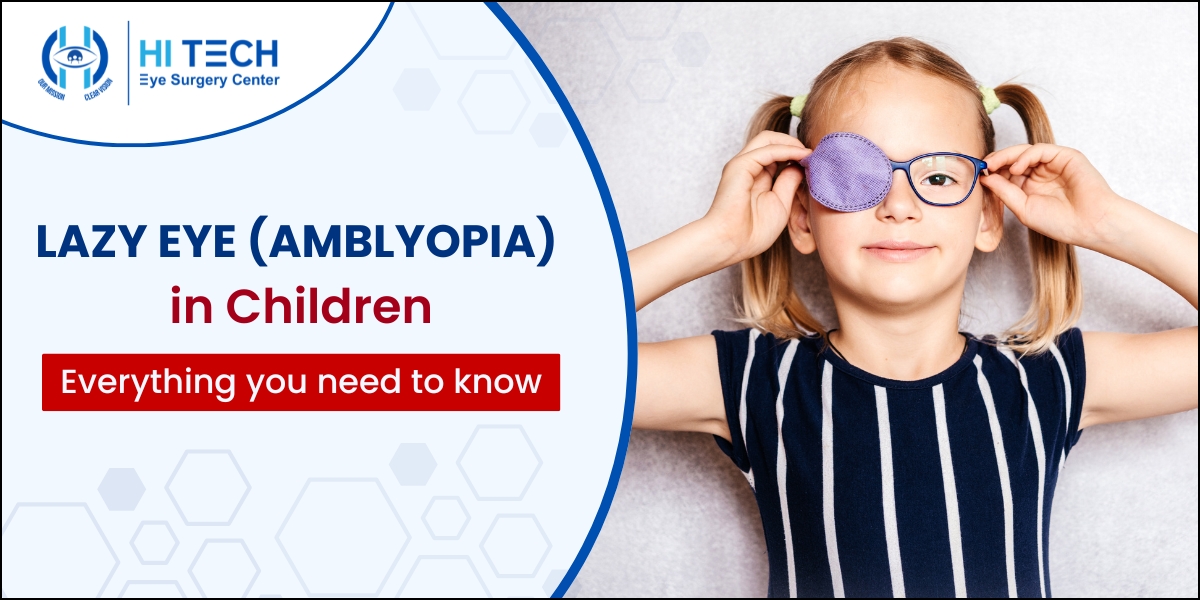
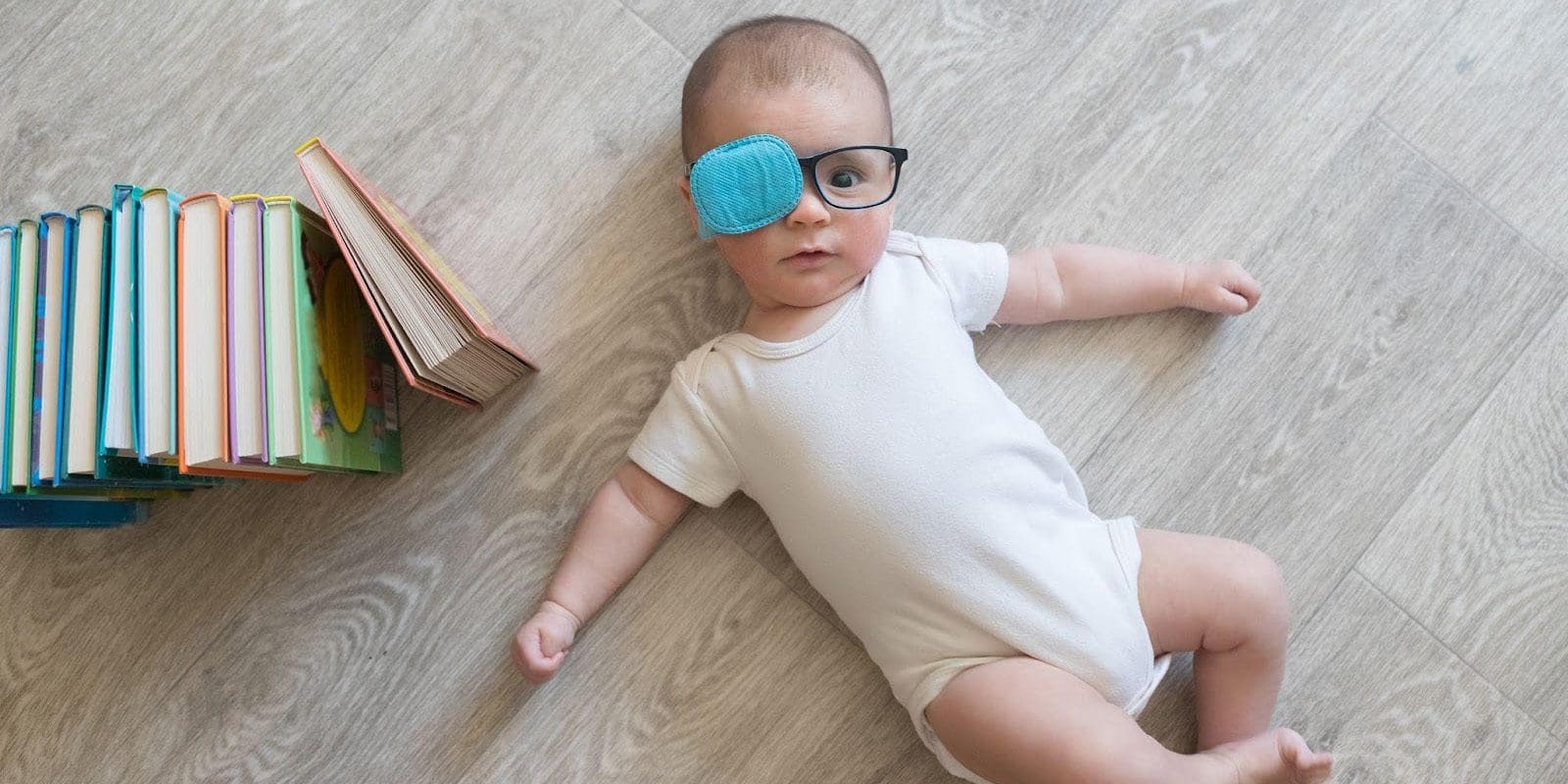
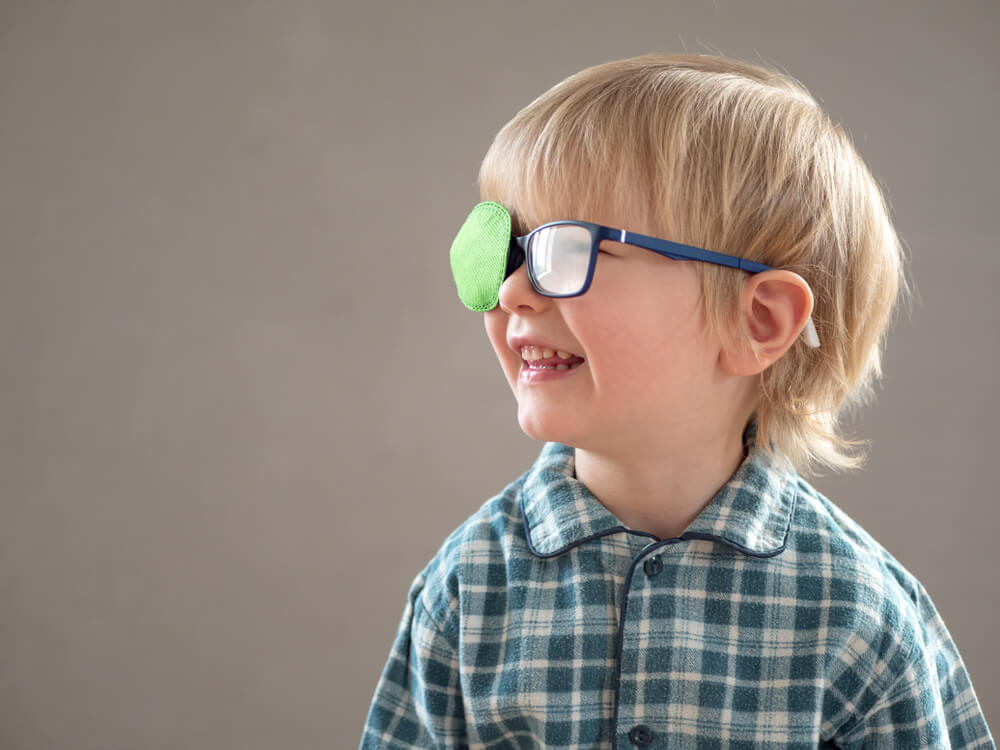
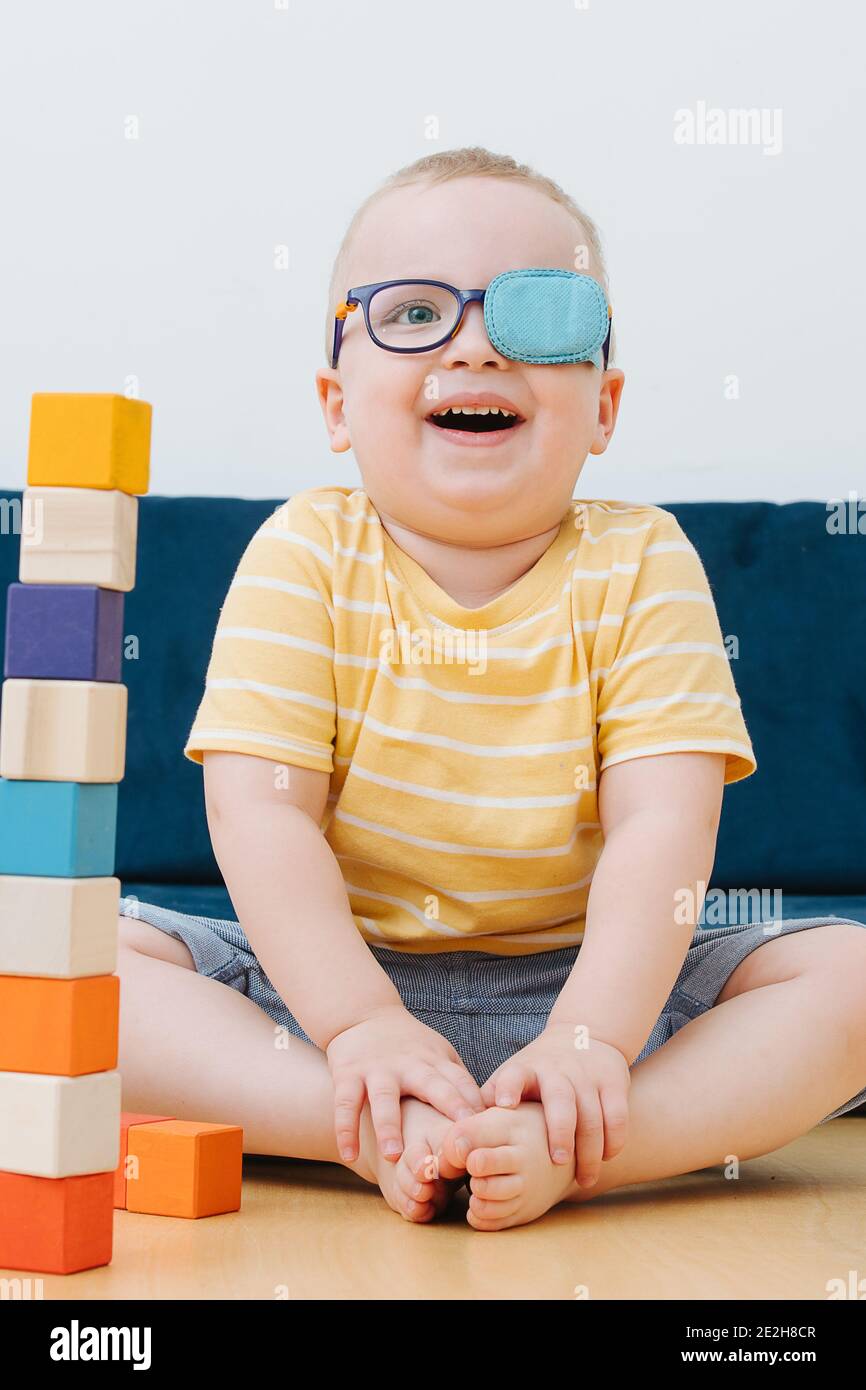
- Patching (Occlusion Therapy): This is the most common and effective technique. The stronger, or "good," eye is covered with a patch for several hours a day. This forces the brain to rely solely on the lazy eye, strengthening the associated visual pathways.
- Atropine Drops: An alternative to patching, atropine drops blur the vision in the stronger eye temporarily. This chemical "patch" encourages the child to use the lazy eye for close-up tasks.
- Surgery: If strabismus is severe and cannot be corrected by glasses alone, surgery may be necessary to straighten the eye muscles. This procedure aligns the eyes, which often makes patching or glasses therapy more effective afterward.
What to Expect During and After Treatment
Parental commitment is the biggest variable in the success of amblyopia treatment. Patching, especially, can be difficult with a young infant who doesn't understand why their good eye is being covered. Consistency is key, even if it leads to temporary tantrums.
Treatment duration varies widely but often lasts several months to a couple of years, depending on the severity. Your eye specialist will monitor your infant's progress closely, adjusting the patching time or prescription as needed. Regular follow-ups are critical, even after vision stabilizes, to prevent the amblyopia from recurring.
Conclusion
Discovering Lazy Eye In Infants can feel overwhelming, but modern pediatric eye care offers excellent prognosis, particularly when detected early. Remember that amblyopia is a highly treatable brain development issue, not a permanent defect. By prioritizing regular eye screenings and diligently following the prescribed treatment plan—whether it involves patches, drops, or glasses—you are ensuring the best possible visual future for your child. Don't hesitate to partner closely with your eye care team to tackle this condition head-on.
Frequently Asked Questions (FAQ) About Lazy Eye In Infants
- Is lazy eye (amblyopia) always permanent if not treated?
- If amblyopia is left untreated past the critical visual development age (around 7 to 10 years old), the vision loss can become permanent. However, because the infant brain is so plastic, treatment starting in infancy or early childhood has an extremely high success rate in restoring vision.
- How long does a baby need to wear an eye patch?
- The duration of patching varies significantly based on the child's age, the severity of the lazy eye, and how quickly the vision improves. It could range from a few hours a day for several months to longer periods. Your pediatric ophthalmologist will create a specific schedule and monitor progress closely.
- Can lazy eye be prevented?
- While the underlying causes like strabismus or refractive errors cannot always be prevented, the resulting vision loss from amblyopia is largely preventable through early detection. Regular check-ups with a pediatrician and specialist screenings are the best preventive measure.
- Does my infant need surgery if they have lazy eye?
- Surgery is generally reserved for correcting severe strabismus (eye misalignment) that is causing the amblyopia. The surgery is done on the eye muscles to help straighten the eyes. However, vision correction (patching, glasses) is still necessary after surgery to ensure the brain begins using the newly aligned eye.
- Can infants wear contact lenses instead of glasses?
- Yes, in certain severe cases, such as high refractive errors or after cataract surgery, contact lenses may be prescribed. However, glasses are usually the standard and easiest-to-manage first line of treatment for young infants.
Lazy Eye In Infants
Lazy Eye In Infants Wallpapers
Collection of lazy eye in infants wallpapers for your desktop and mobile devices.
Vibrant Lazy Eye In Infants Capture in HD
Transform your screen with this vivid lazy eye in infants artwork, a true masterpiece of digital design.
Stunning Lazy Eye In Infants View for Mobile
Immerse yourself in the stunning details of this beautiful lazy eye in infants wallpaper, designed for a captivating visual experience.

Spectacular Lazy Eye In Infants Photo in 4K
Immerse yourself in the stunning details of this beautiful lazy eye in infants wallpaper, designed for a captivating visual experience.
Stunning Lazy Eye In Infants Moment Art
Find inspiration with this unique lazy eye in infants illustration, crafted to provide a fresh look for your background.
High-Quality Lazy Eye In Infants View Art
Experience the crisp clarity of this stunning lazy eye in infants image, available in high resolution for all your screens.

Stunning Lazy Eye In Infants Capture Photography
This gorgeous lazy eye in infants photo offers a breathtaking view, making it a perfect choice for your next wallpaper.
Dynamic Lazy Eye In Infants View in HD
A captivating lazy eye in infants scene that brings tranquility and beauty to any device.
Lush Lazy Eye In Infants Design Concept
Find inspiration with this unique lazy eye in infants illustration, crafted to provide a fresh look for your background.
Stunning Lazy Eye In Infants View for Desktop
A captivating lazy eye in infants scene that brings tranquility and beauty to any device.

Vibrant Lazy Eye In Infants Picture Concept
Experience the crisp clarity of this stunning lazy eye in infants image, available in high resolution for all your screens.
Serene Lazy Eye In Infants Landscape Digital Art
Explore this high-quality lazy eye in infants image, perfect for enhancing your desktop or mobile wallpaper.
Amazing Lazy Eye In Infants Artwork Concept
Discover an amazing lazy eye in infants background image, ideal for personalizing your devices with vibrant colors and intricate designs.
Beautiful Lazy Eye In Infants Capture in HD
Transform your screen with this vivid lazy eye in infants artwork, a true masterpiece of digital design.

High-Quality Lazy Eye In Infants Photo for Desktop
Explore this high-quality lazy eye in infants image, perfect for enhancing your desktop or mobile wallpaper.

Exquisite Lazy Eye In Infants Moment Illustration
Immerse yourself in the stunning details of this beautiful lazy eye in infants wallpaper, designed for a captivating visual experience.

Stunning Lazy Eye In Infants Capture Illustration
Find inspiration with this unique lazy eye in infants illustration, crafted to provide a fresh look for your background.

Breathtaking Lazy Eye In Infants Landscape Digital Art
Explore this high-quality lazy eye in infants image, perfect for enhancing your desktop or mobile wallpaper.
Detailed Lazy Eye In Infants Wallpaper Nature
Explore this high-quality lazy eye in infants image, perfect for enhancing your desktop or mobile wallpaper.
Exquisite Lazy Eye In Infants Moment for Your Screen
Find inspiration with this unique lazy eye in infants illustration, crafted to provide a fresh look for your background.

Dynamic Lazy Eye In Infants View Art
Immerse yourself in the stunning details of this beautiful lazy eye in infants wallpaper, designed for a captivating visual experience.
Download these lazy eye in infants wallpapers for free and use them on your desktop or mobile devices.
0 Response to "Lazy Eye In Infants"
Post a Comment