Nerve Palsies Eye
Understanding Nerve Palsies Eye: Your Comprehensive Guide to Causes and Treatment
If you or someone you know is experiencing difficulties with eye movement, such as double vision or a drooping eyelid, you might be looking into conditions like Nerve Palsies Eye. Dealing with changes in vision can be unsettling, but understanding the root cause is the first step toward effective management and recovery. This article is designed to walk you through what exactly nerve palsies affecting the eye are, why they happen, and the options available for treatment, all in an easy-to-digest format.
Simply put, a nerve palsy means there's a problem with one of the specific nerves that control your eye muscles. When these nerves don't transmit signals correctly, the eye muscles don't function properly, leading to noticeable symptoms. Let's delve deeper into this common but sometimes confusing condition.
What Exactly is Nerve Palsies Eye?
Your eyes are magnificent organs, and their ability to move in perfect synchrony relies on three critical cranial nerves: the third, fourth, and sixth nerves. When one or more of these nerves become damaged, inflamed, or compressed, the resulting weakness or paralysis is known as a Nerve Palsies Eye condition.
The main job of these nerves is to communicate with the six tiny muscles surrounding each eyeball, ensuring they track objects smoothly and keep images aligned. When this communication breaks down, symptoms like diplopia (double vision) and misalignment become apparent. It's a bit like a conductor losing communication with part of the orchestra.
We often categorize these palsies based on which of the three crucial nerves is affected, as the symptoms differ significantly depending on the injured nerve.
The Three Musketeers: Types of Nerve Palsies Affecting the Eye
To understand the specific symptoms you might be experiencing, it's helpful to know which of the three ocular motor nerves is involved. Each nerve controls a different set of eye muscles, resulting in distinct visual problems.
Oculomotor Nerve Palsy (CN III)
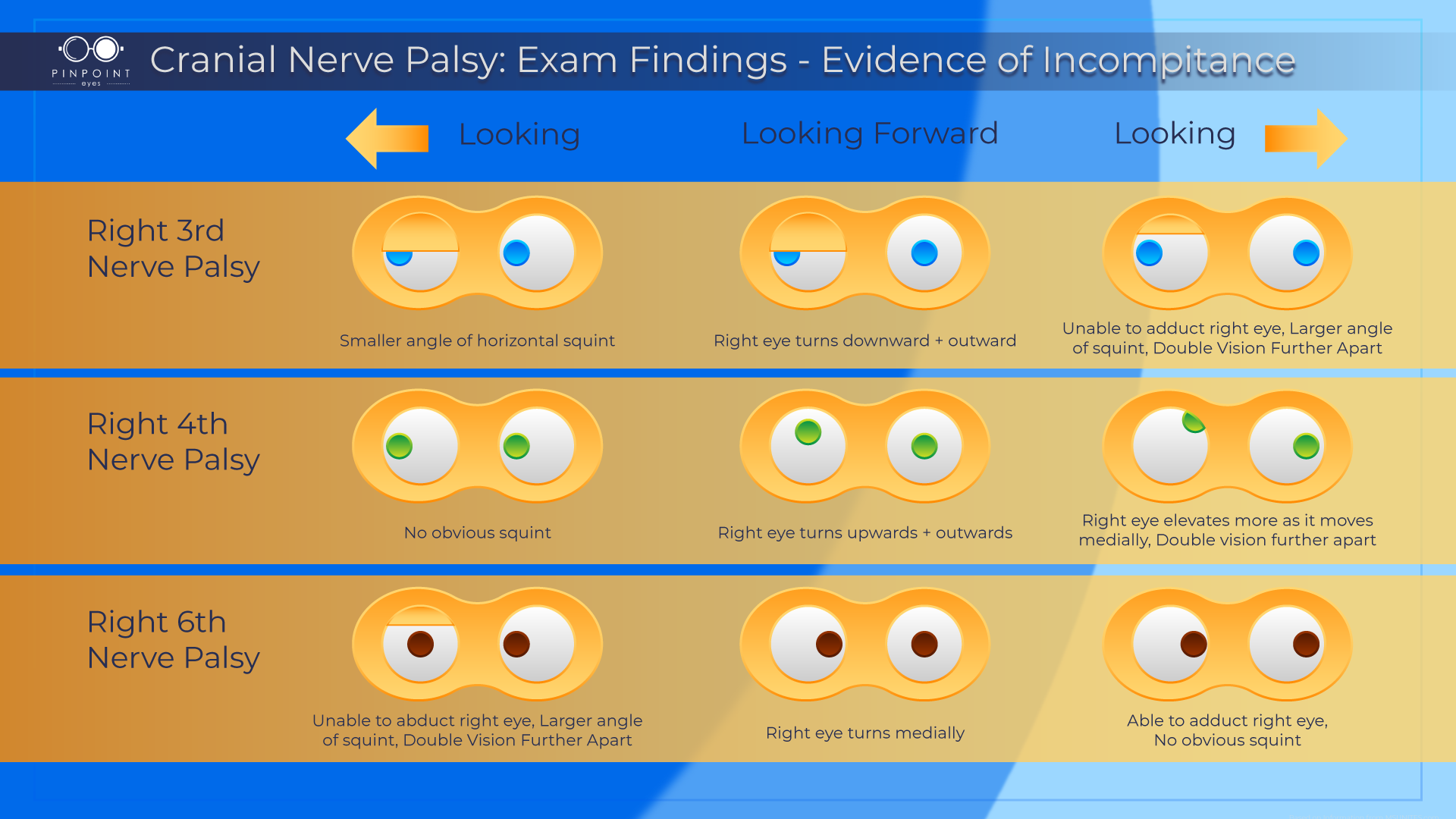
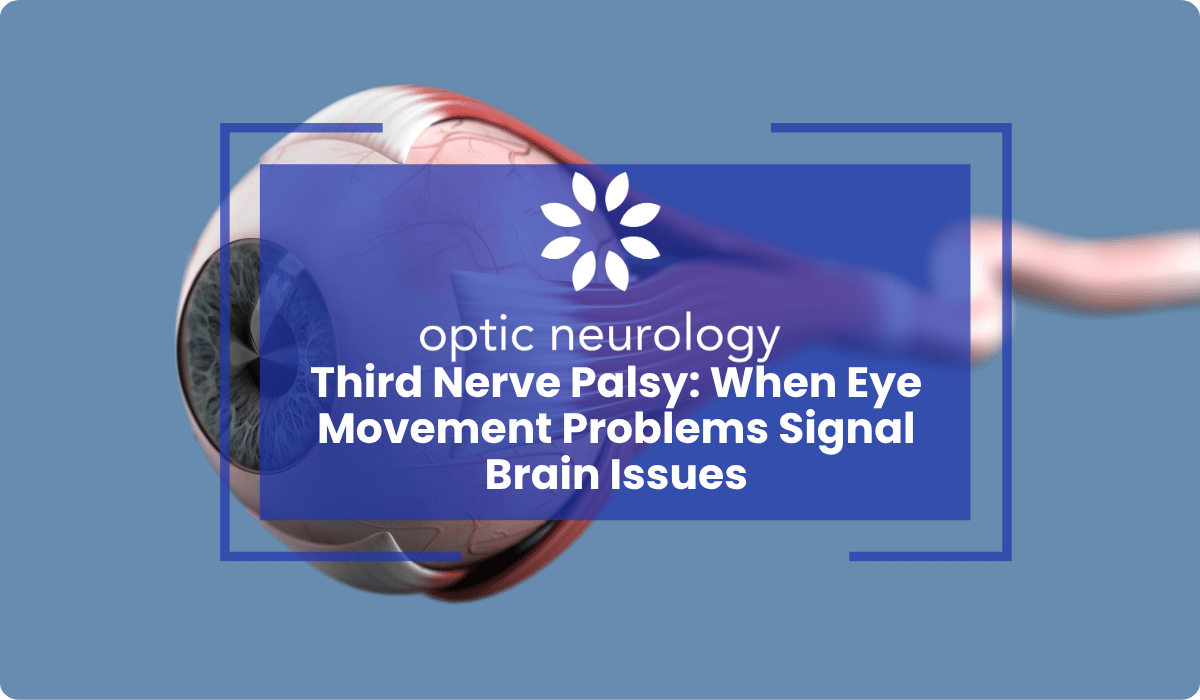
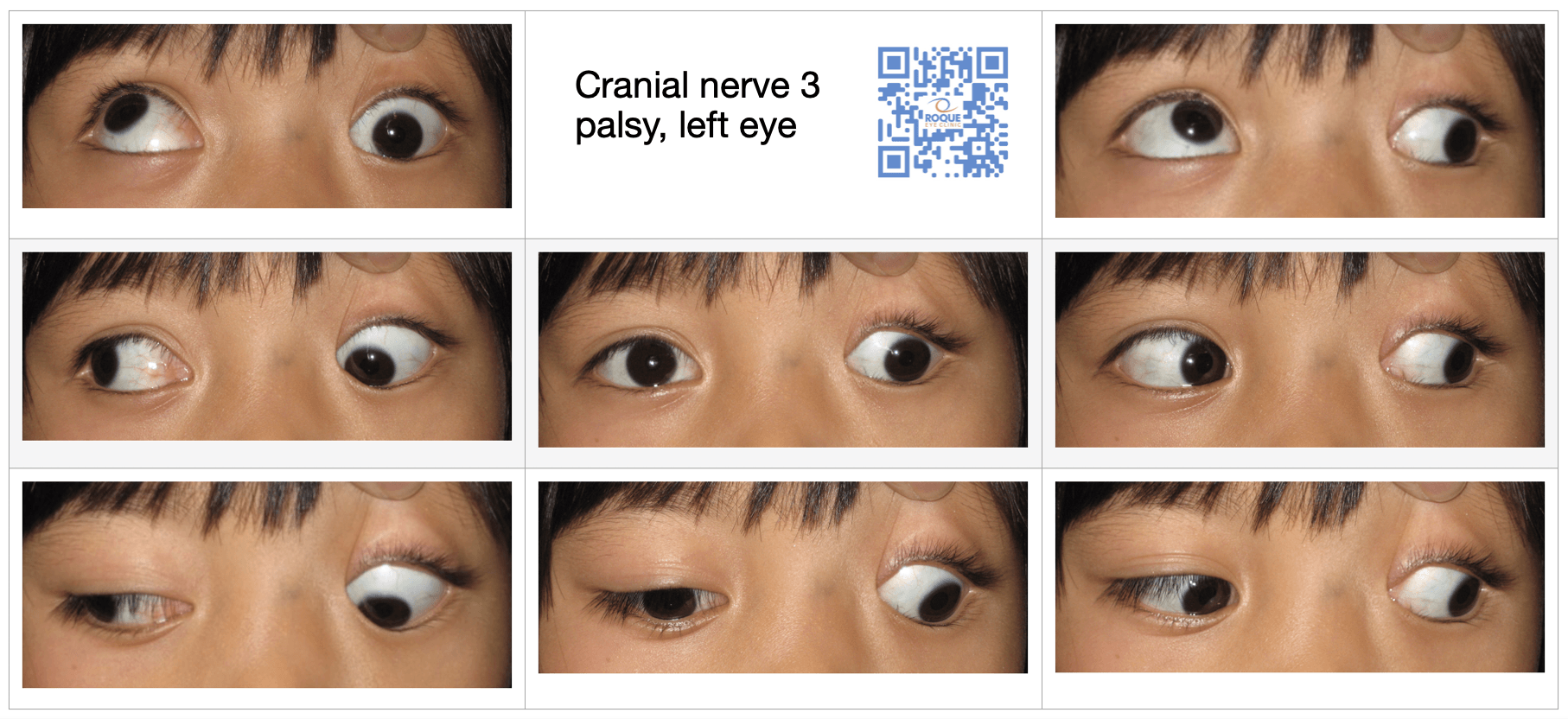
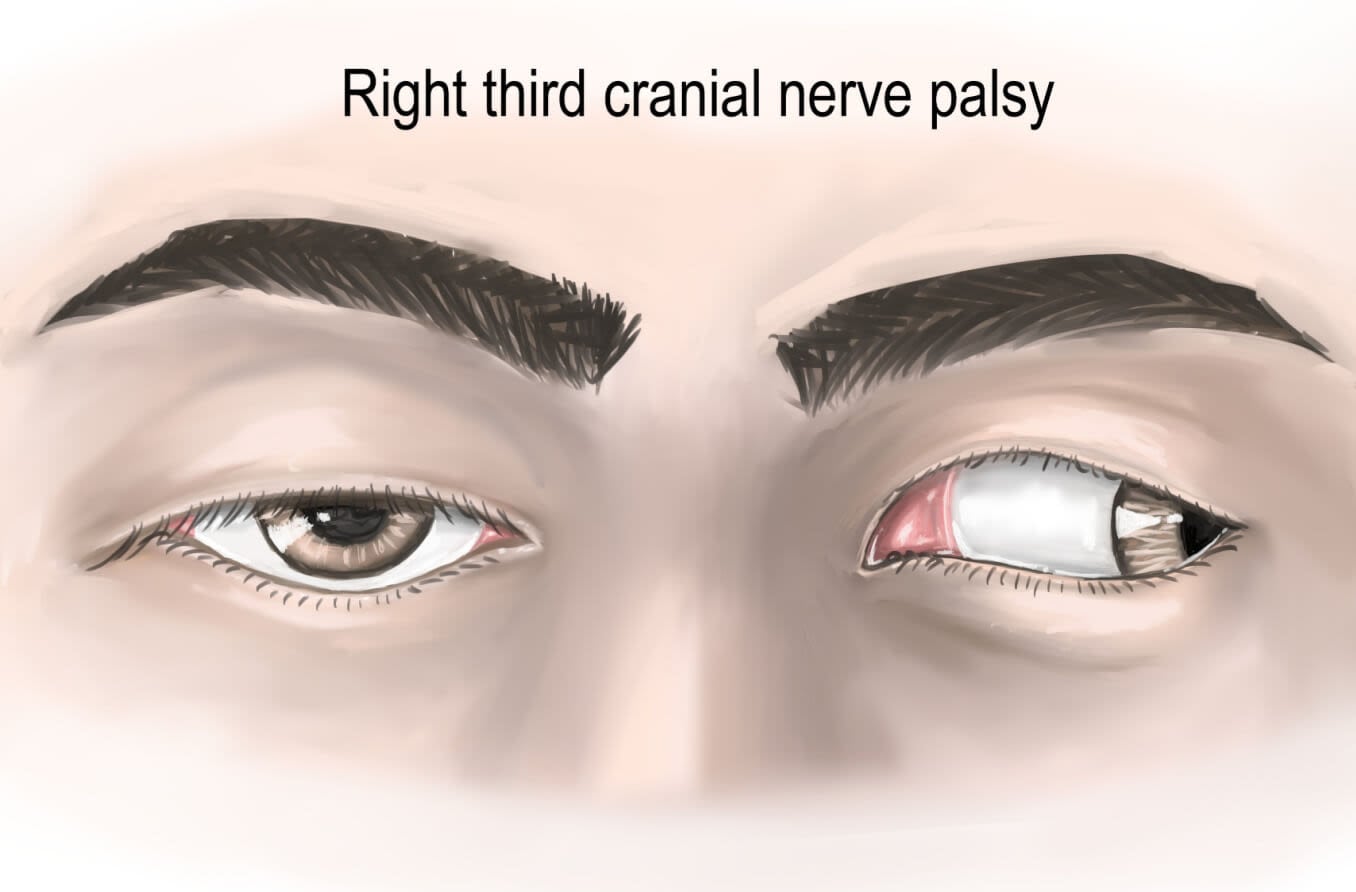
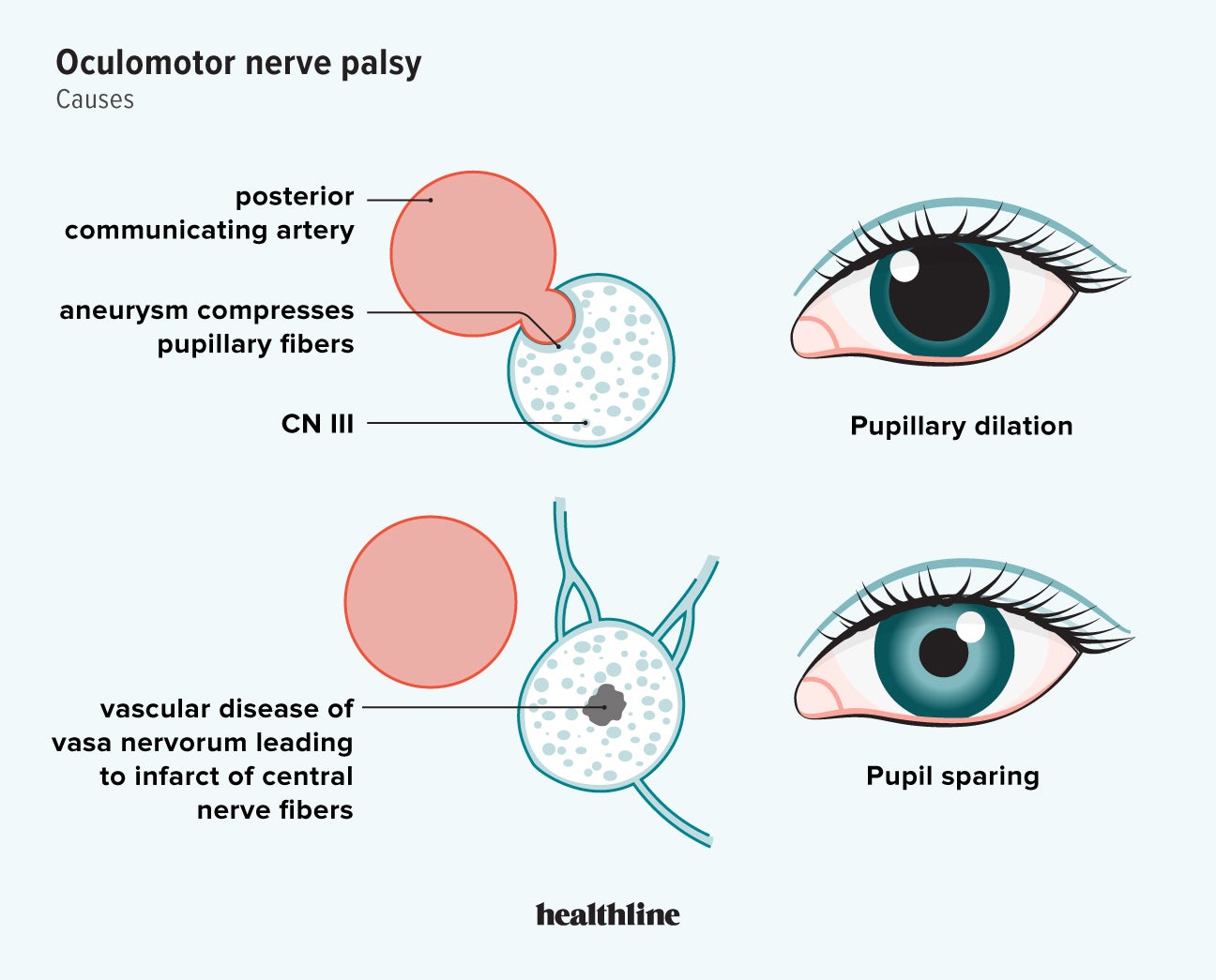
The Oculomotor nerve (Cranial Nerve III) is the powerhouse; it controls most of the eye's movements, including the upper eyelid and the constriction of the pupil. A palsy affecting this nerve is often the most dramatic.
If you have Oculomotor Nerve Palsies Eye, you will typically see a severely drooping upper eyelid (ptosis) because the nerve controls the muscle that lifts the lid. Furthermore, the eye tends to turn down and out, and the pupil may be dilated and unresponsive to light. This results in significant double vision in almost all directions of gaze.
Trochlear Nerve Palsy (CN IV)
The Trochlear nerve (Cranial Nerve IV) is responsible for only one muscle: the superior oblique. This muscle helps the eye rotate inward and move downward. Trochlear palsy is often the most subtle but can still be highly disruptive.
The main symptom here is vertical double vision, especially when looking down and inward (like reading or walking down stairs). Interestingly, people with this type of Nerve Palsies Eye often instinctively tilt their head to the opposite shoulder to try and fuse the two images together, compensating for the misalignment. This constant head tilting can sometimes lead to neck pain.
Abducens Nerve Palsy (CN VI)
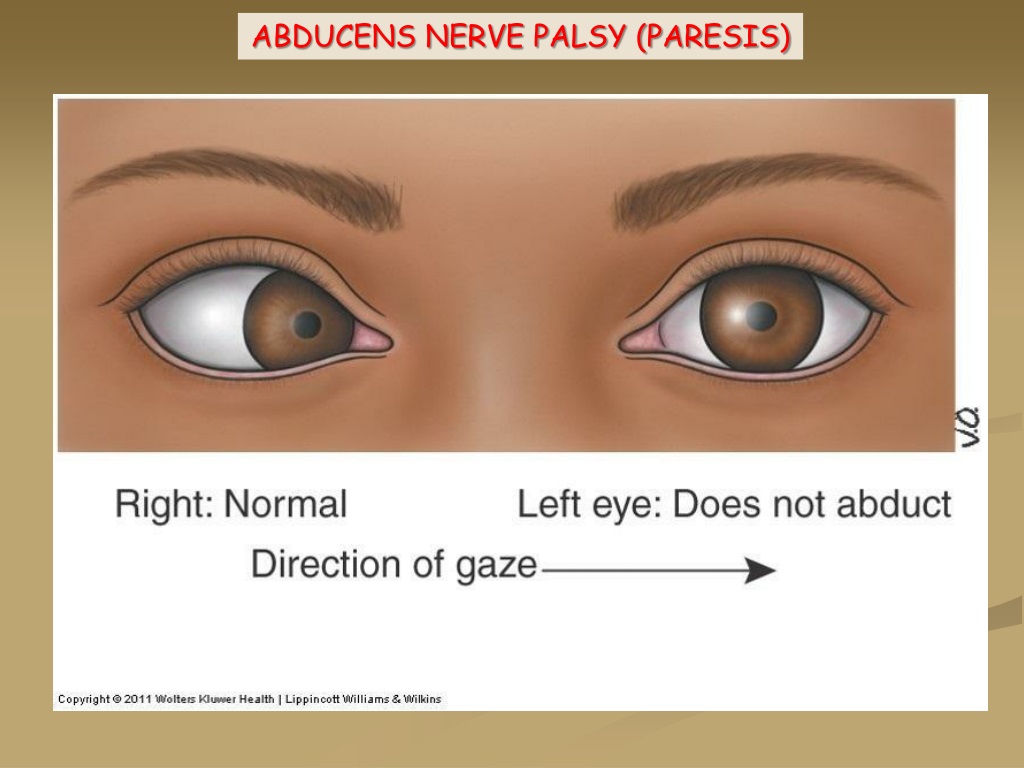
Finally, we have the Abducens nerve (Cranial Nerve VI), which controls the lateral rectus muscle—the muscle that pulls the eye outward toward the ear. This is perhaps the most frequently occurring ocular nerve palsy.
If the Abducens nerve is affected, you will notice that the affected eye cannot turn fully outward. This leads to horizontal double vision, which is usually worst when you look in the direction of the damaged nerve. You might find yourself turning your whole head to the side instead of just moving your eyes.
Why Does This Happen? Common Causes of Nerve Palsies Eye
Understanding the "why" behind your nerve palsy is crucial because treatment is often aimed at the underlying cause. These nerve palsies are rarely diseases in themselves but are usually symptoms of a separate medical issue.
Here are some of the most common reasons people develop an ocular nerve palsy:
- Vascular Issues: Often linked to diabetes, high blood pressure, or high cholesterol, where tiny blood vessels supplying the nerve are blocked, causing temporary damage.
- Trauma: Head injuries can directly damage the nerves as they travel through the skull.
- Tumors or Compression: A mass, aneurysm (bulge in a blood vessel), or inflammation pressing on the nerve can interrupt signal transmission.
- Inflammatory Conditions: Conditions like Multiple Sclerosis or certain infections (though less common) can cause temporary nerve damage.
- Idiopathic: Sometimes, especially in older adults, the palsy appears suddenly without a clear, identifiable cause, often resolving on its own.
Vascular Issues and Nerve Palsies
For many older adults, a mild Nerve Palsies Eye, particularly CN VI or non-pupil involving CN III palsies, is often linked to vascular risk factors. This is because the nerves rely heavily on a constant blood supply. Blockage or narrowing in these tiny vessels—a microvascular infarction—can cause temporary nerve dysfunction.
The good news is that palsies caused by microvascular infarction usually resolve completely within three to six months once the underlying conditions (like blood sugar or blood pressure) are controlled. Monitoring these systemic health factors is key to preventing recurrence.
Diagnosing and Treating Nerve Palsies Eye
If you suddenly experience double vision or a new onset of a droopy eyelid, seeking medical attention immediately is essential. An ophthalmologist or neurologist will conduct a thorough examination to determine which nerve is affected and rule out serious underlying causes like aneurysms.
Diagnosis usually involves detailed testing of eye movement, pupil reaction, and sometimes imaging tests, such as an MRI or CT scan, to look for compression or damage along the nerve pathways.
Treatment focuses on two aspects: managing the symptoms while waiting for the nerve to recover, and treating the underlying cause.
Common strategies for managing symptoms include:
- Patching: Covering one eye temporarily can eliminate the double vision, though it reduces depth perception.
- Prism Lenses: These specialized glasses bend the light entering the eye, helping to realign the images and reduce or eliminate diplopia. They are excellent for managing residual double vision.
- Observation: If the cause is presumed to be microvascular, doctors often recommend simply waiting, as the nerve often heals naturally over several months.
- Surgery: If the palsy is permanent after six months to a year, eye muscle surgery may be considered to physically reposition the muscles and restore alignment.
Crucially, treating the underlying condition—whether managing diabetes, controlling blood pressure, or surgically removing a compressive tumor—is paramount for achieving full recovery and preventing future episodes of Nerve Palsies Eye.
Conclusion: Living with Nerve Palsies Eye
Experiencing a Nerve Palsies Eye can be frustrating, especially when dealing with bothersome symptoms like double vision. However, the outlook for many people, particularly those with microvascular causes, is very positive, often resulting in complete or near-complete recovery.
Remember that early diagnosis is key. Work closely with your healthcare team to manage any underlying health issues and explore options like prisms or patching to help you stay comfortable while your body works on healing the affected cranial nerve. Patience and proactive health management are your greatest allies on the road to recovery.
Frequently Asked Questions (FAQ) about Ocular Nerve Palsies
- Can Nerve Palsies Eye heal completely?
- Yes, absolutely. For palsies caused by microvascular issues (like those linked to diabetes or high blood pressure), recovery is highly likely, often occurring within 3 to 6 months. Recovery depends heavily on the cause and severity of the nerve damage.
- Is double vision permanent with a nerve palsy?
- Not usually. While the double vision (diplopia) can be intense at the onset, it often improves as the nerve heals. If residual misalignment remains after the healing window, prisms or surgery can effectively manage or eliminate the double vision.
- When should I worry about a sudden nerve palsy?
- Any sudden onset of double vision, especially if accompanied by severe headache, altered consciousness, or changes in pupil size (which suggests CN III involvement), requires immediate emergency medical evaluation. These symptoms could indicate a potentially serious underlying condition like a brain aneurysm or hemorrhage.
- What is the difference between Nerve Palsies Eye and Strabismus?
- Strabismus (or "squint") is a general term for misaligned eyes. While a nerve palsy results in strabismus, a palsy is specifically caused by damage to the nerve that controls the muscles. Strabismus can also be caused by mechanical issues or muscle abnormalities present since childhood, without nerve involvement.
Nerve Palsies Eye
Nerve Palsies Eye Wallpapers
Collection of nerve palsies eye wallpapers for your desktop and mobile devices.

Detailed Nerve Palsies Eye Abstract Nature
Transform your screen with this vivid nerve palsies eye artwork, a true masterpiece of digital design.

Lush Nerve Palsies Eye Picture Concept
Immerse yourself in the stunning details of this beautiful nerve palsies eye wallpaper, designed for a captivating visual experience.
Captivating Nerve Palsies Eye Abstract Concept
This gorgeous nerve palsies eye photo offers a breathtaking view, making it a perfect choice for your next wallpaper.
Stunning Nerve Palsies Eye Moment in HD
Immerse yourself in the stunning details of this beautiful nerve palsies eye wallpaper, designed for a captivating visual experience.
Amazing Nerve Palsies Eye Photo for Desktop
Transform your screen with this vivid nerve palsies eye artwork, a true masterpiece of digital design.

Captivating Nerve Palsies Eye Image Art
Find inspiration with this unique nerve palsies eye illustration, crafted to provide a fresh look for your background.

Vibrant Nerve Palsies Eye Photo Concept
Experience the crisp clarity of this stunning nerve palsies eye image, available in high resolution for all your screens.

Exquisite Nerve Palsies Eye Background for Your Screen
Immerse yourself in the stunning details of this beautiful nerve palsies eye wallpaper, designed for a captivating visual experience.

Captivating Nerve Palsies Eye Abstract Collection
Immerse yourself in the stunning details of this beautiful nerve palsies eye wallpaper, designed for a captivating visual experience.
Amazing Nerve Palsies Eye Moment in 4K
Explore this high-quality nerve palsies eye image, perfect for enhancing your desktop or mobile wallpaper.
Captivating Nerve Palsies Eye Background Digital Art
Immerse yourself in the stunning details of this beautiful nerve palsies eye wallpaper, designed for a captivating visual experience.

Artistic Nerve Palsies Eye Background Illustration
A captivating nerve palsies eye scene that brings tranquility and beauty to any device.
Dynamic Nerve Palsies Eye Image for Desktop
Immerse yourself in the stunning details of this beautiful nerve palsies eye wallpaper, designed for a captivating visual experience.

High-Quality Nerve Palsies Eye View for Desktop
Explore this high-quality nerve palsies eye image, perfect for enhancing your desktop or mobile wallpaper.
Vibrant Nerve Palsies Eye Design Art
Transform your screen with this vivid nerve palsies eye artwork, a true masterpiece of digital design.

Gorgeous Nerve Palsies Eye Image Digital Art
Find inspiration with this unique nerve palsies eye illustration, crafted to provide a fresh look for your background.
Captivating Nerve Palsies Eye Scene Digital Art
A captivating nerve palsies eye scene that brings tranquility and beauty to any device.

Vibrant Nerve Palsies Eye Scene in 4K
Experience the crisp clarity of this stunning nerve palsies eye image, available in high resolution for all your screens.

Vivid Nerve Palsies Eye Background Nature
Explore this high-quality nerve palsies eye image, perfect for enhancing your desktop or mobile wallpaper.
High-Quality Nerve Palsies Eye Capture Art
Transform your screen with this vivid nerve palsies eye artwork, a true masterpiece of digital design.
Download these nerve palsies eye wallpapers for free and use them on your desktop or mobile devices.
0 Response to "Nerve Palsies Eye"
Post a Comment