Orbital Decompression Eye Surgery
Orbital Decompression Eye Surgery: Everything You Need to Know (In Plain English)
If you or a loved one is dealing with eyes that seem pushed forward, intense pressure, or double vision—especially due to Thyroid Eye Disease (TED) or Graves' Orbitopathy—you've likely encountered the term Orbital Decompression Eye Surgery. We understand this sounds daunting, but this specialized procedure can be life-changing, restoring both function and appearance.
This article will walk you through what Orbital Decompression Eye Surgery is, why doctors recommend it, what to expect during the procedure, and most importantly, what the recovery journey looks like. Our goal is to make this complex topic clear, straightforward, and easy to understand.
Let's dive into how this surgery works to relieve the intense pressure around your eyes and help you see comfortably again.
Understanding Graves' Disease and Eye Issues
The most common reason people need Orbital Decompression Eye Surgery is complications arising from Graves' disease, an autoimmune condition. While Graves' primarily affects the thyroid gland, about 25 to 50 percent of patients also develop Thyroid Eye Disease (TED), also known as Graves' orbitopathy.
In TED, your immune system mistakenly attacks the tissues and muscles around the eye. This causes inflammation, swelling, and a buildup of tissue and fat behind the eyeball. Because the eye socket (orbit) is a rigid, bony structure, this swelling has nowhere to go but outward and inward.
This increased volume leads to several serious and uncomfortable problems, requiring treatments that may eventually include Orbital Decompression Eye Surgery.
When Does Eye Protrusion Become a Problem?
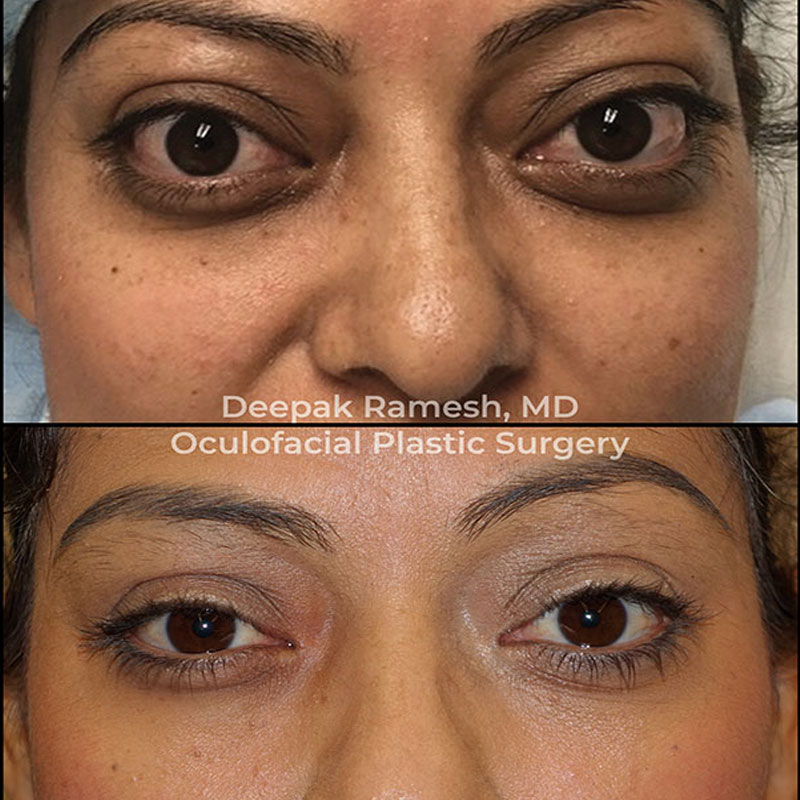
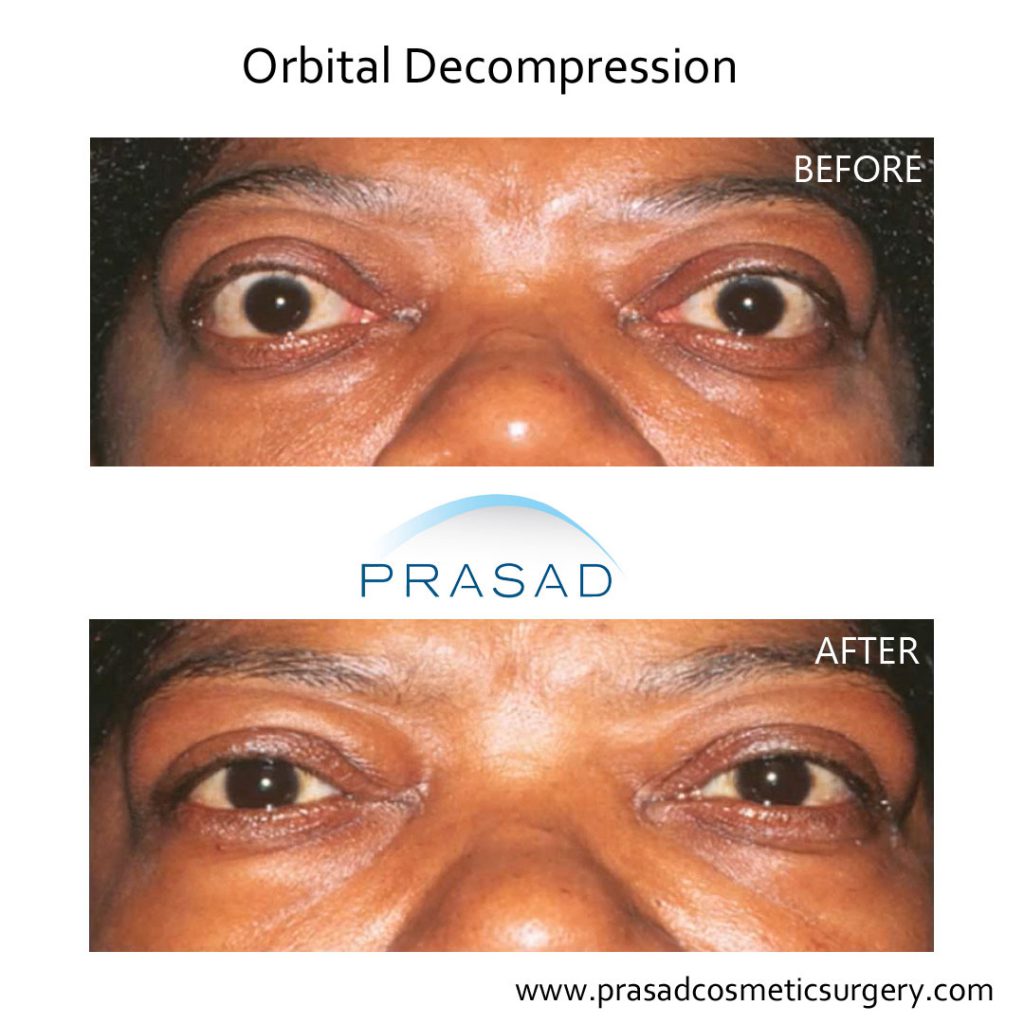
Eye protrusion, medically termed proptosis or exophthalmos, is the hallmark sign of active TED. While minor protrusion can often be managed conservatively, it becomes a significant problem when it causes functional issues.
Severe protrusion can prevent the eyelids from closing completely (lagophthalmos). This constant exposure dries out the cornea, leading to irritation, pain, and a higher risk of serious infection or corneal ulcers. In these cases, surgery isn't just cosmetic; it's essential for preserving the health of the eye's surface.
Symptoms That Might Lead to Orbital Decompression
The decision to pursue Orbital Decompression Eye Surgery is based on the severity of the symptoms and the risk to your vision. Your doctor will look for the following key indicators:
- Optic Neuropathy: This is the most urgent reason for surgery. The swollen tissues behind the eye squeeze the optic nerve, which transmits signals from the eye to the brain. This compression can lead to permanent vision loss if not addressed immediately.
- Severe Proptosis: Extreme bulging that causes chronic pain, exposure keratopathy (severe dryness), and an inability to blink or sleep comfortably.
- Uncontrolled Double Vision (Diplopia): Swollen eye muscles often restrict eye movement, resulting in troublesome double vision that cannot be corrected with prisms or less invasive treatments.
- Aesthetic Concerns: While less urgent than vision preservation, restoring a normal appearance is also a valid and important reason for considering this surgery, as appearance deeply impacts quality of life.
What Exactly Is Orbital Decompression Eye Surgery?
Orbital Decompression Eye Surgery is essentially a procedure designed to increase the volume of the bony orbit (eye socket). Think of it like giving the swollen tissues and the eyeball more room to breathe. By creating this extra space, the eye can settle back into a more natural, protected position, reducing pressure on the optic nerve and relieving bulging.
This is a complex surgery, usually performed by specialized oculoplastic surgeons who work closely with otolaryngologists (ear, nose, and throat doctors), especially when performing approaches through the nose.
How the Surgery Works (The Process)
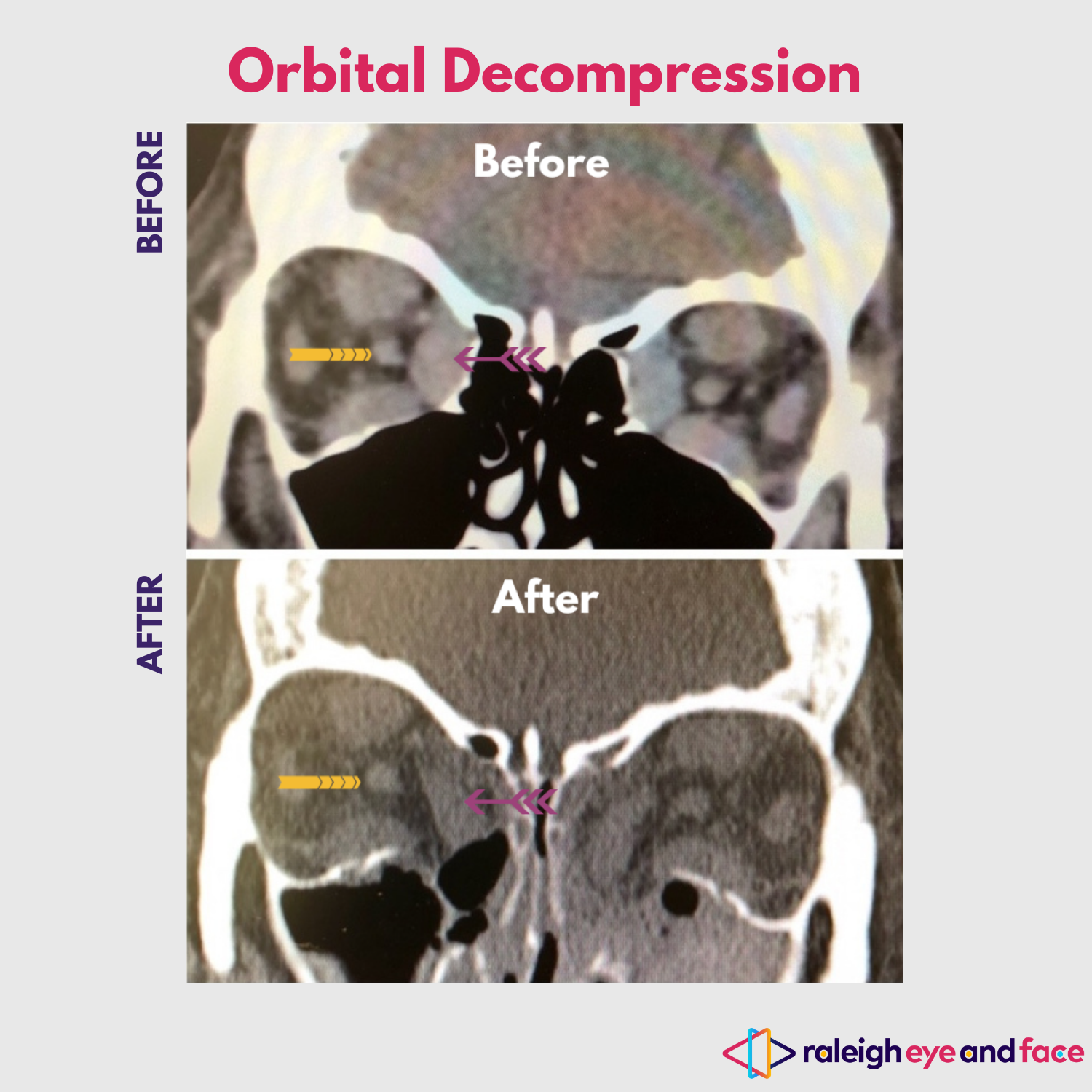
The core mechanism of Orbital Decompression Eye Surgery involves removing one or more walls of the bony orbit. The orbit is shaped like a pyramid with four walls (roof, floor, medial, and lateral).
When a wall is removed, the fatty tissue and muscle can expand into the adjacent sinus cavity (usually the ethmoid or maxillary sinuses). This expansion relieves the overcrowding within the orbit, allowing the eyeball to recess.
The choice of which walls to remove—a one-wall, two-wall, or three-wall decompression—depends entirely on the severity of the protrusion and the amount of recession needed. Generally, removing more walls achieves a greater setback of the eye, but also carries higher risks.
Different Approaches to Decompression
Surgeons have several highly effective techniques for performing Orbital Decompression Eye Surgery. The approach chosen often dictates where the incision is placed and which bones are removed:
- Transnasal/Endoscopic Approach: This minimally invasive method involves removing the medial wall (the wall between the eye and the nose) through the nasal passages. This is often done when the primary goal is relieving optic nerve compression and only modest recession is needed. It leaves no external scars.
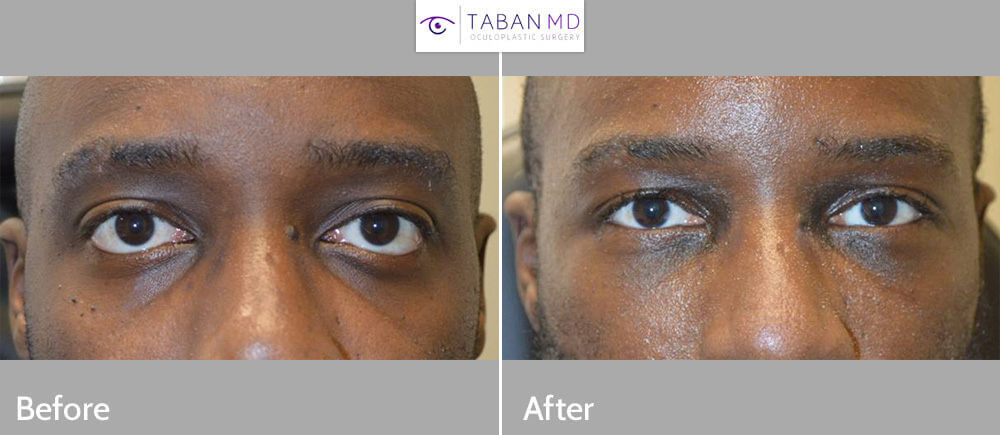
- Transconjunctival Approach: The surgeon accesses the orbital floor (bottom wall) through an incision on the inside of the eyelid. This method is popular because it also hides visible scarring.
- Lateral Canthotomy/Lid Incisions: Incisions may be placed along the natural creases of the eyelid or near the outer corner of the eye to access the lateral wall (side wall).
Your surgeon will discuss the pros and cons of each method, taking into account your specific anatomy and the required degree of eye recession.
Recovery and Expectations After Orbital Decompression
Recovery from Orbital Decompression Eye Surgery requires patience. It is normal to experience significant bruising, swelling, and discomfort immediately following the procedure. You will likely spend a night or two in the hospital, especially after a more extensive three-wall decompression.
The initial swelling can mask the full effect of the surgery, and you may not see the final aesthetic results for several months. Most patients return to light activities within a week, but heavy lifting or strenuous exercise should be avoided for about four to six weeks.
Patients often report immediate relief from pressure and dryness. However, it is very common for double vision to temporarily worsen in the weeks following surgery before gradually improving. This happens because the rearrangement of the bony socket temporarily alters the alignment of the eye muscles.
Potential Risks and Complications
While Orbital Decompression Eye Surgery is generally highly successful in treating severe TED symptoms, like any major surgery, it carries specific risks that you should discuss with your care team. Being informed helps manage expectations.
Key risks include:
- New or Worsened Double Vision (Diplopia): This is the most common complication, affecting a large percentage of patients, especially those who require removal of multiple walls. Further eye muscle surgery may be needed later to correct alignment.
- Vision Changes or Loss: Although rare, bleeding or swelling that damages the optic nerve can occur. This risk is minimized by performing the surgery quickly and carefully.
- Loss of Sensation: Numbness in the cheek or upper lip area can occur temporarily or, rarely, permanently if nerves that pass through the bony orbit floor are affected.
- Undercorrection or Overcorrection: Sometimes, the eye does not recess enough, or in rare cases, recesses too much, affecting appearance.
Remember, the goal of Orbital Decompression Eye Surgery often outweighs these risks, especially when vision loss is imminent.
Conclusion
Orbital Decompression Eye Surgery is a powerful and necessary intervention for those suffering from severe symptoms of Thyroid Eye Disease, particularly optic nerve compression or extreme eye protrusion. It is a critical step in both preserving your sight and restoring your comfort and confidence.
The journey involves specialized care, a commitment to recovery, and potentially follow-up procedures like eye muscle surgery. However, the vast majority of patients find that the relief from pressure and the improvement in vision and appearance dramatically enhance their quality of life. If you are considering this procedure, partner with an experienced oculoplastic surgeon who can guide you every step of the way.
Frequently Asked Questions (FAQ) About Orbital Decompression Eye Surgery
- What is the recovery time for Orbital Decompression?
- Initial recovery takes about 1 to 2 weeks for the worst swelling and bruising to subside. However, the final stabilization of the eye position and full resolution of minor swelling can take 3 to 6 months.
- Is Orbital Decompression Eye Surgery a cure for Graves' disease?
- No. Orbital Decompression treats the *effects* of Graves' Orbitopathy (TED) by relieving pressure and repositioning the eye. It does not cure the underlying autoimmune disorder that caused the condition.
- Will I need other surgeries after decompression?
- It is common for patients to need additional procedures later on. The typical sequence of surgeries for TED involves: 1) Decompression (if needed), 2) Eye Muscle Surgery (to fix new or worsened double vision), and 3) Eyelid Surgery (to refine the appearance and correct lid retraction).
- Is Orbital Decompression performed on both eyes at the same time?
- Often, yes. If both eyes require significant decompression, surgeons may perform bilateral surgery simultaneously to streamline recovery and ensure symmetrical results. However, this depends on the patient's health and the complexity of the required decompression.
- Is the surgery primarily for cosmetic reasons?
- No. While it provides significant cosmetic improvement, the primary goals of Orbital Decompression Eye Surgery are functional: relieving pressure on the optic nerve (to prevent blindness) and protecting the cornea from drying out due to severe bulging.
Orbital Decompression Eye Surgery
Orbital Decompression Eye Surgery Wallpapers
Collection of orbital decompression eye surgery wallpapers for your desktop and mobile devices.
Serene Orbital Decompression Eye Surgery View in 4K
Transform your screen with this vivid orbital decompression eye surgery artwork, a true masterpiece of digital design.

Stunning Orbital Decompression Eye Surgery Picture Concept
Immerse yourself in the stunning details of this beautiful orbital decompression eye surgery wallpaper, designed for a captivating visual experience.

Spectacular Orbital Decompression Eye Surgery Artwork Illustration
A captivating orbital decompression eye surgery scene that brings tranquility and beauty to any device.

High-Quality Orbital Decompression Eye Surgery Abstract for Your Screen
Explore this high-quality orbital decompression eye surgery image, perfect for enhancing your desktop or mobile wallpaper.

Stunning Orbital Decompression Eye Surgery Capture in 4K
This gorgeous orbital decompression eye surgery photo offers a breathtaking view, making it a perfect choice for your next wallpaper.

Breathtaking Orbital Decompression Eye Surgery Photo Photography
Explore this high-quality orbital decompression eye surgery image, perfect for enhancing your desktop or mobile wallpaper.
Spectacular Orbital Decompression Eye Surgery Landscape Art
A captivating orbital decompression eye surgery scene that brings tranquility and beauty to any device.
Vibrant Orbital Decompression Eye Surgery Photo for Your Screen
Transform your screen with this vivid orbital decompression eye surgery artwork, a true masterpiece of digital design.
Amazing Orbital Decompression Eye Surgery Moment Collection
Transform your screen with this vivid orbital decompression eye surgery artwork, a true masterpiece of digital design.

Crisp Orbital Decompression Eye Surgery View Collection
This gorgeous orbital decompression eye surgery photo offers a breathtaking view, making it a perfect choice for your next wallpaper.

Dynamic Orbital Decompression Eye Surgery Landscape for Your Screen
Find inspiration with this unique orbital decompression eye surgery illustration, crafted to provide a fresh look for your background.

Dynamic Orbital Decompression Eye Surgery Abstract Collection
This gorgeous orbital decompression eye surgery photo offers a breathtaking view, making it a perfect choice for your next wallpaper.
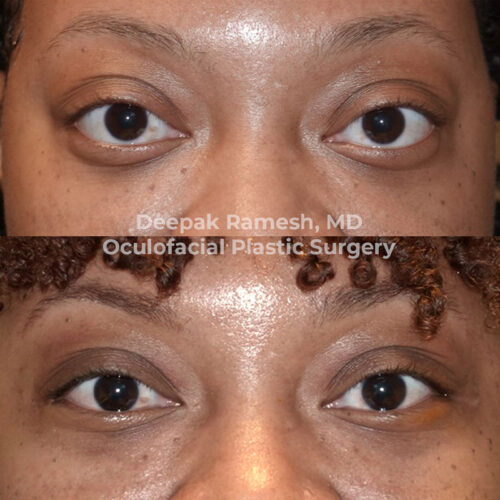
Gorgeous Orbital Decompression Eye Surgery Artwork Art
Find inspiration with this unique orbital decompression eye surgery illustration, crafted to provide a fresh look for your background.

Detailed Orbital Decompression Eye Surgery Design in 4K
Experience the crisp clarity of this stunning orbital decompression eye surgery image, available in high resolution for all your screens.

Spectacular Orbital Decompression Eye Surgery Landscape Photography
Immerse yourself in the stunning details of this beautiful orbital decompression eye surgery wallpaper, designed for a captivating visual experience.

Serene Orbital Decompression Eye Surgery Photo for Mobile
Discover an amazing orbital decompression eye surgery background image, ideal for personalizing your devices with vibrant colors and intricate designs.

Spectacular Orbital Decompression Eye Surgery Artwork Nature
This gorgeous orbital decompression eye surgery photo offers a breathtaking view, making it a perfect choice for your next wallpaper.

Mesmerizing Orbital Decompression Eye Surgery Background for Mobile
Explore this high-quality orbital decompression eye surgery image, perfect for enhancing your desktop or mobile wallpaper.

Exquisite Orbital Decompression Eye Surgery Background for Your Screen
A captivating orbital decompression eye surgery scene that brings tranquility and beauty to any device.

Vibrant Orbital Decompression Eye Surgery Moment Nature
Discover an amazing orbital decompression eye surgery background image, ideal for personalizing your devices with vibrant colors and intricate designs.
Download these orbital decompression eye surgery wallpapers for free and use them on your desktop or mobile devices.
0 Response to "Orbital Decompression Eye Surgery"
Post a Comment