Pediatric Eye
The Ultimate Guide to Your Child's Vision: Understanding Pediatric Eye Care
As a parent, your child's health and well-being are always your top priority. But sometimes, checking their vision might fall off the radar until they start school. Taking care of your child's sight—often referred to as Pediatric Eye care—is vital for their development, learning, and overall quality of life.
This guide is here to walk you through everything you need to know, from routine check-ups to recognizing common issues. Think of this as your friendly, informative chat about making sure your little one sees the world clearly and brightly.
The eyes are complex organs, and in children, they are still developing rapidly. Therefore, catching potential issues early through regular screening is the best way to ensure successful treatment.
Why Early Pediatric Eye Exams Matter So Much
Many serious eye conditions in children do not show obvious symptoms, especially to a child who doesn't know what "normal" vision is supposed to look like. Early detection is the single most important factor in preventing permanent vision loss later in life. If conditions like Amblyopia (lazy eye) are not treated before the visual system matures (around age seven or eight), the damage can be irreversible.
Think of eye care as preventative maintenance, just like dental checkups. You want to make sure the foundation is strong before problems start compounding.
When Should Your Child See an Eye Doctor?
The American Optometric Association (AOA) recommends a specific schedule for Pediatric Eye exams, even if your child seems to have perfect vision. These initial exams are often non-invasive and focus on checking eye alignment and health.
Here is the typical recommended timeline for routine exams:
- Infancy (6 months): The first comprehensive exam should check basic eye function, pupil responses, and ability to track objects.
- Preschool Age (3 years): At this stage, doctors can usually test visual acuity (how well they see) using charts designed for pre-readers (e.g., shapes or symbols).
- School Age (5-6 years): Right before starting first grade, a critical exam ensures vision problems won't hinder learning. Annual exams are generally recommended thereafter.
If there is a family history of serious vision problems, like childhood cataracts or strabismus, your doctor may recommend starting exams even earlier.
Common Pediatric Eye Conditions You Should Know About
While many children have perfect vision, certain conditions are highly prevalent in childhood and require immediate treatment to prevent long-term damage. Knowledge is power, and knowing what to look for helps you advocate for your child's Pediatric Eye health.
Strabismus (Crossed Eyes) and Amblyopia (Lazy Eye)
These two often go hand-in-hand and are major concerns in Pediatric Eye care. Strabismus is a misalignment where one or both eyes turn inward, outward, upward, or downward. This misalignment prevents the eyes from working together.
Amblyopia, or lazy eye, occurs when the brain favors one eye over the other, leading to poor vision development in the neglected eye. Strabismus is a frequent cause of amblyopia because the brain ignores the image coming from the misaligned eye to avoid double vision.
Treatment for these conditions often involves eyeglasses, patching the stronger eye to force the weaker one to work, or sometimes surgery to correct muscle alignment.
Refractive Errors: Nearsightedness, Farsightedness, and Astigmatism
Refractive errors are the most common reason children need glasses. These conditions affect how light focuses on the retina:
- Myopia (Nearsightedness): Difficulty seeing objects far away. This is increasingly common due to increased screen time.
- Hyperopia (Farsightedness): Difficulty focusing on nearby objects. Mild hyperopia is common in toddlers but severe cases can strain the eyes.
- Astigmatism: Blurred vision caused by an irregularly shaped cornea or lens, leading to distortion at any distance.
While these conditions are highly treatable with prescription eyeglasses, they can easily be missed if a child never complains, as they might assume their blurry vision is normal.
Spotting the Signs: What Parents Need to Look For
Since babies and toddlers cannot articulate what they see, observing their behavior is your primary tool. Keep an eye out for consistency in these behaviors, as they can be subtle clues regarding their Pediatric Eye health.
In older children, poor vision often manifests as learning or behavioral issues because they may be struggling to read the board or focus on homework.
Look for the following physical and behavioral indicators:
- Constantly rubbing their eyes.
- Extreme light sensitivity (photophobia).
- Head tilting or covering one eye to focus.
- Sitting unusually close to the television or holding books right up to their face.
- Frequent squinting or blinking.
- Difficulty with hand-eye coordination (e.g., catching a ball).
Red Flags Requiring Immediate Attention
While routine check-ups are important, some symptoms require an immediate appointment with an eye care professional or pediatrician. Do not wait for the next scheduled check-up if you notice any of these serious signs.
These signs include:
- Sudden change in eye alignment (an eye suddenly turns in or out).
- A white or grayish-white material in the pupil (instead of black).
- Persistent redness, discharge, or swelling that does not clear up quickly.
- A difference in the size of the pupils between the two eyes.
Taking Care of Young Eyes: Tips for Healthy Vision
In today's digital world, safeguarding your child's Pediatric Eye health involves proactive lifestyle choices alongside professional care. These simple habits can go a long way in supporting long-term healthy vision.
First and foremost, nutrition plays a crucial role. A diet rich in leafy greens, eggs, fish, and colorful fruits provides essential nutrients like Lutein, Zeaxanthin, and Omega-3 fatty acids, all of which are protective for the developing eye.
Secondly, remember the 20-20-20 rule, especially for school-aged children who use tablets or computers for long periods. Every 20 minutes, your child should look away from the screen for 20 seconds at something 20 feet away. This simple break helps relax the focusing muscles in the eyes and prevents digital eye strain.
Finally, encourage outdoor play. Spending time outdoors, particularly during daylight hours, has been shown to reduce the risk of developing myopia (nearsightedness). Aim for at least one to two hours of outdoor time daily.
Conclusion
Understanding and prioritizing Pediatric Eye care is one of the greatest gifts you can give your child. Healthy sight is fundamental to learning, socializing, and physical development. By adhering to the recommended exam schedule, staying observant of your child's behaviors, and implementing healthy habits like adequate outdoor time, you are ensuring they have the clearest possible view of the world.
If you have any concerns at all, remember that early intervention is key. Don't hesitate to consult a pediatric ophthalmologist or optometrist to discuss your child's specific needs. Take action today to protect their vision for tomorrow.
Frequently Asked Questions (FAQ) About Pediatric Eye Health
- What is the difference between an Optometrist and a Pediatric Ophthalmologist?
- An Optometrist provides primary vision care, including eye exams, corrective lens prescription, and diagnosis of common conditions. A Pediatric Ophthalmologist is a medical doctor (MD) who specializes in eye and vision care for children and is qualified to perform eye surgery, often dealing with more complex Pediatric Eye issues like strabismus and cataracts.
- Can screen time permanently damage my child's eyes?
- While there is no definitive proof that screens cause permanent damage, excessive screen time contributes significantly to eye strain, dry eyes, and may accelerate the onset and progression of myopia (nearsightedness) due to constant near focusing. Always enforce the 20-20-20 rule and limit recreational screen time.
- My child failed a vision screening at school. Does this mean they need glasses?
- Not necessarily, but it is a strong indicator that a full eye exam is needed. School screenings are basic and can miss underlying issues or result in false positives. A failed screening means you should immediately schedule a comprehensive exam with an eye care professional to get an accurate diagnosis of their Pediatric Eye health.
- Is it normal for a baby's eyes to occasionally cross?
- It can be normal for newborns to have intermittent eye crossing or wandering up until about 4 to 6 months of age as their eye muscles develop coordination. If eye crossing persists consistently after 6 months, or if one eye is always turned in or out, this requires immediate evaluation for strabismus.
Pediatric Eye
Pediatric Eye Wallpapers
Collection of pediatric eye wallpapers for your desktop and mobile devices.
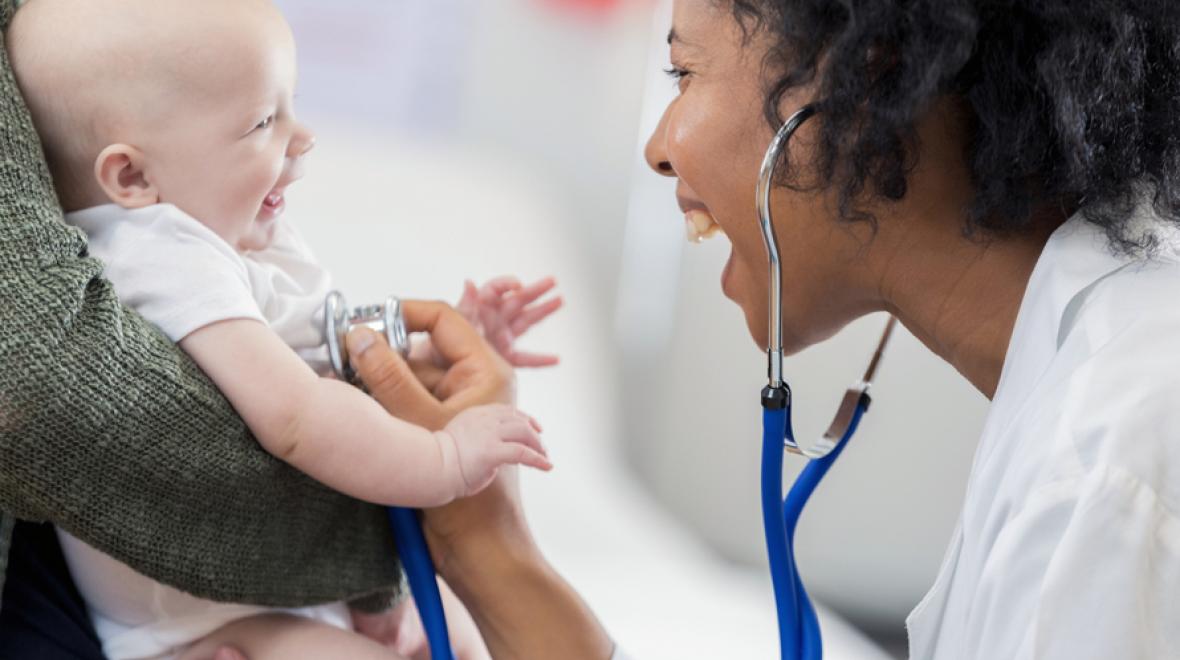
Stunning Pediatric Eye View Concept
Find inspiration with this unique pediatric eye illustration, crafted to provide a fresh look for your background.

Lush Pediatric Eye Wallpaper for Desktop
Find inspiration with this unique pediatric eye illustration, crafted to provide a fresh look for your background.
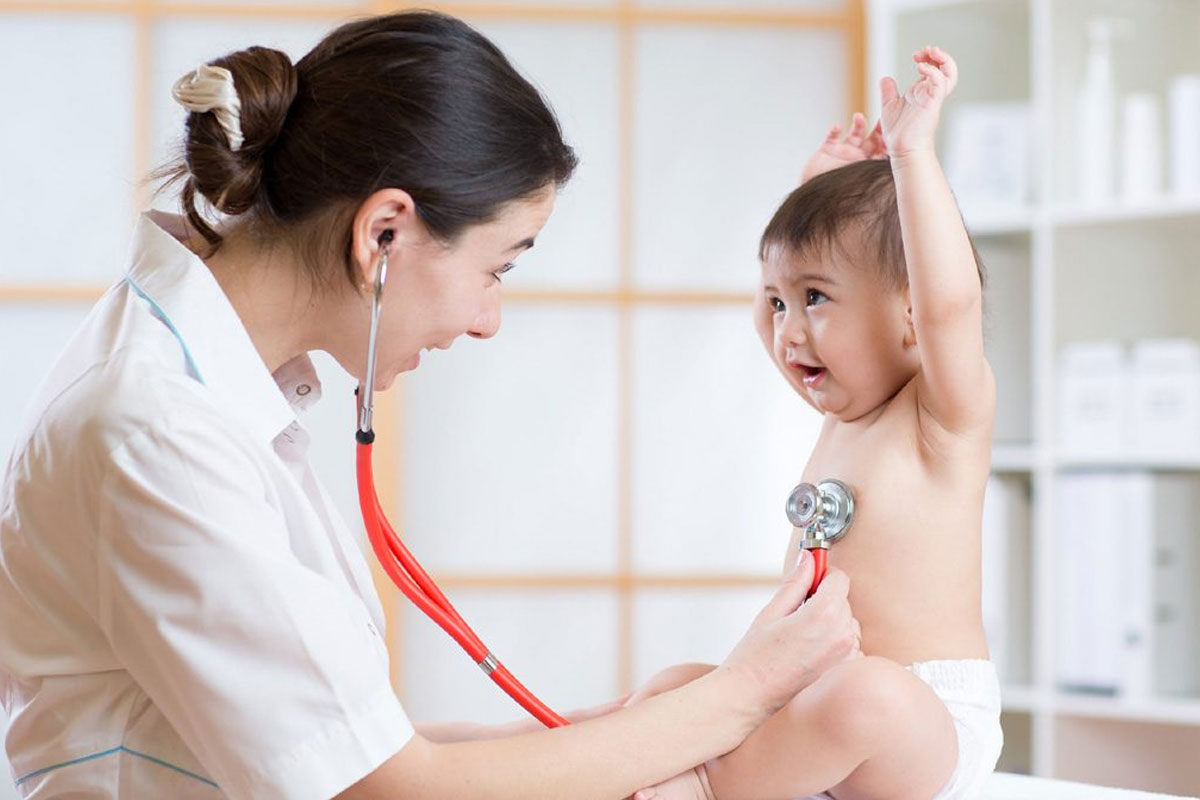
Stunning Pediatric Eye Moment Collection
A captivating pediatric eye scene that brings tranquility and beauty to any device.

Vibrant Pediatric Eye Capture Photography
Explore this high-quality pediatric eye image, perfect for enhancing your desktop or mobile wallpaper.
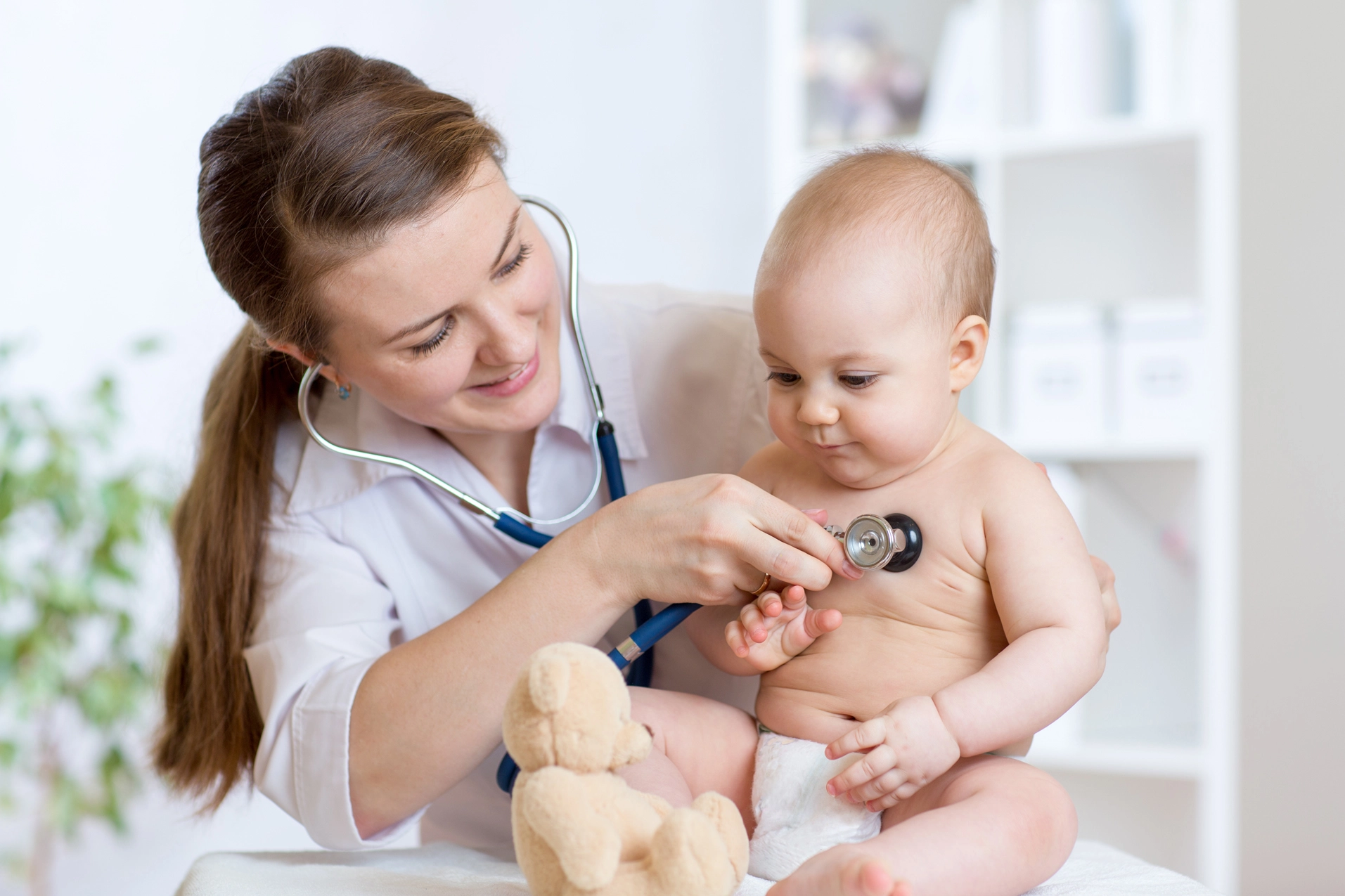
Breathtaking Pediatric Eye Artwork Photography
Experience the crisp clarity of this stunning pediatric eye image, available in high resolution for all your screens.
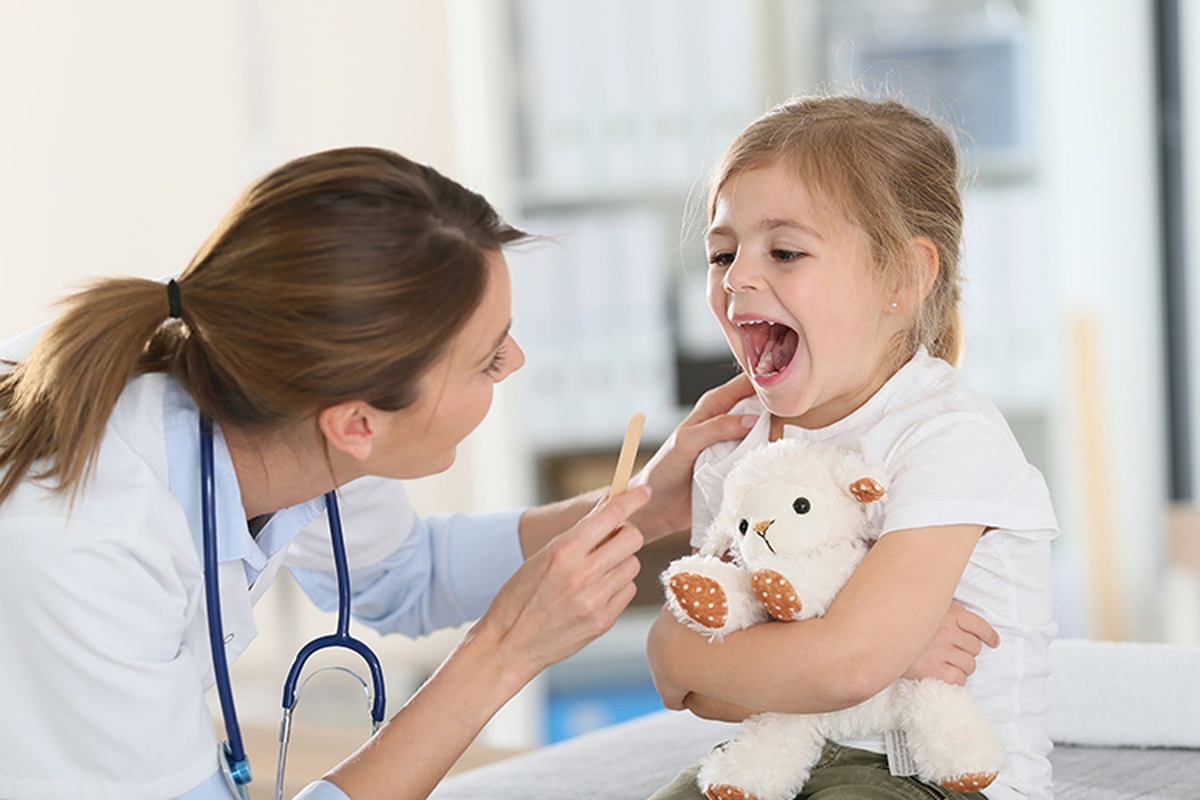
Exquisite Pediatric Eye Capture Digital Art
Find inspiration with this unique pediatric eye illustration, crafted to provide a fresh look for your background.
/heart-exam-570ac08e5f9b581408146db6.jpg "Dynamic Pediatric Eye Landscape in HD")
Dynamic Pediatric Eye Landscape in HD
A captivating pediatric eye scene that brings tranquility and beauty to any device.
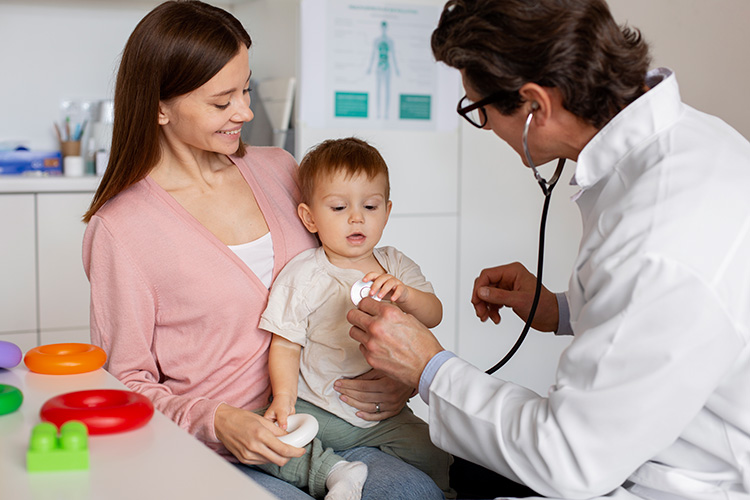
Stunning Pediatric Eye Background Collection
This gorgeous pediatric eye photo offers a breathtaking view, making it a perfect choice for your next wallpaper.

Amazing Pediatric Eye Capture Illustration
Experience the crisp clarity of this stunning pediatric eye image, available in high resolution for all your screens.
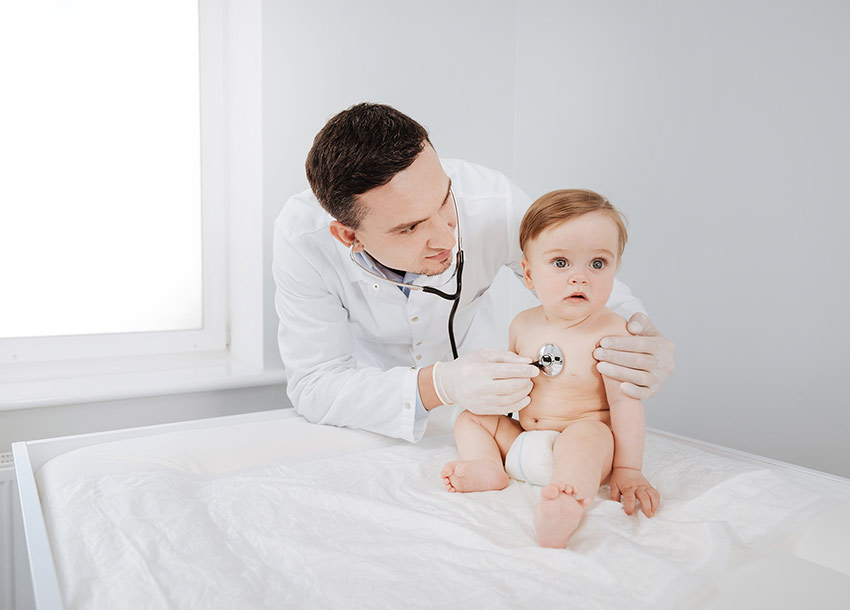
Vivid Pediatric Eye Picture for Your Screen
Transform your screen with this vivid pediatric eye artwork, a true masterpiece of digital design.

Vivid Pediatric Eye Design in HD
Experience the crisp clarity of this stunning pediatric eye image, available in high resolution for all your screens.
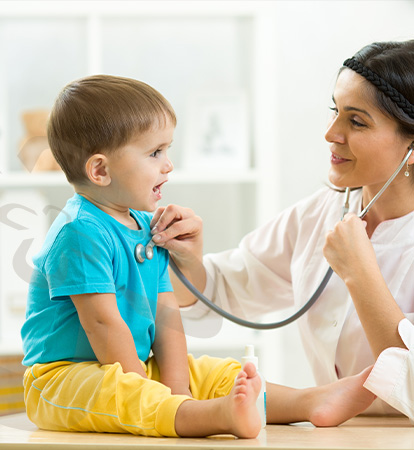
Stunning Pediatric Eye Image for Your Screen
This gorgeous pediatric eye photo offers a breathtaking view, making it a perfect choice for your next wallpaper.
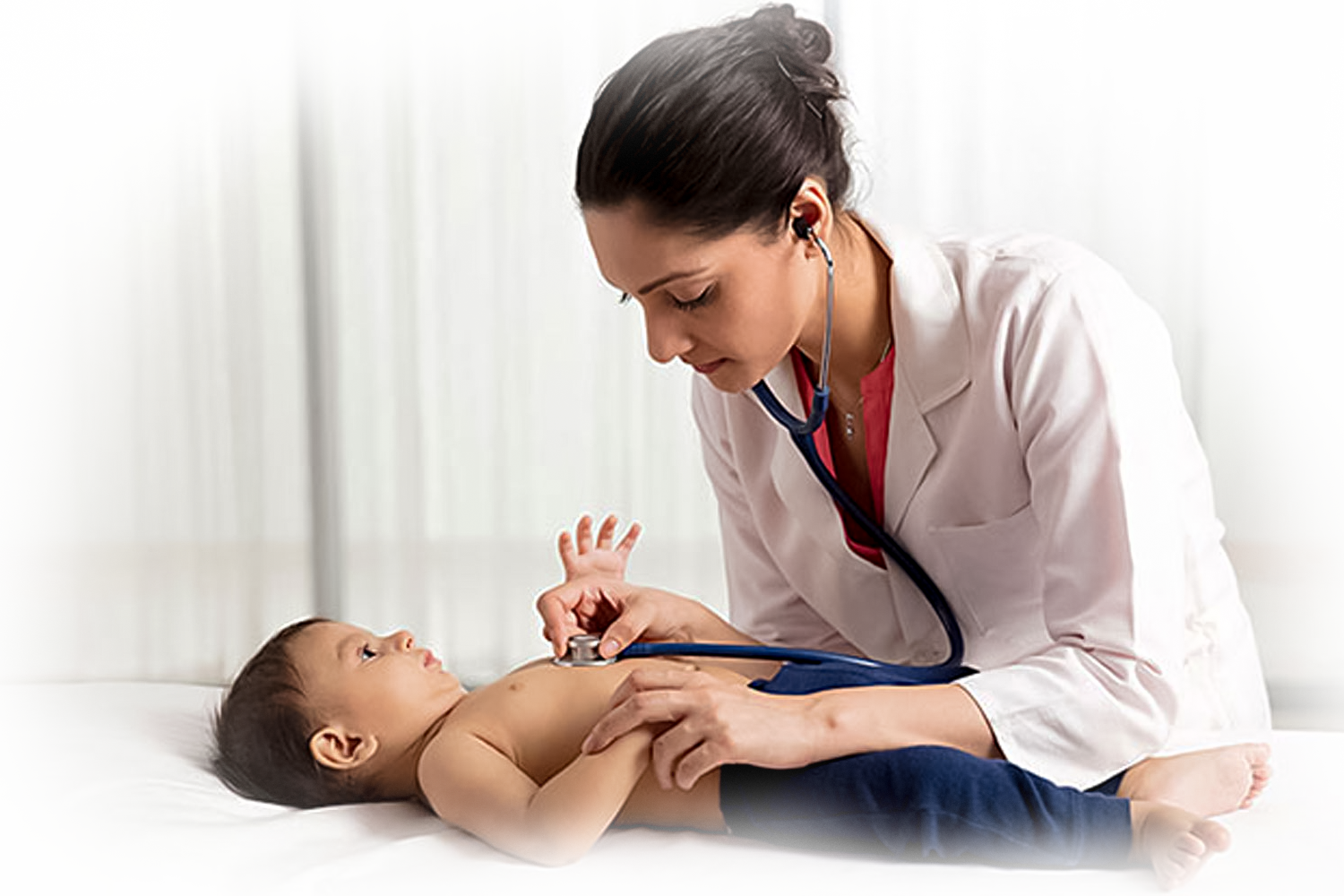
Stunning Pediatric Eye Photo for Mobile
Immerse yourself in the stunning details of this beautiful pediatric eye wallpaper, designed for a captivating visual experience.

Crisp Pediatric Eye Scene Concept
Immerse yourself in the stunning details of this beautiful pediatric eye wallpaper, designed for a captivating visual experience.

Breathtaking Pediatric Eye Abstract Concept
Discover an amazing pediatric eye background image, ideal for personalizing your devices with vibrant colors and intricate designs.
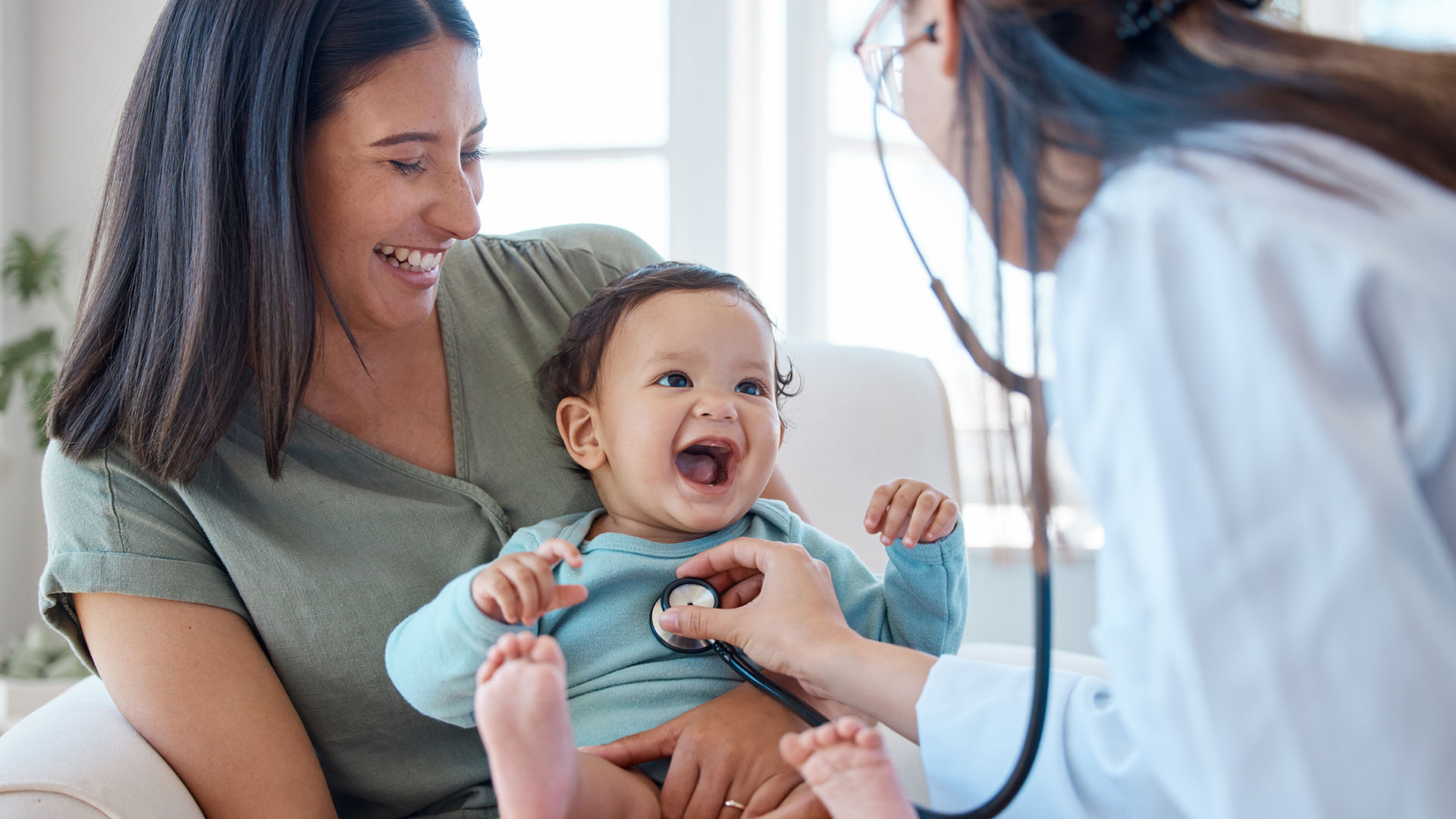
Vibrant Pediatric Eye Landscape Art
Experience the crisp clarity of this stunning pediatric eye image, available in high resolution for all your screens.
High-Quality Pediatric Eye Picture Nature
Discover an amazing pediatric eye background image, ideal for personalizing your devices with vibrant colors and intricate designs.

Lush Pediatric Eye Background in HD
Immerse yourself in the stunning details of this beautiful pediatric eye wallpaper, designed for a captivating visual experience.
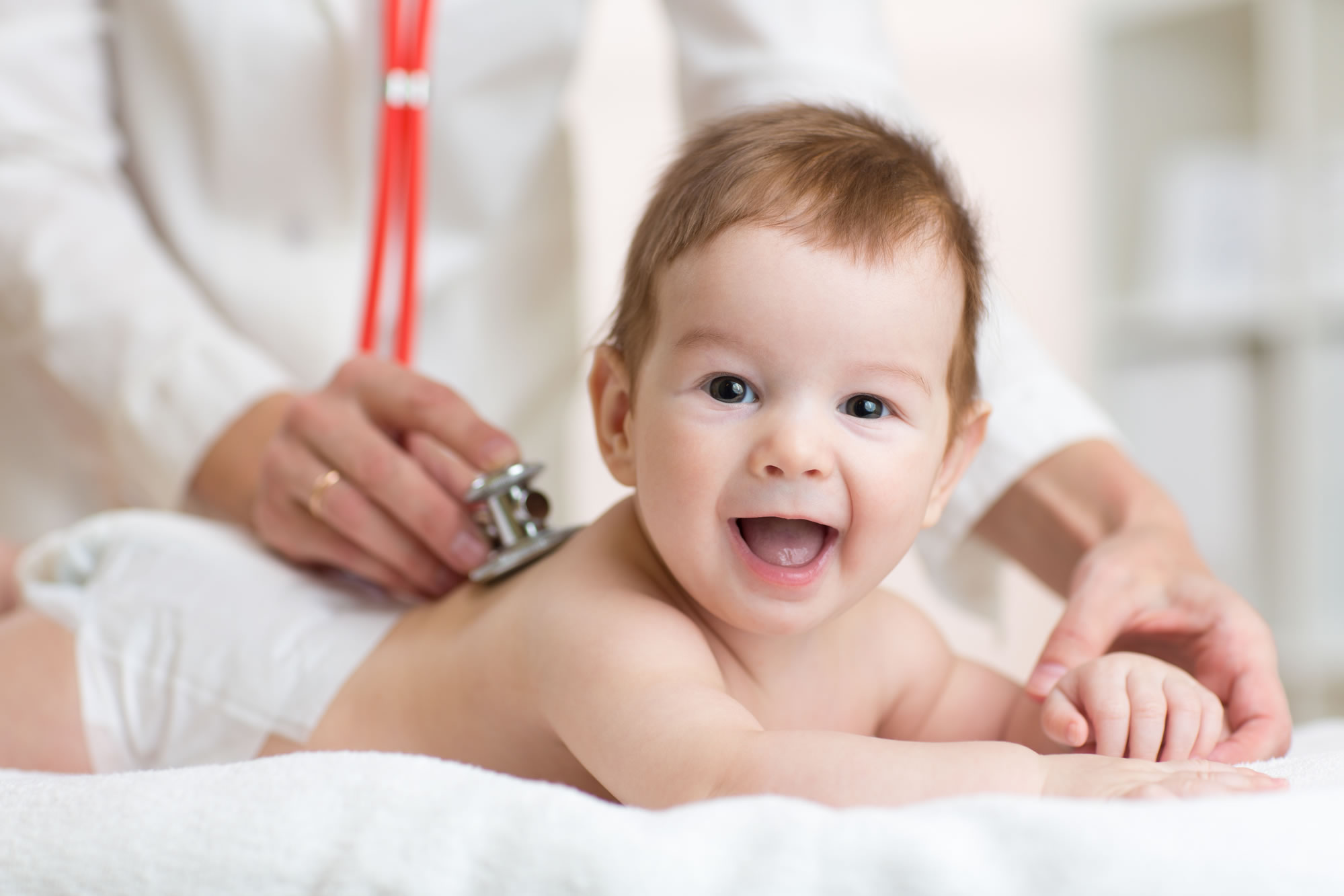
High-Quality Pediatric Eye Wallpaper Digital Art
Discover an amazing pediatric eye background image, ideal for personalizing your devices with vibrant colors and intricate designs.

Breathtaking Pediatric Eye Abstract in HD
Experience the crisp clarity of this stunning pediatric eye image, available in high resolution for all your screens.
Download these pediatric eye wallpapers for free and use them on your desktop or mobile devices.
0 Response to "Pediatric Eye"
Post a Comment