Rods In The Eye
Rods In The Eye: Understanding Your Night Vision Superpowers
Have you ever wondered how you manage to navigate a dark room without tripping over every piece of furniture? The secret lies deep within your retina, handled by incredible cells known as photoreceptors. Specifically, we're talking about the crucial function of the Rods In The Eye. These tiny structures are the unsung heroes of your peripheral vision and essential for seeing in low light conditions.
Understanding how these rods work is not just fascinating; it's vital for maintaining overall eye health. If you are experiencing difficulty adapting to the dark, or simply curious about the mechanics of your sight, you've come to the right place. Let's delve into the mysterious world of rods and discover why they are so important.
What Exactly Are Rods In The Eye?
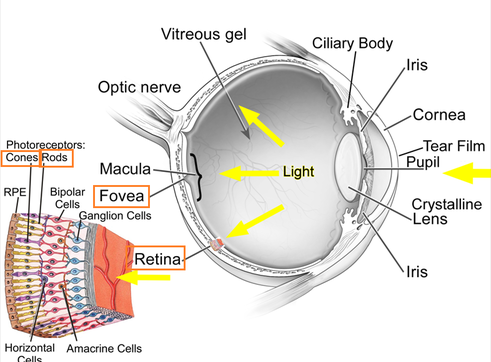
Rods are specialized photoreceptor cells located in the retina, primarily concentrated in the periphery rather than the center (the fovea). Their name comes from their distinct, elongated rod-like shape. Unlike their counterparts, the cones, rods are extremely sensitive to light intensity, making them indispensable when light levels drop.
In fact, a single photon of light can activate a rod cell! This incredible sensitivity is why we rely almost entirely on them when the sun goes down. However, there's a trade-off for this superpower: rods cannot distinguish colors. They provide us with monochromatic vision, meaning everything appears in shades of gray, black, and white.
The human retina contains approximately 90 to 120 million rods. This sheer number emphasizes their crucial role in spatial orientation and detecting movement, especially when we are not looking directly at an object. They truly are essential for survival in environments with dim lighting.
Rods vs. Cones: The Dynamic Duo of Vision
While the Rods In The Eye handle the night shift and peripheral awareness, cones take the day shift, managing sharp details and vibrant colors. Together, these two types of photoreceptors ensure a comprehensive visual experience across various light conditions. Understanding their differences helps illustrate how complex your vision actually is.
Here is a quick breakdown of their key roles and differences:
- Location: Rods are peripheral; cones are centrally located in the fovea.
- Sensitivity: Rods are highly sensitive (activated by minimal light); cones require much brighter light.
- Function: Rods provide low-resolution, achromatic (black/white) vision; cones provide high-resolution, color vision.
- Quantity: Rods significantly outnumber cones (around 120 million rods vs. 6 million cones).
When you walk from a bright room into a dark one, your vision takes a moment to adjust. This adjustment period, known as dark adaptation, is primarily the time it takes for the pigment within the rods—called rhodopsin—to regenerate and become sensitive enough to pick up the scarce light signals.
When Rods Get Tired: Night Blindness and Deficiency
Unfortunately, the hard-working Rods In The Eye are susceptible to damage and specific medical conditions. When rods fail to function correctly, the most immediate and noticeable symptom is difficulty seeing in dim light, a condition medically known as nyctalopia, or night blindness.
Night blindness can stem from several causes, ranging from easily treatable nutritional issues to more serious genetic conditions. If you notice a substantial decline in your ability to drive at dusk or navigate dimly lit spaces, it is essential to consult an eye care professional.
Causes of Rod Dysfunction
Several factors can impair the ability of your rods to capture light effectively. Some of the most common issues include:
- Vitamin A Deficiency: Vitamin A is a key component of rhodopsin, the light-sensitive molecule in rods. Insufficient intake prevents rhodopsin regeneration, severely impacting night vision.
- Retinitis Pigmentosa (RP): This is a group of inherited disorders that cause the gradual degeneration of photoreceptor cells. Rods are often affected first, leading to progressive night blindness and loss of peripheral vision.
- Severe Myopia (Nearsightedness): Extreme cases of nearsightedness can sometimes be associated with changes in the retina that affect rod function.
- Cataracts: Though cataracts affect the lens rather than the rods directly, they scatter incoming light, drastically reducing the amount of light reaching the retina, thereby hindering the rods' ability to activate.
Early detection of these problems is crucial, especially for degenerative diseases like Retinitis Pigmentosa, so that management strategies can be implemented to preserve vision for as long as possible.
Boosting Your Rod Health Naturally
The good news is that we can support the health of our photoreceptors through lifestyle and diet. Since the health of your Rods In The Eye is directly linked to nutrient intake, a balanced diet rich in specific vitamins and antioxidants is your first line of defense.
Consider incorporating these simple, yet effective, steps into your daily routine:
- Prioritize Vitamin A and Beta-Carotene: Since rhodopsin requires Vitamin A, load up on carrots, sweet potatoes, spinach, and liver. These foods are retinal superstars.
- Increase Antioxidant Intake: Foods high in Lutein and Zeaxanthin (found in leafy greens like kale) protect the macular pigment, which supports the overall health of the retina where the rods reside.
- Maintain Regular Eye Exams: Comprehensive annual eye exams can detect issues like early Retinitis Pigmentosa or vitamin deficiencies before they severely impact your night vision.
- Protect Your Eyes from Excessive Blue Light: While blue light exposure primarily stresses the macula, ensuring your eyes get adequate rest and using blue light filtering glasses can help reduce overall visual fatigue, benefiting all photoreceptors.
Remember, maintaining hydration and managing chronic conditions like diabetes or high blood pressure are also key, as these systemic issues can significantly impact blood flow to the retina, thereby compromising the function of the rods.
Understanding Adaptation and Fatigue
Have you ever noticed that the headlights of an oncoming car seem temporarily blinding at night? This phenomenon highlights the remarkable sensitivity and temporary fatigue of the rods. When exposed to sudden bright light after dark adaptation, the rhodopsin in the rods is momentarily bleached, causing a brief period of inability to see clearly.
Allowing yourself adequate dark adaptation time—sometimes up to 30 minutes for full rod recovery—is crucial if you need peak night vision, such as when stargazing or driving in rural areas. Be patient with your rods; they are working hard with minimal light!
Conclusion: Cherish Your Rods In The Eye
The incredible sensitivity and efficiency of the Rods In The Eye are what allow us to perceive the world when the lights go down. These cells are central to our ability to detect movement, maintain peripheral awareness, and navigate in low light. While they may not provide the vivid color of cones, their function is undeniably fundamental.
By prioritizing a nutrient-rich diet, protecting your eyes from damage, and staying proactive with eye care professionals, you can ensure that these vital photoreceptors remain healthy and active for years to come. If you suspect any decline in your night vision, seek prompt professional evaluation to rule out deficiencies or underlying conditions.
Frequently Asked Questions About Rods In The Eye (FAQ)
- What is the main function of rods in the eye?
- The primary function of the rods is scotopic vision, which means seeing in low light conditions. They are highly sensitive, detect motion, and provide peripheral, monochromatic (black and white) vision.
- Where are the rods located in the retina?
- Rods are concentrated primarily in the periphery (outer edges) of the retina. The center of the retina, the fovea, contains almost exclusively cones.
- Can diet affect the health of the rods?
- Absolutely. The rods require Vitamin A to synthesize rhodopsin, the key pigment needed for light detection. A deficiency in Vitamin A can quickly lead to night blindness (nyctalopia).
- Is it true that rods are less useful during the day?
- Yes, in bright light, rods become essentially saturated (overloaded and inactive). During daylight, your high-resolution vision is handled almost entirely by the less light-sensitive cone cells.
- If I have night blindness, does it mean my rods are permanently damaged?
- Not necessarily. While night blindness can be caused by degenerative diseases like Retinitis Pigmentosa, it can also be a reversible symptom of Vitamin A deficiency or an issue like cataracts. A thorough eye exam is required to determine the cause.
Rods In The Eye
Rods In The Eye Wallpapers
Collection of rods in the eye wallpapers for your desktop and mobile devices.

Artistic Rods In The Eye Landscape in 4K
Find inspiration with this unique rods in the eye illustration, crafted to provide a fresh look for your background.

Artistic Rods In The Eye Design Digital Art
This gorgeous rods in the eye photo offers a breathtaking view, making it a perfect choice for your next wallpaper.

Breathtaking Rods In The Eye Design Collection
Explore this high-quality rods in the eye image, perfect for enhancing your desktop or mobile wallpaper.

Breathtaking Rods In The Eye Photo Nature
Discover an amazing rods in the eye background image, ideal for personalizing your devices with vibrant colors and intricate designs.

Spectacular Rods In The Eye Moment for Mobile
A captivating rods in the eye scene that brings tranquility and beauty to any device.

Dynamic Rods In The Eye Design for Desktop
A captivating rods in the eye scene that brings tranquility and beauty to any device.
Crisp Rods In The Eye Picture Photography
Immerse yourself in the stunning details of this beautiful rods in the eye wallpaper, designed for a captivating visual experience.

Spectacular Rods In The Eye Image for Your Screen
A captivating rods in the eye scene that brings tranquility and beauty to any device.

Lush Rods In The Eye Background for Mobile
A captivating rods in the eye scene that brings tranquility and beauty to any device.

Vibrant Rods In The Eye Capture Nature
Discover an amazing rods in the eye background image, ideal for personalizing your devices with vibrant colors and intricate designs.

High-Quality Rods In The Eye Moment Collection
Discover an amazing rods in the eye background image, ideal for personalizing your devices with vibrant colors and intricate designs.

Stunning Rods In The Eye Picture for Desktop
Find inspiration with this unique rods in the eye illustration, crafted to provide a fresh look for your background.

Artistic Rods In The Eye View Illustration
A captivating rods in the eye scene that brings tranquility and beauty to any device.

Lush Rods In The Eye View Nature
Immerse yourself in the stunning details of this beautiful rods in the eye wallpaper, designed for a captivating visual experience.

Exquisite Rods In The Eye Background for Your Screen
Find inspiration with this unique rods in the eye illustration, crafted to provide a fresh look for your background.

Vivid Rods In The Eye Capture for Your Screen
Explore this high-quality rods in the eye image, perfect for enhancing your desktop or mobile wallpaper.

Breathtaking Rods In The Eye Landscape Concept
Experience the crisp clarity of this stunning rods in the eye image, available in high resolution for all your screens.

Breathtaking Rods In The Eye Scene Nature
Transform your screen with this vivid rods in the eye artwork, a true masterpiece of digital design.

Artistic Rods In The Eye Abstract for Desktop
This gorgeous rods in the eye photo offers a breathtaking view, making it a perfect choice for your next wallpaper.

Exquisite Rods In The Eye Artwork in 4K
This gorgeous rods in the eye photo offers a breathtaking view, making it a perfect choice for your next wallpaper.
Download these rods in the eye wallpapers for free and use them on your desktop or mobile devices.
0 Response to "Rods In The Eye"
Post a Comment