Shingles And Eye Swelling
Shingles And Eye Swelling: What You Need to Know Immediately
If you or someone you know is experiencing Shingles And Eye Swelling, please understand this is a medical emergency. While shingles is painful enough on its own, when the viral rash affects the area around the eye, it can lead to serious and potentially permanent vision loss if not treated immediately.
This article is designed to be an urgent and informative guide, helping you recognize the critical symptoms of shingles affecting the eye and detailing the steps you need to take right now. We'll break down why this specific type of shingles is so dangerous and what treatments you can expect to receive.
Understanding Shingles: The Basics
Shingles, medically known as herpes zoster, is caused by the reactivation of the varicella-zoster virus (VZV)—the same virus responsible for chickenpox. After you recover from chickenpox, VZV doesn't leave your body; instead, it lies dormant in your nerve tissues.
Years later, often due to stress, illness, or advancing age, the virus can wake up and travel along the nerve pathways to the skin, causing a painful, blistering rash. This rash usually appears in a stripe or band on one side of the body, following the path of the infected nerve.
The hallmark symptoms of shingles typically occur in phases:
- **Prodromal Phase:** Often marked by itching, burning, tingling, or deep pain in a specific area, usually before the rash even appears.
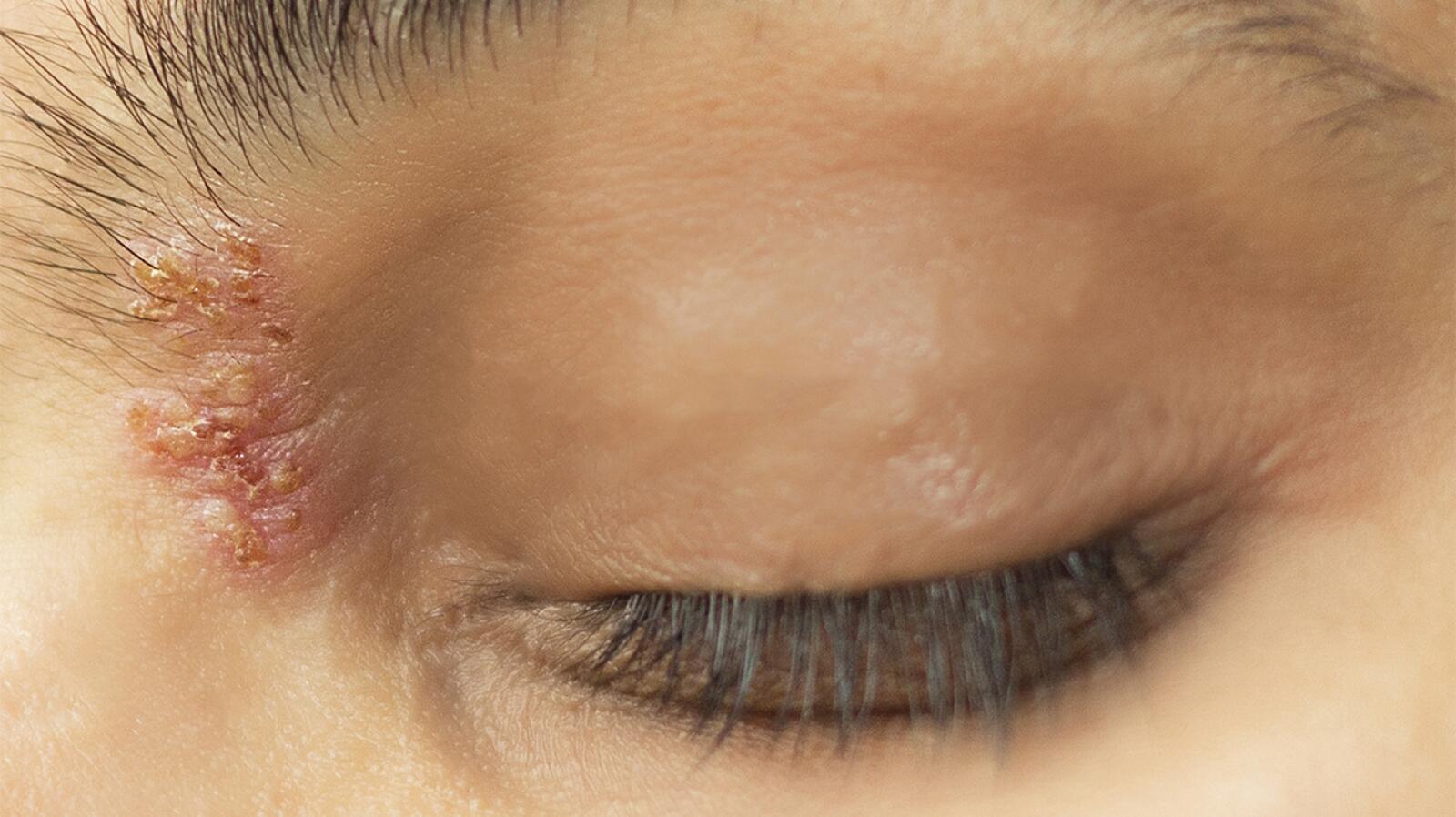
- **Active Phase:** A characteristic blistering rash develops, filled with fluid. This is typically extremely painful.
- **Healing Phase:** The blisters crust over and begin to heal, but the pain may persist (a condition known as postherpetic neuralgia).
While most shingles cases affect the torso or waistline, a small but critical percentage target the face and, specifically, the eye area. This is where the danger of severe vision complications begins.
When Shingles Targets the Eye: Herpes Zoster Ophthalmicus (HZO)
When shingles affects the nerve that supplies feeling to the forehead, nose, and eye—the ophthalmic division of the trigeminal nerve (V1)—it is called Herpes Zoster Ophthalmicus (HZO). This is a serious situation because the virus is traveling directly to structures essential for vision.
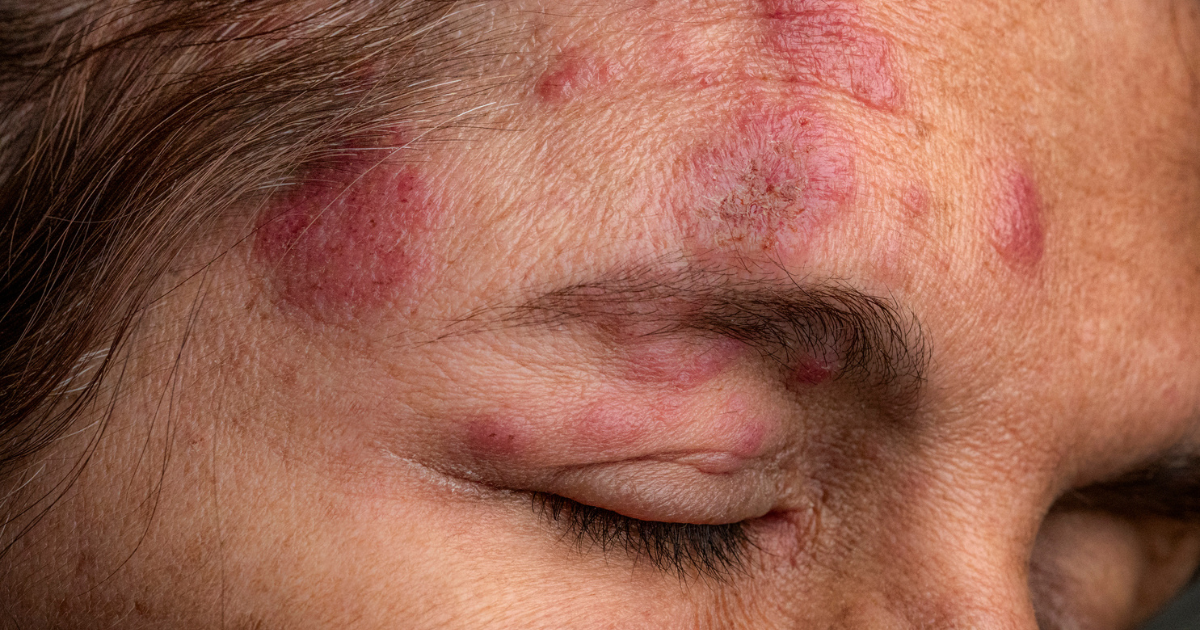
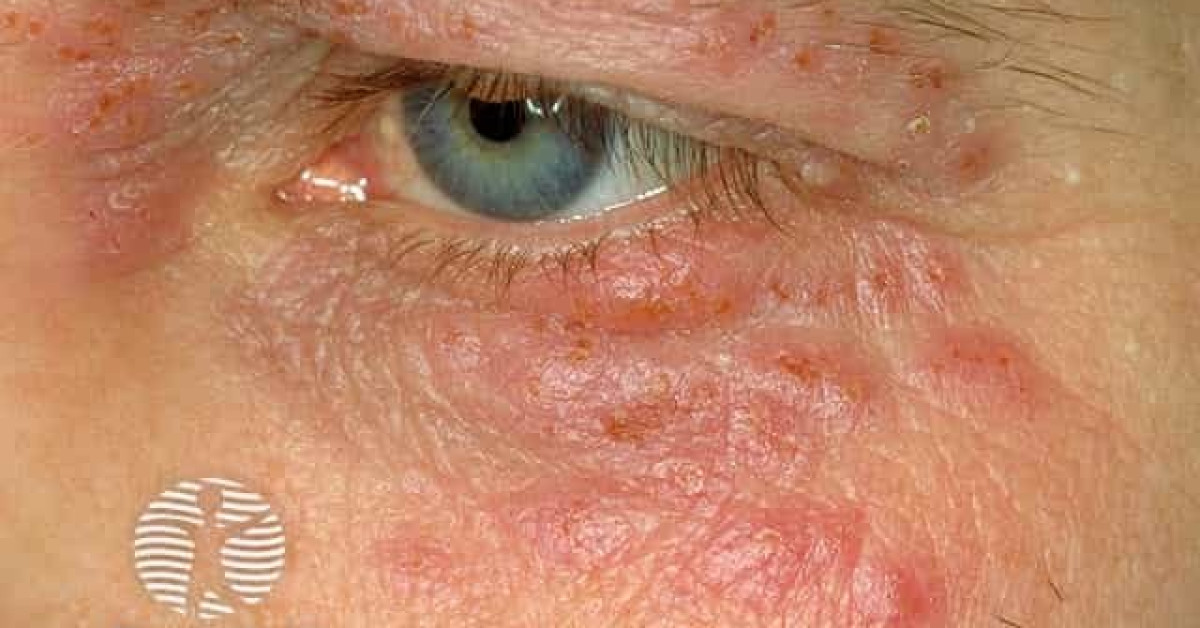
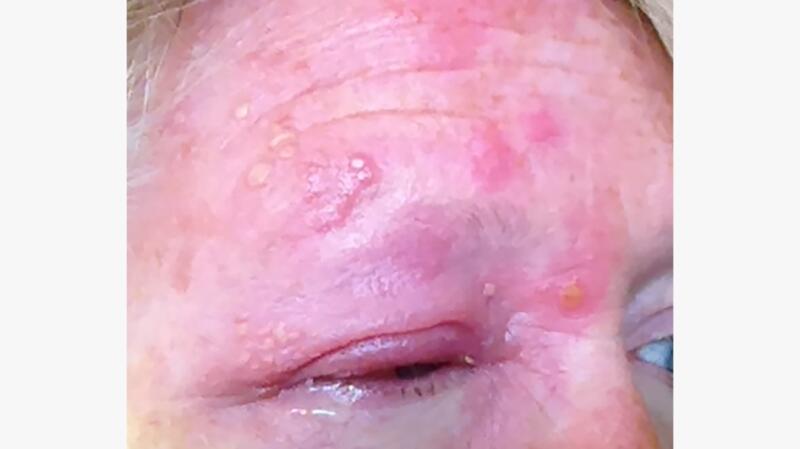
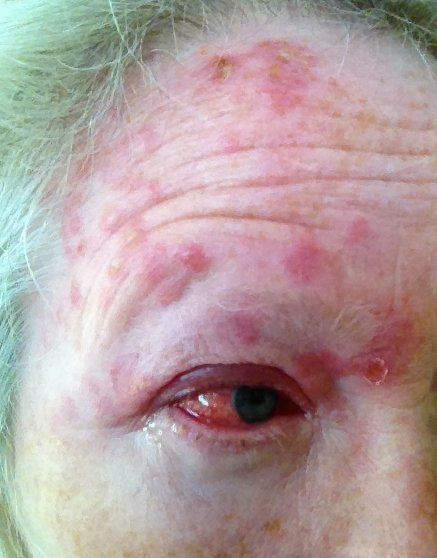
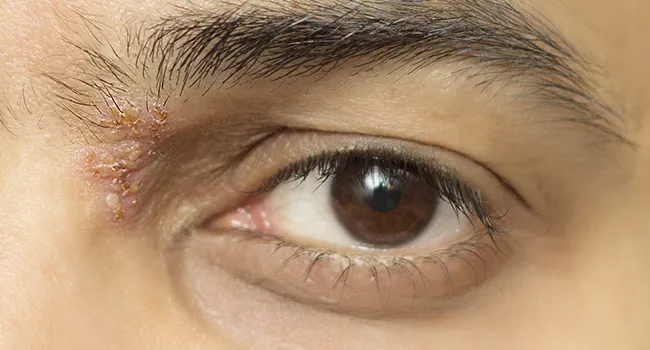
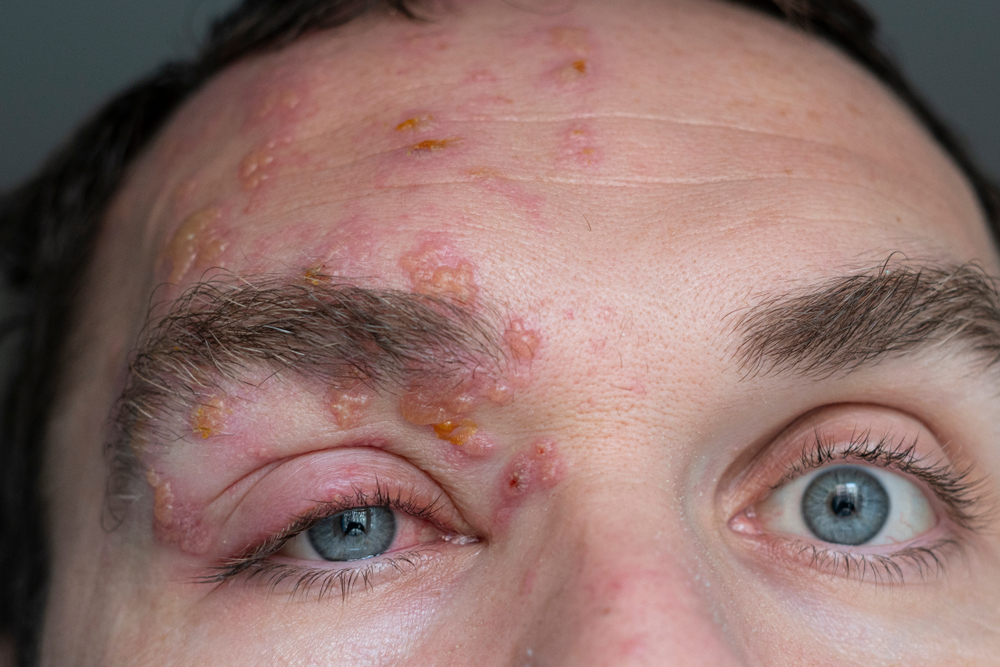
HZO is characterized by a painful rash appearing on the forehead, eyelids, and sometimes the tip of the nose. Even if the rash seems minor, the inflammation can spread deep inside the eye structure, affecting the cornea, retina, and optic nerve.
If you suspect HZO, you must seek the expertise of an ophthalmologist immediately, ideally within hours, not days. Waiting too long can significantly increase the risk of chronic pain, scarring, and blindness.
The Critical Marker: Hutchinson's Sign
One of the strongest indicators that the virus has entered the ophthalmic nerve branch is the presence of Hutchinson's sign. This refers to the appearance of shingles lesions or blisters on the tip, side, or root of the nose.
Why is this important? The nerve fibers that supply the tip of the nose (the external nasal nerve) are branches of the same nerve that supplies the eyeball. If the nose is affected, there is an extremely high probability that the eye itself is also at risk for infection and inflammation.
If you see blisters on the nose accompanying a rash on the forehead, assume your eye health is compromised and act with urgency.
Symptoms of Shingles And Eye Swelling: Recognizing the Danger Signs
The primary symptom, the rash, is usually accompanied by significant pain and itching. However, when the eye is involved, additional specific symptoms point to ocular damage. These signs can appear before the rash, concurrently, or several weeks after the skin lesions have healed.
Watch out for these danger signs related to Shingles And Eye Swelling:
- Significant Eyelid Swelling: The upper and lower eyelids may become extremely puffy, red, and tender due to inflammation.
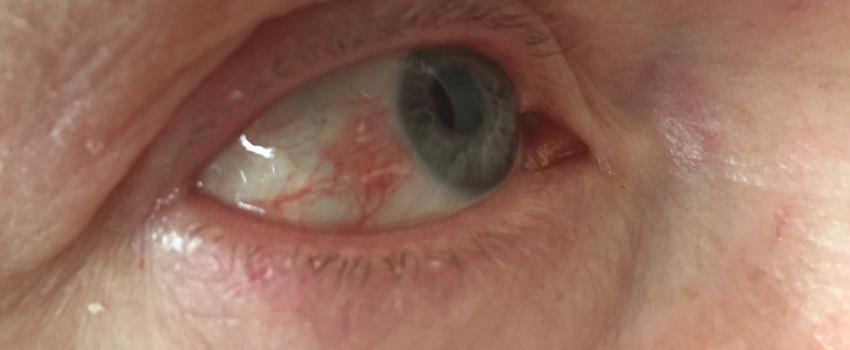
- Severe Redness of the Eye (Conjunctivitis): The white part of the eye looks heavily bloodshot and irritated.
- Photophobia: Extreme sensitivity and pain when exposed to light.
- Eye Pain: A persistent aching or stabbing sensation within the eyeball itself, not just the skin surrounding it.
- Blurred or Decreased Vision: Any noticeable change in how clearly you can see is a red flag.
- Excessive Tearing: The affected eye may water constantly, a sign the surface is irritated.
Remember, the extent of the skin rash does not always correlate with the severity of the eye damage. Even a minor rash can hide major internal eye inflammation.
Internal Eye Issues Caused by Shingles
The swelling and redness you see on the outside are often just the tip of the iceberg. HZO can cause several critical internal issues that jeopardize long-term vision:
- Keratitis: Inflammation of the cornea (the clear front dome of the eye). This can lead to painful corneal ulcers, scarring, and permanent vision impairment.
- Uveitis/Iritis: Inflammation of the iris and ciliary body (the internal structures of the eye). This is extremely serious and can lead to secondary glaucoma.
- Glaucoma: Shingles can damage the eye's drainage system, causing fluid buildup, increased pressure, and damage to the optic nerve.
- Retinal Necrosis: In rare but severe cases, the virus can attack the retina, leading to widespread damage and potential blindness.
Due to these internal complications, immediate and specialized medical care is paramount. You need a dilated eye exam to determine if the virus has penetrated the deeper layers of your eye.
Diagnosis and Immediate Treatment for Shingles Eye Complications
Diagnosis begins with a thorough examination by an ophthalmologist, who will review your medical history, assess the rash, and use specialized equipment to check the interior of your eye.
If HZO is confirmed, treatment must begin immediately. The goal is to halt viral replication and control inflammation.
The standard treatment protocol includes:
- Oral Antiviral Medications: High-dose antivirals (like Acyclovir, Valacyclovir, or Famciclovir) are started immediately. These are most effective when administered within 72 hours of the rash onset, though they may still be beneficial later if the disease is progressing.
- Topical Antiviral or Lubricating Drops: Used to manage irritation on the surface of the eye.
- Steroid Eye Drops: If internal inflammation (uveitis) is detected, steroid drops are necessary to reduce swelling and prevent long-term damage, but these must only be used under strict ophthalmological supervision.
- Pain Management: Over-the-counter or prescription pain medication may be required to handle the nerve pain associated with shingles.
The crucial takeaway is that systemic (oral) antivirals are required to treat the entire nerve pathway, while topical treatments address the specific eye damage caused by Shingles And Eye Swelling.
Why Early Intervention is Non-Negotiable
The severity of shingles eye involvement is often determined in the first 72 hours. Starting antiviral treatment rapidly limits the amount of nerve damage the virus can inflict. Delaying treatment can result in:
- Increased likelihood of persistent, debilitating nerve pain (postherpetic neuralgia).
- Greater risk of corneal scarring, which requires complicated surgery (like a corneal transplant) to repair.
- Chronic inflammation within the eye, leading to irreversible conditions like chronic glaucoma.
When dealing with HZO, time equals vision. Do not attempt to manage Shingles And Eye Swelling with home remedies or wait for your general practitioner if you can access an eye specialist.
Preventing Long-Term Vision Damage
Even after the acute phase of shingles has passed and the rash has healed, continued monitoring by an eye care professional is essential. HZO can cause problems months or even years down the road.
Many patients who recover from HZO still require long-term management of chronic dry eye, persistent corneal numbness, or secondary glaucoma. Regular follow-up appointments are necessary to catch these late-onset complications before they cause further visual deterioration.
The best way to prevent the severe complications of HZO is to prevent shingles in the first place. The shingles vaccine (Shingrix) is highly effective at preventing the disease, or if infection occurs, significantly reducing its severity and the risk of postherpetic neuralgia or HZO.
If you are over 50, talk to your doctor about getting vaccinated. This simple preventive step can save your eyesight and spare you months of agonizing pain.
Conclusion
Shingles And Eye Swelling represents a serious threat to your vision, requiring immediate attention from an eye care specialist. If you notice a shingles rash on your forehead or nose accompanied by eye pain, redness, or swelling, treat it as an emergency.
Rapid diagnosis and initiation of antiviral therapy within 72 hours are critical to stopping the virus from causing permanent damage to the cornea and internal structures of the eye. While HZO is severe, quick action and diligent follow-up care can drastically improve the outcome and preserve your sight.
Frequently Asked Questions (FAQ) About Shingles And Eye Swelling
- Can Shingles And Eye Swelling cause permanent blindness?
- Yes. If Herpes Zoster Ophthalmicus (HZO) is left untreated, the inflammation can scar the cornea, damage the optic nerve, and lead to secondary glaucoma, all of which can result in permanent, irreversible vision loss.
- Is Shingles on the face contagious?
- A person with active shingles cannot spread shingles, but they can spread the varicella-zoster virus (VZV) to someone who has never had chickenpox or the chickenpox vaccine. This new exposure would cause chickenpox, not shingles. Transmission occurs through direct contact with the fluid from the blisters until they are completely crusted over.
- How long does eye swelling from shingles usually last?
- The acute swelling and redness typically subside within a few weeks of starting antiviral treatment. However, internal inflammation (like uveitis) and related symptoms may require steroid drops and careful monitoring for several months or longer.
- Do I need to see a specialist, or can my primary care doctor treat HZO?
- While your primary care doctor can prescribe the initial oral antivirals, you absolutely must see an ophthalmologist (eye specialist) immediately. Only an ophthalmologist can examine the internal structures of the eye to determine the extent of the viral damage and prescribe necessary specialized drops.
- If I only have a rash on my forehead, is my eye still at risk?
- Yes, absolutely. The rash on the forehead indicates that the ophthalmic nerve branch (V1) is infected. Even without visible eye swelling initially, the virus is traveling in the same neural pathway that supplies the eye, making the eye highly susceptible to inflammation.
Shingles And Eye Swelling
Shingles And Eye Swelling Wallpapers
Collection of shingles and eye swelling wallpapers for your desktop and mobile devices.
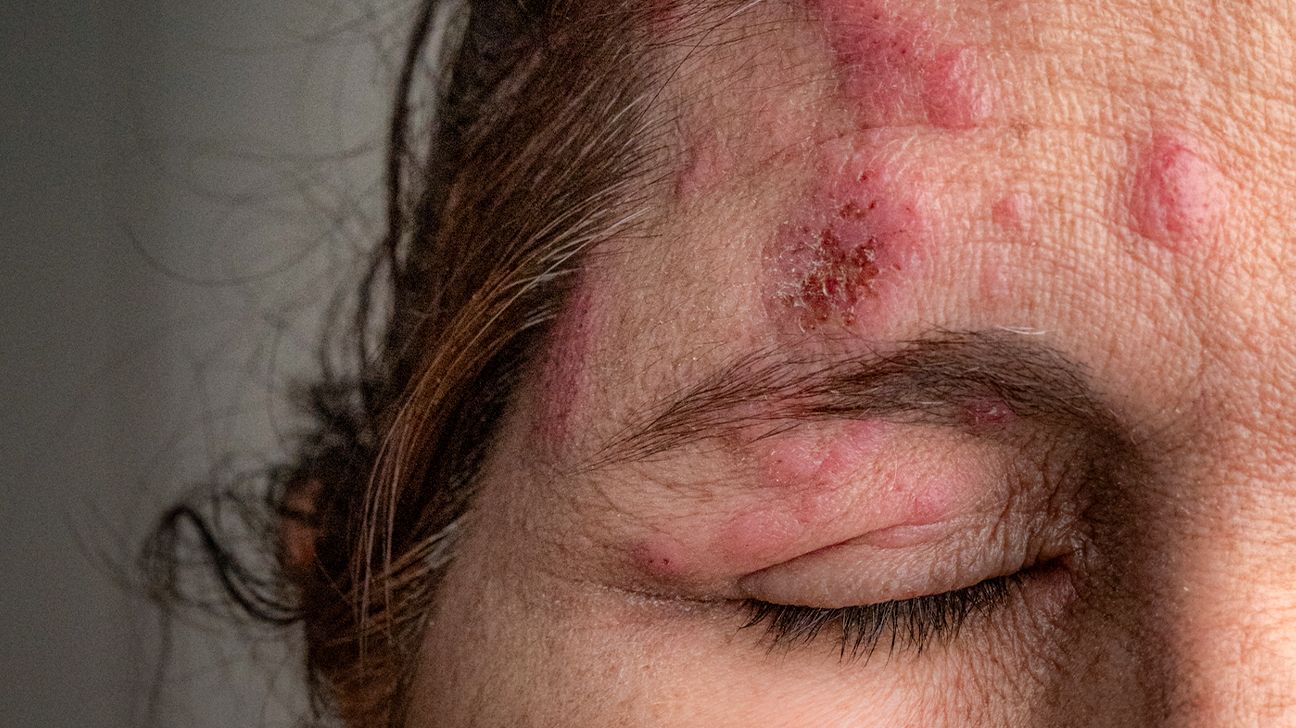
Breathtaking Shingles And Eye Swelling Picture Concept
Discover an amazing shingles and eye swelling background image, ideal for personalizing your devices with vibrant colors and intricate designs.

Artistic Shingles And Eye Swelling Moment Illustration
Immerse yourself in the stunning details of this beautiful shingles and eye swelling wallpaper, designed for a captivating visual experience.

Detailed Shingles And Eye Swelling View Digital Art
Transform your screen with this vivid shingles and eye swelling artwork, a true masterpiece of digital design.

Serene Shingles And Eye Swelling Image Photography
Experience the crisp clarity of this stunning shingles and eye swelling image, available in high resolution for all your screens.
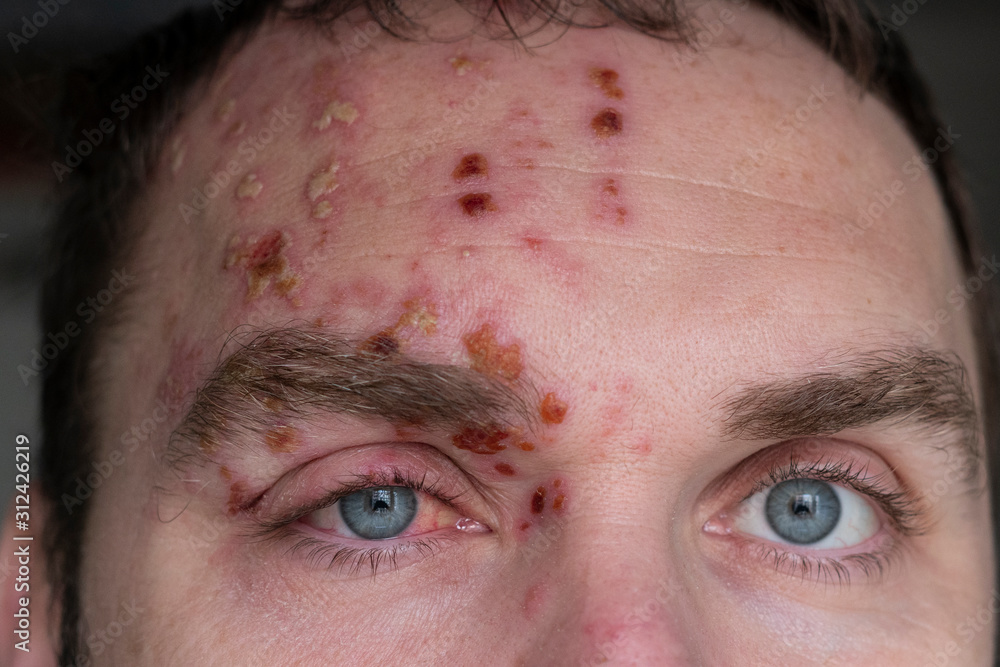
Beautiful Shingles And Eye Swelling View in HD
Transform your screen with this vivid shingles and eye swelling artwork, a true masterpiece of digital design.
:max_bytes(150000):strip_icc()/GettyImages-1488827568-918230d802ed42c4930ca604377346c0.jpg "Dynamic Shingles And Eye Swelling View Art")
Dynamic Shingles And Eye Swelling View Art
Find inspiration with this unique shingles and eye swelling illustration, crafted to provide a fresh look for your background.
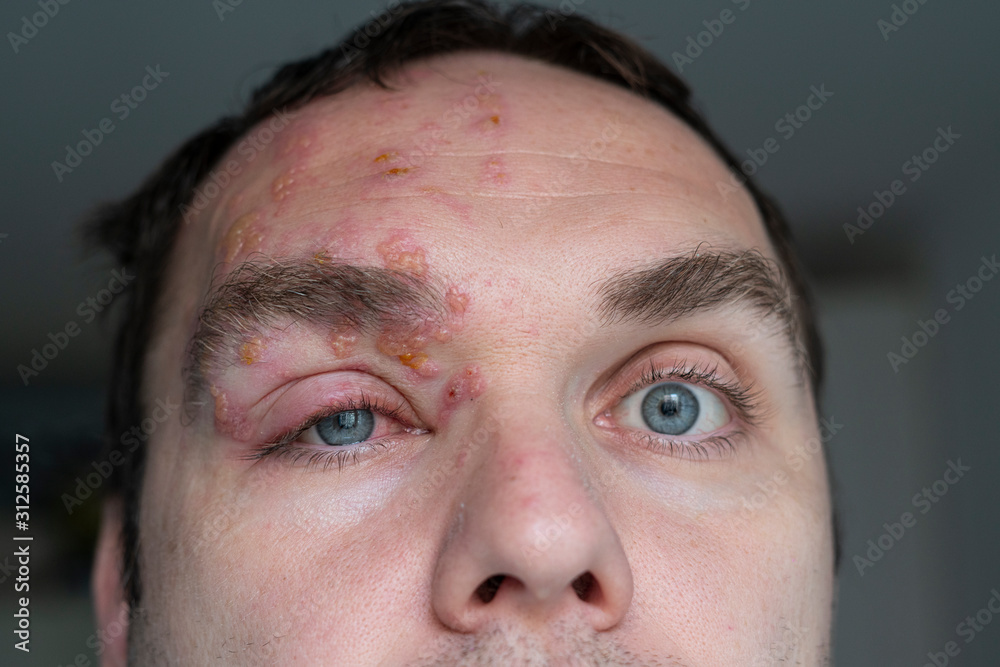
Vibrant Shingles And Eye Swelling Image Nature
Discover an amazing shingles and eye swelling background image, ideal for personalizing your devices with vibrant colors and intricate designs.
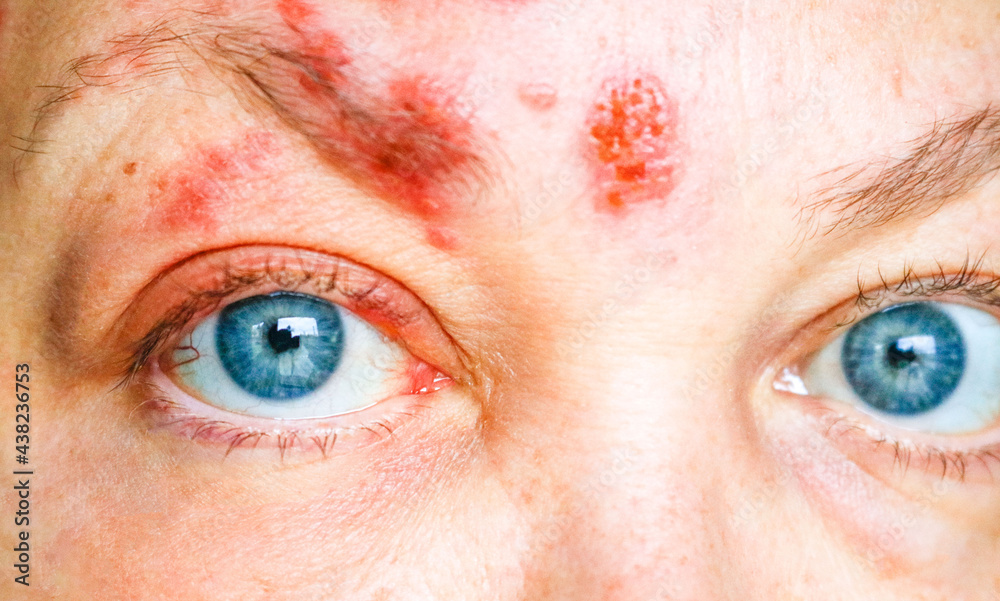
Artistic Shingles And Eye Swelling Moment Concept
A captivating shingles and eye swelling scene that brings tranquility and beauty to any device.

Mesmerizing Shingles And Eye Swelling Picture for Your Screen
Experience the crisp clarity of this stunning shingles and eye swelling image, available in high resolution for all your screens.
Detailed Shingles And Eye Swelling Scene Collection
Explore this high-quality shingles and eye swelling image, perfect for enhancing your desktop or mobile wallpaper.
Vibrant Shingles And Eye Swelling Abstract for Mobile
Transform your screen with this vivid shingles and eye swelling artwork, a true masterpiece of digital design.
Vivid Shingles And Eye Swelling Abstract Photography
Experience the crisp clarity of this stunning shingles and eye swelling image, available in high resolution for all your screens.

High-Quality Shingles And Eye Swelling Landscape for Desktop
Experience the crisp clarity of this stunning shingles and eye swelling image, available in high resolution for all your screens.
Artistic Shingles And Eye Swelling Wallpaper for Your Screen
A captivating shingles and eye swelling scene that brings tranquility and beauty to any device.
Crisp Shingles And Eye Swelling Landscape Nature
This gorgeous shingles and eye swelling photo offers a breathtaking view, making it a perfect choice for your next wallpaper.
Detailed Shingles And Eye Swelling Picture Art
Explore this high-quality shingles and eye swelling image, perfect for enhancing your desktop or mobile wallpaper.
Exquisite Shingles And Eye Swelling View for Mobile
A captivating shingles and eye swelling scene that brings tranquility and beauty to any device.
Crisp Shingles And Eye Swelling Capture Concept
Find inspiration with this unique shingles and eye swelling illustration, crafted to provide a fresh look for your backgro
0 Response to "Shingles And Eye Swelling"
Post a Comment