Vasculitis Of The Eye
Vasculitis Of The Eye: Everything You Need to Know
If you've recently heard the term "Vasculitis Of The Eye," you probably have many questions—and maybe a little bit of worry. That's completely understandable! Dealing with any condition affecting your vision can be unsettling. But take a deep breath; understanding what's going on is the first step toward effective treatment and recovery.
Simply put, vasculitis means inflammation of the blood vessels. When this inflammation strikes the delicate blood vessels supplying your eyes, we call it Vasculitis Of The Eye, or ocular vasculitis. It's a serious condition that requires prompt attention, but with the right diagnosis and treatment plan, many people manage it successfully.
What Exactly Is Vasculitis Of The Eye?
Vasculitis is an autoimmune disorder where your body's immune system mistakenly attacks healthy blood vessels. This attack causes the vessels to become inflamed, swollen, and sometimes narrowed or even blocked. When this process occurs in the eye, it typically affects the retina—the light-sensitive tissue at the back of your eye—or the uvea, leading to serious visual complications.
The eyes rely on a constant, steady supply of oxygen and nutrients delivered via tiny, intricate blood vessels. When these vessels become inflamed due to ocular vasculitis, blood flow is restricted. This lack of proper circulation can damage the sensitive eye tissue, potentially leading to vision loss if not addressed quickly.
Recognizing the Signs: Common Symptoms of Ocular Vasculitis
Knowing what to look for is vital for early diagnosis. The symptoms of Vasculitis Of The Eye can vary greatly depending on which specific blood vessels are affected, but they often start subtly before escalating.
You might notice these changes occurring in one eye or both. Pay close attention to any sudden or persistent changes in your vision or comfort level. Here are some of the most common red flags:
- Blurred or decreased vision, which may come and go initially.
- Floaters (spots or squiggles that drift across your visual field).
- Light sensitivity (photophobia).
- Eye pain, redness, or soreness that doesn't improve with rest.
- Distortion of vision or wavy lines.
- Sudden, painless loss of vision (a critical emergency symptom).
When Should You See a Doctor?
The short answer is: immediately. If you experience any sudden change in vision, intense eye pain, or noticeable increase in floaters, you should contact an eye care specialist (ophthalmologist) right away. Unlike many conditions that progress slowly, vasculitis can cause irreversible damage quickly due to vessel blockage or severe hemorrhaging.
Do not wait for the symptoms to subside on their own. Early intervention is the absolute key to preserving your eyesight when dealing with Vasculitis Of The Eye.
What Causes Eye Vasculitis?
Vasculitis itself is usually an idiopathic condition, meaning the exact cause is unknown. However, we know it stems from a malfunction in the immune system. For many people, ocular vasculitis is not a stand-alone condition; it often signals a larger, underlying systemic illness affecting other parts of the body.
Risk factors can include genetic predisposition, exposure to certain infections (like hepatitis C), or reaction to certain medications. But the most common underlying factor is a pre-existing systemic autoimmune disease.
Underlying Systemic Conditions
When you are diagnosed with Vasculitis Of The Eye, your doctor will likely look for connections to these specific systemic diseases:
- Behçet's Disease: This is one of the most common causes of ocular vasculitis globally, often accompanied by oral and genital ulcers and skin lesions.
- Systemic Lupus Erythematosus (Lupus): An autoimmune disease that can affect joints, kidneys, brain, and skin, and sometimes the retinal vessels.
- Giant Cell Arteritis (GCA): This condition primarily affects large and medium arteries. If GCA involves the vessels leading to the eye (ocular GCA), it can cause sudden, devastating, and irreversible vision loss.
- Sarcoidosis: A disease resulting in abnormal collections of inflammatory cells (granulomas) forming in different parts of the body, including the eye.
Identifying the root cause is crucial because treating the underlying systemic illness is often the key to resolving the eye inflammation and preventing future damage.
Diagnosing Vasculitis Of The Eye
Diagnosing ocular vasculitis requires a comprehensive approach, combining a detailed history of your symptoms with sophisticated imaging tests. Your ophthalmologist will work closely with other specialists, like a rheumatologist, to ensure the diagnosis is accurate and complete.
The goal of diagnosis is twofold: confirming the inflammation in the eye vessels and determining if a larger systemic disease is responsible.
The Diagnostic Journey: What to Expect at the Clinic
During your appointment, several tests may be performed to visualize the blood flow and damage inside your eye:
- Fundus Examination: Your doctor will dilate your pupils to examine the back of your eye (the retina) closely. They look for signs of blood vessel narrowing, bleeding, or exudates (leakage).
- Fluorescein Angiography (FA): This is a key diagnostic tool. A special dye is injected into your arm, which travels to your eye vessels. A camera then rapidly takes pictures, revealing where vessels are leaking, blocked, or damaged.
- Optical Coherence Tomography (OCT): OCT provides high-resolution cross-sectional images of the retina, helping to measure inflammation and swelling (edema).
- Blood Tests: Extensive blood work is ordered to check for markers of inflammation (like ESR and CRP) and to test for antibodies associated with specific autoimmune diseases (e.g., lupus or GCA).
These tests paint a clear picture of the severity of the Vasculitis Of The Eye and guide the treatment strategy.
Treatment Options for Ocular Vasculitis
Treatment for Vasculitis Of The Eye focuses on two primary goals: reducing the inflammation causing the damage and suppressing the immune system's misguided attack.
The treatment is often aggressive, especially initially, to stop the inflammatory process before it causes permanent scarring or vision loss. The choice of therapy depends heavily on the severity of the condition and the underlying cause.
Corticosteroids and Immunosuppressants: Your Treatment Arsenal
Corticosteroids are usually the first line of defense due to their rapid, powerful anti-inflammatory effects. They can be administered in several ways:
- Oral Steroids (e.g., Prednisone): Used for widespread inflammation or systemic causes. Doses are typically high initially and then slowly tapered.
- Ocular Injections: Steroids can be injected directly into or around the eye to target localized inflammation while minimizing systemic side effects.
- Topical Drops: Less effective for deep retinal vasculitis but helpful for treating associated surface inflammation.
For chronic or severe cases, or when steroids alone aren't enough, doctors introduce immunosuppressive drugs. These medications modify the immune response to prevent future flare-ups. Examples include methotrexate, azathioprine, and biological therapies (like TNF inhibitors) tailored specifically to the systemic disease.
Living with Vasculitis and Long-Term Outlook
A diagnosis of Vasculitis Of The Eye often means managing a chronic condition. While treatment can effectively control inflammation and restore vision, ongoing monitoring is essential. Regular follow-up appointments with your ophthalmologist and rheumatologist are necessary to catch any signs of recurrence early.
The long-term outlook is generally positive, especially with prompt diagnosis and adherence to treatment. However, severe inflammation can sometimes lead to complications such as glaucoma, cataract formation (often steroid-induced), or retinal detachment, requiring surgical intervention.
By staying proactive, monitoring your body for signs of flare-ups, and maintaining open communication with your medical team, you can significantly reduce the risk of permanent vision damage and lead a full life.
Conclusion
Vasculitis Of The Eye is a challenging condition, but it is highly treatable. It results from blood vessel inflammation in the eye, often signaling an underlying systemic issue. Recognizing symptoms like blurred vision and floaters early and seeking immediate specialist care is the most critical step.
Through advanced imaging and robust treatment protocols involving corticosteroids and immunosuppressants, doctors can effectively manage the inflammation and protect your sight. Remember, knowledge is power; understanding your condition is the best way to navigate your treatment journey successfully.
Frequently Asked Questions (FAQ) About Vasculitis Of The Eye
- What is the difference between uveitis and vasculitis?
- Uveitis refers to inflammation of the uvea (the middle layer of the eye). Ocular vasculitis refers specifically to inflammation of the blood vessels (arteries and veins) supplying the retina. Vasculitis often occurs as a specific feature of posterior uveitis.
- Is Vasculitis Of The Eye rare?
- While not extremely common, ocular vasculitis is a significant cause of vision loss linked to inflammatory eye diseases. Its prevalence varies depending on the specific type and associated systemic condition (e.g., Behçet's is more common in certain geographical regions).
- Can I fully recover my vision after having eye vasculitis?
- Recovery depends heavily on how quickly the diagnosis was made and how much damage occurred before treatment started. If the inflammation is controlled early, vision often improves significantly. If there was severe vessel blockage or retinal damage, some permanent vision loss may remain.
- Are steroids the only treatment option?
- No. Steroids are crucial for immediate inflammation control, but they are often used in conjunction with steroid-sparing immunosuppressive medications. These long-term drugs help manage the underlying immune disorder and allow the doctor to reduce the steroid dose, minimizing side effects.
Vasculitis Of The Eye
Vasculitis Of The Eye Wallpapers
Collection of vasculitis of the eye wallpapers for your desktop and mobile devices.

Spectacular Vasculitis Of The Eye Photo Nature
Immerse yourself in the stunning details of this beautiful vasculitis of the eye wallpaper, designed for a captivating visual experience.
:max_bytes(150000):strip_icc()/VWH-JulieBang-LeukocytoclasticVasculitis-Standard-5599a31dd6774d99ba7c77074a5d0065.jpg "Breathtaking Vasculitis Of The Eye Scene Collection")
Breathtaking Vasculitis Of The Eye Scene Collection
Explore this high-quality vasculitis of the eye image, perfect for enhancing your desktop or mobile wallpaper.

Mesmerizing Vasculitis Of The Eye Abstract for Desktop
Discover an amazing vasculitis of the eye background image, ideal for personalizing your devices with vibrant colors and intricate designs.

Captivating Vasculitis Of The Eye Background Art
Find inspiration with this unique vasculitis of the eye illustration, crafted to provide a fresh look for your background.

Dynamic Vasculitis Of The Eye Image Photography
Find inspiration with this unique vasculitis of the eye illustration, crafted to provide a fresh look for your background.

Vibrant Vasculitis Of The Eye Design Photography
Explore this high-quality vasculitis of the eye image, perfect for enhancing your desktop or mobile wallpaper.

Stunning Vasculitis Of The Eye Scene Concept
A captivating vasculitis of the eye scene that brings tranquility and beauty to any device.

Serene Vasculitis Of The Eye Design Collection
Explore this high-quality vasculitis of the eye image, perfect for enhancing your desktop or mobile wallpaper.

Dynamic Vasculitis Of The Eye Landscape Nature
A captivating vasculitis of the eye scene that brings tranquility and beauty to any device.
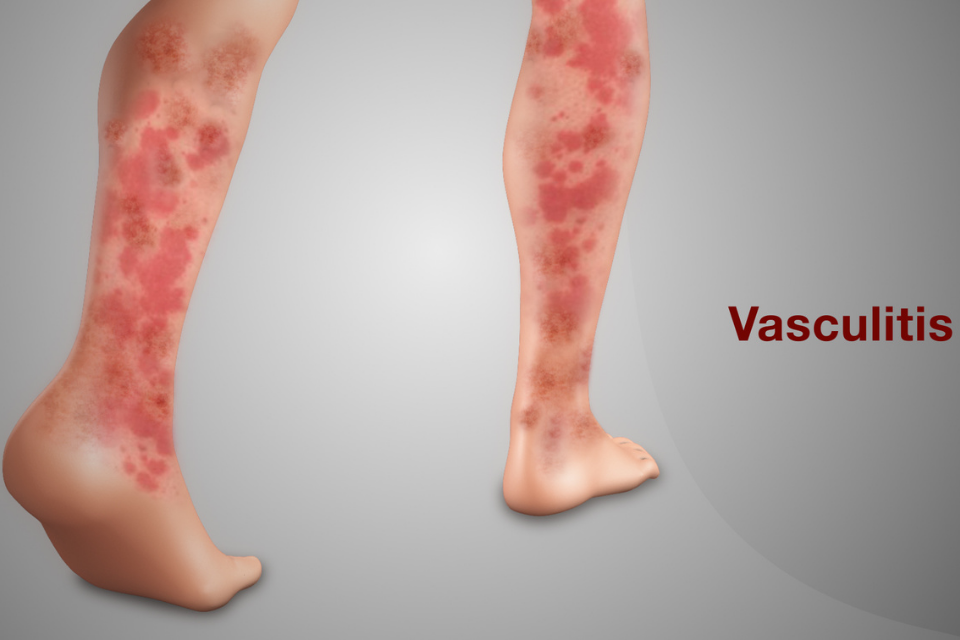
High-Quality Vasculitis Of The Eye Background Art
Transform your screen with this vivid vasculitis of the eye artwork, a true masterpiece of digital design.

Spectacular Vasculitis Of The Eye Wallpaper in HD
This gorgeous vasculitis of the eye photo offers a breathtaking view, making it a perfect choice for your next wallpaper.

Vivid Vasculitis Of The Eye Moment Photography
Experience the crisp clarity of this stunning vasculitis of the eye image, available in high resolution for all your screens.

Vibrant Vasculitis Of The Eye Design in HD
Explore this high-quality vasculitis of the eye image, perfect for enhancing your desktop or mobile wallpaper.

Stunning Vasculitis Of The Eye Picture in 4K
This gorgeous vasculitis of the eye photo offers a breathtaking view, making it a perfect choice for your next wallpaper.

Gorgeous Vasculitis Of The Eye Moment Collection
Find inspiration with this unique vasculitis of the eye illustration, crafted to provide a fresh look for your background.
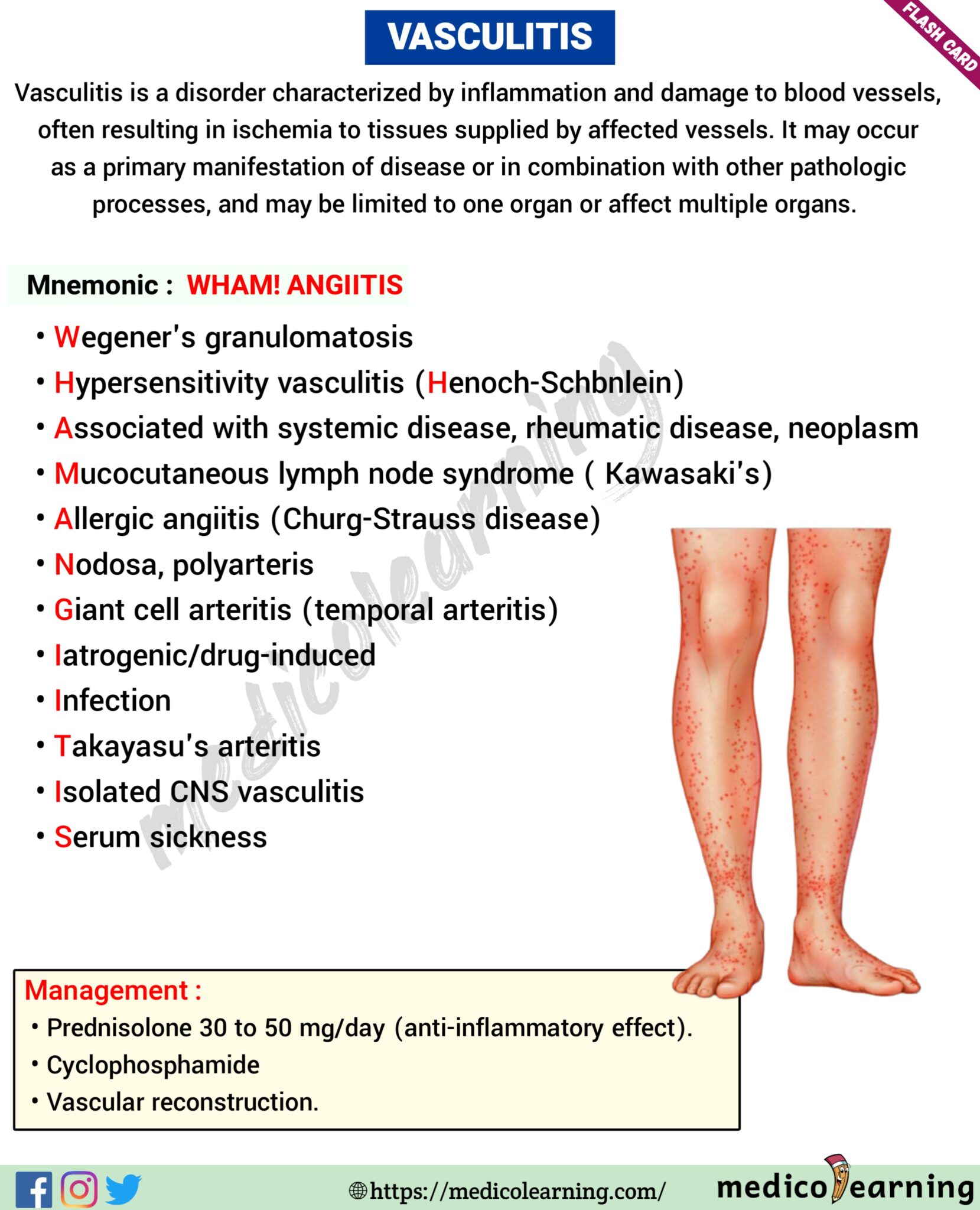
Vivid Vasculitis Of The Eye Abstract for Mobile
Experience the crisp clarity of this stunning vasculitis of the eye image, available in high resolution for all your screens.

Dynamic Vasculitis Of The Eye Capture Nature
This gorgeous vasculitis of the eye photo offers a breathtaking view, making it a perfect choice for your next wallpaper.

Crisp Vasculitis Of The Eye Design in HD
Immerse yourself in the stunning details of this beautiful vasculitis of the eye wallpaper, designed for a captivating visual experience.

Exquisite Vasculitis Of The Eye Capture for Your Screen
A captivating vasculitis of the eye scene that brings tranquility and beauty to any device.

Spectacular Vasculitis Of The Eye Wallpaper in 4K
This gorgeous vasculitis of the eye photo offers a breathtaking view, making it a perfect choice for your next wallpaper.
Download these vasculitis of the eye wallpapers for free and use them on your desktop or mobile devices.
0 Response to "Vasculitis Of The Eye"
Post a Comment