Can Dizziness Cause Eye Problems
Can Dizziness Cause Eye Problems? The Surprising Connection Between Balance and Vision
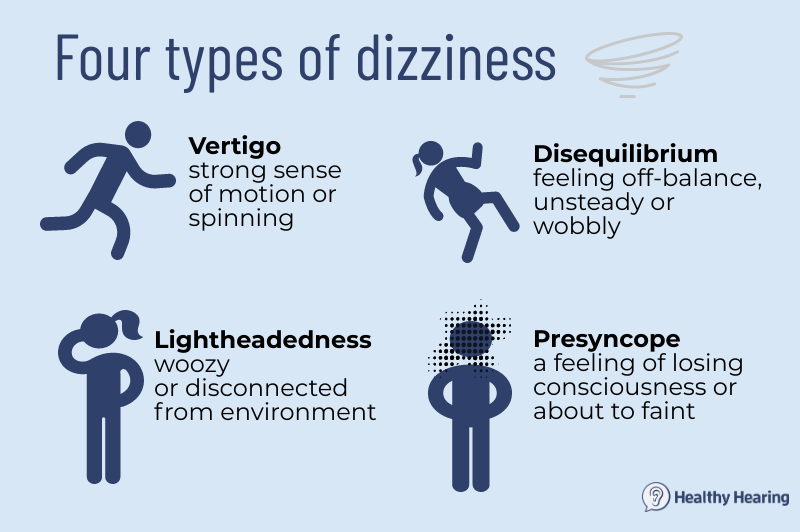
If you have ever experienced a sudden bout of dizziness, you know how unsettling it can be. That feeling of spinning, lightheadedness, or instability often affects your ability to move safely. But have you ever noticed that these dizzy spells also seem to mess with your vision? You might find yourself asking: Can Dizziness Cause Eye Problems?
The short answer is a resounding yes. Dizziness and vision are intricately linked through a sophisticated biological network. When your balance system goes awry, your visual system often becomes collateral damage, leading to symptoms ranging from blurry vision to rapid, involuntary eye movements.
We're going to dive into exactly how these two senses rely on each other, explore the common visual disturbances caused by dizziness, and discuss when you should seek professional advice for these issues.
Understanding the Link: How Your Balance System Affects Your Eyes
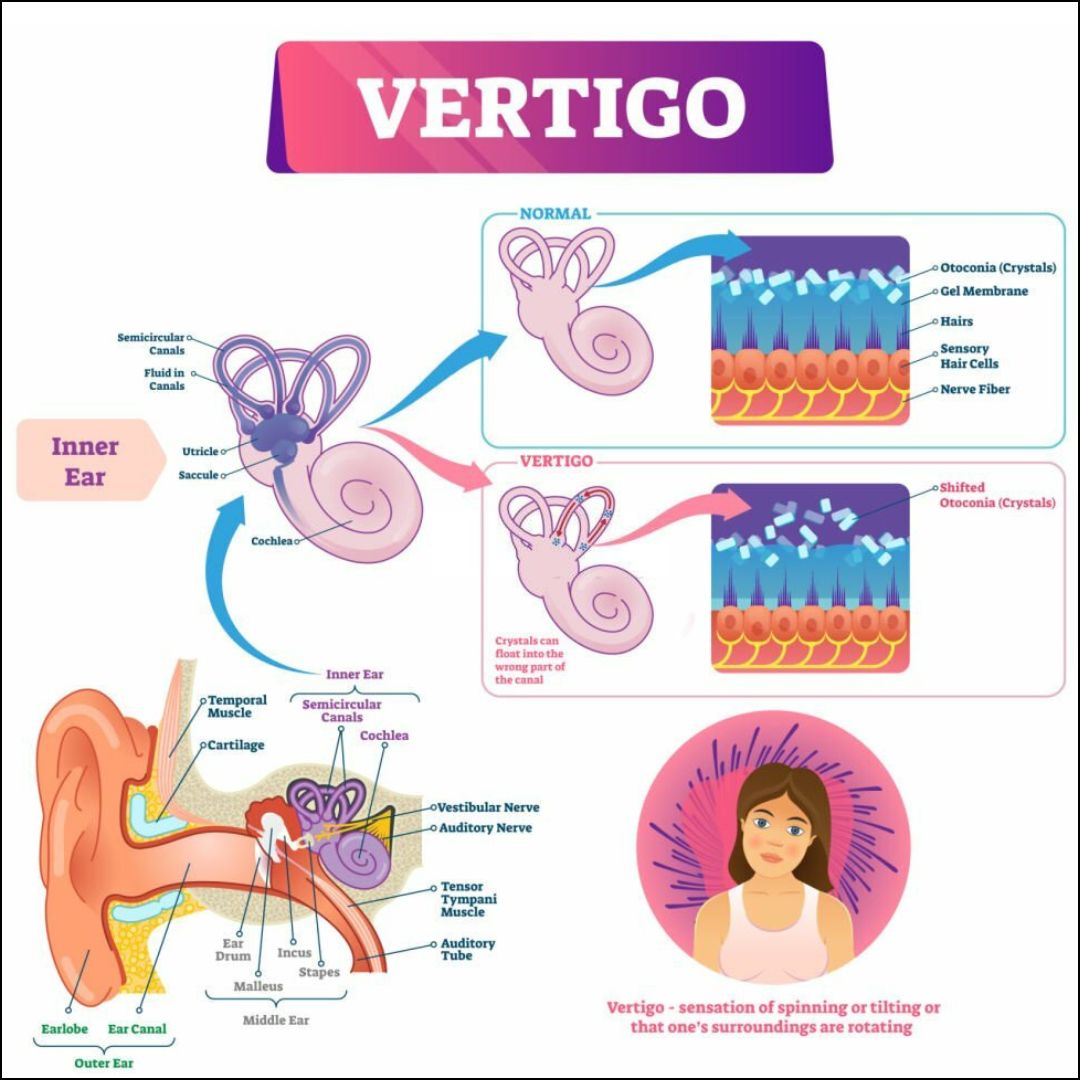
To understand why dizziness often triggers visual issues, we must first look at the system responsible for maintaining your sense of balance: the vestibular system. Located primarily in your inner ear, this system works like the body's gyroscope, constantly feeding information about movement and spatial orientation to the brain.
Your brain takes inputs from three main areas to maintain equilibrium: the inner ear (vestibular input), the muscles and joints (proprioceptive input), and, crucially, your eyes (visual input). When these inputs disagree—for example, if your inner ear says you are spinning but your eyes see a stationary room—dizziness occurs.
The Vestibular-Ocular Reflex (VOR) Explained
The most important mechanism linking balance and vision is the Vestibular-Ocular Reflex, or VOR. Think of the VOR as your personal camera stabilizer. Its job is incredibly important: to keep your image fixed on a target even while your head is moving.
When you turn your head to the left, the VOR instantaneously triggers your eyes to move the exact same distance to the right. This counter-rotation ensures that the world doesn't appear blurry or jumpy every time you take a step or nod your head.
This reflex is completely automatic and unconscious. It's the reason you can read a sign while walking down a bumpy sidewalk without issue. However, when the VOR is disrupted by an inner ear problem that causes dizziness, the eyes fail to stabilize, and visual problems immediately arise. This directly answers how Can Dizziness Cause Eye Problems.
What Happens When the VOR Fails?
When the inner ear sends faulty signals, the VOR receives incorrect instructions. Instead of stabilizing the image, the eyes might move too quickly, too slowly, or in the wrong direction relative to the head movement. This results in the visual world appearing to move.
This failure is a core contributor to the specific visual symptoms experienced during vertigo or severe dizziness. It's a sensory mismatch that the brain struggles to process, leading to disorientation and nausea.
Common Eye Problems Triggered by Dizziness
If you're experiencing balance issues, the visual problems you face are typically not due to a refractive error (like needing glasses). Instead, they are related to how your eyes track motion and stabilize images. These vision disturbances can be extremely disruptive and frightening.
Here are some of the most common visual problems that confirm the answer to the question: Can Dizziness Cause Eye Problems?
- Blurry Vision: Especially during head movement or when trying to focus on complex patterns.
- Difficulty Tracking: The inability to smoothly follow a moving object with your eyes.
- Light Sensitivity (Photophobia): Bright lights or flashing images can exacerbate the feeling of dizziness.
- Eye Strain: The brain is working overtime to try and stabilize the shaky image, leading to fatigue.
Nystagmus: The Uncontrolled Eye Movement
Nystagmus is one of the clearest physical signs that a balance issue is affecting your vision. It refers to rapid, involuntary, and rhythmic movements of the eyes. These movements can be horizontal, vertical, or rotary.
When you have a vestibular disorder, the brain might think you are constantly spinning. In an attempt to reset the visual field, the eyes rapidly move in one direction (known as the slow phase, initiated by the faulty VOR) and then quickly jerk back (the fast phase). This constant oscillation makes it impossible to focus and significantly contributes to the feeling of dizziness and vertigo.
Oscillopsia and Visual Vertigo
Oscillopsia is a deeply disturbing sensation where the environment itself appears to jump or move. It feels like watching the world through a shaky camera, especially when you are walking or moving your head.
Unlike standard vertigo where you feel *you* are spinning, oscillopsia means the stable world around you looks unstable. This often happens because the VOR is severely damaged, and the visual system cannot compensate for even minor head motions.
Visual vertigo, on the other hand, is dizziness or disorientation triggered specifically by visual stimuli. Walking through a busy grocery store aisle with lots of patterns, watching fast action on TV, or being in a visually overwhelming environment can induce severe symptoms, even when the inner ear is otherwise calm.
Conditions Where Dizziness and Vision Problems Coexist
Several underlying health conditions are known to cause both chronic dizziness and related visual difficulties. Identifying the underlying cause is the crucial first step toward treatment.
Here are three common culprits that definitively show Can Dizziness Cause Eye Problems:
- Vestibular Neuritis/Labyrinthitis: This is an inflammation of the nerves in the inner ear, causing sudden, severe vertigo. During an acute episode, severe Nystagmus and blurred vision are standard symptoms.
- Concussions and Traumatic Brain Injury (TBI): Head injuries frequently damage the pathways connecting the vestibular system, the brainstem, and the eyes, often resulting in lingering dizziness and vision processing problems.
- Central Vestibular Disorders: Problems originating in the brain (like strokes or MS) can directly impair the central processing of balance and vision information, leading to highly complex symptoms.
Benign Paroxysmal Positional Vertigo (BPPV)
BPPV is the most common cause of vertigo. It occurs when tiny calcium crystals in the inner ear become dislodged and float into the semicircular canals. This creates sudden, brief, intense spells of vertigo, usually triggered by specific head movements, like rolling over in bed.
During a BPPV episode, intense rotational Nystagmus is visible, and the patient experiences severe blurry vision and the sensation that the room is spinning violently. Thankfully, treatments like the Epley maneuver are highly effective at resolving both the dizziness and the related visual problems.
Meniere's Disease
Meniere's Disease involves a buildup of fluid pressure in the inner ear. It is characterized by a triad of symptoms: episodic vertigo, fluctuating hearing loss, and tinnitus (ringing in the ear).
During acute attacks, the vertigo is often debilitating, resulting in profound visual instability, difficulty focusing, and sometimes temporary loss of peripheral vision due to the stress on the vestibular system.
Migraines and Visual Aura
Vestibular migraines are a type of migraine that predominantly causes dizziness and vertigo, often without a significant headache. They frequently involve visual disturbances known as auras.
Auras might include zigzag lines, flashing lights, blind spots, or distorted shapes. While the dizziness itself might cause temporary blurriness, the migraine process affects neurological function, leading to these distinct visual phenomena that precede or accompany the dizzy spell.
When to Seek Professional Help
If you occasionally feel dizzy after riding a roller coaster, that's normal. However, if your vision problems persist alongside chronic dizziness, it is time to consult a healthcare professional. These symptoms require proper diagnosis, potentially involving an ENT (Ear, Nose, and Throat doctor), a neurologist, or a physical therapist specializing in vestibular rehabilitation.
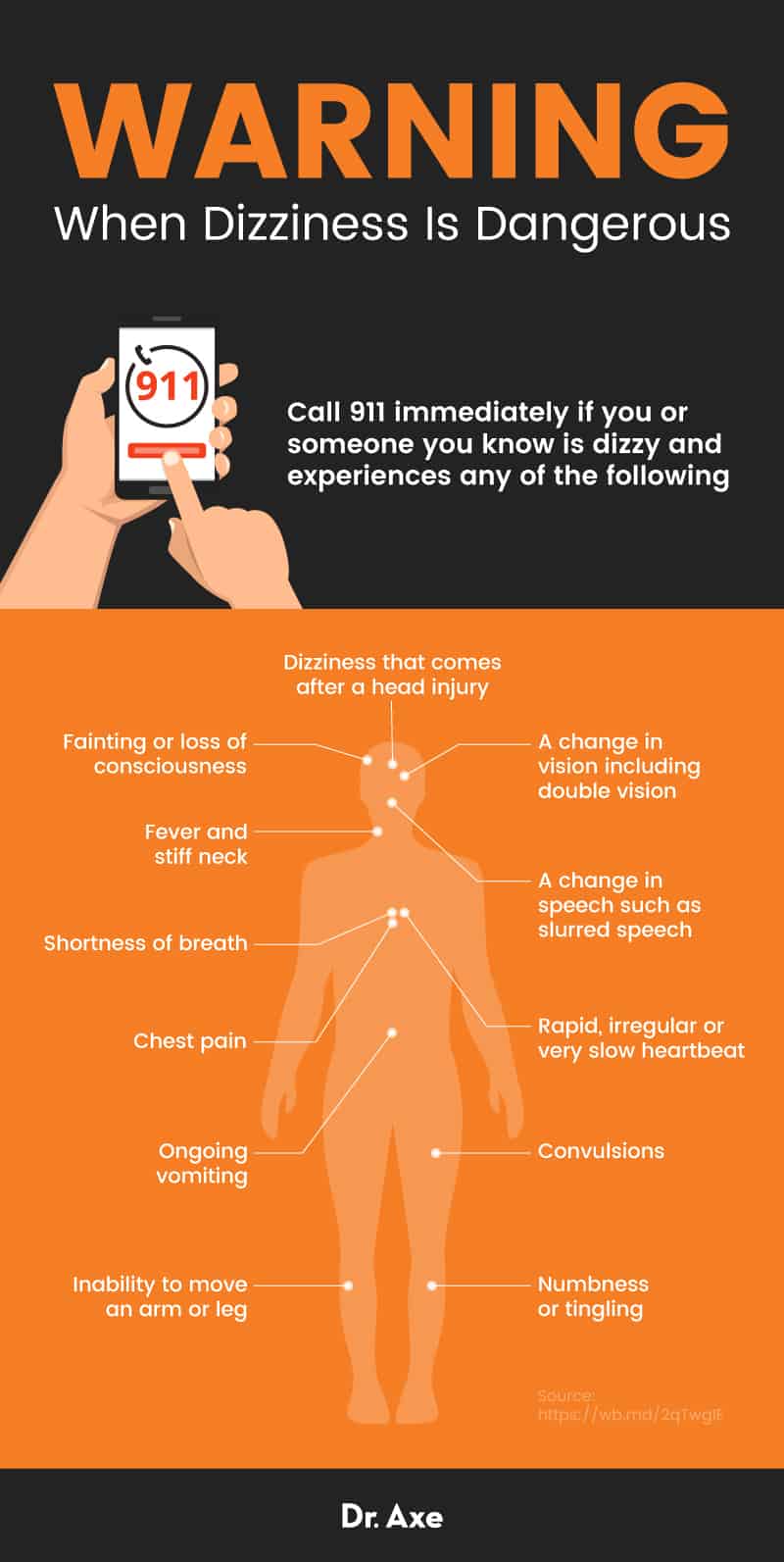
You should seek immediate medical attention if dizziness and visual problems are accompanied by any of the following serious symptoms:
- Sudden, severe headache (the "worst headache of your life").
- Loss of consciousness or fainting.
- New numbness or weakness in the face or limbs.
- Difficulty speaking or swallowing.
- Double vision (Diplopia) that lasts longer than a few minutes.
Often, chronic balance issues can be significantly improved with Vestibular Rehabilitation Therapy (VRT). A VRT specialist can help retrain your brain to properly integrate signals from your eyes, inner ear, and body, effectively reducing both the dizziness and the resulting visual instability.
Conclusion
The answer to the question, Can Dizziness Cause Eye Problems, is a definitive yes, and the connection lies deep within our neurological wiring, specifically the Vestibular-Ocular Reflex. When dizziness strikes due to inner ear disturbances, head injuries, or migraines, the VOR fails to stabilize the eyes, leading to symptoms like Nystagmus, Oscillopsia, and general visual instability.
Understanding this link is key to seeking the right treatment. If you are struggling with chronic visual disturbances linked to dizziness, remember that help is available. Don't simply dismiss these symptoms; a proper diagnosis and specialized therapy can restore your balance, clarity, and overall quality of life.
Frequently Asked Questions (FAQ)
- Can stress or anxiety make my dizziness and visual problems worse?
- Yes, absolutely. Stress and anxiety often heighten the sensitivity of the nervous system, which can exaggerate symptoms of dizziness, making you more aware of minor visual instability and potentially triggering visual vertigo or tension headaches.
- What is Visual Snow Syndrome, and is it related to dizziness?
- Visual Snow Syndrome (VSS) is a complex condition where people see static or dots across their entire visual field. While VSS is related to visual processing issues in the brain, it often co-occurs with persistent dizziness and depersonalization, suggesting an overlap in neurological dysfunction, though it is not directly caused by temporary vertigo.
- Do vision problems caused by dizziness require glasses?
- Typically, no. The issue is usually one of eye movement coordination and stabilization (motor control), not refraction (focusing power). Treatment generally involves VRT or addressing the underlying vestibular issue, rather than changing your prescription for glasses.
- How long do the visual problems last after a vertigo attack?
- If the vertigo is due to BPPV, the visual disturbance (Nystagmus) usually lasts only as long as the episode (seconds to minutes). If the cause is Vestibular Neuritis or a concussion, generalized visual blurriness and difficulty tracking may persist for days, weeks, or even months until the vestibular system compensates.
Can Dizziness Cause Eye Problems
Can Dizziness Cause Eye Problems Wallpapers
Collection of can dizziness cause eye problems wallpapers for your desktop and mobile devices.
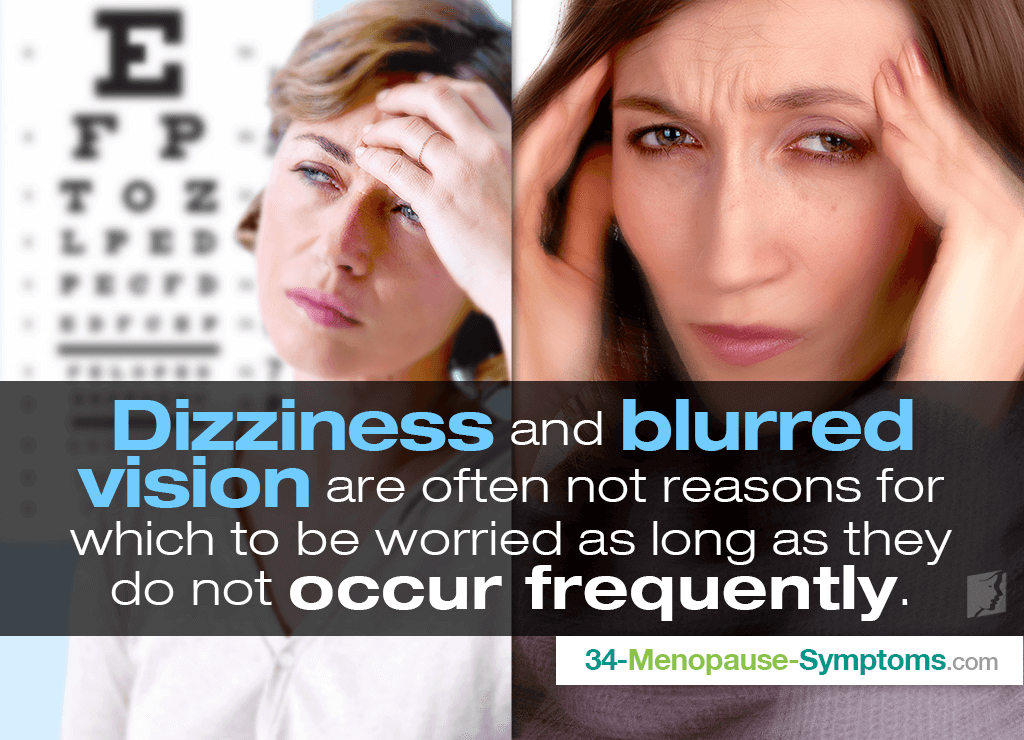
Stunning Can Dizziness Cause Eye Problems Abstract for Mobile
This gorgeous can dizziness cause eye problems photo offers a breathtaking view, making it a perfect choice for your next wallpaper.

Artistic Can Dizziness Cause Eye Problems Photo for Your Screen
A captivating can dizziness cause eye problems scene that brings tranquility and beauty to any device.

Breathtaking Can Dizziness Cause Eye Problems Photo Digital Art
Transform your screen with this vivid can dizziness cause eye problems artwork, a true masterpiece of digital design.

Serene Can Dizziness Cause Eye Problems Capture Nature
Experience the crisp clarity of this stunning can dizziness cause eye problems image, available in high resolution for all your screens.

Vivid Can Dizziness Cause Eye Problems Scene Illustration
Transform your screen with this vivid can dizziness cause eye problems artwork, a true masterpiece of digital design.
Beautiful Can Dizziness Cause Eye Problems Capture for Desktop
Transform your screen with this vivid can dizziness cause eye problems artwork, a true masterpiece of digital design.

Spectacular Can Dizziness Cause Eye Problems Photo Photography
A captivating can dizziness cause eye problems scene that brings tranquility and beauty to any device.
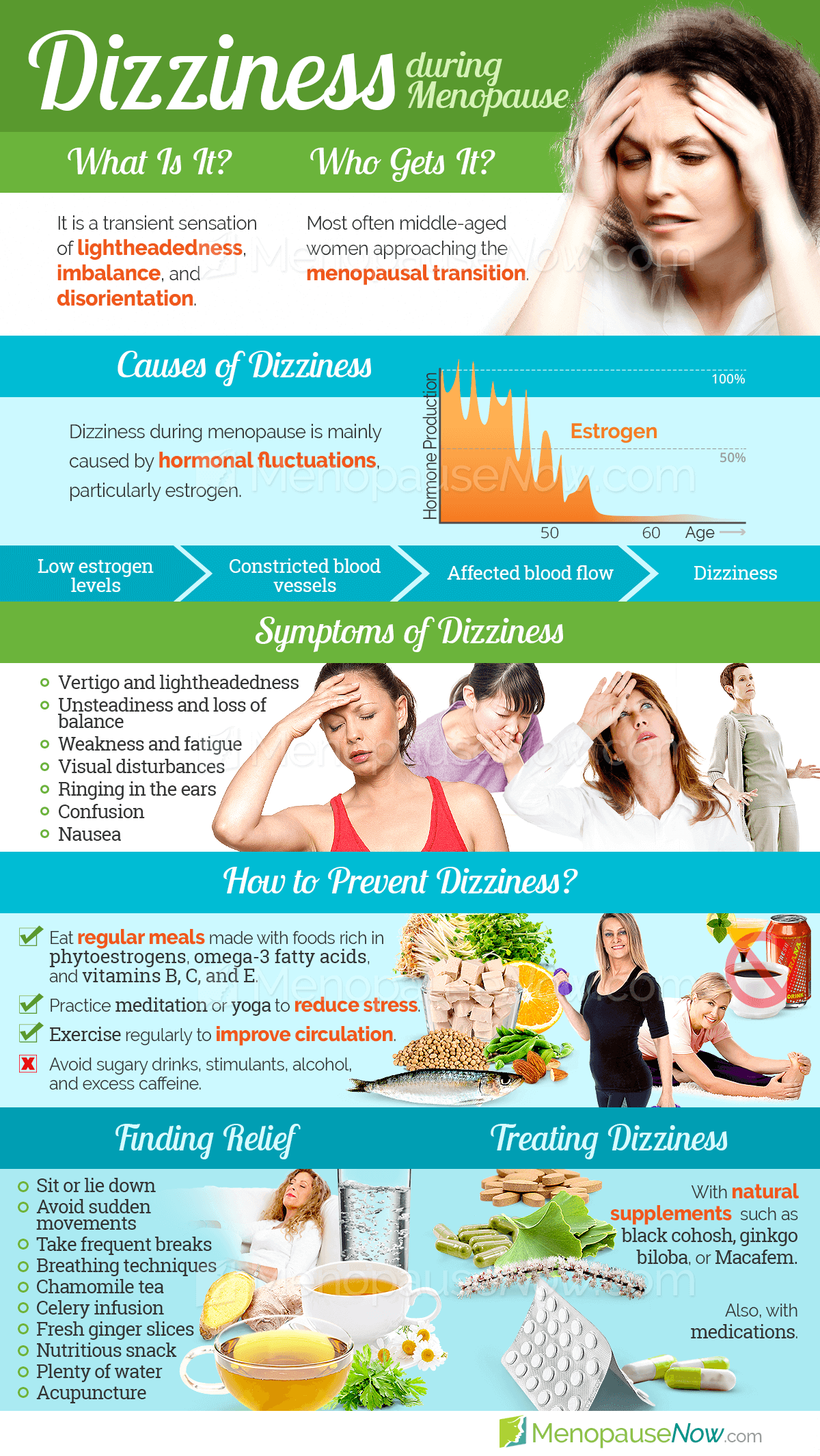
Vivid Can Dizziness Cause Eye Problems Image in HD
Discover an amazing can dizziness cause eye problems background image, ideal for personalizing your devices with vibrant colors and intricate designs.
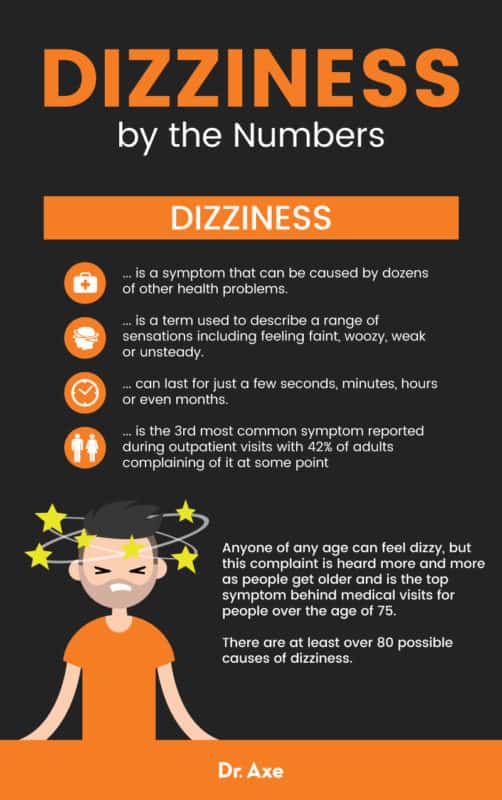
Vivid Can Dizziness Cause Eye Problems Scene for Mobile
Transform your screen with this vivid can dizziness cause eye problems artwork, a true masterpiece of digital design.

High-Quality Can Dizziness Cause Eye Problems Scene for Your Screen
Discover an amazing can dizziness cause eye problems background image, ideal for personalizing your devices with vibrant colors and intricate designs.

High-Quality Can Dizziness Cause Eye Problems Image Collection
Experience the crisp clarity of this stunning can dizziness cause eye problems image, available in high resolution for all your screens.
Serene Can Dizziness Cause Eye Problems Abstract for Mobile
Experience the crisp clarity of this stunning can dizziness cause eye problems image, available in high resolution for all your screens.
Beautiful Can Dizziness Cause Eye Problems Image Art
Transform your screen with this vivid can dizziness cause eye problems artwork, a true masterpiece of digital design.

Breathtaking Can Dizziness Cause Eye Problems Capture Photography
Transform your screen with this vivid can dizziness cause eye problems artwork, a true masterpiece of digital design.

Gorgeous Can Dizziness Cause Eye Problems Landscape Digital Art
A captivating can dizziness cause eye problems scene that brings tranquility and beauty to any device.
Dynamic Can Dizziness Cause Eye Problems Background Art
A captivating can dizziness cause eye problems scene that brings tranquility and beauty to any device.

Stunning Can Dizziness Cause Eye Problems Capture Nature
This gorgeous can dizziness cause eye problems photo offers a breathtaking view, making it a perfect choice for your next wallpaper.

Spectacular Can Dizziness Cause Eye Problems Design Digital Art
Immerse yourself in the stunning details of this beautiful can dizziness cause eye problems wallpaper, designed for a captivating visual experience.
0 Response to "Can Dizziness Cause Eye Problems"
Post a Comment