Eye Laser Protection
Eye Laser Protection: Everything You Need to Know to Keep Your Sight Safe
Whether you work in a lab, operate industrial machinery, or simply enjoy hobbies involving high-powered lasers, there's one thing you absolutely cannot compromise on: proper Eye Laser Protection. Lasers are powerful tools, but even a fraction of a second of direct exposure can lead to permanent vision loss. Scary, right? But don't worry, protecting your eyes is straightforward once you understand the risks and the solutions.
This comprehensive guide is here to walk you through the essentials. We will break down why lasers are so dangerous, what specific gear you need, and the best practices for handling these light sources safely. Our goal is to make sure you have all the knowledge necessary to protect your most precious sense.
Why is Eye Laser Protection So Crucial?
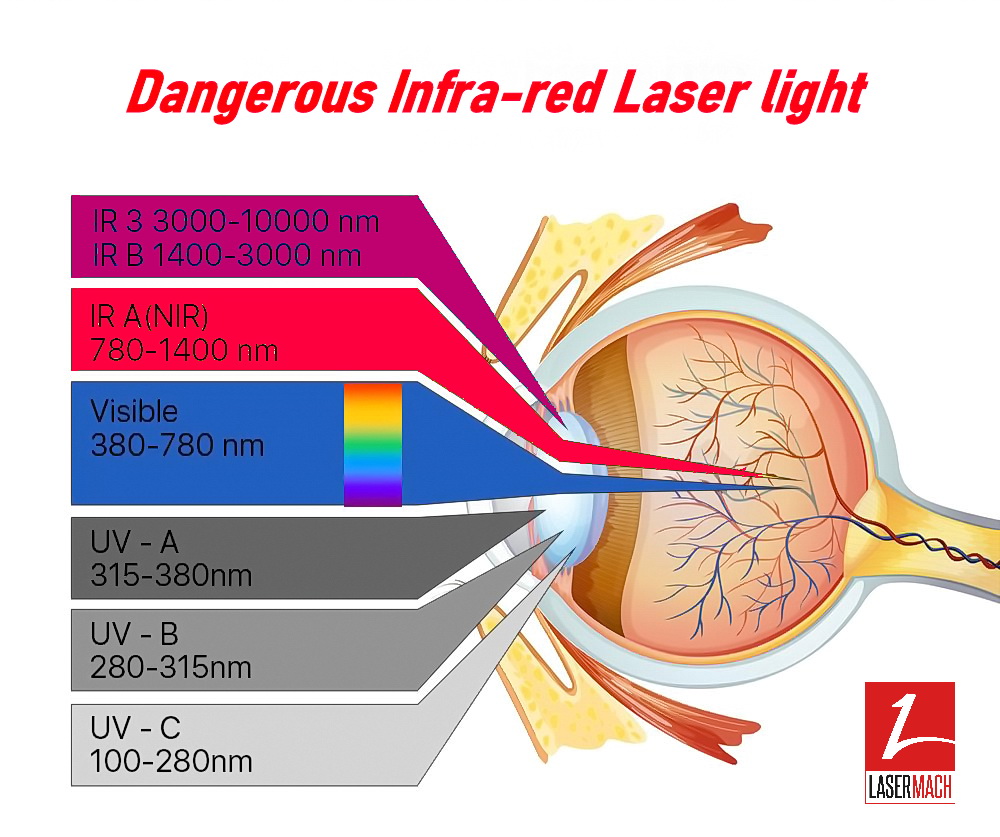
You might think a quick glance at a laser pointer is harmless, but industrial and research-grade lasers operate on an entirely different level of power. The human eye is incredibly vulnerable because it focuses light—which is exactly what a laser beam is—onto a tiny, sensitive spot: the retina.
When high-intensity light hits the retina, it causes immediate damage. Unlike a burn on your skin, retinal damage is often painless at the time of injury, but the consequences are irreversible. That's why proactive Eye Laser Protection isn't just a recommendation; it's a mandatory requirement in any environment where lasers are used.
The Science Behind Laser Damage
The danger of a laser stems from its coherence and collimation—meaning the light waves travel perfectly parallel and don't spread out much over distance. When this highly concentrated beam enters the pupil, the lens of your eye focuses it down to an extremely small, intense spot on the fovea (the center of the retina).
This concentration increases the energy density by thousands of times. The resulting damage can manifest as immediate thermal burns, which destroy the light-sensitive cells, leading to blind spots (scotomas). Because retinal cells do not regenerate, that blind spot is permanent.
Different Types of Laser Hazards
Laser hazards aren't limited to just high-powered beams. The type of damage depends heavily on the wavelength and the duration of exposure. Here are the three main ways lasers can harm your vision:
- Thermal Damage: This is the most common and occurs when high power lasers (especially infrared) rapidly heat and coagulate tissue, essentially burning the retina. This happens almost instantaneously.
- Photochemical Damage: This is typical with shorter wavelengths (blue and UV light). Exposure, even at lower powers, can cause chemical changes in the cellular structure over time, leading to cataracts or retinal deterioration.
- Acoustic/Shockwave Damage: Extremely short-pulsed lasers (pico and femtosecond lasers) can generate powerful acoustic shockwaves upon impact with tissue, causing mechanical tearing and hemorrhaging within the retina.
Choosing the Right Eye Laser Protection Gear
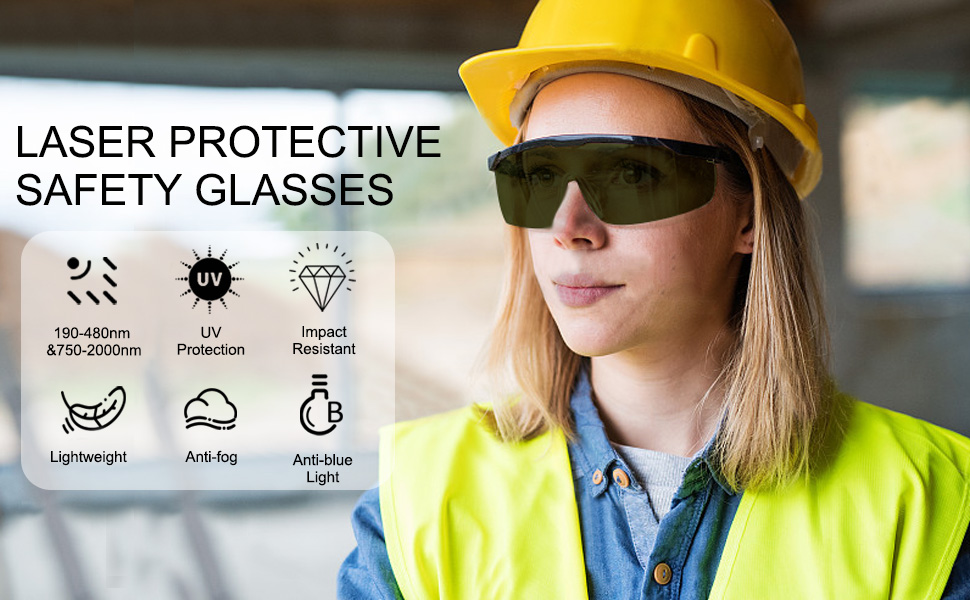
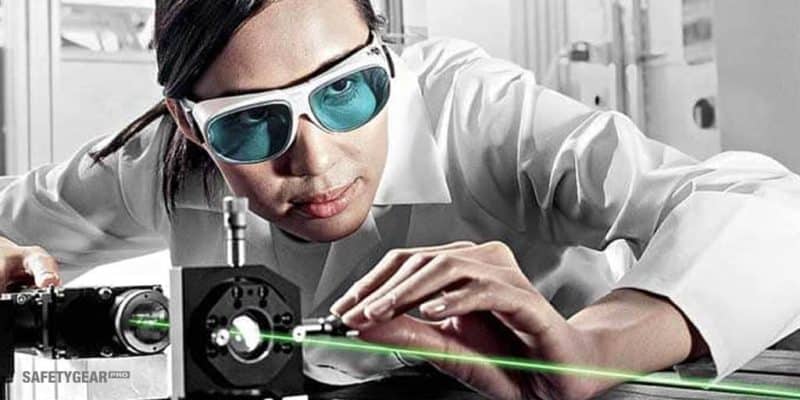
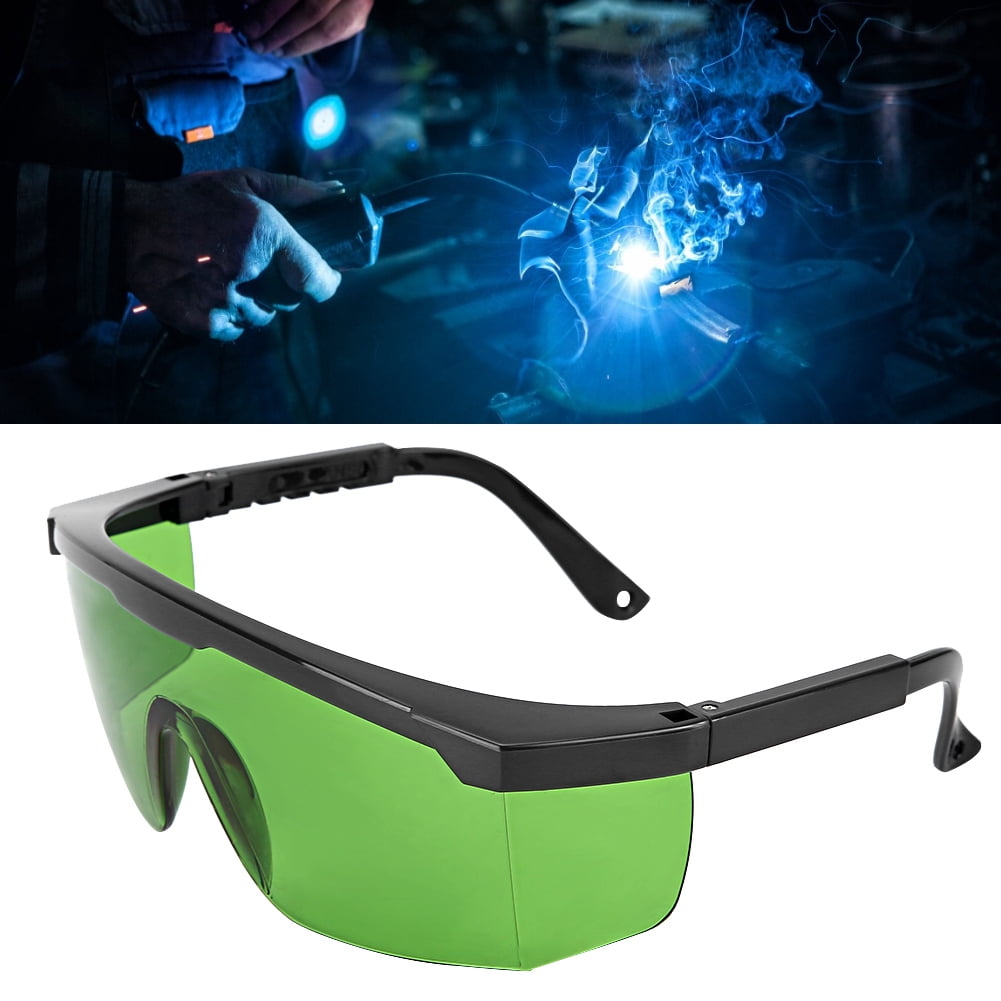
Selecting laser safety glasses or goggles is not a "one size fits all" situation. You must match the protective eyewear precisely to the laser being used. Using the wrong kind of glasses offers zero protection and can create a false sense of security, which is actually more dangerous than wearing nothing at all.
To ensure effective Eye Laser Protection, you need to know three critical things about your laser: its wavelength, its power (or energy), and whether it operates continuously or pulsed.
Key Specifications to Look For in Laser Eyewear
When shopping for goggles, you will encounter technical specifications that are crucial for safety. Don't skip these details—they literally determine if the goggles will save your sight.
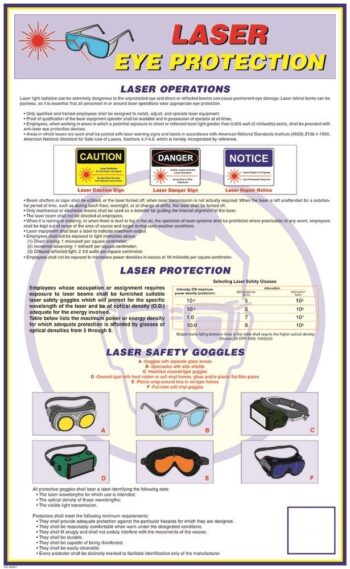
- Wavelength (nm): This is the most important factor. The glasses MUST filter the specific wavelength (or range of wavelengths) that your laser emits. If your laser is 532 nm (green), you need glasses rated specifically for 532 nm.
- Optical Density (OD): The OD indicates how much the light is attenuated or blocked. An OD of 6, for example, means the light intensity is reduced by a factor of 1,000,000. Higher power lasers require a higher OD rating to ensure sufficient blocking.
- L-Rating (EN 207 Standard): For European standards, the L-Rating combines power/energy density, pulse length, and OD into one rating. Look for markings like D (Continuous Wave), I (Pulsed), or R (Single Pulse). Always ensure the L-Rating is appropriate for the class and output of your laser.
- Visible Light Transmission (VLT): While less critical for safety, VLT tells you how much normal, non-hazardous light passes through. Low VLT means the goggles are very dark, which can be an operational hazard if you need to see other things clearly in the lab.
Ensuring Proper Fit and Maintenance
Even the most expensive, highly-rated goggles are useless if they don't fit correctly or are damaged. A proper fit ensures there are no gaps where stray or reflected light can sneak past the frame and into your eye.
Always inspect your eyewear before use. Look for scratches, cracks, or fading in the lens material. Scratches can significantly compromise the OD rating, turning your protective gear into nothing more than tinted plastic. If they are damaged, replace them immediately.
Best Practices for Laser Safety
Eye Laser Protection extends beyond just wearing goggles. It involves comprehensive operational procedures designed to minimize the possibility of exposure in the first place. Think of goggles as your last line of defense, not your only one.
Here are some essential safety tips:
- Control the Beam Path: Ensure the laser beam is enclosed or terminated by a non-reflective, heat-resistant surface as soon as possible. Never allow beams to travel across open areas unnecessarily.
- Minimize Reflections: Remove all unnecessary reflective items (like jewelry, metal tools, or shiny equipment) from the beam path. Even diffuse reflections from matte surfaces can be hazardous with high-power lasers.
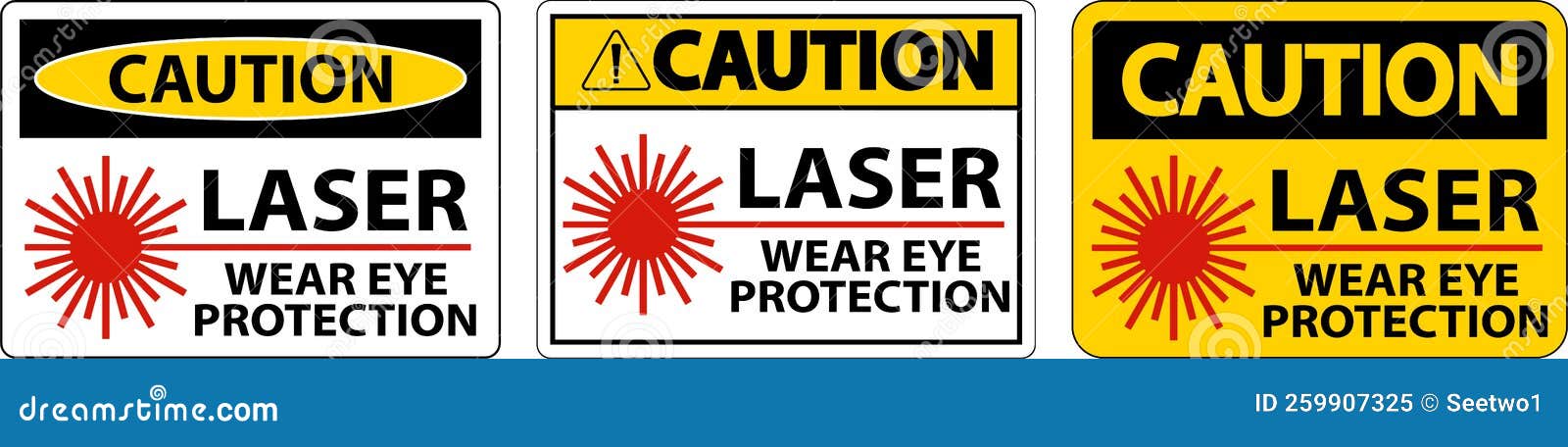
- Use Warning Signs: Post clear laser warning signs and indicator lights that signal when the laser is active or being prepared for use. This alerts anyone entering the area to the potential hazard.
- Training is Key: Ensure every person working with or near the laser receives thorough training on the specific equipment, its hazards, and the correct personal protective equipment (PPE).
Remember, the responsibility for safety lies with everyone in the work area. A culture of vigilance regarding laser safety dramatically reduces the risk of serious injury.
Conclusion
The power and precision of modern lasers are incredible, but they demand respect. Understanding the fundamental risks of thermal and photochemical damage is the first step toward effective mitigation. Proper Eye Laser Protection—specifically eyewear matched correctly to the laser's wavelength and power—is non-negotiable.
Always double-check your Optical Density rating, ensure your goggles fit snugly, and maintain strict adherence to laboratory safety protocols. By staying informed and disciplined, you can enjoy the benefits of laser technology without risking your most vital sense. Stay safe out there!
Frequently Asked Questions (FAQ) about Eye Laser Protection
- What is the difference between laser safety glasses and regular safety glasses?
- Regular safety glasses protect against impact and debris. Laser safety glasses contain specialized dyes or reflective coatings designed to absorb or reflect specific laser wavelengths, offering protection against focused light energy. They are not interchangeable.
- How often should laser safety glasses be replaced?
- Laser safety glasses should be replaced immediately if they are scratched, cracked, or if the tint appears faded, as any damage can compromise the crucial Optical Density rating. Even undamaged glasses should be periodically checked against manufacturer recommendations, usually every 2–5 years, depending on use environment.
- Can I wear laser safety glasses over my prescription glasses?
- Yes, many manufacturers offer "Over-the-Glass" (OTG) styles specifically designed to fit comfortably over prescription eyewear. Alternatively, you can purchase prescription laser safety inserts.
- What does an OD 6+ rating mean?
- OD (Optical Density) 6+ means that the material reduces the intensity of the laser light by at least 1,000,000 times (10 to the power of 6) at the specified wavelength. Higher OD numbers mean stronger attenuation, which is necessary for higher power lasers.
Eye Laser Protection
Eye Laser Protection Wallpapers
Collection of eye laser protection wallpapers for your desktop and mobile devices.

Exquisite Eye Laser Protection Wallpaper Illustration
Find inspiration with this unique eye laser protection illustration, crafted to provide a fresh look for your background.
Crisp Eye Laser Protection Scene Nature
A captivating eye laser protection scene that brings tranquility and beauty to any device.
Captivating Eye Laser Protection Photo Digital Art
A captivating eye laser protection scene that brings tranquility and beauty to any device.

Exquisite Eye Laser Protection Wallpaper for Your Screen
A captivating eye laser protection scene that brings tranquility and beauty to any device.

Dynamic Eye Laser Protection Artwork Art
Find inspiration with this unique eye laser protection illustration, crafted to provide a fresh look for your background.
Lush Eye Laser Protection Wallpaper in 4K
Immerse yourself in the stunning details of this beautiful eye laser protection wallpaper, designed for a captivating visual experience.
Gorgeous Eye Laser Protection Moment Art
Immerse yourself in the stunning details of this beautiful eye laser protection wallpaper, designed for a captivating visual experience.

Artistic Eye Laser Protection Design Art
This gorgeous eye laser protection photo offers a breathtaking view, making it a perfect choice for your next wallpaper.
Crisp Eye Laser Protection Photo for Mobile
This gorgeous eye laser protection photo offers a breathtaking view, making it a perfect choice for your next wallpaper.

Detailed Eye Laser Protection Image Art
Discover an amazing eye laser protection background image, ideal for personalizing your devices with vibrant colors and intricate designs.

Stunning Eye Laser Protection Photo Digital Art
This gorgeous eye laser protection photo offers a breathtaking view, making it a perfect choice for your next wallpaper.

Crisp Eye Laser Protection Image Collection
This gorgeous eye laser protection photo offers a breathtaking view, making it a perfect choice for your next wallpaper.
Mesmerizing Eye Laser Protection Background in HD
Experience the crisp clarity of this stunning eye laser protection image, available in high resolution for all your screens.
Lush Eye Laser Protection Capture Digital Art
Immerse yourself in the stunning details of this beautiful eye laser protection wallpaper, designed for a captivating visual experience.
Crisp Eye Laser Protection Photo in 4K
A captivating eye laser protection scene that brings tranquility and beauty to any device.

Beautiful Eye Laser Protection Capture Digital Art
Discover an amazing eye laser protection background image, ideal for personalizing your devices with vibrant colors and intricate designs.
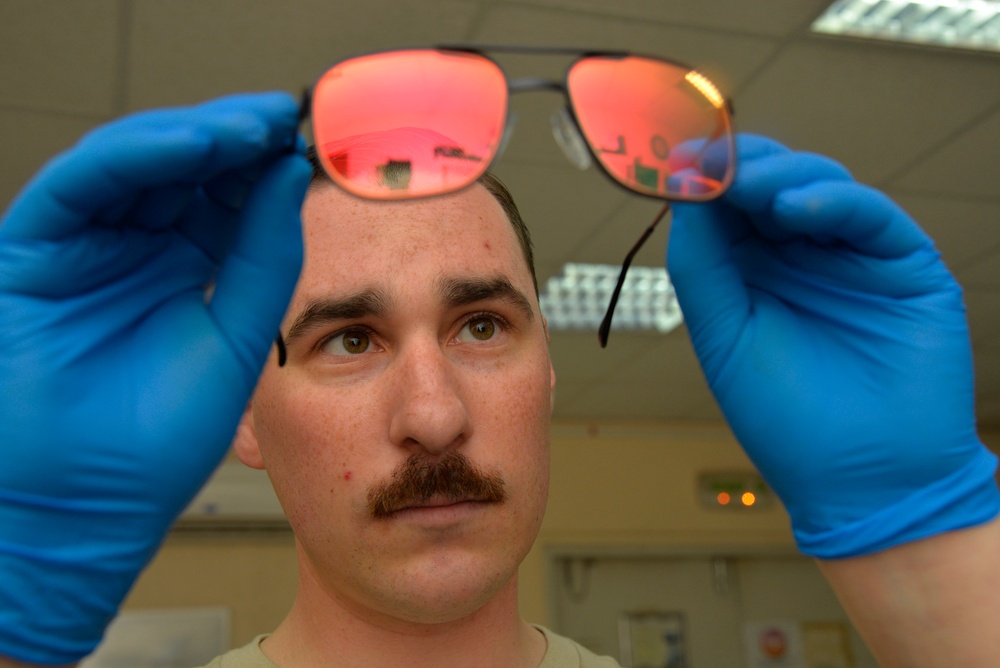
Beautiful Eye Laser Protection Design for Your Screen
Discover an amazing eye laser protection background image, ideal for personalizing your devices with vibrant colors and intricate designs.
Gorgeous Eye Laser Protection Wallpaper for Desktop
Immerse yourself in the stunning details of this beautiful eye laser protection wallpaper, designed for a captivating visual experience.
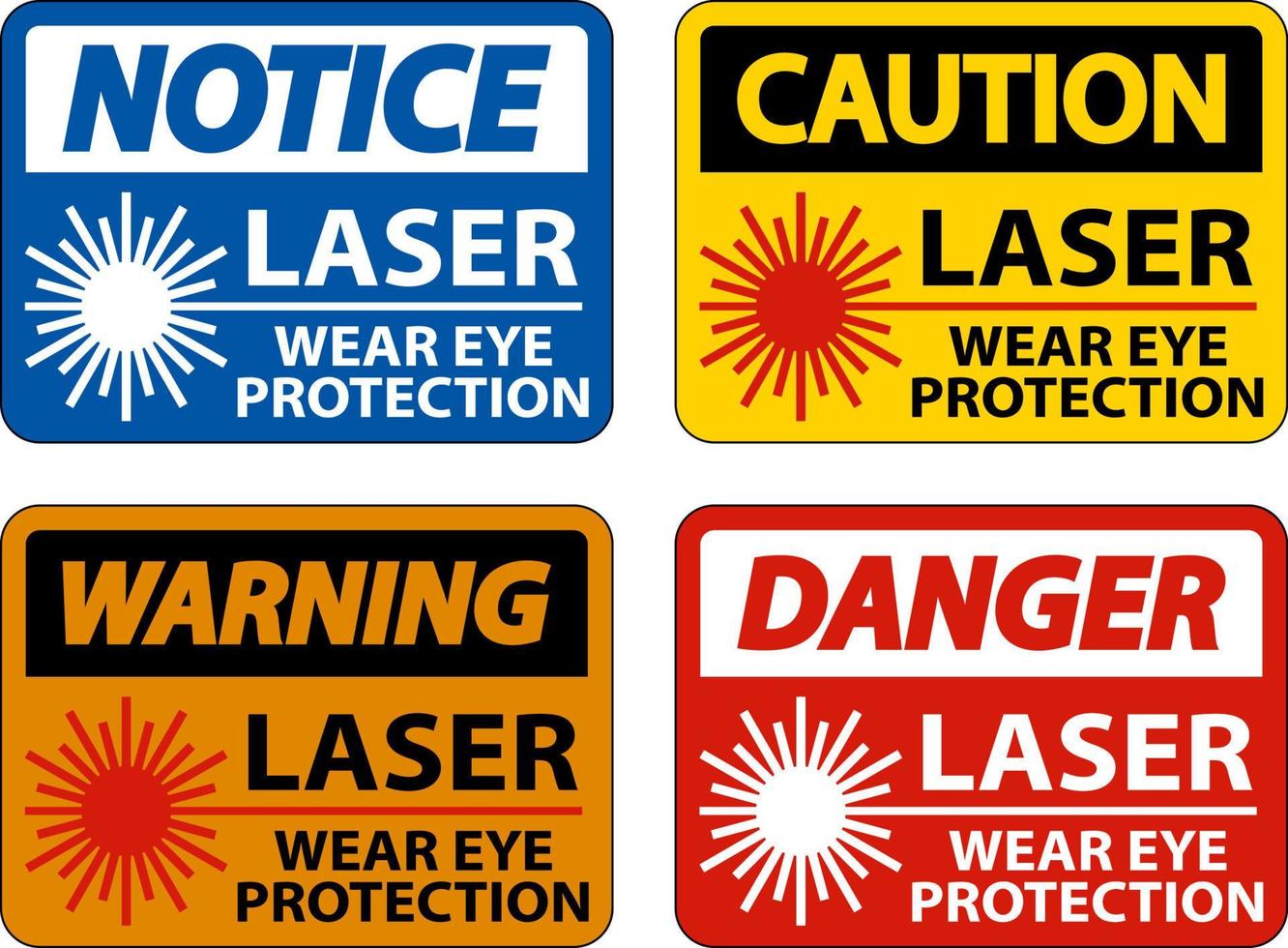
Captivating Eye Laser Protection Design Concept
This gorgeous eye laser protection photo offers a breathtaking view, making it a perfect choice for your next wallpaper.

Vivid Eye Laser Protection Background Illustration
Transform your screen with this vivid eye laser protection artwork, a true masterpiece of digital design.
Download these eye laser protection wallpapers for free and use them on your desktop or mobile devices.
0 Response to "Eye Laser Protection"
Post a Comment