High Functioning Autism Eye Contact
High Functioning Autism Eye Contact: Why It's Complicated and How to Cope
If you or someone you care about has High Functioning Autism (HFA), you know that navigating social rules can feel like trying to decipher a foreign language. One of the most talked-about, yet often misunderstood, social demands is eye contact.
For individuals on the high-functioning end of the spectrum, the ability to make eye contact can vary wildly. Some may force themselves to do it, while others find it physically painful or overwhelmingly distracting. It's a complex issue that touches on sensory processing, masking, and social anxiety.
We want to dive deep into what truly happens when someone with High Functioning Autism attempts eye contact. We'll explore the underlying reasons for the difficulty and provide practical, supportive strategies to help you navigate this tricky social landscape without sacrificing comfort or authenticity.
Understanding the Spectrum of Autistic Eye Contact
When people talk about High Functioning Autism, they often assume that because cognitive and verbal skills are strong, social skills should be easy. However, this is rarely the case, especially when discussing non-verbal communication like eye gaze.
For many neurotypical people, making eye contact is an automatic process—it signals engagement and connection. For someone with HFA, making eye contact requires immense conscious effort and diverts cognitive resources away from processing the actual verbal information being shared.
The experience is not a sign of rudeness or indifference; it's a difference in how the brain prioritizes sensory information. Many autistic individuals describe a feeling of having to choose: either process the visual input of the eyes (which often feels intense and overwhelming) or process the auditory input (the words being spoken). You can't always do both efficiently.
The Sensory Overload Factor
Imagine trying to have a serious conversation while someone simultaneously shines a bright flashlight directly into your face. That's often what the demand for direct eye contact feels like for a person with HFA.
The eyes are incredibly dynamic. They convey rapid micro-expressions, shifts in pupil size, and constant movement. For an autistic brain that processes sensory information intensely, this visual input can be jarring and lead to significant overload. This concept is central to understanding the difficulty surrounding High Functioning Autism Eye Contact.
This discomfort isn't just psychological; research suggests that the amygdala—the part of the brain responsible for processing emotions and threats—shows heightened activity in autistic individuals when they look at faces. Essentially, the brain reads intense eye contact as a stressful event, triggering an anxiety or avoidance response.
Masking vs. Genuine Comfort
Because social conformity is highly valued, many adults and older teenagers with HFA learn to "mask." Masking means forcing themselves to display neurotypical behaviors, including making eye contact, even when it causes internal distress.
If you see someone with High Functioning Autism maintaining seemingly perfect eye contact, remember that they might be expending enormous mental energy to do so. This forced effort is exhausting and can lead to burnout later. It also means they are likely paying less attention to the verbal content of the conversation because their focus is primarily on maintaining the visual performance.
True comfort involves finding communication methods that allow the individual to process information efficiently without unnecessary sensory drain. The goal should never be perfect eye contact, but effective communication.
Practical Strategies for Navigating Eye Contact Demands
So, how can you or your loved one meet the necessary social demands without becoming overwhelmed? The answer lies in establishing alternative, equally respectful, and engaging forms of attention. This shift acknowledges that effective communication is multi-faceted.
Here are a few ways to manage the pressure of eye contact:
- Educate Others: Gently inform close friends, family, or colleagues that a lack of direct eye contact does not indicate disrespect or disinterest; it actually helps you focus better.
- Practice Periodic Gaze: Instead of sustaining the gaze, practice glancing briefly at the speaker's eyes at key points, such as when they finish a sentence or when you start your reply.
- Use Physical Anchors: Holding a stress ball or fiddling with a specific stim toy can help redirect the anxiety associated with maintaining gaze, freeing up cognitive space for listening.
- Choose Your Environment: Whenever possible, conduct important conversations in less overwhelming environments where sensory input (like background noise or bright lights) is minimized.
Alternative Gaze Techniques
You don't need to look directly into someone's eyes to demonstrate engagement. There are many subtle techniques that fulfill the social requirement for attention without causing sensory overload. These techniques are often effective solutions for individuals struggling with High Functioning Autism Eye Contact.
Try these alternatives:
- The Eyebrow Trick: Focus on the spot between the speaker's eyebrows, or just above their nose. To the speaker, this gives the impression of direct eye contact, but the intense visual feedback is minimized for the listener.
- The Shoulder Focus: Look at the shoulder, hair, or ear. This shows you are directing your attention towards the person without making direct, intense eye contact.
- The Mouth Reader: Focus on the speaker's mouth. This is particularly helpful for auditory processing, as it can aid in understanding speech rhythm and emphasis.
- The Glance and Away: Look at the eyes for one second, then look away for a few seconds (perhaps at an inanimate object nearby), and repeat. This breaks up the intensity of the contact.
Communicating Your Needs
Open and honest communication is the most powerful tool. If you are struggling with a conversation partner who insists on eye contact, you have the right to politely explain your needs.
Use simple, direct language. You don't need to apologize for how your brain works. Instead, frame your need in terms of maximizing your ability to listen and process information effectively.
For example, you could say: "I want to make sure I am listening to everything you say, and if I look away, it actually helps me concentrate better. Please know I am fully engaged." This sets a clear boundary while affirming your attention to the speaker.
Eye Contact Myths vs. Reality in HFA
The cultural obsession with eye contact has led to several harmful myths, particularly regarding individuals with High Functioning Autism. It's vital to debunk these misconceptions, as they contribute to unfair judgments and social anxiety.
Myth: If an autistic person avoids eye contact, they are being disrespectful or rude.
Reality: Avoiding eye contact is a coping mechanism for sensory management. It is often the very thing that allows the person to remain attentive and respectful of the information being shared. True respect comes from engaged listening, not visual performance.
Myth: Lack of eye contact means they lack empathy or emotional connection.
Reality: There is zero correlation between the ability to look someone in the eyes and the capacity for empathy. Individuals with HFA often possess deep, genuine empathy. They may just express that empathy through verbal affirmation, actions, or careful listening rather than through a traditional gaze.
Myth: Eye contact is a skill that must be "fixed" through intensive therapy.
Reality: While social skills training can help with masking techniques for specific scenarios, forcing sustained eye contact can be detrimental to mental health. The focus should be on functional communication and reducing distress, not achieving conformity.
Conclusion
Navigating the demands for High Functioning Autism Eye Contact is a continuous journey of self-awareness and self-advocacy. Remember, your attentiveness and intellectual engagement are far more important metrics of successful communication than how long you can sustain a direct gaze.
Whether you choose to use alternative gaze techniques, communicate your needs openly, or simply move your focus away when necessary, prioritize your comfort and ability to process information effectively. Being autistic doesn't mean you need to change who you are; it means the world needs to learn different ways to connect with you.
Frequently Asked Questions (FAQ) about HFA Eye Contact
- Does avoiding eye contact mean someone with HFA is lying?
- Absolutely not. The myth that avoiding eye contact indicates deception is harmful and baseless, especially in the context of neurodiversity. For someone with HFA, looking away often indicates deep concentration.
- Is it better to encourage eye contact or allow alternative gazing?
- It is generally better to allow and encourage alternative gazing or modified contact (like the eyebrow trick). Forcing sustained eye contact can increase anxiety, trigger sensory overload, and actively reduce the person's ability to listen effectively.
- Why is eye contact often easier in low-stress situations for people with HFA?
- In low-stress or familiar situations (like talking to a close family member), the overall cognitive load and threat assessment are reduced. Since the need to filter sensory input is lower, they have more capacity to engage in socially expected behaviors like eye contact.
- How can parents teach their HFA child about the importance of eye contact without causing distress?
- Focus on teaching the *purpose* of attention rather than the physical act of looking. You can teach them "social glancing" and explain that looking at the general area of the face signals to the speaker that the listener is ready to hear them. Role-playing these glances can be much less stressful than forcing direct eye contact.
High Functioning Autism Eye Contact
High Functioning Autism Eye Contact Wallpapers
Collection of high functioning autism eye contact wallpapers for your desktop and mobile devices.

Spectacular High Functioning Autism Eye Contact Artwork in 4K
This gorgeous high functioning autism eye contact photo offers a breathtaking view, making it a perfect choice for your next wallpaper.

Dynamic High Functioning Autism Eye Contact Capture in 4K
This gorgeous high functioning autism eye contact photo offers a breathtaking view, making it a perfect choice for your next wallpaper.

Stunning High Functioning Autism Eye Contact Wallpaper for Desktop
Immerse yourself in the stunning details of this beautiful high functioning autism eye contact wallpaper, designed for a captivating visual experience.
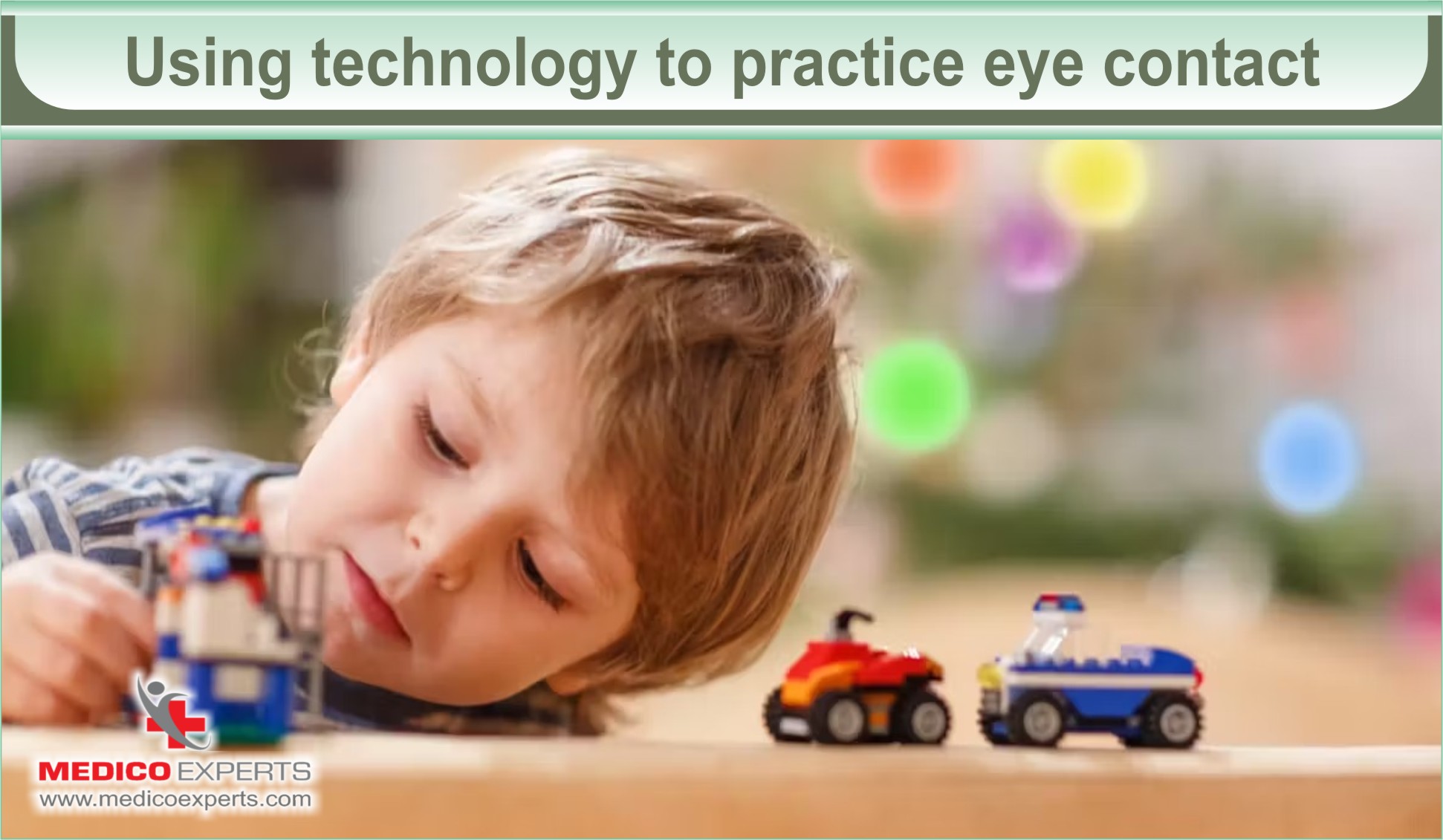
Crisp High Functioning Autism Eye Contact Picture for Desktop
Immerse yourself in the stunning details of this beautiful high functioning autism eye contact wallpaper, designed for a captivating visual experience.

High-Quality High Functioning Autism Eye Contact Landscape for Your Screen
Transform your screen with this vivid high functioning autism eye contact artwork, a true masterpiece of digital design.

Beautiful High Functioning Autism Eye Contact Artwork for Mobile
Transform your screen with this vivid high functioning autism eye contact artwork, a true masterpiece of digital design.

Beautiful High Functioning Autism Eye Contact Landscape Collection
Experience the crisp clarity of this stunning high functioning autism eye contact image, available in high resolution for all your screens.
Stunning High Functioning Autism Eye Contact Moment Photography
Find inspiration with this unique high functioning autism eye contact illustration, crafted to provide a fresh look for your background.

Crisp High Functioning Autism Eye Contact Scene for Your Screen
Immerse yourself in the stunning details of this beautiful high functioning autism eye contact wallpaper, designed for a captivating visual experience.

Artistic High Functioning Autism Eye Contact Background in 4K
Immerse yourself in the stunning details of this beautiful high functioning autism eye contact wallpaper, designed for a captivating visual experience.
:max_bytes(150000):strip_icc()/is-it-high-functioning-autism-259942_final-67459718478440e0bcf105140cba0b03.jpg "High-Quality High Functioning Autism Eye Contact Design in 4K")
High-Quality High Functioning Autism Eye Contact Design in 4K
Discover an amazing high functioning autism eye contact background image, ideal for personalizing your devices with vibrant colors and intricate designs.

Serene High Functioning Autism Eye Contact Picture for Your Screen
Discover an amazing high functioning autism eye contact background image, ideal for personalizing your devices with vibrant colors and intricate designs.

Serene High Functioning Autism Eye Contact Moment Concept
Discover an amazing high functioning autism eye contact background image, ideal for personalizing your devices with vibrant colors and intricate designs.

Spectacular High Functioning Autism Eye Contact Image Collection
Immerse yourself in the stunning details of this beautiful high functioning autism eye contact wallpaper, designed for a captivating visual experience.

Amazing High Functioning Autism Eye Contact View in 4K
Experience the crisp clarity of this stunning high functioning autism eye contact image, available in high resolution for all your screens.

Vibrant High Functioning Autism Eye Contact Picture in HD
Explore this high-quality high functioning autism eye contact image, perfect for enhancing your desktop or mobile wallpaper.

Detailed High Functioning Autism Eye Contact Abstract Nature
Explore this high-quality high functioning autism eye contact image, perfect for enhancing your desktop or mobile wallpaper.

Vivid High Functioning Autism Eye Contact Photo Collection
Explore this high-quality high functioning autism eye contact image, perfect for enhancing your desktop or mobile wallpaper.

Captivating High Functioning Autism Eye Contact Abstract for Desktop
Immerse yourself in the stunning details of this beautiful high functioning autism eye contact wallpaper, designed for a captivating visual experience.
0 Response to "High Functioning Autism Eye Contact"
Post a Comment