Homatropine Eye Drops
Homatropine Eye Drops: Your Complete Guide to Understanding This Important Medication
If your eye doctor has recently prescribed Homatropine Eye Drops, you might be wondering exactly what this medication does and why you need it. Don't worry, you're in the right place! We understand that putting any drops in your eyes can feel a little intimidating, but this medication is a powerful tool used frequently in ophthalmology.
These drops are not your standard artificial tears. They belong to a specific class of drugs designed to temporarily change how your pupil and ciliary muscle function. We're here to break down everything you need to know about Homatropine, from how it works to the essential safety precautions you should take.
Think of this article as your friendly guide to navigating your prescription. Let's dive into the specifics of why Homatropine Eye Drops are used and how they can help protect and heal your vision.
What Exactly Are Homatropine Eye Drops? (The Basics)
Homatropine eye drops are classified as an anticholinergic and cycloplegic agent. This sounds highly technical, but essentially, it means the drug blocks certain receptors in your eye. Specifically, it works on the muscles that control the size of your pupil (the sphincter muscle) and the muscle responsible for focusing your lens (the ciliary body).
When these drops are applied, they cause two main effects: mydriasis (dilation of the pupil) and cycloplegia (paralysis of the ciliary muscle). This temporary paralysis is crucial for certain diagnostic procedures and treatments, as it forces the eye into a state of rest.
Unlike some other drops, the effects of Homatropine are relatively long-lasting, often extending for several hours or even a full day. This duration makes it particularly useful when prolonged muscle rest is required.
How Homatropine Works in Your Eye (Mechanism of Action)
Imagine your eye muscles constantly tightening and relaxing to help you focus on objects both near and far. This constant movement can sometimes interfere with healing or make a precise eye examination impossible. Homatropine steps in to put those muscles on pause.
By blocking muscarinic receptors, Homatropine stops the signaling that usually tells the pupil to constrict and the ciliary muscle to accommodate (focus). The result is a widely dilated pupil and the inability to focus on close objects temporarily.
The dilation provides your doctor with a much clearer, wider view of the retina and the inner structures of the eye. The cycloplegia relieves painful spasms often associated with inflammatory conditions, giving the eye necessary time to recover.
When Are Homatropine Eye Drops Prescribed? (Key Uses)
While often used for general dilation, Homatropine Eye Drops truly shine in therapeutic settings, especially when treating certain painful conditions. Your doctor might prescribe them for several reasons, and it is vital to know why you are using them.
The primary therapeutic uses include:
- Treatment of Uveitis: This is inflammation of the middle layer of the eye (the uvea). Homatropine relieves the severe pain and prevents the formation of synechiae (adhesions) between the iris and the lens.
- Iritis or other Anterior Segment Inflammation: Similar to uveitis, inflammation in the front of the eye causes pain and spasm, which Homatropine effectively manages by resting the eye muscles.
- Refraction Testing: In some cases, particularly for children, doctors need to paralyze the focusing muscle completely to get an accurate reading of the eye's refractive error without any interference from the patient trying to "over-focus."
- Post-Surgical Care: After certain procedures, these drops may be used to reduce inflammation and stabilize the eye while it heals.
Before You Use It: Important Safety Information
Safety always comes first when dealing with eye medication. Although Homatropine Eye Drops are generally safe when used correctly, they are potent drugs that require careful handling. Always follow your doctor's exact instructions regarding dosage and frequency.
Crucially, never share your prescription with anyone else. The correct dosage and treatment plan are tailored specifically to your condition and medical history.
Proper Application Technique (Handling the Dropper)
Applying eye drops can sometimes be tricky, but proper technique is essential to ensure the medication works effectively and to minimize systemic absorption (where the drug enters your bloodstream through your nose).
Here is a step-by-step guide for using your Homatropine Eye Drops:
- Always wash your hands thoroughly before touching the dropper or your eyes.
- Shake the bottle gently if instructed to do so by the manufacturer.
- Tilt your head back or lie down. Pull your lower eyelid down gently to create a small pocket.
- Hold the dropper bottle directly over the eye, being extremely careful not to touch the tip to your eye, eyelid, or any surface.
- Administer the prescribed number of drops into the pocket.
- Immediately close your eye and apply gentle pressure to the tear duct (the inner corner of your eye) for at least one to two minutes. This technique, called punctal occlusion, prevents the medicine from draining into your nose and throat, reducing side effects.
- Wipe away any excess liquid around your eye with a clean tissue.
Who Should Be Cautious? (Contraindications)
While effective, Homatropine is not suitable for everyone. It is crucial to inform your doctor about your complete medical history before starting these drops. Certain pre-existing conditions can increase the risk of complications.
You should use Homatropine Eye Drops with extreme caution, or not at all, if you have:
- Narrow-Angle Glaucoma: Dilation caused by Homatropine can potentially block the fluid drainage system in the eye, causing a sudden and dangerous increase in eye pressure (angle-closure attack).
- Allergies: If you are allergic to Homatropine or other belladonna alkaloids, you must avoid using these drops.
- Certain Heart Conditions: Since anticholinergic drugs can sometimes affect heart rate, caution is needed for patients with existing cardiac issues.
Potential Side Effects and What to Expect
When using Homatropine Eye Drops, you will definitely notice some temporary changes in your vision. These are expected effects related to the dilation and cycloplegia, not typically signs of a serious problem. Knowing what to anticipate will help you manage your daily routine while undergoing treatment.
Since your eyes will be dilated, you must plan ahead for things like driving. Arrange for alternative transportation, as driving with dilated pupils is dangerous and often impossible.
Common Temporary Effects (Dilation and Sensitivity)
These side effects are direct results of the medication doing its job. They will subside once the effects of the Homatropine Eye Drops wear off, which can take up to 24 hours depending on the concentration used.
Expect the following temporary issues:
- Light Sensitivity (Photophobia): Your pupils cannot restrict the amount of light entering your eye. Wearing dark sunglasses, even indoors, is highly recommended.
- Blurred Near Vision: Since the focusing muscle is paralyzed, reading, writing, and using your phone will be very difficult or impossible.
- Stinging Sensation: A mild stinging or burning sensation upon instillation is common but usually fades quickly.
- Dry Eyes/Mouth: Anticholinergic drugs can sometimes affect moisture production in the eyes and mouth.
When to Call Your Doctor (Serious Concerns)
While most side effects are harmless and temporary, rare but serious complications can occur. If you experience any severe symptoms, stop using the drops immediately and contact your eye care provider or emergency services.
Seek immediate medical attention if you experience any of these signs:
Signs of Systemic Toxicity:
- Severe rapid heart rate or palpitations.
- Confusion, hallucination, or unusual behavior (especially in children).
- Extreme skin dryness and flushing.
- Fever without an apparent cause.
Signs of Acute Angle-Closure:
- Severe, excruciating eye pain.
- Sudden, significantly blurred vision or vision loss.
- Seeing halos or colored rings around lights.
- Nausea and vomiting associated with the eye pain.
Conclusion: Using Homatropine Eye Drops Safely
Homatropine Eye Drops are indispensable tools in the field of ophthalmology, providing therapeutic relief for painful inflammatory conditions like uveitis and allowing for precise diagnostic evaluation. Understanding their mechanism—causing temporary pupil dilation (mydriasis) and muscle paralysis (cycloplegia)—is key to using them correctly.
Remember that the temporary side effects, such as blurred near vision and increased light sensitivity, are normal and indicate the medication is working. Always prioritize safety by using punctal occlusion during application, avoiding driving, and wearing UV-protective sunglasses.
Ultimately, these drops are prescribed to safeguard your long-term vision and speed up your recovery. If you follow your doctor's instructions diligently and monitor for any serious adverse reactions, you can ensure a successful treatment with Homatropine Eye Drops.
Frequently Asked Questions (FAQ) About Homatropine Eye Drops
- How long do the effects of Homatropine Eye Drops last?
- The dilation and cycloplegia caused by Homatropine typically last significantly longer than common diagnostic drops. Depending on the concentration, effects can last anywhere from 12 hours up to 24 or even 48 hours in some individuals.
- Can I wear contact lenses while using Homatropine?
- No, generally, you should not wear contact lenses while using Homatropine Eye Drops, especially if you are using them for treatment of inflammation. You must wait for the full effects to wear off and ensure your eye is completely clear before reinserting lenses. Always check with your prescribing doctor.
- Are Homatropine Eye Drops the same as Atropine?
- They are both anticholinergic agents, but Homatropine is much shorter-acting than Atropine. Atropine's effects can last up to two weeks, making Homatropine the preferred choice when shorter-term dilation or cycloplegia is required.
- Is it safe to drive after using Homatropine Eye Drops?
- Absolutely not. Because Homatropine causes significant blurred near vision and intense light sensitivity, driving is extremely unsafe. You must arrange for someone else to drive you or use public transport until your vision returns entirely to normal.
- What should I do if I miss a dose?
- If you are using Homatropine for a therapeutic purpose (like uveitis), consistency is crucial. Apply the missed dose as soon as you remember. However, if it is almost time for your next scheduled dose, skip the missed one. Do not double the dose to catch up, as this can increase the risk of side effects.
Homatropine Eye Drops
Homatropine Eye Drops Wallpapers
Collection of homatropine eye drops wallpapers for your desktop and mobile devices.

Captivating Homatropine Eye Drops Capture Illustration
A captivating homatropine eye drops scene that brings tranquility and beauty to any device.
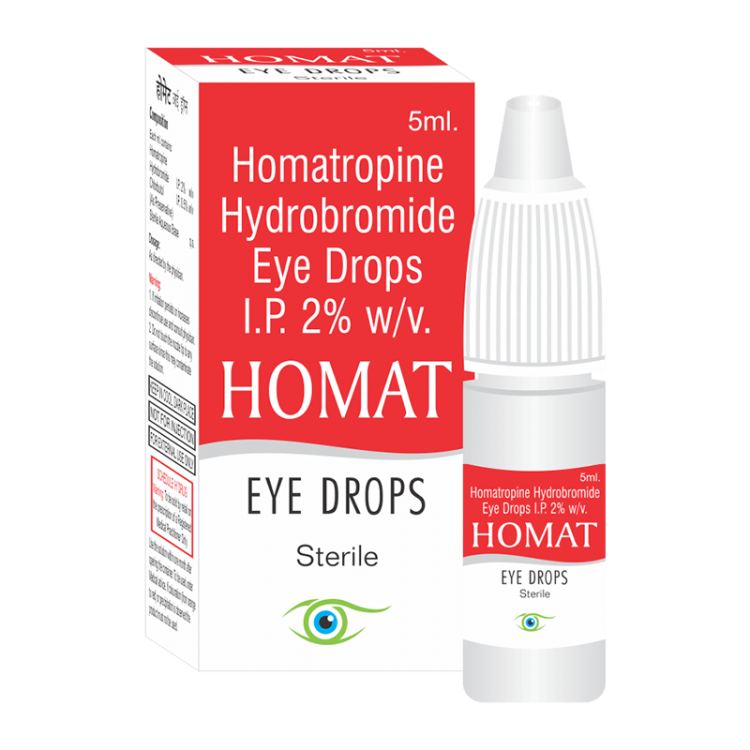
Artistic Homatropine Eye Drops Artwork Digital Art
Find inspiration with this unique homatropine eye drops illustration, crafted to provide a fresh look for your background.

Exquisite Homatropine Eye Drops Landscape Concept
This gorgeous homatropine eye drops photo offers a breathtaking view, making it a perfect choice for your next wallpaper.

Vibrant Homatropine Eye Drops Moment for Your Screen
Transform your screen with this vivid homatropine eye drops artwork, a true masterpiece of digital design.
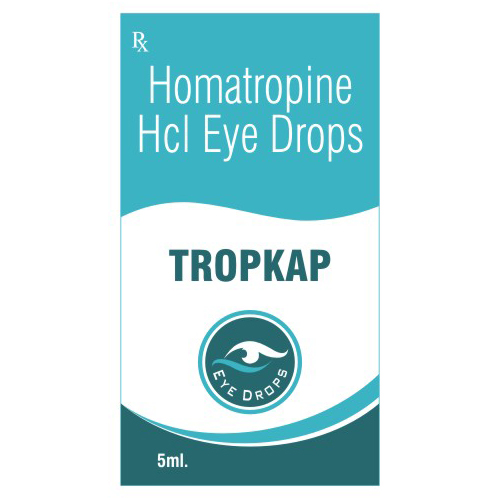
Captivating Homatropine Eye Drops Background Concept
Immerse yourself in the stunning details of this beautiful homatropine eye drops wallpaper, designed for a captivating visual experience.
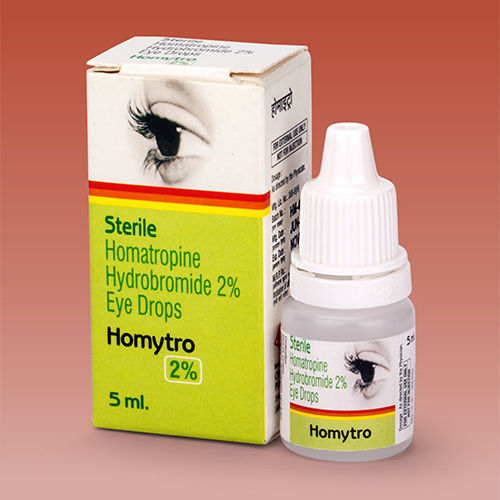
High-Quality Homatropine Eye Drops Wallpaper Art
Explore this high-quality homatropine eye drops image, perfect for enhancing your desktop or mobile wallpaper.

Crisp Homatropine Eye Drops Scene Collection
This gorgeous homatropine eye drops photo offers a breathtaking view, making it a perfect choice for your next wallpaper.

Gorgeous Homatropine Eye Drops Image Collection
A captivating homatropine eye drops scene that brings tranquility and beauty to any device.

Amazing Homatropine Eye Drops Scene for Desktop
Discover an amazing homatropine eye drops background image, ideal for personalizing your devices with vibrant colors and intricate designs.

Captivating Homatropine Eye Drops Design in 4K
Immerse yourself in the stunning details of this beautiful homatropine eye drops wallpaper, designed for a captivating visual experience.

Detailed Homatropine Eye Drops Photo Nature
Transform your screen with this vivid homatropine eye drops artwork, a true masterpiece of digital design.

High-Quality Homatropine Eye Drops Design Digital Art
Experience the crisp clarity of this stunning homatropine eye drops image, available in high resolution for all your screens.

Exquisite Homatropine Eye Drops Image for Mobile
Immerse yourself in the stunning details of this beautiful homatropine eye drops wallpaper, designed for a captivating visual experience.

Vibrant Homatropine Eye Drops Photo Concept
Explore this high-quality homatropine eye drops image, perfect for enhancing your desktop or mobile wallpaper.

Crisp Homatropine Eye Drops Wallpaper Nature
This gorgeous homatropine eye drops photo offers a breathtaking view, making it a perfect choice for your next wallpaper.

Breathtaking Homatropine Eye Drops Photo for Desktop
Experience the crisp clarity of this stunning homatropine eye drops image, available in high resolution for all your screens.

Gorgeous Homatropine Eye Drops Abstract Art
This gorgeous homatropine eye drops photo offers a breathtaking view, making it a perfect choice for your next wallpaper.

High-Quality Homatropine Eye Drops Image Concept
Experience the crisp clarity of this stunning homatropine eye drops image, available in high resolution for all your screens.

0 Response to "Homatropine Eye Drops"
Post a Comment