Lost An Eye
Lost An Eye: What Happens Next? Your Comprehensive Guide to Recovery
Experiencing the loss of an eye, whether due to injury, illness, or necessary medical procedures, is undeniably a life-altering event. The immediate shock, followed by the confusion about "what now," can feel overwhelming. If you have recently Lost An Eye, or are supporting someone who has, please know that life absolutely continues, and with the right resources and support, you can thrive.
This article is designed to be a gentle, informative roadmap guiding you through the medical, practical, and emotional stages of recovering after losing an eye. We will cover everything from initial surgery details to mastering depth perception and reclaiming your confidence.
The Immediate Aftermath: Dealing with the Shock
When you first realize you have Lost An Eye, your mind might race with countless questions and emotional responses. It is crucial to allow yourself time and space to process this significant trauma. Grief, anger, denial, and sadness are all normal parts of this journey.
The first practical step is securing immediate medical care. Following the initial injury or diagnosis, your medical team will stabilize the area and discuss the necessary surgical path forward. Don't hesitate to ask them to explain everything clearly, even if you need them to repeat the information several times.
Furthermore, early psychological support can be incredibly beneficial. Connecting with a therapist or counselor specializing in trauma and vision loss can provide essential tools for emotional resilience during this challenging period.
Medical Realities: Understanding Enucleation and Evisceration
If the eye cannot be saved, surgeons generally perform one of two main procedures: enucleation or evisceration. Both surgeries aim to remove the non-functional or damaged eye while preparing the socket for a future prosthetic (artificial eye).
Understanding the difference between these procedures is vital for managing your expectations regarding recovery and cosmetic outcome. Your ophthalmologist will recommend the best procedure based on the extent of the damage or disease that caused you to lose an eye.
Enucleation vs. Evisceration: Which Procedure is Right?
These surgical choices directly impact how the remaining tissues are used to support the prosthetic. Here is a brief breakdown:
- Enucleation: This involves the complete removal of the eyeball. The remaining eye muscles are often attached to an orbital implant. This procedure is typically chosen if there is a severe injury, or a high risk of sympathetic ophthalmia (inflammation in the remaining good eye), or in cases of intraocular tumors.
- Evisceration: This procedure removes the internal contents of the eye (retina, vitreous, etc.), leaving the outer white shell (sclera) and the eye muscles intact. An orbital implant is then placed inside the scleral shell. Evisceration often results in better movement of the prosthetic eye later on and may involve a quicker recovery time, but it is not suitable for all conditions.
The Healing Process: What to Expect Post-Surgery
Recovery is a process, not a race. Immediately following the surgery, your eye socket will be fitted with a temporary plastic shell (a conformer). This helps maintain the shape of the socket and prepares it for the customized prosthetic eye.
Healing usually takes about six to eight weeks. During this time, you will manage swelling and potential discomfort with prescribed medication. Key aspects of the healing phase include:
- Strictly following your surgeon's instructions regarding cleanliness and medication use.
- Avoiding strenuous activity or heavy lifting until cleared by your doctor.
- Attending follow-up appointments to ensure the socket is healing properly before being fitted for the prosthetic.
Life with Monovision: Adjusting to the New Normal
One of the biggest physical adjustments after you have Lost An Eye is transitioning to monocular vision (monovision). Your brain is remarkably adaptable, but it needs time to relearn how to process visual information using only one eye. Initially, tasks that relied heavily on binocular cues, like catching a ball or navigating stairs, will feel different.
Depth Perception Challenges and Practical Solutions
Depth perception is often the most significant challenge. While your remaining eye can still determine distance using monocular cues (like relative size, texture, and light/shadow), your brain must practice relying solely on these cues. Training yourself is essential.
Here are practical steps for improving spatial awareness:
- Practice Reaching: Try simple tasks like reaching for a glass or keys while focusing only on one eye. This retrains muscle memory.
- Head Movement: Compensate for the lack of peripheral vision on one side by turning your head more frequently, especially when crossing streets or driving (once cleared by a physician).
- Surface Awareness: Be cautious on uneven terrain or stairs. Use handrails and look carefully at the ground directly ahead of you.
- New Skills: Consider activities like playing catch or practicing eye-hand coordination games to speed up adaptation.
Protecting Your Remaining Eye (The "Good Eye")
Since your remaining eye is now your sole source of vision, its protection becomes paramount. Think of it as your most precious commodity.
Always wear safety glasses or polycarbonate lenses when engaging in any activity that carries a risk of flying debris or blunt impact. This includes yard work, home repairs, contact sports, and working with chemicals. A good pair of wrap-around protective glasses offers maximum coverage.
Cosmetic and Psychological Recovery: Getting Back Your Confidence
While the physical recovery is important, addressing the emotional and cosmetic aspects of having Lost An Eye is key to regaining self-assurance. Many people find tremendous relief and comfort once they are fitted with a custom ocular prosthetic.
Ocular Prosthetics: Finding the Perfect Fit
An ocular prosthetic is not a complete sphere; it is a custom-made shell designed to fit over the orbital implant and beneath the eyelids. Modern prosthetics are crafted with incredible attention to detail, matching the color, size, and specific characteristics of your natural eye.
The goal of a well-made prosthetic is movement and symmetry. Because the muscles were generally attached to the orbital implant (especially in enucleation), the prosthetic will move somewhat synchronously with your good eye, making the difference virtually undetectable in casual observation.
Choosing Your Ocularist
The ocularist is the specialist responsible for fitting and painting your prosthetic eye. This relationship is essential for achieving the best cosmetic outcome. Look for a board-certified ocularist who has experience in both evisceration and enucleation cases.
Don't settle for the first option. Ask to see examples of their work and ensure you feel comfortable discussing your preferences and concerns with them. They are artists who specialize in restoring your appearance and confidence.
Beyond the cosmetic, remember that mental health support continues to be vital. Join support groups, either locally or online. Connecting with others who have successfully navigated life after they Lost An Eye can provide invaluable perspective and hope.
Conclusion
If you have Lost An Eye, the path ahead involves medical recovery, physical adaptation, and emotional healing. Remember that you are not defined by your vision status. By working closely with your medical team, protecting your remaining eye diligently, and investing in a high-quality ocular prosthetic, you can fully embrace life with monovision.
The initial shock will fade, and the challenges of depth perception will gradually become second nature. Be patient with yourself, seek support, and focus on the incredible resilience of the human body and mind.
Frequently Asked Questions (FAQ)
- What is the difference between an ocular implant and an ocular prosthetic?
- The ocular implant is a sphere buried deep inside the eye socket during surgery (enucleation or evisceration) to replace the volume of the eye and facilitate movement. The ocular prosthetic is the custom-painted external shell worn in front of the implant, resembling the visible part of the eye.
- How long does it take to adapt to monovision?
- While initial adaptation to avoid bumping into things often takes a few weeks, true mastery of spatial awareness (judging distance accurately) can take several months. The brain is very good at adapting, but consistent practice is key.
- Can I drive after I have Lost An Eye?
- Most jurisdictions allow driving with monovision, provided you meet specific visual acuity standards in your remaining eye and undergo a period of adaptation (usually 3–6 months). Always check your local Department of Motor Vehicles (DMV) rules and consult your ophthalmologist before driving again.
- How often does the prosthetic eye need to be replaced?
- A prosthetic eye typically lasts 5 to 10 years for adults, but the fit and polish often need to be checked and adjusted annually by the ocularist to ensure comfort and appearance are maintained.
Lost An Eye
Lost An Eye Wallpapers
Collection of lost an eye wallpapers for your desktop and mobile devices.

Lush Lost An Eye Landscape Digital Art
Find inspiration with this unique lost an eye illustration, crafted to provide a fresh look for your background.
Gorgeous Lost An Eye View Nature
A captivating lost an eye scene that brings tranquility and beauty to any device.

Spectacular Lost An Eye Picture in HD
This gorgeous lost an eye photo offers a breathtaking view, making it a perfect choice for your next wallpaper.

Captivating Lost An Eye Photo Collection
Find inspiration with this unique lost an eye illustration, crafted to provide a fresh look for your background.
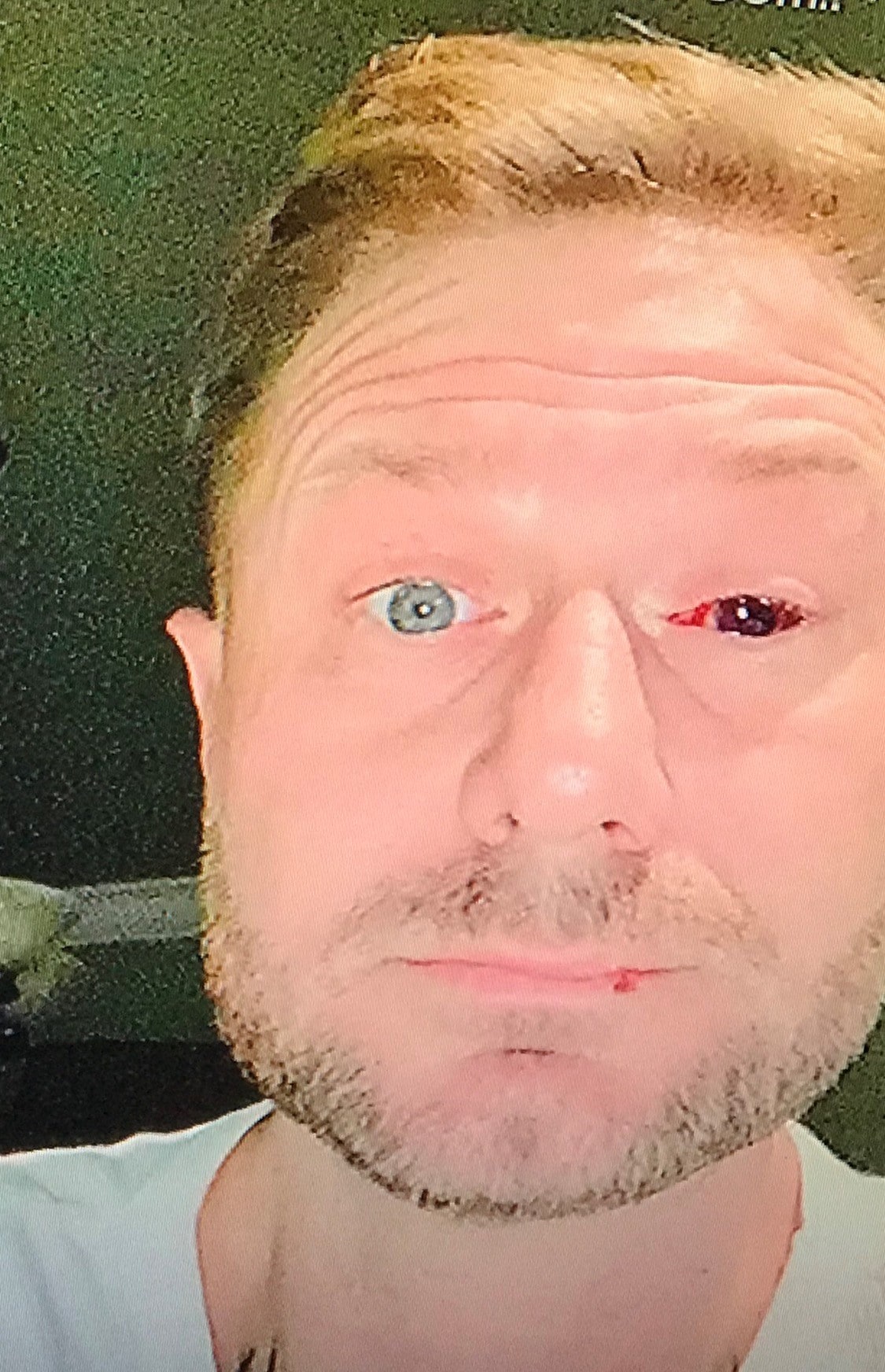
Serene Lost An Eye Moment for Desktop
Transform your screen with this vivid lost an eye artwork, a true masterpiece of digital design.

Artistic Lost An Eye Scene Nature
Find inspiration with this unique lost an eye illustration, crafted to provide a fresh look for your background.
Exquisite Lost An Eye Scene Illustration
A captivating lost an eye scene that brings tranquility and beauty to any device.
Captivating Lost An Eye Picture Art
Immerse yourself in the stunning details of this beautiful lost an eye wallpaper, designed for a captivating visual experience.

Serene Lost An Eye Scene Nature
Experience the crisp clarity of this stunning lost an eye image, available in high resolution for all your screens.

Breathtaking Lost An Eye Image Illustration
Transform your screen with this vivid lost an eye artwork, a true masterpiece of digital design.
Vivid Lost An Eye View Collection
Discover an amazing lost an eye background image, ideal for personalizing your devices with vibrant colors and intricate designs.
Stunning Lost An Eye Background Concept
Find inspiration with this unique lost an eye illustration, crafted to provide a fresh look for your background.
Exquisite Lost An Eye Moment Nature
Immerse yourself in the stunning details of this beautiful lost an eye wallpaper, designed for a captivating visual experience.

Stunning Lost An Eye Picture for Desktop
A captivating lost an eye scene that brings tranquility and beauty to any device.

Crisp Lost An Eye Capture Nature
A captivating lost an eye scene that brings tranquility and beauty to any device.
Detailed Lost An Eye Image Concept
Explore this high-quality lost an eye image, perfect for enhancing your desktop or mobile wallpaper.

Exquisite Lost An Eye Capture Digital Art
This gorgeous lost an eye photo offers a breathtaking view, making it a perfect choice for your next wallpaper.
Vibrant Lost An Eye Moment Nature
Discover an amazing lost an eye background image, ideal for personalizing your devices with vibrant colors and intricate designs.

Mesmerizing Lost An Eye Photo for Your Screen
Experience the crisp clarity of this stunning lost an eye image, available in high resolution for all your screens.
Stunning Lost An Eye Wallpaper Concept
Find inspiration with this unique lost an eye illustration, crafted to provide a fresh look for your background.
Download these lost an eye wallpapers for free and use them on your desktop or mobile devices.
0 Response to "Lost An Eye"
Post a Comment