Macro Eye Photography
Macro Eye Photography: Capturing the Hidden Universe in Your Iris
Have you ever truly looked into someone's eyes? Not just at them, but *into* the swirling colors and intricate patterns? That's exactly what Macro Eye Photography allows us to do. It's a specialized niche that transforms the human iris—an area barely an inch wide—into a vast, abstract landscape.
This type of photography is stunning, challenging, and deeply rewarding. Unlike standard portrait photography, we are focusing on extreme detail, highlighting the unique texture of the iris that often goes unseen. If you're ready to dive into the mesmerizing world hidden behind the pupil, this guide will walk you through the gear, techniques, and creativity needed to master macro eye photography!
Why Macro Eye Photography Is So Captivating
The human eye is inherently unique; much like a fingerprint, no two irises are exactly alike. Macro photography gives us the power to reveal the astonishing complexity of this organic structure. We can see the tiny fibers, the radial patterns, and the subtle color shifts that are invisible to the naked eye.
Furthermore, capturing these details creates highly personal and artistic images. Macro eye photographs often look less like biological samples and more like natural abstract paintings or views of distant galaxies. This incredible detail is what drives so many photographers to master the craft of macro eye photography.
The challenge itself is also a major draw. Since the working distance is minimal and the subject (the eye) is always moving slightly, achieving perfect focus requires precision and patience. When you nail that sharp, detailed shot, the resulting image is truly spectacular.
Essential Gear for Your Macro Eye Photography Journey
While you don't need the most expensive gear, quality equipment is critical to achieve the extreme magnification and sharpness required for successful macro eye photography. Unlike standard portraiture, we are often working at magnifications of 1:1 or higher.
Let's break down the core components you'll need before starting your first session. Investing in the right tools now will save you countless hours of frustration later on.
The Right Camera Body and Lens
Your camera body should ideally be a DSLR or Mirrorless camera that allows full manual control. While entry-level bodies can work, full-frame cameras generally perform better in low light and offer superior dynamic range.
The lens is perhaps the single most important piece of equipment. You need a dedicated macro lens, preferably one that offers at least a 1:1 magnification ratio. Some popular choices for Macro Eye Photography include the 100mm or 105mm macro lenses, as they provide a decent working distance between the lens and the subject's eye.
For truly extreme magnification (beyond 1:1), consider using extension tubes or specialized equipment like the Laowa 25mm 2.5-5X Ultra Macro Lens. However, this level of magnification significantly increases the difficulty.
Lighting Setup: The Key to Detail
Good lighting is non-negotiable in macro photography because we typically shoot at high apertures (like f/11 or f/16) to maximize the limited depth of field. This means we need powerful, even, and highly controlled light.
The best setup is usually a ring flash or a specialized macro ring light. These devices wrap around the end of the lens and provide shadowless, uniform illumination. Using diffusers over the light source is absolutely vital to ensure the reflections in the eye are soft and pleasing, rather than harsh bright spots.
If you don't have a ring light, you can use two small external flashes placed on either side of the subject, utilizing softboxes or external diffusers to feather the light. Remember, the quality of light defines the texture you capture.
Stabilization and Focus Aids
Even the slightest movement from you or your subject will ruin a macro shot. Therefore, stabilization is crucial. A sturdy tripod is a necessity, especially when shooting at higher magnifications where small vibrations are amplified.
Consider using a focusing rail, which is a specialized attachment that sits between the tripod and the camera. This rail allows you to make tiny, precise forward and backward adjustments to fine-tune your focus without moving the entire tripod setup. This micro-adjustment capability is key for achieving razor-sharp focus on the iris.
Other essential stabilization aids include:
- A remote shutter release to avoid camera shake from pressing the shutter button.
- Mirror lock-up (for DSLR users) or electronic shutter (for mirrorless) to eliminate internal vibration.
- A comfortable headrest or chin rest for the subject to minimize their inherent movements.
Step-by-Step Guide: Taking That Perfect Iris Shot
Ready to put theory into practice? Capturing a stunning macro eye photo requires a systematic approach. The entire process hinges on maximizing sharpness while ensuring your subject is comfortable.
Preparation and Subject Comfort
Start by setting up your equipment first. Position your subject comfortably in a stable chair, preferably with a headrest. Make sure they know they need to keep their head perfectly still.
For the best results, instruct your subject to look directly into the lens. This ensures the pupil is centered and the iris is fully illuminated. If the eye starts tearing or twitching due to the close light, give them frequent breaks and allow them to close their eyes for a few seconds.
Camera settings are crucial here: set your camera to manual mode, ISO as low as possible (100-400), and aperture around f/11 to f/16. Use your flash or constant light source to manage exposure.
Mastering Focus and Depth of Field
Since the depth of field at high magnification is razor-thin (sometimes only millimeters deep), manual focus is almost always preferred over autofocus. Use your camera's Live View mode and zoom in to 100% on the screen to confirm sharpness.
If you have a focusing rail, keep your lens focus locked at the magnification you want and slowly use the rail to move the camera body until the most important part of the iris is sharp. If you don't use a rail, you'll need to gently sway your entire body back and forth until the plane of focus aligns perfectly with the iris.
If you want the entire iris to be sharp, you must utilize focus stacking. This technique involves taking multiple images, each with a slightly different plane of focus, which are later merged in software to create one completely sharp image. This is often necessary when aiming for professional-level Macro Eye Photography results.
Post-Processing Your Macro Eye Masterpiece
The raw image is only half the story; post-processing brings out the incredible detail. Your editing workflow should prioritize sharpness, color enhancement, and cleaning up stray dust or distracting reflections.
Key editing steps include merging your focus stack (if applicable), cropping, adjusting white balance and exposure, and selectively sharpening the iris details. Be careful not to over-sharpen, as this can introduce distracting artifacts.
Essential Editing Software Tools
To achieve the best possible finish for your macro eye images, you will need reliable software that handles both RAW processing and specialized stacking tasks. These programs offer the precision needed for fine-tuning such detailed work.
- Adobe Lightroom: Excellent for overall color correction, exposure adjustments, and noise reduction on RAW files.
- Adobe Photoshop: Essential for retouching minor flaws (like redness or small reflections) and for advanced layer masking.
- Helicon Focus or Zerene Stacker: Dedicated software required specifically for merging multiple images into a single, fully sharp focus stack.
Conclusion
Macro Eye Photography is a highly specialized and deeply rewarding genre. It demands technical precision, patience, and a willingness to explore extreme magnification. By investing in the right macro lens and stabilization gear, mastering controlled lighting, and refining your post-processing skills, you can capture breathtaking abstract portraits of the human soul.
Remember, every single eye is a canvas of organic complexity waiting to be discovered. So grab your gear, stabilize your shot, and start revealing the spectacular hidden universe in the iris!
Frequently Asked Questions (FAQ) About Macro Eye Photography
- What magnification ratio is needed for Macro Eye Photography?
- A 1:1 magnification ratio is the minimum standard for true macro work, allowing the image on the sensor to be the same size as the subject (the iris). Many photographers aim for 2:1 or 3:1 for even greater detail, which usually requires specialized lenses or extension tubes.
- Is it safe to use a flash so close to the eye?
- Yes, it is generally safe, provided you are using an appropriate macro flash system, like a ring flash, that spreads the light evenly and utilizes diffusers. The flash duration is very short, minimizing any discomfort. Always avoid continuous, high-intensity light sources placed extremely close.
- Do I need to use focus stacking for every shot?
- While not strictly mandatory, focus stacking is highly recommended if you want the maximum possible sharpness across the entire iris, especially if you are shooting at magnifications higher than 1:1. Without stacking, only a tiny sliver of the iris will be perfectly sharp due to the extremely shallow depth of field.
- How do I prevent reflections of my camera/light in the eye?
- To minimize distracting reflections (catchlights), use a soft, large diffuser on your light source. Position the light carefully so the reflection enhances the texture without obscuring the iris detail. Sometimes, reflections can be creatively used, but they should always be controlled and softened.
Macro Eye Photography
Macro Eye Photography Wallpapers
Collection of macro eye photography wallpapers for your desktop and mobile devices.

Mesmerizing Macro Eye Photography View Collection
Transform your screen with this vivid macro eye photography artwork, a true masterpiece of digital design.

Artistic Macro Eye Photography Background Illustration
Immerse yourself in the stunning details of this beautiful macro eye photography wallpaper, designed for a captivating visual experience.
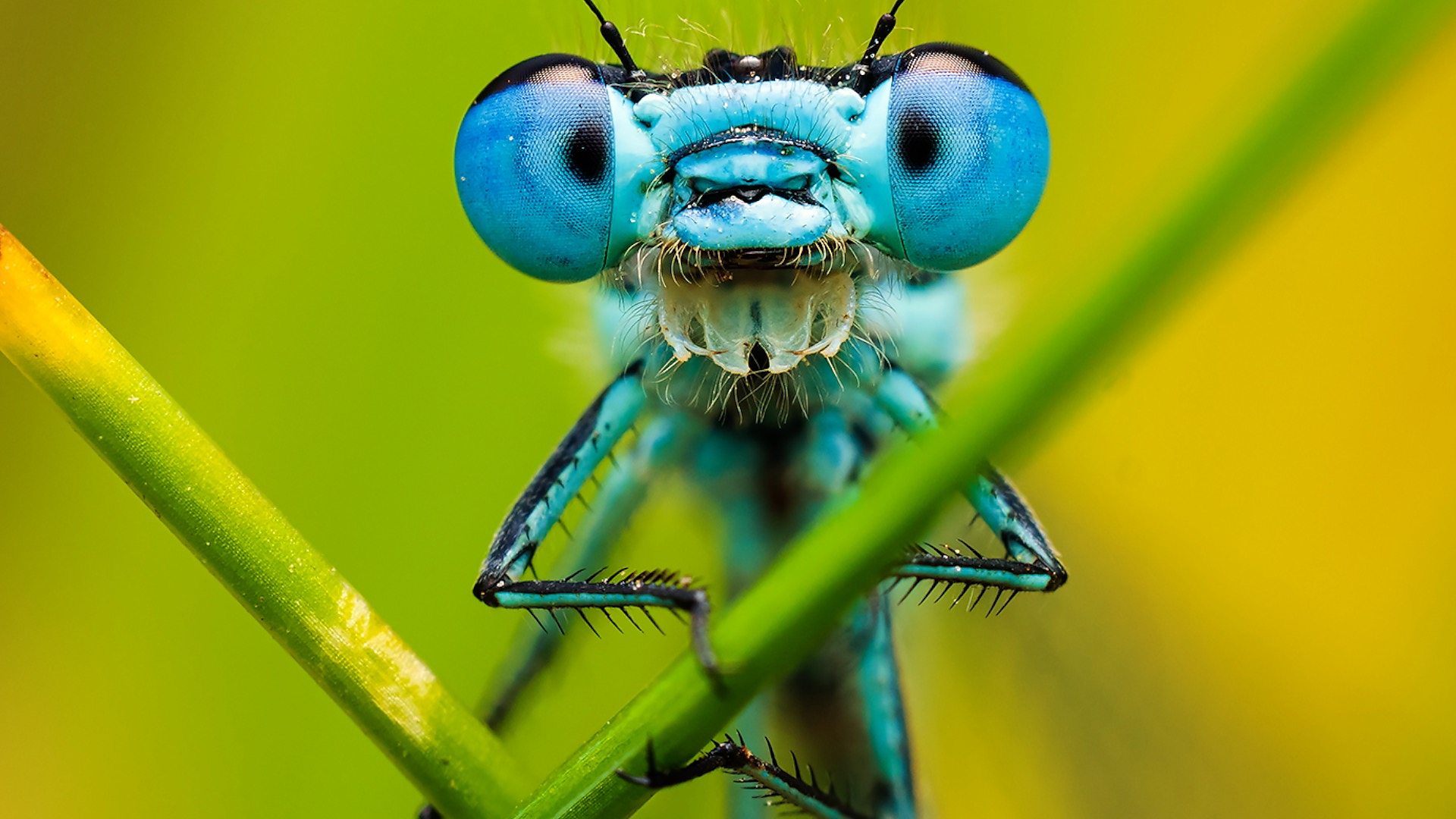
Gorgeous Macro Eye Photography Design Concept
This gorgeous macro eye photography photo offers a breathtaking view, making it a perfect choice for your next wallpaper.
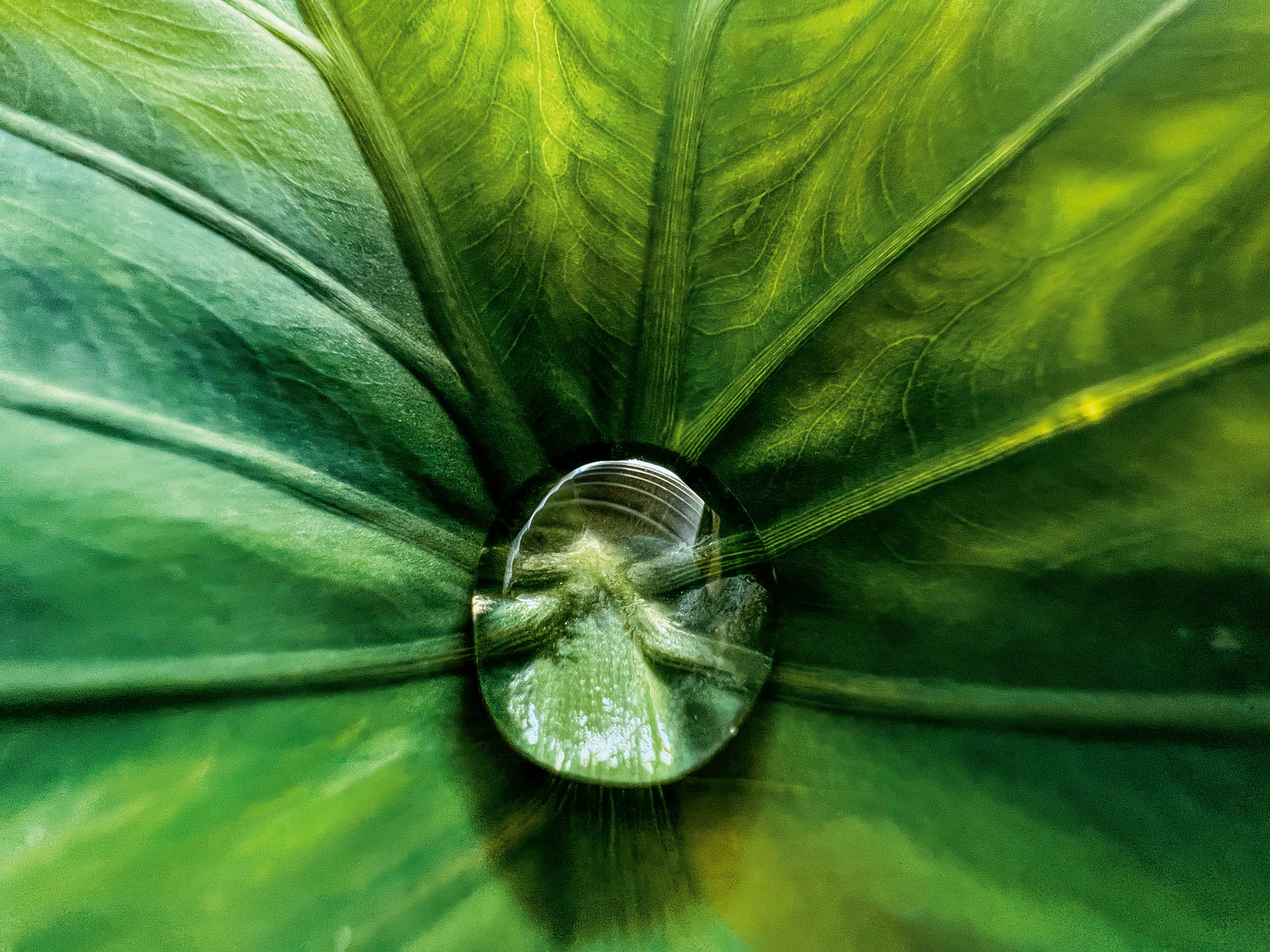
Artistic Macro Eye Photography Background Nature
Immerse yourself in the stunning details of this beautiful macro eye photography wallpaper, designed for a captivating visual experience.
.jpg "Stunning Macro Eye Photography Artwork Collection")
Stunning Macro Eye Photography Artwork Collection
A captivating macro eye photography scene that brings tranquility and beauty to any device.

Breathtaking Macro Eye Photography Capture in 4K
Explore this high-quality macro eye photography image, perfect for enhancing your desktop or mobile wallpaper.
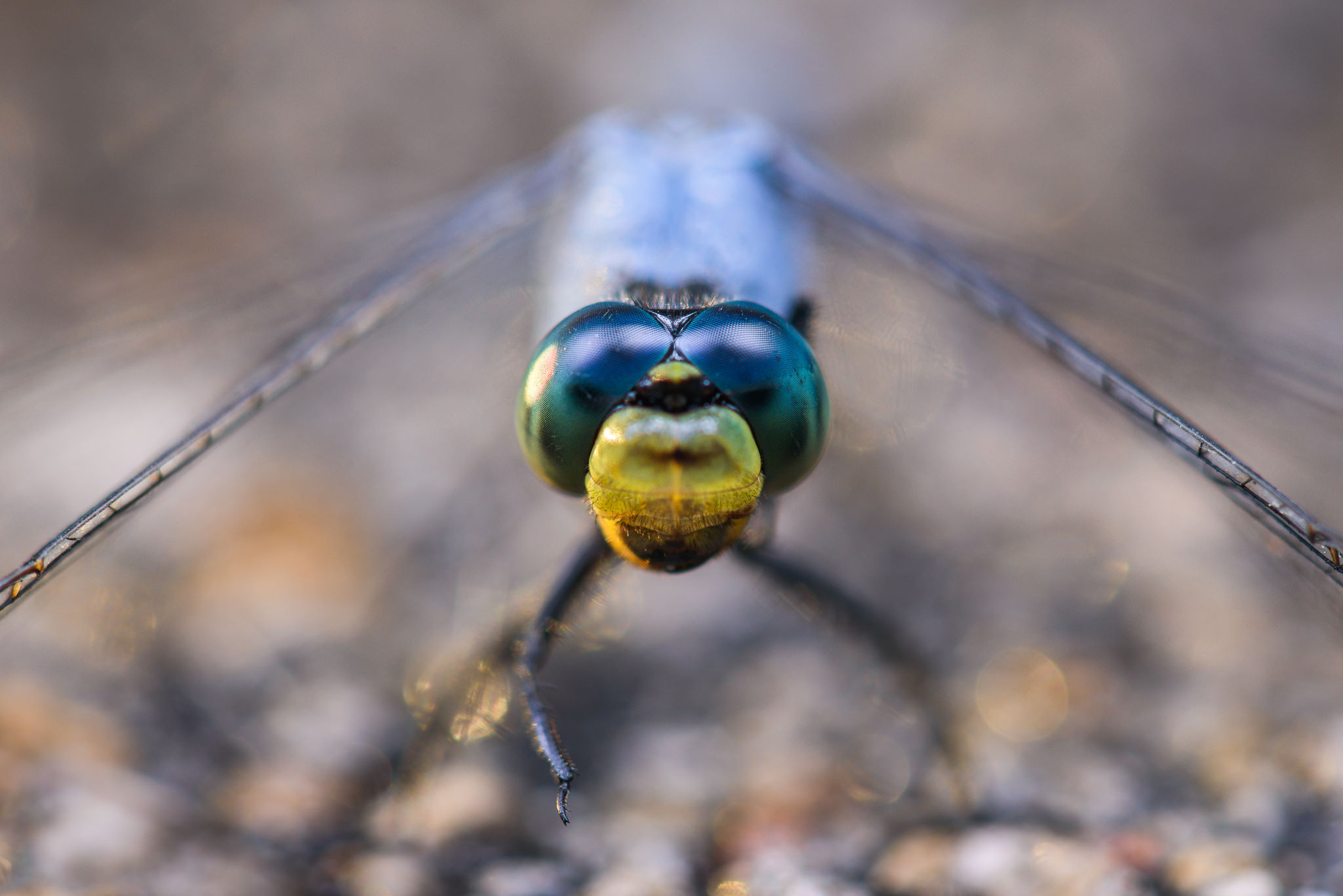
Lush Macro Eye Photography Capture Photography
A captivating macro eye photography scene that brings tranquility and beauty to any device.

Exquisite Macro Eye Photography Photo Collection
Find inspiration with this unique macro eye photography illustration, crafted to provide a fresh look for your background.

Breathtaking Macro Eye Photography Scene Nature
Discover an amazing macro eye photography background image, ideal for personalizing your devices with vibrant colors and intricate designs.

Serene Macro Eye Photography Capture for Mobile
Experience the crisp clarity of this stunning macro eye photography image, available in high resolution for all your screens.

Gorgeous Macro Eye Photography Image Digital Art
A captivating macro eye photography scene that brings tranquility and beauty to any device.
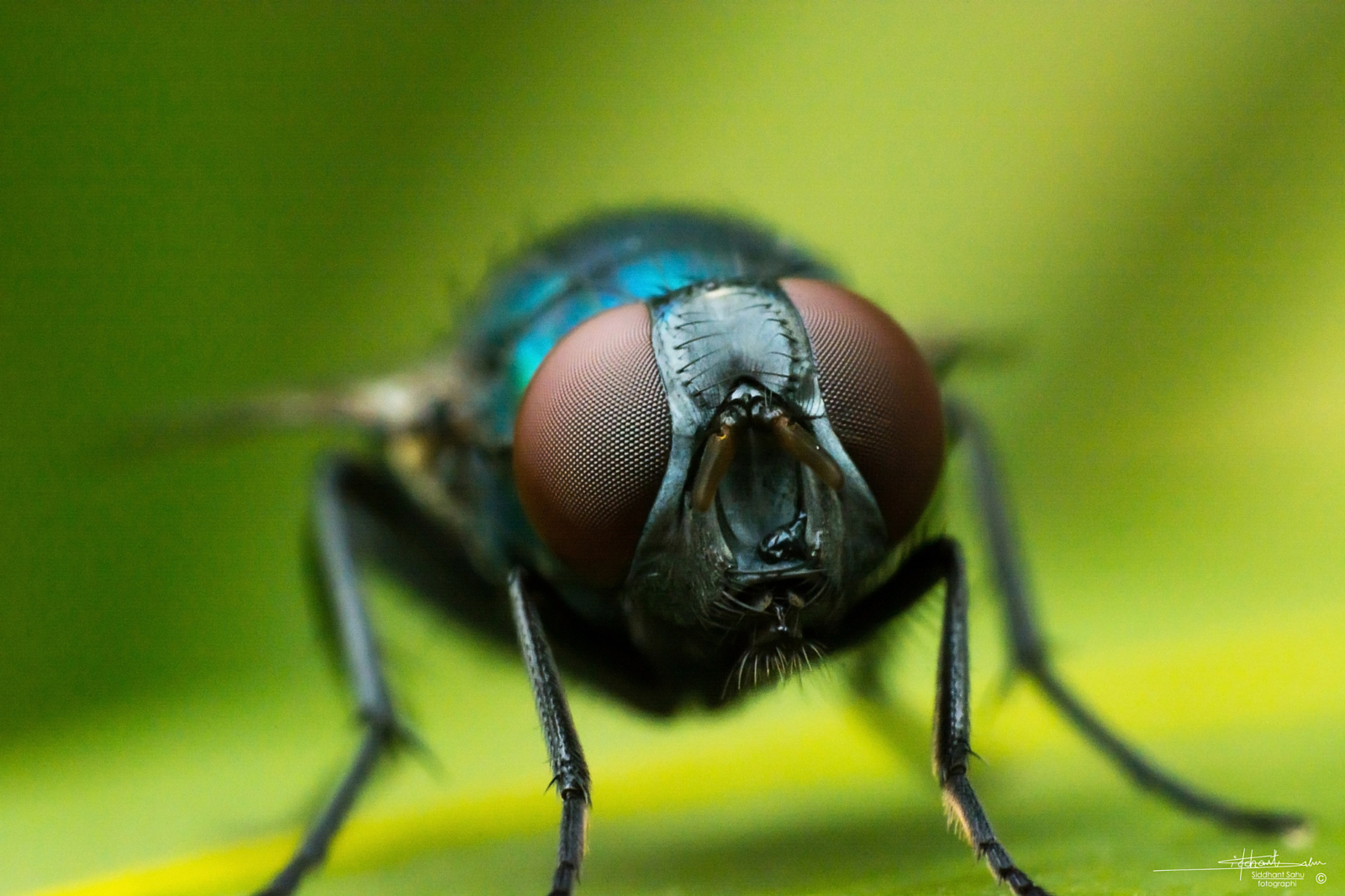
Vibrant Macro Eye Photography Image Illustration
Discover an amazing macro eye photography background image, ideal for personalizing your devices with vibrant colors and intricate designs.
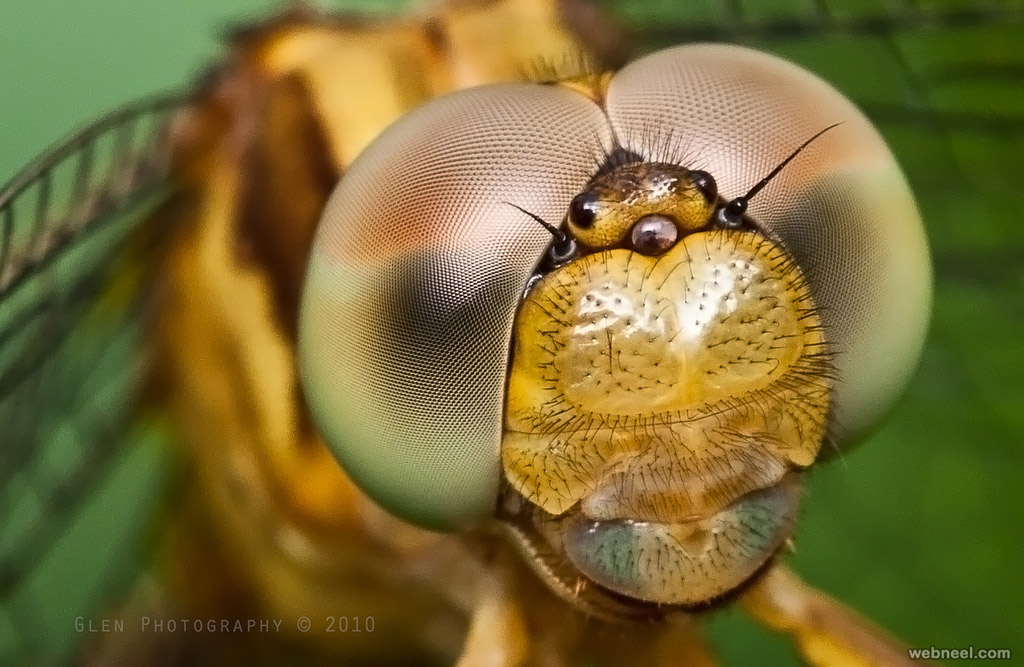
Dynamic Macro Eye Photography Photo for Your Screen
Immerse yourself in the stunning details of this beautiful macro eye photography wallpaper, designed for a captivating visual experience.

Spectacular Macro Eye Photography Landscape for Mobile
A captivating macro eye photography scene that brings tranquility and beauty to any device.
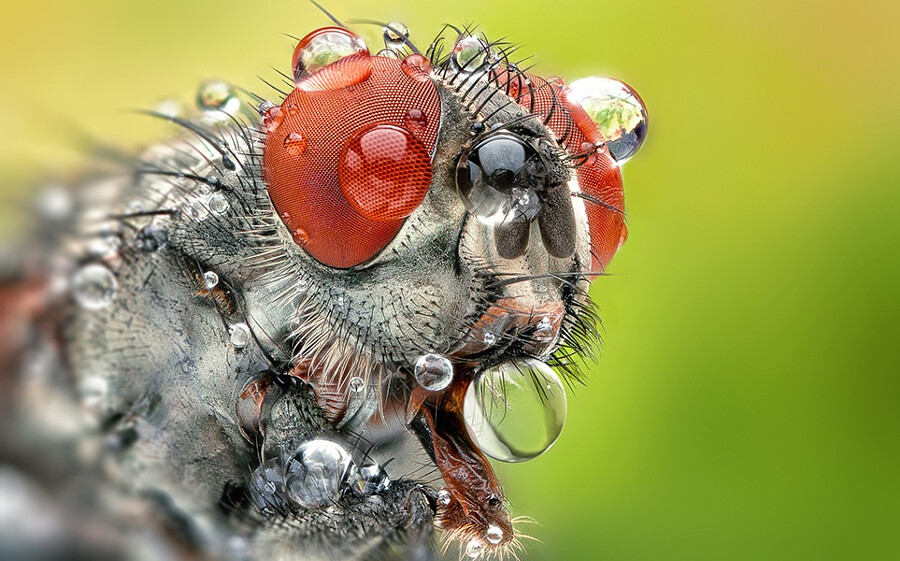
Detailed Macro Eye Photography Picture for Mobile
Discover an amazing macro eye photography background image, ideal for personalizing your devices with vibrant colors and intricate designs.
Crisp Macro Eye Photography View Art
Find inspiration with this unique macro eye photography illustration, crafted to provide a fresh look for your background.

Detailed Macro Eye Photography Scene Digital Art
Experience the crisp clarity of this stunning macro eye photography image, available in high resolution for all your screens.

Mesmerizing Macro Eye Photography Scene Nature
Explore this high-quality macro eye photography image, perfect for enhancing your desktop or mobile wallpaper.
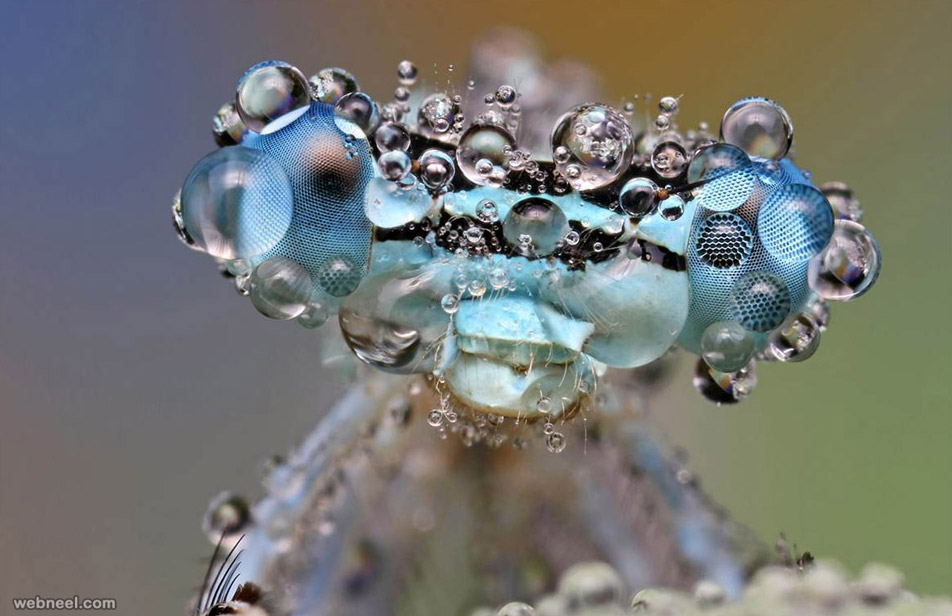
Vivid Macro Eye Photography Scene Photography
Experience the crisp clarity of this stunning macro eye photography image, available in high resolution for all your screens.

Vivid Macro Eye Photography Wallpaper in 4K
Explore this high-quality macro eye photography image, perfect for enhancing your desktop or mobile wallpaper.
Download these macro eye photography wallpapers for free and use them on your desktop or mobile devices.
0 Response to "Macro Eye Photography"
Post a Comment