Proptosis Eye
Understanding Proptosis Eye: Causes, Symptoms, and Treatment Options
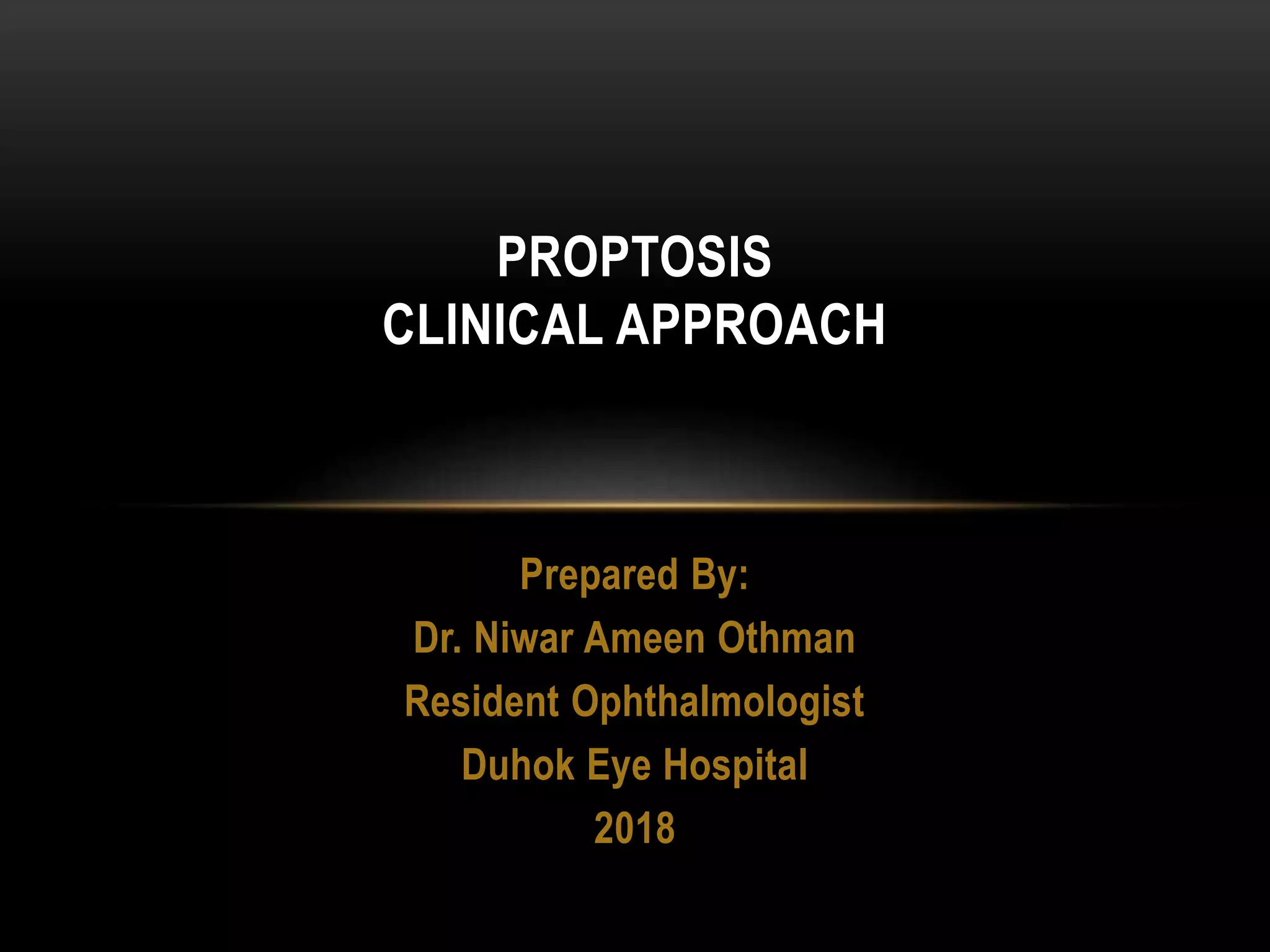
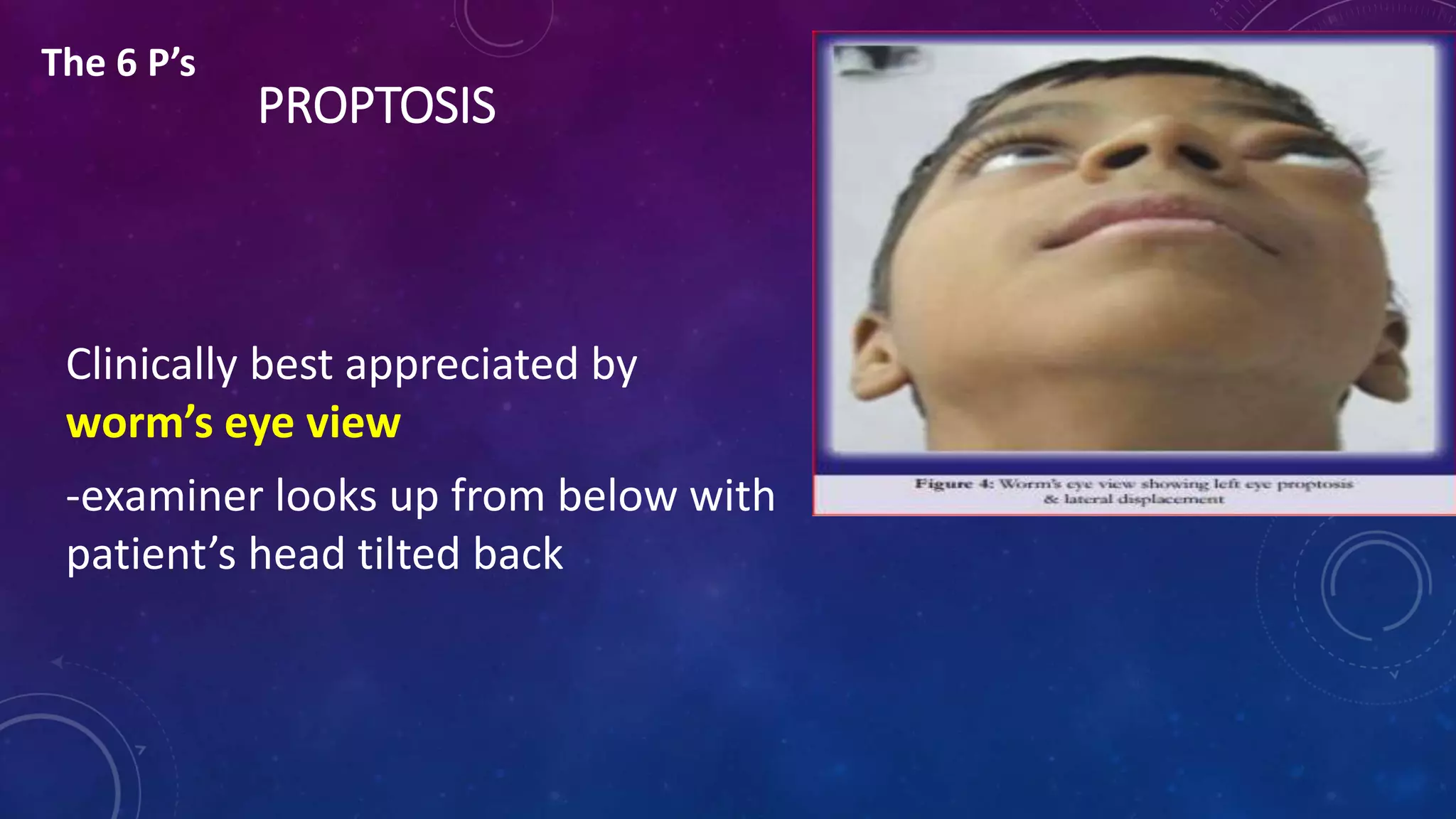
If you or someone you know has noticed an eye that seems to be bulging or protruding forward, you might be dealing with a condition known as proptosis. This term refers specifically to the displacement of the eyeball (globe) out of its natural position within the orbit (eye socket).
While the visual changes caused by a proptosis eye can be startling, it is crucial to understand that proptosis is typically a symptom of an underlying medical condition, not a disease in itself. Getting the right diagnosis early is key to successful treatment.
In this comprehensive guide, we'll walk you through everything you need to know about proptosis eye, including the most common causes, how to recognize the symptoms, and the effective treatment routes available today. Let's dive in!
What Exactly Is Proptosis Eye?
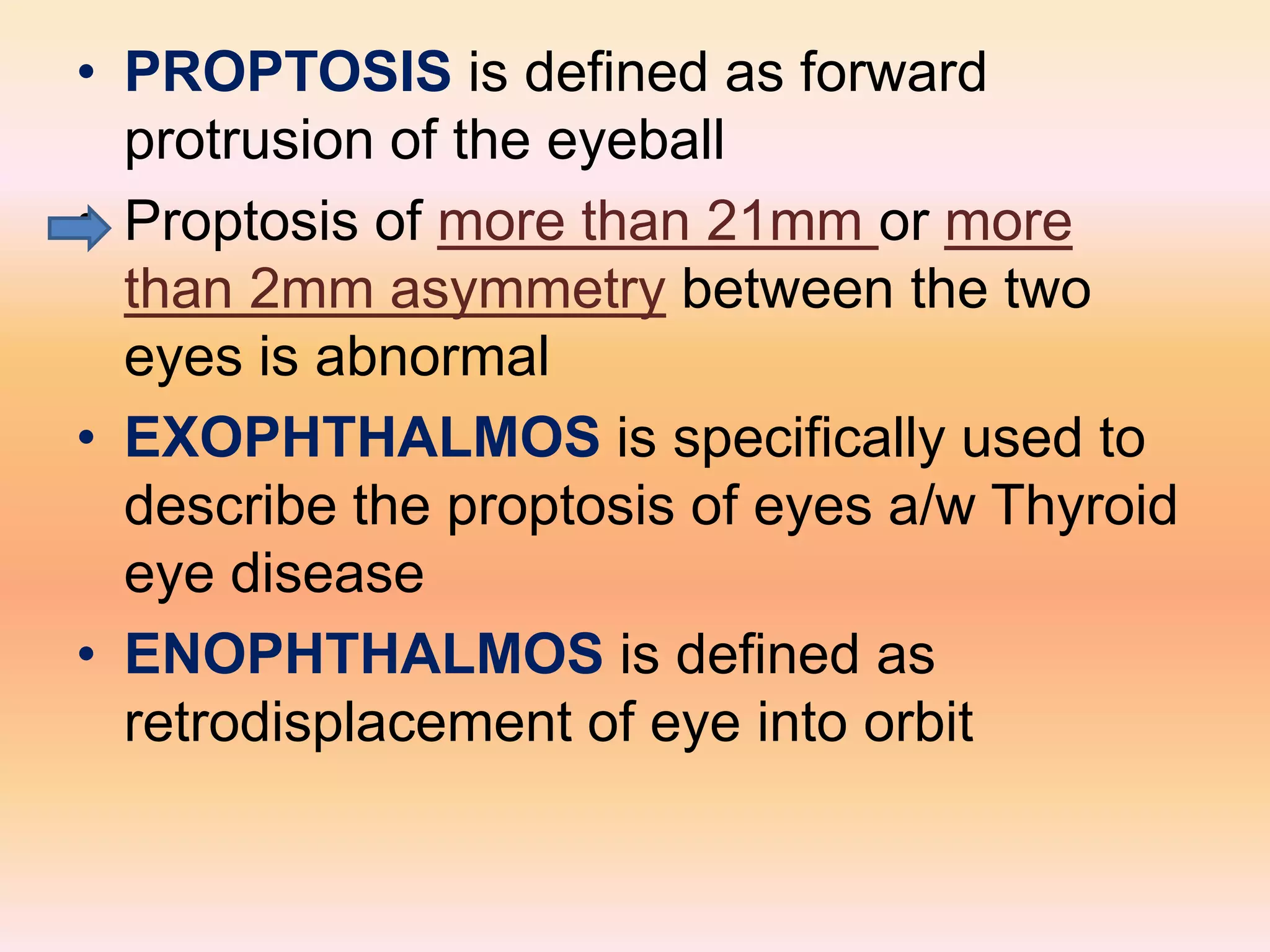
Proptosis, often used interchangeably with exophthalmos, describes the abnormal forward displacement of the eye. While exophthalmos can sometimes refer to bilateral (both eyes) protrusion, proptosis is generally used regardless of whether one or both eyes are affected.
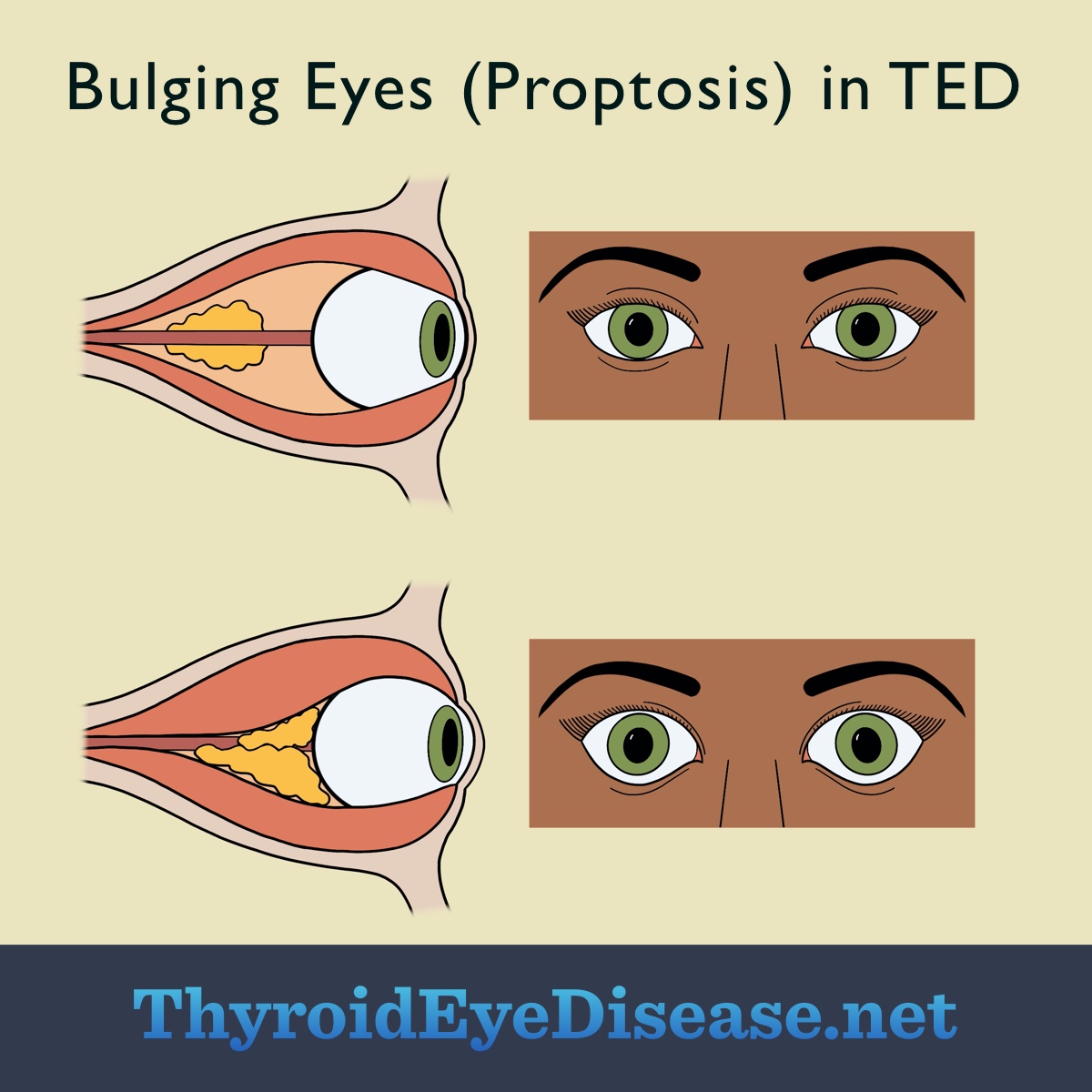
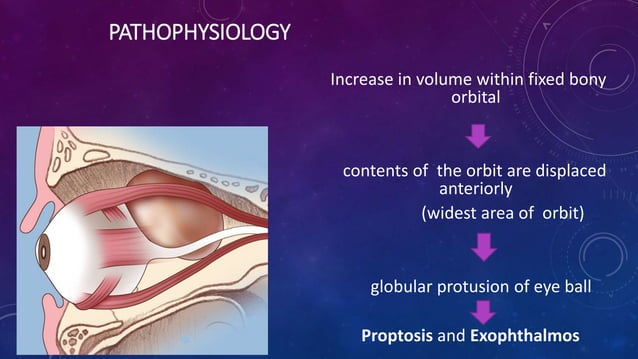
The severity of proptosis is determined by how far the eyeball has moved forward. The eye socket provides limited space; therefore, any swelling or growth behind the eye forces the globe outward. This displacement puts strain on the surrounding tissues and the optic nerve.
Understanding the structure of the eye socket helps clarify this condition. The eye sits within a cone-shaped orbit, surrounded by muscles, fat, and connective tissue. When inflammatory cells or abnormal growths expand the volume of this tissue, the eye has nowhere to go but forward.
Common Causes Behind Proptosis Eye
The reasons why someone develops a proptosis eye are varied, ranging from autoimmune disorders to serious orbital masses. Identifying the root cause is the immediate goal of any eye specialist.
Here are the most frequent culprits leading to proptosis:
- Thyroid Dysfunction: By far the leading cause, specifically related to Graves' Disease.
- Orbital Cellulitis: A severe infection of the eye socket tissues.
- Orbital Tumors: Both benign and malignant growths within the orbit.
- Vascular Abnormalities: Such as arteriovenous malformations that increase blood flow and pressure behind the eye.
- Trauma: Bleeding or swelling following a significant injury to the face or eye area.
Thyroid Eye Disease (Graves' Ophthalmopathy)
The vast majority of proptosis cases stem from Thyroid Eye Disease (TED), also known as Graves' Ophthalmopathy. This condition is an autoimmune disorder often associated with hyperthyroidism (an overactive thyroid).
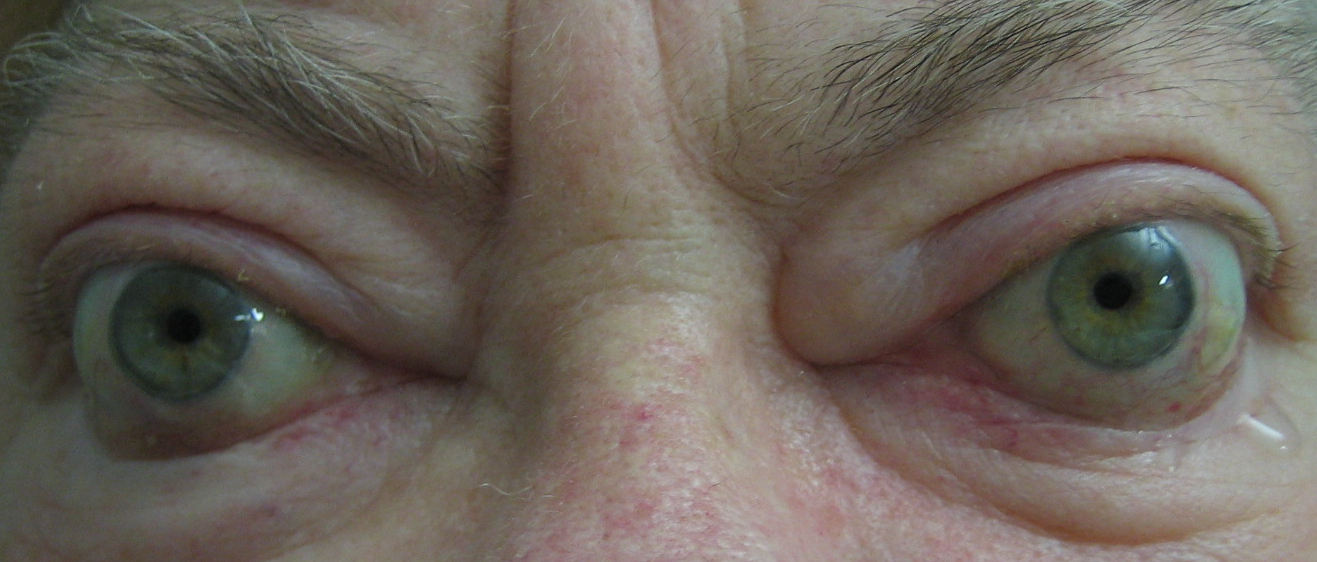
In TED, the immune system mistakenly attacks tissues in the eye socket, especially the muscles and fat behind the eye. This inflammatory process causes them to swell, pushing the eyeball forward. This type of proptosis eye is usually bilateral, affecting both eyes, though one may be more pronounced than the other.
Managing TED requires careful coordination between an endocrinologist and an ophthalmologist, focusing both on stabilizing thyroid hormone levels and treating the localized eye inflammation.
Orbital Tumors and Infections
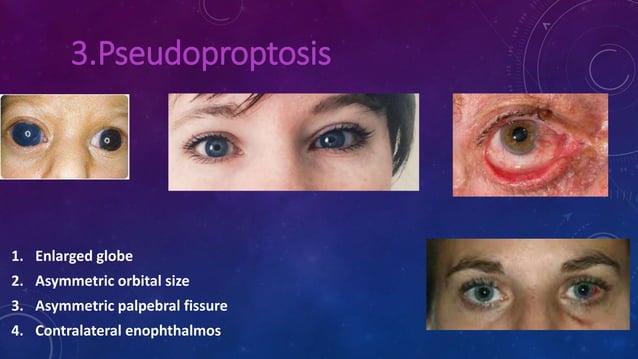
When proptosis occurs in only one eye (unilateral proptosis), doctors often look closely for growths or infections. Orbital tumors, whether they are slow-growing benign masses or more aggressive malignant cancers, can occupy space and rapidly displace the eye.
Orbital cellulitis is a bacterial infection of the tissues surrounding the eye. It is an extremely serious and fast-moving condition, usually accompanied by fever, pain, and severe redness. Because the infection causes significant swelling, it can lead to acute proptosis and requires immediate, aggressive treatment with IV antibiotics to prevent vision loss or spread of the infection to the brain.
Recognizing the Signs and Symptoms
How do you know if you are experiencing proptosis versus simply having naturally prominent eyes? Proptosis involves more than just a cosmetic change; it often includes a set of uncomfortable and sometimes dangerous symptoms.
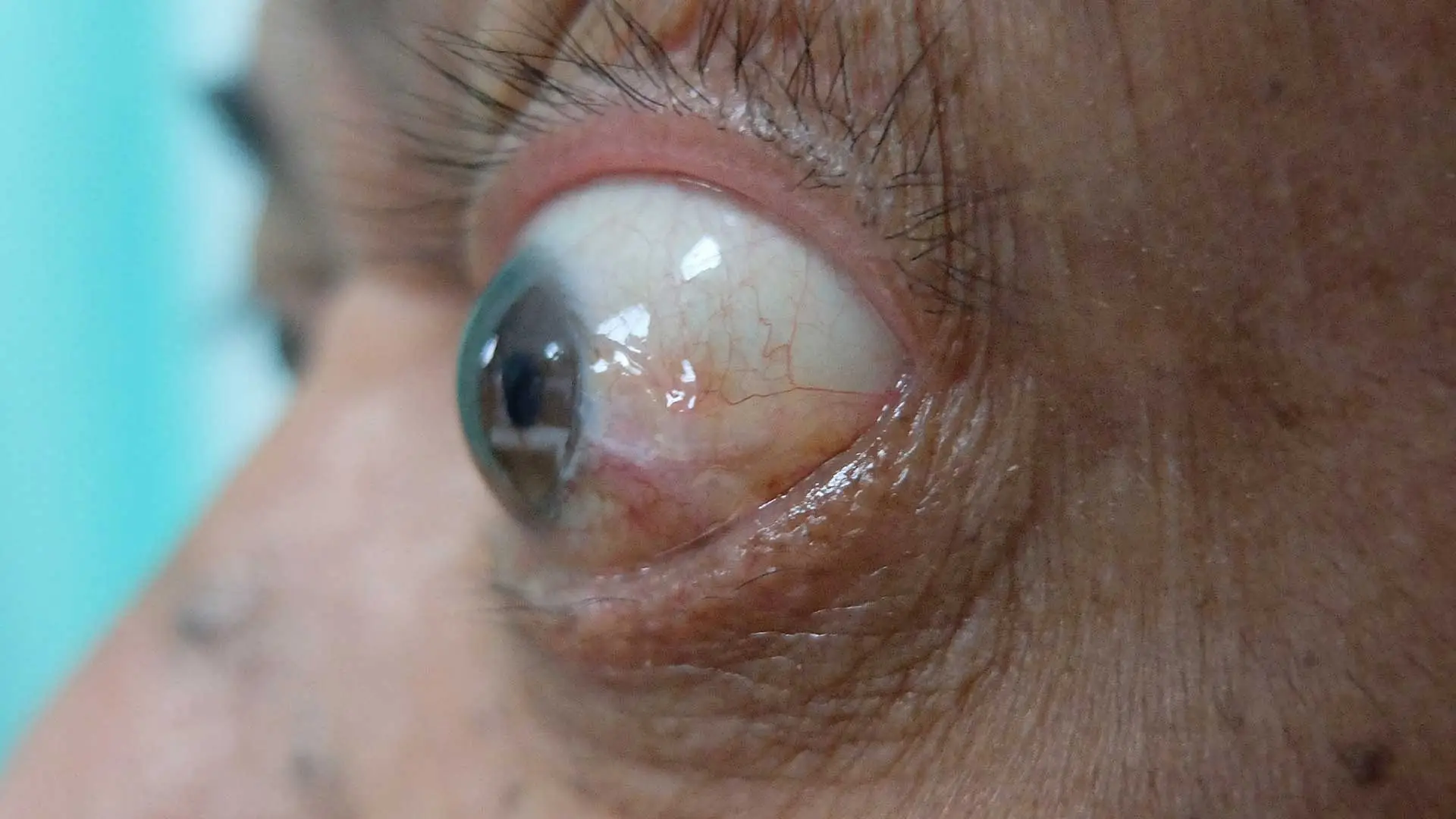
The most obvious sign is the visible bulging of one or both eyes. However, there are many secondary symptoms resulting from the eye being pushed out of alignment and the eyelids struggling to close fully.
Look out for these accompanying issues:
- Lid Lag: The upper eyelid appears higher than normal, especially when looking down.
- Increased Blinking or Tearing: Due to irritation and dryness.
- Sensation of Pressure: A feeling of tightness or fullness behind the eye.
- Redness and Swelling: Inflammation of the conjunctiva (the white part of the eye).
- Difficulty Closing Eyes: Leading to exposure keratitis (damage to the cornea).
Visual Changes and Discomfort
Beyond the physical protrusion, a proptosis eye can significantly impact vision quality. Since the eye muscles are often inflamed or stretched, they may not coordinate properly, leading to diplopia (double vision).
Perhaps the most serious complication of severe proptosis is damage to the optic nerve. If the pressure behind the eye becomes too great, the nerve connecting the eye to the brain can be compressed. This compression can cause progressive vision loss, making regular monitoring essential.
Furthermore, because the eyelids may not cover the cornea completely, chronic dryness and irritation are common. This requires frequent lubrication and sometimes specialized eyewear to protect the ocular surface.
Diagnosis and Treatment Options
If you notice any signs of a protruding eye, seeking help from an ophthalmologist or an oculoplastic specialist is critical. Diagnosis typically starts with a thorough eye exam and specialized measurements.
Doctors use an instrument called an exophthalmometer to precisely measure the degree of proptosis. They will also perform visual field tests and fundoscopy to check the health of the optic nerve.
To confirm the underlying cause, imaging is almost always required. A CT scan or MRI of the orbits provides detailed images of the tissues, muscles, and bones, helping to pinpoint if the cause is inflammation, a tumor, or fluid buildup.
When Should You See a Doctor?
If the onset of proptosis is sudden, painful, and accompanied by fever or severe vision change, this constitutes a medical emergency. Do not wait; seek immediate care, as this could indicate orbital cellulitis or optic nerve compression.
For more gradual cases, once the diagnosis of proptosis eye is established, treatment focuses entirely on addressing the underlying disease.
Treatment paths vary significantly:
- For Thyroid Eye Disease: Steroids or targeted immunomodulatory medications may be used to reduce inflammation. In severe cases, orbital decompression surgery is performed to widen the socket and relieve pressure.
- For Infections: Aggressive antibiotic therapy, often delivered intravenously, is required.
- For Tumors: Depending on whether the tumor is benign or malignant, treatment may involve surgical removal, radiation, or chemotherapy.
- Symptomatic Relief: Eye drops, ointments, or taping the eyes shut at night are common strategies to prevent corneal damage due to exposure.
Conclusion: Taking Action on Proptosis Eye
Discovering that you have a proptosis eye can be concerning, but remember that modern medicine offers excellent diagnostic tools and effective treatments. Whether the cause is common, like Graves' disease, or something rarer, identifying the underlying issue quickly is the path to recovery.
The key takeaway is never to ignore the symptoms of an eye protrusion. Early intervention not only helps alleviate discomfort and cosmetic changes but, most importantly, protects your long-term vision. If you suspect proptosis, schedule an appointment with an eye specialist today to ensure your eyes remain healthy and protected.
Frequently Asked Questions (FAQ) About Proptosis Eye
- Can Proptosis Eye be reversed?
- Yes, in many cases, proptosis can be reversed or significantly reduced. If the underlying cause, such as inflammation from Thyroid Eye Disease or an infection, is treated effectively, the swelling can subside. Severe or long-standing proptosis may require surgical intervention, like orbital decompression, to push the eye back into a more natural position.
- Is Proptosis always painful?
- Not always. Proptosis caused by gradual conditions like Graves' disease may only cause pressure or discomfort, but not sharp pain. However, proptosis caused by acute infections (orbital cellulitis) or rapid-growing tumors is typically accompanied by severe pain, redness, and headache.
- How long does it take for Proptosis to develop?
- The timeline varies significantly based on the cause. Proptosis related to thyroid disorders usually develops slowly over several months or even years. Conversely, proptosis due to trauma or acute infection can develop rapidly, sometimes within hours or days, and is much more urgent.
- Does Proptosis affect both eyes?
- Proptosis is often bilateral (affects both eyes), especially when caused by systemic conditions like Thyroid Eye Disease. However, it can also be unilateral (affecting only one eye), which is more commonly associated with localized issues such as tumors, infections, or trauma.
Proptosis Eye
Proptosis Eye Wallpapers
Collection of proptosis eye wallpapers for your desktop and mobile devices.

Exquisite Proptosis Eye Capture Collection
Immerse yourself in the stunning details of this beautiful proptosis eye wallpaper, designed for a captivating visual experience.

Mesmerizing Proptosis Eye Scene in 4K
Discover an amazing proptosis eye background image, ideal for personalizing your devices with vibrant colors and intricate designs.

Exquisite Proptosis Eye Wallpaper for Your Screen
A captivating proptosis eye scene that brings tranquility and beauty to any device.

Vivid Proptosis Eye Image for Your Screen
Experience the crisp clarity of this stunning proptosis eye image, available in high resolution for all your screens.

Gorgeous Proptosis Eye Background Illustration
A captivating proptosis eye scene that brings tranquility and beauty to any device.

Detailed Proptosis Eye Wallpaper for Desktop
Transform your screen with this vivid proptosis eye artwork, a true masterpiece of digital design.
Breathtaking Proptosis Eye Design for Desktop
Experience the crisp clarity of this stunning proptosis eye image, available in high resolution for all your screens.

Mesmerizing Proptosis Eye Landscape in 4K
Discover an amazing proptosis eye background image, ideal for personalizing your devices with vibrant colors and intricate designs.

Amazing Proptosis Eye View Photography
Discover an amazing proptosis eye background image, ideal for personalizing your devices with vibrant colors and intricate designs.

Detailed Proptosis Eye Abstract in 4K
Experience the crisp clarity of this stunning proptosis eye image, available in high resolution for all your screens.
Vibrant Proptosis Eye Artwork Illustration
Explore this high-quality proptosis eye image, perfect for enhancing your desktop or mobile wallpaper.

Beautiful Proptosis Eye Scene Nature
Experience the crisp clarity of this stunning proptosis eye image, available in high resolution for all your screens.
Spectacular Proptosis Eye Artwork Illustration
Immerse yourself in the stunning details of this beautiful proptosis eye wallpaper, designed for a captivating visual experience.
High-Quality Proptosis Eye Artwork Digital Art
Discover an amazing proptosis eye background image, ideal for personalizing your devices with vibrant colors and intricate designs.
High-Quality Proptosis Eye Wallpaper for Your Screen
Explore this high-quality proptosis eye image, perfect for enhancing your desktop or mobile wallpaper.

Beautiful Proptosis Eye Picture Concept
Explore this high-quality proptosis eye image, perfect for enhancing your desktop or mobile wallpaper.
Stunning Proptosis Eye Capture for Mobile
Find inspiration with this unique proptosis eye illustration, crafted to provide a fresh look for your background.
Amazing Proptosis Eye Capture in HD
Discover an amazing proptosis eye background image, ideal for personalizing your devices with vibrant colors and intricate designs.
Artistic Proptosis Eye Abstract in 4K
This gorgeous proptosis eye photo offers a breathtaking view, making it a perfect choice for your next wallpaper.

Detailed Proptosis Eye Picture in 4K
Explore this high-quality proptosis eye image, perfect for enhancing your desktop or mobile wallpaper.
Download these proptosis eye wallpapers for free and use them on your desktop or mobile devices.
0 Response to "Proptosis Eye"
Post a Comment