Pupil Function Eye
The Ultimate Guide to Pupil Function Eye: Understanding Your Window to the Soul
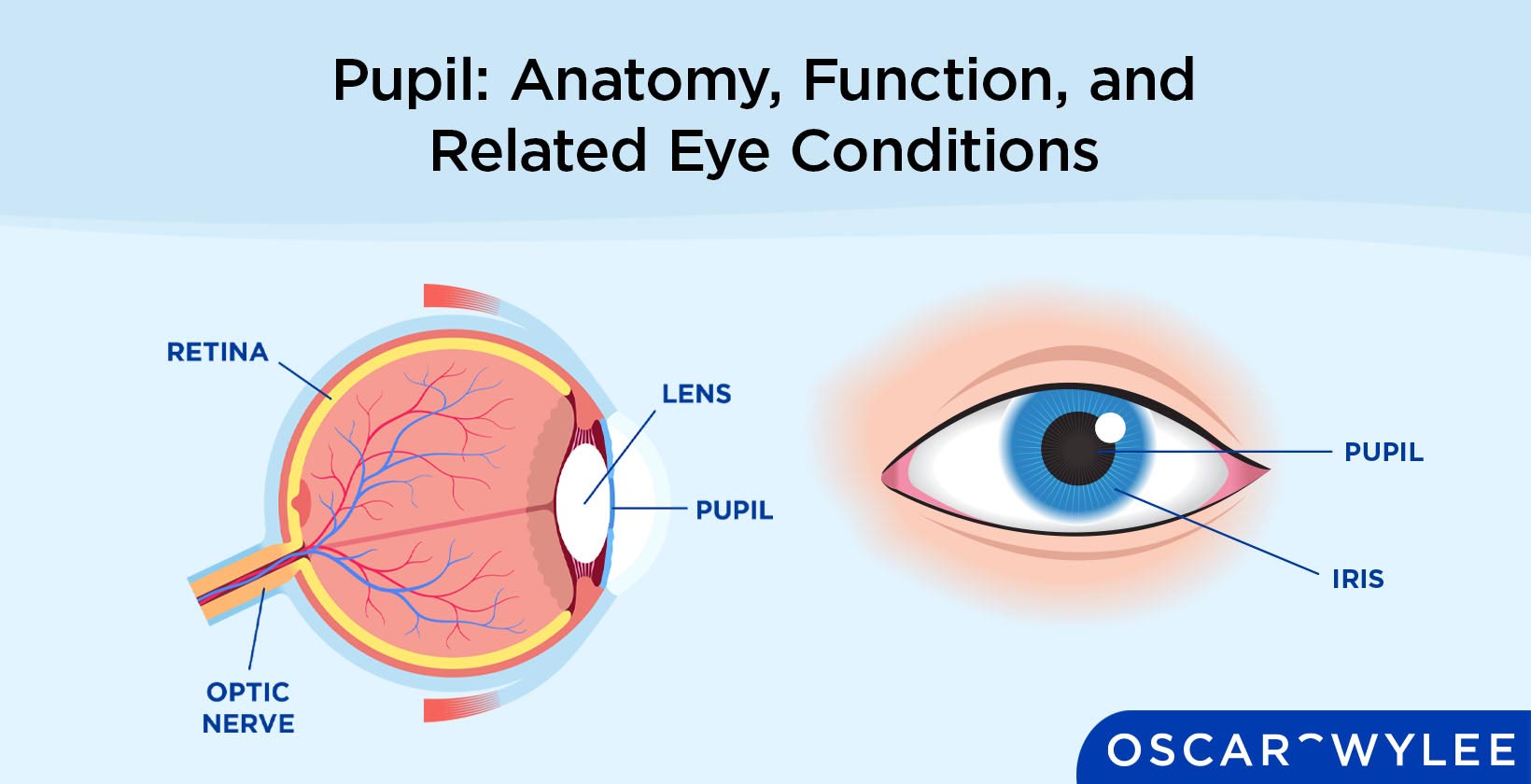
Have you ever looked closely at someone's eye and noticed that black circle in the center expanding and shrinking? That little black spot, the pupil, is far more complex than just a hole. It's a critical component of your vision system and a fascinating indicator of overall health. If you are curious about the mechanics of sight or just want to understand what makes your eyes tick, diving into the world of the Pupil Function Eye is essential.
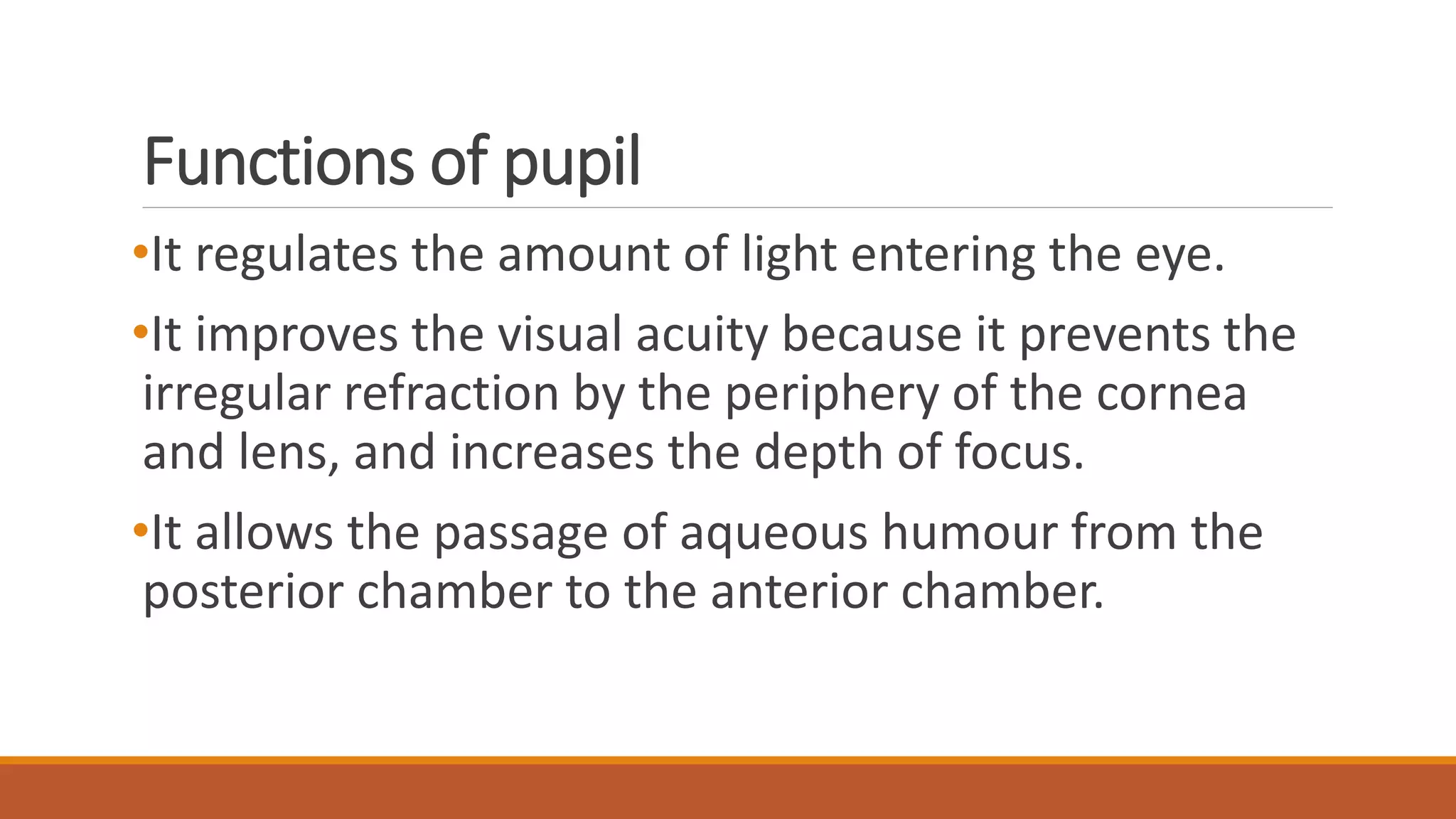
In essence, the function of the pupil is to regulate the amount of light that enters your eye, much like the aperture on a camera. This seemingly simple job involves a complex interplay of muscles and nerve signals. Let's break down exactly how this function works and why it matters so much to your day-to-day life.
What Exactly is the Pupil Function Eye?
The term Pupil Function Eye refers to the pupil's ability to change size in response to various stimuli, primarily light intensity, and sometimes even emotional state. This function is involuntary, meaning you cannot consciously control it. It's an automatic reflex managed by the autonomic nervous system.
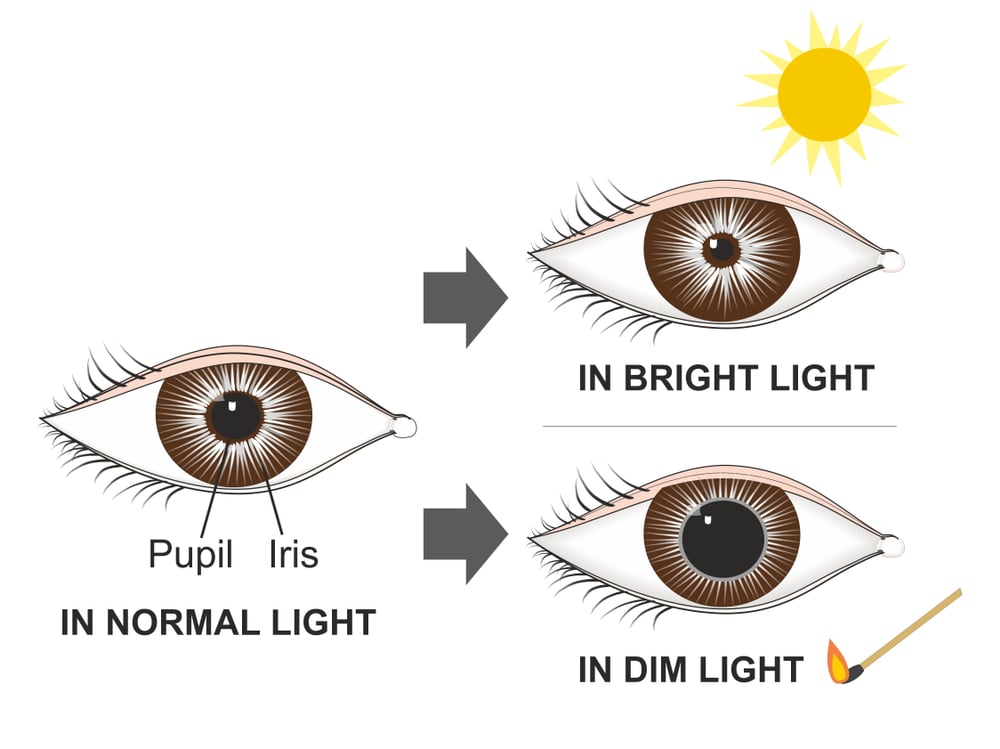
When there is too much light, the pupil constricts (gets smaller) to protect the sensitive retina from damage and improve depth of field. Conversely, in dim environments, the pupil dilates (gets larger) to maximize light intake, helping you see better in the dark.
Understanding this fundamental process is key because any disruption to the pupillary response can signal underlying issues, not just in the eye itself, but often in the neurological pathways connecting the brain and the optic nerve.
The Amazing Muscles Behind the Magic
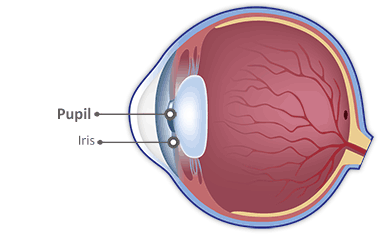
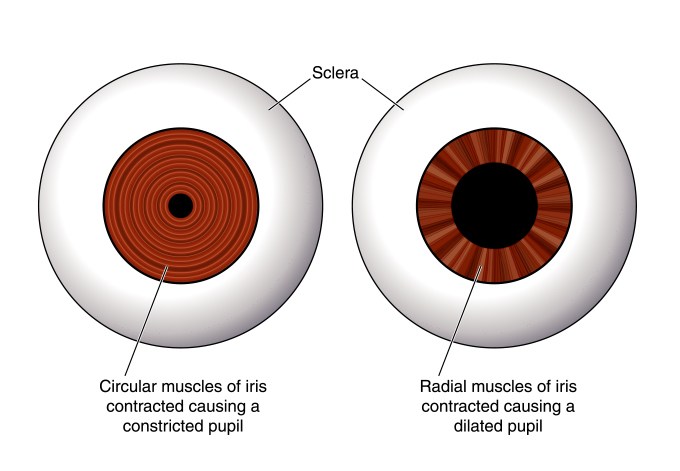
The pupil itself doesn't move; it's just an opening. The movement—dilation and constriction—is controlled entirely by the iris, the colored part of your eye. The iris contains two specialized sets of involuntary muscles that work in opposition to achieve the remarkable precision of the pupil's function.
The Sphincter Pupillae (Constriction)
These muscles are arranged circularly, like a tiny doughnut surrounding the pupil. They are controlled by the parasympathetic nervous system. When activated, they contract tightly, causing the pupil to become smaller, which is known as miosis. This is typically what happens when you step outside on a very sunny day.
The Dilator Pupillae (Dilation)
These muscles radiate outward like spokes on a bicycle wheel. They are controlled by the sympathetic nervous system, often associated with the 'fight or flight' response. When these muscles contract, they pull the pupil open, causing mydriasis (dilation). This response can be triggered by low light, or even excitement or fear.
The Pupil Light Reflex: Your Eye's Automatic Sensor
The most famous aspect of the Pupil Function Eye is the light reflex. When light hits one eye, both pupils should constrict simultaneously and equally. This demonstrates a well-functioning nervous system pathway. The eye that receives the light and constricts is the direct response, while the opposite eye's constriction is the consensual response.
This coordinated reflex involves a sophisticated neural circuit. Light energy is converted into signals by the retina, which travels via the optic nerve to the midbrain. From there, signals travel back out through the oculomotor nerve (Cranial Nerve III) to command the sphincter muscles to contract.
Why Testing the Pupil Function Eye is Crucial
Pupil function tests are non-invasive and highly informative tools used by doctors and optometrists. They are fundamental in a comprehensive eye exam, but their importance goes far beyond simple vision checks. A sluggish or abnormal pupillary response can act as a crucial early warning sign.
Testing the Pupil Function Eye helps identify:
- Optic Nerve Damage: If the afferent (incoming) pathway is damaged, the pupil may not respond correctly to light.
- Neurological Conditions: Issues like Horner's syndrome or Adie's tonic pupil often present with distinct pupillary abnormalities, indicating problems in the nervous system itself.
- Brain Injury or Compression: In emergency settings, checking for fixed or unequal pupils is a fast way to assess severe head trauma.
- Retinal Disease: While rare, certain widespread retinal diseases can affect the quality of the light input, thereby impacting the reflex.
Common Issues Affecting Pupil Function
While most people enjoy perfect, symmetrical pupil function, various conditions can throw this delicate balance off. Recognizing these issues is the first step toward diagnosis and treatment. Always consult an eye care professional if you notice persistent changes in your pupil size or response.
Anisocoria (Unequal Pupils)
Anisocoria is simply the condition where the pupils are noticeably different sizes. A small percentage of the population has "physiologic anisocoria," meaning their unequal sizes are normal for them and harmless. However, new-onset anisocoria can be serious, indicating potential damage to the nerves controlling pupil size.
Causes range from benign eye inflammation to severe neurological events, like aneurysms pressing on the third cranial nerve. The crucial step is determining which pupil is abnormal—the smaller one failing to dilate, or the larger one failing to constrict.
Afferent Pupillary Defect (APD)
An APD, also known as a Marcus Gunn pupil, is a sign that one eye is not sensing light as well as the other. This usually points to significant damage to the optic nerve or severe retinal disease in that affected eye. Although the eye can see light, the signal sent to the brain is weaker, resulting in a suboptimal pupil response.
The diagnosis relies on the "swinging flashlight test," a fundamental test of the Pupil Function Eye. If an APD is present, here is what happens:
- When the light shines on the good eye, both pupils constrict normally.
- When the light quickly swings over to the affected eye, both pupils will paradoxically dilate, because the affected eye detects less light than the healthy one just did.
- When the light swings back to the good eye, both pupils constrict again.
Keeping Your Pupils Healthy
While you can't manually control your pupil size, supporting overall eye and neurological health is the best way to ensure proper function. Since the pupil response is so reliant on the nervous system, general wellness plays a huge role.
Here are some proactive steps you can take:
- Wear Sunglasses: Protect your retinas from excessive UV light. Overexposure can damage the light-sensing cells, potentially weakening the afferent pathway over time.
- Manage Blood Pressure: Uncontrolled hypertension can damage the tiny blood vessels that supply the optic nerve, potentially leading to optic nerve issues that impact pupil function.
- Regular Comprehensive Eye Exams: Ensure that your eye doctor regularly performs the swinging flashlight test to catch subtle changes in the Pupil Function Eye early on.
- Stay Hydrated and Nourished: A diet rich in antioxidants (like Vitamins C and E) supports nerve and vascular health, which is vital for the pupillary muscles and neurological pathways.
Conclusion: The Insight Provided by Pupil Function Eye
The pupil may seem like a simple black circle, but its precise function is a true biological marvel, demonstrating the sophisticated connection between your eyes and your brain. The continuous, reflexive adjustments of the Pupil Function Eye ensure we receive optimal visual information while protecting the delicate inner structures of the retina.
Whether responding to a sudden burst of sunlight or indicating a complex neurological condition, the pupils offer invaluable insight into the state of our health. If you ever notice changes in how your pupils react to light or if they appear suddenly unequal, make sure to seek immediate professional guidance. Taking care of your eyes means understanding the incredible work done by these tiny, tireless apertures.
Frequently Asked Questions (FAQ) About Pupil Function Eye
- What is the normal reaction of the pupil to light?
- The normal reaction is constriction (getting smaller) when exposed to bright light. This should happen quickly and equally in both eyes, even if only one eye is stimulated.
- Can stress or emotion affect pupil function?
- Yes. Since pupil dilation is controlled by the sympathetic nervous system (part of the 'fight or flight' response), feelings of fear, high stress, or intense concentration can cause the pupils to dilate, even in normal lighting conditions.
- Does the Pupil Function Eye change with age?
- Yes, it does. As we age, the pupils tend to become smaller (senile miosis), and their speed of reaction to light changes slows down (sluggish response). This is a normal part of aging due to muscle stiffness.
- What is fixed pupil function?
- A fixed pupil means the pupil does not react to changes in light at all—it stays either dilated or constricted. This is often a sign of severe trauma, neurological damage, or the effect of certain medications.
- Can medication affect the Pupil Function Eye?
- Absolutely. Many medications, including anticholinergics, opioids, and certain antidepressant drugs, can interfere with the signals sent to the iris muscles, causing pupils to become either abnormally large or abnormally small.
Pupil Function Eye
Pupil Function Eye Wallpapers
Collection of pupil function eye wallpapers for your desktop and mobile devices.
Exquisite Pupil Function Eye Capture Concept
This gorgeous pupil function eye photo offers a breathtaking view, making it a perfect choice for your next wallpaper.

Breathtaking Pupil Function Eye Artwork for Mobile
Experience the crisp clarity of this stunning pupil function eye image, available in high resolution for all your screens.
Artistic Pupil Function Eye Design Photography
Immerse yourself in the stunning details of this beautiful pupil function eye wallpaper, designed for a captivating visual experience.
Amazing Pupil Function Eye Picture Digital Art
Transform your screen with this vivid pupil function eye artwork, a true masterpiece of digital design.

Serene Pupil Function Eye Capture Art
Transform your screen with this vivid pupil function eye artwork, a true masterpiece of digital design.
Detailed Pupil Function Eye Landscape Digital Art
Experience the crisp clarity of this stunning pupil function eye image, available in high resolution for all your screens.

High-Quality Pupil Function Eye Landscape Illustration
Transform your screen with this vivid pupil function eye artwork, a true masterpiece of digital design.
Vibrant Pupil Function Eye Picture Concept
Explore this high-quality pupil function eye image, perfect for enhancing your desktop or mobile wallpaper.
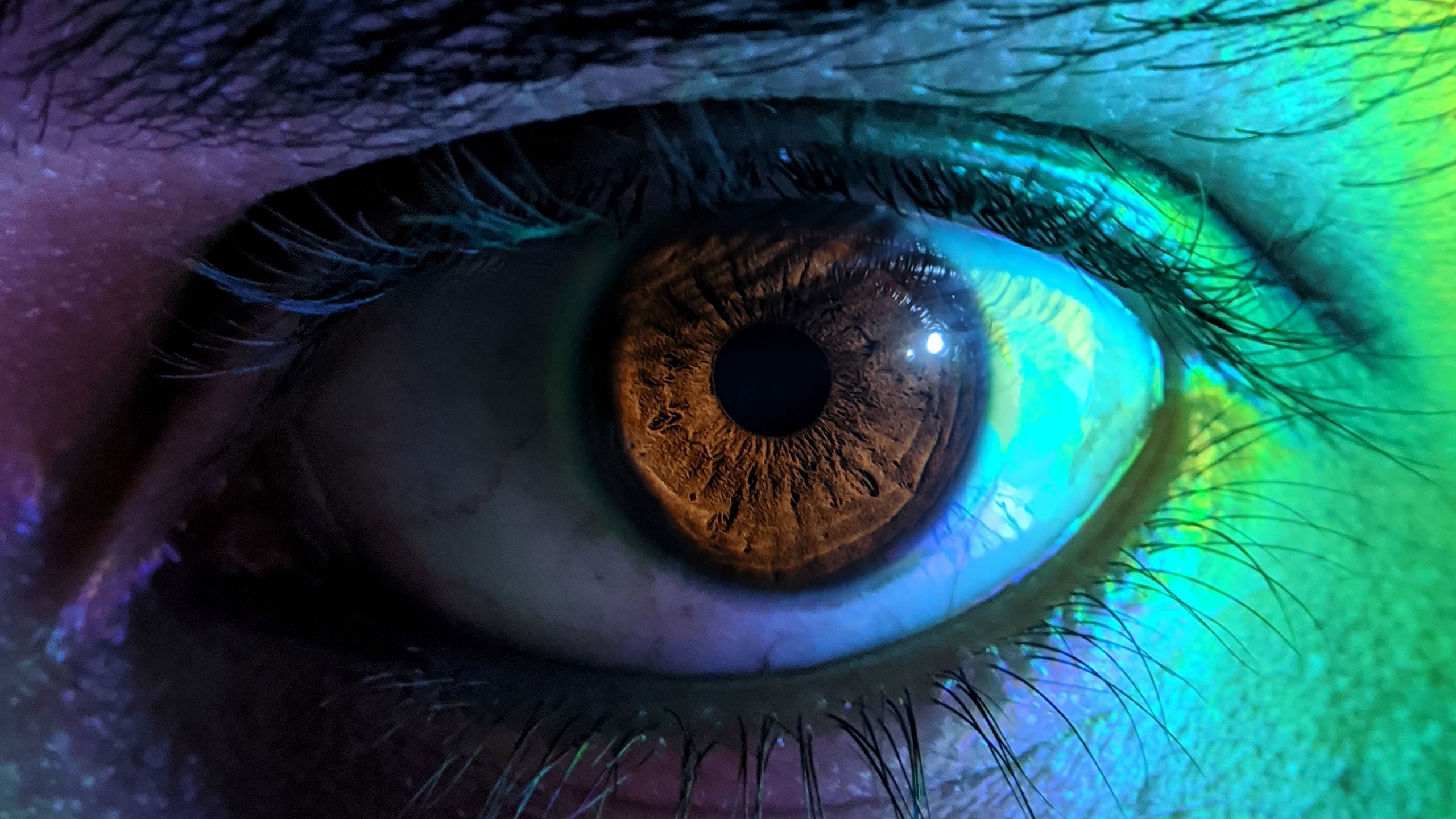
Detailed Pupil Function Eye Capture Collection
Transform your screen with this vivid pupil function eye artwork, a true masterpiece of digital design.

High-Quality Pupil Function Eye Wallpaper Nature
Experience the crisp clarity of this stunning pupil function eye image, available in high resolution for all your screens.
Crisp Pupil Function Eye Image for Desktop
Immerse yourself in the stunning details of this beautiful pupil function eye wallpaper, designed for a captivating visual experience.

Vibrant Pupil Function Eye Background Photography
Transform your screen with this vivid pupil function eye artwork, a true masterpiece of digital design.
Vibrant Pupil Function Eye Abstract Photography
Discover an amazing pupil function eye background image, ideal for personalizing your devices with vibrant colors and intricate designs.
:+Iris+(I):+Have+Two+muscle+fibers:.jpg "Crisp Pupil Function Eye Design Photography")
Crisp Pupil Function Eye Design Photography
Immerse yourself in the stunning details of this beautiful pupil function eye wallpaper, designed for a captivating visual experience.
Artistic Pupil Function Eye View for Desktop
This gorgeous pupil function eye photo offers a breathtaking view, making it a perfect choice for your next wallpaper.
Amazing Pupil Function Eye Artwork for Desktop
Transform your screen with this vivid pupil function eye artwork, a true masterpiece of digital design.
/GettyImages-695204442-b9320f82932c49bcac765167b95f4af6.jpg "Exquisite Pupil Function Eye Scene Art")
Exquisite Pupil Function Eye Scene Art
This gorgeous pupil function eye photo offers a breathtaking view, making it a perfect choice for your next wallpaper.
High-Quality Pupil Function Eye Picture for Your Screen
Discover an amazing pupil function eye background image, ideal for personalizing your devices with vibrant colors and intricate designs.
Lush Pupil Function Eye Artwork Photography
This gorgeous pupil function eye photo offers a breathtaking view, making it a perfect choice for your next wallpaper.
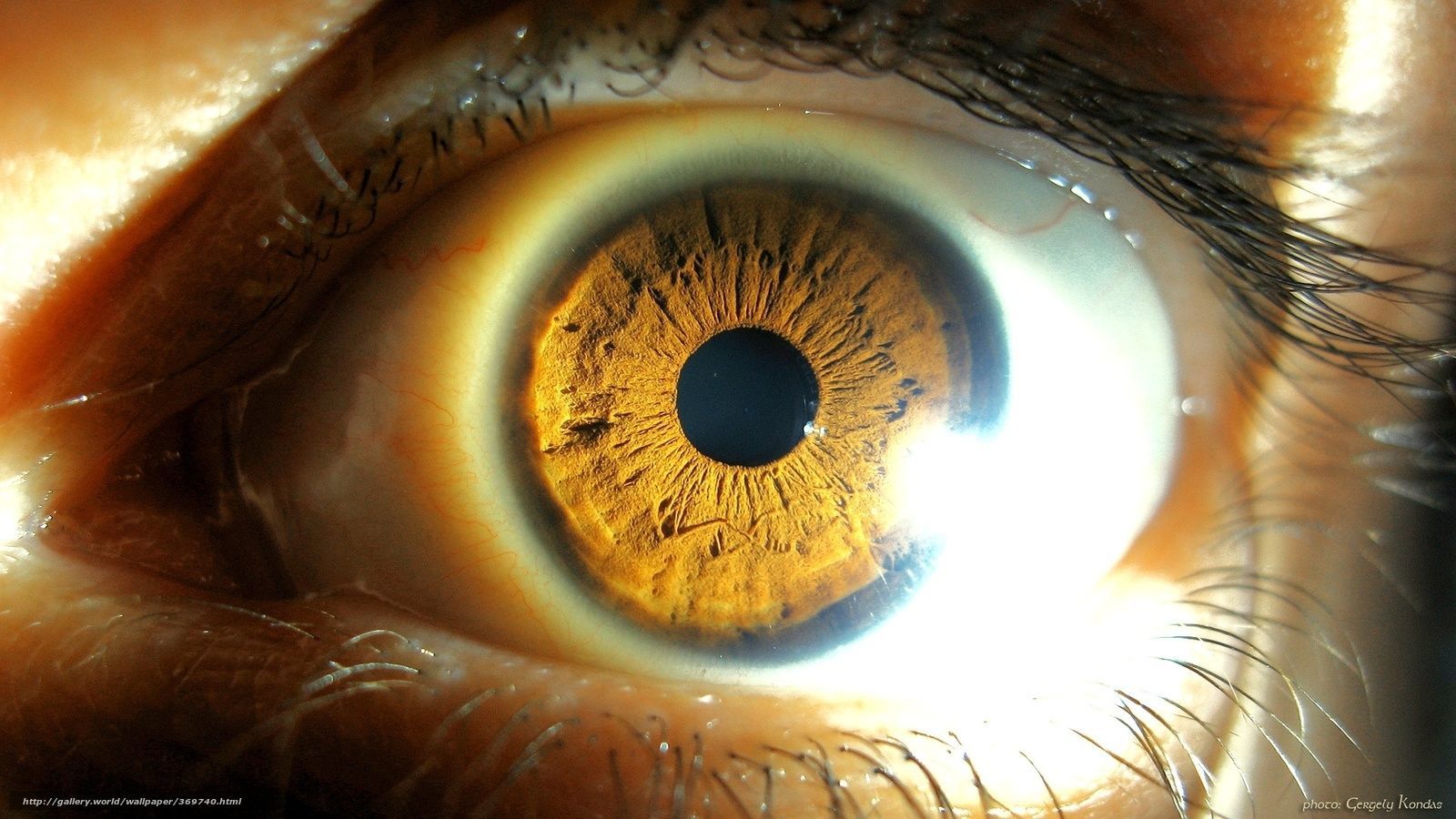
Crisp Pupil Function Eye Moment Illustration
Find inspiration with this unique pupil function eye illustration, crafted to provide a fresh look for your background.
Download these pupil function eye wallpapers for free and use them on your desktop or mobile devices.
0 Response to "Pupil Function Eye"
Post a Comment