Treatment Of Eye Stroke
Treatment Of Eye Stroke: A Crucial Guide to Saving Your Sight
Hearing the term "eye stroke" can be terrifying, and rightly so. This condition—medically known as Retinal Artery Occlusion or Retinal Vein Occlusion—is a true emergency that threatens your vision. If you or a loved one is experiencing sudden, painless vision loss, time is sight. Seeking immediate medical attention is not just recommended; it is mandatory.
The goal of the initial response and subsequent care is to restore blood flow to the retina as quickly as possible to prevent permanent damage. Understanding the different facets of the successful Treatment Of Eye Stroke is essential for anyone dealing with this stressful diagnosis. We're here to walk you through what happens next and the steps doctors take to protect your precious vision.
Recognizing the Emergency: Symptoms and Immediate Steps
The first and most critical step in managing an eye stroke is recognizing the symptoms right away. Unlike a cerebral stroke, an eye stroke is usually painless, which sometimes causes people to delay seeking help. However, every minute counts in preserving the retina's delicate function.
If the blockage is in the main artery, vision loss can be profound and immediate. If the blockage is in a vein or a smaller artery branch, the vision loss might be gradual or less severe, but it still requires urgent care. Do not wait for symptoms to resolve on their own.
Key symptoms that indicate an eye stroke include:
- Sudden, severe, and painless loss of vision in one eye.
- A gray or black shade passing over part or all of your field of vision (often described as a curtain coming down).
- Fluctuating vision that comes and goes rapidly (transient vision loss).
- Blurred vision that doesn't clear up after blinking.
If these symptoms occur, call emergency services immediately. Time windows for effective intervention are often narrow, sometimes as short as 90 minutes to a few hours.
Understanding the Types of Eye Strokes
When discussing the Treatment Of Eye Stroke, doctors first need to identify the exact structure that is blocked. The treatment protocols differ significantly depending on whether an artery or a vein is involved.
The two main types are Central Retinal Artery Occlusion (CRAO) and Central Retinal Vein Occlusion (CRVO), or their branch counterparts (BRAO/BRVO).
Central Retinal Artery Occlusion (CRAO): This is the most severe type and is often caused by an embolus—a small clot or piece of plaque that has traveled from the heart or neck arteries. Since the artery supplies oxygen-rich blood, the retina starts to die rapidly without intervention.
Central Retinal Vein Occlusion (CRVO): This occurs when the vein, which drains deoxygenated blood and waste products, is blocked. This causes blood to back up, leading to fluid leakage, swelling (edema), and hemorrhaging in the retina. While still an emergency, the vision damage is often less immediate than with CRAO, and chronic management is usually necessary.
Immediate Treatment Of Eye Stroke: The Race Against Time
For patients suffering from CRAO, the immediate goal of the Treatment Of Eye Stroke is to dislodge the clot and restore blood flow within the first crucial hours. If too much time passes, the vision loss becomes irreversible.
The methods used aim to reduce the intraocular pressure (IOP) in the eye, which can help widen the blood vessel and allow the clot to move further downstream into a smaller vessel, minimizing overall damage.
Non-Surgical Techniques in the ER
When you arrive in the emergency room, ophthalmologists may quickly try several non-invasive techniques to tackle the blockage. These methods are designed to be performed rapidly to maximize the chance of success.
The standard immediate protocols include:
- Ocular Massage: The doctor gently and firmly massages the eyeball through the closed lid. This rapid pressure change may help physically move the clot.
- IOP Lowering Medication: Medications like Acetazolamide (a diuretic) may be administered intravenously or orally. By rapidly decreasing the pressure inside the eye, the blood vessels may dilate slightly, potentially freeing the blockage.
- Anterior Chamber Paracentesis: This procedure involves removing a small amount of fluid (aqueous humor) from the front of the eye using a thin needle. This dramatic reduction in pressure can be very effective in displacing the clot.
While experimental, some centers may also consider hyperbaric oxygen therapy or specialized clot-busting drugs (thrombolytics), but the risks often outweigh the potential benefits unless the treatment is administered within a very tight timeframe.
Long-Term Management and Follow-Up Care
Once the initial crisis is managed, the focus shifts to long-term care and preventing future complications. This is especially true for patients who experienced a Retinal Vein Occlusion (RVO), where the primary damage comes from chronic swelling and leakage.
The biggest long-term risk after an eye stroke is neovascularization—the formation of fragile, abnormal new blood vessels due to oxygen deprivation. These vessels can bleed easily or cause severe complications like neovascular glaucoma. Long-term Treatment Of Eye Stroke focuses on controlling these secondary issues.
Medications and Injections for Chronic Swelling
The gold standard for treating the macular edema (swelling at the center of the retina) caused by RVO is intravitreal injection therapy. These treatments stop the fluid leakage and reduce the formation of damaging new blood vessels.
Anti-VEGF Agents: Medications like Lucentis (ranibizumab), Eylea (aflibercept), and Avastin (bevacizumab) block Vascular Endothelial Growth Factor (VEGF), a protein that drives swelling and new vessel growth. These treatments are highly effective and are typically given monthly until the swelling stabilizes.
Steroid Implants: Corticosteroid implants (like Ozurdex) are often used as an alternative or supplementary therapy. These injections deliver medicine slowly over several months, reducing inflammation and swelling in the retina dramatically. Your doctor will determine the best injection plan based on the severity of your edema and your overall health profile.
Laser Therapy (Photocoagulation)
Laser therapy, known as photocoagulation, is a cornerstone of the long-term Treatment Of Eye Stroke, particularly when neovascularization is detected. The goal is to destroy the areas of the retina that are poorly oxygenated, thereby reducing the signal (VEGF) that tells the eye to grow dangerous new vessels.
For Branch Retinal Vein Occlusion (BRVO) patients, a grid pattern laser may be applied to areas with chronic leakage to dry up the swelling. For severe neovascularization following a CRAO or CRVO, Panretinal Photocoagulation (PRP) may be used to treat the peripheral retina, protecting the central vision.
Prevention is Key: Reducing Your Risk Factors
An eye stroke is often a sign of underlying systemic cardiovascular disease. Therefore, the most crucial part of long-term care involves coordinating with your primary care doctor and cardiologist to identify and manage the root causes. Reducing your risk factors is essential to prevent a recurrence in the affected eye, or a stroke in the other eye or the brain.
After experiencing an eye stroke, you will likely undergo extensive cardiac and vascular testing. Lifestyle modifications and medical management are critical components of your continuing health journey.
Focus on these key areas to reduce your risk:
- Control High Blood Pressure (Hypertension): High BP significantly damages blood vessel walls, increasing plaque and clot formation risks. Regular monitoring and medication adherence are vital.
- Manage Cholesterol and Diabetes: Both high cholesterol and uncontrolled blood sugar contribute directly to atherosclerosis (hardening of the arteries), a major precursor to eye strokes.
- Stop Smoking: Smoking is one of the strongest modifiable risk factors for nearly all vascular diseases, including eye strokes. Quitting dramatically reduces future risk.
- Address Carotid Artery Disease: Plaque buildup in the carotid arteries (in the neck) is a common source of the emboli that cause CRAO. Treatment may involve surgery or stents.
- Maintain a Healthy Weight: Obesity and lack of physical activity compound many of the other risk factors listed above.
Diligent management of these conditions not only improves your overall health but is the single best preventative measure against future ocular events.
Conclusion
The Treatment Of Eye Stroke is a time-sensitive journey requiring rapid intervention and meticulous long-term follow-up. While a Central Retinal Artery Occlusion demands immediate attention in the emergency room to dislodge the clot, a Retinal Vein Occlusion requires sustained management, often involving monthly injections, to control swelling and prevent vision loss from secondary complications.
If you experience sudden vision changes, do not hesitate—seek emergency care immediately. Remember that an eye stroke is a warning sign; taking proactive steps to manage underlying systemic health issues like blood pressure and cholesterol is just as vital as the immediate ocular treatment itself.
Frequently Asked Questions About Treatment Of Eye Stroke
- What is the most effective immediate treatment for an eye stroke (CRAO)?
- The most effective immediate treatments focus on rapidly reducing intraocular pressure (IOP) through techniques like ocular massage, IOP-lowering drugs, and sometimes anterior chamber paracentesis, all aimed at dislodging the clot within the first few hours.
- Can vision fully recover after an eye stroke?
- The potential for recovery depends heavily on the type of stroke and how quickly treatment is initiated. With CRAO, recovery is often limited if treatment isn't received within the first 90-180 minutes. RVO patients, particularly those treated with anti-VEGF injections, often see significant improvement in vision.
- Are anti-VEGF injections painful?
- The procedure is done in an office setting and is generally not painful. The eye is thoroughly numbed with anesthetic drops before the injection, and patients typically only feel a brief, mild pressure sensation.
- Why does my doctor need to check my heart and neck after an eye stroke?
- For an arterial eye stroke (CRAO), the clot often originates from the heart (due to conditions like atrial fibrillation) or from plaque in the carotid arteries (in the neck). Testing is crucial to identify and treat the source of the clot to prevent future, potentially life-threatening, cerebral strokes.
- How long does the treatment for Retinal Vein Occlusion last?
- Treatment for RVO, particularly with anti-VEGF injections, is often long-term. Initial intensive treatment may last 6 to 12 months, followed by maintenance injections or monitoring, depending on whether the retinal swelling recurs.
Treatment Of Eye Stroke
Treatment Of Eye Stroke Wallpapers
Collection of treatment of eye stroke wallpapers for your desktop and mobile devices.

Amazing Treatment Of Eye Stroke Picture in HD
Explore this high-quality treatment of eye stroke image, perfect for enhancing your desktop or mobile wallpaper.
Exquisite Treatment Of Eye Stroke Moment Digital Art
Find inspiration with this unique treatment of eye stroke illustration, crafted to provide a fresh look for your background.
:max_bytes(150000):strip_icc()/generalized-anxiety-disorder-treatment-4171993-004f467a34c4479d8c50a74707e59477.png "Artistic Treatment Of Eye Stroke Picture Nature")
Artistic Treatment Of Eye Stroke Picture Nature
Immerse yourself in the stunning details of this beautiful treatment of eye stroke wallpaper, designed for a captivating visual experience.

Stunning Treatment Of Eye Stroke Capture in 4K
This gorgeous treatment of eye stroke photo offers a breathtaking view, making it a perfect choice for your next wallpaper.
Captivating Treatment Of Eye Stroke Capture Art
Immerse yourself in the stunning details of this beautiful treatment of eye stroke wallpaper, designed for a captivating visual experience.
Crisp Treatment Of Eye Stroke Background Art
A captivating treatment of eye stroke scene that brings tranquility and beauty to any device.

Mesmerizing Treatment Of Eye Stroke Wallpaper Digital Art
Transform your screen with this vivid treatment of eye stroke artwork, a true masterpiece of digital design.
Vivid Treatment Of Eye Stroke Abstract Photography
Transform your screen with this vivid treatment of eye stroke artwork, a true masterpiece of digital design.
Exquisite Treatment Of Eye Stroke Scene Photography
Find inspiration with this unique treatment of eye stroke illustration, crafted to provide a fresh look for your background.
Lush Treatment Of Eye Stroke Abstract for Desktop
Immerse yourself in the stunning details of this beautiful treatment of eye stroke wallpaper, designed for a captivating visual experience.
Lush Treatment Of Eye Stroke Wallpaper in HD
This gorgeous treatment of eye stroke photo offers a breathtaking view, making it a perfect choice for your next wallpaper.

Exquisite Treatment Of Eye Stroke Wallpaper Digital Art
Immerse yourself in the stunning details of this beautiful treatment of eye stroke wallpaper, designed for a captivating visual experience.
Vivid Treatment Of Eye Stroke Artwork Collection
Discover an amazing treatment of eye stroke background image, ideal for personalizing your devices with vibrant colors and intricate designs.
Serene Treatment Of Eye Stroke View Concept
Explore this high-quality treatment of eye stroke image, perfect for enhancing your desktop or mobile wallpaper.

Exquisite Treatment Of Eye Stroke Picture for Your Screen
A captivating treatment of eye stroke scene that brings tranquility and beauty to any device.
Mesmerizing Treatment Of Eye Stroke Picture in HD
Experience the crisp clarity of this stunning treatment of eye stroke image, available in high resolution for all your screens.
Serene Treatment Of Eye Stroke View in 4K
Experience the crisp clarity of this stunning treatment of eye stroke image, available in high resolution for all your screens.
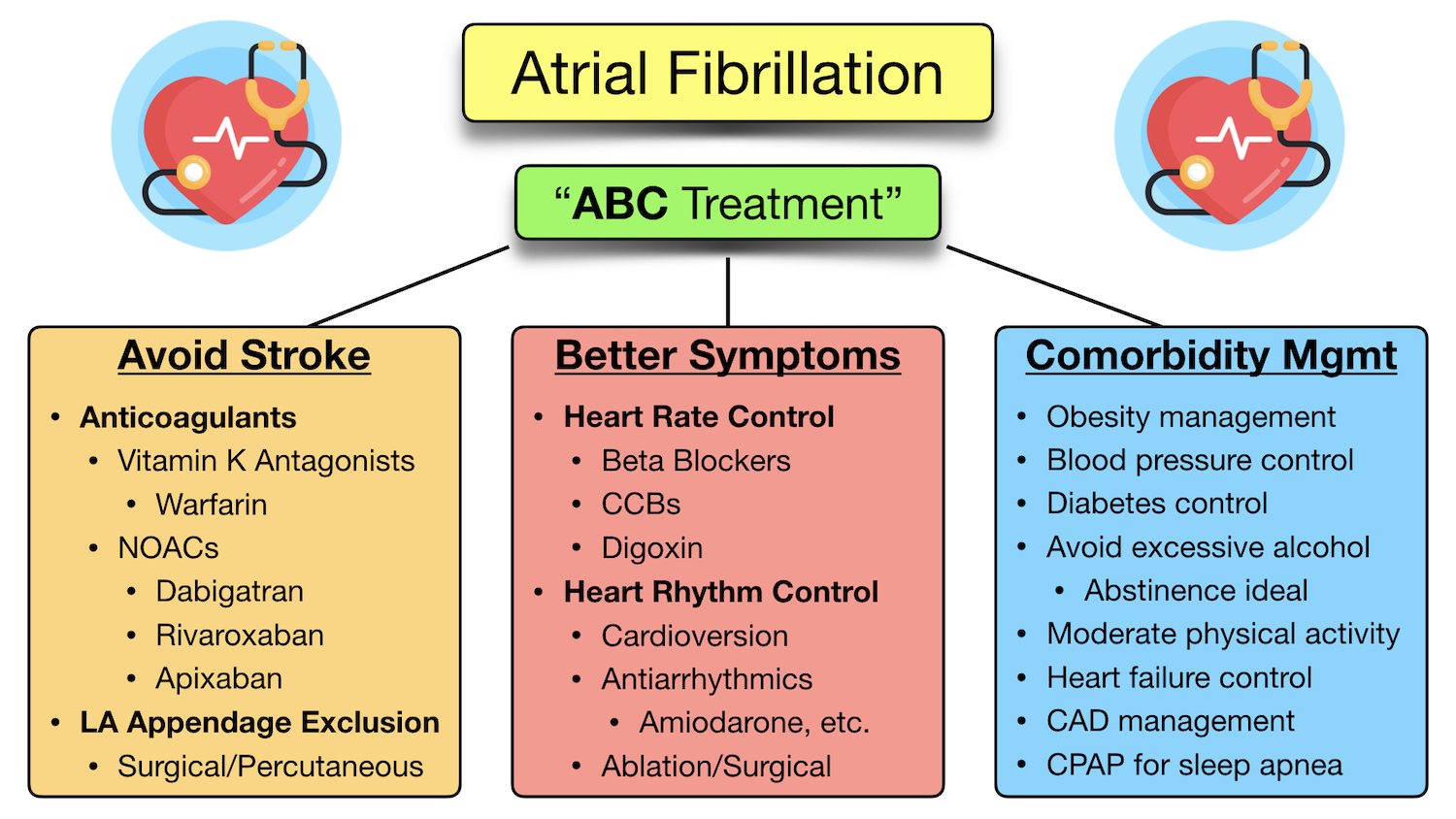
Stunning Treatment Of Eye Stroke Background for Mobile
Find inspiration with this unique treatment of eye stroke illustration, crafted to provide a fresh look for your background.

0 Response to "Treatment Of Eye Stroke"
Post a Comment