What Is Cancer Of The Eye
What Is Cancer Of The Eye? Understanding Ocular Tumors
If you or a loved one has been searching for information about eye cancer, you are likely feeling overwhelmed. Dealing with a diagnosis or even the possibility of one can be frightening. We want to assure you that you are not alone, and understanding precisely what is cancer of the eye is the vital first step toward managing it.
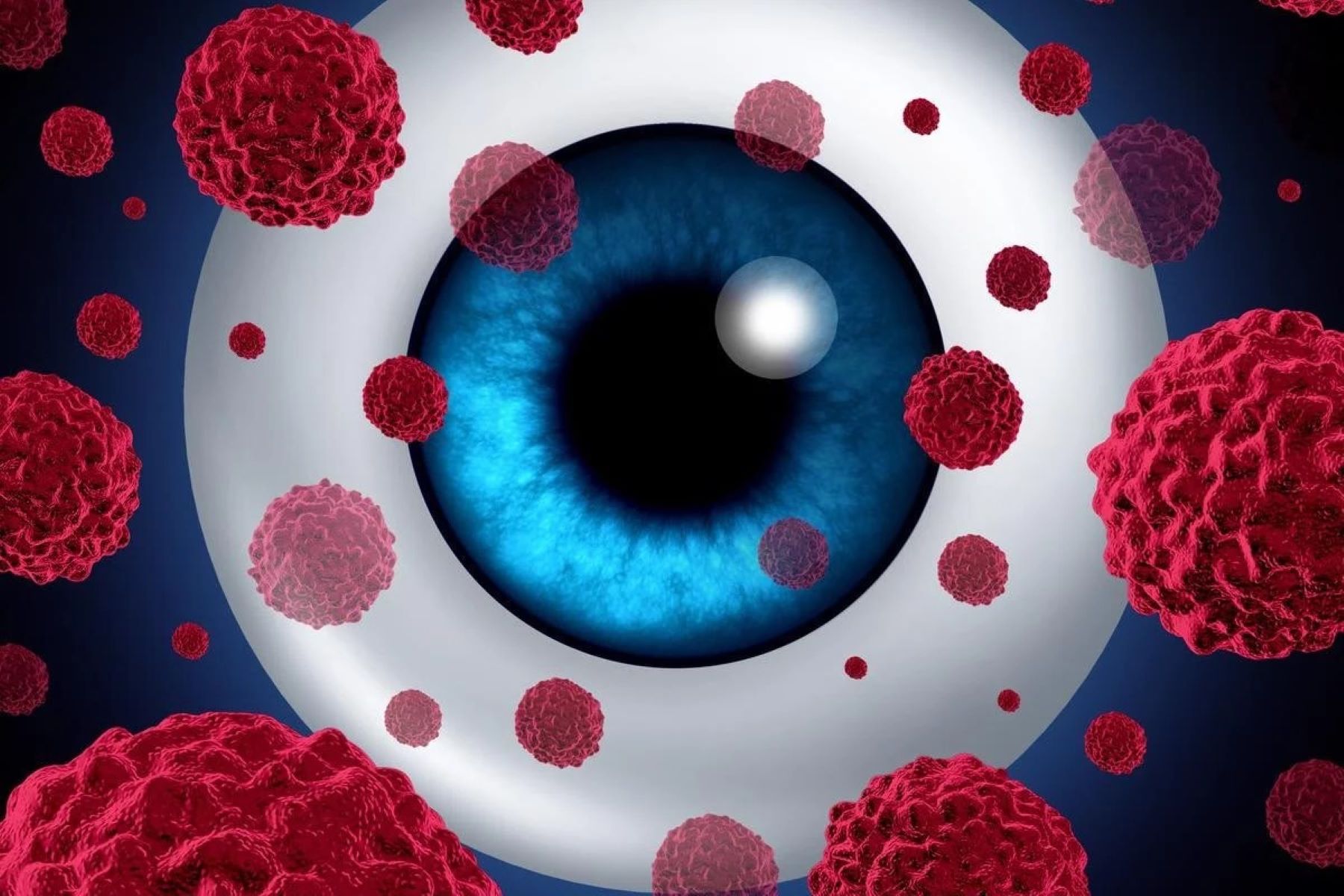
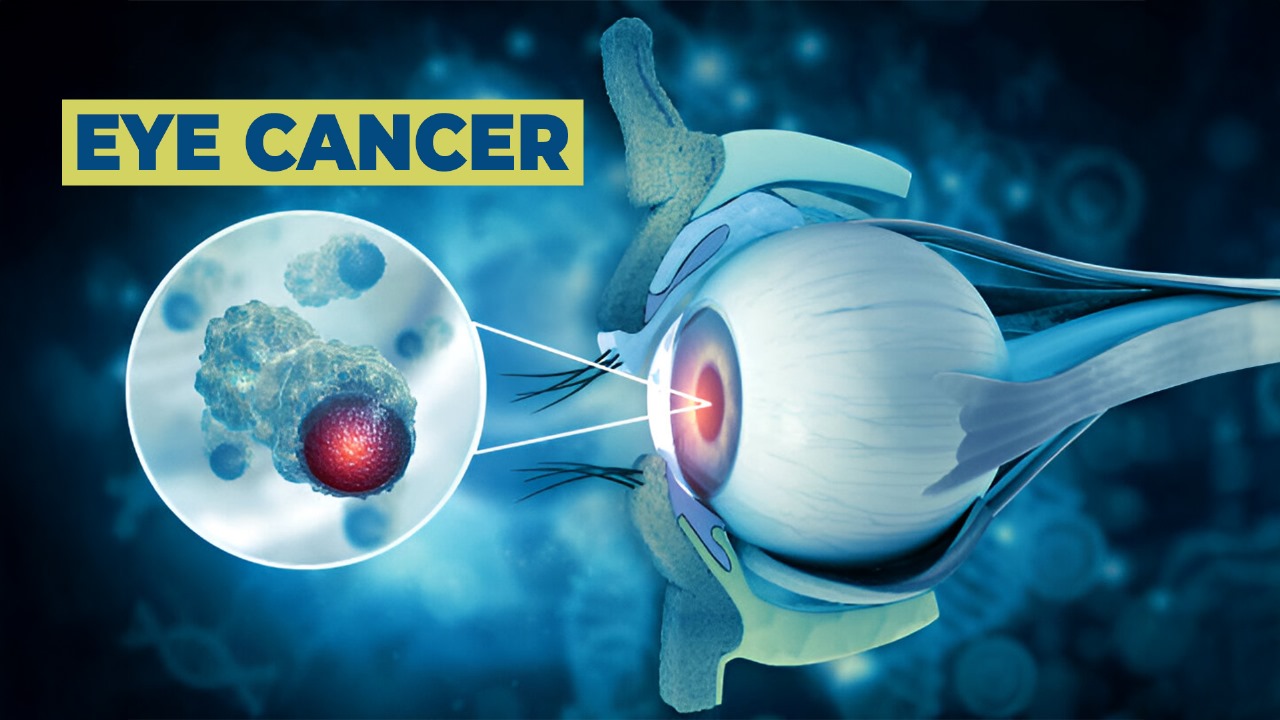
Simply put, eye cancer, or ocular cancer, refers to the uncontrolled growth of abnormal cells that originate in or spread to the tissues of the eye. Just like cancers that affect other parts of the body, eye cancer starts as a tumor—a mass of cells—that can damage vision and, if left untreated, potentially spread elsewhere.
This comprehensive guide will walk you through the basics of eye cancer, its types, symptoms, and the treatment options available, providing clarity in a complex situation.
The Basics: Defining Eye Cancer
When doctors talk about eye cancer, they are generally referring to tumors that start inside the eyeball itself (primary intraocular cancers). However, cancer can also start in surrounding tissues like the eyelid or tear glands, although these are typically treated differently.
The severity and specific treatment path depend heavily on where the cancer is located and the specific type of cells involved. It is crucial to understand that not all eye growths are cancerous; many are benign (non-cancerous) and pose little long-term threat.
Types of Primary Eye Cancer
Primary eye cancers are those that originate within the eye structure itself. The three most common forms of primary intraocular cancer differ significantly based on the age group they affect and the parts of the eye they target. Understanding these classifications is key to defining what is cancer of the eye in a specific case.
Melanoma of the Eye (Uveal Melanoma)
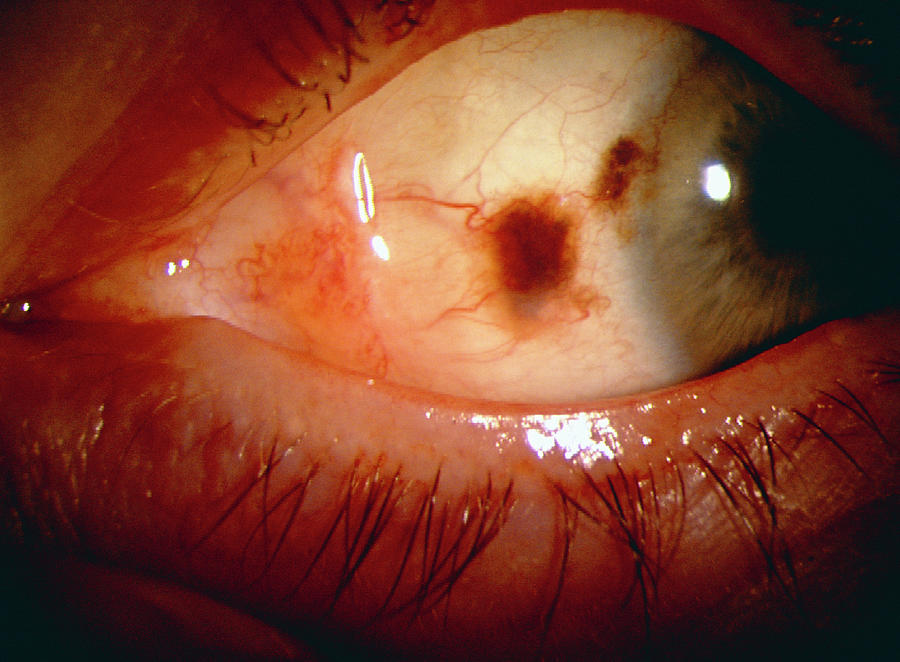
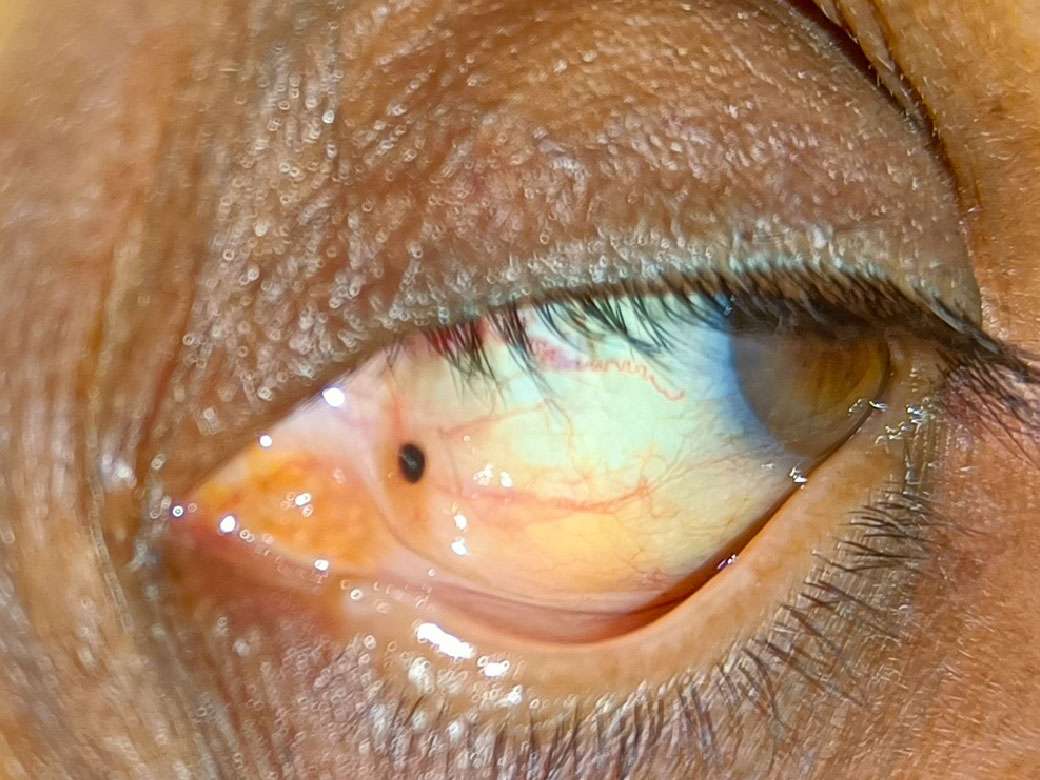
Uveal melanoma is the most common form of eye cancer in adults. The uvea is the middle layer of the eye, which includes the iris (the colored part), the ciliary body, and the choroid. This type of cancer develops from pigment-producing cells called melanocytes.
Because the choroid layer is rich in blood vessels, uveal melanoma has a risk of spreading to distant parts of the body, most often the liver. Early detection is incredibly important for improving outcomes with this specific type of ocular tumor.
Lymphoma of the Eye
Ocular lymphoma is a rare form of non-Hodgkin lymphoma that affects the eye. It usually involves the eye's immune system cells, the lymphocytes.
This type often presents as primary central nervous system (CNS) lymphoma that has spread to the eye, or it can be restricted entirely to the eye (primary intraocular lymphoma). Symptoms often mimic those of chronic inflammation, making it challenging to diagnose initially.
Retinoblastoma (Common in Children)
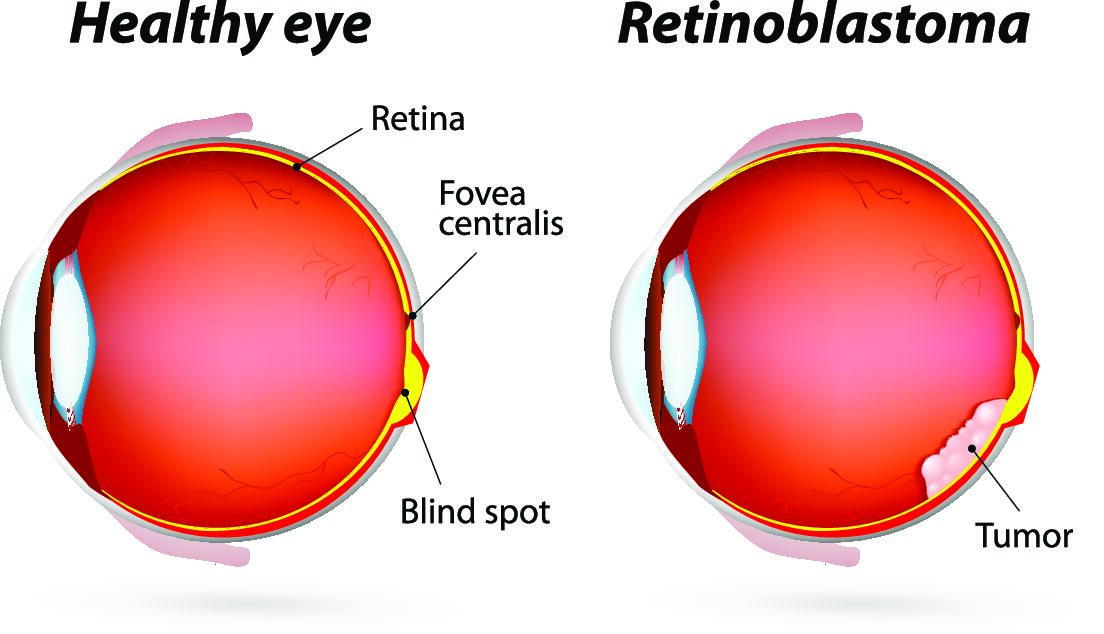
Retinoblastoma is the most common eye cancer found in children, typically affecting those under the age of five. This cancer starts in the retina, the light-sensitive lining at the back of the eye.
It can occur in one eye (unilateral) or both eyes (bilateral). Prompt treatment for retinoblastoma is critical, as it has a very high cure rate if caught early, but can rapidly spread if missed.
Secondary Eye Cancer (Metastasis)
While primary eye cancer starts in the eye, secondary eye cancer is much more common. Secondary cancer means the tumor started elsewhere in the body and then spread (metastasized) to the eye.
For adults, the most common cancers that metastasize to the eye are lung cancer in men and breast cancer in women. These metastatic tumors usually land in the choroid, the vascular layer, causing vision changes.
What Causes Eye Cancer? Risk Factors You Should Know
Like many cancers, the exact cause of primary ocular cancer is often unknown. It typically results from mutations in cell DNA that lead to uncontrolled growth. However, researchers have identified several factors that increase the risk of developing the most common type, uveal melanoma.
It's important to remember that having a risk factor does not guarantee you will develop cancer, but it means you should be extra vigilant with regular eye exams.
- Race and Eye Color: White individuals, especially those with light eye colors (blue, green, or gray), have a higher risk of uveal melanoma.
- Age: Risk generally increases with age, though retinoblastoma targets the very young.
- Atypical Moles: Having unusual moles on the skin (dysplastic nevus syndrome) or excessive freckling around the eye (oculodermal melanocytosis, or nevus of Ota).
- Genetic Syndromes: Certain inherited conditions, such as BAP1 inactivation syndrome, can significantly increase the risk of uveal melanoma. Retinoblastoma is often linked to an inherited gene mutation (RB1 gene).
- UV Exposure: While less definitively linked than skin melanoma, excessive exposure to sunlight or tanning beds is believed to play a role in some cases of eye melanoma.
Recognizing the Signs: Symptoms of Eye Cancer
One of the major challenges with ocular cancer, especially in its early stages, is that it often presents with very few or confusing symptoms. Many tumors are discovered incidentally during routine comprehensive eye exams when vision seems perfectly normal.
If you experience any new, persistent, or rapidly changing visual symptoms, you should consult an ophthalmologist immediately. Here are common signs related to what is cancer of the eye:
- Blurred Vision or Vision Loss: This is often localized to one eye and may be patchy or dark.
- Floaters or Flashes: Seeing spots, squiggly lines, or flashes of light that suddenly increase in frequency.
- Changes to the Iris Shape or Color: A dark spot appearing on the iris or a change in pupil size or shape.
- Pain or Redness: While pain is uncommon in early stages, it can occur if the tumor causes glaucoma or inflammation.
- Bulging Eye (Proptosis): The eye may appear pushed forward if the tumor grows large or affects tissues behind the eyeball.
In children with Retinoblastoma, a key symptom is leukocoria, or a visible white reflex in the pupil, often noticed in photographs instead of the normal red-eye effect.
Diagnosis and Treatment Options
If your doctor suspects eye cancer, they will refer you to an ocular oncologist or a specialist team. Diagnosis requires specialized equipment, and treatment often involves a multi-disciplinary approach to preserve vision while eliminating the cancer.
How Is Ocular Cancer Diagnosed?
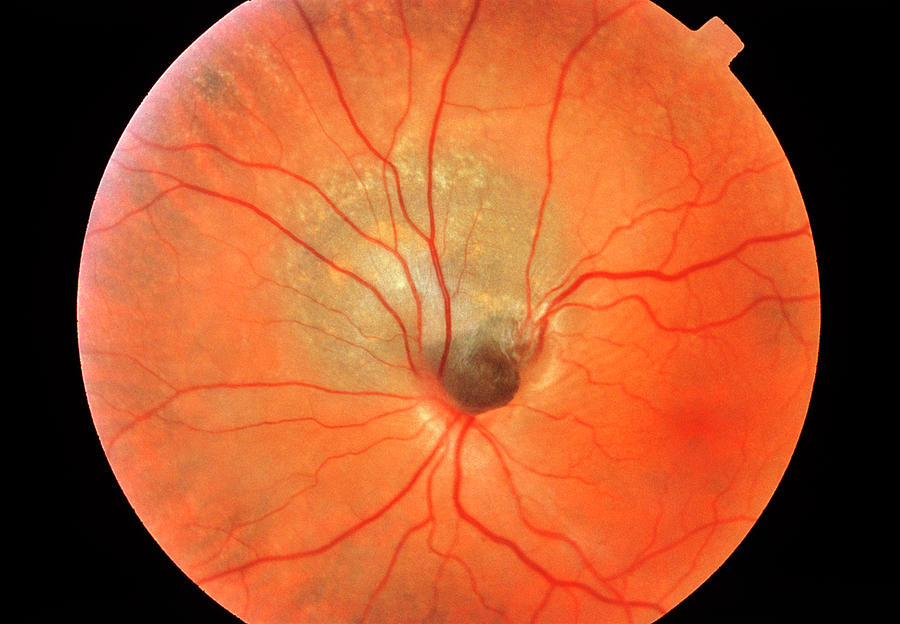
The initial diagnosis usually involves a detailed eye exam where the specialist uses instruments to look inside the eye, often after dilating the pupil. Beyond a basic exam, specific diagnostic tests are crucial:
- Ophthalmoscopy/Ultrasound: These allow the doctor to see the exact location and size of the tumor. Ultrasound is particularly useful for measuring thickness.
- Fluorescein Angiography: Dye is injected into the bloodstream to highlight the tumor's blood supply, giving clues about its nature.
- Biopsy: Although less common for tumors like melanoma (due to the risk of spreading the cancer), a fine needle aspiration biopsy may be needed to confirm the diagnosis, especially for lymphoma or atypical cases.
- Staging Tests: CT scans, MRIs, and liver function tests may be ordered to check if the cancer has spread beyond the eye.
Treatment Approaches: What Are the Options?
Treatment plans are highly individualized, depending on the type, size, location of the tumor, and the patient's overall health and visual needs. The primary goals are always to save the patient's life, eliminate the tumor, and preserve as much vision as possible.
- Radiation Therapy: This is the most common treatment for small and medium-sized uveal melanomas. Techniques include plaque radiotherapy (where radioactive seeds are temporarily sewn onto the surface of the eye) or external beam radiation.
- Surgery: For very small tumors, surgical excision (removing only the tumor) might be possible. However, for large tumors or those that have caused severe vision damage, enucleation (removal of the entire eyeball) may be necessary to prevent spread.
- Laser Therapy (Transpupillary Thermotherapy - TTT): Heat from a laser can be used to destroy small tumors, often used in conjunction with radiation.
- Chemotherapy: Chemotherapy is rarely used for primary intraocular tumors like melanoma but is the standard treatment for intraocular lymphoma and is often used for retinoblastoma (sometimes injected directly into the eye).
- Targeted Therapy: Ongoing clinical trials are exploring targeted drugs for advanced cases of eye melanoma, particularly those that have metastasized.
Conclusion
Understanding what is cancer of the eye requires knowing that it encompasses several different diseases, each with unique characteristics and treatment pathways. While an ocular cancer diagnosis is undoubtedly serious, advancements in imaging and treatment mean that many forms are highly treatable, especially when detected early.
If you have been diagnosed with any form of ocular tumor, seek care immediately from a specialized ocular oncologist. Stay informed, ask questions about your specific condition (whether it's melanoma, lymphoma, or retinoblastoma), and remember that proactive management offers the best chance for a successful outcome and preservation of vision.
Frequently Asked Questions (FAQ)
- What is the most common eye cancer?
- The most common primary eye cancer in adults is Uveal Melanoma. However, the most common type of cancer found in the eye overall is secondary cancer, which has spread from another part of the body (metastasis), usually breast or lung cancer.
- Is eye cancer curable?
- Yes, many types of eye cancer are curable, particularly if they are caught early and have not spread beyond the eye. Retinoblastoma in children has a very high cure rate (over 95%). Treatment focuses on eliminating the tumor while aiming to save vision.
- Does eye cancer always mean losing the eye?
- No. While removal of the eye (enucleation) is sometimes necessary for large tumors or those unresponsive to other treatments, modern treatments like plaque radiotherapy and proton beam therapy are designed specifically to destroy the tumor while preserving the structure of the eye and maximizing remaining vision.
- Are regular eye exams important for detecting eye cancer?
- Absolutely. Many early-stage tumors cause no obvious symptoms. A comprehensive eye exam performed by an optometrist or ophthalmologist who dilates your pupil is the best way to detect subtle changes or small tumors before they become advanced.
What Is Cancer Of The Eye
What Is Cancer Of The Eye Wallpapers
Collection of what is cancer of the eye wallpapers for your desktop and mobile devices.
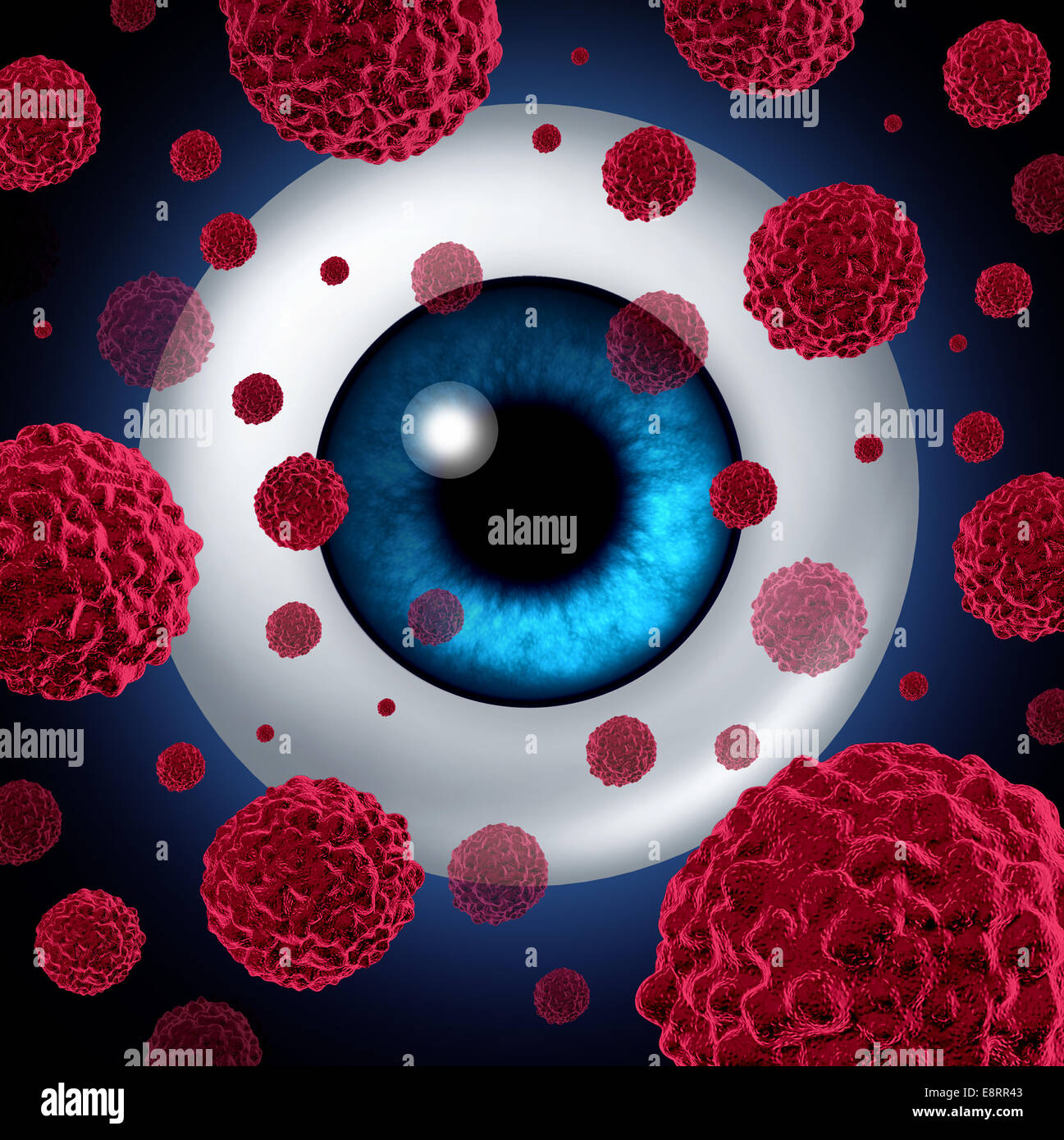
Detailed What Is Cancer Of The Eye Design for Your Screen
Discover an amazing what is cancer of the eye background image, ideal for personalizing your devices with vibrant colors and intricate designs.
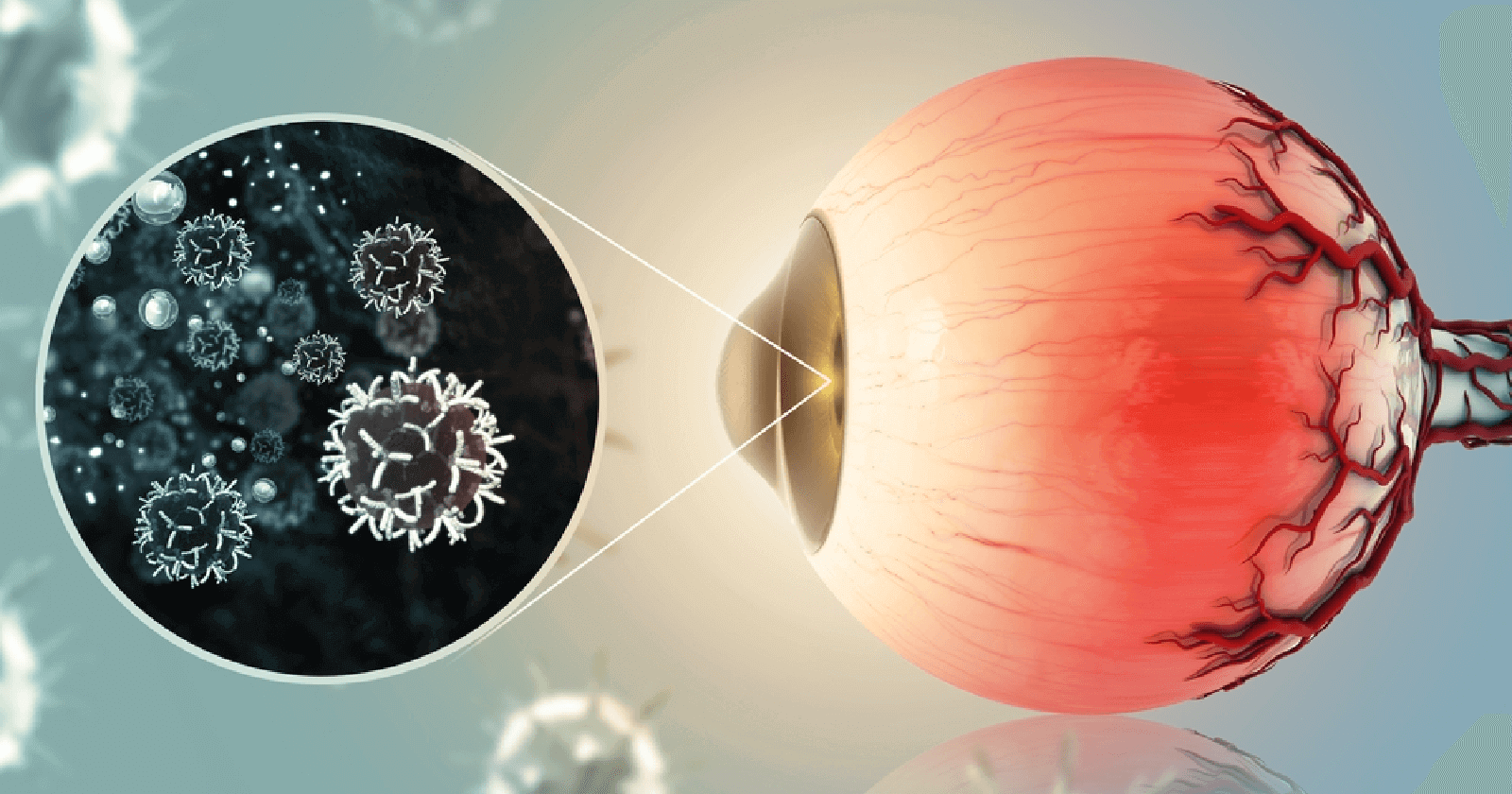
Gorgeous What Is Cancer Of The Eye Capture Collection
Find inspiration with this unique what is cancer of the eye illustration, crafted to provide a fresh look for your background.

Captivating What Is Cancer Of The Eye Image Art
This gorgeous what is cancer of the eye photo offers a breathtaking view, making it a perfect choice for your next wallpaper.

Dynamic What Is Cancer Of The Eye Picture Concept
Find inspiration with this unique what is cancer of the eye illustration, crafted to provide a fresh look for your background.
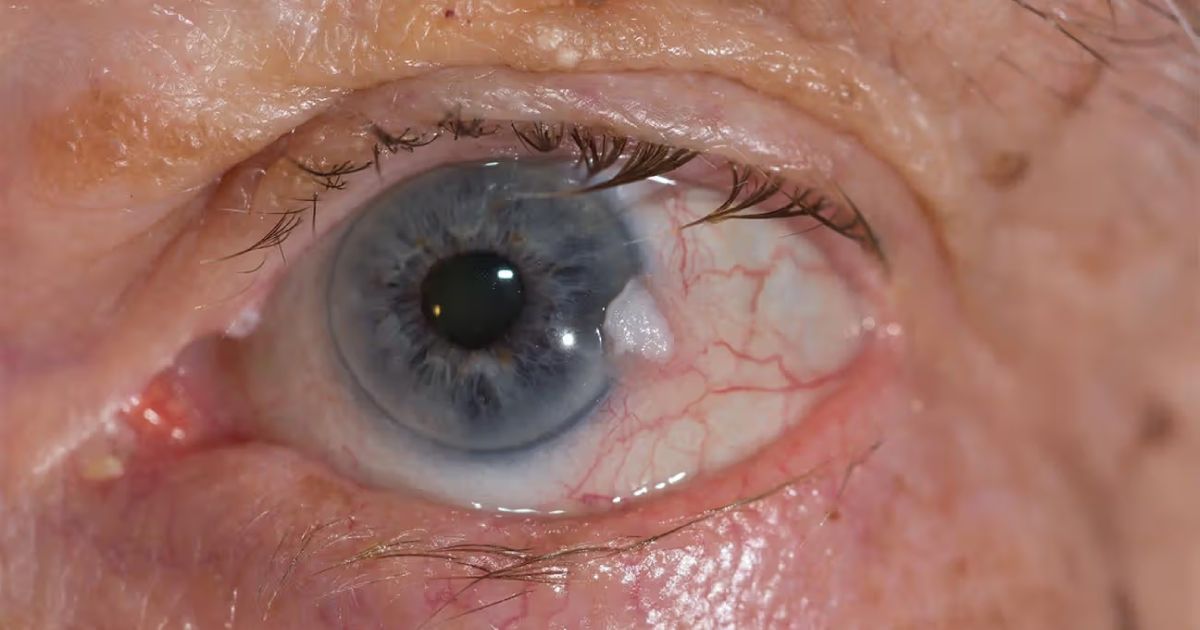
Gorgeous What Is Cancer Of The Eye Moment in HD
This gorgeous what is cancer of the eye photo offers a breathtaking view, making it a perfect choice for your next wallpaper.

Vibrant What Is Cancer Of The Eye Picture Photography
Transform your screen with this vivid what is cancer of the eye artwork, a true masterpiece of digital design.
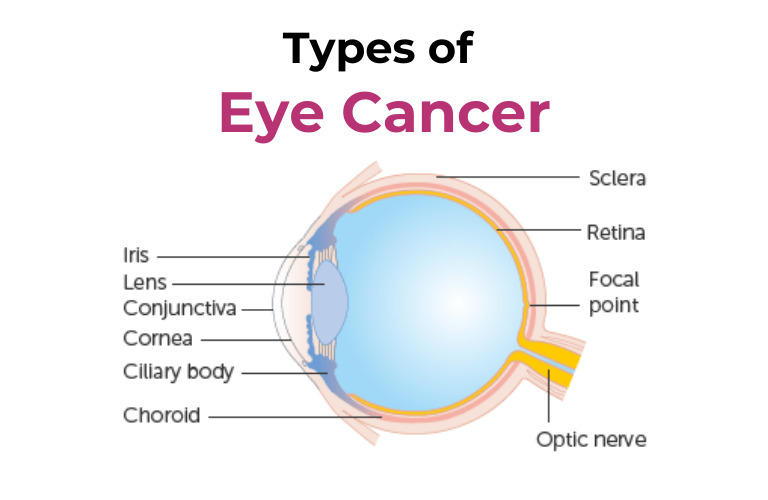
Dynamic What Is Cancer Of The Eye Abstract in 4K
This gorgeous what is cancer of the eye photo offers a breathtaking view, making it a perfect choice for your next wallpaper.
Dynamic What Is Cancer Of The Eye Picture in HD
Immerse yourself in the stunning details of this beautiful what is cancer of the eye wallpaper, designed for a captivating visual experience.
Exquisite What Is Cancer Of The Eye Wallpaper for Your Screen
Find inspiration with this unique what is cancer of the eye illustration, crafted to provide a fresh look for your background.

Beautiful What Is Cancer Of The Eye Background Photography
Explore this high-quality what is cancer of the eye image, perfect for enhancing your desktop or mobile wallpaper.
:max_bytes(150000):strip_icc()/eyelid-cancer-5083560_final-29ae425d00c6486db0fd8de994e962e9.jpg "Mesmerizing What Is Cancer Of The Eye Wallpaper Nature")
Mesmerizing What Is Cancer Of The Eye Wallpaper Nature
Discover an amazing what is cancer of the eye background image, ideal for personalizing your devices with vibrant colors and intricate designs.
Captivating What Is Cancer Of The Eye Scene Digital Art
A captivating what is cancer of the eye scene that brings tranquility and beauty to any device.
Beautiful What Is Cancer Of The Eye Design for Desktop
Transform your screen with this vivid what is cancer of the eye artwork, a true masterpiece of digital design.
Spectacular What Is Cancer Of The Eye Moment Nature
This gorgeous what is cancer of the eye photo offers a breathtaking view, making it a perfect choice for your next wallpaper.
Beautiful What Is Cancer Of The Eye Scene for Mobile
Discover an amazing what is cancer of the eye background image, ideal for personalizing your devices with vibrant colors and intricate designs.
Vivid What Is Cancer Of The Eye Wallpaper Nature
Explore this high-quality what is cancer of the eye image, perfect for enhancing your desktop or mobile wallpaper.
Spectacular What Is Cancer Of The Eye Abstract for Desktop
A captivating what is cancer of the eye scene that brings tranquility and beauty to any device.

High-Quality What Is Cancer Of The Eye Capture Nature
Experience the crisp clarity of this stunning what is cancer of the eye image, available in high resolution for all your screens.

0 Response to "What Is Cancer Of The Eye"
Post a Comment