Can You Get Lasik Eye Surgery With Astigmatism
Can You Get LASIK Eye Surgery With Astigmatism? Let's Find Out!
If you're tired of relying on glasses or contact lenses, you've probably spent countless hours researching LASIK eye surgery. It seems like the perfect solution for achieving clear vision, but what if you have astigmatism? This is one of the most common questions people ask when considering laser vision correction.
The good news is that for the vast majority of people, the answer is a resounding YES! Modern LASIK technology is highly effective at treating not only nearsightedness (myopia) and farsightedness (hyperopia), but also complex vision issues like astigmatism.
In this comprehensive guide, we're going to dive deep into how LASIK handles astigmatism, what the limits are, and what you need to know before scheduling your consultation. Let's explore whether LASIK can finally give you the crisp, clear vision you've been dreaming of, even with astigmatism.
Understanding Astigmatism: What Exactly Is It?
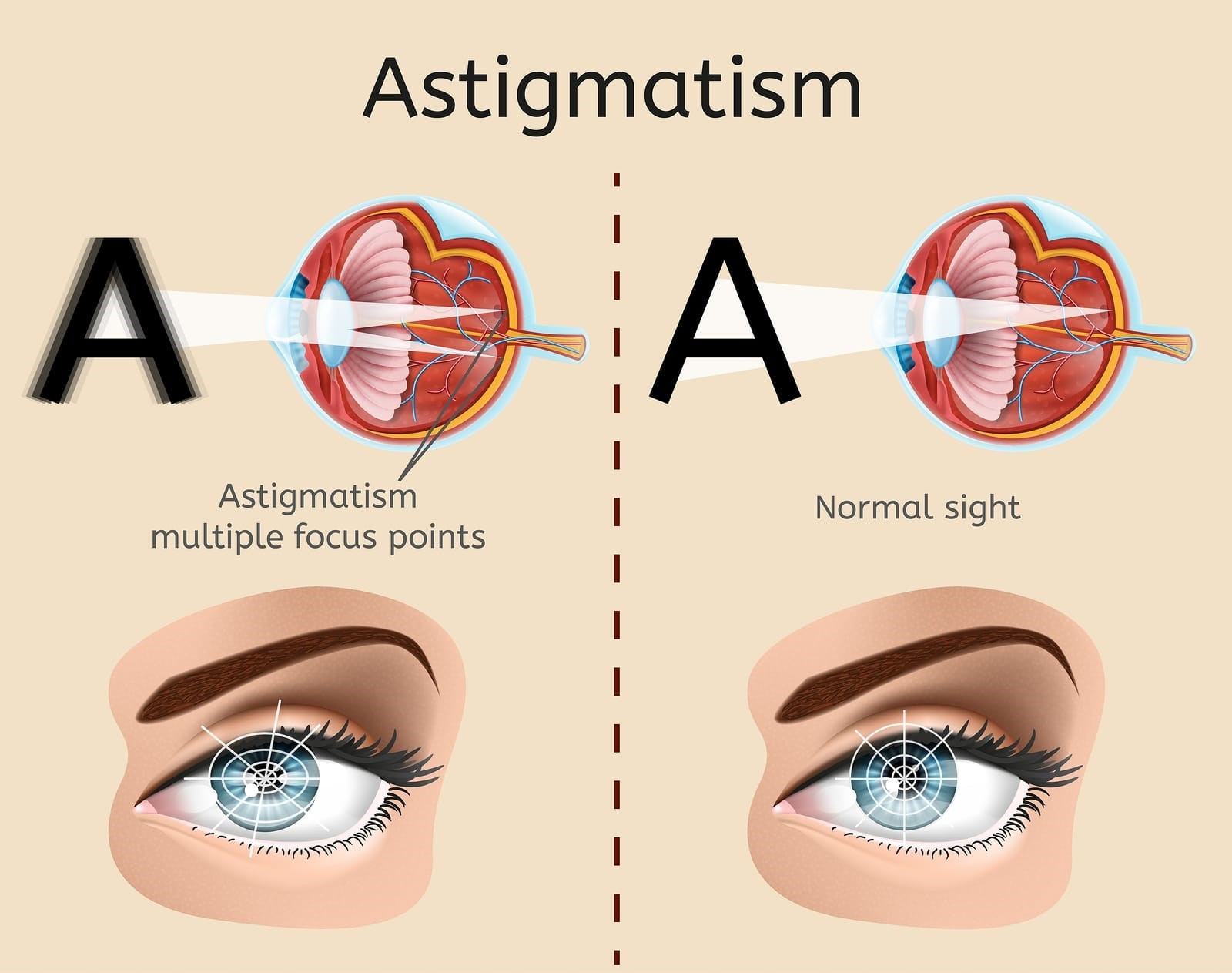
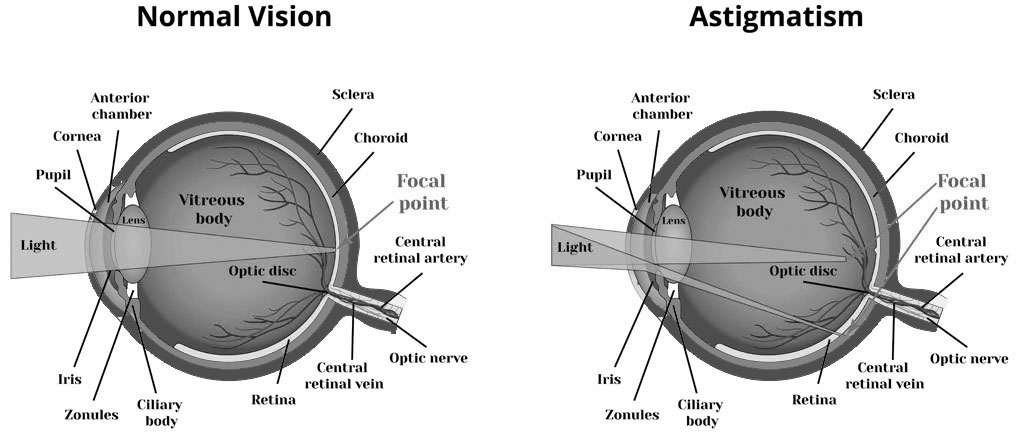
Before we talk about fixing it, it helps to understand what astigmatism actually is. Simply put, astigmatism is a common refractive error caused by an irregularly shaped cornea or lens.
A perfectly normal eye has a cornea shaped like a baseball—smooth and round. If you have astigmatism, your cornea is shaped more like an American football, curved more steeply in one direction than the other. This irregular shape prevents light from focusing evenly onto your retina.
When light doesn't focus correctly, images appear blurred, stretched, or distorted, especially when looking at lights or thin lines. This is why people with astigmatism often experience headaches and eye strain in addition to poor vision.
The Short Answer: Can You Get LASIK Eye Surgery With Astigmatism?
Yes! In the vast majority of cases, LASIK is not only possible but highly effective for correcting astigmatism. Many years ago, high degrees of astigmatism were a contraindication for LASIK, but technology has rapidly improved.
Modern laser systems use sophisticated mapping and tracking features that allow the surgeon to accurately reshape the asymmetrical cornea. This process ensures the light entering your eye focuses sharply on the retina, eliminating the blurriness caused by astigmatism.
How Does LASIK Correct Astigmatism?
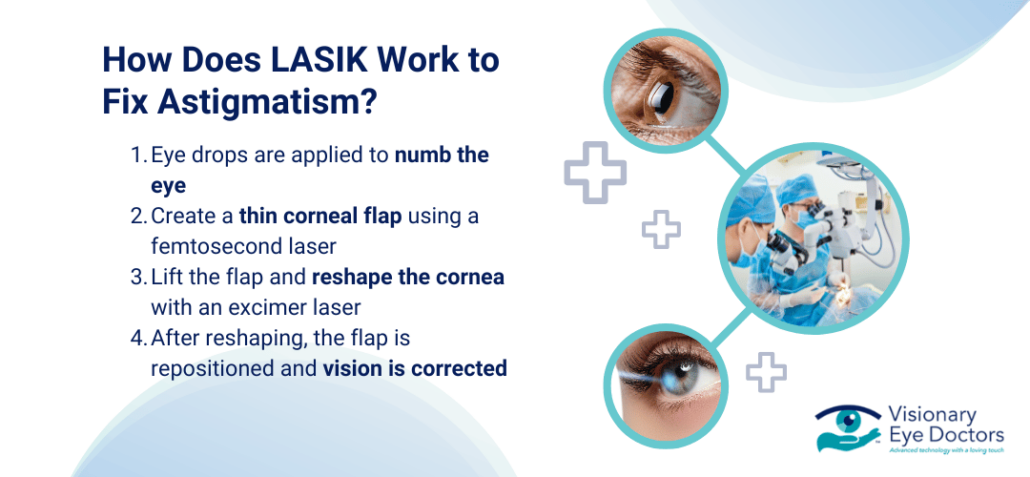
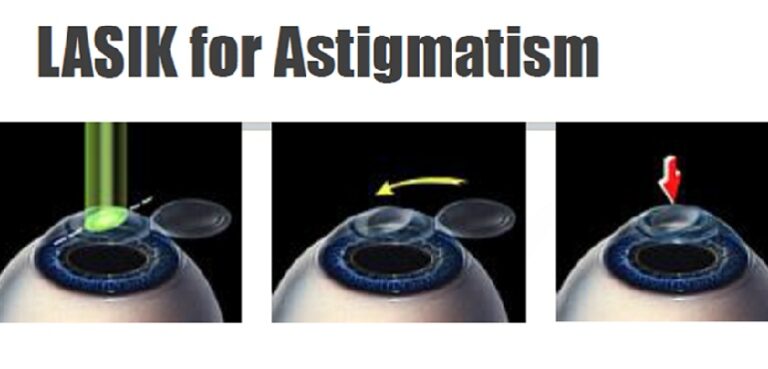
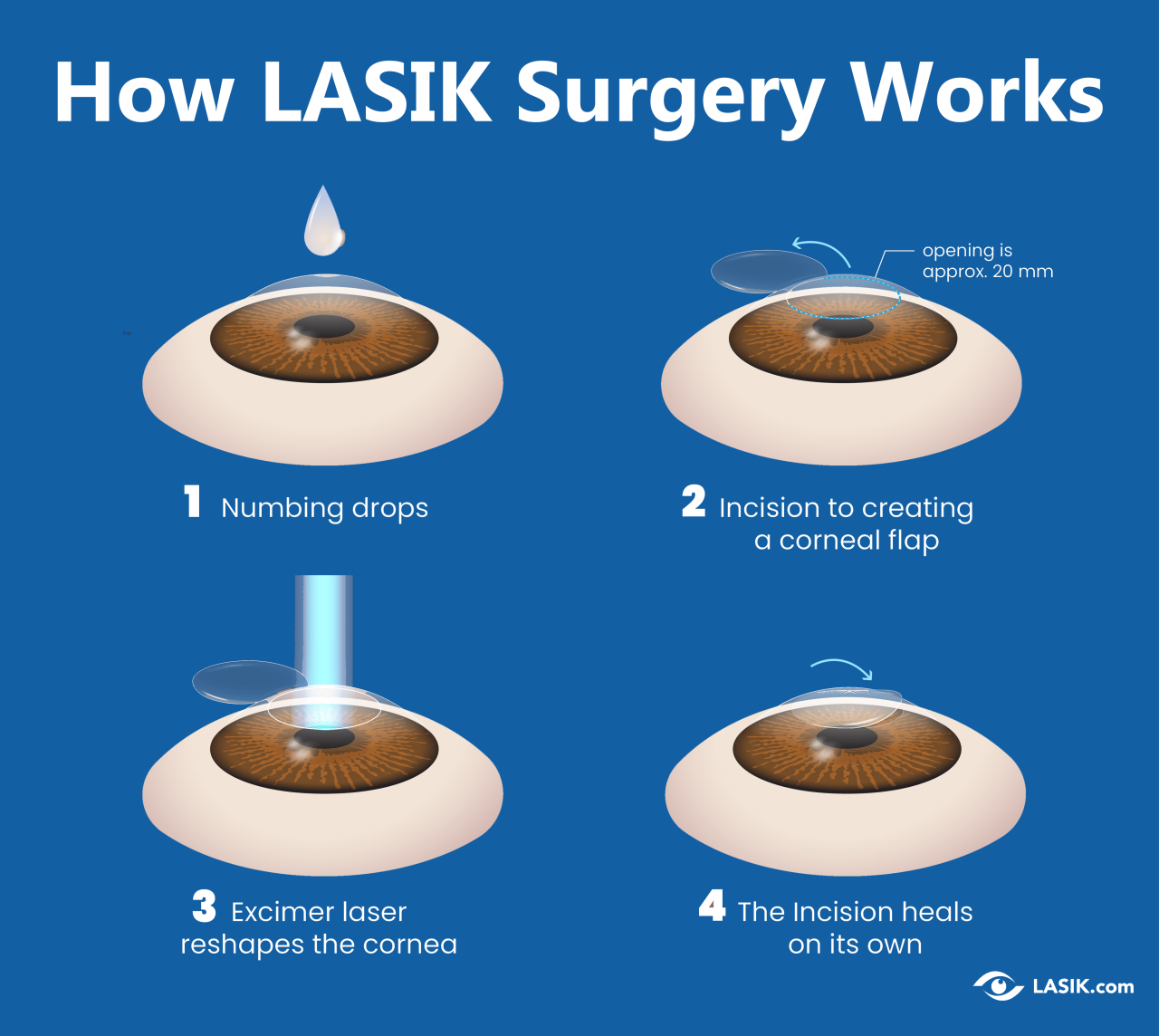
The magic behind LASIK's success with astigmatism lies in the excimer laser. This highly precise laser ablates (removes) microscopic amounts of corneal tissue. For standard nearsightedness, the laser simply flattens the center of the cornea.
However, when correcting astigmatism, the laser uses a special pattern tailored specifically to your eye's unique irregular shape. It removes more tissue along the steep meridian and less along the flat meridian, resulting in a smooth, spherical surface. This essentially turns that "football shape" back into a "baseball shape."
The process relies heavily on wavefront technology and sophisticated eye trackers to ensure perfect alignment throughout the procedure, guaranteeing precision down to a fraction of a millimeter.
Are There Limits? When Astigmatism Might Be Too Much for LASIK
While LASIK is powerful, it's not infinitely capable. There are specific parameters—often dictated by the FDA and the remaining thickness of your cornea—that limit how much correction can be performed.
Generally, LASIK can safely treat astigmatism up to about 5 or 6 diopters. If your astigmatism falls within this range, you are very likely a strong candidate. However, the maximum allowable correction also depends on your total refractive error (myopia plus astigmatism) and, most importantly, the thickness of your cornea.
If your astigmatism is particularly severe, or if you have thin corneas, your surgeon may recommend an alternative procedure to ensure the long-term structural integrity of your eye.
Measuring Your Astigmatism: The Diopter Scale
Vision prescription numbers are measured in diopters (D). The astigmatism correction required is usually represented by a 'C' (Cylinder) value on your prescription. Here is a general breakdown of what those numbers mean in the context of LASIK candidacy:
- **Mild Astigmatism:** Less than 1.0 D. Easily corrected by standard LASIK.
- **Moderate Astigmatism:** 1.0 D to 3.0 D. Excellent candidacy for modern LASIK technology.
- **High Astigmatism:** 3.0 D to 5.0 D. Still treatable, but requires careful evaluation of corneal thickness.
- **Very High Astigmatism:** Above 5.0 D. Often requires advanced screening or alternative procedures like PRK or ICLs.
Keep in mind that these are just guidelines. Only a thorough eye examination by a qualified surgeon can determine if your specific measurements qualify you for LASIK.
Stability is Key: Why Your Prescription Needs to Be Consistent
A crucial factor in determining if you can get LASIK eye surgery with astigmatism is the stability of your prescription. Surgeons generally require that your prescription has not changed significantly for at least one year prior to surgery.
If your astigmatism is still changing, it indicates that your eyes are still developing or potentially experiencing an underlying issue. Performing LASIK on an unstable prescription means the results won't last, potentially leading to the need for a touch-up procedure (enhancement) down the road.
Unstable astigmatism can sometimes be a sign of a condition called Keratoconus, a progressive thinning of the cornea. If Keratoconus is detected during screening, LASIK is strictly contraindicated, and alternative treatments like corneal cross-linking or ICLs would be explored instead.
Alternatives and Advanced Procedures for High Astigmatism
What if your astigmatism is high, or your corneas are too thin for traditional LASIK? Don't worry, LASIK isn't the only option! Several other excellent refractive procedures are available that can effectively treat severe astigmatism.
These alternatives often achieve comparable visual outcomes and sometimes offer even greater stability for complex prescriptions. The best choice depends entirely on your specific eye health and refractive error.
Two of the most common alternatives include PRK (Photorefractive Keratectomy) and ICL (Implantable Collamer Lens) surgery.
PRK vs. LASIK: Which is Better for Astigmatism?
PRK is the older sibling of LASIK, but it is often favored for patients with thin corneas or high degrees of astigmatism. Unlike LASIK, which creates a corneal flap, PRK removes the surface layer of the cornea (epithelium) and then applies the laser directly to the underlying tissue.
While PRK involves a longer recovery time, it preserves more corneal tissue overall. This makes it a structurally safer choice for those pushing the limits of astigmatism correction. Both procedures use the same sophisticated excimer laser to reshape the cornea, meaning the quality of vision achieved is similar, but PRK has a higher safety profile for certain high-risk eyes.
For exceptionally high astigmatism that exceeds the range treatable by corneal procedures, an Implantable Collamer Lens (ICL) may be recommended. ICLs are tiny, flexible lenses surgically implanted inside the eye, working like permanent contact lenses to correct extreme refractive errors.
Comprehensive Pre-Operative Screening: Your Safety Net
The success of correcting astigmatism with LASIK hinges entirely on the quality of your pre-operative screening. This isn't just a regular eye exam; it's a detailed topographical mapping of your cornea and a comprehensive health check of your eyes.
During the screening, the surgeon will measure:
- **Corneal Thickness (Pachymetry):** Essential for determining how much tissue can safely be removed.
- **Corneal Topography and Wavefront Analysis:** Mapping the precise irregularities of your astigmatism.
- **Pupil Size:** Important for minimizing potential night vision issues post-surgery.
- **Refractive Stability:** Checking if your astigmatism prescription has remained consistent.
If you are serious about finding out if you can get LASIK eye surgery with astigmatism, this screening is the most important step. It tells the surgeon exactly how to customize the laser treatment specifically for your unique visual needs.
Conclusion: Astigmatism and LASIK Are a Great Match
Gone are the days when astigmatism prevented you from enjoying the benefits of laser vision correction. Thanks to advanced excimer lasers and highly specialized topographical mapping, modern LASIK is incredibly effective at correcting astigmatism, often eliminating the need for glasses entirely.
If your astigmatism is within the treatable range (typically up to 5 or 6 diopters) and your corneas are healthy and thick enough, you are likely an excellent candidate for LASIK. If your case is more complex, reliable alternatives like PRK or ICL surgery are readily available.
The most important takeaway is to stop wondering "Can you get LASIK eye surgery with astigmatism?" and start planning your comprehensive consultation. A specialist can provide the definitive answer based on your unique ocular anatomy and help you move forward toward clearer vision!
Frequently Asked Questions (FAQ)
- Does correcting astigmatism with LASIK take longer than correcting simple myopia?
- The overall time the patient spends in the operating room is similar. However, the laser time itself might be slightly longer (perhaps 15-30 seconds more per eye) because the laser has to carve a more complex, customized shape to correct the astigmatism.
- Is the recovery process different if I have astigmatism?
- No, the recovery timeline for standard LASIK is generally the same whether you are correcting astigmatism, myopia, or both. Patients typically see significant improvement within 24 hours.
- Can I get LASIK if I have a very mild degree of astigmatism?
- Yes, absolutely. Even mild astigmatism (below 1.0 D) can cause visual distortions. LASIK can safely and effectively correct even small amounts of astigmatism to give you the sharpest vision possible.
- Is the risk of side effects higher when correcting astigmatism?
- When performed by an experienced surgeon using modern wavefront technology, the risks associated with correcting astigmatism are generally comparable to correcting simple myopia. Precision tracking ensures excellent outcomes.
Can You Get Lasik Eye Surgery With Astigmatism
Can You Get Lasik Eye Surgery With Astigmatism Wallpapers
Collection of can you get lasik eye surgery with astigmatism wallpapers for your desktop and mobile devices.
Beautiful Can You Get Lasik Eye Surgery With Astigmatism Image Collection
Experience the crisp clarity of this stunning can you get lasik eye surgery with astigmatism image, available in high resolution for all your screens.

Spectacular Can You Get Lasik Eye Surgery With Astigmatism Abstract Illustration
Find inspiration with this unique can you get lasik eye surgery with astigmatism illustration, crafted to provide a fresh look for your background.

Gorgeous Can You Get Lasik Eye Surgery With Astigmatism Abstract Nature
Immerse yourself in the stunning details of this beautiful can you get lasik eye surgery with astigmatism wallpaper, designed for a captivating visual experience.
Beautiful Can You Get Lasik Eye Surgery With Astigmatism Wallpaper Nature
Experience the crisp clarity of this stunning can you get lasik eye surgery with astigmatism image, available in high resolution for all your screens.
Detailed Can You Get Lasik Eye Surgery With Astigmatism Image for Desktop
Transform your screen with this vivid can you get lasik eye surgery with astigmatism artwork, a true masterpiece of digital design.
Mesmerizing Can You Get Lasik Eye Surgery With Astigmatism Image for Your Screen
Explore this high-quality can you get lasik eye surgery with astigmatism image, perfect for enhancing your desktop or mobile wallpaper.

Vibrant Can You Get Lasik Eye Surgery With Astigmatism Scene Photography
Explore this high-quality can you get lasik eye surgery with astigmatism image, perfect for enhancing your desktop or mobile wallpaper.
Detailed Can You Get Lasik Eye Surgery With Astigmatism Scene Digital Art
Transform your screen with this vivid can you get lasik eye surgery with astigmatism artwork, a true masterpiece of digital design.
Lush Can You Get Lasik Eye Surgery With Astigmatism Moment Digital Art
Immerse yourself in the stunning details of this beautiful can you get lasik eye surgery with astigmatism wallpaper, designed for a captivating visual experience.

High-Quality Can You Get Lasik Eye Surgery With Astigmatism Photo Nature
Discover an amazing can you get lasik eye surgery with astigmatism background image, ideal for personalizing your devices with vibrant colors and intricate designs.
Amazing Can You Get Lasik Eye Surgery With Astigmatism Background Digital Art
Transform your screen with this vivid can you get lasik eye surgery with astigmatism artwork, a true masterpiece of digital design.
Captivating Can You Get Lasik Eye Surgery With Astigmatism Design Digital Art
Immerse yourself in the stunning details of this beautiful can you get lasik eye surgery with astigmatism wallpaper, designed for a captivating visual experience.

Amazing Can You Get Lasik Eye Surgery With Astigmatism Scene Art
Transform your screen with this vivid can you get lasik eye surgery with astigmatism artwork, a true masterpiece of digital design.
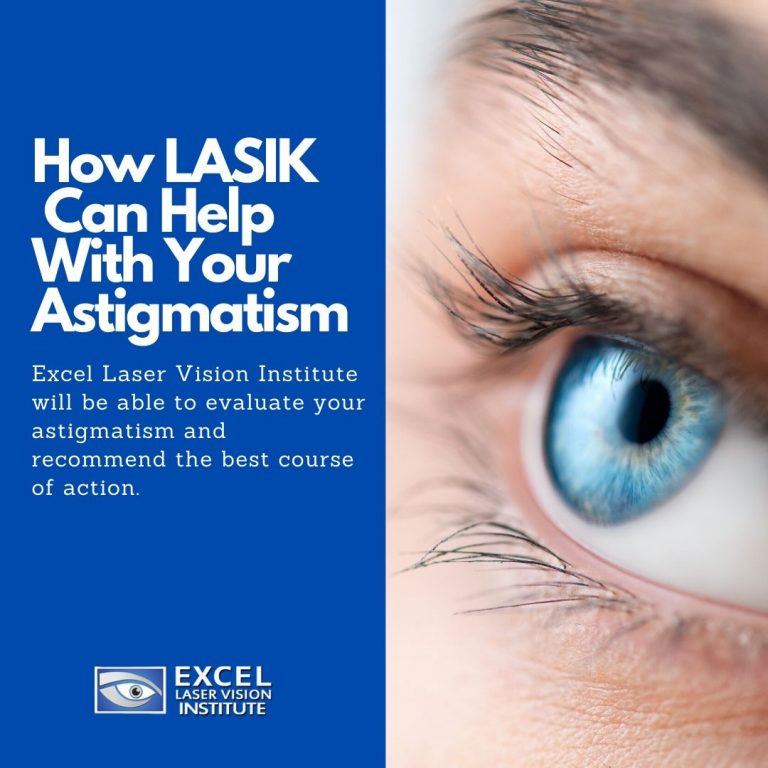
Stunning Can You Get Lasik Eye Surgery With Astigmatism Photo Illustration
This gorgeous can you get lasik eye surgery with astigmatism photo offers a breathtaking view, making it a perfect choice for your next wallpaper.

Beautiful Can You Get Lasik Eye Surgery With Astigmatism Abstract for Desktop
Explore this high-quality can you get lasik eye surgery with astigmatism image, perfect for enhancing your desktop or mobile wallpaper.

Beautiful Can You Get Lasik Eye Surgery With Astigmatism Scene Illustration
Transform your screen with this vivid can you get lasik eye surgery with astigmatism artwork, a true masterpiece of digital design.

Captivating Can You Get Lasik Eye Surgery With Astigmatism Background for Mobile
A captivating can you get lasik eye surgery with astigmatism scene that brings tranquility and beauty to any device.
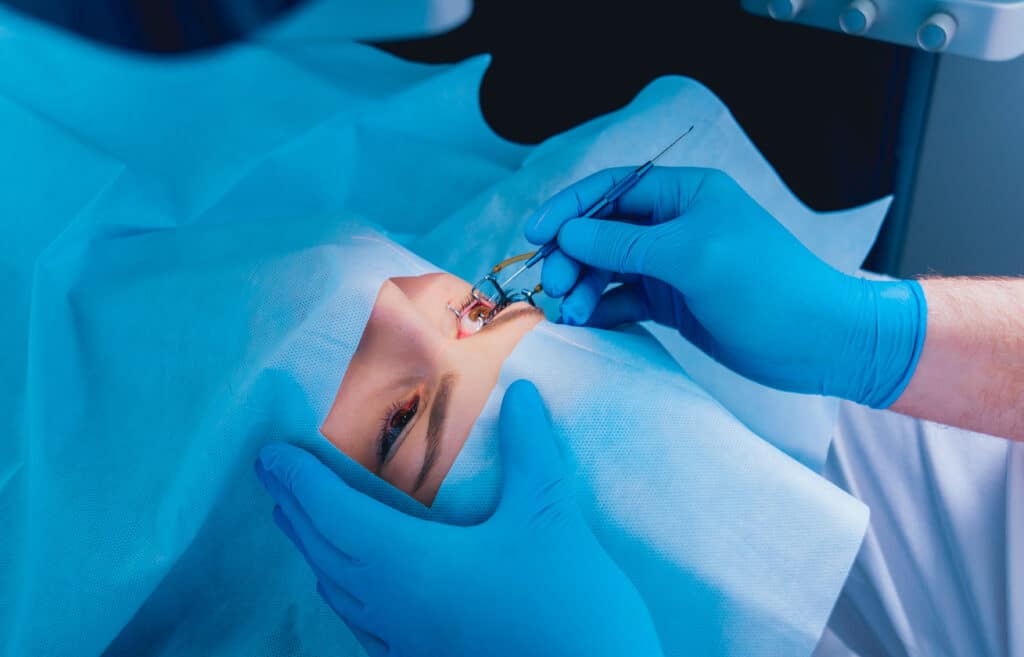
0 Response to "Can You Get Lasik Eye Surgery With Astigmatism"
Post a Comment