Eye Contact Anxiety
Eye Contact Anxiety: Why Is It So Hard to Look Someone in the Eye?
Do you find yourself immediately looking away when someone speaks to you? Does the thought of maintaining eye contact make your palms sweat and your heart pound? If so, you are definitely not alone. Many people struggle with what is commonly known as Eye Contact Anxiety.
This isn't just about being shy; it's a genuine, sometimes debilitating, source of stress that can significantly impact your social life and professional interactions. When we experience this intense discomfort, our brain often interprets eye contact as a threat, triggering a powerful fight-or-flight response.
We're going to dive into why this happens, how you can recognize it in yourself, and most importantly, effective, practical strategies you can use to start managing and ultimately overcoming this challenge.
Understanding What Causes Eye Contact Anxiety
The roots of Eye Contact Anxiety are often complex and deeply personal. It rarely stems from a single source; instead, it's usually a combination of underlying psychological factors, learned behaviors, and personal experiences.
For many, eye contact feels incredibly intimate. It strips away layers of defense and makes you feel exposed, as if the other person can read your thoughts or judge your sincerity. This feeling of vulnerability is central to the anxiety.
Social Anxiety and Its Impact
One of the most common reasons people struggle with maintaining eye contact is the presence of Social Anxiety Disorder (SAD), also known as social phobia. If you have SAD, you have an intense fear of being judged, evaluated, or humiliated in social situations.
When someone looks at you, especially directly into your eyes, it heightens this fear of evaluation. You might worry about:
- What your eyes are communicating (e.g., nervousness or dishonesty).
- Feeling too scrutinized or intensely observed.
- Missing an important social cue while focusing too hard on maintaining the gaze.
For those dealing with SAD, avoiding eye contact is a powerful, yet ultimately damaging, coping mechanism to reduce the immediate pressure of the social interaction.
Trauma and Negative Associations
Sometimes, the aversion to eye contact stems from past negative experiences or trauma. If, as a child, you were frequently scolded or intimidated by an authority figure who demanded intense eye contact, your brain might now associate direct gaze with fear or punishment.
Furthermore, conditions on the Autism Spectrum (ASD) can also manifest as Eye Contact Anxiety. For some individuals with ASD, processing the complex flood of emotional and social information conveyed through the eyes is overwhelming and mentally draining, making avoidance a necessity.
Recognizing the Symptoms: Are You Dealing With Eye Contact Anxiety?
Recognizing the symptoms goes beyond simply avoiding someone's gaze. It involves a host of physical and mental reactions that occur when the situation demands direct interaction. Being aware of these signs is the first step toward effective management.
When faced with a situation requiring direct eye contact, you might notice yourself engaging in behavioral avoidance patterns such as:
- Staring intensely at the floor, wall, or ceiling.
- Focusing on the person's chin, forehead, or shoulder instead of their eyes.
- Fidgeting or shifting your body position frequently.
- Talking excessively or speaking very quickly to rush the interaction.
- Feeling a strong urge to abruptly end the conversation.
Physical Manifestations of Anxiety
The physical response to Eye Contact Anxiety is often a clear indication that your body has entered an anxious state. These physical symptoms can sometimes be more distracting than the avoidance itself.
Common physical reactions include:
- Increased heart rate and palpitations.
- Shallow, rapid breathing.
- Blushing or feeling heat rush to the face.
- Trembling or shaking, particularly in the hands or voice.
- A sudden onset of sweating (hyperhidrosis).
If these symptoms consistently appear whenever you attempt to lock eyes with another person, it's a strong signal that you are experiencing this specific form of anxiety.
Practical Steps to Manage and Overcome Eye Contact Anxiety
The good news is that Eye Contact Anxiety is highly manageable, and with consistent practice, you can significantly reduce its impact. The key is to approach this challenge with patience and to use gradual exposure techniques, rather than expecting perfection overnight.
Remember, the goal isn't to stare unblinkingly into someone's soul, but rather to achieve a comfortable, natural level of engagement that conveys confidence and attentiveness.
Small Steps, Big Wins: Practicing Gradually
Start small, perhaps with people you already trust, like family members or close friends. Once you are comfortable, move on to casual interactions, like ordering coffee or speaking to a shop cashier. These low-stakes interactions are perfect training grounds.
When you feel the anxiety building, focus on deep, controlled breathing. This simple action interrupts the fight-or-flight response and signals to your nervous system that you are safe.
The 50/70 Rule for Eye Contact
Many experts recommend the "50/70 Rule" as a guideline for healthy, non-awkward eye contact. This rule suggests that you should aim for eye contact approximately 50% of the time while speaking, and about 70% of the time while listening.
This percentage ensures you look attentive without appearing aggressive or creating an unnerving stare. It also gives you plenty of opportunity to naturally look away, reset, and relieve the anxious pressure.
Focusing on Facial Features
If direct eye-to-eye contact is still too intimidating, try targeting the "Eye Contact Triangle." This is the small area formed by the person's eyes and the bridge of their nose, or slightly above the eyebrows.
When you focus on this area, the other person perceives that you are looking them in the eye, but you won't feel the intense pressure of direct gaze. This technique is an excellent stepping stone for building tolerance before moving to true eye contact.
If your Eye Contact Anxiety is severe or connected to serious underlying conditions like trauma or severe Social Anxiety Disorder, seeking professional help is crucial. Cognitive Behavioral Therapy (CBT) or exposure therapy guided by a licensed therapist can provide the necessary tools and support structure for recovery.
Conclusion
Dealing with Eye Contact Anxiety can feel like navigating a minefield every time you have a conversation, but understanding its causes—whether rooted in social anxiety, trauma, or simple discomfort—is the first step toward regaining control. Remember that developing comfortable eye contact is a learned skill, not an innate talent.
By using practical strategies like the 50/70 rule and practicing gradually in low-stakes situations, you can slowly chip away at the fear. Be patient with yourself, celebrate the small victories, and remember that everyone deserves to feel confident and connected in their interactions.
Frequently Asked Questions (FAQ) About Eye Contact Anxiety
- Is Eye Contact Anxiety a real mental health condition?
- While "Eye Contact Anxiety" is not a formal diagnostic term in the DSM-5, it is a very real symptom often associated with broader conditions, most notably Social Anxiety Disorder (SAD) or sometimes Autism Spectrum Disorder (ASD). It refers to the specific distress caused by initiating or maintaining eye contact.
- Why does eye contact feel so overwhelming?
- Eye contact is a high-bandwidth form of social communication; it conveys intense emotion, attentiveness, and vulnerability. For anxious individuals, this intensity translates directly into a feeling of being scrutinized, judged, or exposed, triggering an anxiety response.
- Can I just fake eye contact by looking at the nose?
- Yes, utilizing techniques like focusing on the bridge of the nose or the forehead is a highly effective interim strategy. It allows you to maintain the appearance of eye contact without triggering intense anxiety. It is a great tool for initial practice.
- How long does it take to overcome eye contact anxiety?
- The timeline varies greatly depending on the severity of the anxiety and whether it's tied to underlying trauma or SAD. With consistent practice (exposure therapy) and, if needed, professional therapy (CBT), many people see noticeable improvement in their comfort levels within a few months.
Eye Contact Anxiety
Eye Contact Anxiety Wallpapers
Collection of eye contact anxiety wallpapers for your desktop and mobile devices.

Spectacular Eye Contact Anxiety Moment Concept
This gorgeous eye contact anxiety photo offers a breathtaking view, making it a perfect choice for your next wallpaper.
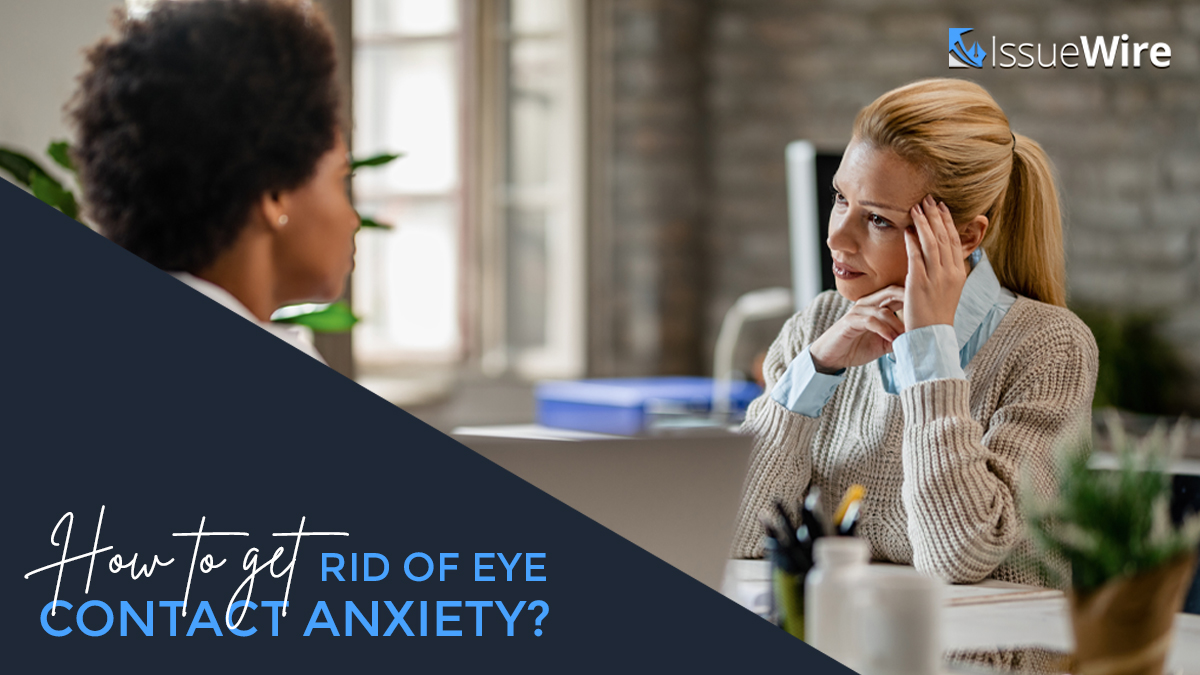
Beautiful Eye Contact Anxiety Design Concept
Explore this high-quality eye contact anxiety image, perfect for enhancing your desktop or mobile wallpaper.

Beautiful Eye Contact Anxiety Artwork Art
Experience the crisp clarity of this stunning eye contact anxiety image, available in high resolution for all your screens.
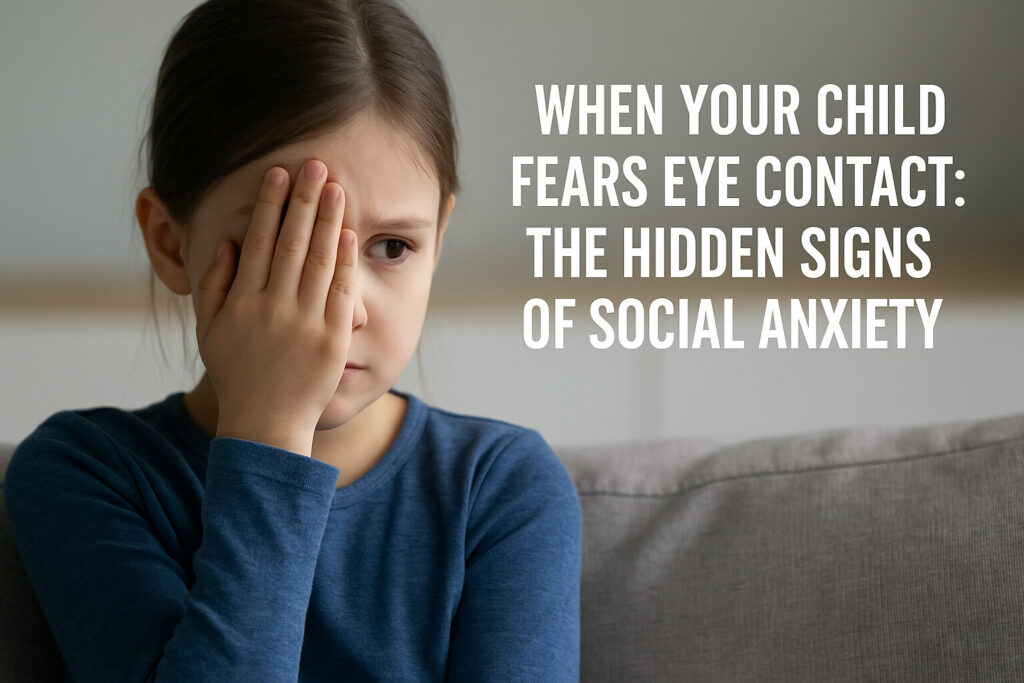
Vivid Eye Contact Anxiety Moment Art
Discover an amazing eye contact anxiety background image, ideal for personalizing your devices with vibrant colors and intricate designs.
Beautiful Eye Contact Anxiety Design Illustration
Transform your screen with this vivid eye contact anxiety artwork, a true masterpiece of digital design.
/how-do-i-maintain-good-eye-contact-3024392-09cdf43b26c047deb412f3e5b614c080.gif "Gorgeous Eye Contact Anxiety Abstract in HD")
Gorgeous Eye Contact Anxiety Abstract in HD
Find inspiration with this unique eye contact anxiety illustration, crafted to provide a fresh look for your background.

Captivating Eye Contact Anxiety Picture Concept
This gorgeous eye contact anxiety photo offers a breathtaking view, making it a perfect choice for your next wallpaper.

High-Quality Eye Contact Anxiety Picture Concept
Explore this high-quality eye contact anxiety image, perfect for enhancing your desktop or mobile wallpaper.
Spectacular Eye Contact Anxiety Scene for Desktop
This gorgeous eye contact anxiety photo offers a breathtaking view, making it a perfect choice for your next wallpaper.

High-Quality Eye Contact Anxiety Wallpaper Photography
Explore this high-quality eye contact anxiety image, perfect for enhancing your desktop or mobile wallpaper.

High-Quality Eye Contact Anxiety Image in 4K
Discover an amazing eye contact anxiety background image, ideal for personalizing your devices with vibrant colors and intricate designs.
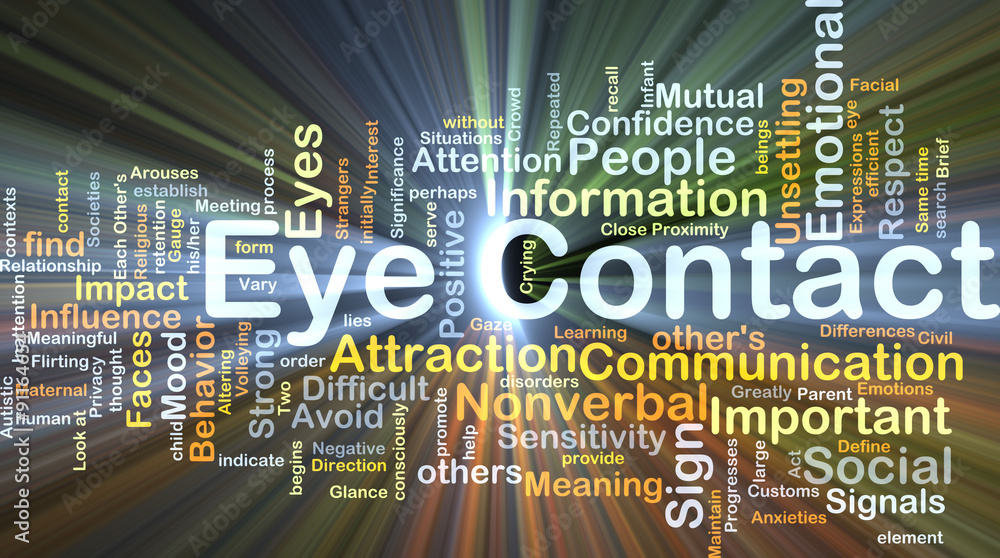
Lush Eye Contact Anxiety Background in 4K
Immerse yourself in the stunning details of this beautiful eye contact anxiety wallpaper, designed for a captivating visual experience.

Gorgeous Eye Contact Anxiety Moment for Desktop
Find inspiration with this unique eye contact anxiety illustration, crafted to provide a fresh look for your background.

Stunning Eye Contact Anxiety Abstract for Mobile
This gorgeous eye contact anxiety photo offers a breathtaking view, making it a perfect choice for your next wallpaper.

Dynamic Eye Contact Anxiety Capture for Your Screen
Find inspiration with this unique eye contact anxiety illustration, crafted to provide a fresh look for your background.

Spectacular Eye Contact Anxiety Background Concept
This gorgeous eye contact anxiety photo offers a breathtaking view, making it a perfect choice for your next wallpaper.
Crisp Eye Contact Anxiety Background Illustration
Find inspiration with this unique eye contact anxiety illustration, crafted to provide a fresh look for your background.
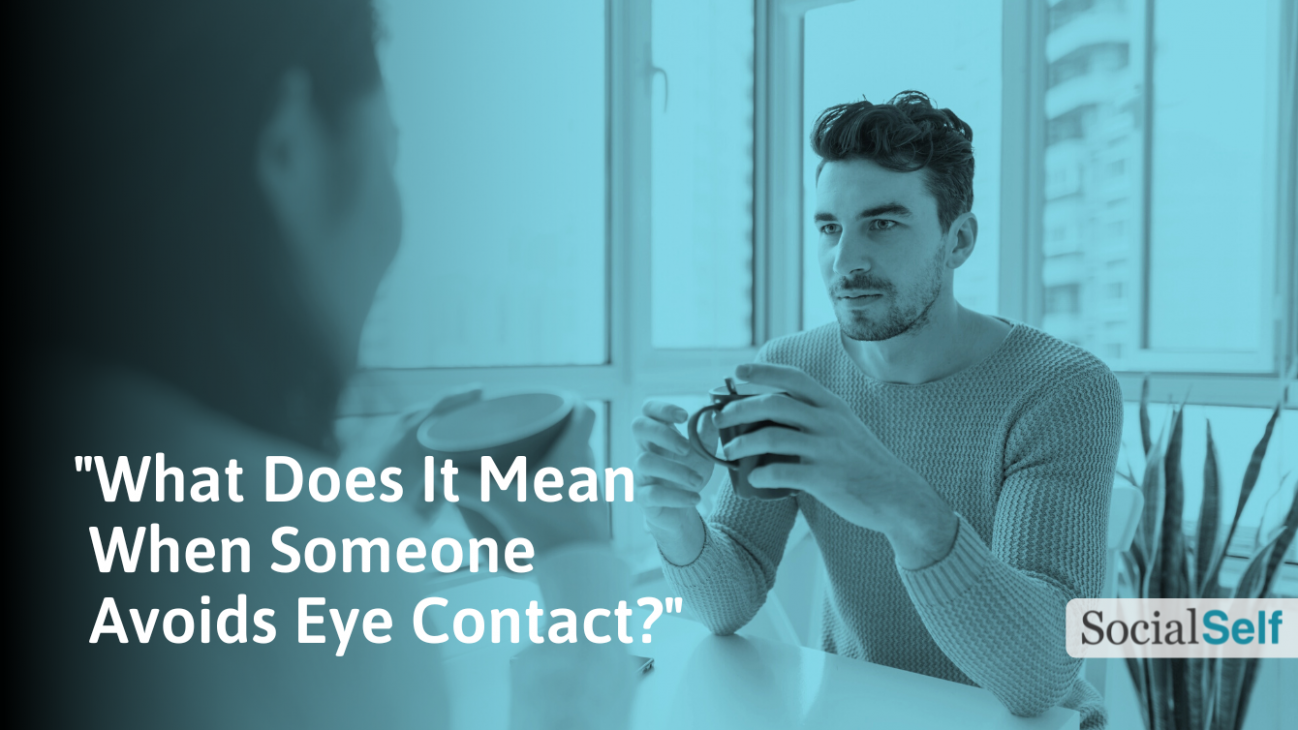
Lush Eye Contact Anxiety Design Digital Art
Find inspiration with this unique eye contact anxiety illustration, crafted to provide a fresh look for your background.
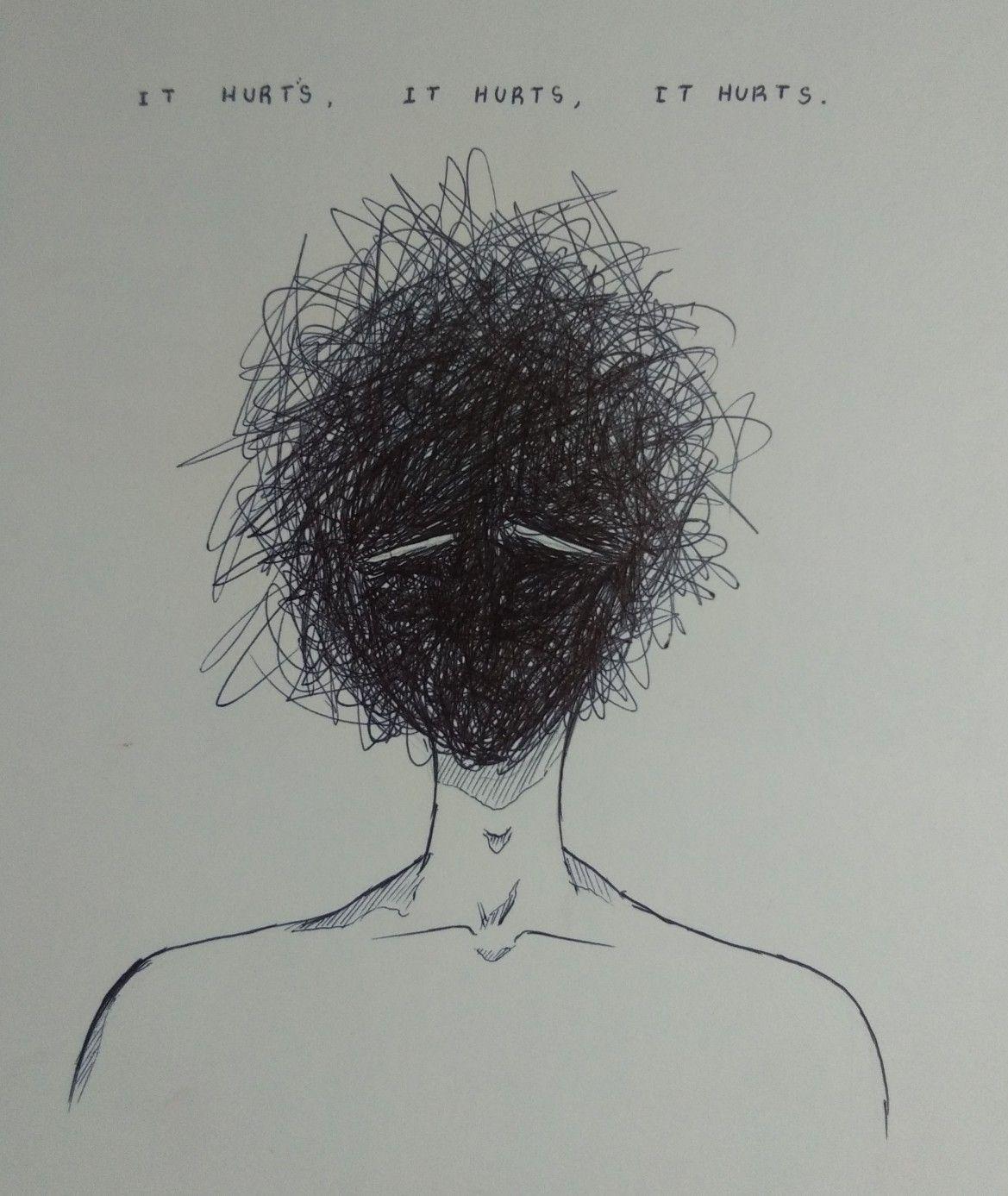
Captivating Eye Contact Anxiety Capture Art
Immerse yourself in the stunning details of this beautiful eye contact anxiety wallpaper, designed for a captivating visual experience.

Detailed Eye Contact Anxiety Background in HD
Transform your screen with this vivid eye contact anxiety artwork, a true masterpiece of digital design.
Download these eye contact anxiety wallpapers for free and use them on your desktop or mobile devices.
0 Response to "Eye Contact Anxiety"
Post a Comment