Eye Exam Types
The Ultimate Guide to Understanding Different Eye Exam Types
Ever walked into an eye doctor's office and wondered exactly what all those flashing lights, puffs of air, and charts were for? You're not alone. Navigating the world of optometry can feel overwhelming, but understanding what's happening during your appointment is the first step toward proactive eye health.
This comprehensive guide will break down the essential Eye Exam Types you might encounter, explaining why each procedure is vital for maintaining perfect vision and detecting potential problems early. Think of this as your cheat sheet to talking like a pro at your next vision screening.
We believe that when you know what to expect, you can advocate better for your own health. Let's dive deep into the examinations that keep your world sharp and clear!
Routine Vision Exams: The Basics of Seeing Clearly
When most people think of an eye exam, they are likely picturing the standard routine vision test. These exams primarily focus on determining if you need corrective lenses (glasses or contacts) and ensuring your current prescription is still accurate. They are foundational to good vision care.
Visual Acuity Test (The Snellen Chart)
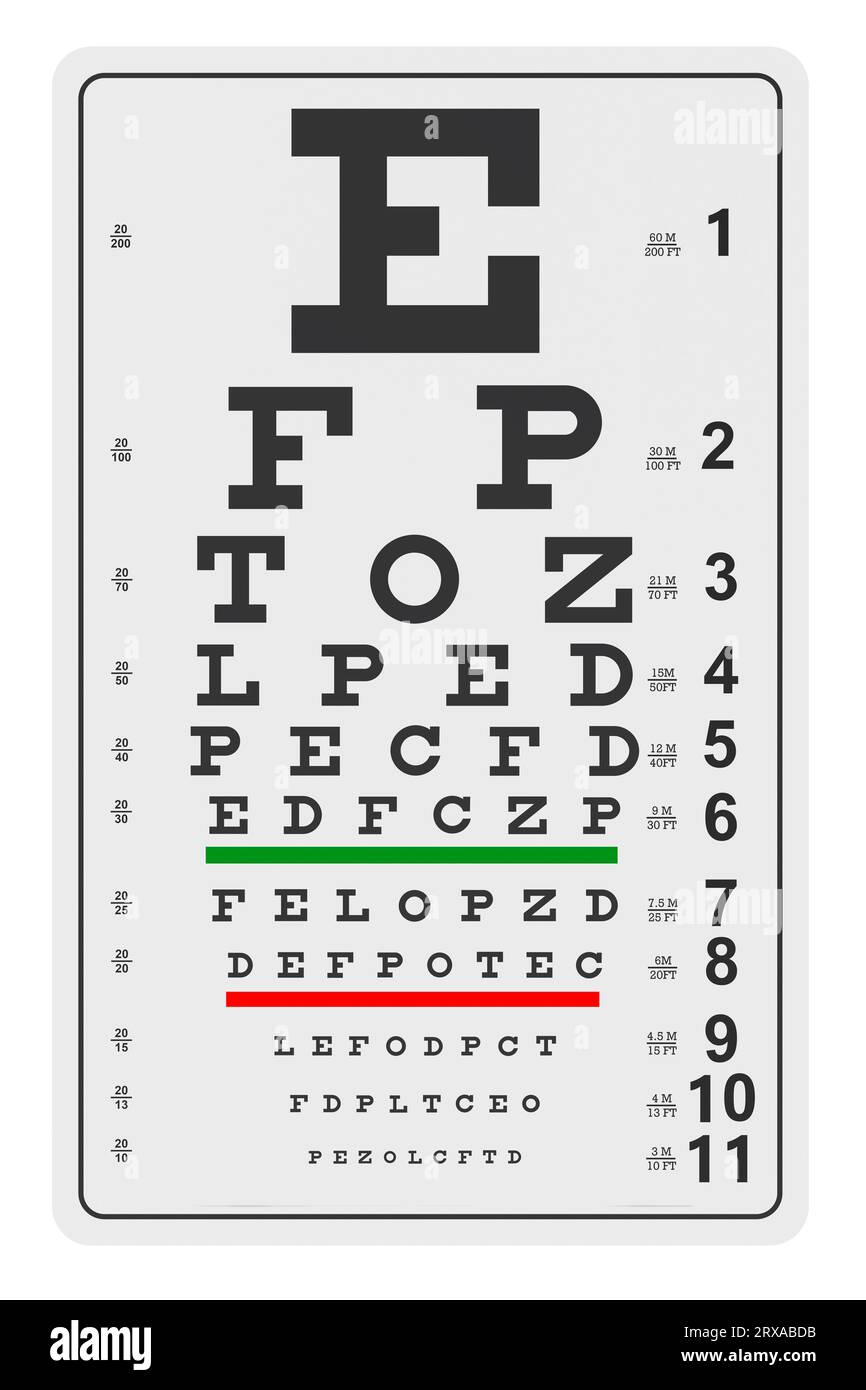
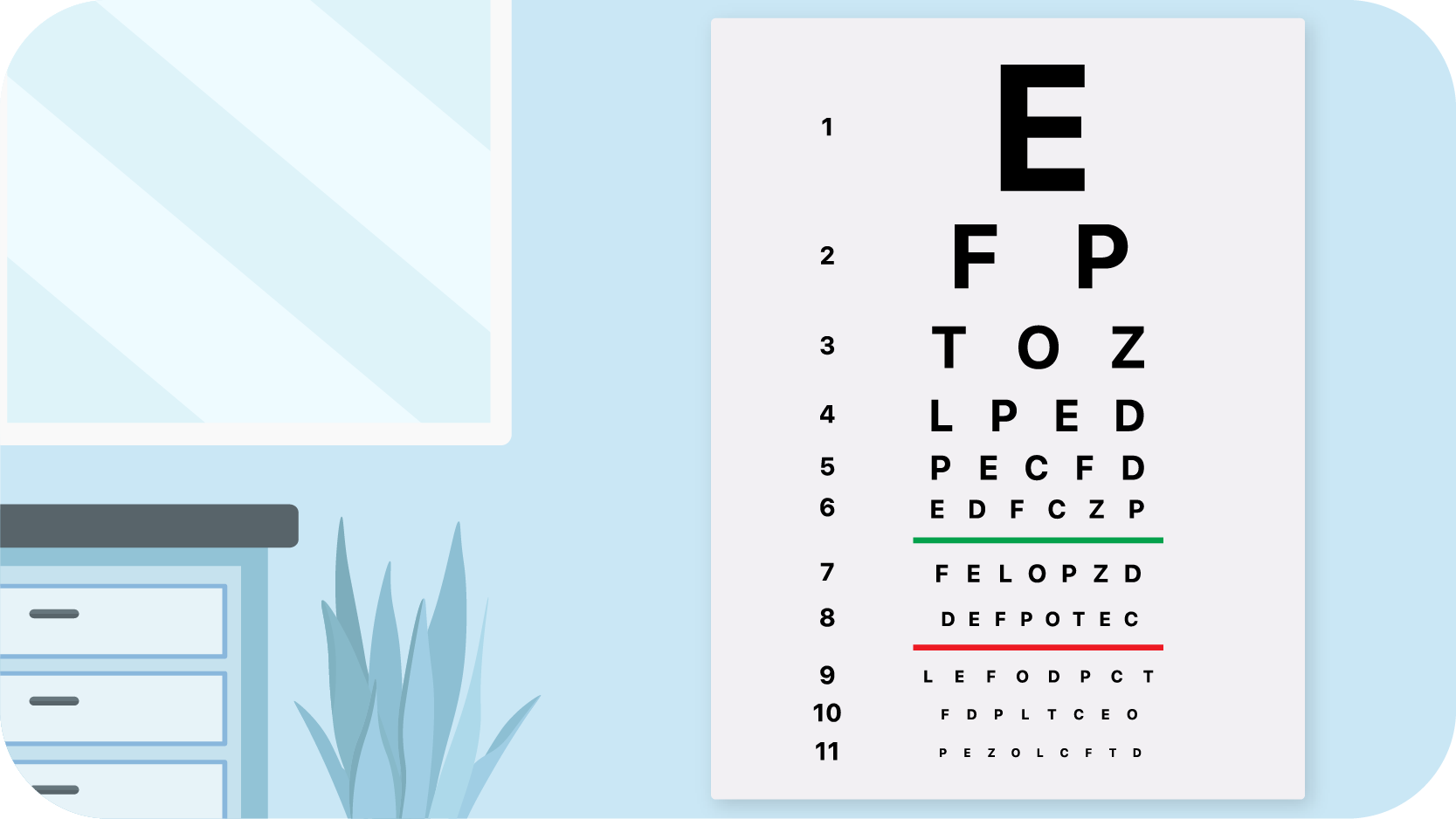
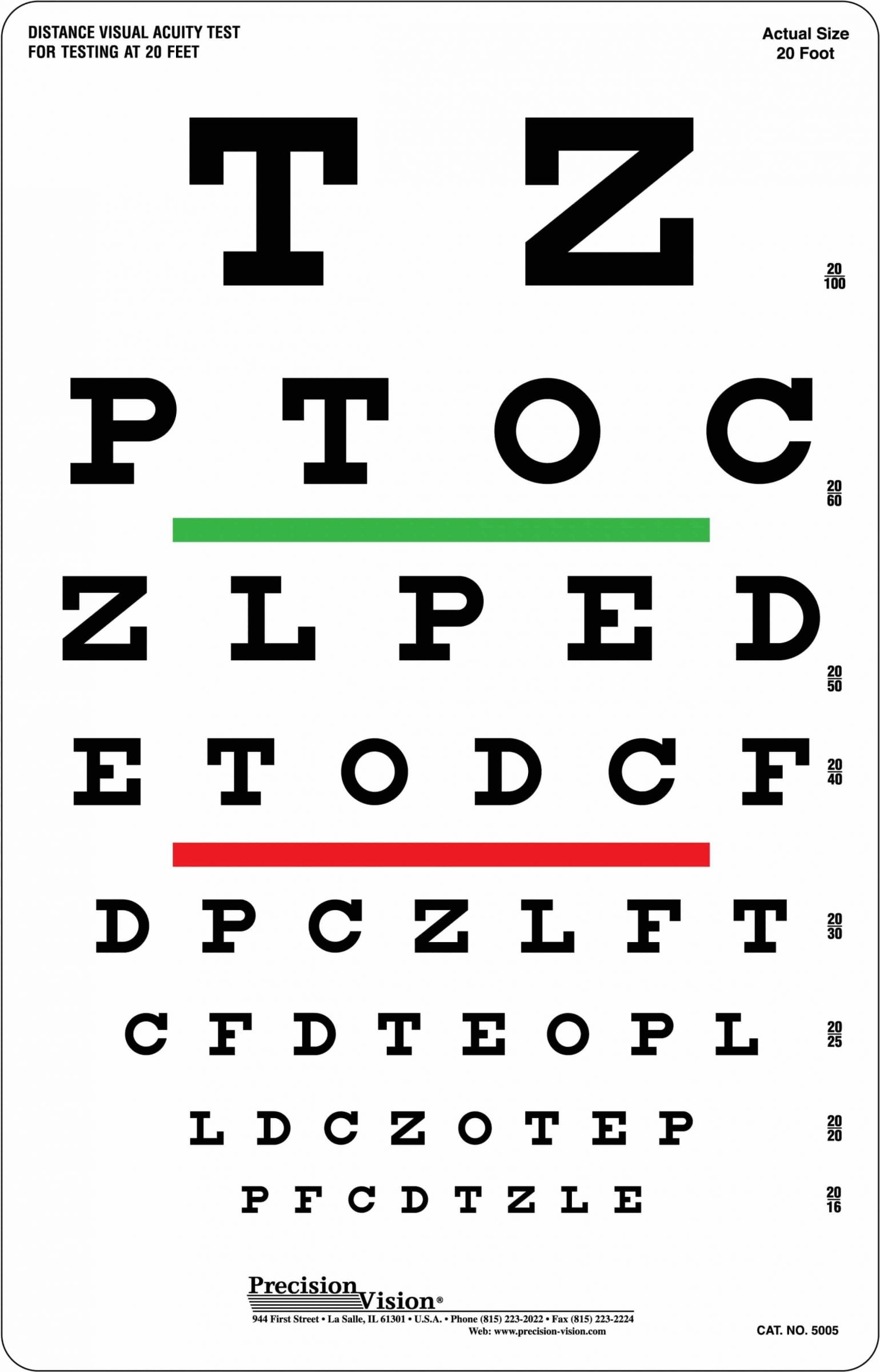
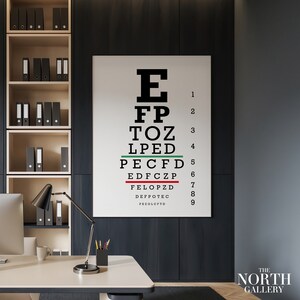
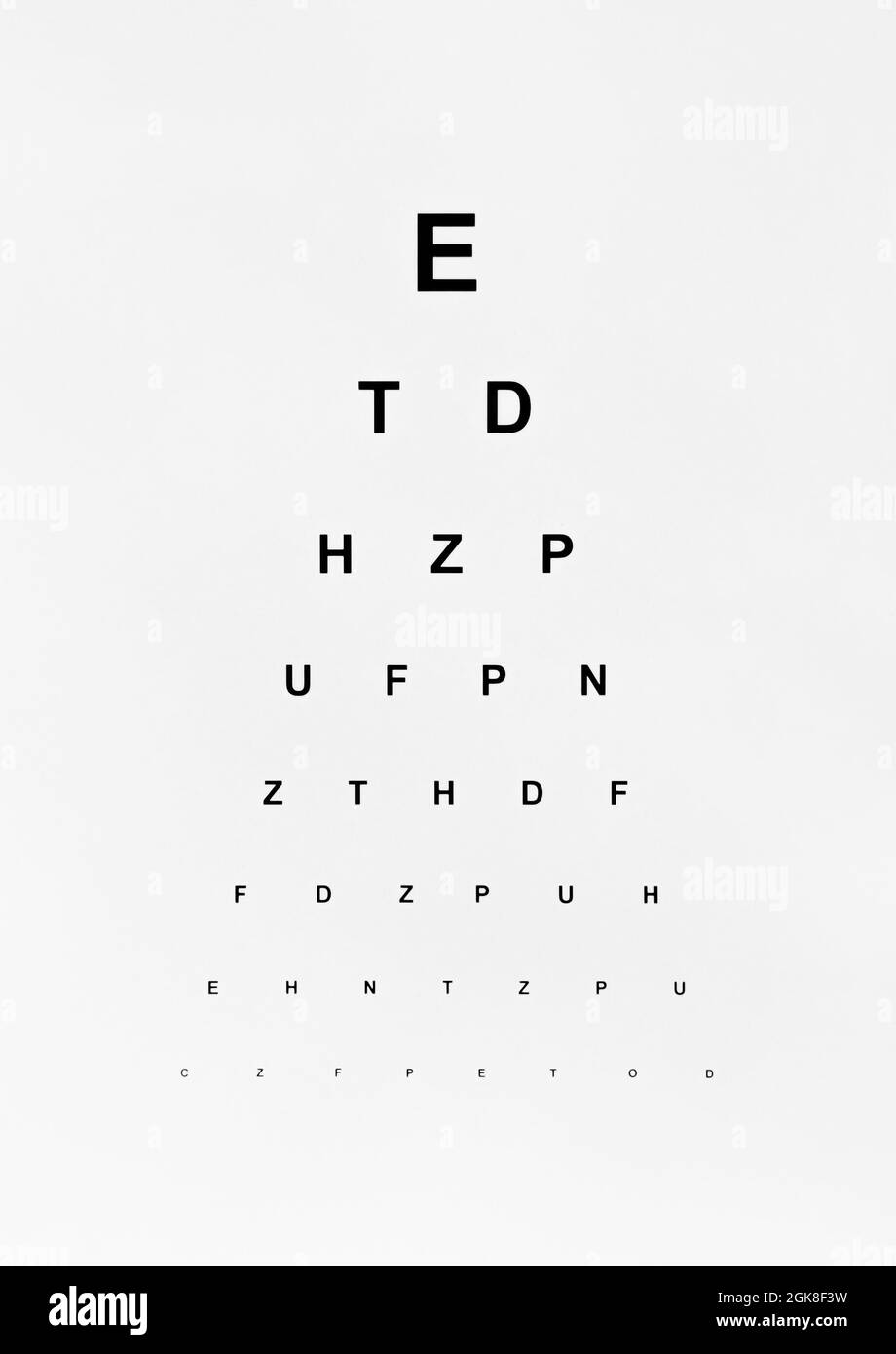
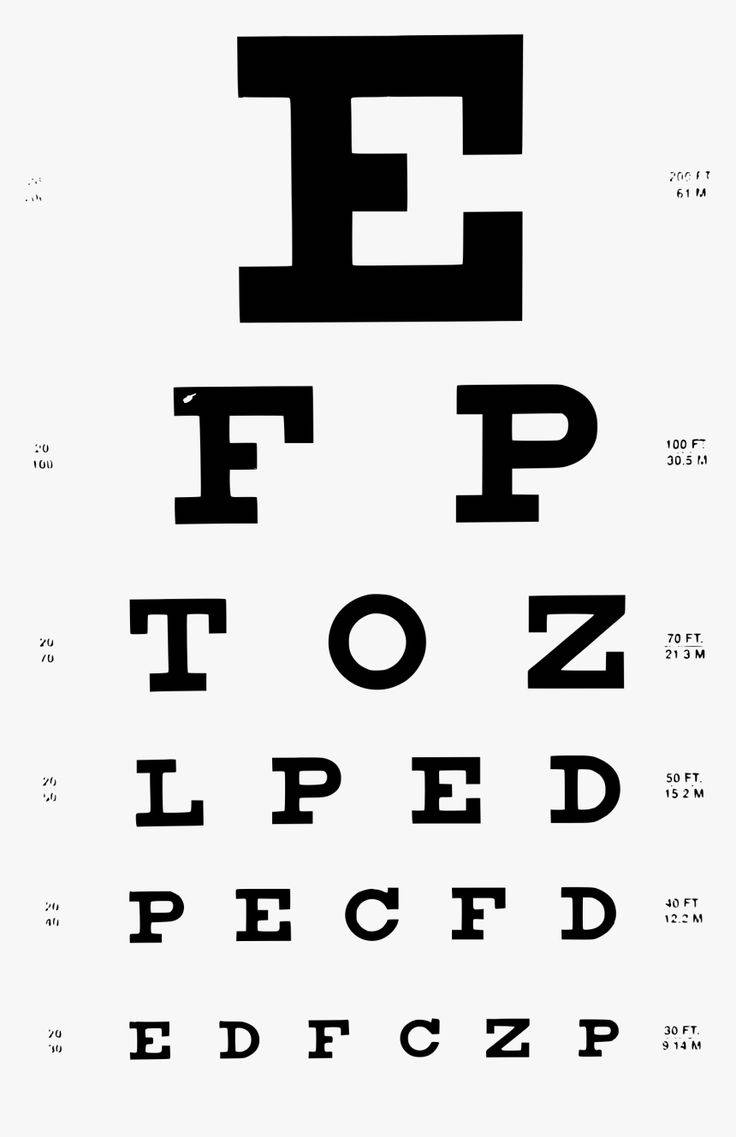
This is perhaps the most iconic part of any eye check-up. The Visual Acuity Test uses the classic Snellen chart, a poster filled with rows of letters that get progressively smaller. You cover one eye and read the lowest line you can manage.
This test measures how sharp your vision is at a distance. If you have 20/20 vision, it means you can see clearly at 20 feet what a normally sighted person can see at 20 feet. If you struggle, the doctor will move on to the next crucial step: refining your prescription.
Refraction Assessment: Finding Your Perfect Prescription
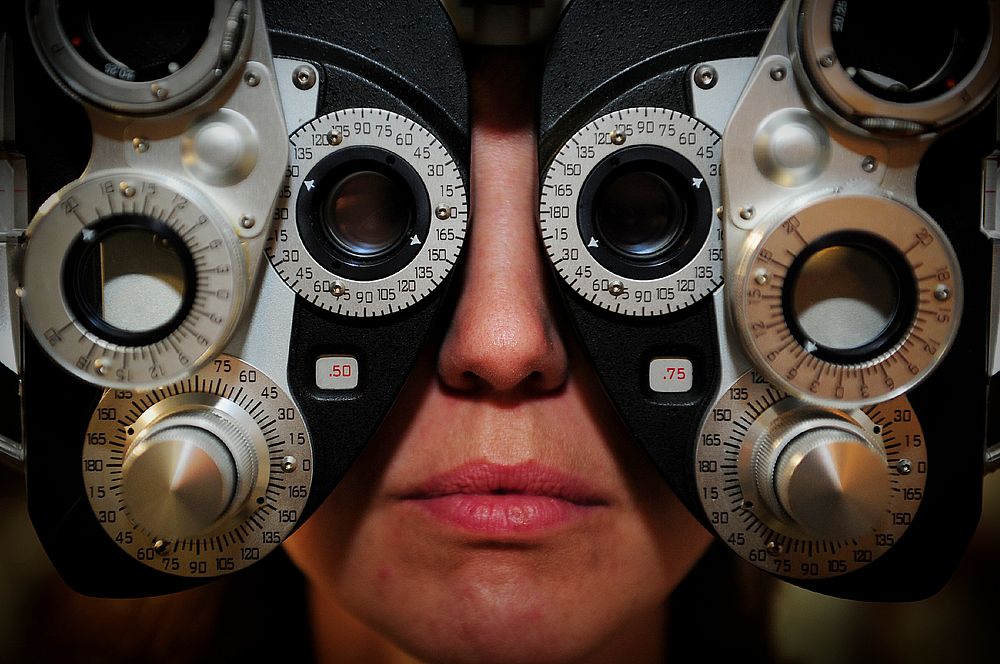
Have you ever been asked, "Which looks better: Option 1 or Option 2?" That process is the refraction assessment. The doctor uses a device called a phoropter, which contains many different lenses.
This test fine-tunes the exact lens power needed to correct refractive errors like nearsightedness (myopia), farsightedness (hyperopia), and astigmatism. By comparing different lenses, your eye doctor zeroes in on the exact prescription that will give you the clearest vision possible. This attention to detail is essential for the effectiveness of all Eye Exam Types.
Comprehensive Eye Health Exams: More Than Just Glasses
While routine exams focus on vision correction, comprehensive eye health exams are the deep dive. These examinations are designed to screen for serious, silent eye diseases that often show no early symptoms, such as glaucoma, cataracts, and macular degeneration.
These diseases can lead to irreversible blindness if not caught early, highlighting why these Eye Exam Types are so critical, especially as we age.
Slit Lamp Examination: Close-Up Look at the Front of Your Eye
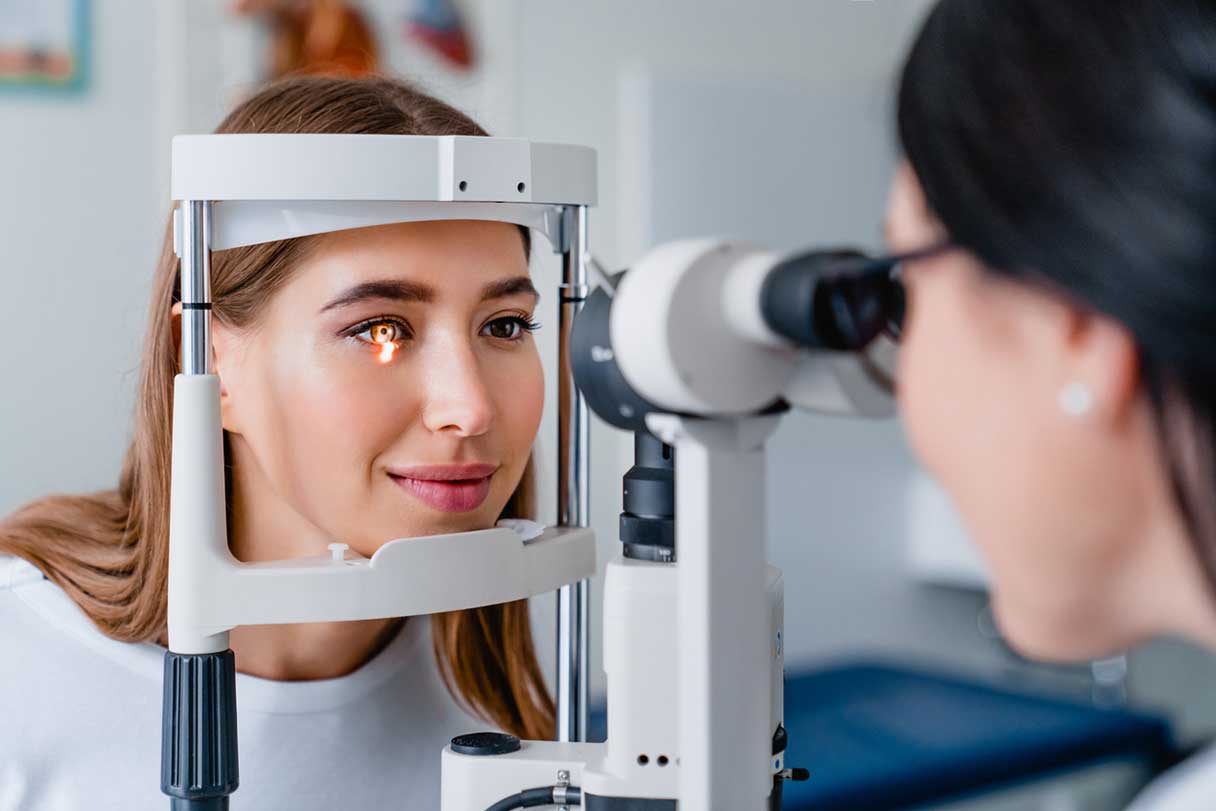
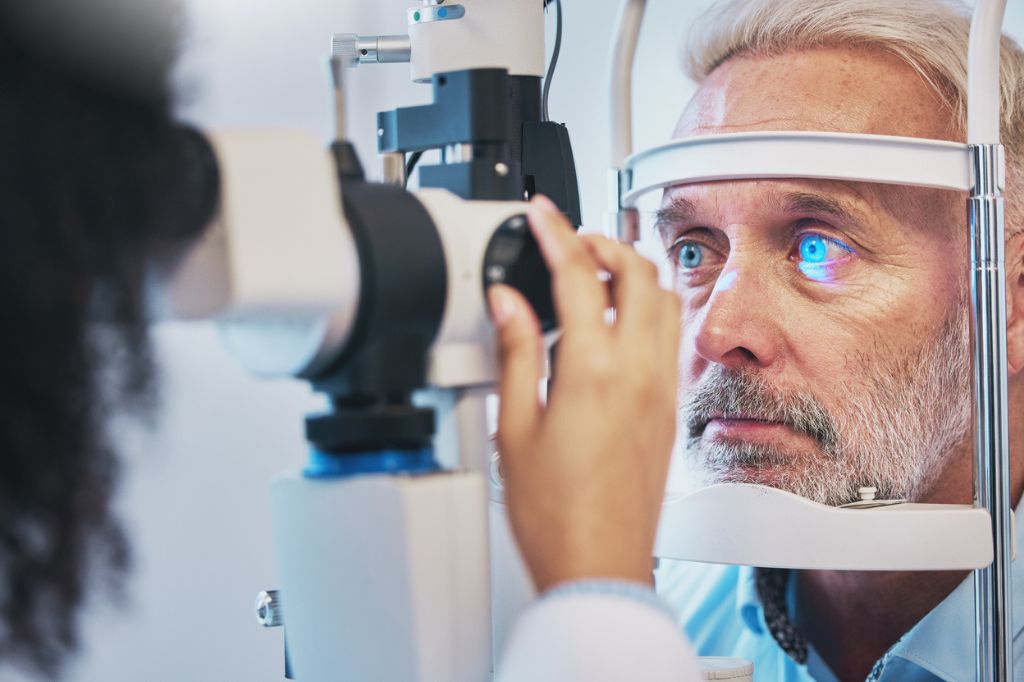
The slit lamp is a powerful microscope that your doctor uses to shine a thin, intense beam of light into your eye. This magnification allows them to examine the structure of your eye, from the front (lids, cornea, iris) to the lens.
The slit lamp helps detect:
- Signs of dry eyes or allergies.
- Corneal scratches or infections.
- Early signs of cataracts (clouding of the lens).
Tonometry: Measuring Intraocular Pressure (IOP)
Often referred to as the "puff test," tonometry is vital for screening for glaucoma. Glaucoma is a condition caused by excessive pressure building up inside the eye, which damages the optic nerve.
There are different ways to measure this pressure, but the goal is the same: to catch elevated IOP before it causes permanent vision loss. Early detection through regular comprehensive exams is the key to managing this disease.
Dilated Fundus Examination: Peering into the Retina
To truly see the back structures of your eye—the retina, optic nerve, and macula—your doctor often needs to dilate your pupils using eye drops. This widening allows for a much clearer view inside.
This exam is crucial because the blood vessels in the retina are highly sensitive to systemic health issues. Your eye doctor can often detect early signs of diabetes, high blood pressure, and even high cholesterol simply by looking at your retina. If you need a comprehensive assessment of your overall health, this is one of the most informative Eye Exam Types.
Specialized Diagnostic Exams: Advanced Assessment
Sometimes, if routine or comprehensive exams flag a potential issue, your doctor may recommend highly specialized diagnostic tests. These procedures provide detailed maps and data that help confirm a diagnosis and monitor the progression of known diseases.
Visual Field Testing: Checking Your Peripheral Vision
Visual field testing measures your side (peripheral) vision. You sit in front of a dome-shaped instrument and press a button every time you see a light flash. This test is painless but requires focus.
Why is this important? Diseases like glaucoma often cause blind spots to develop in the periphery long before they affect central vision. Mapping the visual field helps doctors track the extent of nerve damage and determine if treatment is working.
Optical Coherence Tomography (OCT): The Retinal Ultrasound
OCT is a non-invasive imaging test that uses light waves to take cross-sectional pictures of your retina and optic nerve. Think of it as an ultrasound, but using light instead of sound waves.
This technology provides incredibly detailed images of the retinal layers, which is indispensable for diagnosing and managing serious conditions. These include:
- Age-Related Macular Degeneration (AMD).
- Diabetic Retinopathy (damage caused by high blood sugar).
- Monitoring nerve fiber layer thickness in glaucoma patients.
OCT has revolutionized the ability of eye doctors to detect minute changes in the eye structure years before they would be visible through a standard dilated exam.
Choosing the Right Eye Exam Types for You
The type and frequency of the eye exams you need depend heavily on your age, overall health, and family history. Generally, healthy adults should aim for a comprehensive exam every one to two years. If you have known risk factors, such as diabetes or a family history of glaucoma, your doctor will likely recommend more frequent visits.
Don't hesitate to discuss your health history openly with your eye care professional. They can tailor your check-up to ensure that you receive the most relevant of the available Eye Exam Types.
Conclusion: Prioritizing Your Vision Health
From the routine Snellen chart to advanced OCT scans, the different Eye Exam Types available today offer a robust defense against vision loss. Regular vision checks are not just about updating your glasses; they are critical health screenings that look deep into your body's health.
By understanding the purpose of each test, you can approach your next appointment with confidence and awareness. Remember, your vision is priceless, and taking proactive steps—like scheduling that comprehensive check-up—ensures your world stays clear and vibrant for years to come.
Frequently Asked Questions (FAQ) About Eye Exam Types
- What is the difference between a vision screening and a comprehensive eye exam?
- A vision screening (like those done at school or the DMV) only tests visual acuity and often requires no equipment. A comprehensive eye exam includes multiple Eye Exam Types (refraction, tonometry, slit lamp, and usually dilation) to check the entire health of the eye, not just prescription needs.
- How often should I get a comprehensive eye exam?
- For most healthy adults between ages 18 and 60, every one to two years is recommended. Children, seniors (61+), and those with underlying health conditions (like diabetes) may need annual or more frequent exams, depending on their doctor's advice.
- Are dilated eye exams necessary?
- Yes, in most cases, dilation is necessary for a thorough evaluation of the retina and optic nerve. It is the best way to detect silent diseases like macular degeneration, glaucoma, and retinopathy. If the doctor uses advanced imaging like OCT, sometimes dilation can be avoided, but the full health picture requires checking those structures.
- Do these specialized Eye Exam Types hurt?
- No. The vast majority of eye exam types, including tonometry (the puff test), refraction, and OCT scans, are quick, painless, and non-invasive. The dilation drops may cause temporary light sensitivity and blurry near vision, but they do not cause pain.
Eye Exam Types
Eye Exam Types Wallpapers
Collection of eye exam types wallpapers for your desktop and mobile devices.

Stunning Eye Exam Types Abstract Nature
This gorgeous eye exam types photo offers a breathtaking view, making it a perfect choice for your next wallpaper.

Crisp Eye Exam Types Picture Illustration
This gorgeous eye exam types photo offers a breathtaking view, making it a perfect choice for your next wallpaper.

Mesmerizing Eye Exam Types Scene Digital Art
Explore this high-quality eye exam types image, perfect for enhancing your desktop or mobile wallpaper.
Lush Eye Exam Types Landscape Collection
A captivating eye exam types scene that brings tranquility and beauty to any device.
Breathtaking Eye Exam Types Landscape Art
Experience the crisp clarity of this stunning eye exam types image, available in high resolution for all your screens.

Mesmerizing Eye Exam Types View Photography
Experience the crisp clarity of this stunning eye exam types image, available in high resolution for all your screens.
Beautiful Eye Exam Types Artwork Illustration
Explore this high-quality eye exam types image, perfect for enhancing your desktop or mobile wallpaper.
Serene Eye Exam Types Picture Collection
Explore this high-quality eye exam types image, perfect for enhancing your desktop or mobile wallpaper.

Amazing Eye Exam Types Capture Digital Art
Transform your screen with this vivid eye exam types artwork, a true masterpiece of digital design.

Beautiful Eye Exam Types Moment for Your Screen
Transform your screen with this vivid eye exam types artwork, a true masterpiece of digital design.
Crisp Eye Exam Types View Nature
A captivating eye exam types scene that brings tranquility and beauty to any device.
Vivid Eye Exam Types Capture Digital Art
Transform your screen with this vivid eye exam types artwork, a true masterpiece of digital design.

Detailed Eye Exam Types Scene for Mobile
Discover an amazing eye exam types background image, ideal for personalizing your devices with vibrant colors and intricate designs.

Serene Eye Exam Types Artwork in 4K
Experience the crisp clarity of this stunning eye exam types image, available in high resolution for all your screens.

Lush Eye Exam Types Abstract Nature
A captivating eye exam types scene that brings tranquility and beauty to any device.
Lush Eye Exam Types View for Mobile
This gorgeous eye exam types photo offers a breathtaking view, making it a perfect choice for your next wallpaper.
Serene Eye Exam Types Scene Illustration
Discover an amazing eye exam types background image, ideal for personalizing your devices with vibrant colors and intricate designs.

Dynamic Eye Exam Types Picture Art
A captivating eye exam types scene that brings tranquility and beauty to any device.

Artistic Eye Exam Types Image in HD
This gorgeous eye exam types photo offers a breathtaking view, making it a perfect choice for your next wallpaper.
Captivating Eye Exam Types Background in HD
Find inspiration with this unique eye exam types illustration, crafted to provide a fresh look for your background.
Download these eye exam types wallpapers for free and use them on your desktop or mobile devices.
0 Response to "Eye Exam Types"
Post a Comment