Eye Frame Size Chart
Decoding the Eye Frame Size Chart: Your Ultimate Guide to the Perfect Fit
Let's be honest, buying new eyeglasses or sunglasses online can feel like navigating a maze, especially when you encounter those confusing little numbers. If you've ever stared blankly at a product description wondering what "52-18-140" actually means, you've come to the right place! Understanding the Eye Frame Size Chart is the secret weapon for ensuring your glasses are comfortable, stylish, and perfect for your face.
We're going to break down every measurement so you can confidently shop for frames that fit like they were custom-made. Say goodbye to pinching temples and slipping bridges—the perfect pair awaits!
Why Understanding Your Eye Frame Size Chart is Crucial
Many people focus only on the style or color of frames, neglecting the measurements. However, an ill-fitting frame doesn't just look awkward; it can seriously impact your vision correction and comfort throughout the day. It's absolutely essential for your optical health.
When glasses are too wide, they slide down your nose and cause visual distortion because the optical center of the lens is misaligned. Conversely, if they are too narrow, they cause painful pressure points behind your ears and on the sides of your head. Therefore, knowing your specific measurements ensures maximum optical performance and comfort.
This size information is universally displayed, usually in millimeters (mm), and always follows a standardized pattern, which makes reading the Eye Frame Size Chart incredibly simple once you know the code. Think of it as the secret language of eyewear professionals!
The Three Key Numbers: Deciphering Frame Measurements
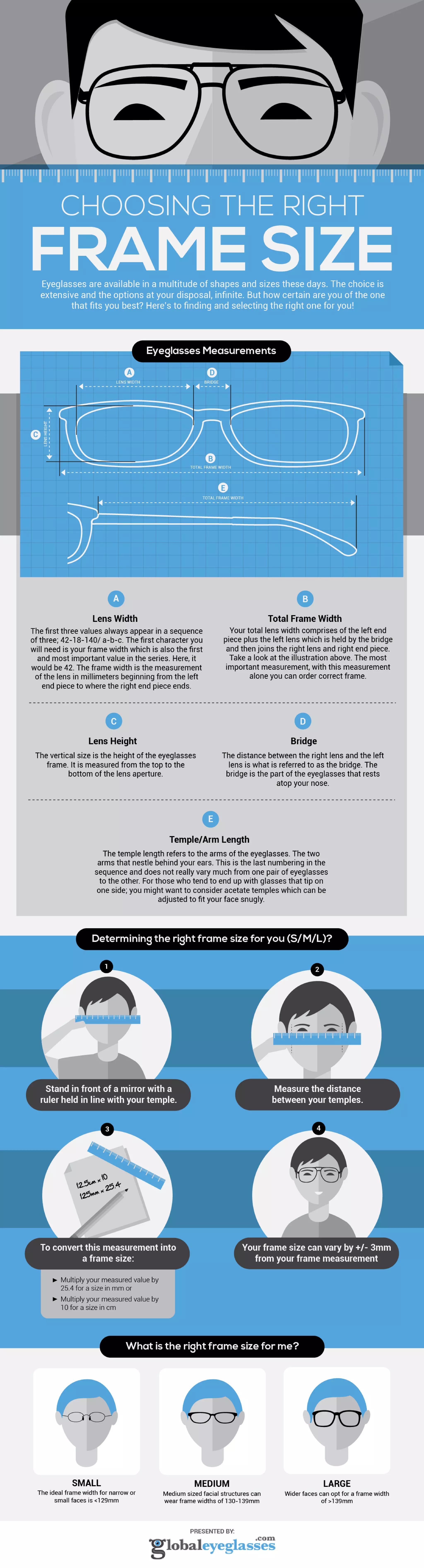
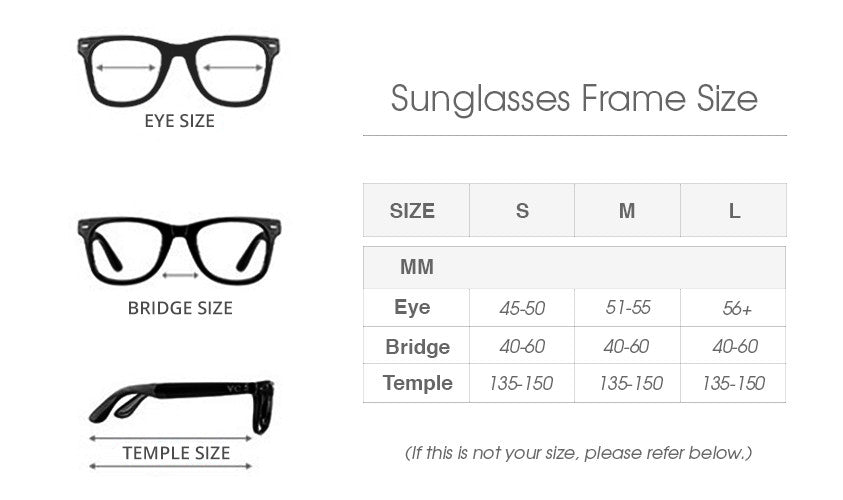
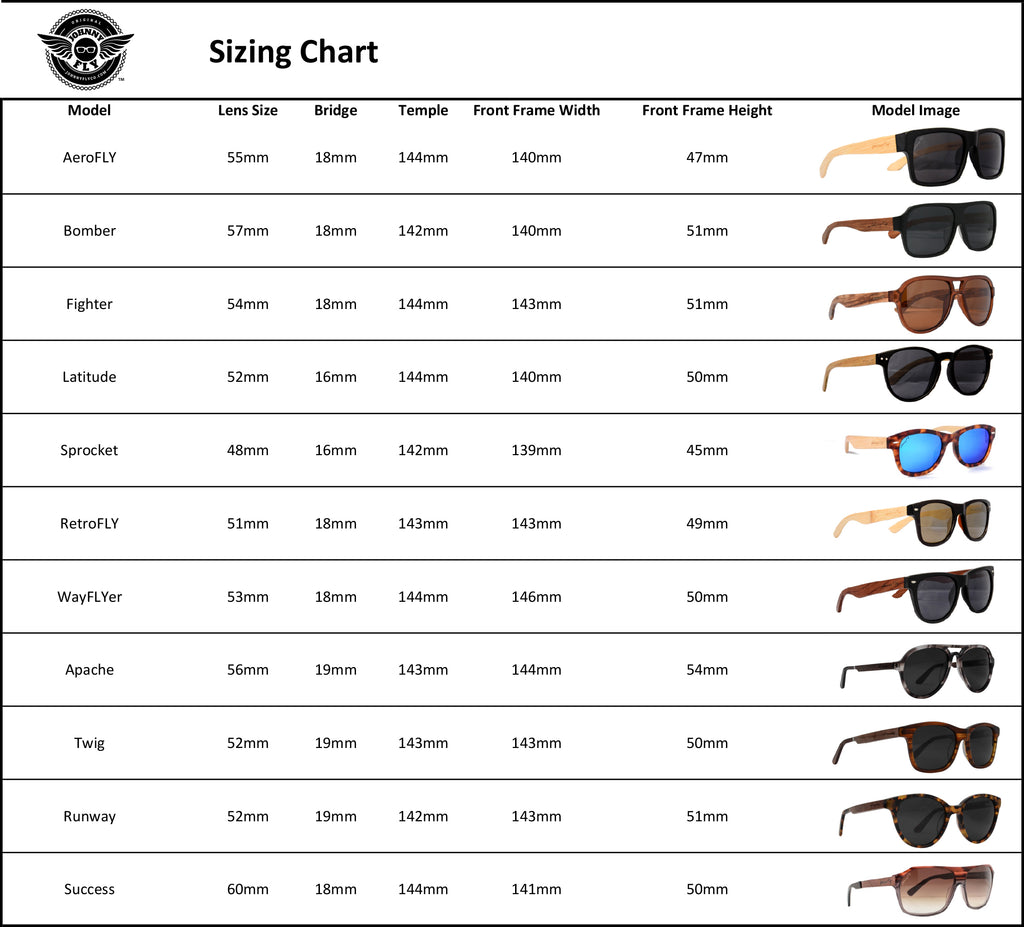
Regardless of the brand or frame material, all frame sizes are defined by three core measurements. These three numbers dictate everything from how wide the frame sits to how far the arms extend behind your ears. These crucial measurements are typically printed on the inside of the frame arm (the temple piece) and sometimes on the bridge.
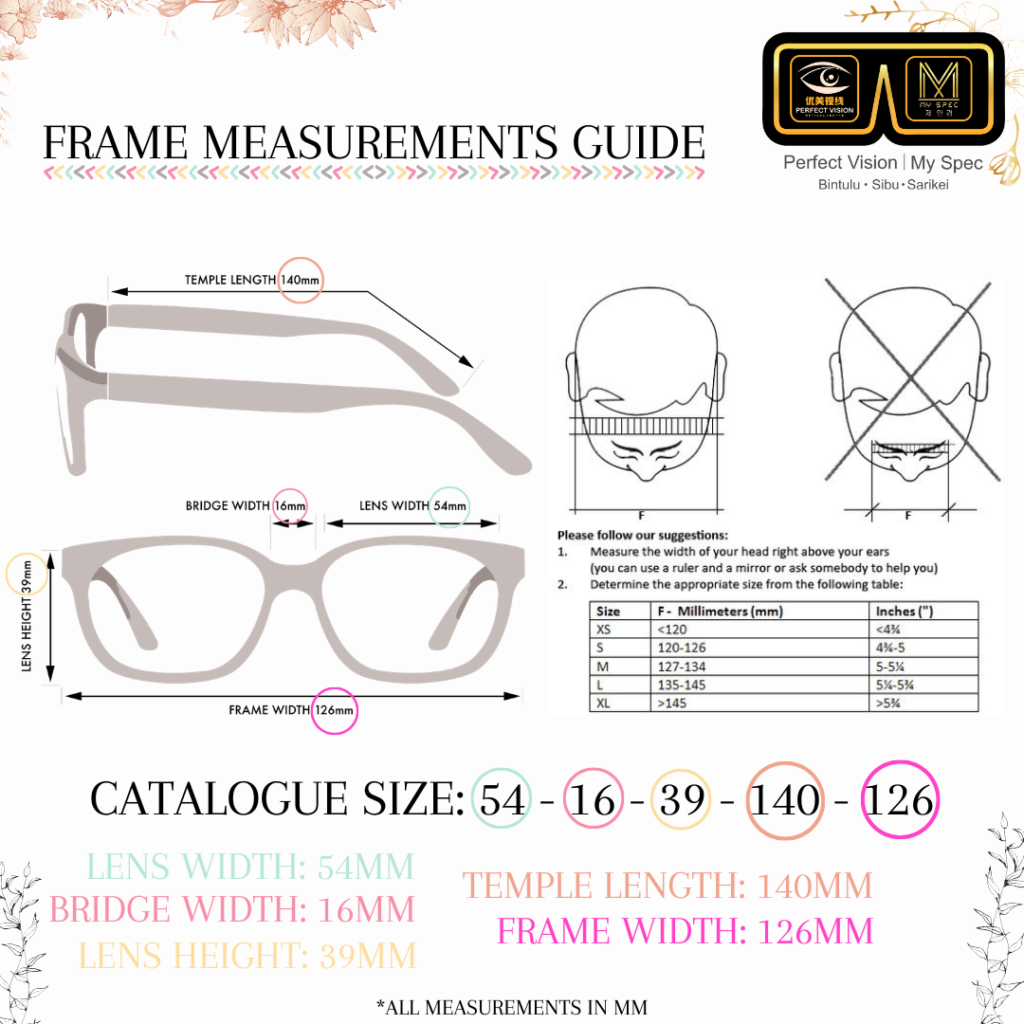
These numbers are usually presented sequentially, often separated by dashes or small squares, like this: AA-BB-CCC. Understanding which number refers to which part of the frame is the key to successfully using the Eye Frame Size Chart.
Lens Width (Eye Size)
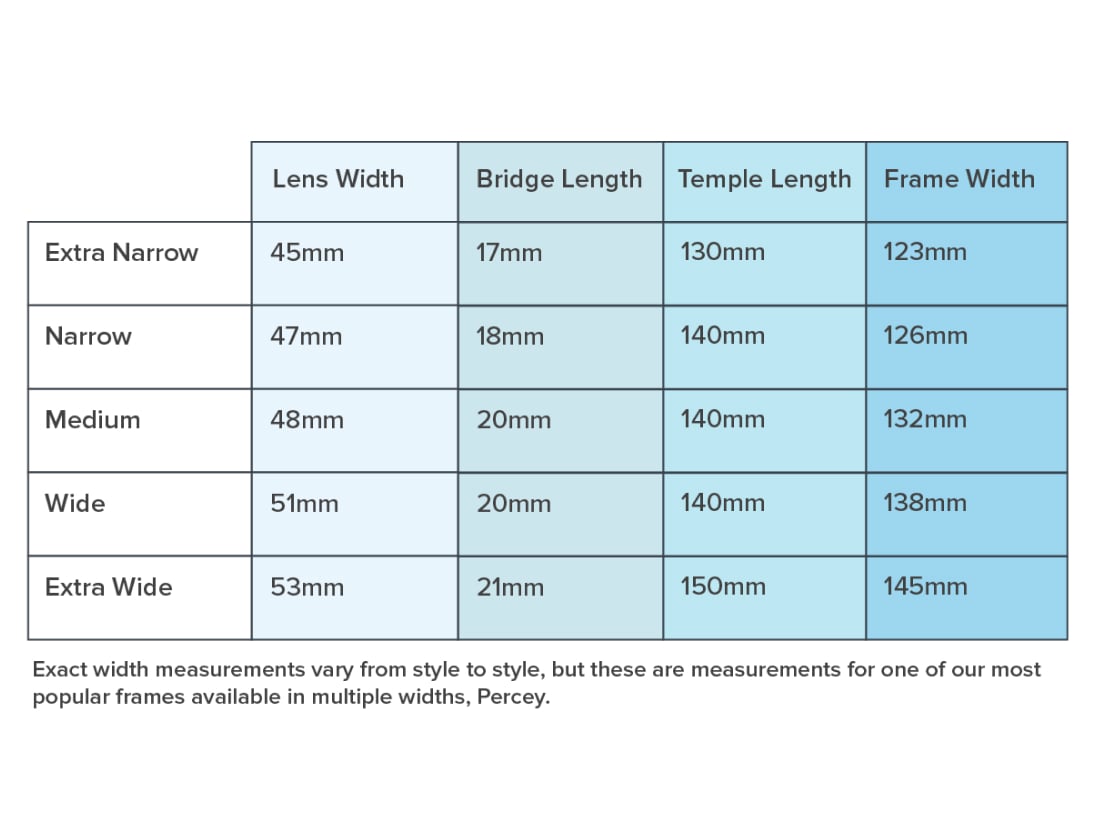
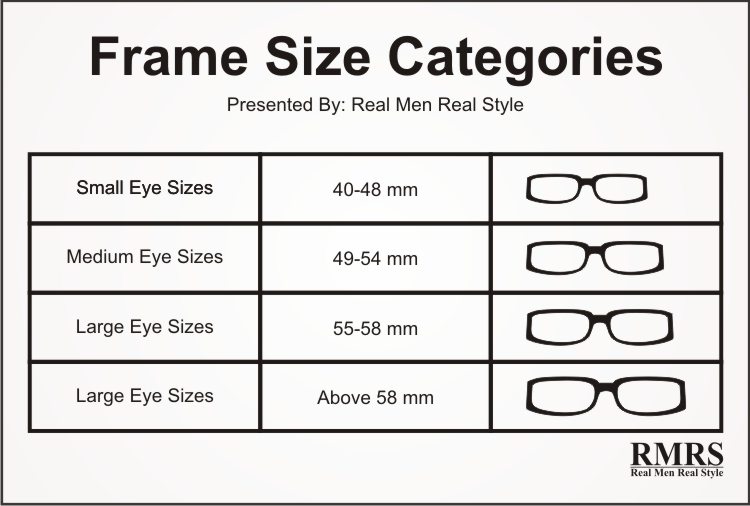
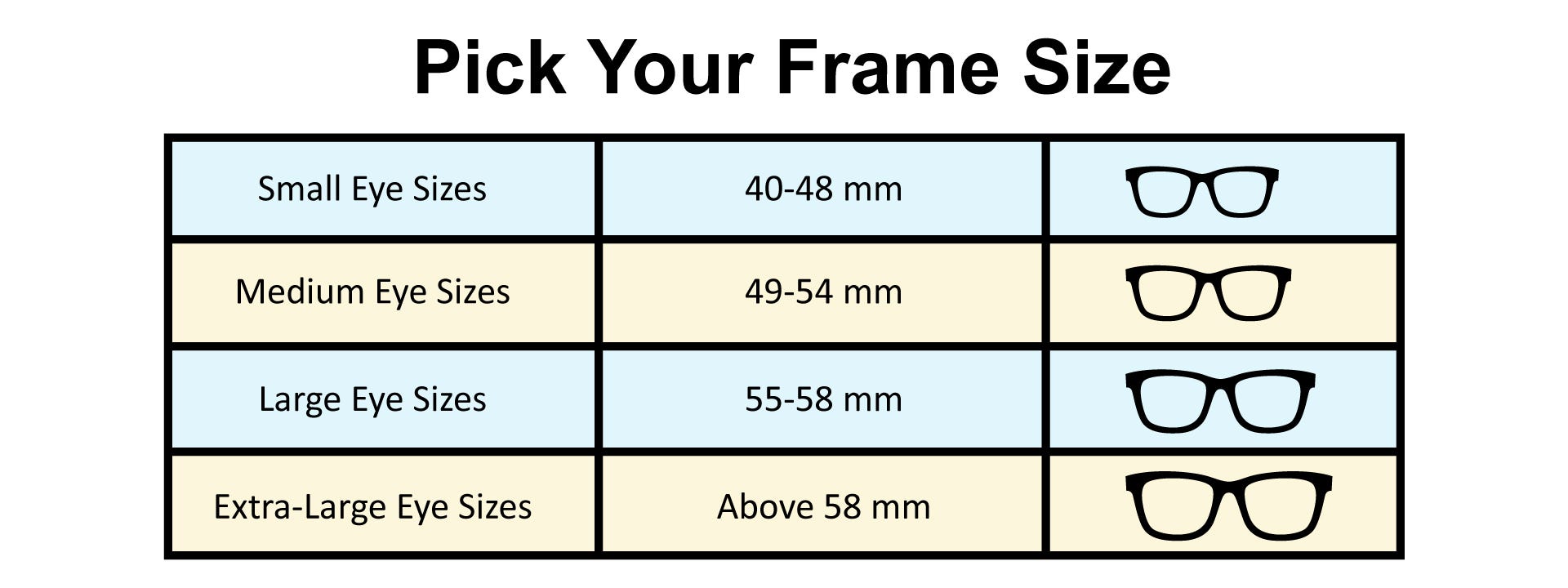
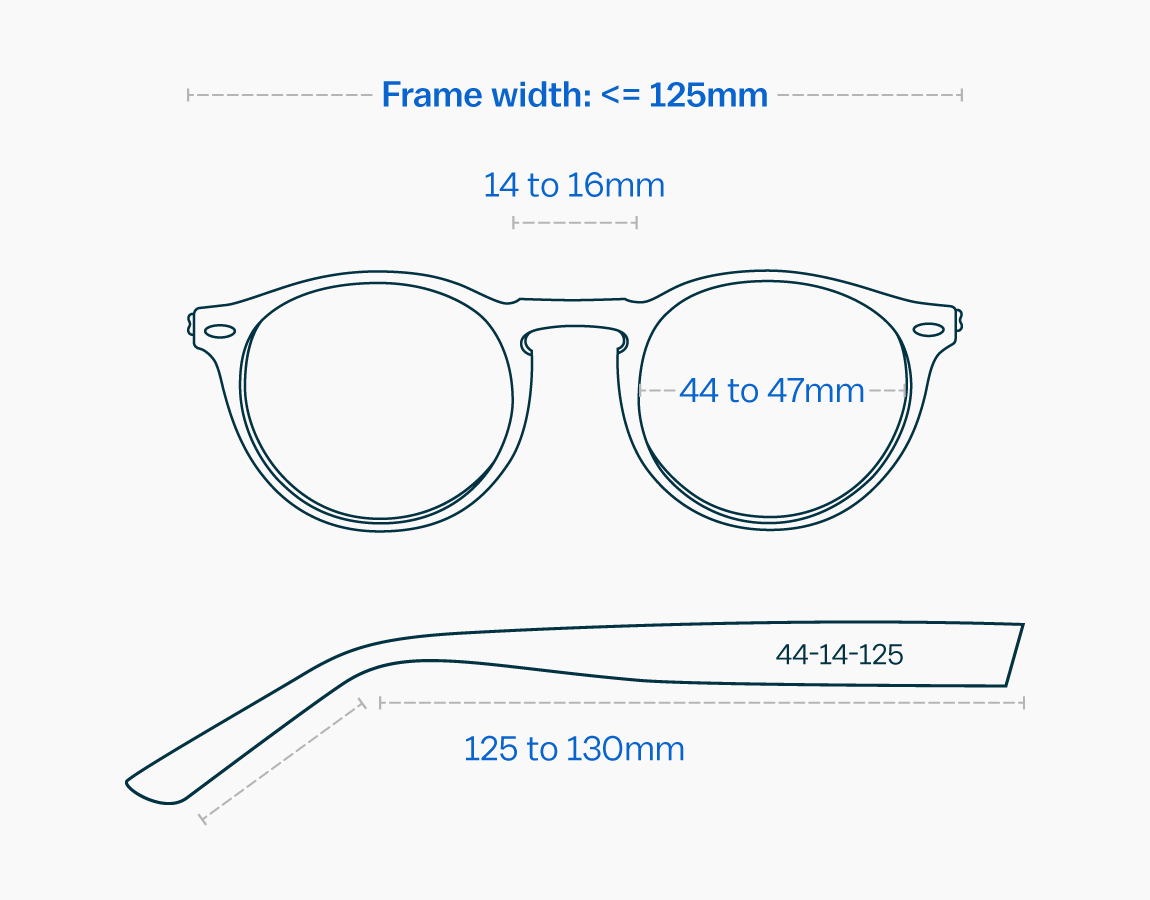
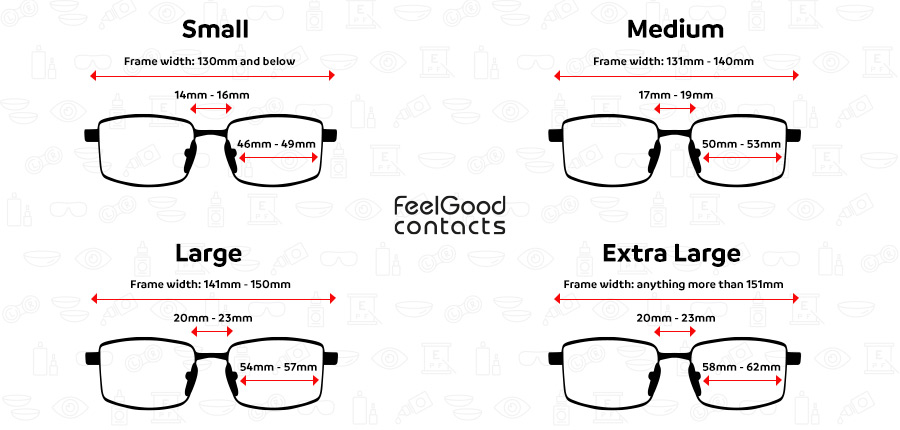
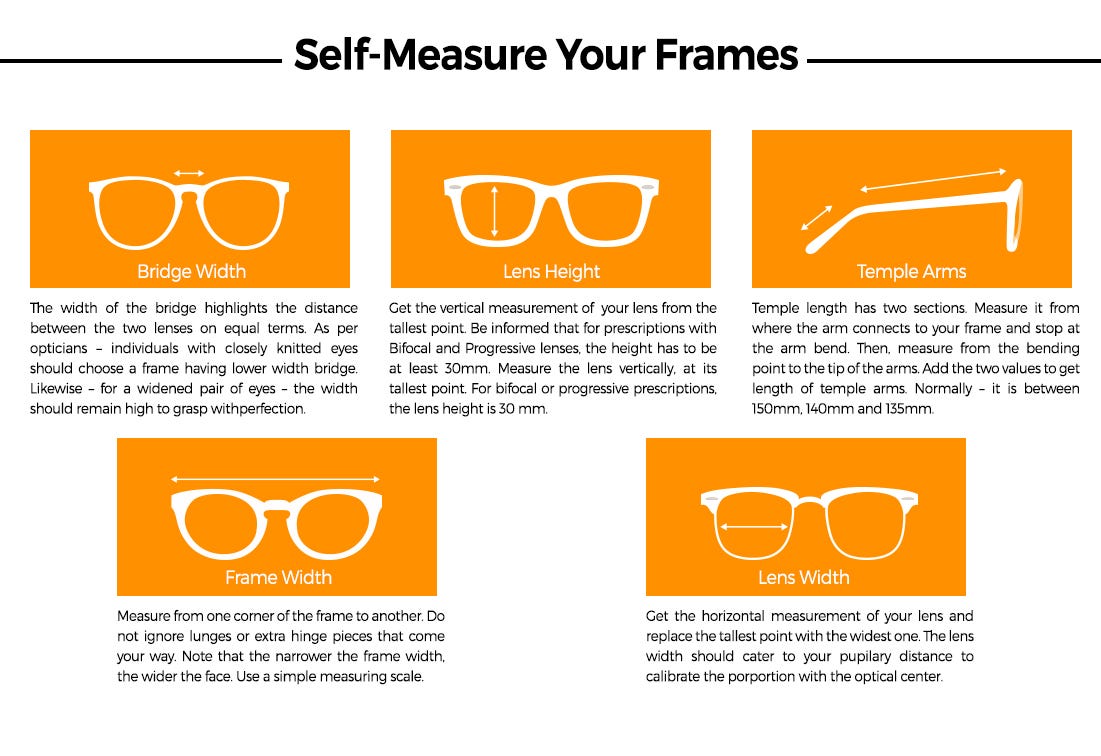
The first number (AA) is the Lens Width, often simply called the Eye Size. This is the horizontal width of the lens itself, measured at its widest point from the inner edge of the frame. Typically, this measurement ranges from 40mm (very small) to 60mm (oversized).
This is arguably the most crucial measurement for determining the overall aesthetic and the total width of the frame front across your face. A wider lens width means a wider frame front overall, ensuring the frames do not appear too small or too large for your head.
Bridge Width
The second number (BB) denotes the Bridge Width. The bridge is the piece of the frame that rests directly over your nose. This measurement is taken from the closest interior edge of one lens to the interior edge of the other, effectively measuring the gap over your nose.
Bridge measurements usually fall between 14mm and 24mm. Getting this right is critical for comfort, as a bridge that is too wide will cause the frames to constantly slip down your face, and a bridge that is too narrow will pinch uncomfortably.
If you have a lower nose bridge, you might specifically look for frames with specific adjustable nose pads or smaller bridge numbers to guarantee better security and prevent slippage.
Temple Length
The final and usually largest number (CCC) is the Temple Length, commonly referred to as the arm length. This measurement covers the entire length of the arm, measured from the hinge connecting the frame front to the very tip that curves gently behind your ear.
Standard temple lengths are 135mm, 140mm, 145mm, and 150mm. This length ensures the arms grip your head correctly. If the temple is too short, the curve won't reach properly over your ear, causing the frame to feel loose and unstable. However, if it is too long, the curve will sit too far back, pushing the glasses forward away from your face.
How to Find Your Current Frame Measurements
The easiest and most reliable way to understand your ideal size on the Eye Frame Size Chart is to look at a pair of glasses you currently own and love the fit of. That comfortable pair is your blueprint for future purchases! There are two primary ways to retrieve this crucial data.
Checking the Manufacturer's Stamp
Almost all prescription glasses and quality sunglasses have the measurements stamped directly onto the frame during manufacturing. This stamping process is a standard industry practice, saving you the hassle of manual measurement.
Where to look for the numbers:
- On the inside surface of one of the temple arms (the most common location).
- On the underside of the nose bridge itself.
- On the inside tip of the earpiece.
Remember, these numbers are always listed in the definitive order: Lens Width – Bridge Width – Temple Length (e.g., 50-20-145). Use these numbers as the foundation for your next purchase.
Measuring Frames You Already Own
If your old frames don't have the size printed, perhaps due to wear or a lack of manufacturing detail, you can manually measure them using a ruler or, ideally, a digital caliper. Remember that all measurements must be recorded in millimeters (mm) for consistency with the Eye Frame Size Chart standards.
Follow these steps carefully to generate your personalized frame size profile:
- Measure Lens Width: Measure horizontally across the widest part of the lens opening (ignore the frame border itself).
- Measure Bridge Width: Measure the clear space between the two lens openings where the nose piece connects.
- Measure Temple Length: Measure from the hinge pin where the arm connects to the front frame, extending straight along the arm to the very tip.
We often recommend focusing most heavily on the Lens Width and Bridge Width, as Temple Length often has a bit more flexibility and can be adjusted by an optician if it's off by a few millimeters.
Choosing the Right Size for Your Face Shape
While the numbers provide technical accuracy, the overall look and feel depend heavily on how the size relates to your facial features. Knowing your size based on the Eye Frame Size Chart is the scientific part; choosing the right frame based on face shape is the artistic part of eyewear selection.
Ideally, the total width of the frame should align perfectly with the width of your temples. Furthermore, your eyes should be centered both vertically and horizontally within the lenses to ensure optimum vision through the corrective zones.
Recognizing Common Face Shapes
The primary goal when pairing frames with face shapes is to create contrast and balance the strong lines of your face. If you have soft features (like a round face), choose angular frames. If you have sharp features (like a square face), choose softer, rounded frames.
Here's a quick guide to common frame adjustments based on facial geometry, using your measurements as a starting point:
- Round Faces: Benefit from slightly wider lens sizes (high AA number) to add definition and perceived length to the face.
- Square Faces: Should opt for medium to large frames that are rounded or oval, helping to soften and balance the strong jawline.
- Oval Faces: Considered the most versatile shape, they can wear almost any size, but typically look best in frames that are as wide as the broadest part of the face.
- Heart-Shaped Faces: Best balanced by frames that are slightly wider at the top than the bottom, often requiring standard bridge widths to avoid drawing attention to the narrow chin.
Fit Tips for Optimal Comfort
The measurements provide a great baseline, but the frame material and style also play a crucial role in comfort. For instance, rigid metal frames often require more precise fit adjustments than thicker, slightly more flexible acetate frames.
Keep these final sizing tips in mind when making your selection to maximize long-term comfort:
- Temple Tension: The temple arm should sit comfortably straight along the side of your head without pinching before curving gently behind the ear. There should be no painful pressure on the side of your head.
- Bridge Clearance: Ensure the bottom edge of the frame front doesn't rest on your cheeks. This cheek contact can be irritating, particularly when you smile or sweat.
- Pantoscopic Tilt: Good frames should tilt slightly backward (the bottom edge closer to the face than the top edge) to ensure the corrective lens is angled correctly towards your pupil for clear viewing.
Additionally, don't forget to consider the vertical size of the lens (often referred to as the B measurement), especially if you have progressive or bifocal lenses, as these prescriptions require sufficient lens height for the different vision zones to function properly.
***
Conclusion: Mastering the Eye Frame Size Chart
Congratulations! You are now fully equipped to decipher any Eye Frame Size Chart you encounter. Remember that the three critical numbers—Lens Width, Bridge Width, and Temple Length—are your keys to unlocking perfect comfort and alignment, whether you are shopping for daily wear or prescription sunglasses.
By taking the time to measure your successful current pair or finding the stamped measurements, you eliminate the guesswork involved in online frame shopping. Go forth and find the stylish frames that don't just look great, but feel fantastic all day long!
Frequently Asked Questions (FAQ)
- What if I can only find two numbers on my frames?
- Some older or simpler frames might omit the Temple Length (the last number). If this is the case, assume a standard length of 140mm or 145mm, and measure the temple arm manually to confirm the length you need. The Lens Width and Bridge Width are usually always present and are the most critical measurements.
- Is it okay to deviate slightly from my measured size?
- Yes, absolutely. Deviations of 1mm or 2mm in the Lens Width (AA) are usually acceptable, especially if you are changing frame styles (e.g., moving from narrow rectangular frames to oversized round ones). However, try to keep the Bridge Width (BB) as close as possible to your ideal measurement for optimal nose comfort and to prevent slipping.
- Does the Eye Frame Size Chart change for children's glasses?
- The format remains exactly the same: Lens Width, Bridge Width, and Temple Length. However, the numeric range will be much smaller (e.g., lens widths often in the 30s and 40s, and temple lengths below 135mm), reflecting smaller facial dimensions.
- Where is the "Total Width" of the frame listed?
- The total width is rarely listed explicitly on the Eye Frame Size Chart stamp. To calculate the approximate Total Width, you must use this formula: (Lens Width x 2) + Bridge Width + (small allowance for hinges). Many quality online retailers, however, do provide the Total Width for easier comparison across different styles.
Eye Frame Size Chart
Eye Frame Size Chart Wallpapers
Collection of eye frame size chart wallpapers for your desktop and mobile devices.
Vivid Eye Frame Size Chart Moment for Your Screen
Transform your screen with this vivid eye frame size chart artwork, a true masterpiece of digital design.

Mesmerizing Eye Frame Size Chart Landscape Collection
Explore this high-quality eye frame size chart image, perfect for enhancing your desktop or mobile wallpaper.
Gorgeous Eye Frame Size Chart Image for Desktop
Find inspiration with this unique eye frame size chart illustration, crafted to provide a fresh look for your background.
Vivid Eye Frame Size Chart Image Nature
Explore this high-quality eye frame size chart image, perfect for enhancing your desktop or mobile wallpaper.
Spectacular Eye Frame Size Chart Scene for Mobile
Immerse yourself in the stunning details of this beautiful eye frame size chart wallpaper, designed for a captivating visual experience.

Captivating Eye Frame Size Chart Capture for Mobile
This gorgeous eye frame size chart photo offers a breathtaking view, making it a perfect choice for your next wallpaper.

Beautiful Eye Frame Size Chart Photo Collection
Experience the crisp clarity of this stunning eye frame size chart image, available in high resolution for all your screens.
High-Quality Eye Frame Size Chart Abstract Illustration
Explore this high-quality eye frame size chart image, perfect for enhancing your desktop or mobile wallpaper.

Stunning Eye Frame Size Chart Capture Photography
Immerse yourself in the stunning details of this beautiful eye frame size chart wallpaper, designed for a captivating visual experience.

Vivid Eye Frame Size Chart Moment in 4K
Discover an amazing eye frame size chart background image, ideal for personalizing your devices with vibrant colors and intricate designs.

Serene Eye Frame Size Chart Abstract Photography
Discover an amazing eye frame size chart background image, ideal for personalizing your devices with vibrant colors and intricate designs.
Beautiful Eye Frame Size Chart Design Concept
Explore this high-quality eye frame size chart image, perfect for enhancing your desktop or mobile wallpaper.
Spectacular Eye Frame Size Chart Wallpaper Concept
This gorgeous eye frame size chart photo offers a breathtaking view, making it a perfect choice for your next wallpaper.

Serene Eye Frame Size Chart Background for Your Screen
Discover an amazing eye frame size chart background image, ideal for personalizing your devices with vibrant colors and intricate designs.

Gorgeous Eye Frame Size Chart Artwork Digital Art
A captivating eye frame size chart scene that brings tranquility and beauty to any device.
Captivating Eye Frame Size Chart Photo for Mobile
This gorgeous eye frame size chart photo offers a breathtaking view, making it a perfect choice for your next wallpaper.
Detailed Eye Frame Size Chart Photo Nature
Experience the crisp clarity of this stunning eye frame size chart image, available in high resolution for all your screens.
Vibrant Eye Frame Size Chart Picture Concept
Experience the crisp clarity of this stunning eye frame size chart image, available in high resolution for all your screens.
0 Response to "Eye Frame Size Chart"
Post a Comment