Eye Growth
Understanding Eye Growth: A Friendly Guide to How Your Eyes Develop
Have you ever stopped to think about how your eyes actually grow? It's something we often take for granted, but the journey of your eyeball from infancy to adulthood is truly fascinating and deeply connected to how well you see the world.
Welcome to our deep dive into the concept of Eye Growth. We're going to explore not just when and how your eyes develop, but also why understanding this growth is crucial for maintaining excellent vision throughout your life. Trust us, it's much more complex than just getting taller!
If you or your child has recently received a diagnosis related to vision changes, understanding the mechanics of eye growth can provide clarity and help you navigate the next steps. Let's get started.
The Science Behind How Your Eyes Grow
Unlike many parts of your body, which grow incrementally and steadily, the eye undergoes rapid development early in life. The process of Eye Growth is highly controlled, designed to ensure the light focuses perfectly onto the retina at the back of the eye—a state known as emmetropia.
When we talk about eye growth, we are primarily referring to the lengthening of the eyeball from front to back, known as the axial length. This axial length is the single most important factor determining whether you will be short-sighted (myopic) or long-sighted (hyperopic).
The Key Stages of Eye Growth
Your eyes don't just keep growing indefinitely. Most of the critical development happens during specific periods of childhood. Recognizing these stages helps us understand when to be most vigilant about monitoring vision.
There are three main phases where significant eye growth occurs:
- Infancy (Birth to Age 2): At birth, the eye is relatively small (about 16-17 mm). During the first two years, the eye experiences its fastest growth spurt, rapidly expanding to accommodate visual development.
- Early Childhood (Ages 2 to 5): Growth slows down somewhat, but the eye continues to lengthen and refine its structure. This period is vital for binocular vision development.
- Late Childhood and Adolescence (Ages 6 to 18): This is the period where most refractive errors, especially myopia, start to manifest. The eye often continues to grow slightly longer than necessary, especially if influenced by environmental factors. Growth typically stabilizes in the late teens or early twenties.
Why Understanding Eye Growth Matters for Vision
The goal of the growing eye is to perfectly match its length to its focusing power. Think of it like tuning a radio—it needs to hit the exact frequency.
If the eye stops growing at precisely the right length, vision is 20/20. However, if Eye Growth is slightly excessive (the eye gets too long), images focus in front of the retina, leading to myopia (nearsightedness). If the eye is slightly too short, the result is hyperopia (farsightedness).
Monitoring this growth is essential for catching potential problems early, especially the rapid progression of myopia in children.
Factors That Influence Eye Growth
So, what determines if your eye reaches that perfect length or decides to keep stretching? It's a combination of two powerful forces: your inherited traits and your daily habits. Both play critical roles in regulating eye size.
The Role of Genetic Predisposition
If you wear glasses and your parents wear glasses, chances are, genetics are playing a major role in your eye development. Studies have clearly shown that the risk of excessive Eye Growth leading to myopia is significantly higher if one or both parents are myopic.
Scientists are continually identifying specific genes that regulate the axial length of the eye and the sensitivity of the retina to visual stimuli. While genetics load the gun, so to speak, environment often pulls the trigger.
The Impact of Environmental Stimuli on Eye Growth
This is where lifestyle comes in. Modern living has drastically changed how we use our eyes, particularly during childhood—the critical growth phase. These environmental factors can push the eye to grow longer than its genetics intended.
Key environmental triggers include:
- Extended Near Work: Prolonged periods spent reading books, staring at tablets, or using phones force the eye muscles to accommodate constantly. This sustained near focus is believed to signal the eye to grow longer to compensate.
- Lack of Outdoor Time: Time spent outdoors, particularly exposure to bright, natural sunlight, is protective against excessive Eye Growth. Researchers suggest that natural light stimulates the release of dopamine in the retina, which inhibits eyeball lengthening.
Minimizing sustained near work and maximizing time spent in natural light are two of the easiest, most effective ways to manage potential growth issues in children.
When Eye Growth Leads to Vision Problems
For most people, eye growth stabilizes perfectly. However, for a growing number of the global population, this growth continues past the optimal point. This condition is known as progressive myopia, and it's a global health concern.
The danger isn't just blurry distance vision; excessive axial length stretches the retina and underlying structures, increasing the risk of serious adult eye diseases like retinal detachment, cataracts, and glaucoma later in life.
Axial Length and Myopia Progression
As mentioned earlier, axial length is the ruler we use to measure Eye Growth. A normal adult eye averages around 23 to 24 millimeters. Every millimeter the eye grows past that optimal length typically adds about three diopters of prescription strength.
For individuals with high myopia, axial length can exceed 26 or 27 mm. This stretching significantly thins the vital tissues at the back of the eye, making regular monitoring of axial length absolutely essential for children undergoing myopia management.
Can We Intervene and Control Eye Growth?
The good news is that yes, we can intervene! While we cannot shrink an eye that has already grown too long, current treatments focus on slowing down further Eye Growth, especially during childhood.
Modern myopia management strategies aim to modify the visual signals that drive the eye to stretch. These methods include:
- Low-dose Atropine Eye Drops: Medications that relax the focusing mechanisms of the eye, effectively slowing growth.
- Orthokeratology (Ortho-K): Specialized contact lenses worn overnight to temporarily reshape the cornea, controlling the peripheral visual signals that drive axial elongation.
- Myopia Control Contact Lenses: Soft contact lenses designed with specific zones that focus peripheral light differently than standard lenses, signaling the eye to stop growing.
Consulting with an eye care professional specializing in myopia control can help determine the best plan for managing progressive eye growth.
Conclusion
The growth of your eye is a highly dynamic and crucial biological process that largely dictates your visual future. While genetics set the stage, environmental factors like screen time and outdoor exposure significantly influence the final axial length of the eye.
By understanding the critical phases of Eye Growth and implementing protective measures—especially getting enough time outside and managing near-work demands—we can work to ensure the eye settles at a healthy size, reducing the risks associated with high myopia. Always prioritize routine eye exams to track development and intervene early if excessive eye growth is detected.
Frequently Asked Questions About Eye Growth
- How long does the human eye continue to grow?
- The most significant growth occurs during infancy and early childhood (up to age 5 or 6). Growth generally slows dramatically thereafter and typically stabilizes entirely by the late teens or early twenties, though minor changes can occur throughout life.
- Does the eye grow proportional to body growth?
- Not exactly. While eyes grow rapidly when the body is growing fastest, the final size of the eye is primarily determined by internal regulatory mechanisms necessary for sharp focus, not overall body mass.
- Can diet affect eye growth?
- While a healthy diet rich in essential nutrients (like Omega-3s and Vitamins C & E) is vital for overall eye health and maintaining the integrity of the retina, diet is not considered a primary driver in controlling the axial length or the structural process of eye growth itself.
- Why is outdoor time important for controlling eye growth?
- Bright light exposure outdoors stimulates the release of dopamine in the retina. Dopamine acts as a growth inhibitor, sending a signal to the eye to slow down axial lengthening. Experts recommend at least 90 minutes of outdoor time per day for children.
Eye Growth
Eye Growth Wallpapers
Collection of eye growth wallpapers for your desktop and mobile devices.

Beautiful Eye Growth Photo Illustration
Explore this high-quality eye growth image, perfect for enhancing your desktop or mobile wallpaper.
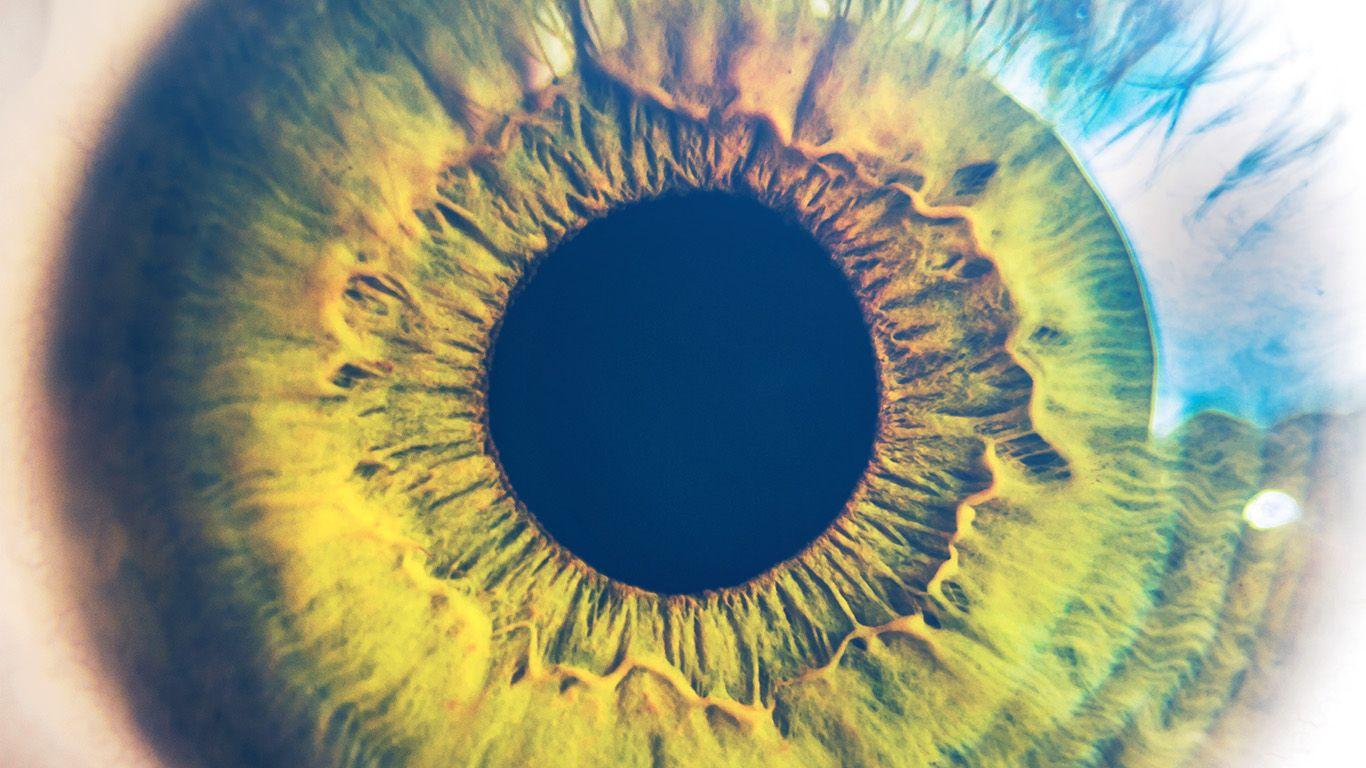
Captivating Eye Growth Landscape for Your Screen
This gorgeous eye growth photo offers a breathtaking view, making it a perfect choice for your next wallpaper.

Mesmerizing Eye Growth Capture in HD
Experience the crisp clarity of this stunning eye growth image, available in high resolution for all your screens.

Mesmerizing Eye Growth Abstract in HD
Experience the crisp clarity of this stunning eye growth image, available in high resolution for all your screens.

Artistic Eye Growth Image Collection
Immerse yourself in the stunning details of this beautiful eye growth wallpaper, designed for a captivating visual experience.

Exquisite Eye Growth Wallpaper for Your Screen
Immerse yourself in the stunning details of this beautiful eye growth wallpaper, designed for a captivating visual experience.

Detailed Eye Growth Landscape for Desktop
Explore this high-quality eye growth image, perfect for enhancing your desktop or mobile wallpaper.

Breathtaking Eye Growth Design Collection
Explore this high-quality eye growth image, perfect for enhancing your desktop or mobile wallpaper.

Captivating Eye Growth Photo Collection
Find inspiration with this unique eye growth illustration, crafted to provide a fresh look for your background.

Artistic Eye Growth Moment in HD
A captivating eye growth scene that brings tranquility and beauty to any device.

Stunning Eye Growth Moment in 4K
A captivating eye growth scene that brings tranquility and beauty to any device.

Lush Eye Growth Image in 4K
Immerse yourself in the stunning details of this beautiful eye growth wallpaper, designed for a captivating visual experience.

Exquisite Eye Growth Scene Illustration
A captivating eye growth scene that brings tranquility and beauty to any device.

Mesmerizing Eye Growth Abstract for Desktop
Experience the crisp clarity of this stunning eye growth image, available in high resolution for all your screens.

Serene Eye Growth Artwork Digital Art
Explore this high-quality eye growth image, perfect for enhancing your desktop or mobile wallpaper.

Stunning Eye Growth Picture in 4K
A captivating eye growth scene that brings tranquility and beauty to any device.

Mesmerizing Eye Growth Photo Nature
Discover an amazing eye growth background image, ideal for personalizing your devices with vibrant colors and intricate designs.

Gorgeous Eye Growth Scene for Mobile
This gorgeous eye growth photo offers a breathtaking view, making it a perfect choice for your next wallpaper.

Crisp Eye Growth Abstract in 4K
This gorgeous eye growth photo offers a breathtaking view, making it a perfect choice for your next wallpaper.

Crisp Eye Growth Landscape Digital Art
A captivating eye growth scene that brings tranquility and beauty to any device.
Download these eye growth wallpapers for free and use them on your desktop or mobile devices.
0 Response to "Eye Growth"
Post a Comment