Eye Neoplasm
Understanding Eye Neoplasm: A Comprehensive and Gentle Guide
If you've recently encountered the term "Eye Neoplasm," it's natural to feel overwhelmed. We understand that this topic can sound scary, but our goal here is to break down this complex medical issue into understandable, manageable information. Think of this as a conversation with a trusted friend who also happens to be very informed.
An Eye Neoplasm simply refers to an abnormal growth or tumor that develops in or around the eye. These growths can be non-cancerous (benign) or cancerous (malignant). Understanding the fundamentals of Eye Neoplasm is the first crucial step toward effective management and peace of mind.
We will walk you through what these growths are, what symptoms to look for, and the advanced treatment options available today. Let's dive in and demystify the topic of Eye Neoplasm together.
What Exactly is an Eye Neoplasm?
The term neoplasm comes from Greek words meaning "new formation." Essentially, it describes an abnormal mass of tissue that forms when cells multiply excessively and do not die when they should. When this process occurs in the delicate structures of the eye, it's termed an Eye Neoplasm.
These tumors can affect any part of the ocular anatomy, including the eyeball itself (intraocular), the orbital socket behind the eye (orbital), or the eyelids and surrounding tissues (adnexal). The location significantly impacts the symptoms and the necessary treatment plan.
It is important to remember that not all abnormal growths in the eye are immediately life-threatening. Many Eye Neoplasms are benign, meaning they are localized and generally treatable without major risks to overall health, although they still require monitoring.
Benign vs. Malignant Eye Neoplasms
The distinction between benign and malignant is perhaps the most critical factor in diagnosing any Eye Neoplasm. This classification determines the urgency and aggressiveness of treatment.
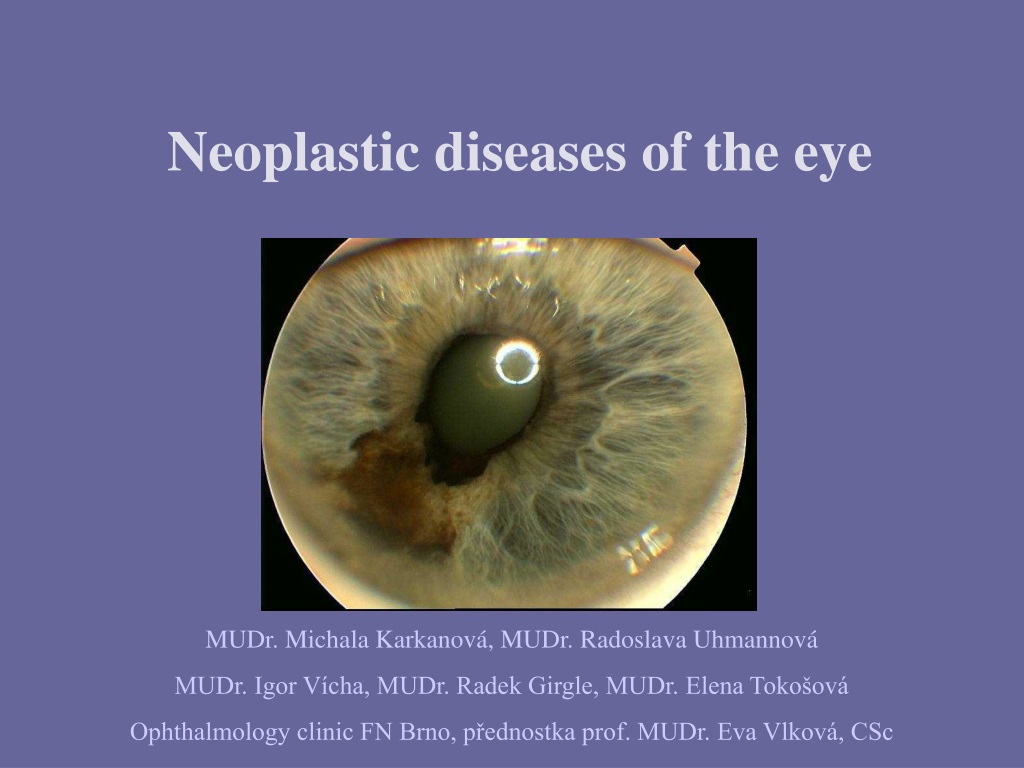
Benign Neoplasms: These growths are usually slow-growing, do not spread to other parts of the body (metastasize), and typically have distinct borders. While they might still cause vision problems by pressing on critical structures, they are non-cancerous. Examples include choroidal nevi (like a freckle in the eye) or orbital hemangiomas.
Malignant Neoplasms: These are cancerous tumors that can grow rapidly and invade surrounding tissues. Crucially, they have the potential to spread through the bloodstream or lymph system to distant organs. Early detection of a malignant Eye Neoplasm is vital for the best possible outcome.
Common Types of Eye Neoplasm
The eye is composed of many layers, and different tumors can arise from different cell types. Understanding the most common forms of Eye Neoplasm helps us focus on risk factors and prevention.
Primary eye tumors originate within the eye itself, while secondary (or metastatic) tumors start elsewhere in the body and spread to the eye. Metastatic Eye Neoplasms are surprisingly common, often originating from lung or breast cancers.
Uveal Melanoma: The Most Common Adult Primary Eye Neoplasm
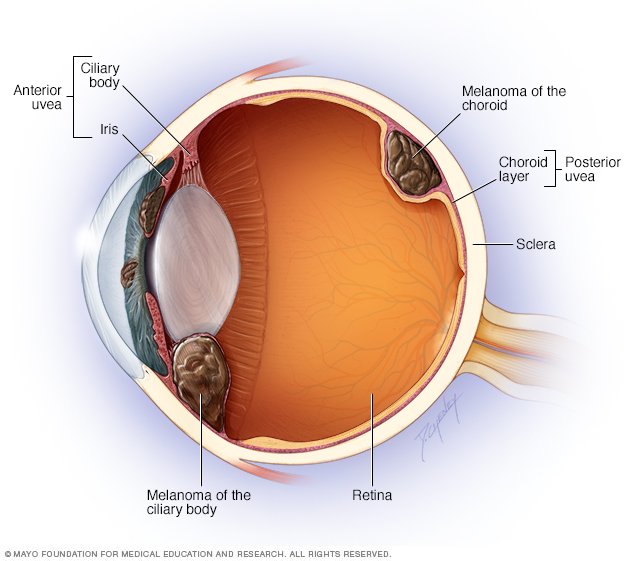
Uveal melanoma is a serious diagnosis, but advancements in treatment have significantly improved survival rates. The uvea is the middle layer of the eye, which includes the iris, ciliary body, and choroid.
This type of Eye Neoplasm develops from the pigment-producing cells (melanocytes). Risk factors often include light eye color, fair skin, and certain inherited conditions. Regular comprehensive eye exams are key to catching this early, as small melanomas are highly treatable.
Retinoblastoma: Focusing on Pediatric Cases
Retinoblastoma is the most common intraocular tumor in children. It affects the retina, the light-sensitive tissue at the back of the eye. While devastating, the good news is that retinoblastoma has an excellent prognosis when detected early.
Parents often notice symptoms like leukocoria (a white reflection in the pupil, often seen in flash photos) or strabismus (crossed eyes). Immediate medical attention is vital if these signs are observed in a child.
Recognizing the Signs: Symptoms and Diagnosis
One of the challenges with Eye Neoplasm is that symptoms might be subtle or non-existent in the early stages. Often, primary tumors are discovered during routine eye examinations. However, as the neoplasm grows, visual disturbances usually become apparent.
Key Symptoms to Watch Out For
If you notice any persistent changes in your vision or the appearance of your eye, scheduling an appointment with an ophthalmologist is crucial. Early detection can literally save your vision, and sometimes, your life.
Here are some of the warning signs associated with an Eye Neoplasm:
- Sudden, persistent blurry vision or loss of peripheral vision.
- New floaters (spots or squiggles) or flashes of light in the visual field.
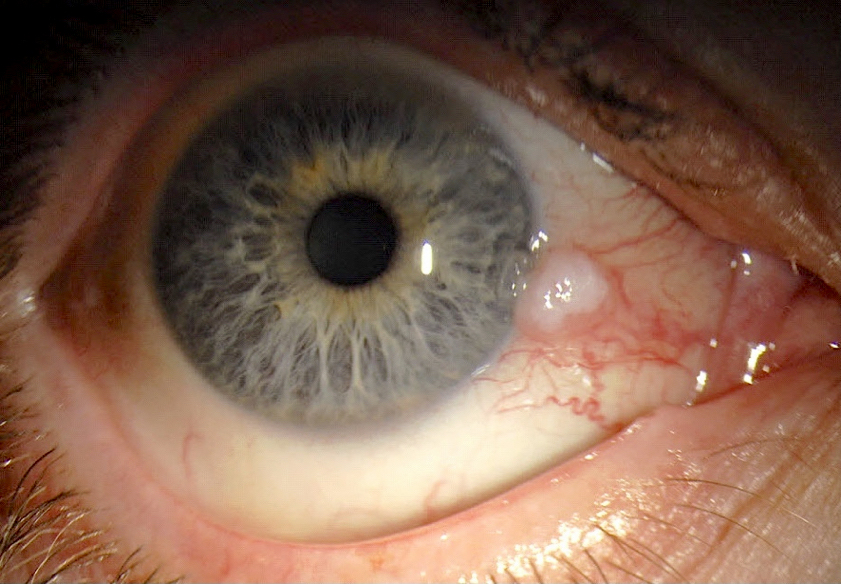
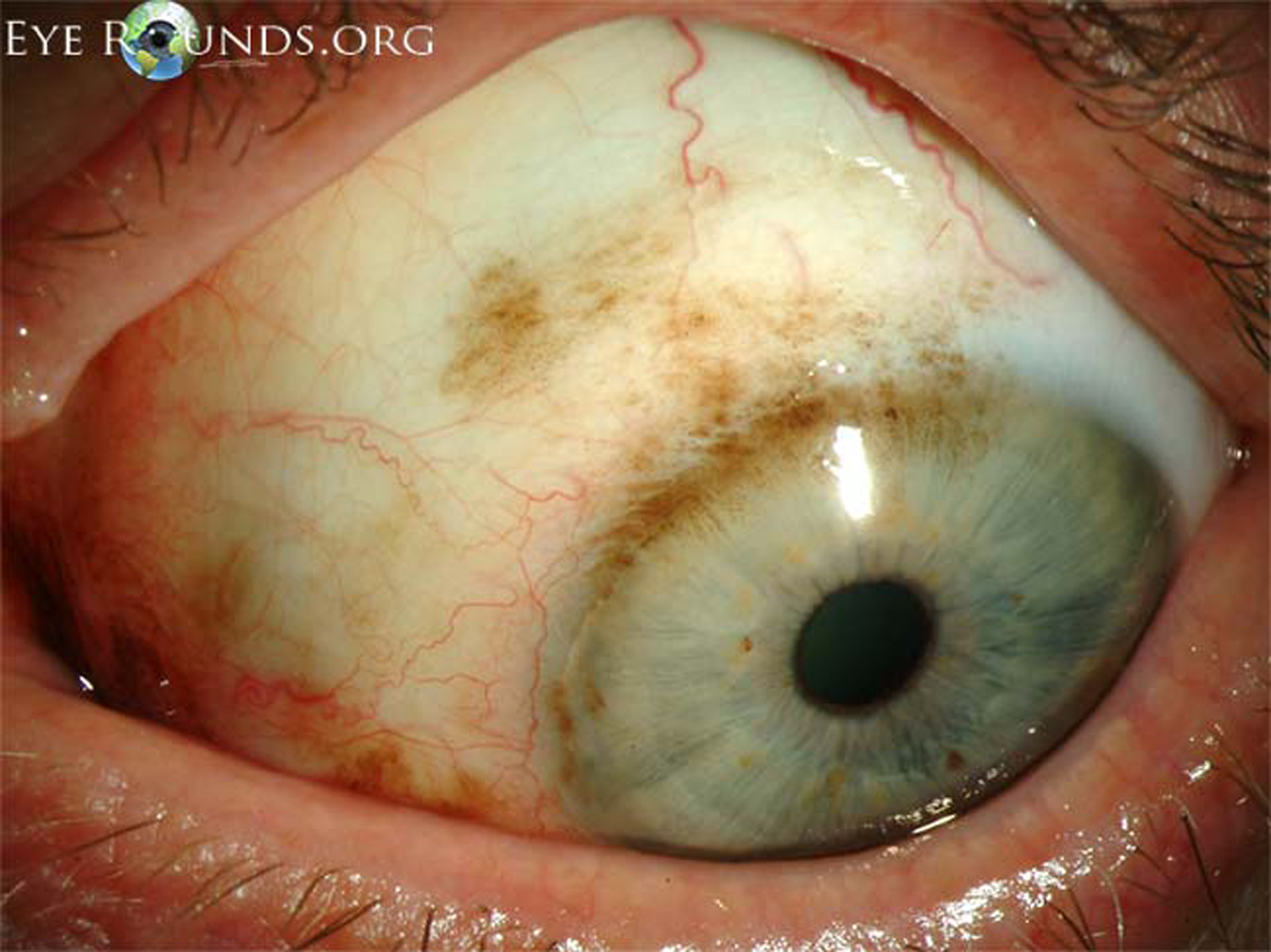
- A dark spot appearing on the iris or conjunctiva that is growing in size.
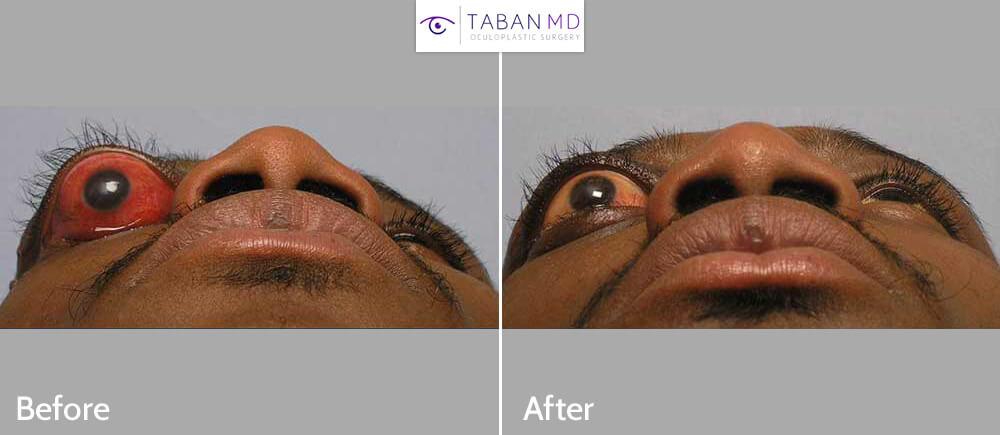
- Eye bulging (proptosis) or the sensation that the eye is being pushed out.
- Persistent pain, though many tumors are painless until they are advanced.
- Changes in the size or shape of the pupil.
Diagnostic Procedures Used
Diagnosis begins with a comprehensive eye exam, including dilation to visualize the back of the eye. Specialized tools and imaging tests are then used to confirm the presence and nature of the Eye Neoplasm.
Key diagnostic methods include:
- Ophthalmoscopy and Slit Lamp Examination: Allows the doctor to see the internal structures of the eye clearly.
- Ocular Ultrasound: Uses sound waves to create images of the tumor, helping to measure its size and depth.
- Fluorescein Angiography: Uses a specialized dye to observe blood flow patterns in the tumor.
- MRI or CT Scans: Used particularly for orbital tumors or to check if the tumor has spread outside the eye.
- Biopsy: While not always necessary for diagnosis, sometimes a small sample of tissue is taken to confirm malignancy.
Treatment Options for Eye Neoplasm
The treatment approach for an Eye Neoplasm is highly customized. It depends entirely on whether the tumor is benign or malignant, its size, its location, and the patient's overall health. The primary goals are to eliminate the tumor, preserve vision, and prevent the spread of cancer.
For benign tumors, observation might be enough if the tumor is not interfering with vision. If treatment is necessary, however, there are several advanced options available for malignant cases.
Radiation Therapy and Brachytherapy
Radiation therapy is one of the most common and effective treatments for many types of malignant Eye Neoplasm, especially uveal melanoma. The goal is to destroy cancer cells while minimizing damage to healthy ocular tissue.
Brachytherapy, or plaque therapy, is a localized form of radiation. A small radioactive disc (plaque) is temporarily sewn onto the surface of the eye, directly over the tumor. This delivers a high dose of radiation precisely where it's needed, sparing surrounding areas.
Surgical Approaches
Surgery ranges from small procedures to remove localized lesions to more extensive operations. Sometimes, the goal is simply to remove the tumor while preserving the eye (local resection). However, in cases where the tumor is very large, rapidly growing, or poses a significant threat of metastasis, removal of the entire eyeball (enucleation) may be necessary.
If the eye must be removed, modern prosthetic eyes are incredibly realistic and offer excellent cosmetic outcomes. Furthermore, advancements in surgical techniques continue to improve the preservation of vision and function after procedures related to Eye Neoplasm.
Conclusion: Taking Charge of Your Eye Health
Dealing with the possibility of an Eye Neoplasm can be daunting, but knowledge truly is power. We've covered everything from the fundamental definition of Eye Neoplasm and its types, such as uveal melanoma and retinoblastoma, to the sophisticated diagnostic and treatment methods available today. Whether a tumor is benign or malignant, early intervention is always the best path forward.
Remember to prioritize regular comprehensive eye exams, especially if you notice any unusual or persistent visual changes. By working closely with an experienced ocular oncologist, you can ensure you receive the most effective and personalized care. Stay informed, stay vigilant, and trust your medical team.
Frequently Asked Questions About Eye Neoplasm (FAQ)
- What is the main difference between a tumor and an Eye Neoplasm?
- A neoplasm is simply another medical term for a tumor or abnormal growth. "Eye Neoplasm" specifically refers to a tumor located in or around the ocular structures. The term is often preferred by doctors as it covers both benign and malignant growths.
- Can stress cause an Eye Neoplasm?
- There is no scientific evidence linking stress directly to the development of Eye Neoplasm. Risk factors are usually genetic predisposition, exposure to UV light (especially for melanomas), and aging.
- Are most Eye Neoplasms cancerous?
- No. While malignant growths like uveal melanoma are serious, many tumors detected during routine exams are benign, such as choroidal nevi or small cysts. However, benign tumors must still be monitored as some have the potential to become malignant over time.
- Is surgery always required for an Eye Neoplasm?
- Not always. For small, slow-growing tumors, both benign and early-stage malignant, treatment may involve observation, laser therapy, or localized radiation (brachytherapy). Surgery is usually reserved for larger tumors or those that fail to respond to other treatments.
- How often should I be screened if I have a risk factor for Eye Neoplasm?
- If you have specific risk factors (like large nevi or a family history), your ocular oncologist will recommend a personalized screening schedule, often every 6 to 12 months. For the general public, annual comprehensive dilated eye exams are recommended.
Eye Neoplasm
Eye Neoplasm Wallpapers
Collection of eye neoplasm wallpapers for your desktop and mobile devices.

Vibrant Eye Neoplasm Scene Concept
Explore this high-quality eye neoplasm image, perfect for enhancing your desktop or mobile wallpaper.
Detailed Eye Neoplasm Moment Digital Art
Experience the crisp clarity of this stunning eye neoplasm image, available in high resolution for all your screens.

Serene Eye Neoplasm Wallpaper for Mobile
Experience the crisp clarity of this stunning eye neoplasm image, available in high resolution for all your screens.

Serene Eye Neoplasm Landscape for Desktop
Transform your screen with this vivid eye neoplasm artwork, a true masterpiece of digital design.
Artistic Eye Neoplasm Design Concept
This gorgeous eye neoplasm photo offers a breathtaking view, making it a perfect choice for your next wallpaper.

Mesmerizing Eye Neoplasm Image Photography
Experience the crisp clarity of this stunning eye neoplasm image, available in high resolution for all your screens.
Stunning Eye Neoplasm Capture Illustration
Find inspiration with this unique eye neoplasm illustration, crafted to provide a fresh look for your background.

Detailed Eye Neoplasm Moment for Mobile
Discover an amazing eye neoplasm background image, ideal for personalizing your devices with vibrant colors and intricate designs.
:max_bytes(150000):strip_icc()/ocular-melanoma-d7cf4293658e488fbbcb3c80311c9329.jpg "High-Quality Eye Neoplasm Abstract for Desktop")
High-Quality Eye Neoplasm Abstract for Desktop
Explore this high-quality eye neoplasm image, perfect for enhancing your desktop or mobile wallpaper.

Dynamic Eye Neoplasm Artwork Art
Immerse yourself in the stunning details of this beautiful eye neoplasm wallpaper, designed for a captivating visual experience.
Dynamic Eye Neoplasm Wallpaper Collection
This gorgeous eye neoplasm photo offers a breathtaking view, making it a perfect choice for your next wallpaper.
Crisp Eye Neoplasm Background in HD
A captivating eye neoplasm scene that brings tranquility and beauty to any device.

Gorgeous Eye Neoplasm View Collection
A captivating eye neoplasm scene that brings tranquility and beauty to any device.

Breathtaking Eye Neoplasm Background for Mobile
Experience the crisp clarity of this stunning eye neoplasm image, available in high resolution for all your screens.
Crisp Eye Neoplasm Image for Desktop
A captivating eye neoplasm scene that brings tranquility and beauty to any device.

Breathtaking Eye Neoplasm Photo for Mobile
Transform your screen with this vivid eye neoplasm artwork, a true masterpiece of digital design.

Dynamic Eye Neoplasm Capture Art
Find inspiration with this unique eye neoplasm illustration, crafted to provide a fresh look for your background.

Detailed Eye Neoplasm Image Digital Art
Experience the crisp clarity of this stunning eye neoplasm image, available in high resolution for all your screens.

Breathtaking Eye Neoplasm Wallpaper for Your Screen
Explore this high-quality eye neoplasm image, perfect for enhancing your desktop or mobile wallpaper.
Serene Eye Neoplasm Background in 4K
Experience the crisp clarity of this stunning eye neoplasm image, available in high resolution for all your screens.
Download these eye neoplasm wallpapers for free and use them on your desktop or mobile devices.
0 Response to "Eye Neoplasm"
Post a Comment