Eye Seizures
Eye Seizures: Understanding Those Unsettling Eye Movements
If you've ever experienced sudden, uncontrollable eye twitching, visual disturbances, or odd movements that seem unrelated to your vision, you might be looking for information about Eye Seizures. It can be quite frightening when your eyes don't seem to cooperate, especially when combined with other sensory changes.
We want to assure you that while the term "seizure" sounds serious—and it is—it often points toward a very specific, manageable neurological event. This article will walk you through what eye seizures are, how they manifest, and what steps you can take to understand and manage this condition.
Remember, the goal here is to inform and ease your concerns. Let's dive into the fascinating, yet complex, connection between your brain and those vital organs we call your eyes.
What Exactly are Eye Seizures?
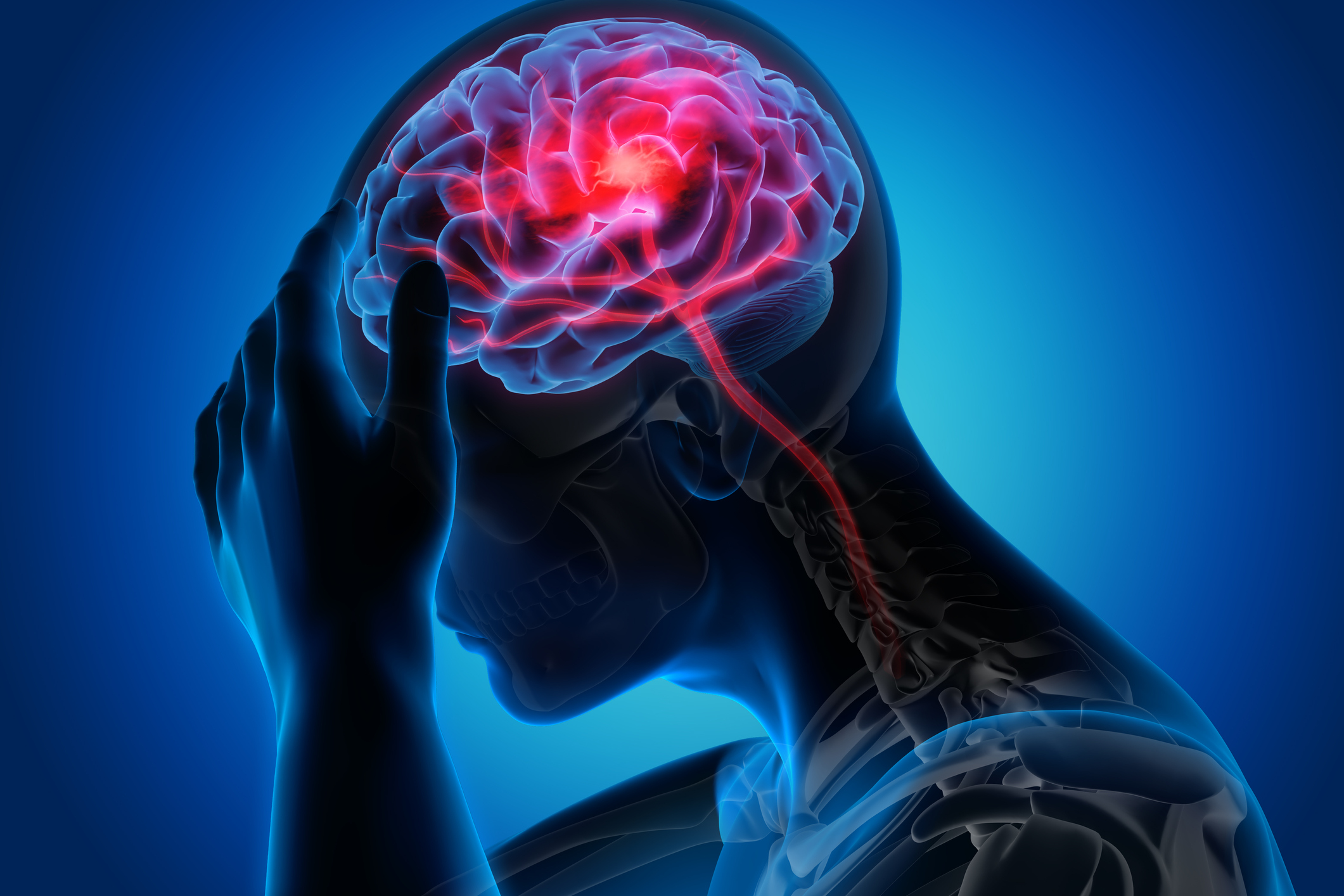
The term Eye Seizures, though not a formal medical diagnosis in itself, generally refers to epileptic activity manifesting specifically through visual or oculomotor symptoms. This means the actual seizure event is occurring in the brain, often in the occipital lobe (the visual processing center), but the symptoms are focused on the eyes.
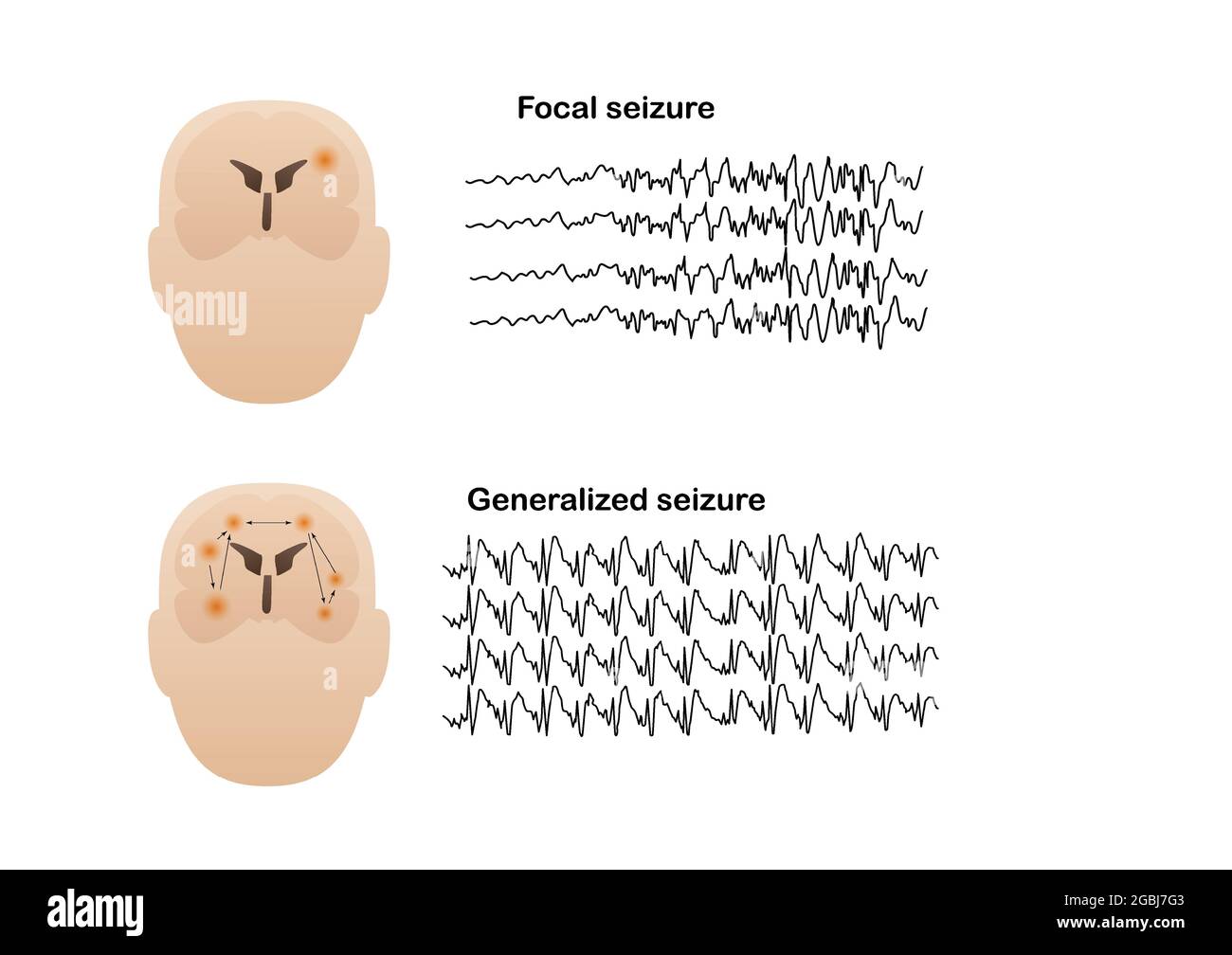
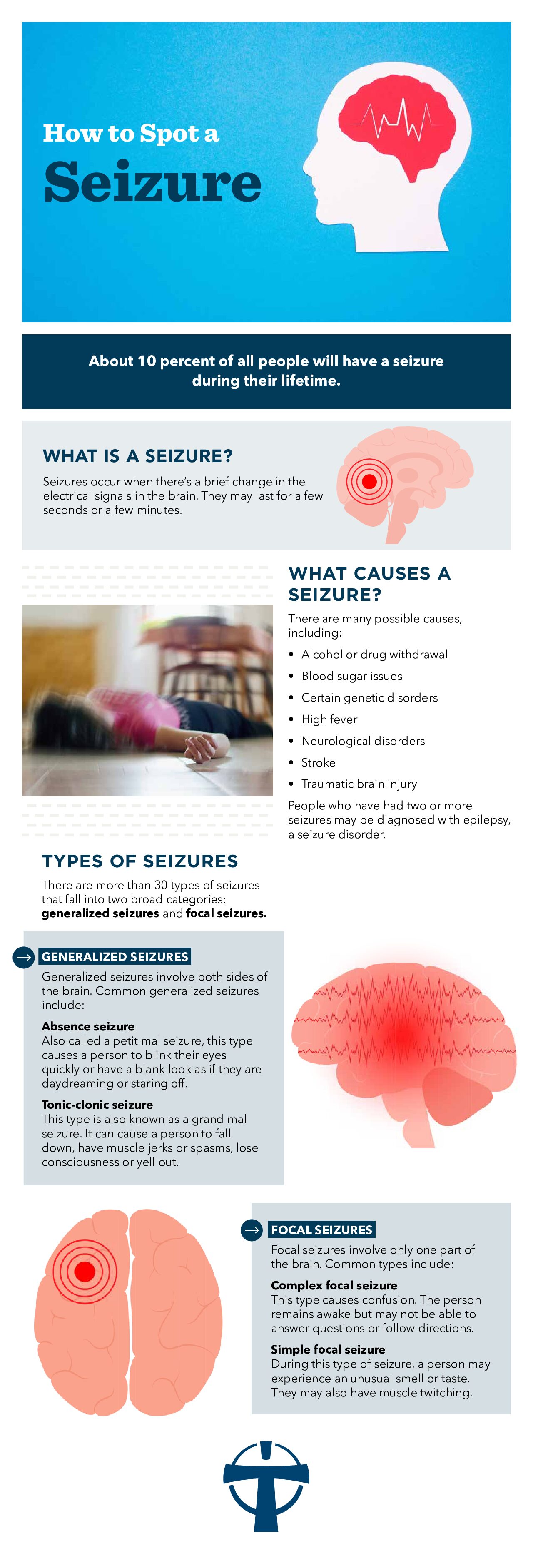
Unlike a common eye twitch (blepharospasm) caused by stress or lack of sleep, an eye seizure is a sign of abnormal, uncontrolled electrical discharge in the brain. They are categorized as focal seizures because they originate in one specific area.
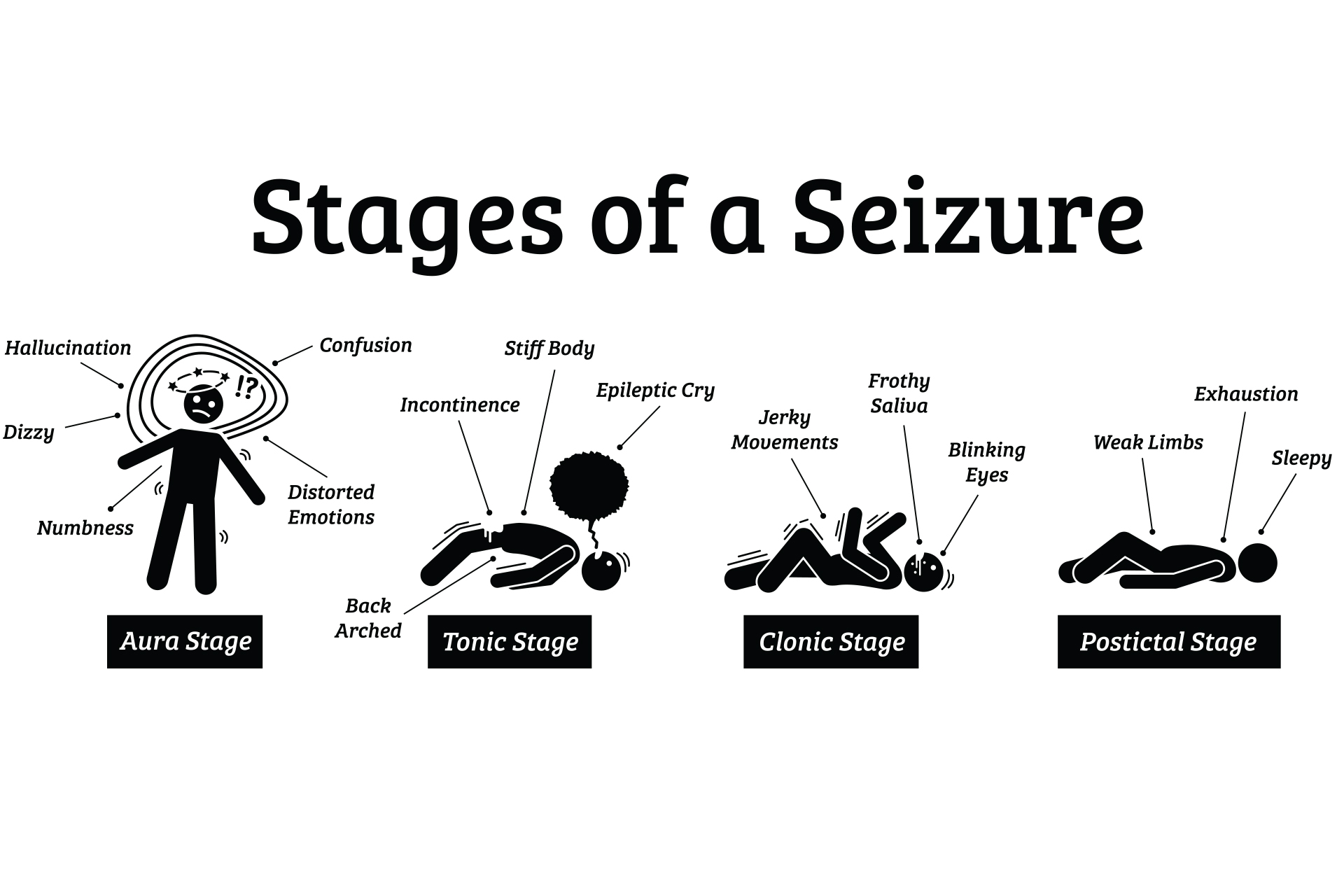
In many cases, these visual changes or rapid eye movements (sometimes called nystagmus or ocular deviation) are the earliest signs or "auras" of a larger seizure event. Sometimes, however, the eye symptoms might be the entire seizure itself.
The Connection Between Eyes and the Brain
Understanding this phenomenon requires a quick look at neuroscience. Your eyes are directed by muscles controlled by cranial nerves, which are rooted deep in the brainstem. Furthermore, everything you see is processed in the visual cortex, located at the back of your head.
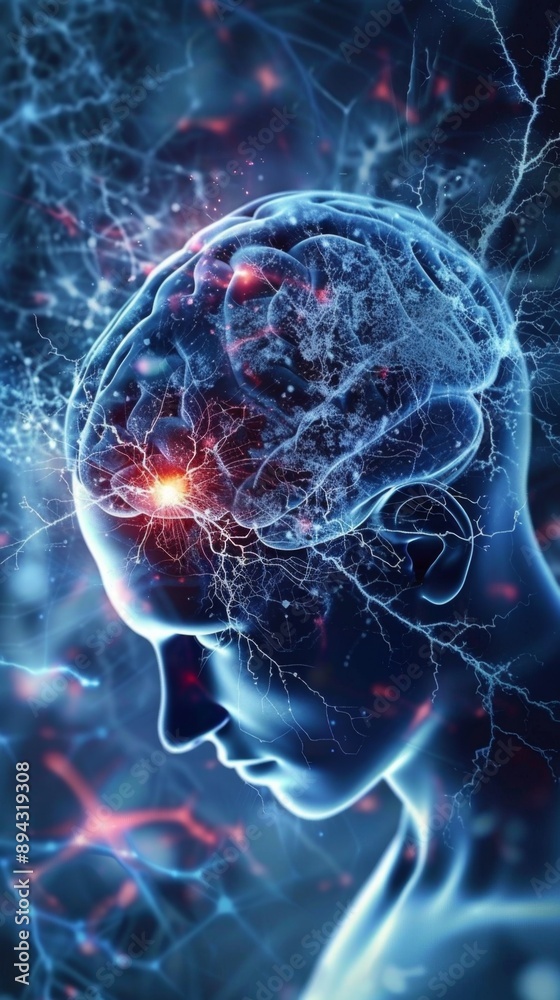
When an electrical short-circuit or surge happens in the parts of the brain controlling movement (motor cortex) or vision (occipital lobe), the eyes often become involved. Essentially, the erratic electrical signals override the normal control mechanisms.
Therefore, these movements are not due to an issue with the eyeball itself, but rather an issue with the command center directing the eyeball.
Recognizing the Signs: Types and Symptoms of Eye Seizures
Symptoms of Eye Seizures can vary dramatically depending on which area of the brain is affected. For some people, the experience is purely visual, while for others, it involves involuntary physical movement of the eye.
Oculomotor Seizures
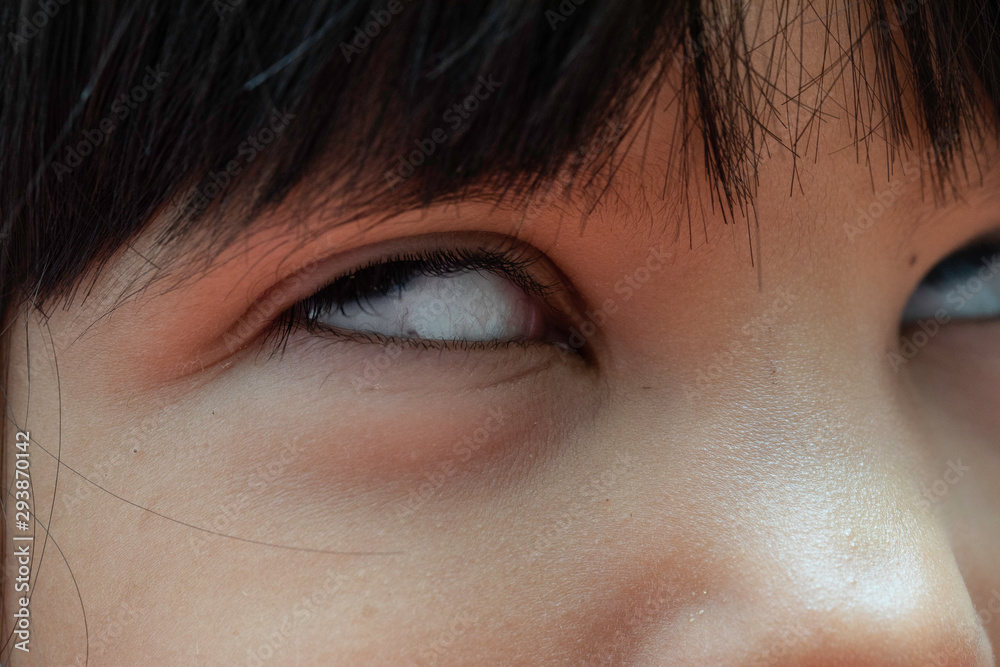
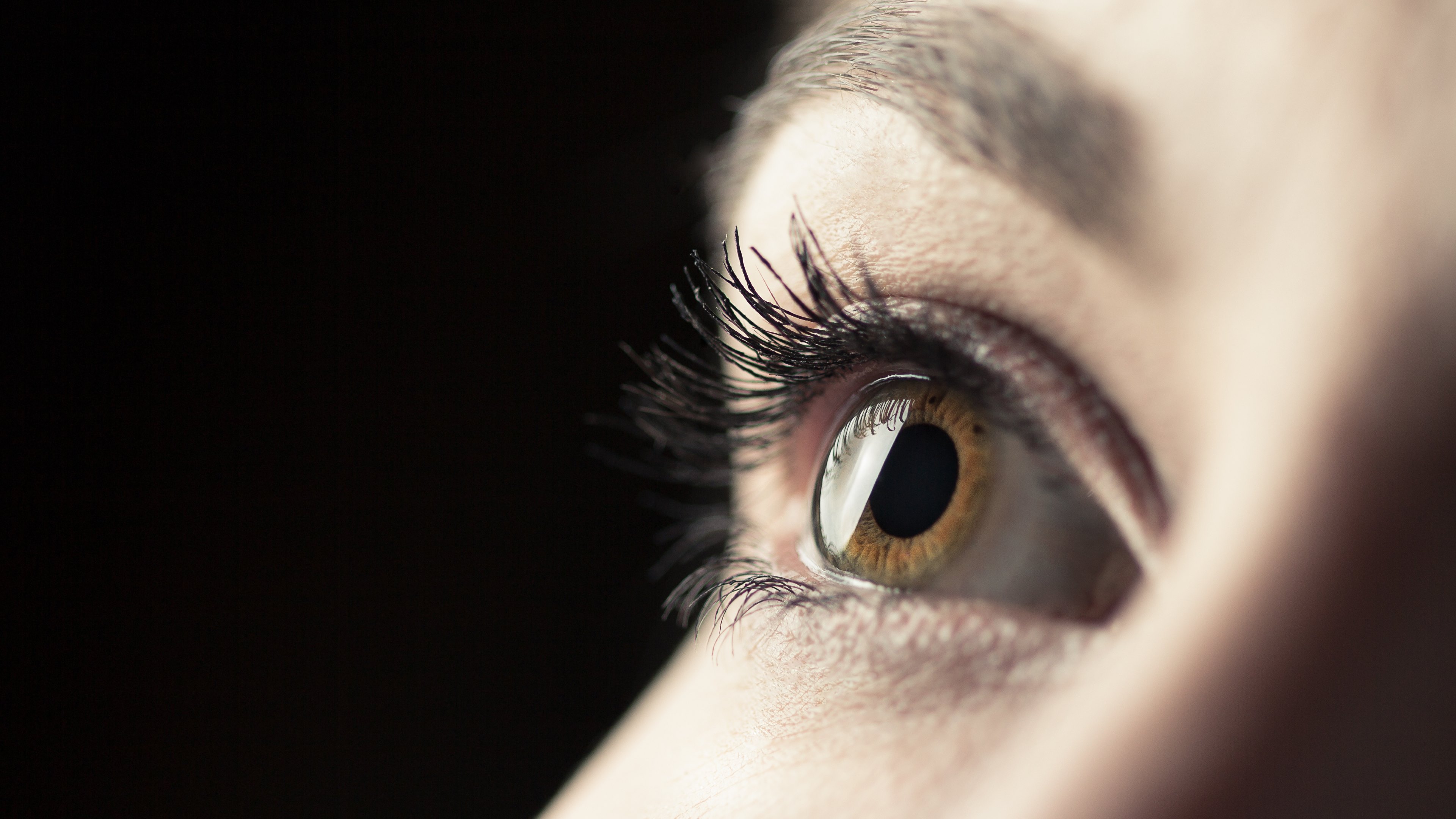
Oculomotor seizures involve involuntary, repetitive, and often rapid physical movements of the eyeballs or eyelids. These are usually the most visible type of eye seizure and can sometimes be mistaken for nervous tics or severe nystagmus.
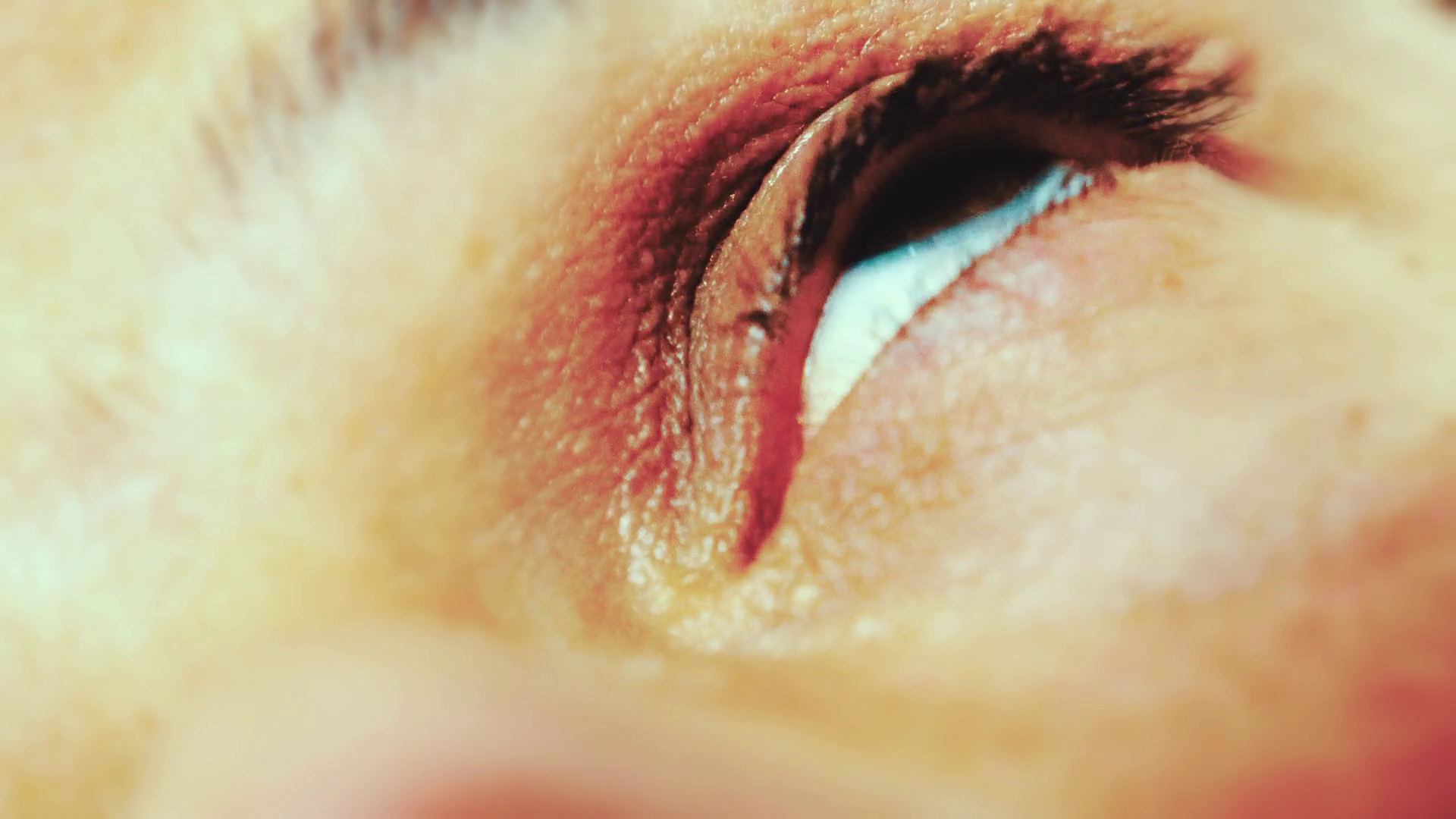
- Ocular Deviation: The eyes suddenly turn and fixate in one direction (up, down, or to the side) and cannot be moved back voluntarily until the seizure passes.
- Eyelid Movements: Rapid blinking, fluttering, or clonic jerking of the eyelids, which often look like severe twitching.
- Nystagmus: Rapid, uncontrolled shaking or oscillating movements of the eyes.
- Pupil Dilation/Contraction: Unusual changes in pupil size that do not respond normally to light.
Visual Auras and Hallucinations
A seizure originating in the occipital lobe often results in visual disturbances. These disturbances are known as "visual auras" and can be the first indicator that a larger seizure is about to occur, or they may constitute the entire event (as in occipital lobe epilepsy).
These experiences are often perceived as bright, flashing lights or complex, formed images that aren't actually there. They can be incredibly vivid and disorienting for the individual experiencing them.
Common Visual Disturbances
If you or a loved one are experiencing these symptoms, documenting them can be incredibly helpful for a neurologist during diagnosis. They typically last only seconds to minutes.
- Seeing simple shapes, like flashing dots, circles, or stars (phosphenes).
- Experiencing temporary blindness (amaurosis) or partial vision loss.
- Visual distortions, where objects appear too large or too small (macropsia or micropsia).
- Seeing complex, fully formed images or scenes (visual hallucinations).
Causes and Triggers: Why Do They Happen?
Eye seizures are fundamentally symptoms of an underlying neurological issue. They are not random events; rather, they are the result of specific factors disrupting the brain's electrical balance.
For children, one of the most common causes is Benign Epilepsy with Centrotemporal Spikes (BECTS) or Childhood Absence Epilepsy. In adults, the causes can be more varied and often stem from previous damage to the brain.
Underlying Neurological Conditions
Several neurological conditions can lead to Eye Seizures. Identifying the root cause is the most important step in developing an effective treatment plan.
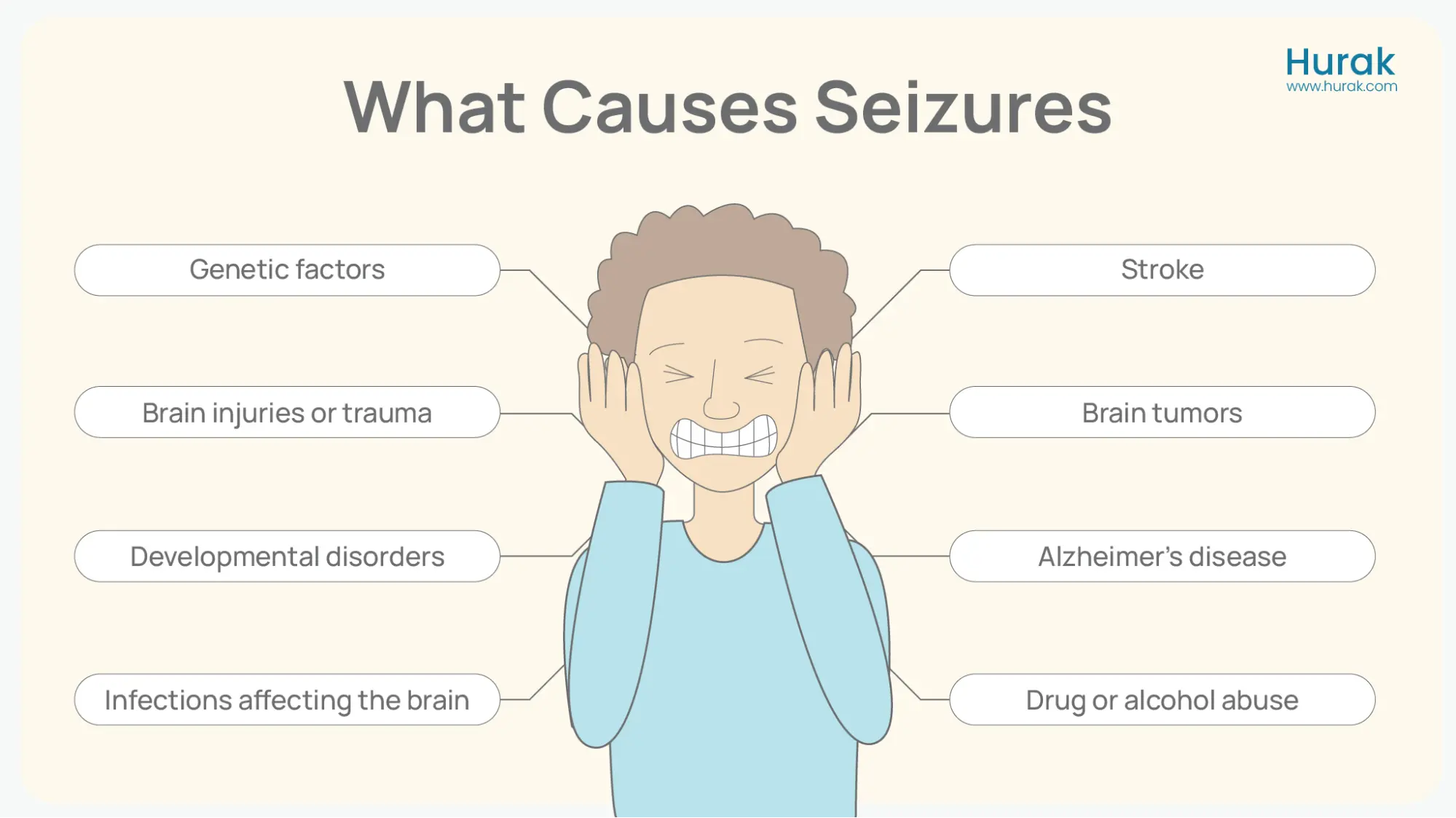
- Epilepsy: Especially focal epilepsies like Occipital Lobe Epilepsy (OLE), where the seizure activity directly affects the visual cortex.
- Brain Injury or Stroke: Scar tissue (gliosis) from a previous injury or stroke can become a focal point for abnormal electrical activity years later.
- Brain Tumors: Both malignant and benign tumors can irritate surrounding brain tissue, lowering the seizure threshold.
- Infections: Past infections like meningitis or encephalitis can leave damage that predisposes someone to seizures.
Additionally, lifestyle factors can act as triggers. Severe sleep deprivation, extreme stress, certain medications, or sudden flickering lights (photosensitivity) can all precipitate a seizure event in susceptible individuals.
Diagnosis and Treatment Options
If you suspect you are experiencing eye seizures, the most critical step is seeking professional medical evaluation. Your first stop should be a neurologist, or ideally, an epileptologist (a neurologist specializing in epilepsy).
Diagnosis typically involves confirming that the symptoms are truly epileptic in nature, rather than an ocular migraine, psychiatric condition, or a simple eye muscle disorder.
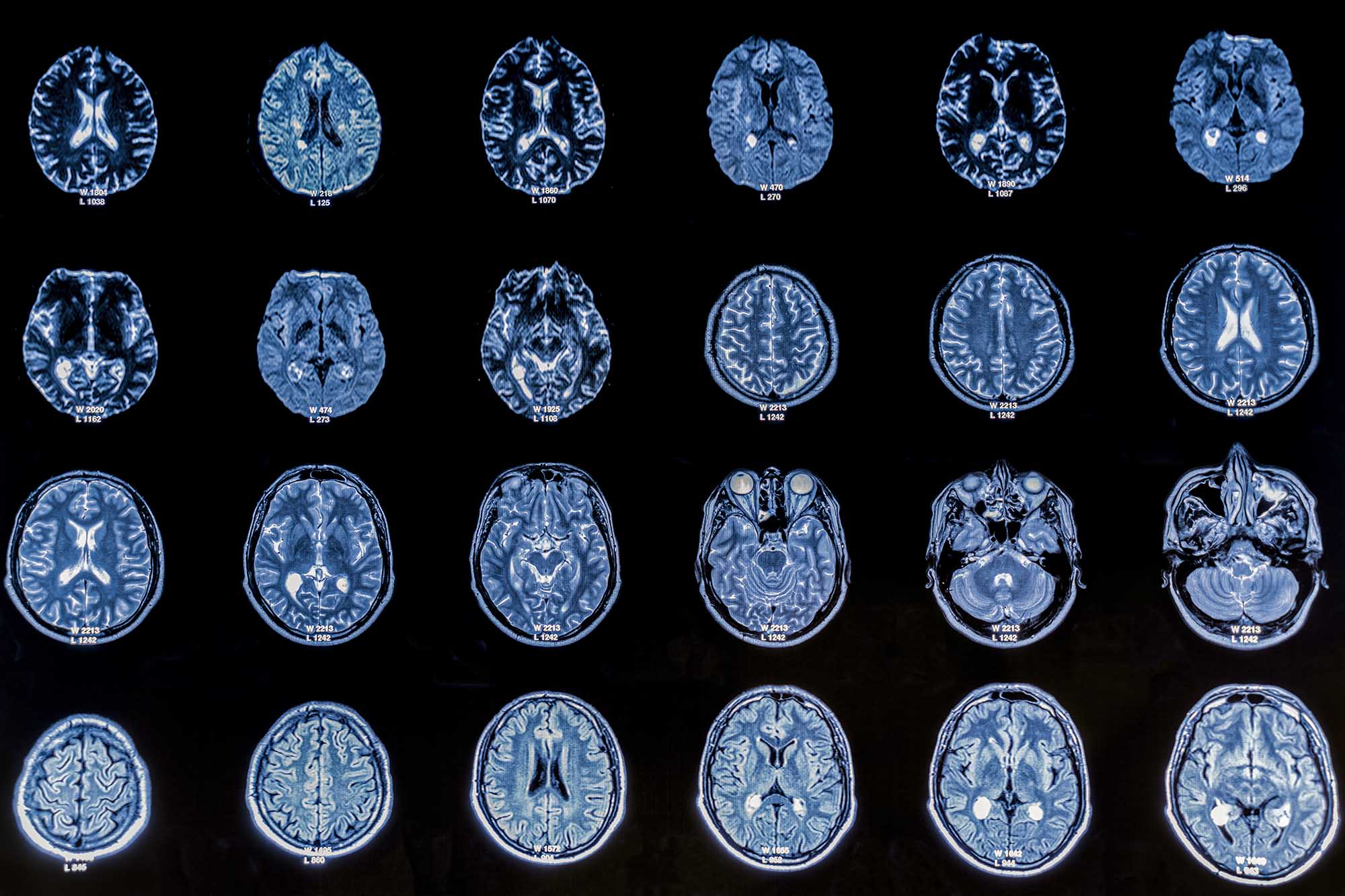
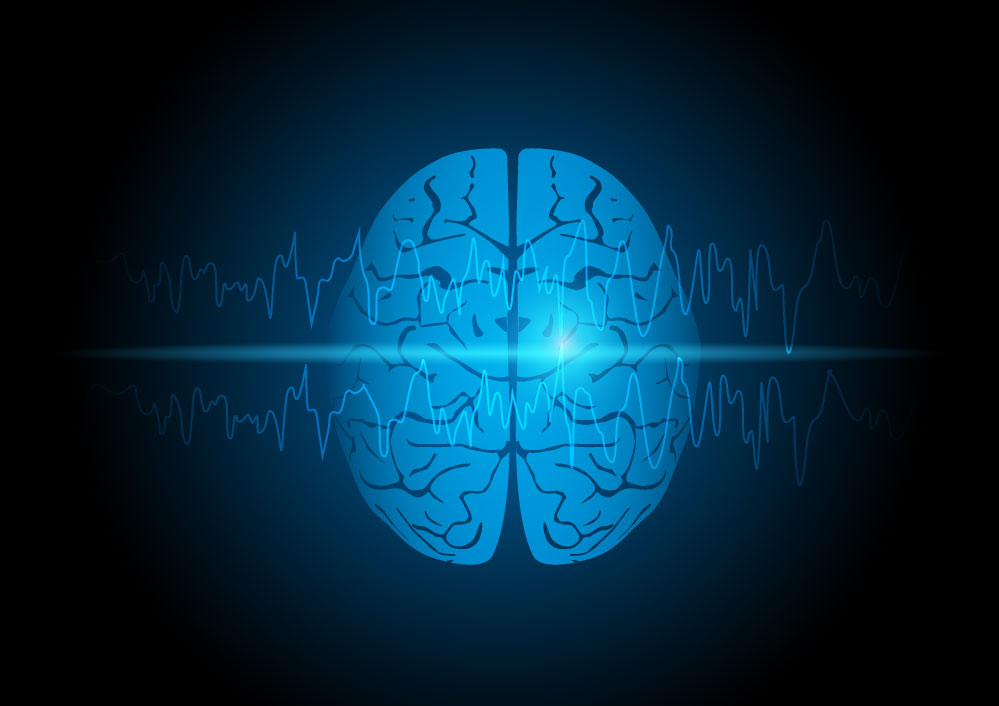
Key diagnostic tools include an EEG (Electroencephalogram) to measure brain activity, and often an MRI (Magnetic Resonance Imaging) to look for structural abnormalities like tumors or scar tissue.
Working with Your Specialist
Treatment for Eye Seizures is centered on managing the underlying epilepsy. Antiepileptic Drugs (AEDs) are the cornerstone of treatment and are highly effective in controlling the frequency and severity of focal seizures.
Your doctor will determine the best medication based on the specific type of seizure you are experiencing and your overall health profile. Consistency is key when taking AEDs.
Beyond medication, managing triggers is vital. Keep a detailed seizure journal documenting when the seizures occur, what you were doing, and how much sleep you had. This information can help you and your doctor identify specific patterns to avoid.
Conclusion
Experiencing unusual visual phenomena or uncontrollable eye movements can be alarming, but we hope this detailed look at Eye Seizures has demystified the condition somewhat. Remember that these symptoms are indicators of electrical activity in the brain, often related to focal epilepsy.
The good news is that with modern medicine, eye seizures are highly manageable. By consulting a neurologist, undergoing appropriate testing (like EEG and MRI), and adhering to a personalized treatment plan, most individuals can achieve significant control over their symptoms and maintain a high quality of life. Don't hesitate to seek help and gain clarity on what you are experiencing.
Frequently Asked Questions (FAQ) About Eye Seizures
- Can Eye Seizures lead to blindness?
- Eye seizures themselves are temporary electrical events and generally do not cause permanent damage to the eyes or lead to permanent blindness. However, the temporary vision loss experienced during the seizure can be frightening.
- Is an eye twitch the same thing as an Eye Seizure?
- No. A common eye twitch (blepharospasm) is usually benign, caused by fatigue, caffeine, or stress, and involves only the eyelid muscle. An eye seizure involves involuntary movement or visual changes caused by abnormal electrical activity in the brain, often involving the entire eyeball or visual field.
- How long do Eye Seizures typically last?
- Most focal or visual seizures are very brief, usually lasting from a few seconds to perhaps one or two minutes. They rarely last longer than five minutes. If symptoms persist for a long time, it requires immediate medical attention.
- Are Eye Seizures common in children?
- Yes, certain forms of epilepsy that manifest with eye symptoms, particularly those originating in the occipital lobe, are relatively common in specific childhood epilepsy syndromes. Many children outgrow these conditions.
Eye Seizures
Eye Seizures Wallpapers
Collection of eye seizures wallpapers for your desktop and mobile devices.
Beautiful Eye Seizures Picture in HD
Experience the crisp clarity of this stunning eye seizures image, available in high resolution for all your screens.

High-Quality Eye Seizures Picture for Your Screen
Discover an amazing eye seizures background image, ideal for personalizing your devices with vibrant colors and intricate designs.

Beautiful Eye Seizures Design Illustration
Explore this high-quality eye seizures image, perfect for enhancing your desktop or mobile wallpaper.

Breathtaking Eye Seizures Artwork Illustration
Transform your screen with this vivid eye seizures artwork, a true masterpiece of digital design.

Vibrant Eye Seizures Landscape for Your Screen
Explore this high-quality eye seizures image, perfect for enhancing your desktop or mobile wallpaper.
Gorgeous Eye Seizures Landscape in HD
Find inspiration with this unique eye seizures illustration, crafted to provide a fresh look for your background.
Detailed Eye Seizures Landscape Collection
Experience the crisp clarity of this stunning eye seizures image, available in high resolution for all your screens.

High-Quality Eye Seizures Background for Desktop
Transform your screen with this vivid eye seizures artwork, a true masterpiece of digital design.
Vivid Eye Seizures Wallpaper Collection
Discover an amazing eye seizures background image, ideal for personalizing your devices with vibrant colors and intricate designs.

Spectacular Eye Seizures Wallpaper for Your Screen
Find inspiration with this unique eye seizures illustration, crafted to provide a fresh look for your background.

High-Quality Eye Seizures Landscape Art
Experience the crisp clarity of this stunning eye seizures image, available in high resolution for all your screens.
Beautiful Eye Seizures Photo Digital Art
Experience the crisp clarity of this stunning eye seizures image, available in high resolution for all your screens.
Captivating Eye Seizures Artwork Illustration
This gorgeous eye seizures photo offers a breathtaking view, making it a perfect choice for your next wallpaper.

Serene Eye Seizures Background for Mobile
Discover an amazing eye seizures background image, ideal for personalizing your devices with vibrant colors and intricate designs.
Artistic Eye Seizures Moment Collection
Immerse yourself in the stunning details of this beautiful eye seizures wallpaper, designed for a captivating visual experience.
Dynamic Eye Seizures Photo for Desktop
Find inspiration with this unique eye seizures illustration, crafted to provide a fresh look for your background.

Breathtaking Eye Seizures Design Collection
Explore this high-quality eye seizures image, perfect for enhancing your desktop or mobile wallpaper.
Vibrant Eye Seizures Abstract for Your Screen
Discover an amazing eye seizures background image, ideal for personalizing your devices with vibrant colors and intricate designs.
Amazing Eye Seizures Design for Mobile
Experience the crisp clarity of this stunning eye seizures image, available in high resolution for all your screens.
Crisp Eye Seizures Design Collection
A captivating eye seizures scene that brings tranquility and beauty to any device.
Download these eye seizures wallpapers for free and use them on your desktop or mobile devices.
0 Response to "Eye Seizures"
Post a Comment