Eye Vision Test Numbers
Eye Vision Test Numbers: What Do They Really Mean?
Have you ever sat in that examination chair at the eye doctor's office, squinting at those tiny letters, and wondered what the heck those resulting "Eye Vision Test Numbers" really mean? You're definitely not alone!
These numbers are crucial indicators of your visual acuity, telling optometrists exactly how well you see the world. Understanding them demystifies the whole process and empowers you to take charge of your eye health. Let's dive deep into the fascinating world of vision metrics and break down the code used by eye care professionals.
We'll cover everything from the famous 20/20 score to the complex measurements found on your prescription slip, ensuring you understand every aspect of your Eye Vision Test Numbers.
Deciphering the Snellen Chart: The Backbone of Vision Testing
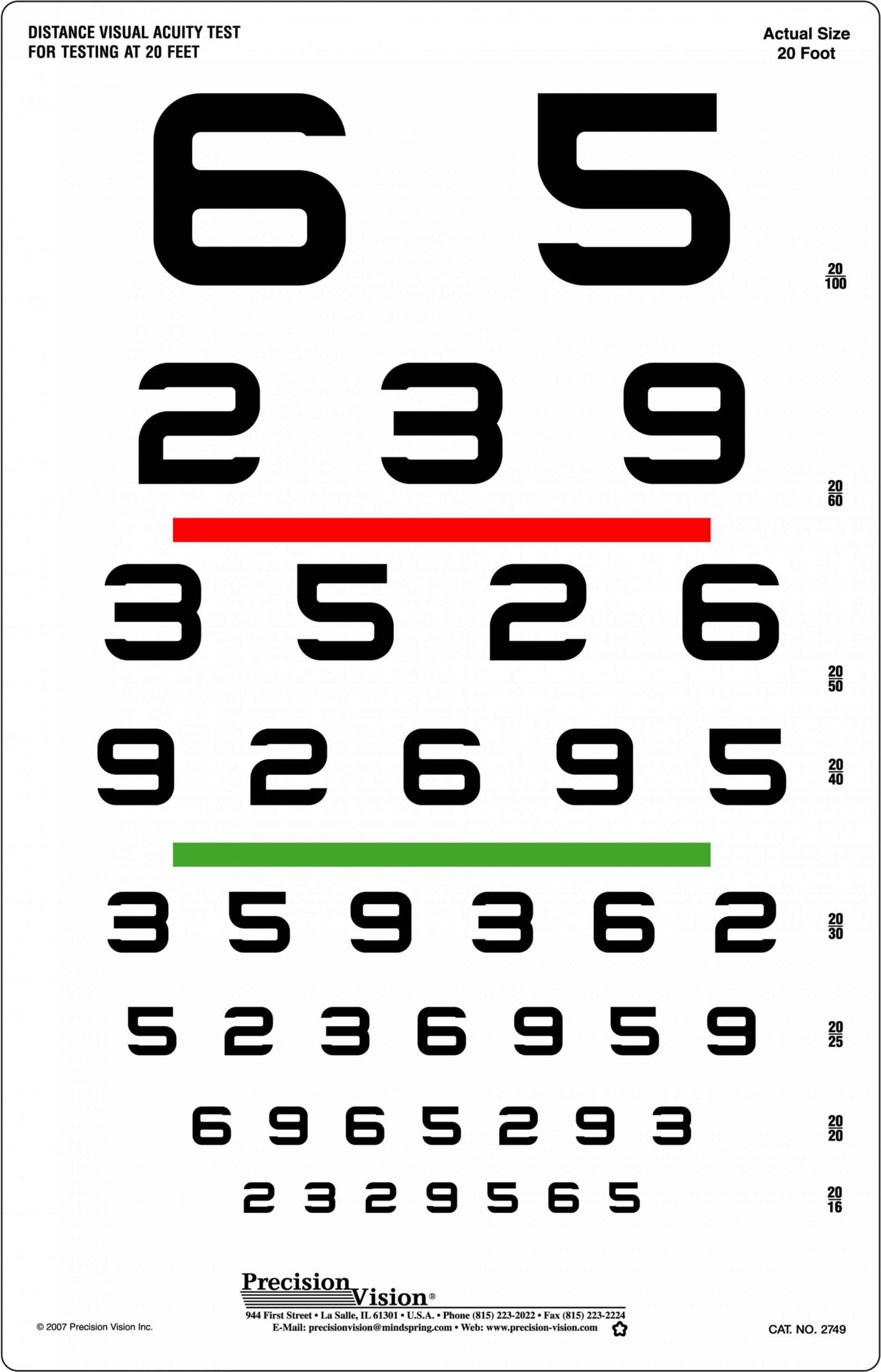
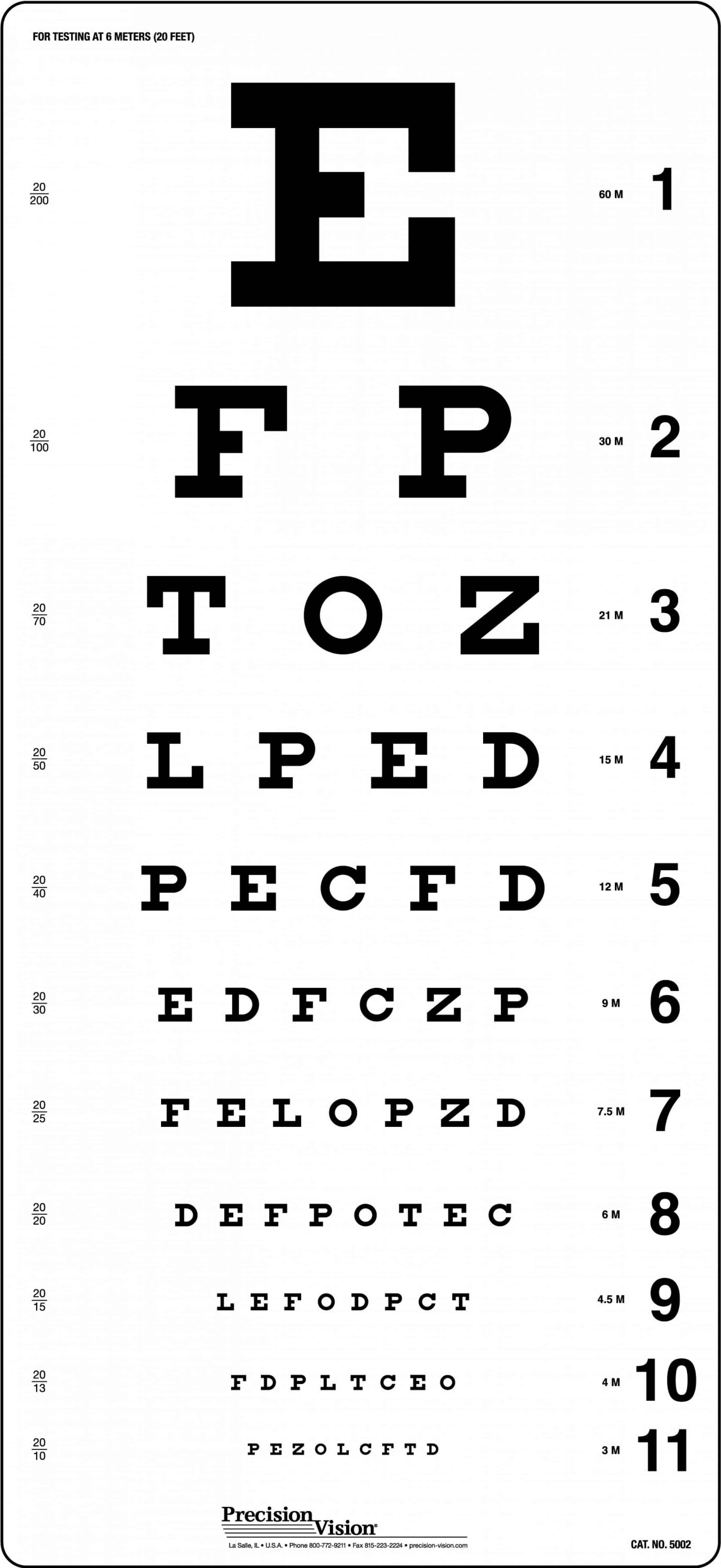
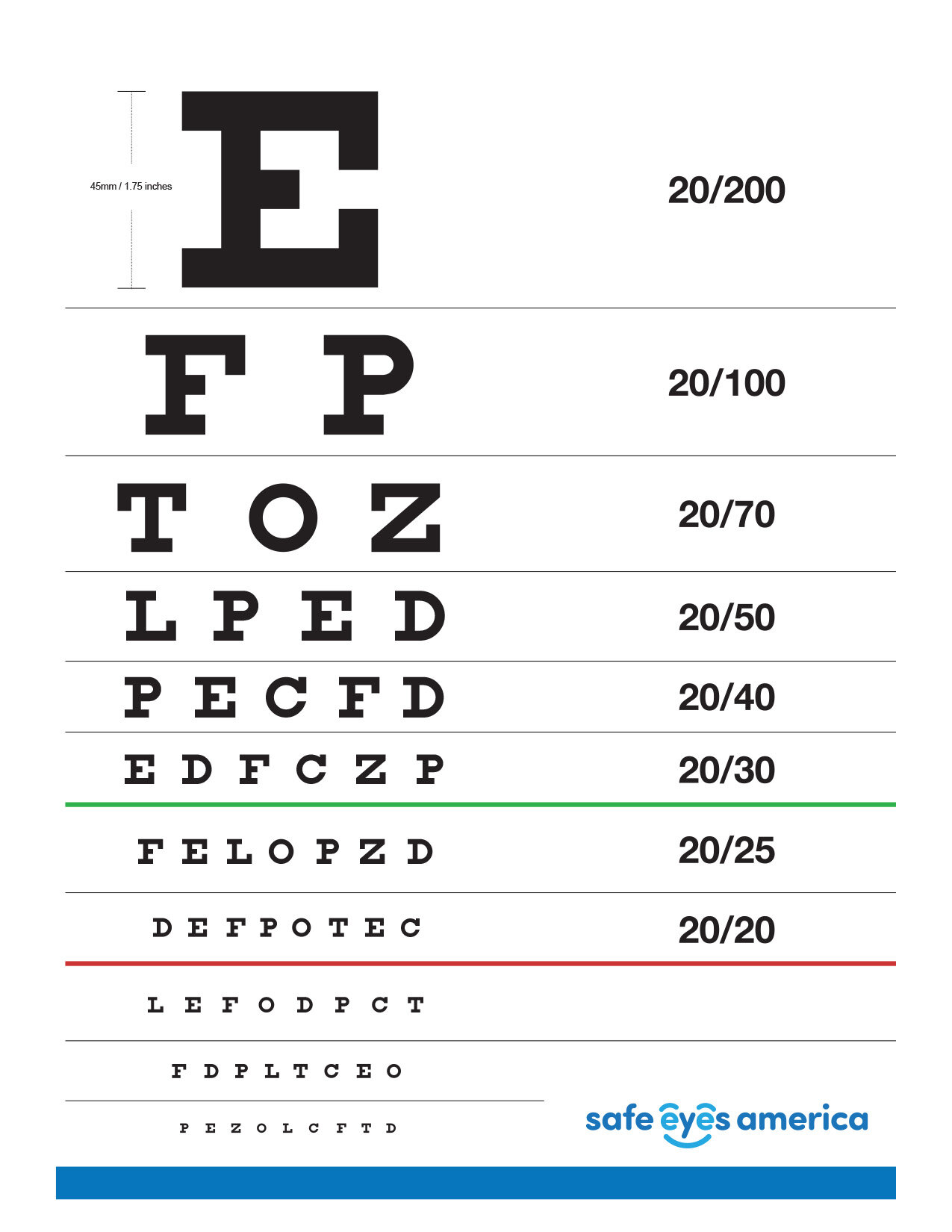
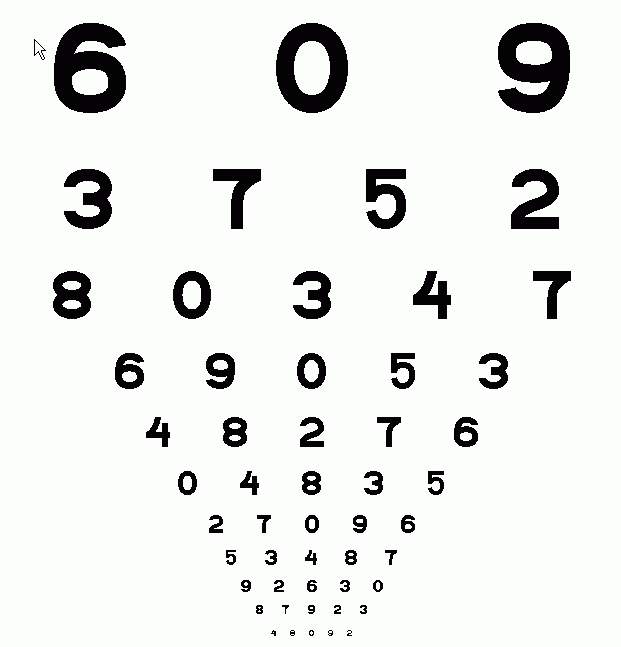
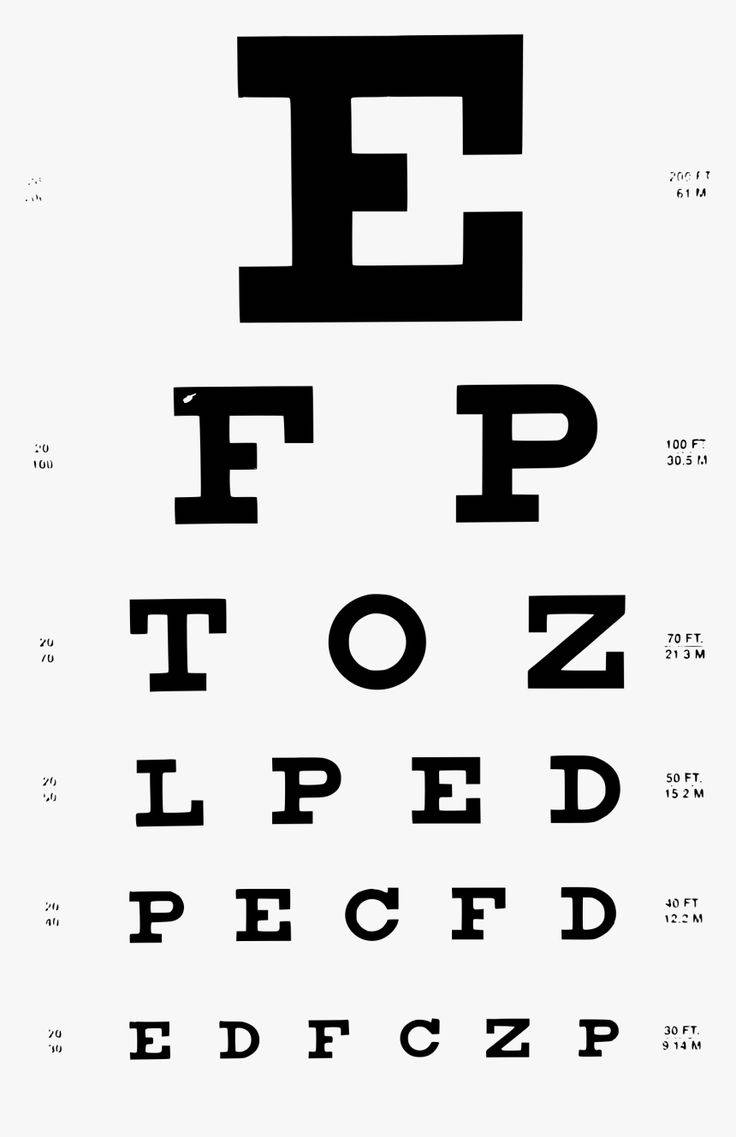
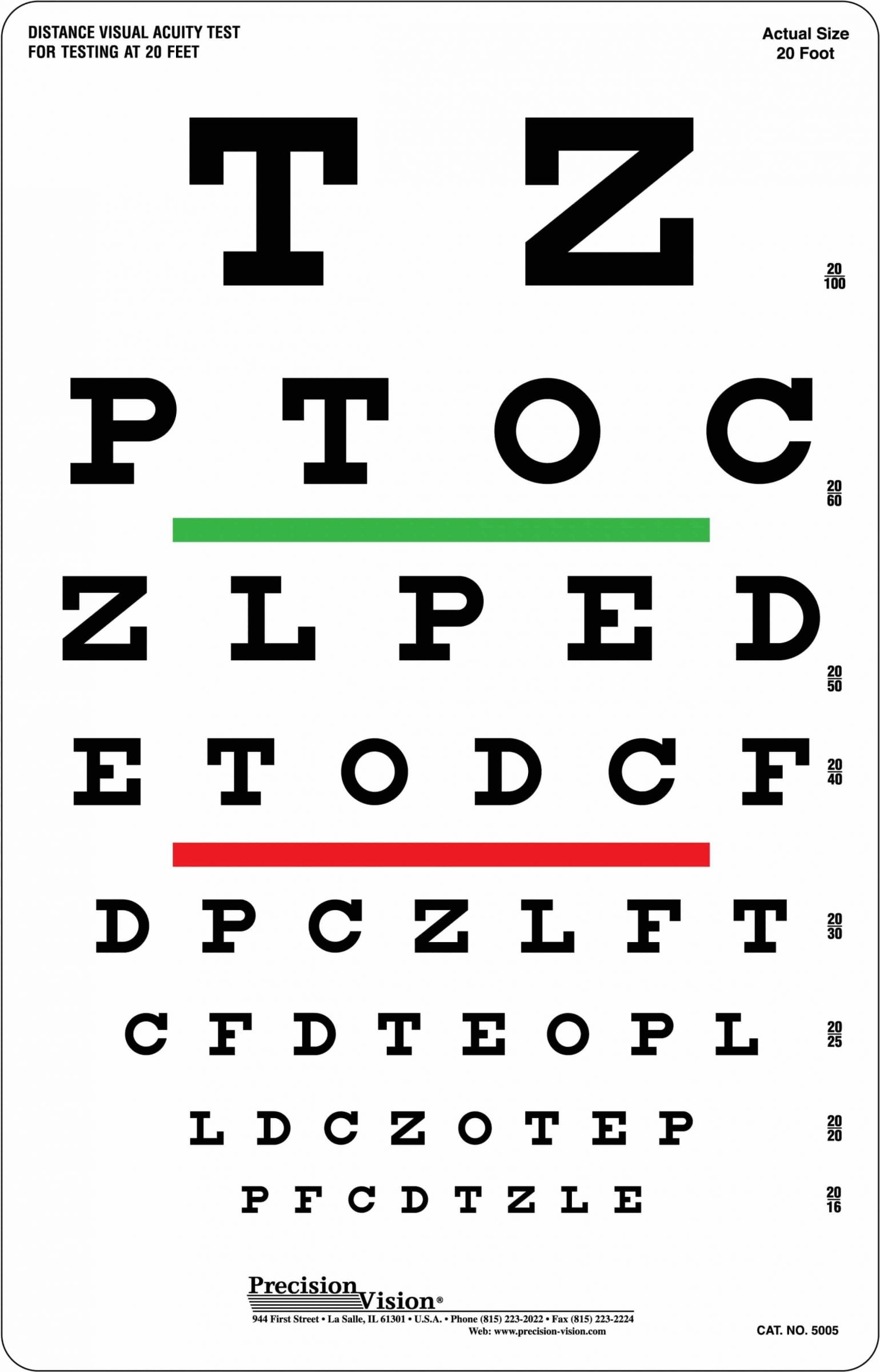
When most people think about an eye exam, they picture the Snellen chart—that classic white chart with rows of letters that get progressively smaller. This chart provides the most common set of Eye Vision Test Numbers used globally.
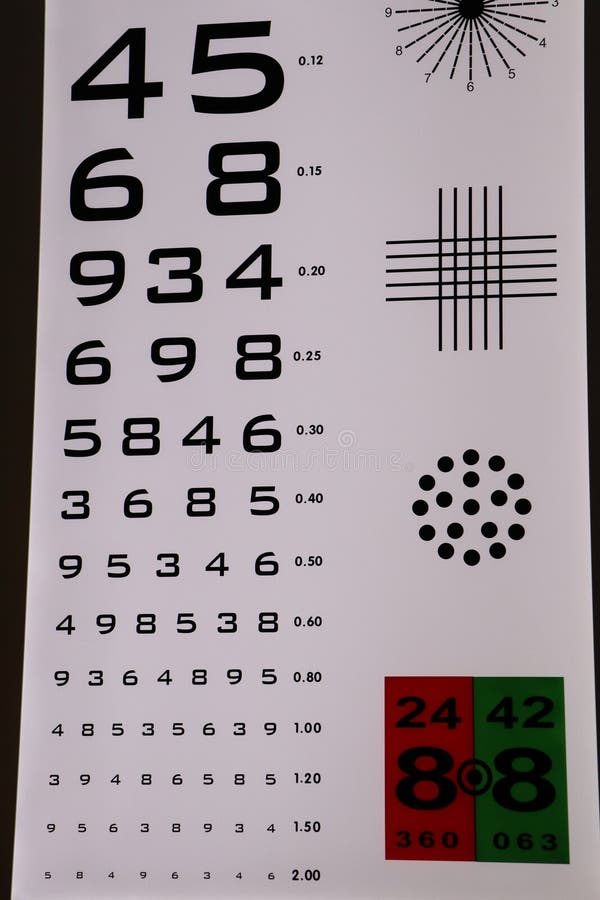
The numbers generated by the Snellen test are expressed as a fraction, such as 20/20, 20/40, or 20/100. This fractional system measures your visual acuity, which is simply the clarity or sharpness of your vision.
It's essential to remember that these numbers don't measure the overall health of your eyes, only how clearly you see things at a distance. Let's look at what the two parts of the fraction mean.
Understanding the 20/20 Standard
The term "20/20 vision" is often seen as perfect, but it technically represents normal vision. This standard was established by Herman Snellen back in the 1860s.
The first number, '20' (in the U.S. system), represents the distance in feet you are standing from the chart. In many other countries, this is measured using meters (6/6).
The second number is the tricky one. It represents the distance in feet at which a person with normal vision could read the same line of letters you just read. So, if you have 20/20 vision, it means that at 20 feet, you can clearly see what a visually normal person can see at 20 feet.
When the Numbers Get Worse (20/40, 20/100, etc.)
What if your results aren't 20/20? A result like 20/40 indicates that you have to stand at 20 feet to read a line that someone with normal vision can read from 40 feet away. Essentially, your vision is half as sharp as the standard.
The larger the second number is, the worse your distant vision is without corrective lenses. For instance, 20/200 is often cited as the threshold for being legally blind in the United States, meaning you must be 20 feet away to see what a normal person can see 200 feet away.
Don't panic if your initial Eye Vision Test Numbers are high! That's exactly why optometrists perform refraction tests—to determine the right prescription to bring you closer to 20/20.
Beyond the Snellen Chart: Other Vision Test Numbers
While the Snellen chart provides a great baseline for distance vision, your eye exam involves many more measurements. It's not all about the big letters on the wall!
Your doctor must also check your near vision, peripheral vision, eye pressure, and, most importantly, the exact corrective power needed for your lenses. These additional tests generate Eye Vision Test Numbers that are critical for making glasses or contacts.
Knowing these additional metrics can help you better understand your overall optical health.
Near Vision and the Jaeger Card
As we age, our ability to focus on close objects often declines—a condition known as presbyopia. The Jaeger chart is typically used to test this near visual acuity.
Instead of standing 20 feet away, you hold a card with paragraphs of varying font sizes at a normal reading distance (about 14 inches). The results are often recorded as "J-numbers" (J1, J2, J3, etc.), with J1 being the clearest and smallest print.
If you need reading glasses, your eye doctor will use these J-numbers to determine the strength of the 'ADD' power needed on your prescription for bifocals or progressive lenses.
The Importance of Refraction Numbers (Diopters)
If the Snellen test tells the doctor *how bad* your vision is, the refraction test tells them *how to fix it*. These results are the Eye Vision Test Numbers found on your actual eyeglasses prescription slip.
These numbers are measured in diopters (D), which indicate the lens power required to focus light precisely onto your retina. A higher number means a stronger prescription is needed.
Negative numbers (e.g., -2.50 D) signify myopia (nearsightedness), meaning you have trouble seeing things far away. Positive numbers (e.g., +1.75 D) signify hyperopia (farsightedness), meaning distant objects are clearer than close ones.
Sphere, Cylinder, and Axis Explained
When you look at your prescription, you'll likely see columns labeled SPH, CYL, and AXIS. Understanding these specific Eye Vision Test Numbers is key to ensuring your new lenses work perfectly.
The SPH (Sphere) power is the main correction for nearsightedness or farsightedness. This is the overall lens power in diopters required to correct your vision.
The CYL (Cylinder) and AXIS numbers address astigmatism, which occurs when the cornea or lens is curved unevenly. The CYL indicates the amount of power needed to correct this curve, while the AXIS (measured between 1 and 180 degrees) shows the orientation or location of the astigmatism on the eye.
Preparing for Your Vision Test
To ensure you get the most accurate Eye Vision Test Numbers, a little preparation goes a long way. Accuracy is everything when it comes to vision correction!
Always be honest with your doctor about your vision struggles and daily habits. If you work on a computer all day or drive often at night, tell them—it affects the tests they administer and the final prescription they provide.
Here are a few quick tips to maximize the accuracy of your vision test results:
- Get a good night's sleep before your appointment; fatigue can temporarily worsen your vision.
- Bring your current glasses or contact lens prescription with you for comparison.
- Take note of specific symptoms (headaches, blurred vision at certain distances) in the days leading up to the exam.
- If you wear contacts, ask your doctor if you need to remove them prior to the test or bring your glasses to wear.
Remember, the goal isn't to 'pass' the test; it's to accurately assess your vision so you can get the correction you need.
Conclusion
The various Eye Vision Test Numbers generated during an exam are much more than just confusing fractions and decimals; they are a precise map of your vision needs. From the Snellen chart's simple fraction (like 20/40) to the nuanced diopters of your prescription (SPH, CYL, AXIS), each measurement plays a vital role in protecting your sight.
Hopefully, this breakdown makes your next visit to the optometrist less mysterious. Now when the doctor mentions your visual acuity or your refraction numbers, you'll know exactly what they're talking about!
Regular eye exams are essential, even if you feel your vision is stable. These tests monitor not just the sharpness of your vision, but the overall health of your eyes, catching potential issues early.
Frequently Asked Questions (FAQ) About Eye Vision Test Numbers
- What is considered "good" vision beyond 20/20?
- While 20/20 is the standard for normal vision, some people have superior vision, such as 20/15 or even 20/10. This means they can see objects clearly at 20 feet that most people need to be closer to see.
- Do Eye Vision Test Numbers change often?
- For children and young adults, prescriptions can change frequently as the eye develops. For adults, changes are usually slow, except when presbyopia begins (the need for reading glasses), typically starting around age 40.
- What is the difference between an OD and an MD measurement?
- On a prescription, OD stands for Oculus Dexter (right eye), and OS stands for Oculus Sinister (left eye). OU means Oculus Uterque (both eyes).
- If I have 20/20 vision, does that mean my eyes are perfectly healthy?
- Not necessarily. The Snellen test only checks acuity. A comprehensive exam looks for diseases like glaucoma or macular degeneration, which can exist even if your vision is 20/20. Regular checkups are vital for overall eye health.
- What do plus (+) and minus (-) signs mean on my prescription?
- The sign indicates the type of refractive error. Minus signs mean you are nearsighted (myopia) and need diverging lenses. Plus signs mean you are farsighted (hyperopia) and need converging lenses.
Eye Vision Test Numbers
Eye Vision Test Numbers Wallpapers
Collection of eye vision test numbers wallpapers for your desktop and mobile devices.
Artistic Eye Vision Test Numbers Landscape in HD
A captivating eye vision test numbers scene that brings tranquility and beauty to any device.
Dynamic Eye Vision Test Numbers Picture for Mobile
This gorgeous eye vision test numbers photo offers a breathtaking view, making it a perfect choice for your next wallpaper.

Spectacular Eye Vision Test Numbers View in HD
This gorgeous eye vision test numbers photo offers a breathtaking view, making it a perfect choice for your next wallpaper.
/silver-ballpoint-pen-pointing-to-letter-in-eyesight-check-table-526850744-5a9745bf1d640400379bb245.jpg "Detailed Eye Vision Test Numbers Photo Digital Art")
Detailed Eye Vision Test Numbers Photo Digital Art
Transform your screen with this vivid eye vision test numbers artwork, a true masterpiece of digital design.
Artistic Eye Vision Test Numbers Image in HD
A captivating eye vision test numbers scene that brings tranquility and beauty to any device.

Crisp Eye Vision Test Numbers Abstract for Desktop
Find inspiration with this unique eye vision test numbers illustration, crafted to provide a fresh look for your background.
Stunning Eye Vision Test Numbers Moment Photography
Immerse yourself in the stunning details of this beautiful eye vision test numbers wallpaper, designed for a captivating visual experience.

Amazing Eye Vision Test Numbers Capture Digital Art
Transform your screen with this vivid eye vision test numbers artwork, a true masterpiece of digital design.

Crisp Eye Vision Test Numbers View Digital Art
A captivating eye vision test numbers scene that brings tranquility and beauty to any device.

Detailed Eye Vision Test Numbers Capture in HD
Transform your screen with this vivid eye vision test numbers artwork, a true masterpiece of digital design.

Serene Eye Vision Test Numbers Scene Photography
Discover an amazing eye vision test numbers background image, ideal for personalizing your devices with vibrant colors and intricate designs.

Captivating Eye Vision Test Numbers Scene Concept
This gorgeous eye vision test numbers photo offers a breathtaking view, making it a perfect choice for your next wallpaper.
Spectacular Eye Vision Test Numbers Background Illustration
A captivating eye vision test numbers scene that brings tranquility and beauty to any device.
Serene Eye Vision Test Numbers Scene Illustration
Discover an amazing eye vision test numbers background image, ideal for personalizing your devices with vibrant colors and intricate designs.

Stunning Eye Vision Test Numbers Moment for Mobile
Find inspiration with this unique eye vision test numbers illustration, crafted to provide a fresh look for your background.

Artistic Eye Vision Test Numbers Image Collection
This gorgeous eye vision test numbers photo offers a breathtaking view, making it a perfect choice for your next wallpaper.

Detailed Eye Vision Test Numbers Scene for Mobile
Discover an amazing eye vision test numbers background image, ideal for personalizing your devices with vibrant colors and intricate designs.
Amazing Eye Vision Test Numbers Background for Desktop
Discover an amazing eye vision test numbers background image, ideal for personalizing your devices with vibrant colors and intricate designs.
Beautiful Eye Vision Test Numbers Artwork Illustration
Explore this high-quality eye vision test numbers image, perfect for enhancing your desktop or mobile wallpaper.

Breathtaking Eye Vision Test Numbers Capture Collection
Explore this high-quality eye vision test numbers image, perfect for enhancing your desktop or mobile wallpaper.
Download these eye vision test numbers wallpapers for free and use them on your desktop or mobile devices.
0 Response to "Eye Vision Test Numbers"
Post a Comment