Fixed Eye
Navigating the World of Vision: Everything You Need to Know About Fixed Eye
If you've recently come across the term "Fixed Eye," or perhaps you or a loved one are experiencing symptoms related to this condition, it's natural to feel concerned. Dealing with any change in your vision can be unsettling. But take a deep breath; understanding what a Fixed Eye truly is, what causes it, and how it is managed is the first crucial step toward clarity and peace of mind.
In simple terms, the phrase Fixed Eye typically describes a condition where the eye lacks the normal range of motion, meaning it cannot move or track objects properly, or where the pupil fails to react normally to light. This is not just a minor annoyance; it often signals an underlying medical issue that requires professional attention. We're here to walk you through the specifics in a way that is easy to understand, focusing on valuable, practical information.
What Exactly is a Fixed Eye?
When we talk about a Fixed Eye, we are usually referring to two distinct physiological problems: either the extraocular muscles (the muscles surrounding the eye that control movement) are paralyzed or restricted, or the pupil remains dilated or constricted regardless of lighting conditions. Both situations indicate a serious disruption to the eye's normal function.
The eye relies on a complex network of nerves and muscles to perform simple tasks like tracking a ball or focusing on a book. When these systems are compromised—be it through injury, neurological damage, or specific medical conditions—the result can be a fixed gaze. Therefore, a fixed gaze is rarely a primary diagnosis; rather, it's a prominent symptom pointing toward a deeper health issue.
Understanding this distinction is vital. A lack of movement (paralysis) suggests a problem with the cranial nerves controlling the muscles, while a fixed pupillary response (or lack thereof) often points toward issues within the central nervous system or exposure to certain toxins. Ultimately, both scenarios lead to the same result: an eye that is functionally "stuck."
Understanding the Causes Behind Fixed Eye
What makes an eye become fixed? The causes are varied, ranging from acute trauma to chronic neurological diseases. Because the eyes are intrinsically linked to the brain, any significant disturbance in the central nervous system can manifest visually. Identifying the root cause is the primary goal of any medical professional when treating a patient presenting with a Fixed Eye.
Here are some of the most common reasons why someone might develop this condition:
- Neurological Trauma: Head injuries, especially those involving concussions or direct brain damage, can disrupt the nerves (Cranial Nerves III, IV, and VI) responsible for eye movement.
- Stroke or Hemorrhage: A lack of blood flow or bleeding in specific areas of the brain can damage the ocular motor pathways, leading to sudden onset of fixed gaze or fixed pupils.
- Orbital Compartment Syndrome: Swelling or bleeding behind the eye can increase pressure, mechanically trapping the eye and preventing movement. This is a medical emergency.
- Drug Overdose or Toxin Exposure: Certain substances, particularly narcotics or nerve agents, can paralyze the pupillary muscles, resulting in fixed, sometimes widely dilated, pupils (a common sign of brain death or severe toxicity).
- Infections: Conditions like meningitis or encephalitis can cause inflammation and swelling around the brain and cranial nerves, impairing function.
- Tumors: Growths in the brainstem or near the optic nerves can put pressure on the structures controlling eye movement and response.
As you can see, the development of a fixed eye is serious and requires immediate evaluation. Ignoring these signs can lead to permanent damage or miss the window for treating a life-threatening underlying condition.
Recognizing the Symptoms: How to Identify Fixed Eye
When an eye is truly fixed, the visual signs are often pronounced and unmistakable. However, the associated symptoms can vary greatly depending on whether the fixation is due to lack of movement (oculomotor paralysis) or lack of light response (pupillary fixation).
The most obvious symptom is the inability of one or both eyes to follow movement or look in a specific direction. For example, if you ask the person to look to the left, the affected eye might remain staring straight ahead. This lack of coordination often leads to severe double vision (diplopia), which can be distressing for the individual.
In cases of fixed pupils, one or both pupils may remain large (dilated) or small (constricted) even when a light source is shone directly into them. A healthy pupil rapidly constricts in bright light. The absence of this reflex is a critical diagnostic sign, particularly in emergency situations, as it suggests severe neurological compromise.
Differentiating Fixed Eye from Other Conditions
It is important not to confuse a Fixed Eye with other common eye movement disorders. Conditions like strabismus (misalignment, often referred to as cross-eyes) or amblyopia (lazy eye) involve coordination issues, but the eyes still generally retain their ability to move. In contrast, a truly fixed eye has lost that ability entirely, either due to mechanical blockages or neurological paralysis.
For example, a person with a severe case of strabismus might have an eye that drifts inward, but if you test them, the eye can usually be forced to move outward, even if only slightly. The Fixed Eye, however, demonstrates an absolute lack of movement or response. This distinction is crucial for medical professionals as it guides the diagnostic pathway, necessitating immediate brain imaging in most fixed eye cases.
Treatment Options and Management for Fixed Eye
Since Fixed Eye is a symptom and not a standalone disease, treatment focuses entirely on addressing the underlying cause. Once the cause is accurately diagnosed—often using CT scans, MRIs, and neurological examinations—a specialized treatment plan can be implemented. Early diagnosis significantly improves the chances of recovery.
If the cause is related to a tumor, surgical removal or radiation therapy may be required to relieve pressure on the nerves. If the fixation is due to a severe infection, aggressive antibiotic or antiviral treatment is necessary. In cases of traumatic injury, surgery might be needed to repair damaged tissue or relieve cranial pressure.
Management of the Fixed Eye symptoms themselves often includes supportive measures:
- Prism Lenses or Patching: To manage severe double vision (diplopia) while waiting for the nerve function to recover, doctors may recommend covering the affected eye or using specialized lenses that bend light.
- Physical Therapy: Ocular exercises might be prescribed in certain paralysis cases, helping to strengthen weakened muscles and retrain the brain to coordinate eye movements once the primary issue has stabilized.
- Corticosteroids: If nerve inflammation is the cause, corticosteroids can be administered to reduce swelling, potentially allowing the nerve to function normally again.
- Neuro-rehabilitation: For damage caused by stroke or severe trauma, a long-term rehabilitation plan may be necessary to help the patient regain as much visual function as possible.
Remember that recovery time can vary dramatically based on the severity of the neurological damage. Consistency with the treatment plan is key to maximizing visual recovery.
When Should You Seek Emergency Care?
Any sudden change in vision, especially the inability to move the eye or respond to light, must be treated as a medical emergency. Unlike other vision problems that develop slowly, acute onset of a Fixed Eye often indicates a rapidly worsening or life-threatening condition, such as an active stroke, severe hemorrhage, or immediate cranial pressure increase.
If you observe the following symptoms alongside a fixed gaze, call emergency services immediately:
- Sudden, severe headache (the "worst headache of your life").
- Loss of consciousness or severe confusion.
- Weakness or numbness on one side of the body.
- Sudden, major changes in speech or difficulty walking.
- Recent history of severe head trauma.
Time is brain function. Seeking rapid medical evaluation ensures that diagnostic procedures, such as emergency imaging, can begin immediately, offering the best chance for successful intervention and recovery.
***
Conclusion: Taking Action on Fixed Eye
The term Fixed Eye describes a condition that is complex, often startling, and always medically significant. Whether it involves the paralysis of eye movement or the loss of pupillary response, it serves as a critical signpost for underlying neurological or structural issues. We've explored the serious causes, ranging from trauma and infection to tumors and vascular events.
The crucial takeaway is the need for prompt medical assessment. Do not dismiss an inability to move the eye or a lack of pupillary response as something minor. By understanding the symptoms and seeking immediate care, you ensure the fastest possible diagnosis of the root cause. With targeted treatment and diligent rehabilitation, many individuals experiencing Fixed Eye symptoms can achieve meaningful visual improvement.
Frequently Asked Questions (FAQ) About Fixed Eye
- What is the difference between a Fixed Eye and a Lazy Eye (Amblyopia)?
- A Lazy Eye (Amblyopia) involves poor vision in an otherwise physically normal eye due to the brain favoring the other eye, typically treatable early in childhood. A Fixed Eye, conversely, is an acute condition where the eye cannot physically move or respond to light due to muscular paralysis or neurological damage, indicating an immediate medical problem.
- Can stress cause a Fixed Eye?
- While extreme stress can sometimes trigger temporary symptoms like eye twitching, stress is not a direct cause of a true Fixed Eye. This condition requires a significant physical compromise, such as nerve damage, hemorrhage, or trauma. If you suddenly notice a fixed gaze, medical attention is required regardless of your stress levels.
- How quickly can a Fixed Eye be treated?
- Treatment begins immediately upon diagnosis of the underlying cause. For conditions like orbital syndrome or hemorrhage, surgery or medication may be administered within hours. For causes related to inflammation or minor nerve palsy, treatment may involve medication over several weeks, followed by physical therapy. The prognosis depends entirely on the swiftness of initial intervention.
- Is a Fixed Eye always permanent?
- Fortunately, no. If the underlying cause, such as inflammation or a treatable infection, is resolved quickly, the nerve and muscle function can often recover fully or partially. However, if the cause involves severe, irreparable brain damage (e.g., severe stroke or massive trauma), the resulting fixation may be permanent.
Fixed Eye
Fixed Eye Wallpapers
Collection of fixed eye wallpapers for your desktop and mobile devices.

Crisp Fixed Eye Design for Your Screen
Find inspiration with this unique fixed eye illustration, crafted to provide a fresh look for your background.
Detailed Fixed Eye Abstract Photography
Discover an amazing fixed eye background image, ideal for personalizing your devices with vibrant colors and intricate designs.
Dynamic Fixed Eye Moment for Mobile
Immerse yourself in the stunning details of this beautiful fixed eye wallpaper, designed for a captivating visual experience.
Exquisite Fixed Eye Scene Illustration
A captivating fixed eye scene that brings tranquility and beauty to any device.
Vivid Fixed Eye Capture Photography
Experience the crisp clarity of this stunning fixed eye image, available in high resolution for all your screens.
Gorgeous Fixed Eye Moment Art
This gorgeous fixed eye photo offers a breathtaking view, making it a perfect choice for your next wallpaper.

Gorgeous Fixed Eye Landscape Nature
Immerse yourself in the stunning details of this beautiful fixed eye wallpaper, designed for a captivating visual experience.
Stunning Fixed Eye Picture for Mobile
Find inspiration with this unique fixed eye illustration, crafted to provide a fresh look for your background.

Crisp Fixed Eye View for Desktop
A captivating fixed eye scene that brings tranquility and beauty to any device.
Mesmerizing Fixed Eye Wallpaper Concept
Discover an amazing fixed eye background image, ideal for personalizing your devices with vibrant colors and intricate designs.
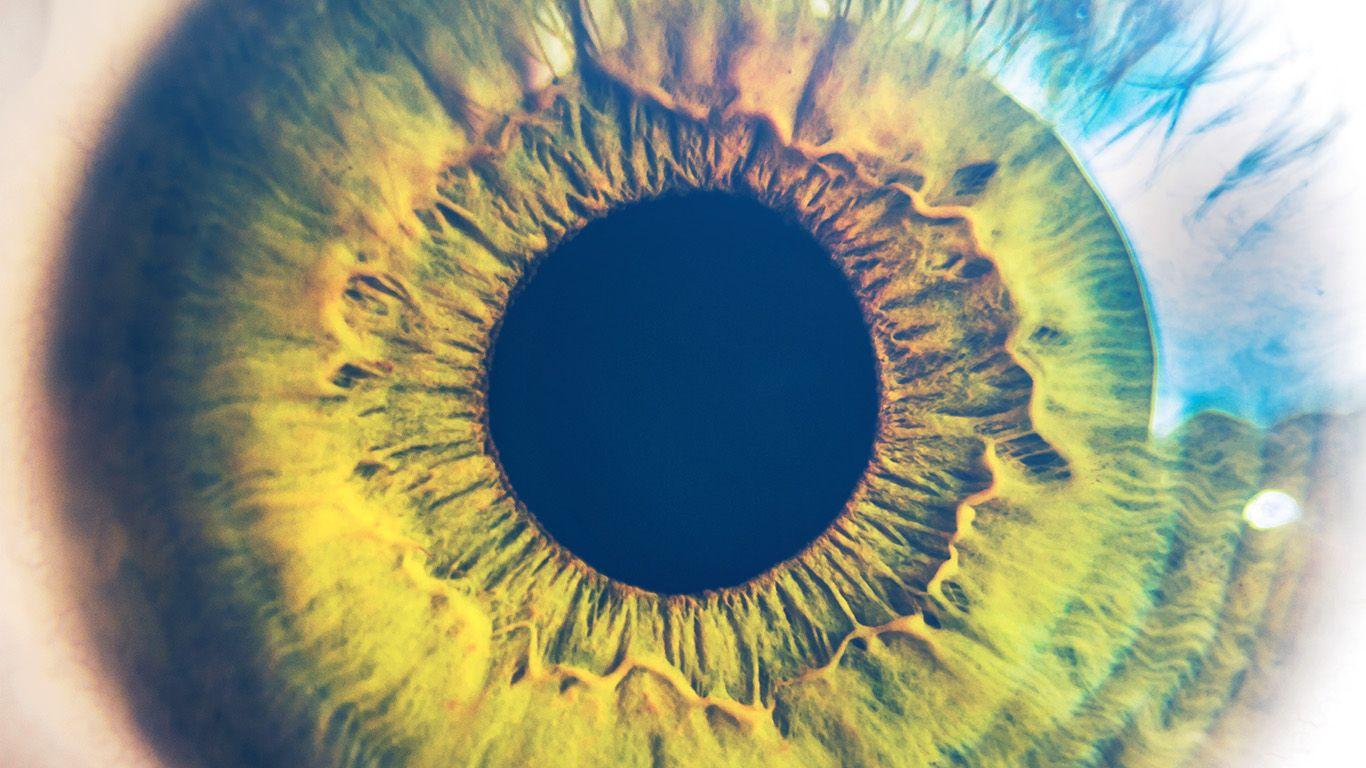
Captivating Fixed Eye Landscape for Your Screen
This gorgeous fixed eye photo offers a breathtaking view, making it a perfect choice for your next wallpaper.

Detailed Fixed Eye Abstract in HD
Transform your screen with this vivid fixed eye artwork, a true masterpiece of digital design.
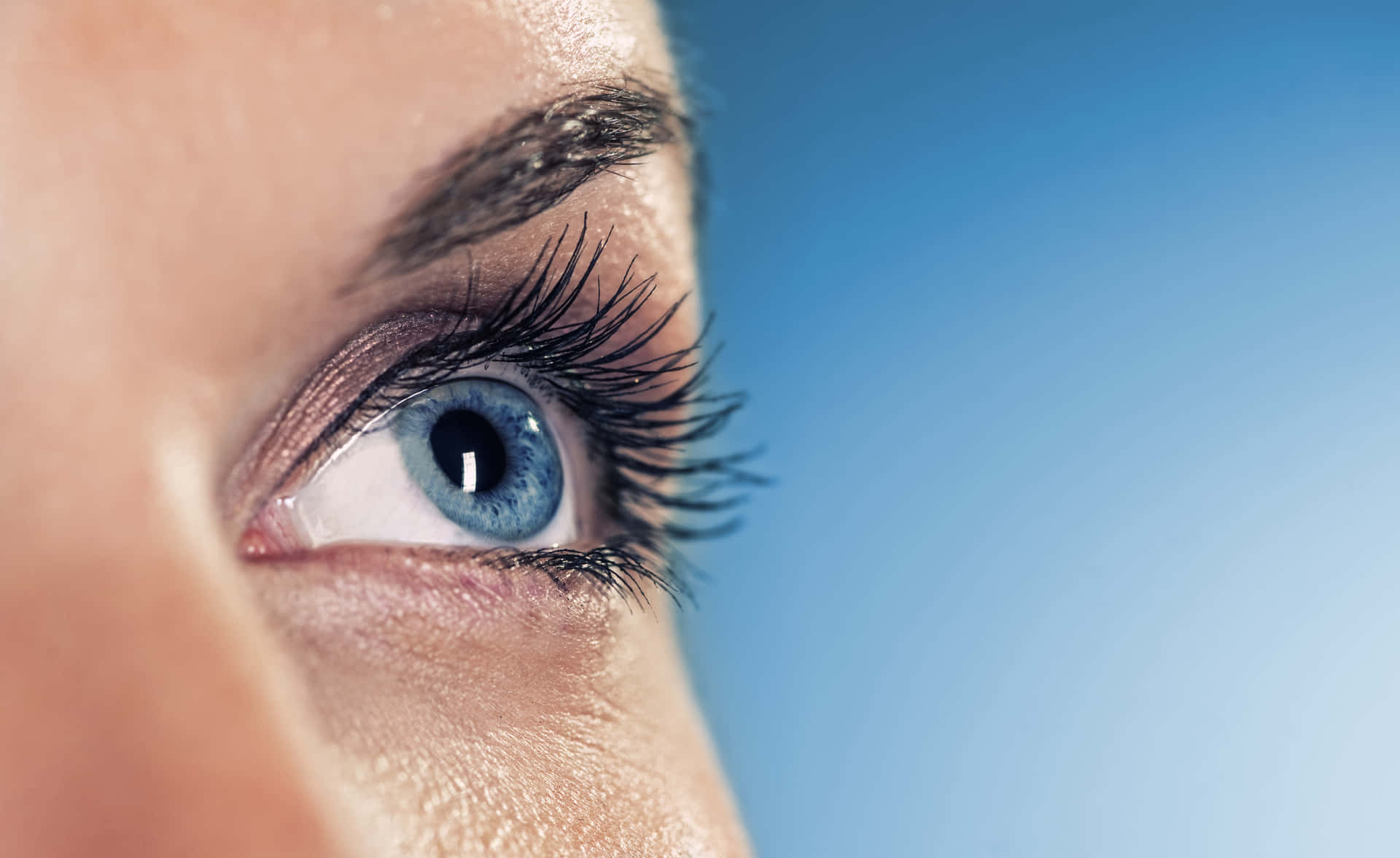
Beautiful Fixed Eye Moment Concept
Experience the crisp clarity of this stunning fixed eye image, available in high resolution for all your screens.
Exquisite Fixed Eye Image Digital Art
Immerse yourself in the stunning details of this beautiful fixed eye wallpaper, designed for a captivating visual experience.

Artistic Fixed Eye Scene Nature
Find inspiration with this unique fixed eye illustration, crafted to provide a fresh look for your background.
Artistic Fixed Eye Image Collection
Immerse yourself in the stunning details of this beautiful fixed eye wallpaper, designed for a captivating visual experience.
Exquisite Fixed Eye Wallpaper for Mobile
A captivating fixed eye scene that brings tranquility and beauty to any device.

Amazing Fixed Eye Background for Desktop
Transform your screen with this vivid fixed eye artwork, a true masterpiece of digital design.

Crisp Fixed Eye Design for Desktop
Find inspiration with this unique fixed eye illustration, crafted to provide a fresh look for your background.
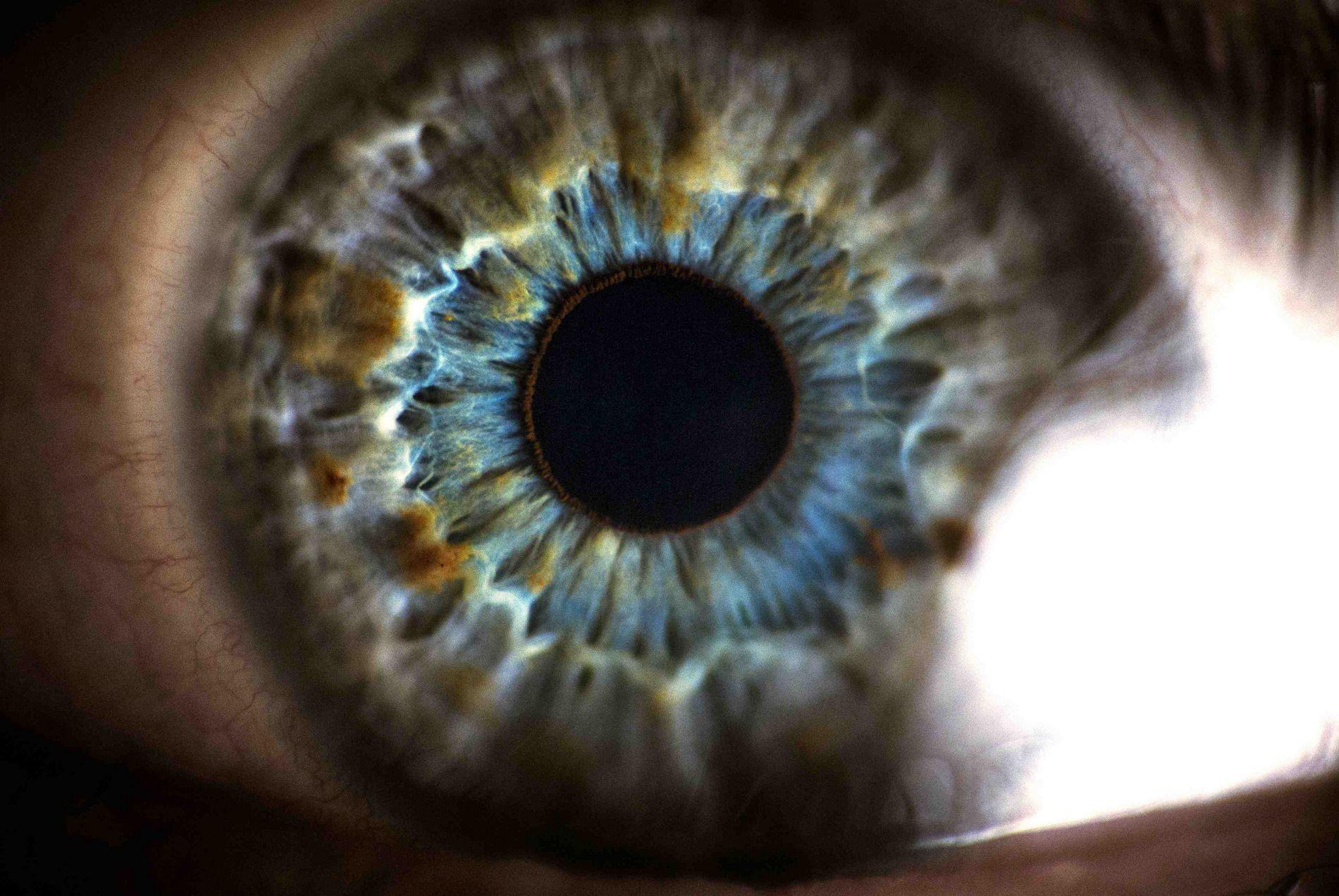
Mesmerizing Fixed Eye Abstract in HD
Experience the crisp clarity of this stunning fixed eye image, available in high resolution for all your screens.
Download these fixed eye wallpapers for free and use them on your desktop or mobile devices.
0 Response to "Fixed Eye"
Post a Comment