Melanoma Eye Symptoms
Melanoma Eye Symptoms: What You Need to Know (and Watch Out For)
Finding out you need to worry about cancer affecting your eyes can be scary. But knowledge is power, and understanding the potential signs early on makes a massive difference in treatment success. We're here to walk you through the specifics of ocular melanoma, focusing on the key Melanoma Eye Symptoms you need to recognize.
Ocular melanoma, sometimes called eye cancer, is a rare but serious condition that develops in the parts of the eye that produce pigment. It's the most common type of eye tumor in adults. While it might sound intimidating, our goal is to provide clear, actionable information in a way that feels supportive and easy to digest.
If you've noticed changes in your vision or the appearance of your eye, reading this article will help you understand whether it's time to book that urgent appointment with your eye specialist.
Understanding Ocular Melanoma (The Basics)
Before diving into the specific symptoms, it helps to understand what ocular melanoma actually is. Just like skin melanoma, it starts in the melanocytes—the cells that produce pigment. These cells are highly concentrated in the part of your eye known as the uvea.
The scary truth is that ocular melanoma often starts small and doesn't usually cause pain. This means that many people might not even notice they have a problem until the tumor grows large enough to affect their vision.
Because these tumors are hidden inside the eyeball, they often require specialized equipment for detection during routine comprehensive eye exams. This highlights why regular checkups are so vital, even if you feel fine.
Where Does Ocular Melanoma Occur?
Ocular melanoma can strike different parts of the eye, and where it develops often affects the specific Melanoma Eye Symptoms you might experience.
Uveal Melanoma (The Most Common Type)
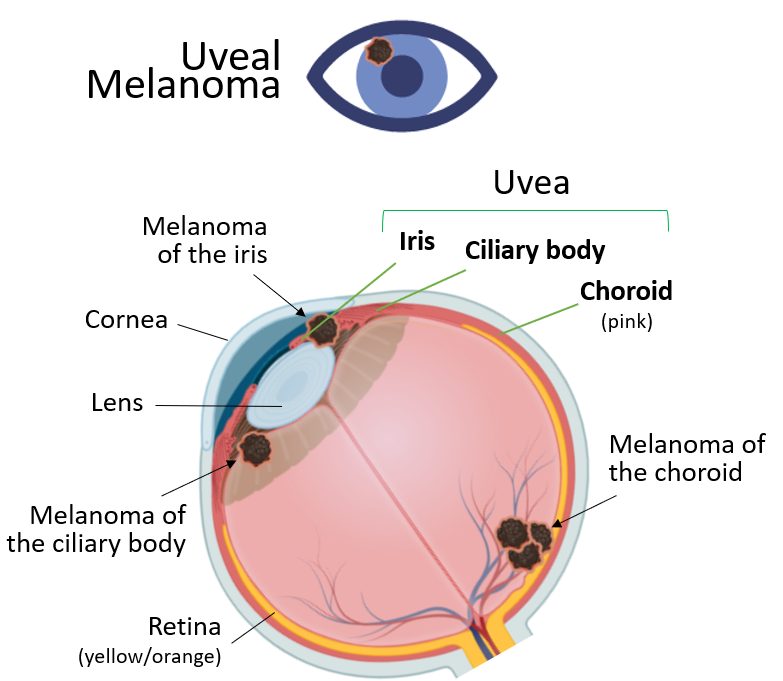
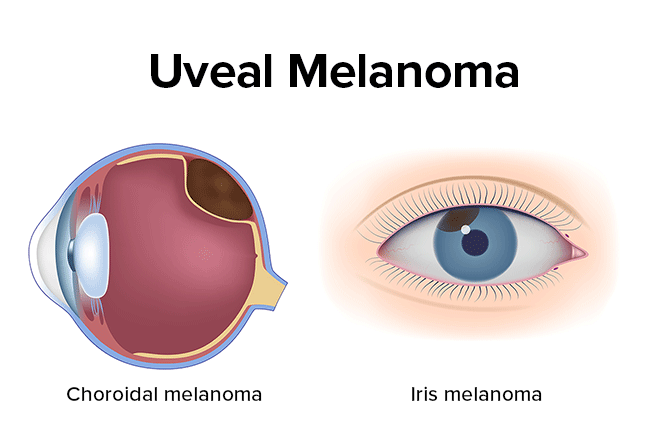
About 9 out of 10 eye melanomas begin in the uvea. The uvea includes the iris (the colored part), the choroid (the layer of blood vessels and connective tissue), and the ciliary body (which helps focus the lens).
Choroidal melanoma is particularly common because the choroid is rich in pigment cells. Tumors here often cause major visual disturbances when they begin to detach the retina.
Conjunctival Melanoma
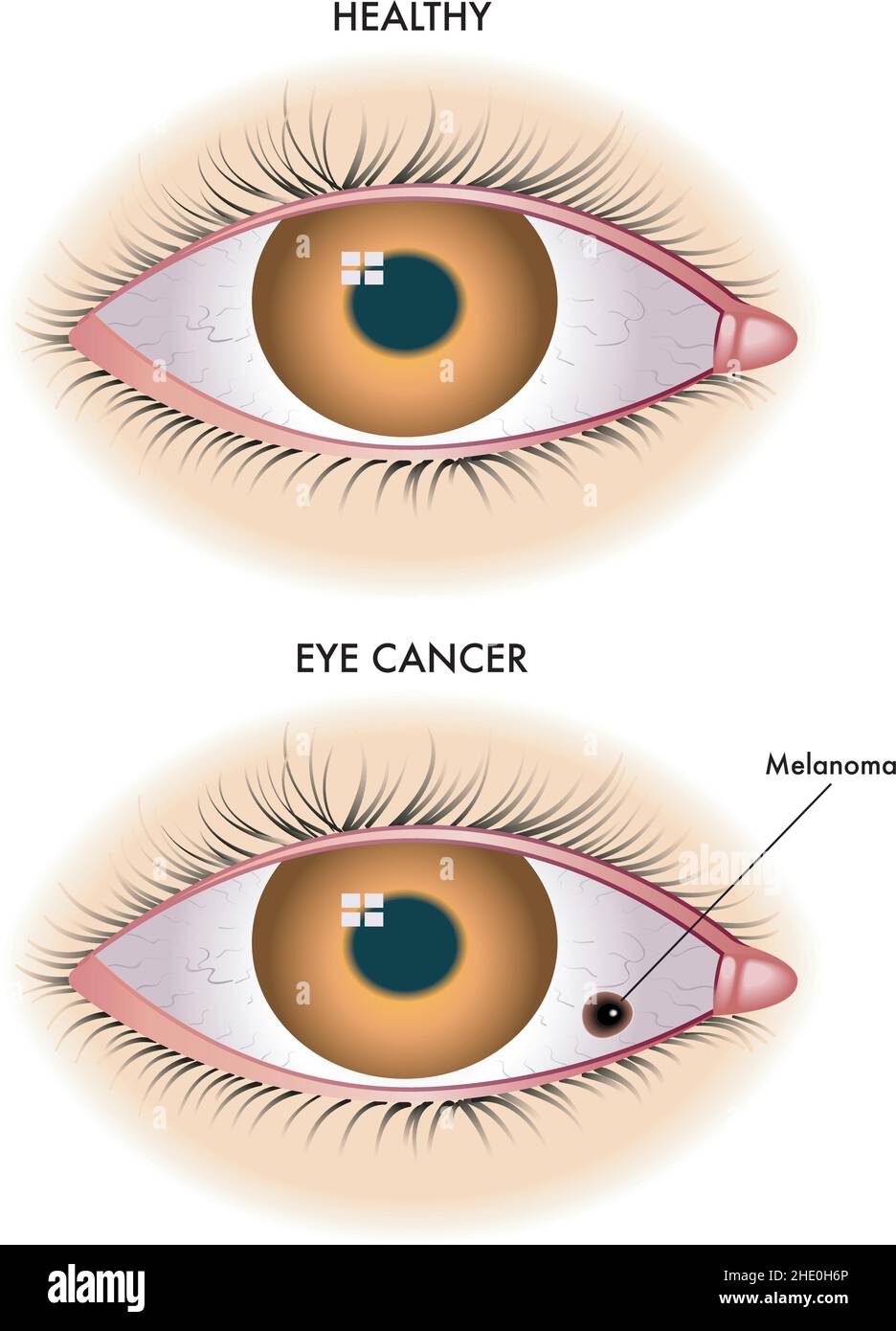
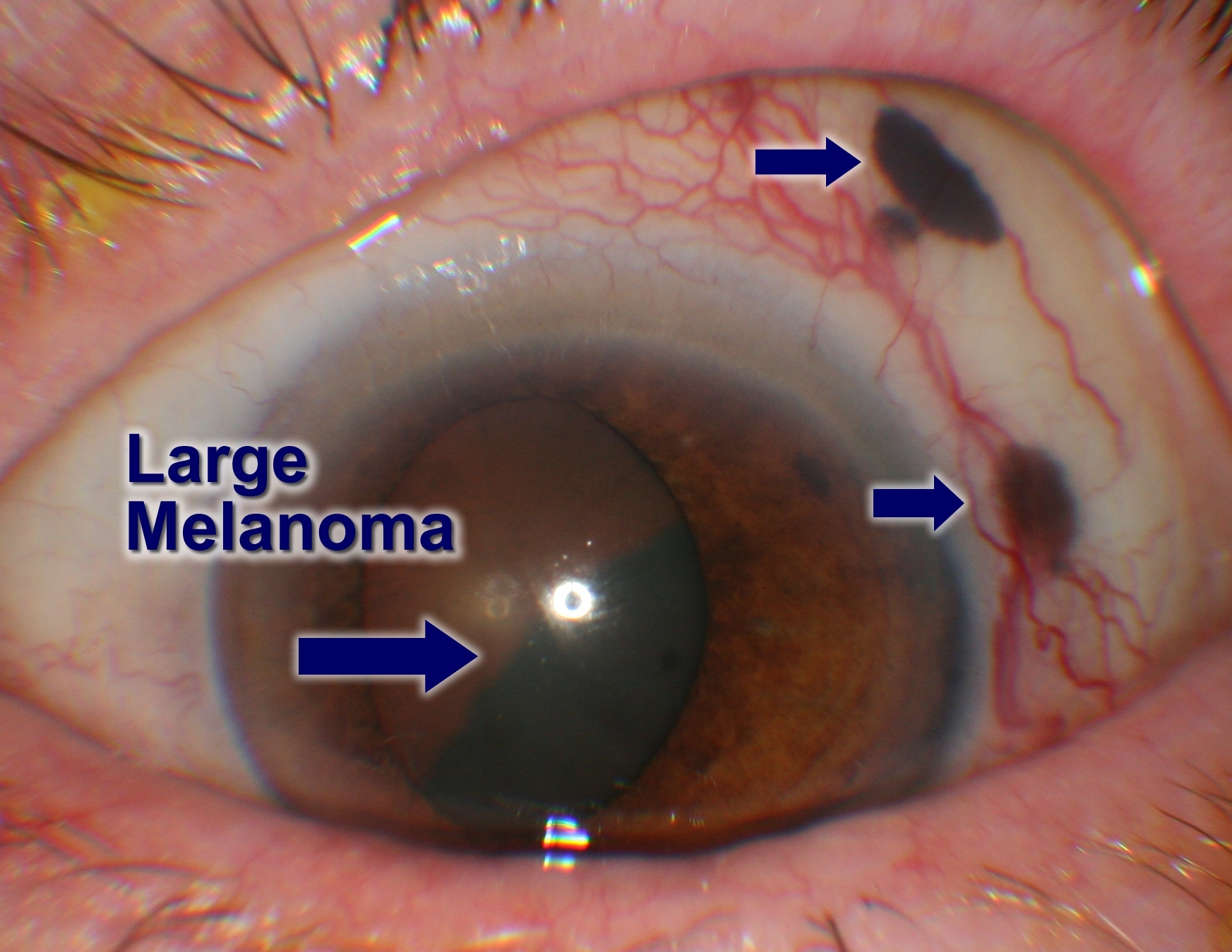
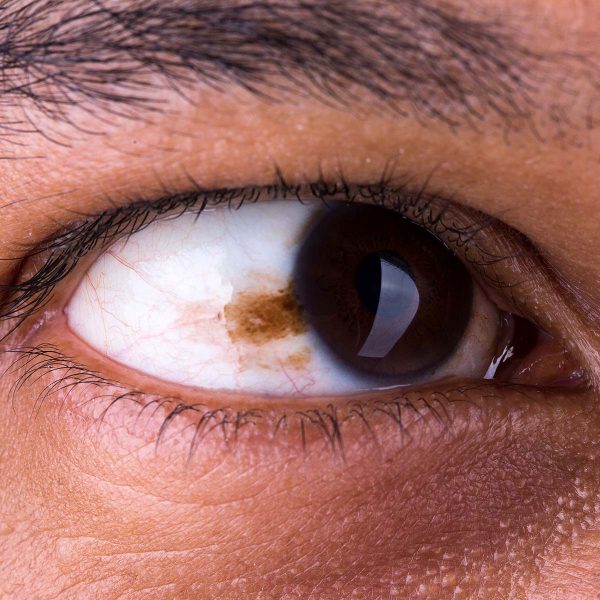
This type is much rarer and affects the conjunctiva, the clear covering over the white of the eye and the inside of the eyelids. These types are often more visible and can look like dark, growing spots on the surface of the eye.
The Key Melanoma Eye Symptoms You Should Never Ignore
Because the disease often starts without symptoms, any change to your vision or eye appearance should be taken seriously. Pay close attention to these common Melanoma Eye Symptoms, especially if they are new and persistent.
Vision Changes: More Than Just Blurry Sight
Vision problems are usually the first indicators that something is wrong deep inside the eye. These symptoms occur when the tumor starts interfering with the retina or the structures that focus light.
- Seeing Flashes of Light (Photopsia): You might notice sudden flashes or streaks of light, similar to what happens during a retinal detachment.
- Floaters or Specks: While occasional floaters are normal, a sudden increase or a 'shower' of black spots moving across your field of vision can be a critical sign.
- Loss of Side Vision: As the tumor grows, it may cause a noticeable blind spot or shadow in your peripheral vision, which slowly expands.
- Blurred Vision in One Eye: This blurring doesn't usually improve with a change in glasses prescription and often gets progressively worse.
If you experience any dramatic or rapid change in your sight, seeking immediate medical attention is non-negotiable. Don't assume it's just eye strain or an old prescription.
Visible Physical Changes to the Eye
Sometimes, the symptoms are visible to the naked eye, particularly with tumors affecting the iris or the conjunctiva. These physical changes are often easier to spot and can prompt an earlier visit to the doctor.
Look out for these changes when examining yourself in the mirror or comparing one eye to the other:
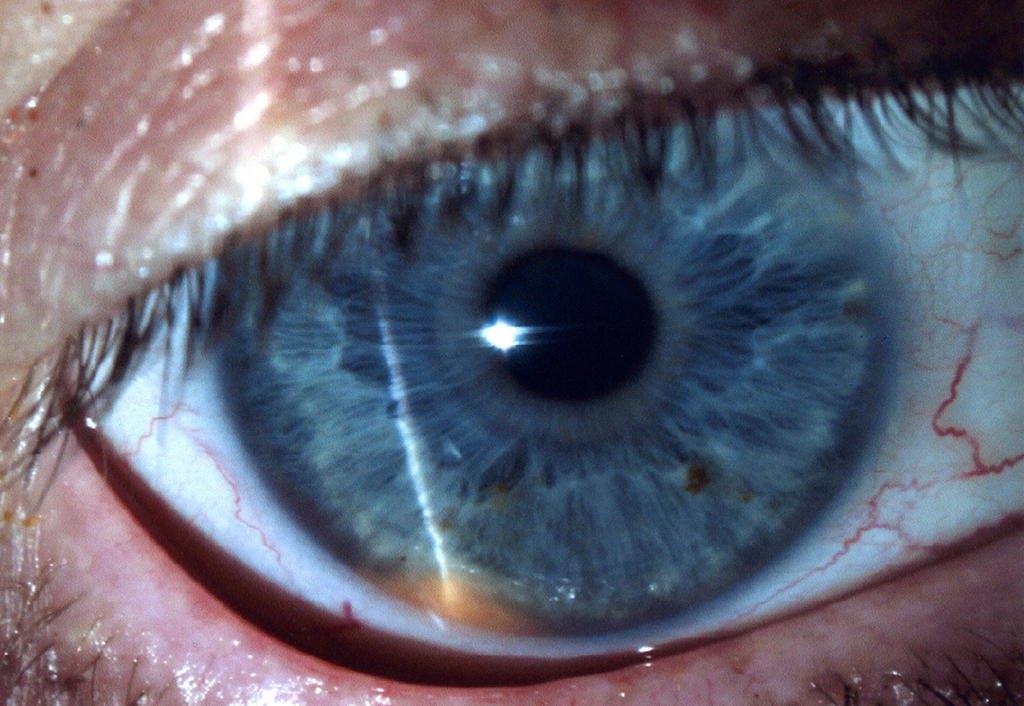
- A Dark Spot on the Iris or Conjunctiva: If a dark patch appears on the colored part of your eye (iris) or the white part (conjunctiva) and seems to be growing, this is a major warning sign.
- Change in Pupil Shape or Size: The tumor may distort the pupil, causing it to become irregular or fixed in size.
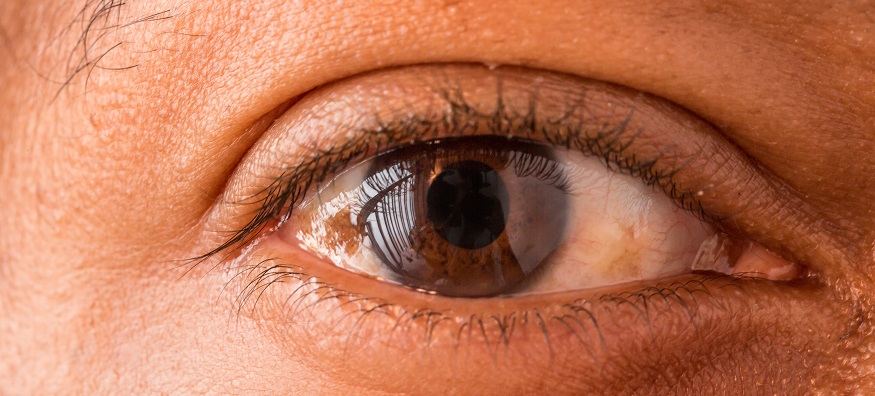
- Change in Eye Color (Heterochromia): A new or progressive change in the color of one eye, often due to pigment changes in the iris caused by the tumor beneath it.
- Protrusion of the Eye (Exophthalmos): In advanced cases, the growing tumor can push the eyeball forward slightly, making one eye appear more prominent than the other.
While pain is rare, a few people report mild aching or discomfort, often linked to increased pressure inside the eye (glaucoma) that the tumor might cause.
Why Early Detection of Melanoma Eye Symptoms is Crucial
Early detection is the single most important factor in saving both your sight and your life. Small tumors are far easier to treat with radiation or local therapies, often preserving functional vision.
However, when the cancer progresses, treatment options become more aggressive and may involve removing the eye (enucleation). Furthermore, untreated ocular melanoma has a high risk of spreading to other parts of the body, particularly the liver.
What Happens During an Eye Exam?
If you suspect Melanoma Eye Symptoms, a standard comprehensive eye exam is necessary. This involves dilating your pupils so the ophthalmologist can look deep into the back of your eye.
They use specialized tools, like an ophthalmoscope, to check the retina and the choroid for any suspicious lesions or pigmented spots. They will also measure the spot and take photographs to monitor changes over time. Don't skip these preventative screenings!
Who is at Risk? (Risk Factors)
While anyone can develop ocular melanoma, certain factors increase your likelihood. Understanding your personal risk profile can encourage more vigilant screening.
The main risk factors include:
- Light Eye Color: People with blue, green, or gray eyes have a higher risk than those with brown eyes.
- Caucasian Descent: Ocular melanoma is extremely rare in people of African or Asian descent.
- Age: Risk generally increases with age, with most diagnoses occurring around age 55.
- Certain Skin Conditions: Having abnormal moles (dysplastic nevi) or a condition called ocular melanocytosis greatly increases risk.
- Sun Exposure: While the link isn't as strong as with skin melanoma, some studies suggest chronic sun exposure might play a role, making UV protection important.
Conclusion
Recognizing Melanoma Eye Symptoms quickly is the best path toward effective treatment and a positive outcome. These symptoms—including new floaters, sudden vision loss, or visible dark spots—should always trigger a call to your eye care professional.
Never hesitate to schedule a comprehensive, dilated eye exam, especially if you fall into a high-risk category. Early detection protects your sight and ultimately saves lives. Be proactive about your ocular health; your eyes deserve the best care.
Frequently Asked Questions (FAQ) About Melanoma Eye Symptoms
- Can ocular melanoma be cured?
- Yes, especially if it is caught early. Treatment success rates are very high for small tumors. Standard treatments often include radiation therapy (like plaque radiotherapy) or surgery.
- Do eye floaters always mean eye melanoma?
- Absolutely not. Floaters are very common and usually harmless, resulting from age-related changes in the vitreous gel. However, a sudden onset of many floaters or a 'shower' of specks should be checked by a doctor immediately, as this is a potential Melanoma Eye Symptom.
- Is ocular melanoma linked to skin melanoma?
- While both cancers involve melanocytes, they are genetically distinct and arise independently. Having one type does not automatically mean you will get the other, but people with a history of skin melanoma may be advised to undergo more frequent eye screening.
- What kind of doctor should I see if I notice symptoms?
- You should start with a comprehensive examination by an ophthalmologist. If they find a suspicious lesion, they will likely refer you to an ocular oncologist (a doctor specializing in eye cancers) for further diagnosis and treatment.
Melanoma Eye Symptoms
Melanoma Eye Symptoms Wallpapers
Collection of melanoma eye symptoms wallpapers for your desktop and mobile devices.
Lush Melanoma Eye Symptoms Capture Art
Immerse yourself in the stunning details of this beautiful melanoma eye symptoms wallpaper, designed for a captivating visual experience.
:max_bytes(150000):strip_icc()/VWH_Illustration_Melanoma-of-the-Eye-Symptoms_Illustrator_Laura-Porter_Final-d7402eba72c04c02aaed226afae0411c.jpg "Captivating Melanoma Eye Symptoms Wallpaper in HD")
Captivating Melanoma Eye Symptoms Wallpaper in HD
This gorgeous melanoma eye symptoms photo offers a breathtaking view, making it a perfect choice for your next wallpaper.
Gorgeous Melanoma Eye Symptoms Abstract Art
Find inspiration with this unique melanoma eye symptoms illustration, crafted to provide a fresh look for your background.

Stunning Melanoma Eye Symptoms Background in HD
Find inspiration with this unique melanoma eye symptoms illustration, crafted to provide a fresh look for your background.

High-Quality Melanoma Eye Symptoms Capture Photography
Discover an amazing melanoma eye symptoms background image, ideal for personalizing your devices with vibrant colors and intricate designs.
Gorgeous Melanoma Eye Symptoms Artwork for Mobile
A captivating melanoma eye symptoms scene that brings tranquility and beauty to any device.

Vivid Melanoma Eye Symptoms View Digital Art
Discover an amazing melanoma eye symptoms background image, ideal for personalizing your devices with vibrant colors and intricate designs.

Crisp Melanoma Eye Symptoms Background Photography
Find inspiration with this unique melanoma eye symptoms illustration, crafted to provide a fresh look for your background.

Gorgeous Melanoma Eye Symptoms Moment Nature
A captivating melanoma eye symptoms scene that brings tranquility and beauty to any device.

Breathtaking Melanoma Eye Symptoms Abstract in 4K
Discover an amazing melanoma eye symptoms background image, ideal for personalizing your devices with vibrant colors and intricate designs.
Breathtaking Melanoma Eye Symptoms Wallpaper for Mobile
Transform your screen with this vivid melanoma eye symptoms artwork, a true masterpiece of digital design.

Mesmerizing Melanoma Eye Symptoms Landscape Photography
Transform your screen with this vivid melanoma eye symptoms artwork, a true masterpiece of digital design.

High-Quality Melanoma Eye Symptoms Image for Desktop
Transform your screen with this vivid melanoma eye symptoms artwork, a true masterpiece of digital design.
Amazing Melanoma Eye Symptoms Landscape Collection
Explore this high-quality melanoma eye symptoms image, perfect for enhancing your desktop or mobile wallpaper.
Exquisite Melanoma Eye Symptoms Wallpaper for Mobile
Find inspiration with this unique melanoma eye symptoms illustration, crafted to provide a fresh look for your background.

Exquisite Melanoma Eye Symptoms Design for Mobile
Immerse yourself in the stunning details of this beautiful melanoma eye symptoms wallpaper, designed for a captivating visual experience.

Exquisite Melanoma Eye Symptoms Capture in 4K
Immerse yourself in the stunning details of this beautiful melanoma eye symptoms wallpaper, designed for a captivating visual experience.
Stunning Melanoma Eye Symptoms Scene Art
A captivating melanoma eye symptoms scene that brings tranquility and beauty to any device.
Lush Melanoma Eye Symptoms Wallpaper for Desktop
Immerse yourself in the stunning details of this beautiful melanoma eye symptoms wallpaper, designed for a captivating visual experience.
Stunning Melanoma Eye Symptoms Landscape Photography
This gorgeous melanoma eye symptoms photo offers a breathtaking view, making it a perfect choice for your next wallpaper.
Download these melanoma eye symptoms wallpapers for free and use them on your desktop or mobile devices.
0 Response to "Melanoma Eye Symptoms"
Post a Comment