Rare Eye Conditions
Rare Eye Conditions: Understanding the Unseen Challenges
Finding out that you or a loved one might have a rare condition can be incredibly daunting. When it comes to vision, dealing with Rare Eye Conditions often means navigating uncharted territory, seeking highly specialized experts, and managing uncertainty. We understand that you are looking for clarity, reassurance, and actionable information, and we are here to provide that.
This article aims to shed light on these uncommon disorders, offering insights into their causes, symptoms, and the pathways available for diagnosis and management. Remember, even though a condition is rare, you are not alone in this journey.
What Makes an Eye Condition "Rare"?
The definition of a rare disease varies slightly around the globe. Generally speaking, a condition is classified as rare if it affects a very small percentage of the population. In the United States, a disease is considered rare if it affects fewer than 200,000 people at any given time.
Because they affect so few people, diagnosing and treating Rare Eye Conditions often presents unique obstacles. Standard medical training may not cover them extensively, which is why finding specialists is crucial.
Prevalence and Definition
Many rare ocular disorders are genetic in origin, meaning they are caused by mutations passed down through families. These conditions can manifest at birth, during childhood, or sometimes not until adulthood. Understanding the underlying genetic mechanisms is often the first step toward effective management or potential gene therapy treatments.
Moreover, the low prevalence means that large-scale clinical trials are difficult to conduct. This lack of extensive research can sometimes delay the development of effective, widely available treatments, adding complexity to the lives of those affected.
Spotlight on Specific Rare Eye Conditions
While hundreds of different rare conditions can affect the eyes, we will focus on three examples that illustrate the diversity and complexity of these diseases. Each condition affects a different part of the visual system, leading to unique visual challenges.
Retinitis Pigmentosa (RP) – The Gradual Darkness
Retinitis Pigmentosa (RP) is one of the most common groups of inherited Rare Eye Conditions. It involves the breakdown and loss of cells in the retina, primarily the rods and cones, which are essential for light detection. This breakdown results in progressive, but often slow, vision loss.
The prognosis for RP varies greatly depending on the specific gene mutation involved. While some patients maintain useful vision well into older age, others may experience significant central or peripheral vision loss relatively early in life.
Recognizing Early Symptoms of RP
Early detection is vital for managing RP. If you notice these symptoms in yourself or your children, consult an eye specialist immediately for a thorough examination and potentially genetic testing.
- Night Blindness (Nyctalopia): This is usually the first noticeable symptom, making it difficult to navigate in low-light conditions.
- Peripheral Vision Loss: Often described as "tunnel vision," where the field of vision gradually narrows.
- Photophobia: Increased sensitivity and discomfort when exposed to bright light.
- Central Vision Loss: While typically occurring later, some forms of RP affect the central vision first.
Leber Hereditary Optic Neuropathy (LHON) – A Mitochondrial Mystery
LHON is a maternally inherited disorder that causes sudden, painless loss of central vision, typically affecting young men in their teens or twenties. Unlike most genetic diseases, LHON is caused by mutations in the mitochondrial DNA, not the nuclear DNA.
The condition specifically attacks the optic nerve, which transmits visual information from the eye to the brain. Vision loss is often rapid and severe in one eye, usually followed by the other eye within weeks or months. Currently, research into gene replacement therapy offers some hope for slowing or reversing this progression.
Aniridia – The Missing Iris
Aniridia is characterized by the partial or complete absence of the iris (the colored part of the eye). This genetic condition often presents at birth and is associated with multiple secondary eye problems because the iris plays a critical role in controlling the amount of light entering the eye.
Management focuses on protecting the eyes from light sensitivity and addressing the associated complications as they arise. Children with aniridia require careful, ongoing management from pediatric ophthalmologists who are familiar with this rare disorder.
Associated visual challenges frequently include:
- Severe light sensitivity (photophobia) due to the lack of an adjustable iris.
- Glaucoma, often developing later in life, which requires careful monitoring.
- Cataracts, which can form early and impair vision.
- Foveal hypoplasia (underdevelopment of the retina's central part), limiting visual acuity.
Diagnosis and Navigating the Journey
Receiving a diagnosis of one of these Rare Eye Conditions can be a long and emotional process, sometimes taking years. This period, often called a "diagnostic odyssey," requires patience and persistence from the patient and their family.
Modern diagnostic tools, especially advanced genetic sequencing, are making it easier and faster to pinpoint the exact cause. A precise diagnosis is crucial because it informs prognosis, potential treatments, and family planning.
The Importance of Specialized Care
General ophthalmologists might see only one or two cases of a specific rare disease in their entire career. Therefore, if you suspect a rare condition, you must seek out specialists—often called neuro-ophthalmologists or retinal specialists—at large academic medical centers.
These experts are often involved in cutting-edge research and clinical trials. They are best equipped to provide the comprehensive, long-term care required for these complex disorders, helping you manage the condition effectively.
Diagnostic Challenges
The primary challenge in diagnosing Rare Eye Conditions is often misdiagnosis. Symptoms can mimic more common conditions, leading to delayed appropriate treatment. Furthermore, even when a condition is suspected, identifying the exact genetic mutation requires highly specialized lab work.
Moreover, some rare conditions are syndromes, meaning they affect multiple organ systems, not just the eyes. Comprehensive testing is required to determine the full scope of the disorder and establish the correct multidisciplinary management team.
Conclusion
While facing a diagnosis of a rare ocular disorder can be frightening, significant advances in genetic understanding and therapeutic options are emerging rapidly. Early diagnosis through specialized genetic testing and ongoing care from expert retinal or neuro-ophthalmology teams are your best tools for managing Rare Eye Conditions.
If you suspect a rare condition, take immediate steps to consult with a specialist. Knowledge is power, and connecting with patient advocacy groups can provide vital emotional support and access to the latest research. Remain hopeful and proactive in your health journey.
Frequently Asked Questions (FAQ) about Rare Eye Conditions
- What is the main difference between a common and a rare eye condition?
- The primary difference is prevalence. Common conditions, like typical cataracts or simple nearsightedness, affect a large percentage of the population. Rare conditions affect a very small number, usually fewer than 1 in 2,000 people, which complicates research and general medical awareness.
- Are all rare eye conditions inherited?
- The majority of truly rare, degenerative eye conditions (like RP, LHON, and various types of macular dystrophy) are indeed inherited and caused by genetic mutations. However, some conditions, like certain severe corneal dystrophies or rare ocular infections, can be acquired later in life.
- Is there a cure for Rare Eye Conditions?
- Currently, cures are limited, but treatments are rapidly evolving. For specific forms of genetic blindness, such as Leber Congenital Amaurosis (LCA) caused by a mutation in the RPE65 gene, gene therapy (like Luxturna) has been approved and offers significant visual improvement. For many other conditions, management involves slowing progression and maximizing remaining vision through low-vision aids and rehabilitation.
- How do I find a specialist who understands my rare condition?
- Start by looking at major university medical centers, especially those with dedicated ocular genetics departments. Patient advocacy organizations related to your specific condition (e.g., Foundation Fighting Blindness) often maintain directories of knowledgeable specialists and leading research institutions.
Rare Eye Conditions
Rare Eye Conditions Wallpapers
Collection of rare eye conditions wallpapers for your desktop and mobile devices.
Captivating Rare Eye Conditions Landscape in HD
Immerse yourself in the stunning details of this beautiful rare eye conditions wallpaper, designed for a captivating visual experience.
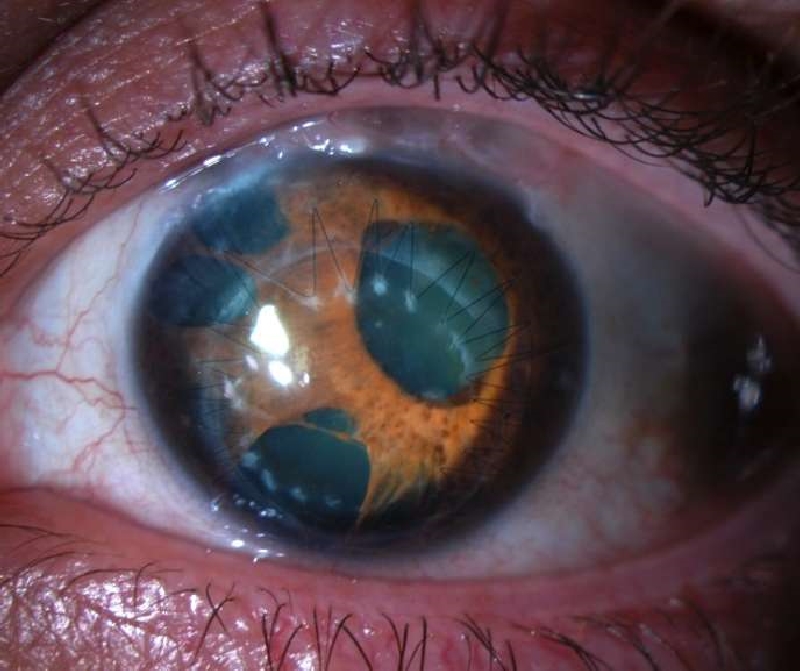
Mesmerizing Rare Eye Conditions Photo Art
Experience the crisp clarity of this stunning rare eye conditions image, available in high resolution for all your screens.
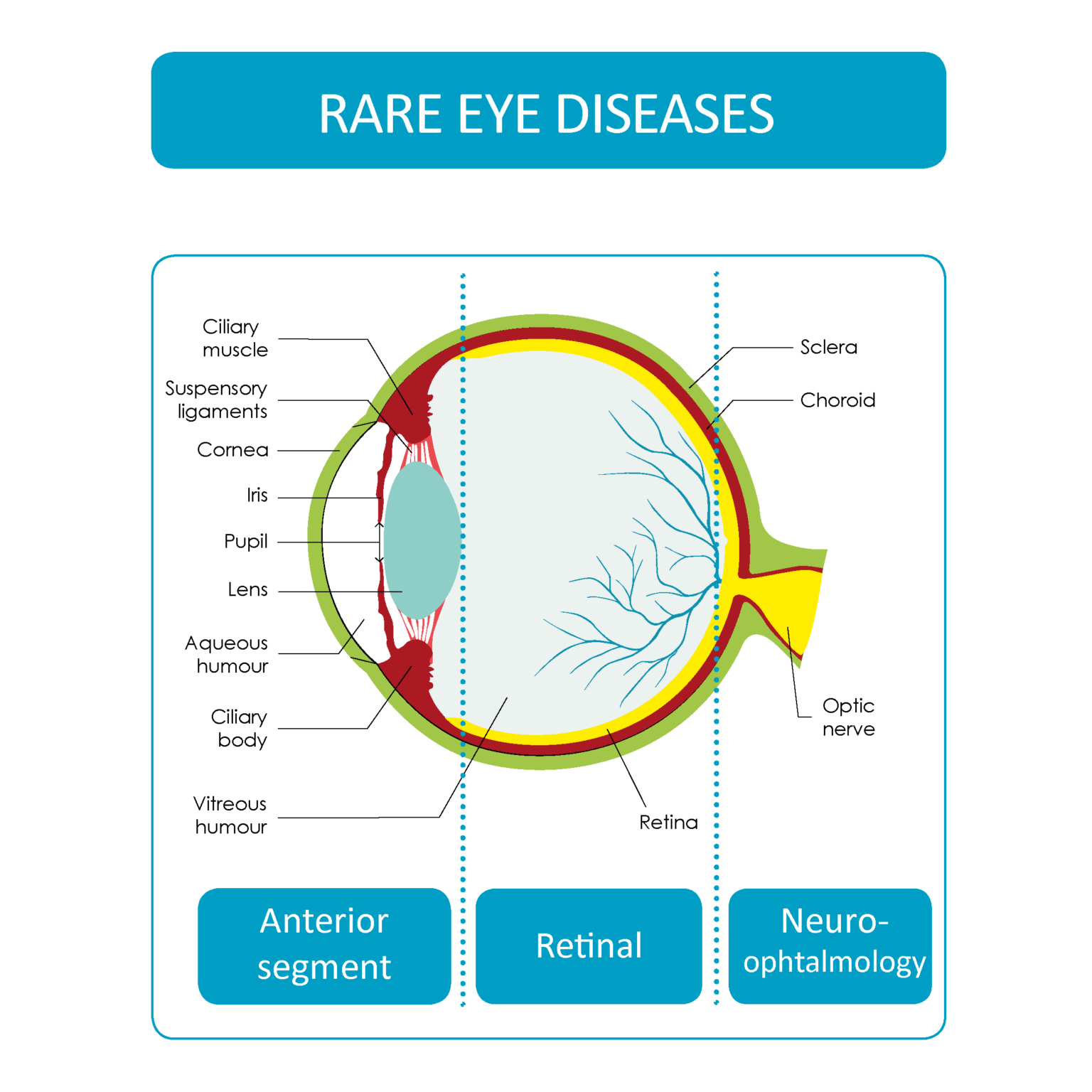
Exquisite Rare Eye Conditions Picture Illustration
A captivating rare eye conditions scene that brings tranquility and beauty to any device.

Lush Rare Eye Conditions Photo in HD
Find inspiration with this unique rare eye conditions illustration, crafted to provide a fresh look for your background.
Stunning Rare Eye Conditions Background Nature
This gorgeous rare eye conditions photo offers a breathtaking view, making it a perfect choice for your next wallpaper.

Vivid Rare Eye Conditions Picture Collection
Transform your screen with this vivid rare eye conditions artwork, a true masterpiece of digital design.

Breathtaking Rare Eye Conditions Landscape Concept
Discover an amazing rare eye conditions background image, ideal for personalizing your devices with vibrant colors and intricate designs.
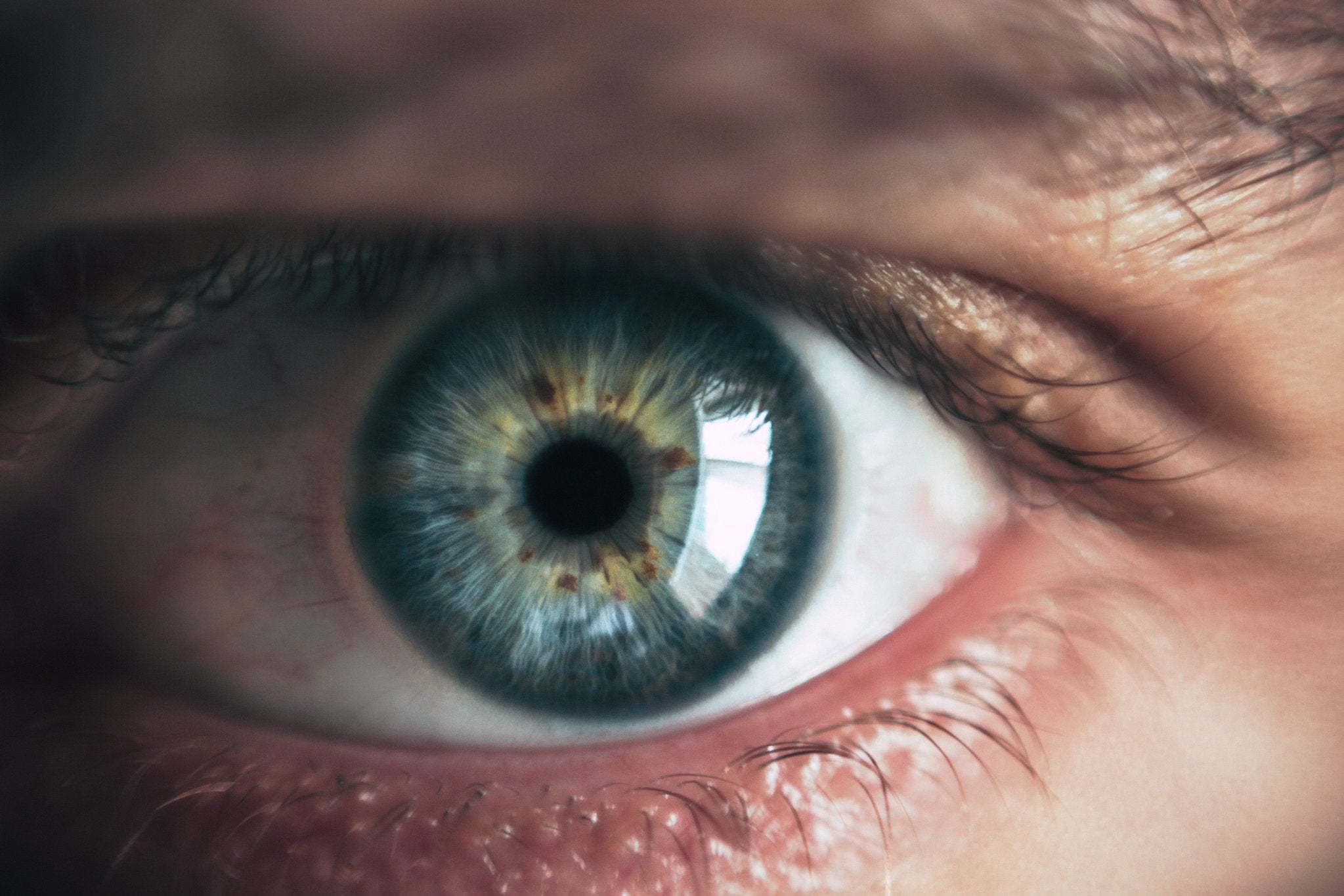
Dynamic Rare Eye Conditions Picture for Mobile
Find inspiration with this unique rare eye conditions illustration, crafted to provide a fresh look for your background.
Mesmerizing Rare Eye Conditions Capture for Desktop
Discover an amazing rare eye conditions background image, ideal for personalizing your devices with vibrant colors and intricate designs.
Vivid Rare Eye Conditions Moment Illustration
Experience the crisp clarity of this stunning rare eye conditions image, available in high resolution for all your screens.
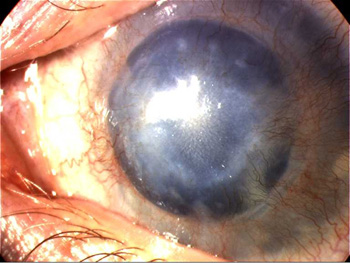
Exquisite Rare Eye Conditions Photo Art
This gorgeous rare eye conditions photo offers a breathtaking view, making it a perfect choice for your next wallpaper.
High-Quality Rare Eye Conditions Photo in HD
Experience the crisp clarity of this stunning rare eye conditions image, available in high resolution for all your screens.

Detailed Rare Eye Conditions Wallpaper Digital Art
Explore this high-quality rare eye conditions image, perfect for enhancing your desktop or mobile wallpaper.
Gorgeous Rare Eye Conditions Landscape in 4K
Find inspiration with this unique rare eye conditions illustration, crafted to provide a fresh look for your background.

Gorgeous Rare Eye Conditions Photo Concept
This gorgeous rare eye conditions photo offers a breathtaking view, making it a perfect choice for your next wallpaper.

Spectacular Rare Eye Conditions Abstract for Desktop
This gorgeous rare eye conditions photo offers a breathtaking view, making it a perfect choice for your next wallpaper.
Crisp Rare Eye Conditions Artwork Photography
Immerse yourself in the stunning details of this beautiful rare eye conditions wallpaper, designed for a captivating visual experience.

Gorgeous Rare Eye Conditions Abstract Nature
A captivating rare eye conditions scene that brings tranquility and beauty to any device.
Dynamic Rare Eye Conditions Photo for Mobile
Find inspiration with this unique rare eye conditions illustration, crafted to provide a fresh look for your background.

Amazing Rare Eye Conditions Abstract Art
Discover an amazing rare eye conditions background image, ideal for personalizing your devices with vibrant colors and intricate designs.
Download these rare eye conditions wallpapers for free and use them on your desktop or mobile devices.
0 Response to "Rare Eye Conditions"
Post a Comment