Weber Rib Eye Roast
Weber Rib Eye Roast: Your Ultimate Guide to Smoked Perfection
If you're looking to impress guests or simply treat yourself to a culinary masterpiece, few dishes rival the majesty of a perfectly cooked rib eye roast. But how do you take this classic cut of beef from good to legendary? The answer lies in mastering the technique on a Weber grill.
Cooking a full Weber Rib Eye Roast is not just about heat; it's about control, smoke, and achieving that sought-after crusty exterior and tender, juicy interior. This comprehensive guide will walk you through every step, ensuring your next roast is an absolute showstopper.
Why Choose the Weber for Your Rib Eye Roast?
The beauty of using a Weber kettle or smoker for your rib eye roast lies in its superior ability to maintain stable, low, and indirect heat. This allows the roast to cook slowly and evenly, rendering the fat perfectly and retaining maximum moisture. Furthermore, the sealed environment is ideal for infusing the beef with rich smoky flavors that gas ovens simply cannot replicate.
When you cook indirectly on a Weber, the heat circulates around the meat, treating it almost like a convection oven but with the added benefit of charcoal and wood smoke. This slow-roasting process is essential for breaking down the connective tissues, resulting in an incredibly tender final product.
Essential Equipment Checklist
Before diving into the cooking process, make sure you have all the necessary tools lined up. Preparation is key to a stress-free cooking experience, especially when dealing with a high-value cut like a rib eye.
Here's what you'll need for a successful Weber Rib Eye Roast:
- A quality Weber kettle grill (22-inch is ideal) or a Weber Smokey Mountain.
- A reliable, dual-probe digital thermometer. This is non-negotiable for accuracy.
- Charcoal briquettes or lump charcoal.
- Wood chunks (oak, cherry, or hickory are excellent choices for beef).
- Drip pan (aluminum foil pans work great).
- Tongs and heavy-duty heatproof gloves.
Prepping the Perfect Weber Rib Eye Roast
The preparation phase starts long before the grill is lit. To ensure the best results, always let your rib eye roast sit out at room temperature for at least two hours before cooking. This crucial step promotes even cooking from edge to edge.
A typical rib eye roast, often called a standing rib roast, usually weighs between 4 to 8 pounds. Ensure the roast is properly trimmed, but leave a generous fat cap intact—this is where much of the moisture and flavor comes from during the long cook.
The Best Seasoning Rubs
For a cut of meat this luxurious, simplicity often reigns supreme. You want the beef flavor to shine, complemented by the rub, not overwhelmed by it. Most experts agree that a heavy application of kosher salt and coarse black pepper is mandatory for creating a fantastic bark.
If you want to enhance the flavor further, consider adding powdered ingredients that will withstand the long smoking process without burning. Remember to apply a binder, like olive oil or mustard, to help the rub adhere properly.
Our favorite simple rub recipe includes:
- 1/2 cup Coarse Kosher Salt
- 1/4 cup Coarse Black Pepper
- 1 Tablespoon Granulated Garlic
- 1 Tablespoon Dried Rosemary (optional, but highly recommended)
- 1 Teaspoon Onion Powder
Tie it Up Like a Pro
While the butcher might have already done this, ensuring your roast is tightly tied with butcher's twine is essential for maintaining a uniform shape. A perfectly tied roast cooks evenly, ensuring the ends don't overcook while the center is still reaching temperature.
Tie the roast every 1.5 to 2 inches across its length. This simple step guarantees that every slice of your finished Weber Rib Eye Roast will look symmetrical and stunning.
Mastering the Cook: Temperature and Time
The secret to a great rib eye roast is a two-phase cooking process: low and slow, followed by a high-heat sear (reverse sear). This method is far superior to traditional roasting, especially on a Weber grill, because it guarantees a perfect internal temperature while creating a crunchy crust, known as the "bark."
Setting Up Your Weber Grill for Roasting
You must set up your Weber for indirect heat. If you are using a kettle, push the coals to both sides and place a drip pan directly in the center, underneath where the roast will sit. Fill the pan with a bit of water or stock to help regulate the humidity. This will prevent the outside of the roast from drying out.
Target a stable grill temperature between 225°F and 250°F (107°C – 121°C). Once the temperature is stable, add a few chunks of wood to the coals for smoking. Place the rib eye roast directly over the drip pan, insert your temperature probe into the deepest part of the meat (avoiding bone), and close the lid.
Achieving the Perfect Internal Temperature
Cooking time varies significantly based on the size of your roast and the consistency of your grill temperature. Generally, expect about 15-20 minutes per pound during the slow cook phase. However, rely only on internal temperature, never on time.
Here are the target internal temperatures for the "pull time" (when you remove it from the low heat) and the "final temperature" (after the high-heat sear and resting period):
| Doneness | Pull Temperature (Low Heat) | Final Serving Temperature |
|---|---|---|
| Rare | 115°F (46°C) | 125°F (52°C) |
| Medium Rare | 120°F (49°C) | 130°F (54°C) |
| Medium | 130°F (54°C) | 140°F (60°C) |
Once the roast hits your desired pull temperature, remove it immediately from the grill. Now, it's time for the reverse sear.
Increase the temperature of your Weber grill dramatically, aiming for 500°F (260°C) or higher. Place the roast back over the high heat (still indirect if possible, or direct if using a Kettle and searing quickly) for 5-10 minutes, rotating frequently until a deep, dark mahogany crust forms. This final sear is what makes a Weber Rib Eye Roast truly special.
The Crucial Resting Period and Slicing
Congratulations, the hard part is over! But patience is key for the final act. Never slice a roast immediately after taking it off the heat.
Resting allows the muscle fibers, which tightened during cooking, to relax and reabsorb the internal juices. If you skip this step, all those delicious juices will spill out onto your cutting board, resulting in dry meat.
Transfer the seared roast to a cutting board, tent it loosely with foil, and let it rest for a minimum of 20 to 30 minutes. The internal temperature will continue to rise by 5-10 degrees during this period—this is called "carryover cooking." After the rest, use a sharp carving knife to slice the roast against the grain, presenting thick, juicy pieces of perfectly smoked beef.
Conclusion
Mastering the Weber Rib Eye Roast is a journey of precision and patience, but the rewards are truly magnificent. By utilizing the indirect heat method of your Weber grill and focusing on internal temperature, you can consistently achieve a roast that boasts incredible smoke flavor, a crunchy exterior, and a perfectly cooked interior.
Remember the critical steps: temper the meat, apply a generous salt-and-pepper based rub, cook low and slow until just shy of your target temperature, sear hard for the crust, and most importantly, allow for a full rest. Follow this guide, and your next rib eye roast prepared on the Weber will undoubtedly be unforgettable.
Frequently Asked Questions (FAQ)
- What size Weber Rib Eye Roast should I buy?
- A good rule of thumb is to plan for about one pound of bone-in roast per two people, or half a pound of boneless roast per person. A standard 4 to 6-pound roast is perfect for a small gathering.
- Can I use a gas Weber grill for this technique?
- Yes, you can. Set up your gas grill for indirect heat (turn off the burners directly under the roast, keep the side burners on low). However, you will need a separate smoke box or foil packet filled with wood chips to achieve the necessary smoke flavor profile.
- How do I prevent the roast from drying out?
- The two main ways to prevent drying are maintaining a low and steady grill temperature (225°F-250°F) and placing a drip pan with water or stock under the roast. This introduces moisture into the cooking environment, protecting the meat.
- Is a reverse sear mandatory for the Weber Rib Eye Roast?
- While not strictly mandatory, the reverse sear method (low heat first, then high heat) is highly recommended. It guarantees that the center is perfectly cooked edge-to-edge while achieving the desirable, savory crust that traditional roasting often misses.
Weber Rib Eye Roast
Weber Rib Eye Roast Wallpapers
Collection of weber rib eye roast wallpapers for your desktop and mobile devices.
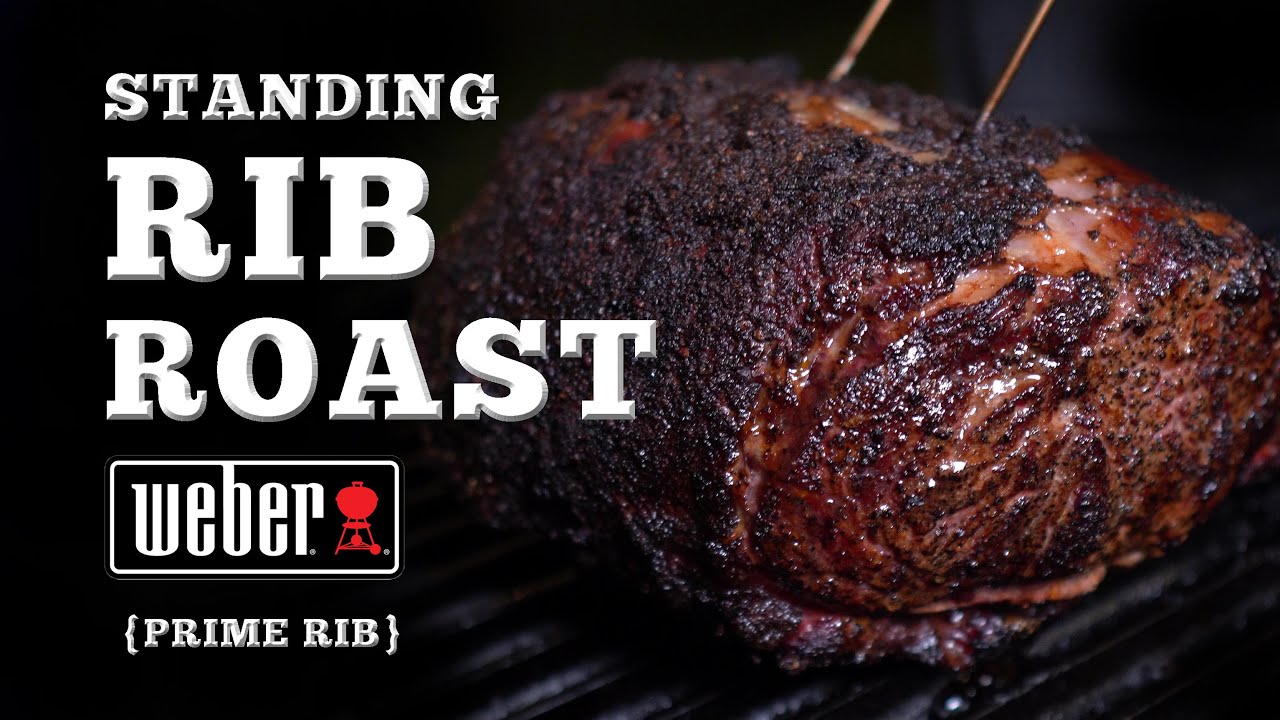
Detailed Weber Rib Eye Roast Artwork Concept
Transform your screen with this vivid weber rib eye roast artwork, a true masterpiece of digital design.

Lush Weber Rib Eye Roast Abstract Art
Find inspiration with this unique weber rib eye roast illustration, crafted to provide a fresh look for your background.
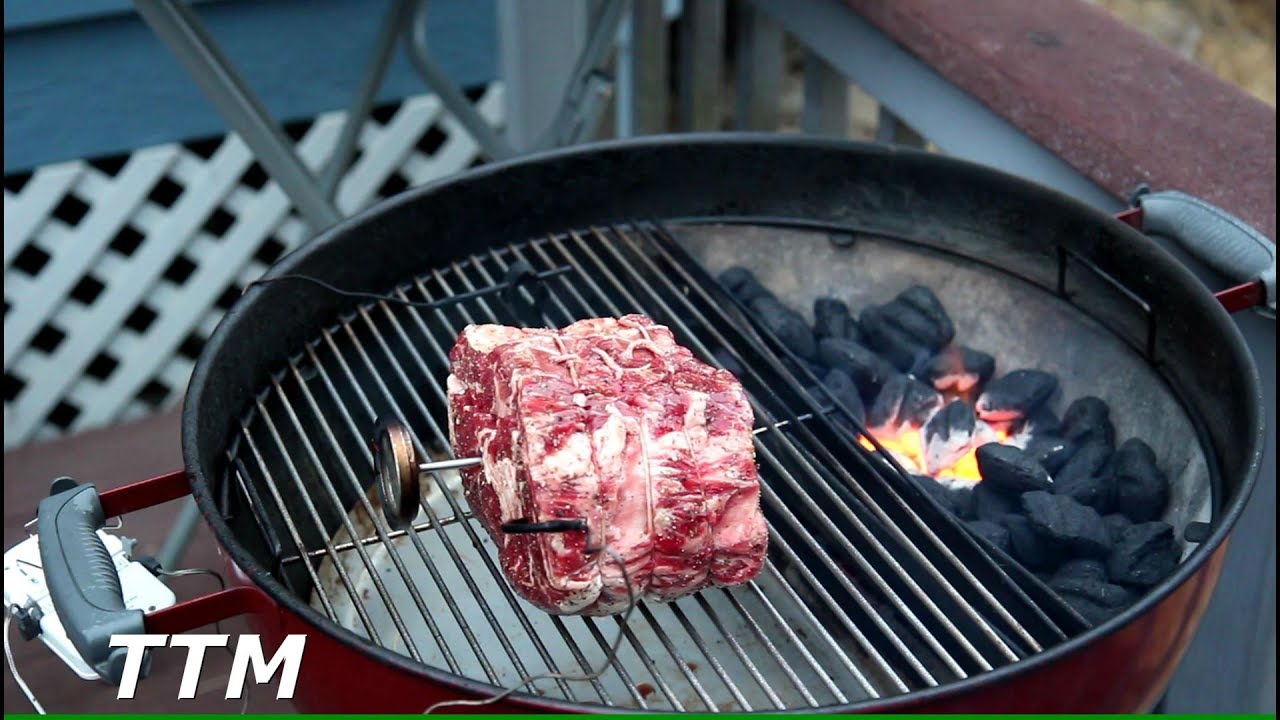
Mesmerizing Weber Rib Eye Roast Design for Desktop
Discover an amazing weber rib eye roast background image, ideal for personalizing your devices with vibrant colors and intricate designs.
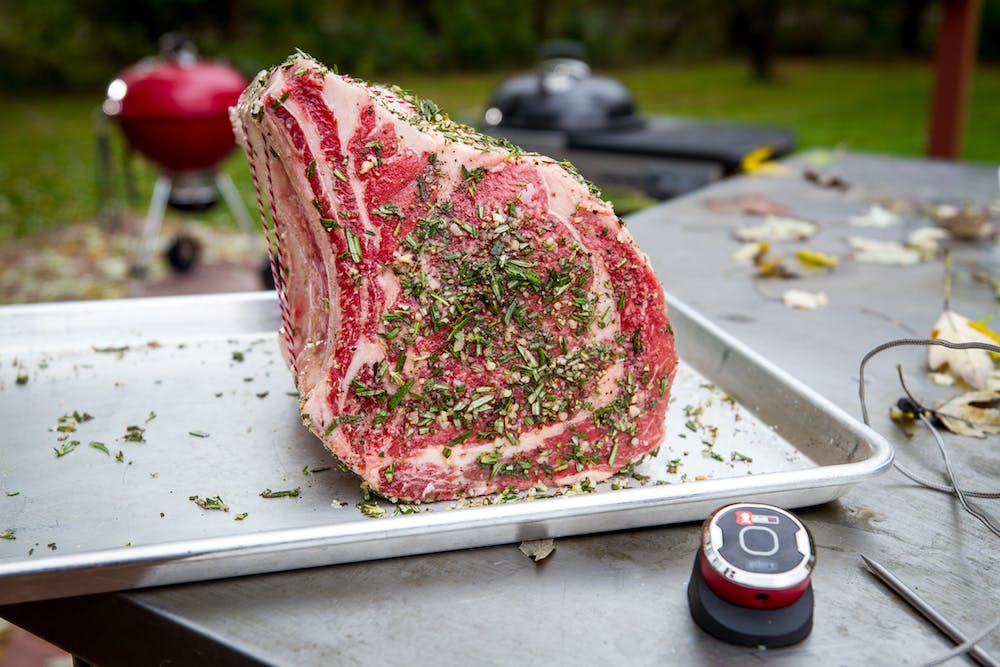
Spectacular Weber Rib Eye Roast Picture Illustration
Immerse yourself in the stunning details of this beautiful weber rib eye roast wallpaper, designed for a captivating visual experience.

High-Quality Weber Rib Eye Roast Wallpaper Photography
Explore this high-quality weber rib eye roast image, perfect for enhancing your desktop or mobile wallpaper.
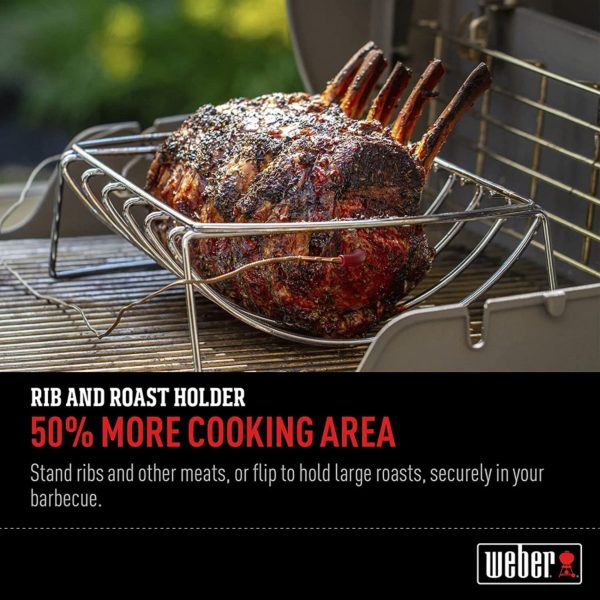
Dynamic Weber Rib Eye Roast Design Collection
A captivating weber rib eye roast scene that brings tranquility and beauty to any device.

Vibrant Weber Rib Eye Roast Landscape for Your Screen
Discover an amazing weber rib eye roast background image, ideal for personalizing your devices with vibrant colors and intricate designs.

Exquisite Weber Rib Eye Roast Background Art
A captivating weber rib eye roast scene that brings tranquility and beauty to any device.
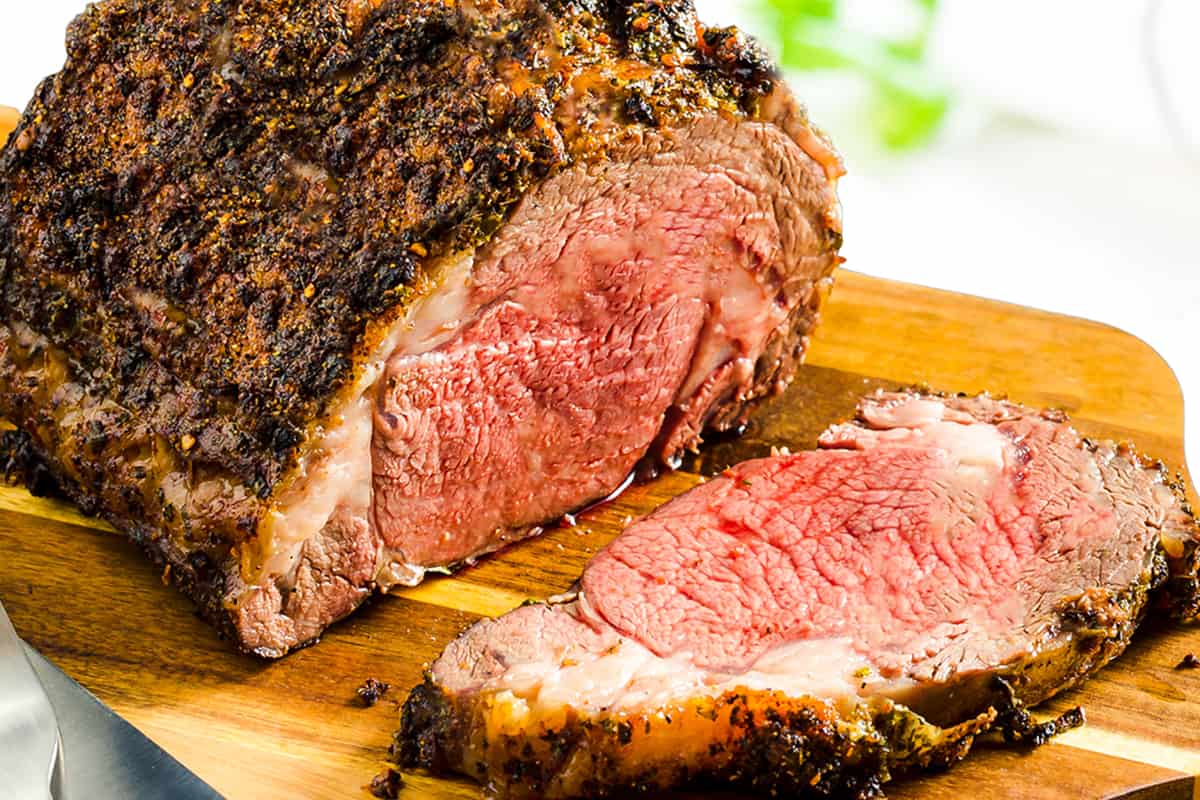
Dynamic Weber Rib Eye Roast Background in HD
Find inspiration with this unique weber rib eye roast illustration, crafted to provide a fresh look for your background.
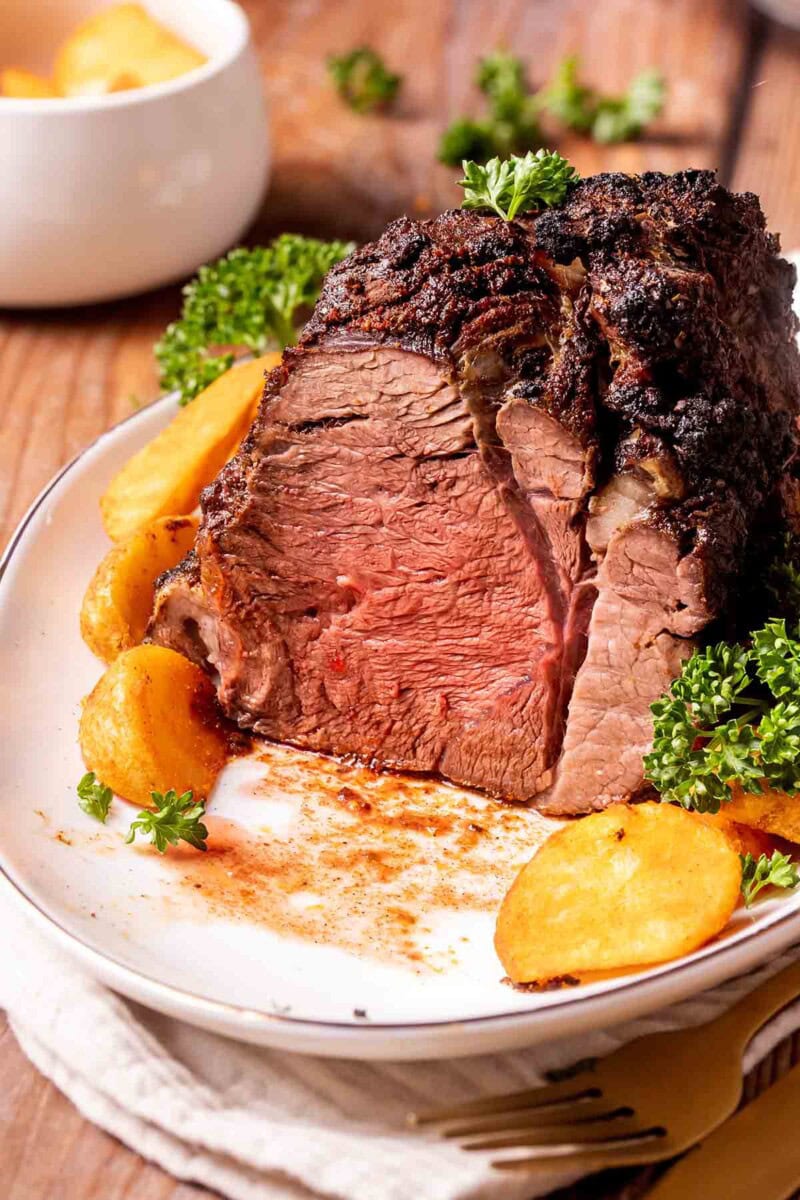
Beautiful Weber Rib Eye Roast Wallpaper Nature
Discover an amazing weber rib eye roast background image, ideal for personalizing your devices with vibrant colors and intricate designs.
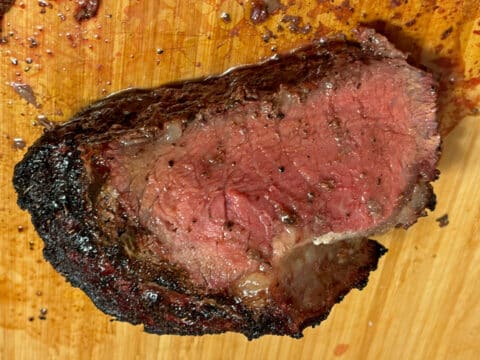
Mesmerizing Weber Rib Eye Roast Scene Photography
Experience the crisp clarity of this stunning weber rib eye roast image, available in high resolution for all your screens.
:max_bytes(150000):strip_icc()/rib-eye-roast-recipe-3058676-hero-01-2302304fd0e746a09d284c81df3da6a8.jpg "Vivid Weber Rib Eye Roast Landscape Art")
Vivid Weber Rib Eye Roast Landscape Art
Experience the crisp clarity of this stunning weber rib eye roast image, available in high resolution for all your screens.
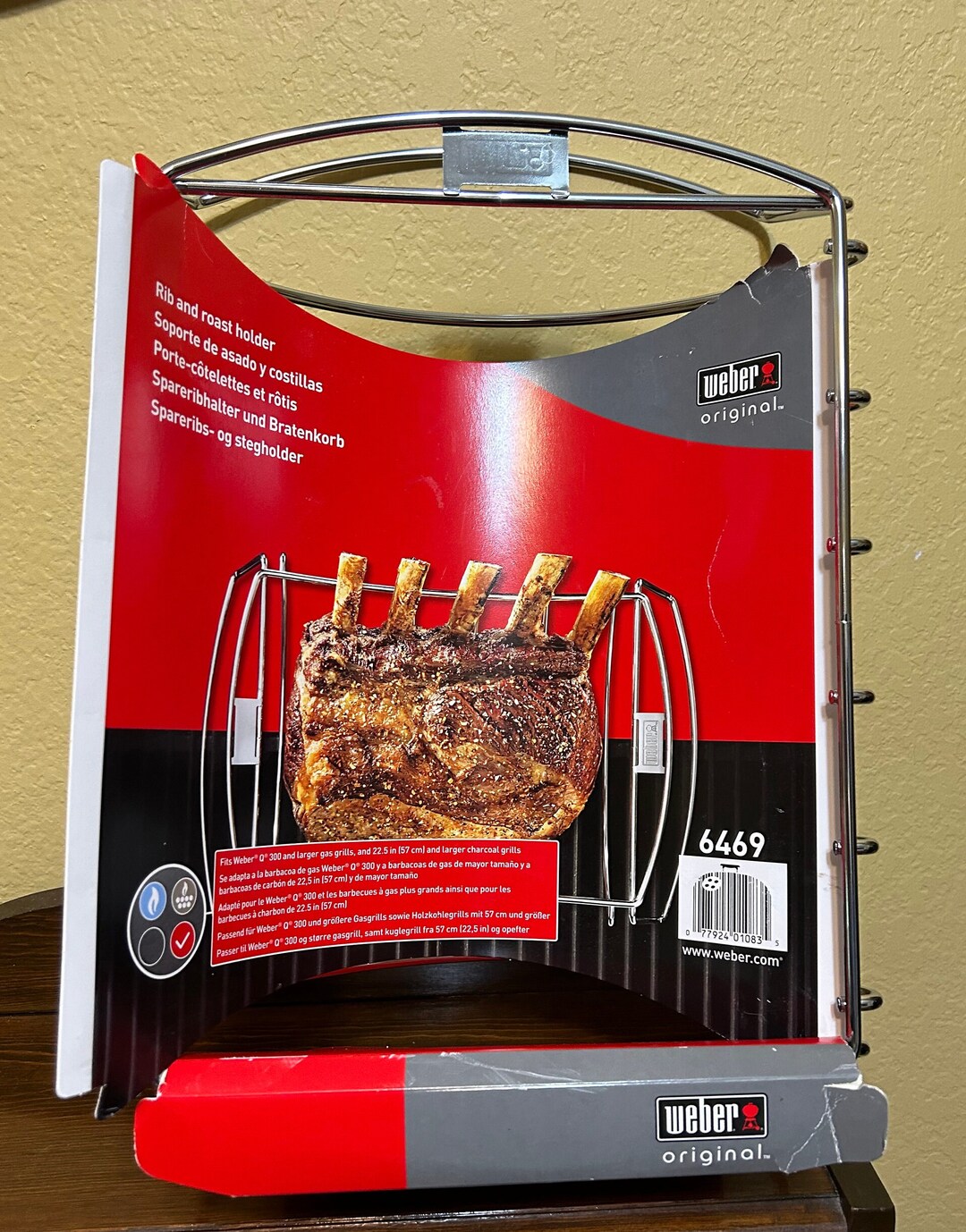
Crisp Weber Rib Eye Roast Landscape in 4K
A captivating weber rib eye roast scene that brings tranquility and beauty to any device.
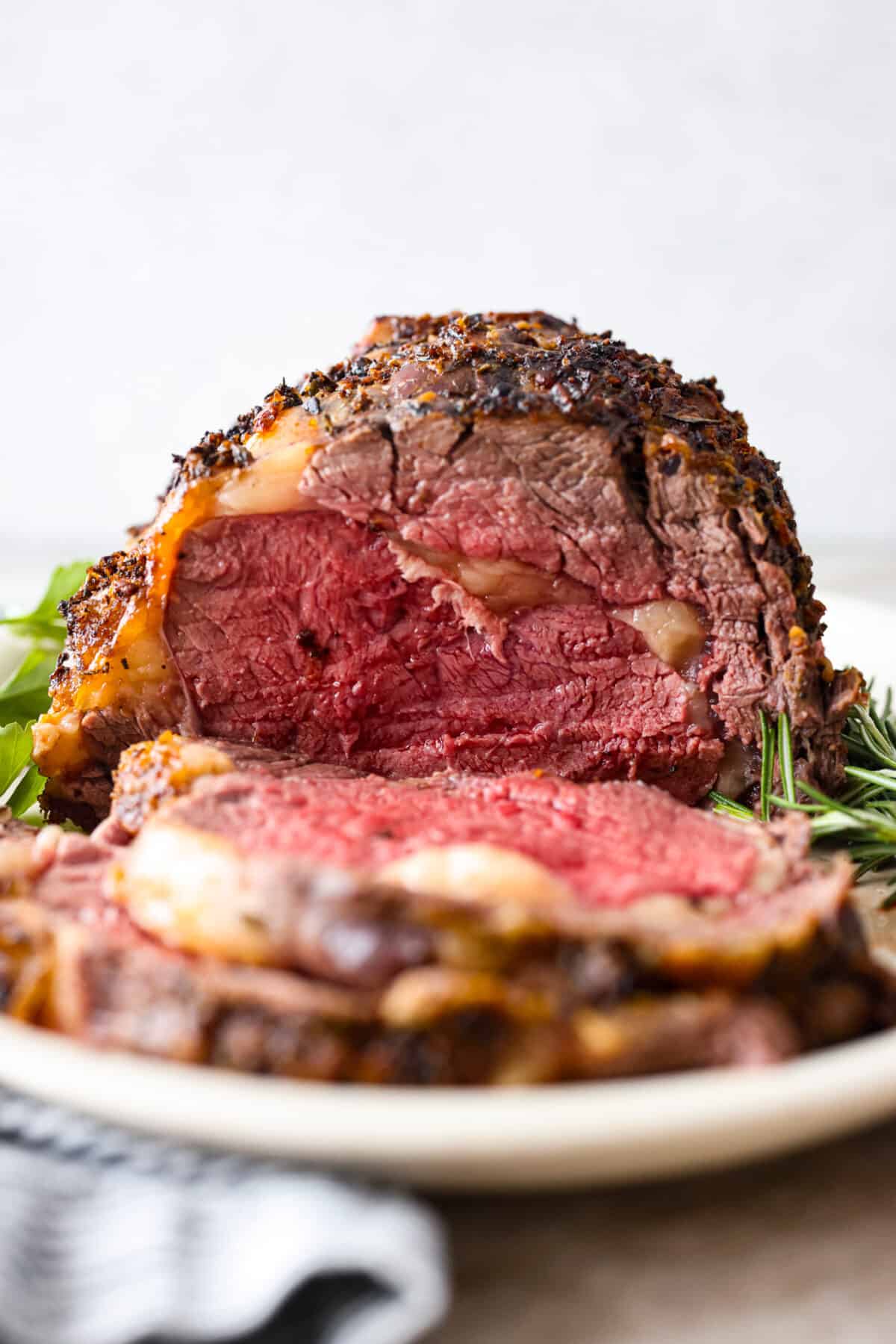
Beautiful Weber Rib Eye Roast Artwork Photography
Transform your screen with this vivid weber rib eye roast artwork, a true masterpiece of digital design.
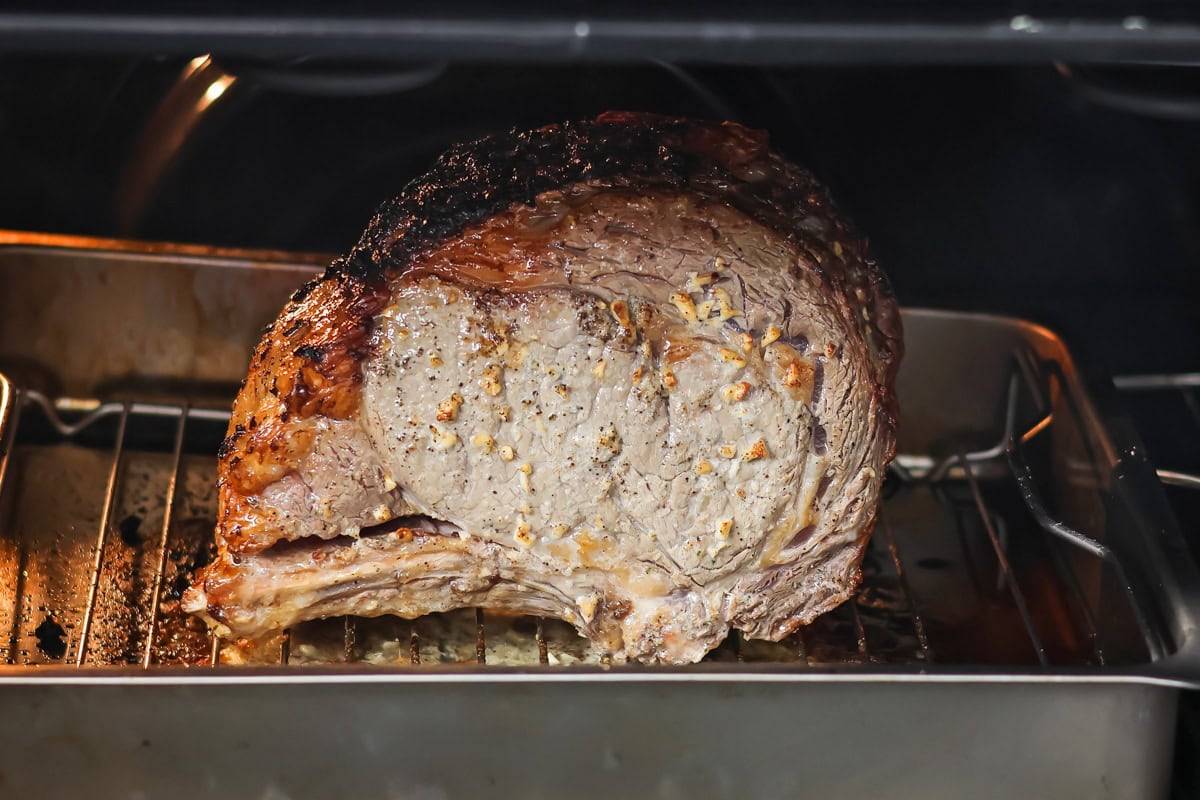
Gorgeous Weber Rib Eye Roast Abstract Nature
Find inspiration with this unique weber rib eye roast illustration, crafted to provide a fresh look for your background.

High-Quality Weber Rib Eye Roast Wallpaper Art
Transform your screen with this vivid weber rib eye roast artwork, a true masterpiece of digital design.

Artistic Weber Rib Eye Roast Capture Nature
Find inspiration with this unique weber rib eye roast illustration, crafted to provide a fresh look for your background.

Detailed Weber Rib Eye Roast Landscape in 4K
Transform your screen with this vivid weber rib eye roast artwork, a true masterpiece of digital design.

Lush Weber Rib Eye Roast Background for Desktop
Immerse yourself in the stunning details of this beautiful weber rib eye roast wallpaper, designed for a captivating visual experience.

Captivating Weber Rib Eye Roast Image for Mobile
This gorgeous weber rib eye roast photo offers a breathtaking view, making it a perfect choice for your next wallpaper.
Download these weber rib eye roast wallpapers for free and use them on your desktop or mobile devices.
0 Response to "Weber Rib Eye Roast"
Post a Comment