What Are Eye Doctors
What Are Eye Doctors? The Ultimate Guide to Understanding Vision Specialists
If you've ever needed a new pair of glasses or experienced sudden eye pain, you've probably asked yourself: "What are eye doctors, exactly?" The term "eye doctor" can be confusing because it's a blanket statement covering several distinct professions, each with different training, roles, and specialties. Understanding the differences is crucial to ensuring you get the right care when you need it most.
The world of vision care is generally divided into three main categories: Ophthalmologists, Optometrists, and Opticians. While all three are essential for maintaining your eye health, their scopes of practice are vastly different. We're here to break down these roles so you know exactly who to call for your next eye concern.
Let's dive into who these professionals are and what specialized services they provide. Knowing which specialist handles which task will save you time and potentially preserve your vision.
Understanding the Three Main Types of Eye Doctors
When people ask, "What are eye doctors?" they usually think of the person who checks their vision for a prescription. However, that's just one piece of the puzzle. Depending on your health needs—whether you require surgery, routine checkups, or just new frames—you'll need to visit a specific type of professional.
Ophthalmologists: The Eye Surgeons
Ophthalmologists are the most medically comprehensive of all eye specialists. They are Medical Doctors (MD) or Doctors of Osteopathic Medicine (DO) who have completed college, at least four years of medical school, and several years of residency training focusing specifically on the eyes. This rigorous background allows them to perform complex medical procedures.
They are fully licensed to practice medicine and surgery. If you have a serious eye disease like glaucoma, cataracts, or need corrective surgery, an Ophthalmologist is the professional you need. They also specialize in treating severe ocular trauma and administering systemic medications that affect the eyes.
Key services provided by Ophthalmologists include:
- Performing eye surgery (e.g., cataract surgery, LASIK).
- Diagnosing and treating advanced eye diseases and complex conditions.
- Conducting comprehensive eye exams.
- Prescribing glasses, contact lenses, and medications.
Optometrists: Primary Eye Care Providers
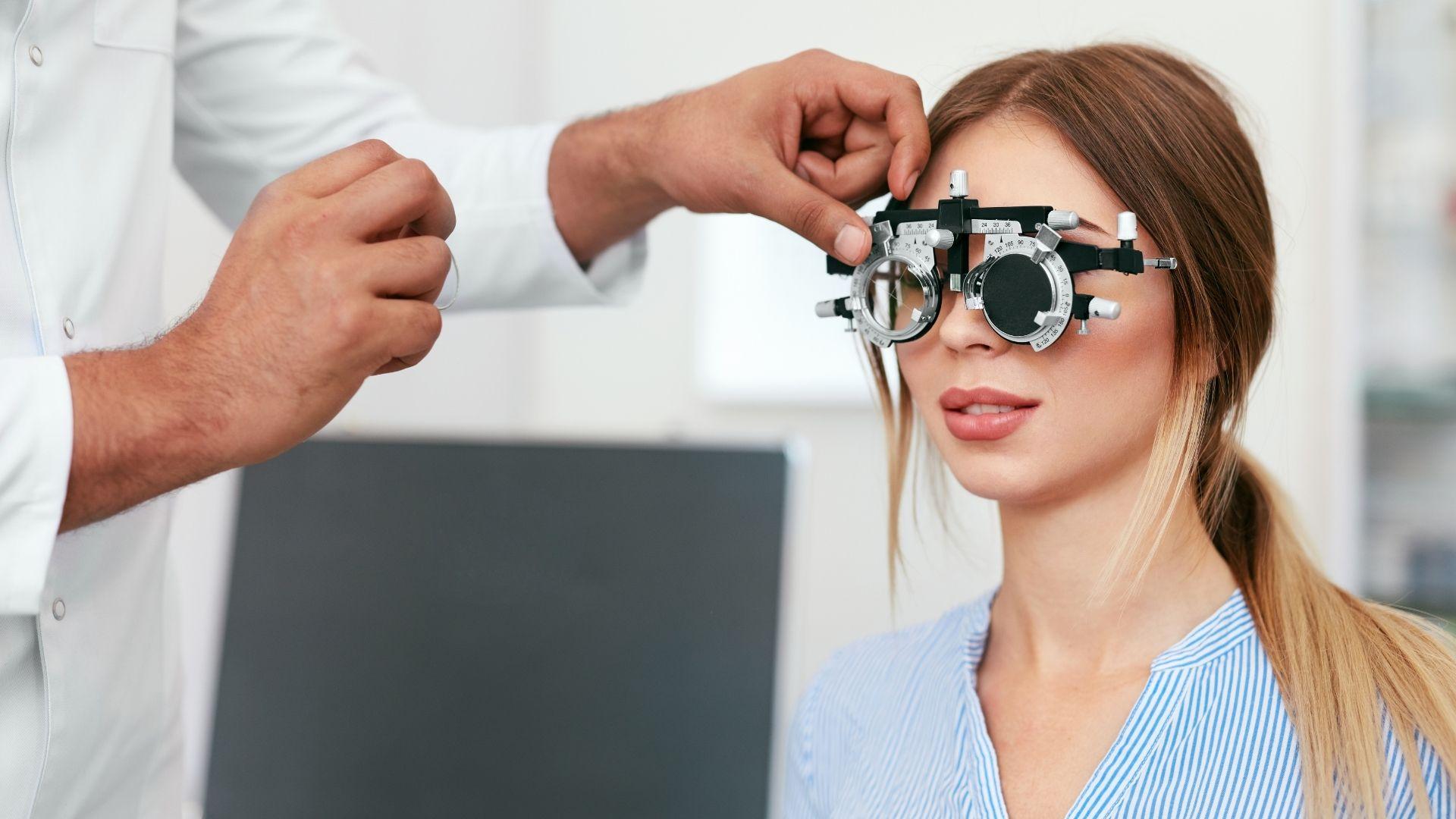
Optometrists are often the first point of contact for routine eye care. They hold a Doctor of Optometry (OD) degree, which requires extensive post-graduate education but does not involve medical school. They are non-surgical specialists, focusing primarily on vision correction and the general health of the eyes.
If you just need a standard vision check, an Optometrist is the perfect choice. They are highly skilled in diagnosing vision problems like nearsightedness or farsightedness, and prescribing appropriate corrective lenses. They can also treat minor eye infections or foreign body removal, and often manage chronic conditions like dry eye.
Optometrists play a crucial role in preventative care. During a routine exam, they can identify early signs of serious diseases, like glaucoma or diabetic retinopathy, and then refer you to an Ophthalmologist for specialized medical treatment or surgery.
Opticians: The Eyewear Specialists
Unlike the other two roles, Opticians are not doctors. They do not diagnose or treat eye conditions, nor do they perform eye examinations. Their expertise lies in the technical aspects of vision correction—specifically, fitting and dispensing eyewear.
Once an Optometrist or Ophthalmologist writes you a prescription, the Optician takes over. They are responsible for accurately measuring, selecting, fitting, and adjusting glasses and contact lenses. They ensure that the frames fit comfortably and that the lenses are ground correctly to meet the prescription specifications.
In short, Opticians are vital for ensuring your corrective lenses work perfectly, translating the doctor's medical recommendations into a physical product you can use daily.
When Should You See an Eye Doctor?
Many people delay seeing an eye specialist until they experience an urgent problem. However, routine preventative care is the cornerstone of good vision health. Knowing when and why to book an appointment is essential, regardless of whether you currently wear glasses.
Routine Eye Exams: A Must-Do
For most healthy adults, an annual or biennial comprehensive eye exam with an Optometrist is sufficient. These routine visits not only check for changes in your vision prescription but also screen for common, symptomless eye diseases.
Remember that the eye is a window into your overall health. During an eye exam, your doctor can detect signs of systemic conditions like diabetes, high blood pressure, and even certain neurological issues, long before they manifest elsewhere in the body. If you have known health risks, your doctor may recommend more frequent checkups.
Recognizing Warning Signs
If you experience any of the following symptoms, you should seek immediate attention from an eye doctor—most likely an Optometrist initially, who will refer you if necessary, or an Ophthalmologist if the situation is clearly a medical emergency:
- Sudden loss of vision in one or both eyes.
- Persistent pain, redness, or discharge.
- Seeing flashes of light or new floaters (small spots or lines that drift across your vision).
- Double vision (diplopia).
- Changes in peripheral vision.
These symptoms could indicate serious underlying conditions that require swift medical intervention, such as retinal detachment or severe infection.
The Difference in Training and Scope of Practice
The distinction between the different types of eye doctors often boils down to their educational background and legal scope of practice. This is the clearest way to define what are eye doctors in their respective roles.
Education Pathways
The amount of time and type of training dictate the services each specialist can provide. An Ophthalmologist spends 12–13 years on post-secondary education and training, including rigorous surgical residency.
An Optometrist completes 4 years of undergraduate work plus 4 years of specialized Optometry school, earning the O.D. degree. While they are highly trained in ocular anatomy and diagnosis, their practice focuses on non-surgical treatment and correction.
Opticians typically require vocational training, an associate's degree, or certification, depending on the state or country, focusing purely on mechanics and fitting, not medical diagnosis.
Conclusion: Knowing What Are Eye Doctors is Key
Understanding what are eye doctors and their various roles ensures you get the right care at the right time. For preventative care, routine exams, and new prescriptions, an Optometrist (O.D.) is your go-to. If you need complex medical treatment, surgery, or are dealing with a severe, chronic disease, an Ophthalmologist (M.D./D.O.) is necessary.
The Optician then steps in to ensure your glasses or contacts are perfectly fitted to your needs. Together, these three professionals form the comprehensive team dedicated to safeguarding your precious sight. Don't wait for an emergency; schedule your routine eye exam today to maintain optimal eye health!
Frequently Asked Questions About Eye Doctors (FAQ)
- What is the difference between an eye exam from an Optometrist and an Ophthalmologist?
- Both perform comprehensive eye exams. However, an Optometrist focuses on vision testing and common primary eye diseases. An Ophthalmologist often handles more complex, specialized, and surgical assessments, especially if you have an advanced medical condition.
- Can an Optometrist treat serious eye infections?
- Yes, in most regions, Optometrists are licensed to prescribe medications, including antibiotics and antiviral drops, to treat common eye infections like conjunctivitis (pink eye). For very serious or systemic infections, they will refer you to an Ophthalmologist.
- Do I need a referral to see an Ophthalmologist?
- It depends on your insurance plan and the reason for the visit. For routine care or minor issues, you often don't need a referral to see an Optometrist. However, for specialized care or surgery with an Ophthalmologist, your insurance or the Optometrist themselves may require a formal referral.
- If I have 20/20 vision, do I still need to see an eye doctor?
- Absolutely. 20/20 vision only indicates clarity of sight, not overall eye health. Many serious eye diseases, like glaucoma or macular degeneration, have no noticeable symptoms in the early stages. Routine exams check the health of the internal eye structures, making them essential even with perfect vision.
- Can Opticians adjust my existing glasses?
- Yes, adjusting and fitting glasses is the primary function of an Optician. They are experts in ensuring your frames are comfortable, aligned correctly, and that the lenses are positioned perfectly relative to your eyes.
What Are Eye Doctors
What Are Eye Doctors Wallpapers
Collection of what are eye doctors wallpapers for your desktop and mobile devices.

Captivating What Are Eye Doctors Capture Concept
Immerse yourself in the stunning details of this beautiful what are eye doctors wallpaper, designed for a captivating visual experience.
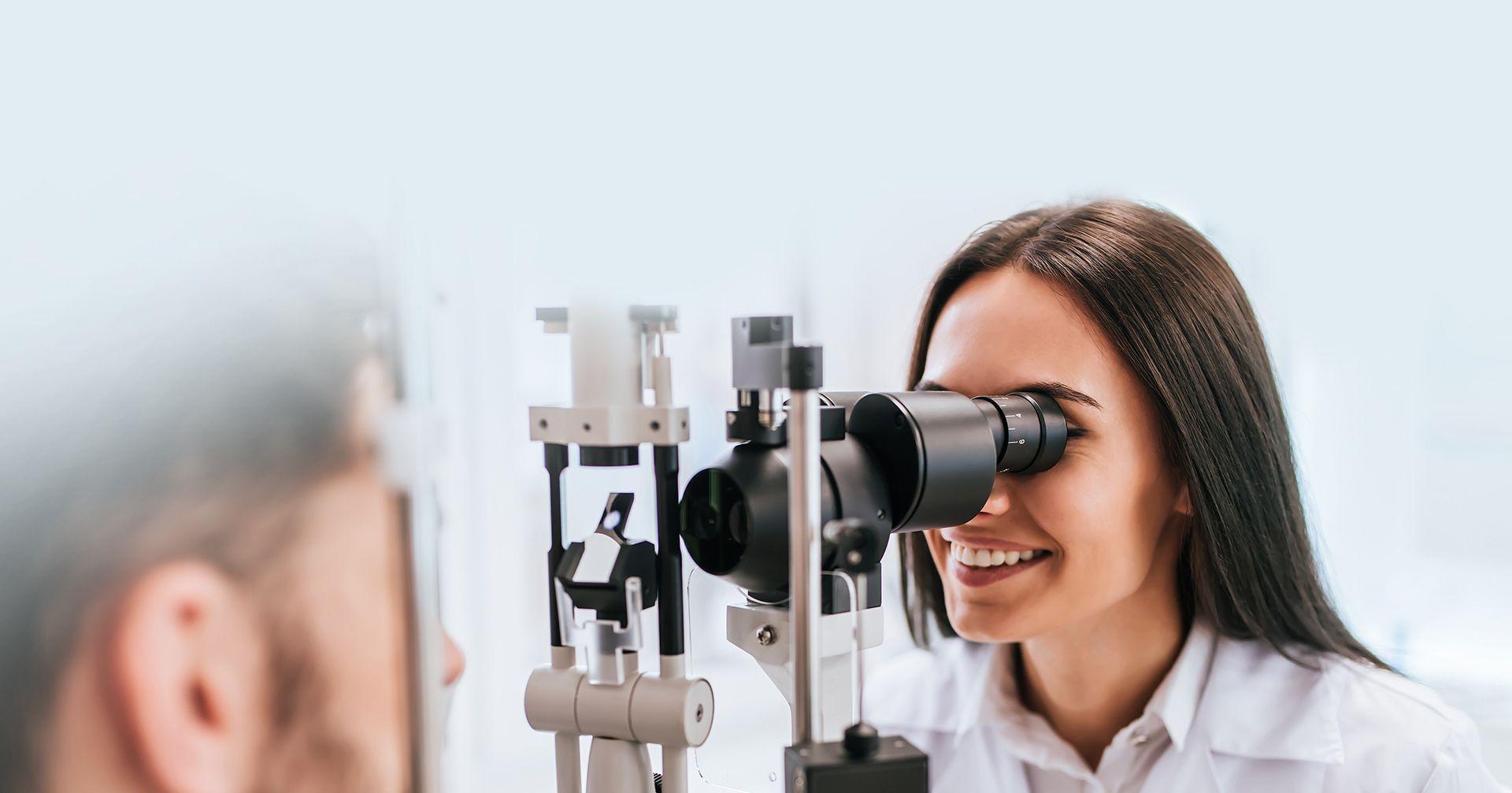
Gorgeous What Are Eye Doctors Picture Digital Art
A captivating what are eye doctors scene that brings tranquility and beauty to any device.
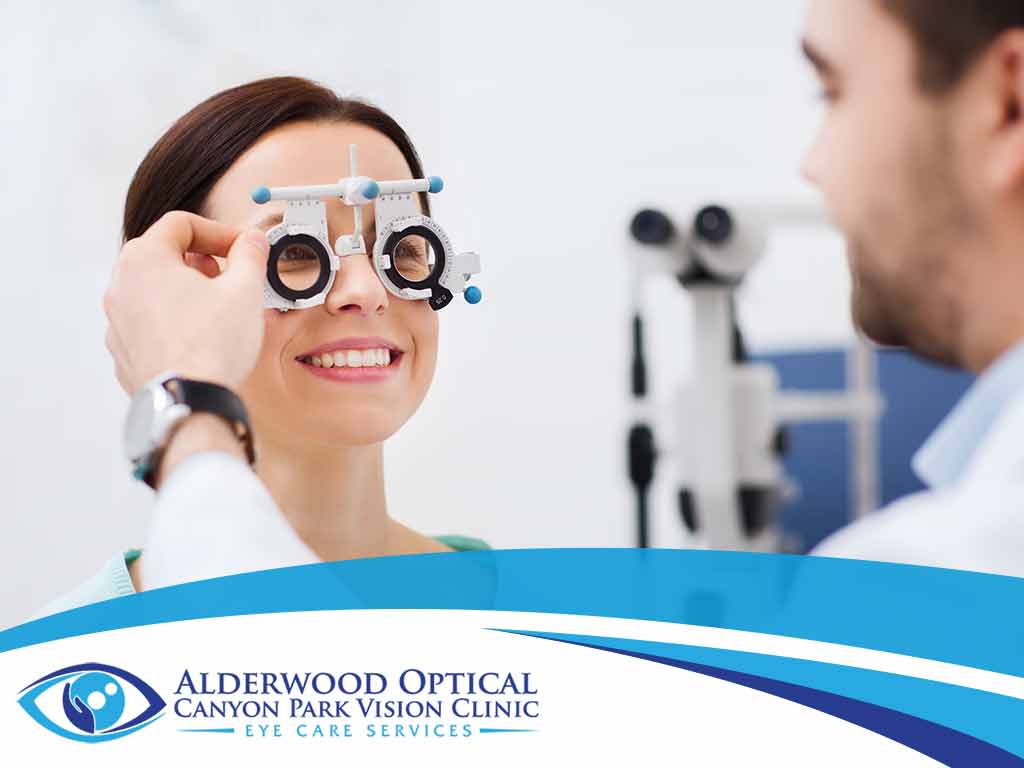
Mesmerizing What Are Eye Doctors Abstract Illustration
Experience the crisp clarity of this stunning what are eye doctors image, available in high resolution for all your screens.
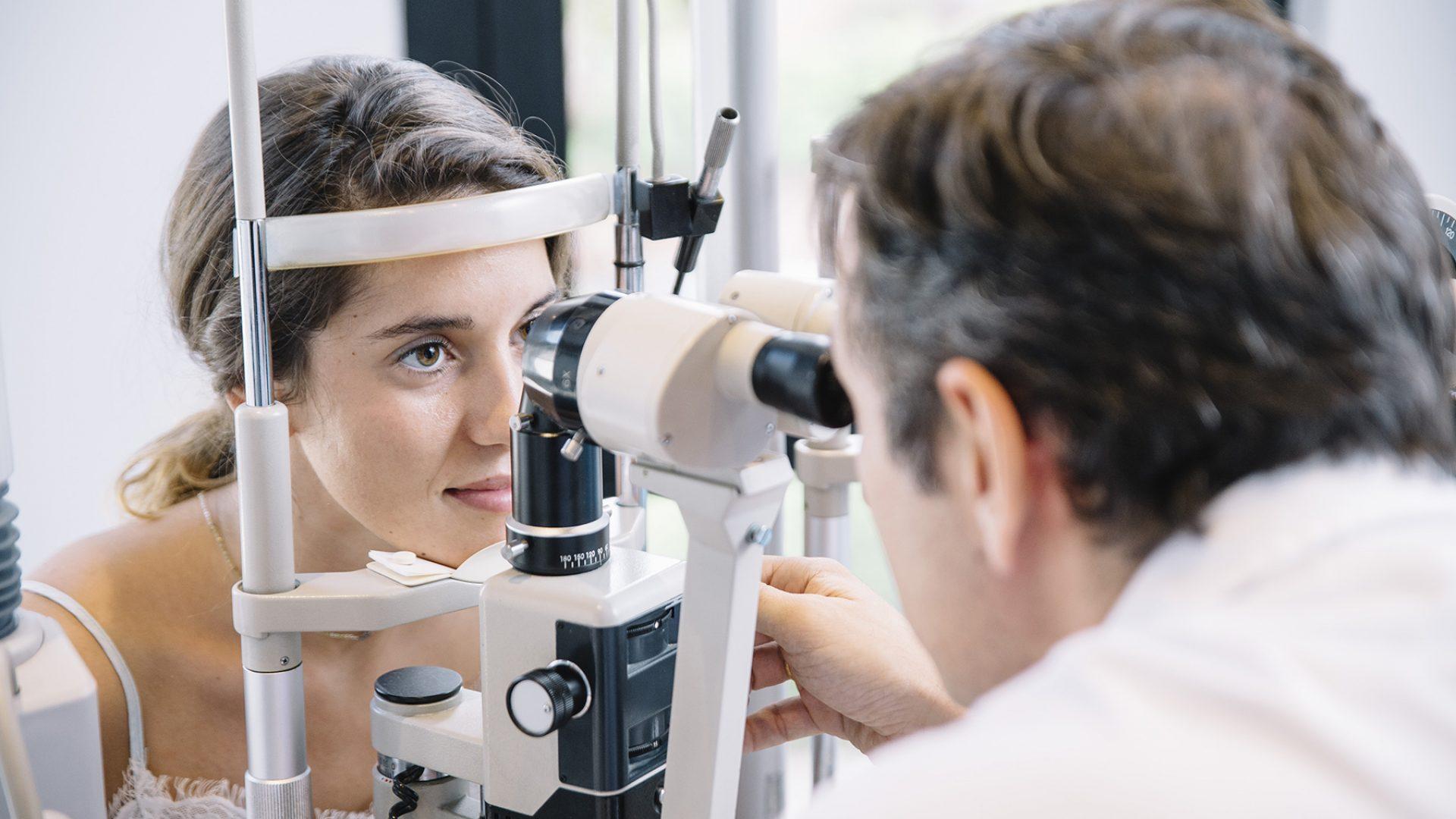
Detailed What Are Eye Doctors Scene Nature
Experience the crisp clarity of this stunning what are eye doctors image, available in high resolution for all your screens.
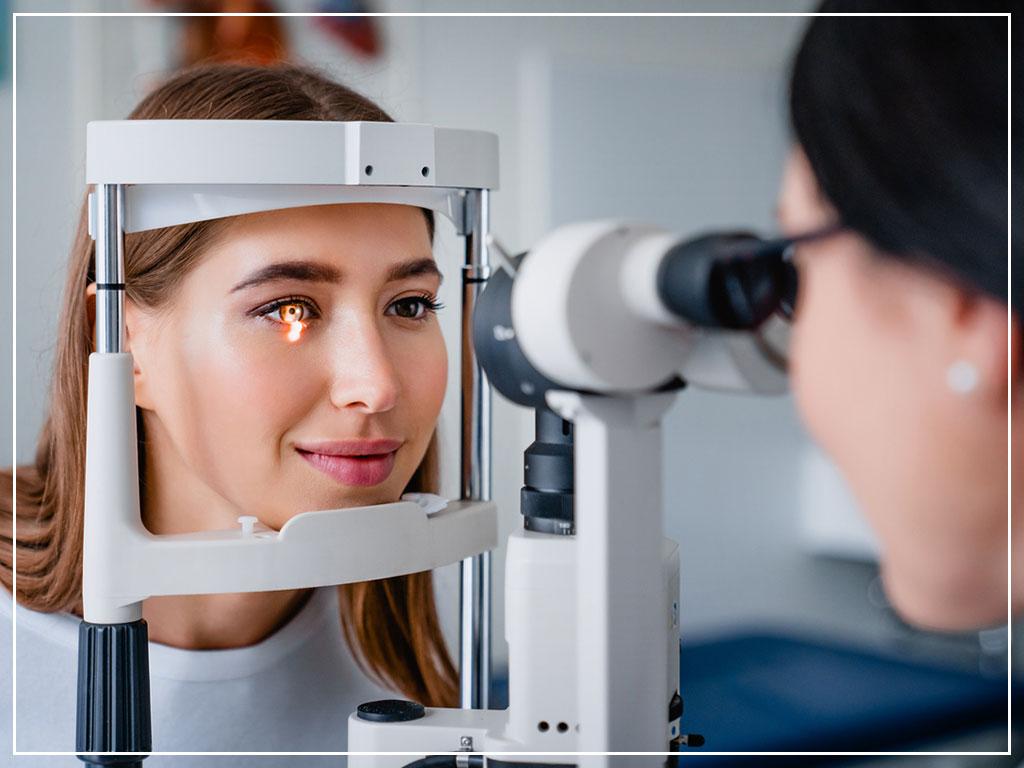
Breathtaking What Are Eye Doctors Capture Concept
Discover an amazing what are eye doctors background image, ideal for personalizing your devices with vibrant colors and intricate designs.

Vibrant What Are Eye Doctors Scene Concept
Explore this high-quality what are eye doctors image, perfect for enhancing your desktop or mobile wallpaper.
Lush What Are Eye Doctors Photo Art
This gorgeous what are eye doctors photo offers a breathtaking view, making it a perfect choice for your next wallpaper.
Crisp What Are Eye Doctors Abstract for Mobile
Immerse yourself in the stunning details of this beautiful what are eye doctors wallpaper, designed for a captivating visual experience.

Vibrant What Are Eye Doctors Abstract Photography
Transform your screen with this vivid what are eye doctors artwork, a true masterpiece of digital design.
Beautiful What Are Eye Doctors Abstract for Mobile
Explore this high-quality what are eye doctors image, perfect for enhancing your desktop or mobile wallpaper.

Serene What Are Eye Doctors Artwork for Mobile
Experience the crisp clarity of this stunning what are eye doctors image, available in high resolution for all your screens.
Detailed What Are Eye Doctors Scene Concept
Discover an amazing what are eye doctors background image, ideal for personalizing your devices with vibrant colors and intricate designs.

Breathtaking What Are Eye Doctors Scene Nature
Transform your screen with this vivid what are eye doctors artwork, a true masterpiece of digital design.
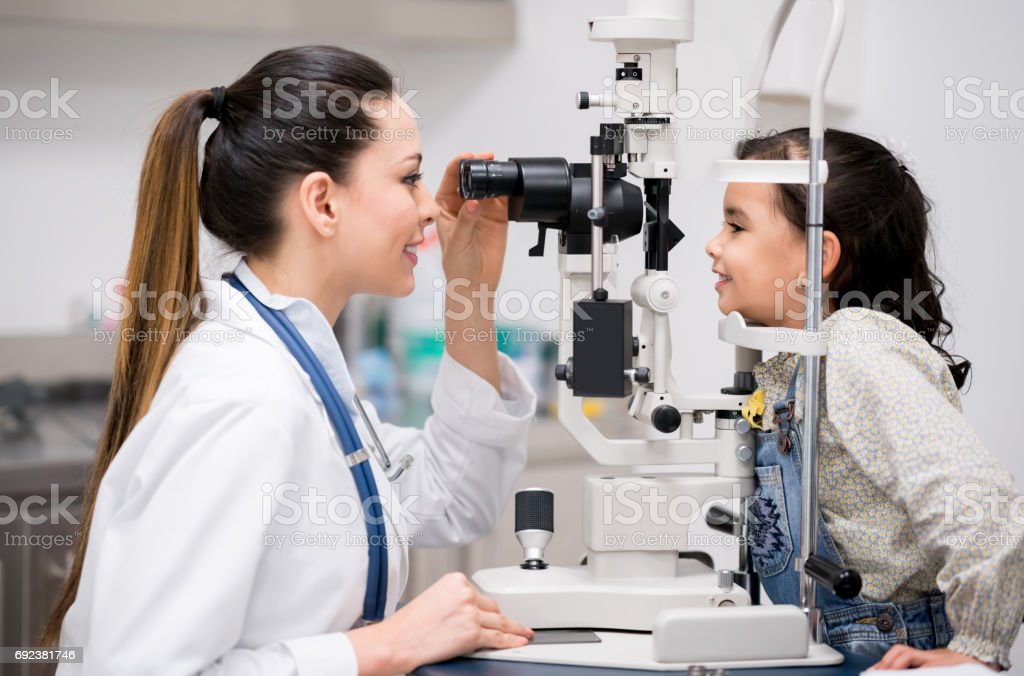
Dynamic What Are Eye Doctors Capture Concept
Find inspiration with this unique what are eye doctors illustration, crafted to provide a fresh look for your background.
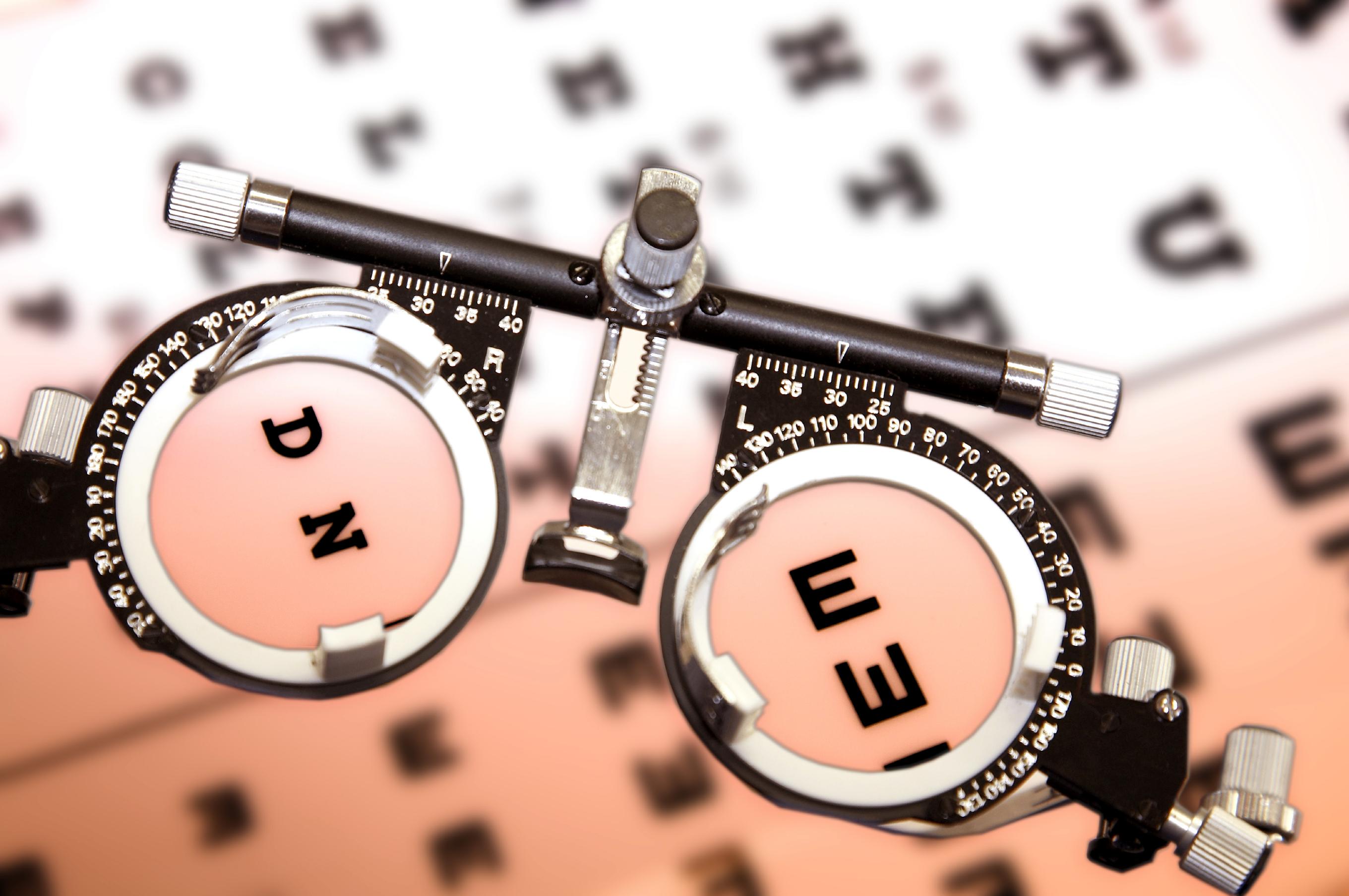
Serene What Are Eye Doctors Picture Digital Art
Experience the crisp clarity of this stunning what are eye doctors image, available in high resolution for all your screens.

Stunning What Are Eye Doctors Picture Nature
This gorgeous what are eye doctors photo offers a breathtaking view, making it a perfect choice for your next wallpaper.
Breathtaking What Are Eye Doctors View Concept
Experience the crisp clarity of this stunning what are eye doctors image, available in high resolution for all your screens.
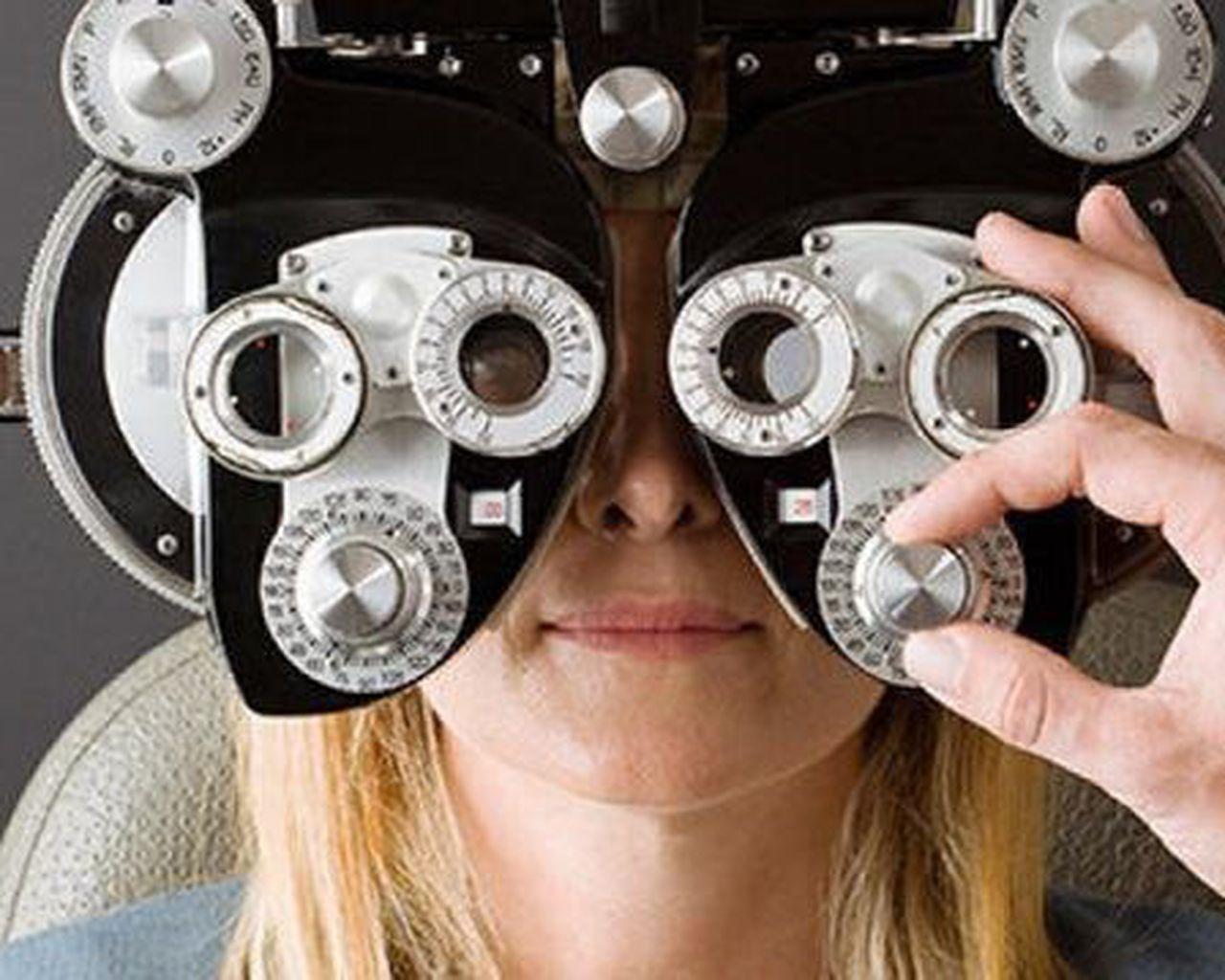
Breathtaking What Are Eye Doctors View in HD
Experience the crisp clarity of this stunning what are eye doctors image, available in high resolution for all your screens.
Serene What Are Eye Doctors Abstract for Mobile
Discover an amazing what are eye doctors background image, ideal for personalizing your devices with vibrant colors and intricate designs.
Exquisite What Are Eye Doctors Picture Digital Art
Find inspiration with this unique what are eye doctors illustration, crafted to provide a fresh look for your background.
Download these what are eye doctors wallpapers for free and use them on your desktop or mobile devices.
0 Response to "What Are Eye Doctors"
Post a Comment