What Diseases Can Be Detected In An Eye Exam
What Diseases Can Be Detected In An Eye Exam: More Than Just Glasses!
If you think an eye exam is only about figuring out if you need stronger prescription lenses, prepare to be amazed! Your eyes are often called the windows to your soul, but professionally speaking, they are truly the windows to your overall health. A routine comprehensive examination gives your doctor a direct, non-invasive look at your blood vessels, nerves, and connective tissues—things they usually can't see without surgery.
So, the big question on your mind is, What Diseases Can Be Detected In An Eye Exam? The answer is extensive, ranging from specific vision threats like glaucoma to serious systemic conditions like diabetes and even certain cancers. Let's dive into the fascinating world revealed during your next visit to the optometrist or ophthalmologist.
Eye Diseases Detected During Routine Exams
The primary function of an eye exam is, of course, to maintain your vision health. Many common and highly damaging eye conditions show no symptoms until they are advanced. Catching these conditions early is the key to preserving your sight for the long term.
Glaucoma: The Silent Thief of Sight
Glaucoma is a group of eye conditions that damage the optic nerve, often due to abnormally high pressure within the eye. This condition is particularly dangerous because in its most common form (open-angle glaucoma), there are virtually no warning signs or pain until significant vision loss has occurred, usually affecting peripheral vision first.
During an eye exam, your doctor will check for glaucoma using several methods:
- **Tonometry:** Measuring the fluid pressure inside your eye (intraocular pressure).
- **Pachymetry:** Measuring the thickness of your cornea.
- **Visual Field Testing:** Checking for any blind spots in your peripheral vision.
- **Ophthalmoscopy:** Examining the shape and color of the optic nerve for signs of damage.
Early diagnosis and treatment—usually involving prescription eye drops or laser treatment—can effectively stop the progression of vision loss caused by glaucoma.
Macular Degeneration and Cataracts
Age-related Macular Degeneration (AMD) affects the macula, the part of the retina responsible for sharp, central vision. This disease can severely impair your ability to read, drive, and recognize faces. When inspecting the retina, the doctor looks for specific deposits called drusen, which are key indicators of early AMD.
Cataracts, which involve the clouding of the eye's natural lens, are usually slow to develop but eventually lead to blurry or hazy vision. Thankfully, cataracts are easily spotted during a standard exam. When they become advanced enough to interfere with daily life, they can be corrected with a common surgical procedure.
Systemic Health Issues Revealed by Your Eyes
This is where the exam gets truly fascinating. Because the eye's blood vessels are tiny and transparent, they offer a unique, unobstructed view of your circulatory and nervous systems. This makes the eye a powerful diagnostic tool for diseases occurring elsewhere in the body.
Unmasking Diabetes Through Retinal Changes
Diabetic Retinopathy is one of the most serious complications of both Type 1 and Type 2 diabetes. High blood sugar damages the delicate blood vessels in the retina, causing them to leak fluid, swell, or sometimes even trigger the growth of abnormal new vessels. An eye exam can detect these signs long before a patient experiences vision problems, sometimes leading to the initial diagnosis of diabetes itself.
Specific signs of diabetic damage that your eye doctor will look for include:
- Microaneurysms (small bulges in the vessel walls).
- Hemorrhages (bleeding in the retina).
- Swelling of the macula (diabetic macular edema).
- Neovascularization (abnormal blood vessel growth).
If these signs are found, your eye doctor will immediately refer you to your primary care physician to begin blood sugar management. Regular dilated eye exams are crucial for anyone living with diabetes.
Hypertension and Vascular Clues
High blood pressure (hypertension) strains blood vessel walls throughout the body, including those in the retina. Your eye doctor can see clear evidence of this strain, a condition known as hypertensive retinopathy.
The signs include narrow arteries and thickened blood vessel walls. In severe cases, high blood pressure can cause the optic nerve to swell, which is a medical emergency. Detecting these signs is important because uncontrolled hypertension significantly increases the risk of stroke and heart attack.
Rare and Serious Conditions an Eye Exam Can Catch
Beyond the most common systemic diseases, an eye exam provides valuable insight into many less frequent but highly dangerous illnesses. This reinforces the answer to the question: What Diseases Can Be Detected In An Eye Exam? The list goes on!
Autoimmune and Neurological Disorders
Conditions like Multiple Sclerosis (MS) often present initial symptoms related to the optic nerve. Optic neuritis, which is inflammation of the optic nerve, is a common early indicator of MS. Similarly, thyroid eye disease (associated with Graves' disease) causes bulging of the eyes and can be quickly identified.
Furthermore, signs of rheumatoid arthritis and Lupus can manifest as inflammation or damage to the blood vessels of the eye (scleritis or uveitis), prompting further investigation by a rheumatologist.
Spotting Early Signs of Cancer
Though rare, eye exams can detect primary cancers of the eye, such as melanoma or retinoblastoma (especially in children). Even more commonly, they can spot metastatic cancer—cancers that have spread from other parts of the body, such as the breast or lung, to the eye or surrounding structures.
Additionally, doctors look for signs of brain tumors. While they aren't treating the tumor itself, sustained pressure from a tumor can cause swelling of the optic nerve (papilledema), which is a critical finding requiring immediate neuroimaging.
The Importance of Dilated Eye Exams
Many of the systemic diseases mentioned above can only be detected if your eye doctor can get a clear view of the retina and the optic nerve. This usually requires a dilated eye exam, where drops are used to temporarily widen your pupils.
While the temporary blurriness and light sensitivity after dilation might be inconvenient, the benefits far outweigh the temporary discomfort. Dilation allows the doctor to see the entire inner structure of your eye, maximizing the chances of catching serious, asymptomatic diseases in their earliest stages.
If you are over the age of 40 or have known risk factors like a family history of diabetes or hypertension, an annual comprehensive eye exam is not optional—it is a critical part of your overall preventative healthcare strategy.
Conclusion: Your Vision is Integral to Your Health
Hopefully, this breakdown has provided a thorough answer to What Diseases Can Be Detected In An Eye Exam. The scope goes far beyond vision correction. Eye professionals can spot the fingerprints of diabetes, hypertension, high cholesterol, autoimmune conditions, and even serious neurological threats just by looking through your pupils.
Because the consequences of delayed detection for these diseases can be severe, scheduling regular, comprehensive eye exams is perhaps one of the easiest and most important actions you can take for your health. Don't wait until you notice a problem; make that appointment today!
Frequently Asked Questions (FAQ)
- Can high cholesterol be detected during an eye exam?
- Yes, sometimes. Extremely high cholesterol can leave visible deposits, such as fatty plaques in the blood vessels of the retina (Hollenhorst plaques), or a white or gray ring around the cornea called an arcus senilis (which is more concerning in younger patients).
- How often should I have a comprehensive eye exam?
- For healthy adults without significant risk factors, every one to two years is recommended. However, if you have diabetes, hypertension, or a known eye condition like glaucoma, your doctor will likely recommend annual or bi-annual visits, often requiring dilation.
- Does my general practitioner need the results of my eye exam?
- Absolutely! If your eye doctor finds signs of systemic diseases like hypertension or undiagnosed diabetes, they will immediately communicate those findings to your general practitioner (GP) to ensure timely diagnosis and treatment of the underlying condition.
- Is an eye exam painful?
- No, a comprehensive eye exam is typically painless. Some tests might involve mild discomfort, such as the puff of air for glaucoma testing (tonometry) or the bright light needed to view the retina, but no part of the exam should cause pain.
What Diseases Can Be Detected In An Eye Exam
What Diseases Can Be Detected In An Eye Exam Wallpapers
Collection of what diseases can be detected in an eye exam wallpapers for your desktop and mobile devices.
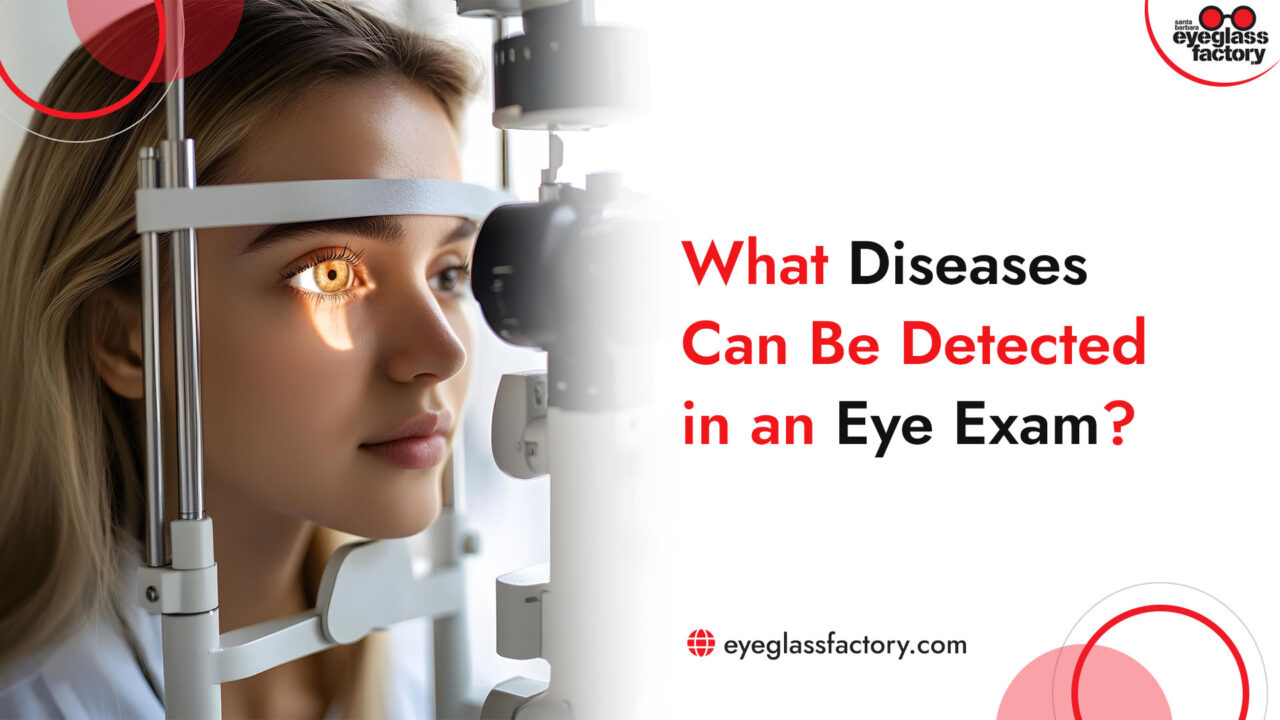
Breathtaking What Diseases Can Be Detected In An Eye Exam Scene Concept
Discover an amazing what diseases can be detected in an eye exam background image, ideal for personalizing your devices with vibrant colors and intricate designs.
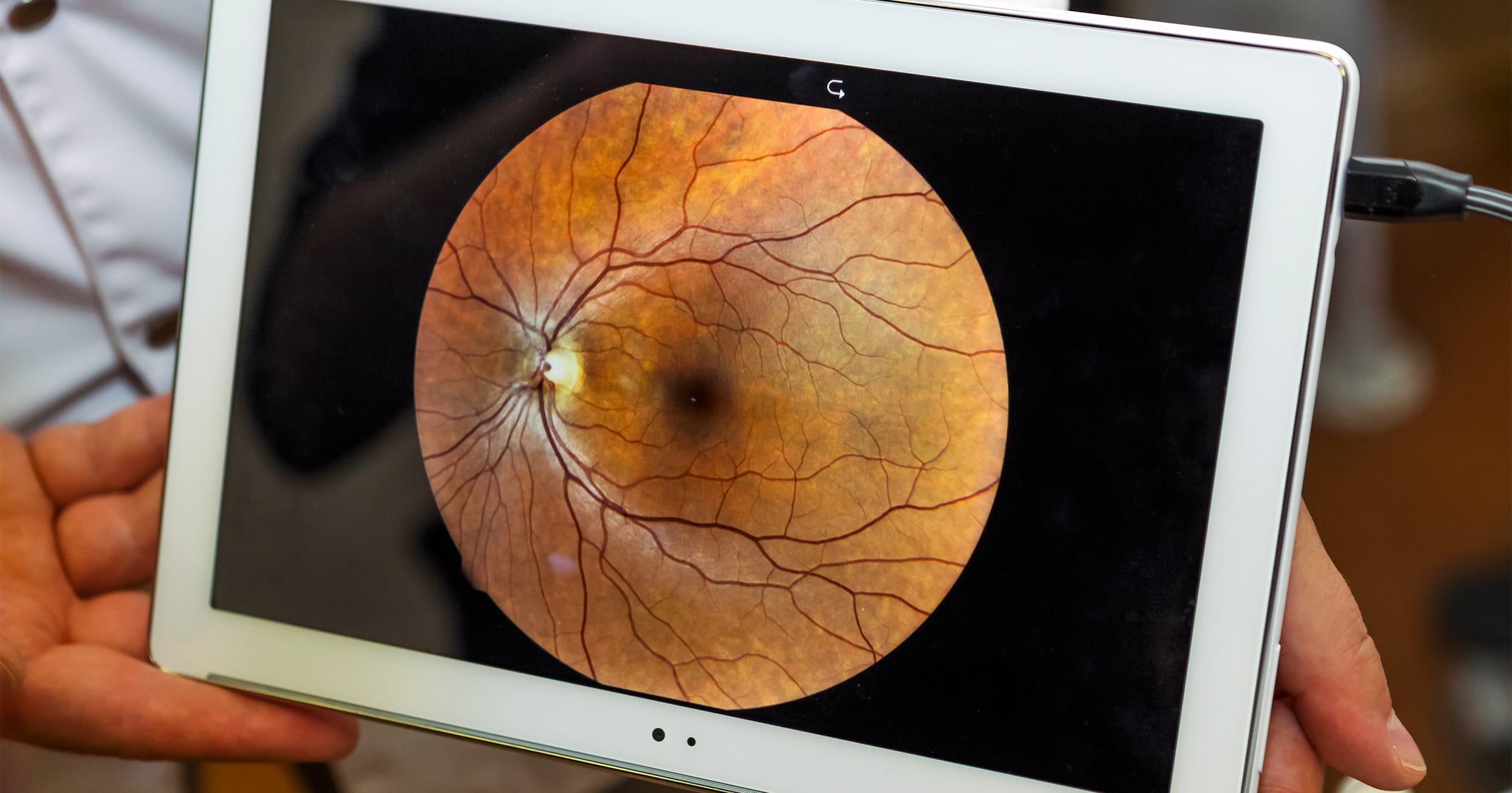
Serene What Diseases Can Be Detected In An Eye Exam Wallpaper Concept
Explore this high-quality what diseases can be detected in an eye exam image, perfect for enhancing your desktop or mobile wallpaper.
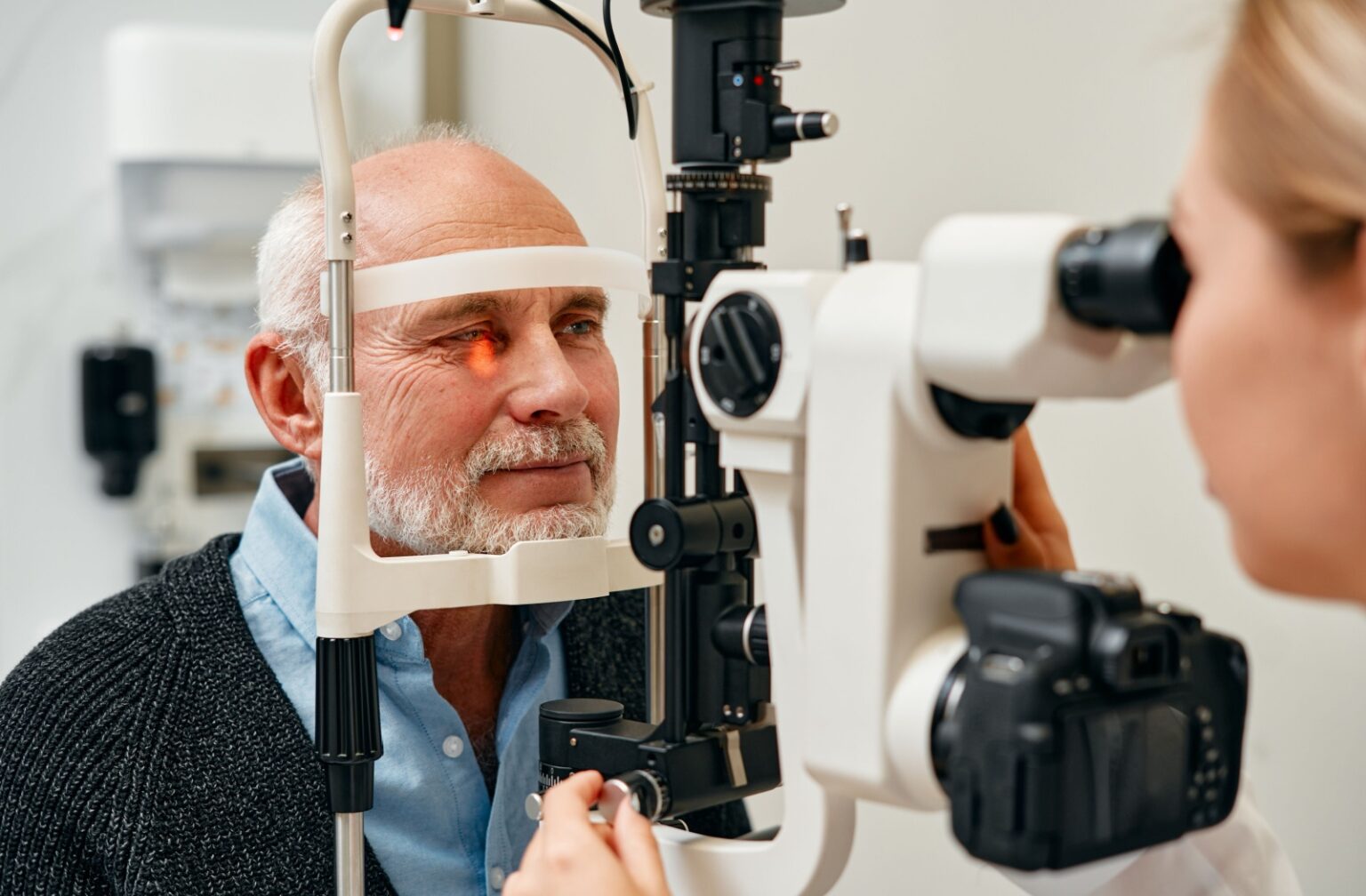
Breathtaking What Diseases Can Be Detected In An Eye Exam Abstract Photography
Experience the crisp clarity of this stunning what diseases can be detected in an eye exam image, available in high resolution for all your screens.
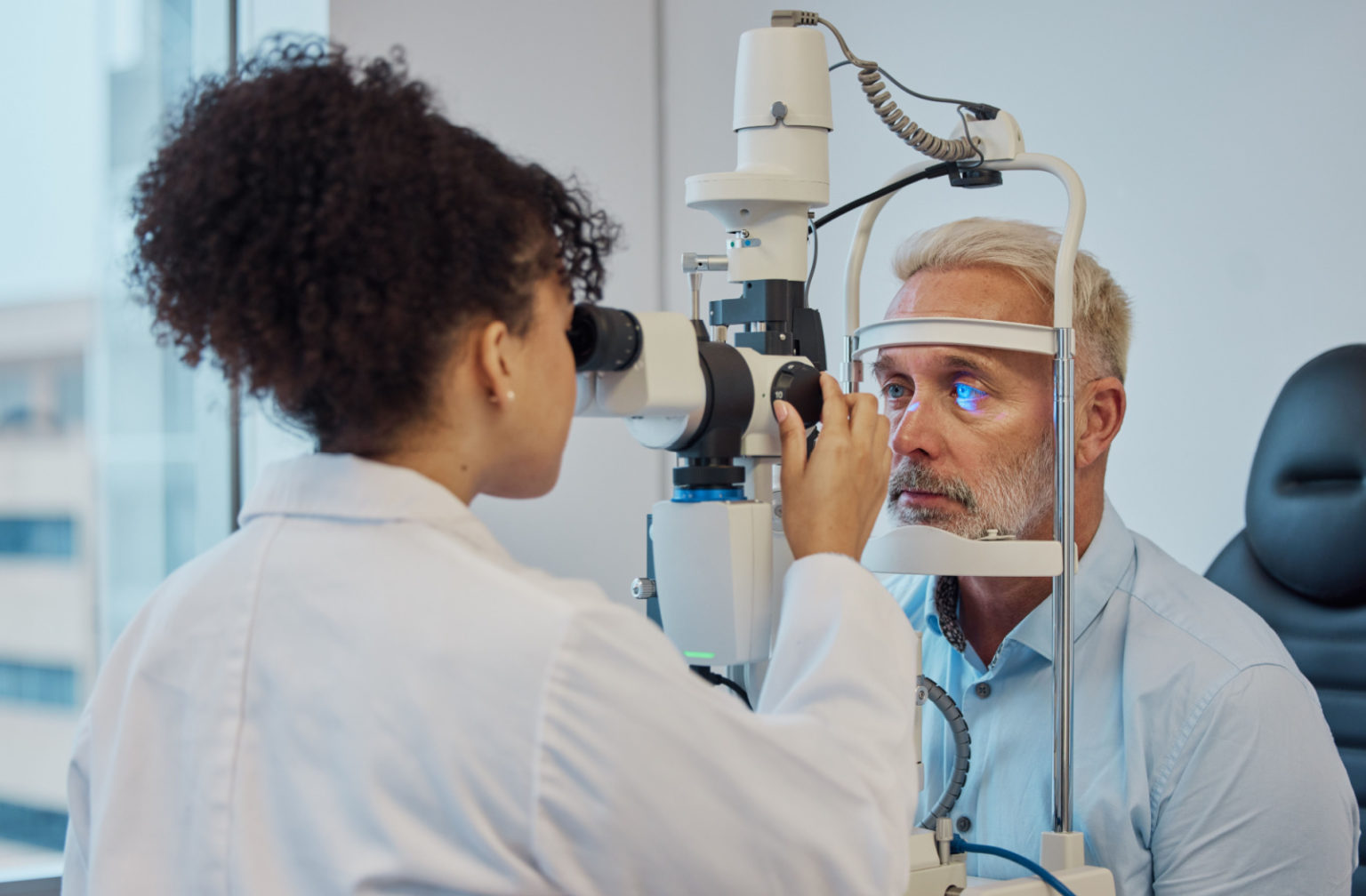
Dynamic What Diseases Can Be Detected In An Eye Exam Image Photography
This gorgeous what diseases can be detected in an eye exam photo offers a breathtaking view, making it a perfect choice for your next wallpaper.

Amazing What Diseases Can Be Detected In An Eye Exam Artwork Collection
Experience the crisp clarity of this stunning what diseases can be detected in an eye exam image, available in high resolution for all your screens.

Crisp What Diseases Can Be Detected In An Eye Exam Moment Art
Immerse yourself in the stunning details of this beautiful what diseases can be detected in an eye exam wallpaper, designed for a captivating visual experience.
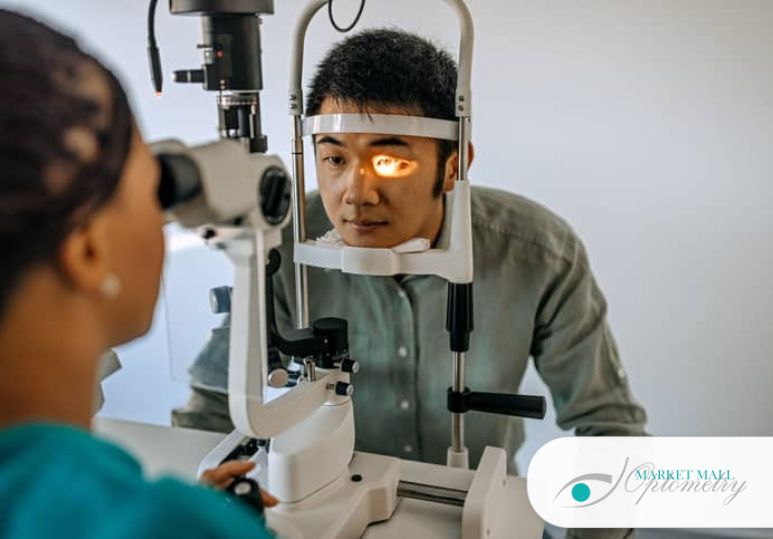
High-Quality What Diseases Can Be Detected In An Eye Exam View in HD
Experience the crisp clarity of this stunning what diseases can be detected in an eye exam image, available in high resolution for all your screens.

Exquisite What Diseases Can Be Detected In An Eye Exam Photo Nature
Find inspiration with this unique what diseases can be detected in an eye exam illustration, crafted to provide a fresh look for your background.

Vivid What Diseases Can Be Detected In An Eye Exam Artwork Photography
Transform your screen with this vivid what diseases can be detected in an eye exam artwork, a true masterpiece of digital design.
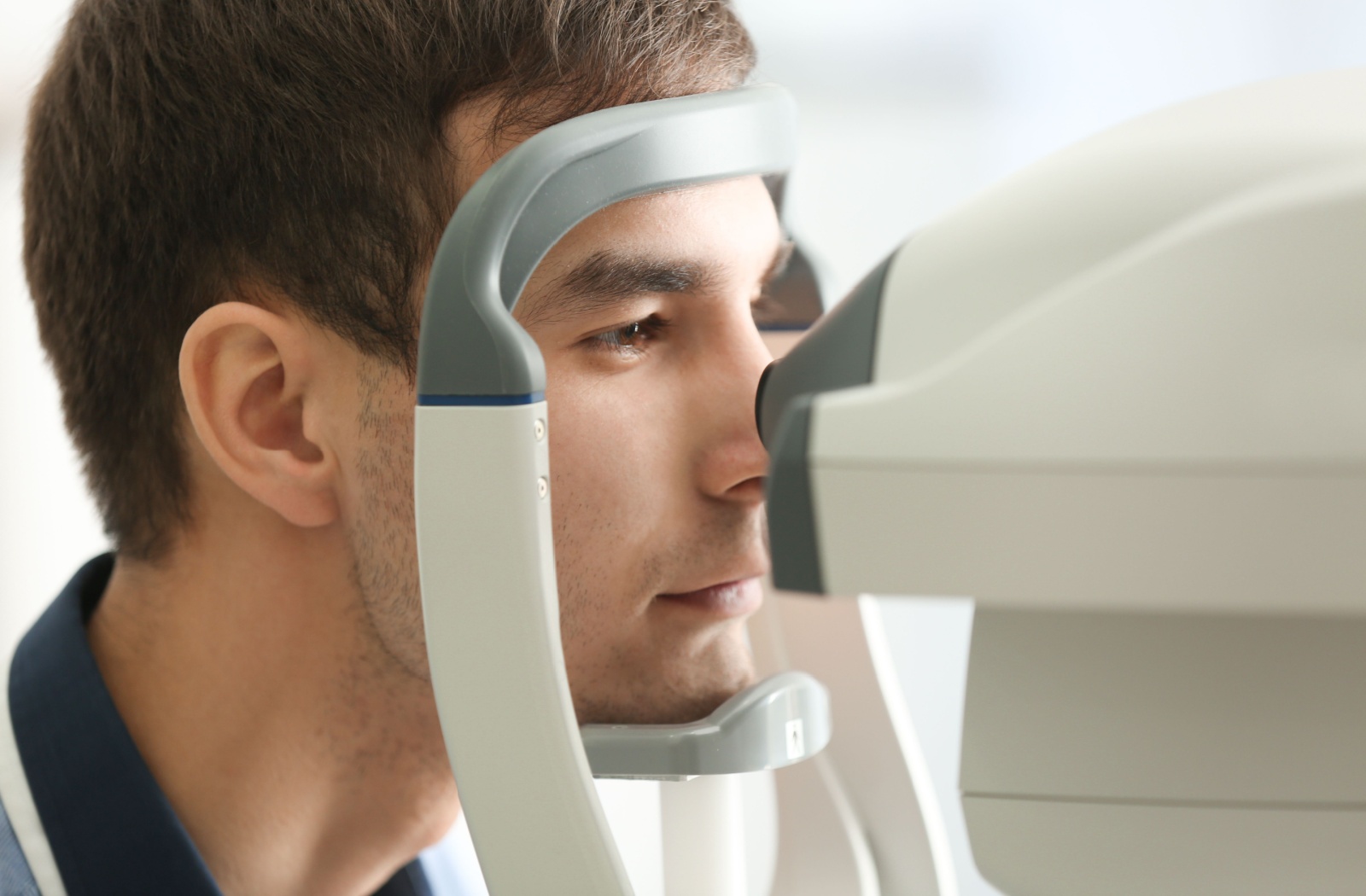
Stunning What Diseases Can Be Detected In An Eye Exam Background Collection
This gorgeous what diseases can be detected in an eye exam photo offers a breathtaking view, making it a perfect choice for your next wallpaper.
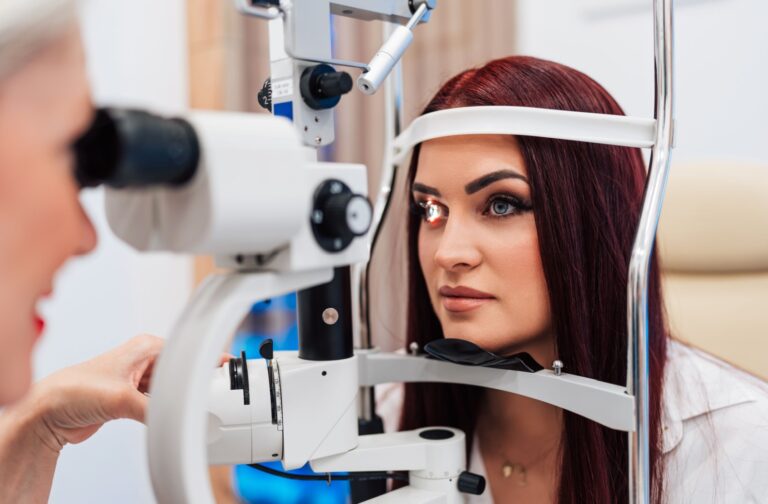
Dynamic What Diseases Can Be Detected In An Eye Exam View Digital Art
This gorgeous what diseases can be detected in an eye exam photo offers a breathtaking view, making it a perfect choice for your next wallpaper.
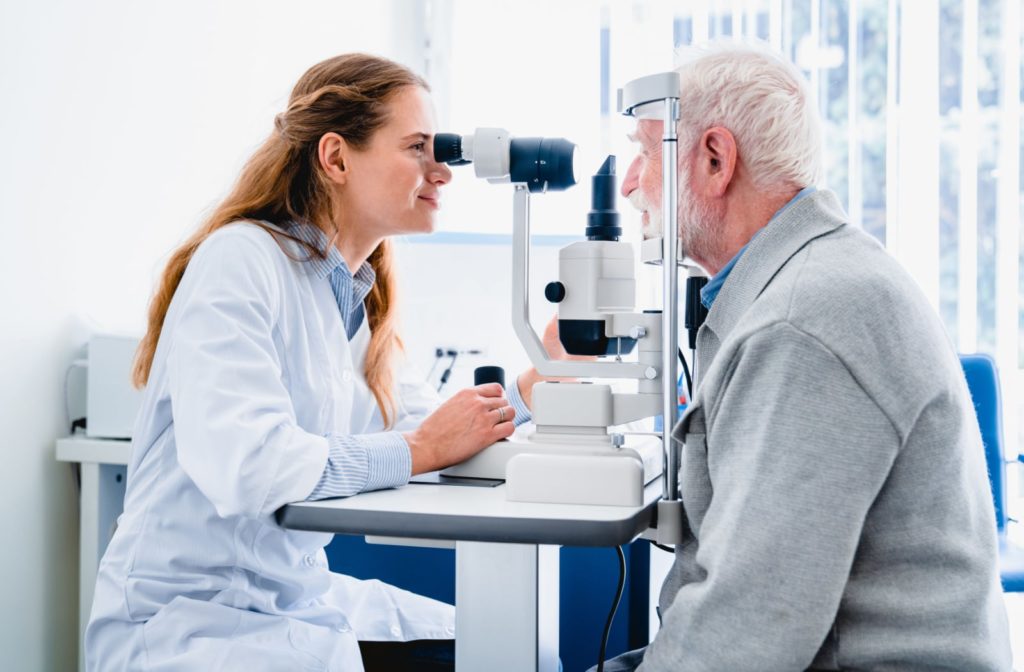
Spectacular What Diseases Can Be Detected In An Eye Exam Artwork Digital Art
This gorgeous what diseases can be detected in an eye exam photo offers a breathtaking view, making it a perfect choice for your next wallpaper.

Exquisite What Diseases Can Be Detected In An Eye Exam Background Collection
Immerse yourself in the stunning details of this beautiful what diseases can be detected in an eye exam wallpaper, designed for a captivating visual experience.

Captivating What Diseases Can Be Detected In An Eye Exam Background Digital Art
A captivating what diseases can be detected in an eye exam scene that brings tranquility and beauty to any device.
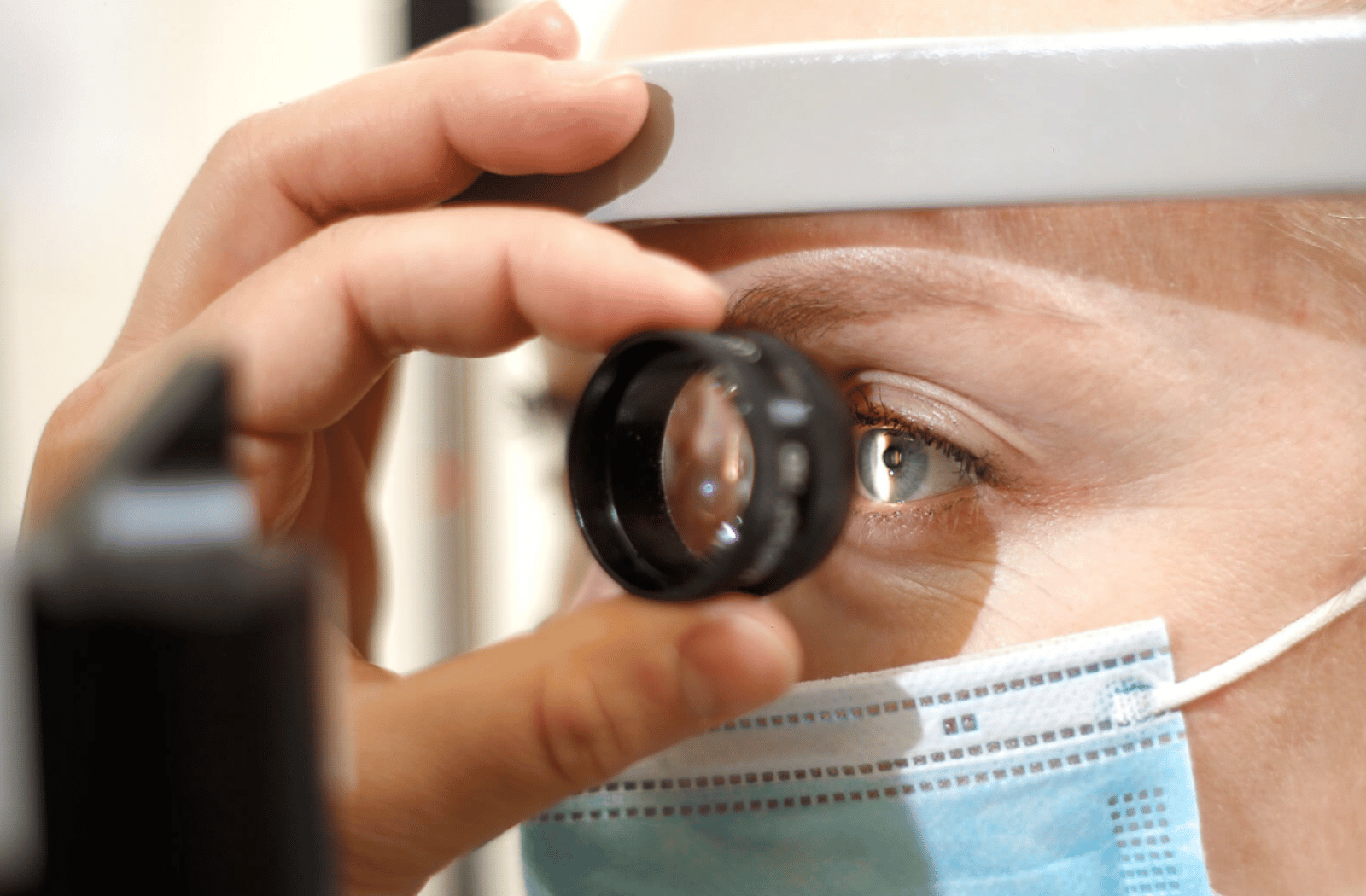
Exquisite What Diseases Can Be Detected In An Eye Exam Background Digital Art
Immerse yourself in the stunning details of this beautiful what diseases can be detected in an eye exam wallpaper, designed for a captivating visual experience.

Spectacular What Diseases Can Be Detected In An Eye Exam Image Illustration
Find inspiration with this unique what diseases can be detected in an eye exam illustration, crafted to provide a fresh look for your background.
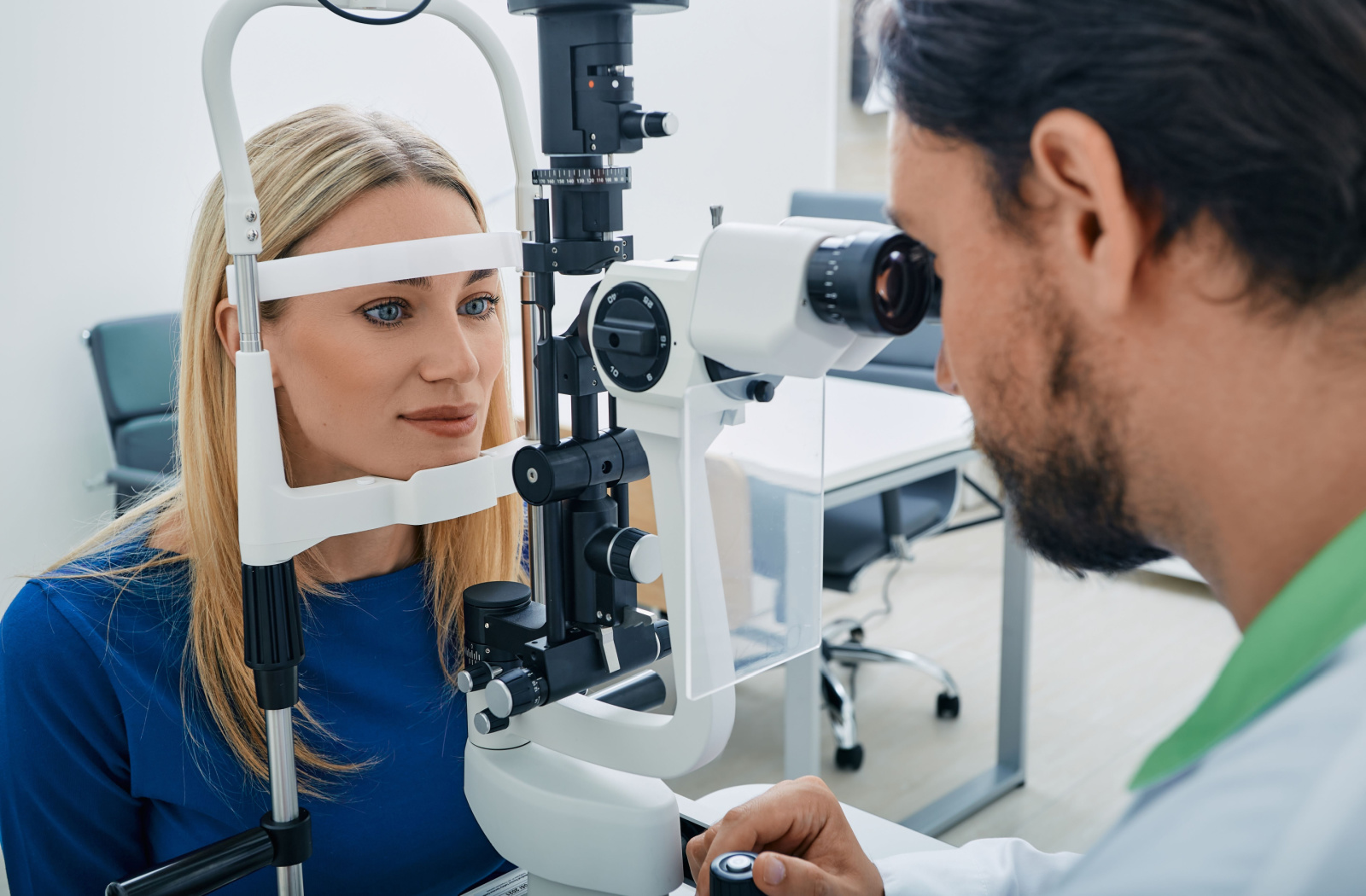
Amazing What Diseases Can Be Detected In An Eye Exam Picture Collection
Explore this high-quality what diseases can be detected in an eye exam image, perfect for enhancing your desktop or mobile wallpaper.

Spectacular What Diseases Can Be Detected In An Eye Exam Photo Art
This gorgeous what diseases can be detected in an eye exam photo offers a breathtaking view, making it a perfect choice for your next wallpaper.
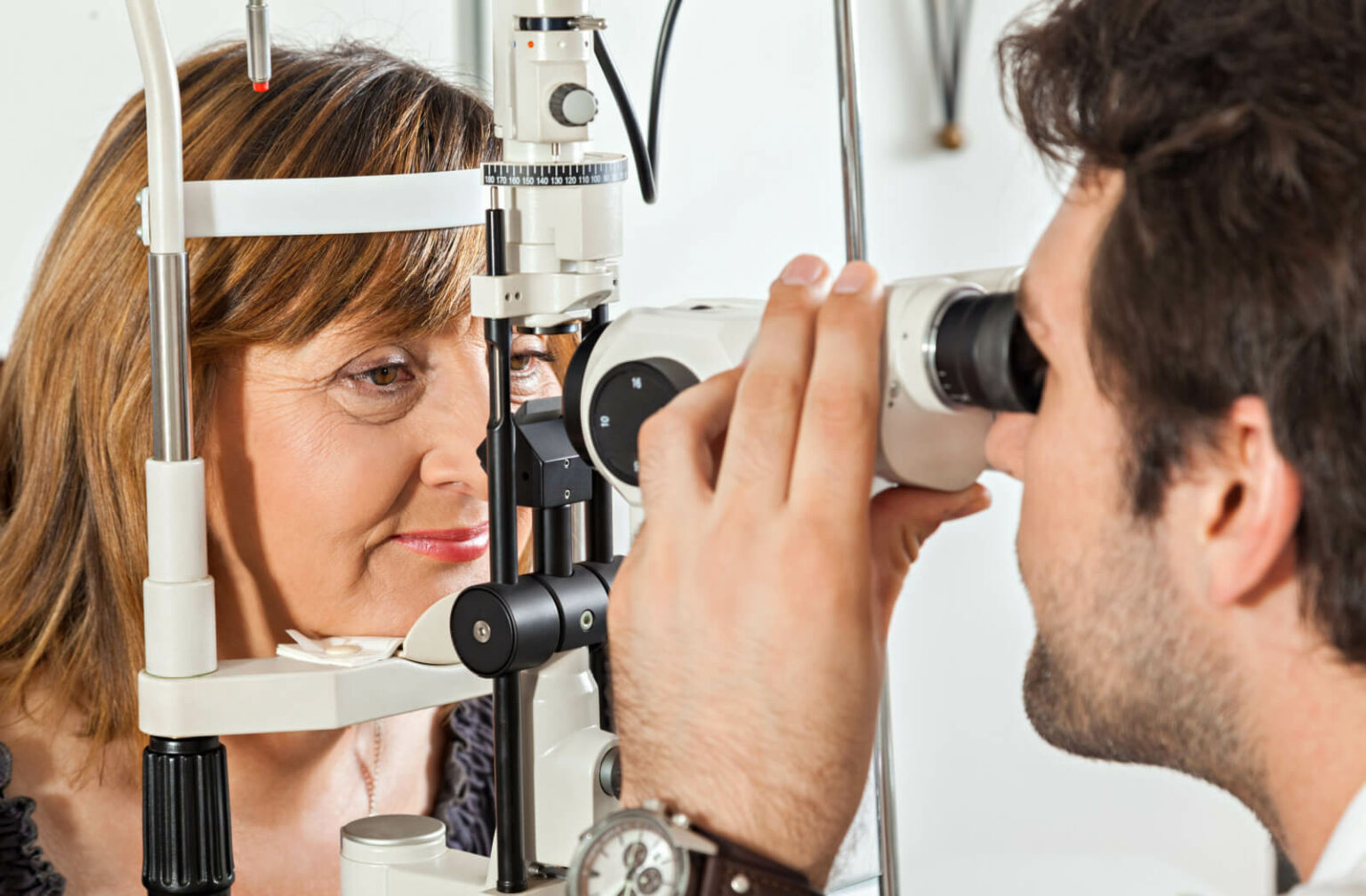
High-Quality What Diseases Can Be Detected In An Eye Exam Abstract in 4K
Discover an amazing what diseases can be detected in an eye exam background image, ideal for personalizing your devices with vibrant colors and intricate designs.

0 Response to "What Diseases Can Be Detected In An Eye Exam"
Post a Comment