Who Developed Laser Eye Surgery
Who Developed Laser Eye Surgery? Unraveling the History of Vision Correction
If you wear glasses or contacts, you've probably marveled at the revolutionary nature of laser eye surgery. It's a technology that seems almost like science fiction, offering millions the chance to wake up and see clearly without needing assistive devices. But perhaps you've wondered: Who developed laser eye surgery, and how did this complex procedure come to exist?
The development of laser vision correction wasn't the work of one single genius working in isolation. Instead, it was a fantastic collaborative journey involving physicists, ophthalmologists, and engineers over several decades. Getting to the bottom of this history requires us to look beyond just the final procedure and examine the foundational steps that made it possible.
Let's dive into the fascinating story behind LASIK and PRK, tracing the steps from basic physics principles to the highly precise medical procedure we rely on today.
The Roots of Refractive Surgery: Setting the Stage for Lasers
Before lasers entered the operating room, ophthalmologists sought mechanical ways to reshape the cornea—the transparent front part of the eye responsible for focusing light. This early groundwork is crucial for understanding the later laser developments.
The most notable early predecessor was Radial Keratotomy (RK). This procedure was popularized in the Soviet Union during the 1970s by Dr. Svyatoslav Fyodorov. RK involved making small, precise incisions in the cornea using a diamond blade. While effective, it lacked the predictable precision we associate with modern techniques and carried higher risks of complications.
RK proved that reshaping the cornea could dramatically improve vision. This fundamental concept—that slight alterations to the corneal curvature could correct myopia and astigmatism—was the necessary intellectual leap that paved the way for non-blade solutions.
The Revolutionary Idea: Introducing the Excimer Laser
The real turning point in the history of vision correction came not from ophthalmology, but from materials science. In 1981, researchers at IBM's Thomas J. Watson Research Center—specifically R. Srinivasan, J.J. Wynne, and S.K. Kulkarni—were experimenting with ultraviolet lasers to etch microscopic circuits.
They discovered that the Excimer laser (short for Excited Dimer) could cleanly remove organic material, like human tissue, without causing thermal damage to the surrounding area. This process, called "photoablation," was incredibly precise. When the light energy struck the material, it broke molecular bonds directly, allowing for microscopic accuracy.
The potential for surgical use was immediately obvious. Unlike traditional lasers, which burn tissue, the Excimer laser essentially vaporized tissue in incredibly thin layers, making it perfect for the delicate structure of the eye.
The Pioneer Behind the Procedure: Steven Trokel and the First Applications
While the IBM team discovered the laser's capabilities, the person largely credited with applying this technology directly to the eye, thus answering the question of who developed laser eye surgery in its initial form, is Dr. Steven Trokel. In 1983, Dr. Trokel and his colleagues at Columbia University published a groundbreaking paper detailing the use of the Excimer laser on biological tissue, specifically focusing on its ability to reshape the cornea.
Dr. Trokel and his team, including physicist Dr. Rangaswamy Srinivasan, demonstrated that the laser could remove corneal tissue with extreme precision—we're talking fractions of a micron—without scarring or damaging the underlying layers. This was the moment the dream of precise, incision-free refractive surgery began to materialize.
Their work directly led to the first clinical trials and the eventual creation of PhotoRefractive Keratectomy (PRK), which became the first commercially viable laser procedure approved by regulatory bodies.
From Theory to Practice: The Birth of PRK and LASIK
Once the Excimer laser was proven safe for corneal reshaping, two distinct procedures quickly emerged, each building upon the other's limitations.
PRK: The Initial Laser Correction
PRK was the first laser procedure to gain widespread acceptance. It involves removing the thin outer layer of the cornea (the epithelium) and then using the Excimer laser to reshape the underlying stromal tissue. While revolutionary, PRK involved a longer healing time and significant post-operative discomfort because the epithelium needed time to regrow.
The Game Changer: LASIK
The development of LASIK (Laser-Assisted In Situ Keratomileusis) solved the painful recovery issue associated with PRK. LASIK involves creating a thin flap on the cornea, lifting it to expose the deeper tissue, performing the laser ablation, and then laying the flap back down.
The concept of combining stromal ablation with a corneal flap had its roots in earlier mechanical procedures (keratomileusis). However, applying the laser within this framework was the key innovation. While multiple individuals contributed to the refinement of the technique, the primary figures include:
- Dr. Gholam A. Peyman: He is often credited with patenting the general procedure for LASIK in 1989.
- Dr. Ioannis Pallikaris: This Greek ophthalmologist significantly refined the technique in the early 1990s, particularly the use of a microkeratome (a surgical instrument) to create the corneal flap, helping standardize the procedure.
- Dr. Lucio Buratto and Dr. Stephen Slade: These doctors were instrumental in bringing the technique to the U.S. and further refining the methods used today.
Thanks to these combined efforts, LASIK offered much faster recovery times and less pain, quickly becoming the dominant form of laser eye surgery worldwide. The ability to perform the laser correction beneath the protective corneal flap was a major breakthrough.
Continuing the Legacy: Modern Advancements in Laser Vision Correction
While we now know who developed laser eye surgery in its initial form, the technology hasn't stood still. The field continues to evolve, making the procedures safer, more precise, and suitable for a wider range of patients.
Refining the LASIK Flap
Initially, the corneal flap was created using a mechanical microkeratome. Modern technology, however, has largely replaced the blade with an even more precise laser: the femtosecond laser. This technology allows surgeons to create a flap entirely with laser pulses, a procedure often called Femto-LASIK or all-laser LASIK. This reduces the variability associated with mechanical blades and increases safety.
Wavefront Technology
Early laser surgery corrected simple refractive errors. Today, surgeons use wavefront analysis, which creates a highly detailed, personalized map of the patient's eye. This allows the Excimer laser to correct microscopic imperfections that are unique to that individual, resulting in custom LASIK treatments that provide superior visual acuity.
SMILE Procedure
The newest major leap is the SMILE procedure (Small Incision Lenticule Extraction). Developed primarily by Dr. Walter Sekundo, SMILE uses the femtosecond laser to create a small lens of tissue (a lenticule) deep within the cornea. This lenticule is then removed through a tiny keyhole incision, eliminating the need for a large corneal flap altogether. SMILE offers the precision of LASIK with the minimally invasive nature of PRK.
The journey from the crude incisions of RK to the microscopic precision of SMILE demonstrates how continuous innovation by dedicated scientists has refined vision correction into one of the safest and most successful elective surgeries available today.
Conclusion
So, who developed laser eye surgery? The answer is a collective chorus of brilliant minds. While the discovery of the Excimer laser's ability to precisely vaporize tissue lies with IBM researchers like Srinivasan, its medical application was pioneered by Dr. Steven Trokel. The subsequent refinement into modern procedures like LASIK was built on the crucial work of figures like Dr. Gholam Peyman and Dr. Ioannis Pallikaris.
These pioneers didn't just invent a procedure; they permanently changed how millions experience the world, moving refractive surgery from a risky concept into a safe, reliable, and highly personalized form of vision correction. Their legacy ensures that continuous innovation will keep pushing the boundaries of what's possible in eye care.
Frequently Asked Questions About Laser Eye Surgery Development (FAQ)
- What was the earliest form of refractive surgery?
- The earliest widely practiced form of modern refractive surgery was Radial Keratotomy (RK), popularized by Dr. Svyatoslav Fyodorov in the USSR in the 1970s. It used blades, not lasers, to reshape the cornea.
- Who discovered the Excimer laser's surgical potential?
- The Excimer laser's capability to precisely remove tissue without thermal damage (photoablation) was discovered by IBM researchers in 1981. Dr. Steven Trokel was the key figure who recognized and first applied this technology specifically to the human cornea for refractive correction.
- Was LASIK developed before PRK?
- No. PRK (PhotoRefractive Keratectomy) was the first laser procedure used clinically to correct vision, directly reshaping the corneal surface. LASIK was developed shortly thereafter, solving PRK's lengthy healing time by introducing the protective corneal flap.
- Why is LASIK considered safer than the older RK procedure?
- LASIK utilizes the extreme precision of the Excimer laser to remove tissue at a microscopic level, leading to far more predictable outcomes, less trauma, and a significantly lower risk of complications compared to the manual incisions used in Radial Keratotomy.
- What is the newest form of laser vision correction?
- The newest major technique is SMILE (Small Incision Lenticule Extraction), which is even less invasive than LASIK, requiring only a tiny incision to remove the corneal tissue that has been reshaped internally by the femtosecond laser.
Who Developed Laser Eye Surgery
Who Developed Laser Eye Surgery Wallpapers
Collection of who developed laser eye surgery wallpapers for your desktop and mobile devices.
Exquisite Who Developed Laser Eye Surgery View Art
This gorgeous who developed laser eye surgery photo offers a breathtaking view, making it a perfect choice for your next wallpaper.
Vibrant Who Developed Laser Eye Surgery Capture Art
Explore this high-quality who developed laser eye surgery image, perfect for enhancing your desktop or mobile wallpaper.

Stunning Who Developed Laser Eye Surgery Image for Your Screen
Immerse yourself in the stunning details of this beautiful who developed laser eye surgery wallpaper, designed for a captivating visual experience.
Dynamic Who Developed Laser Eye Surgery Scene Photography
This gorgeous who developed laser eye surgery photo offers a breathtaking view, making it a perfect choice for your next wallpaper.

Crisp Who Developed Laser Eye Surgery Scene Illustration
Immerse yourself in the stunning details of this beautiful who developed laser eye surgery wallpaper, designed for a captivating visual experience.
Mesmerizing Who Developed Laser Eye Surgery Landscape for Your Screen
Explore this high-quality who developed laser eye surgery image, perfect for enhancing your desktop or mobile wallpaper.
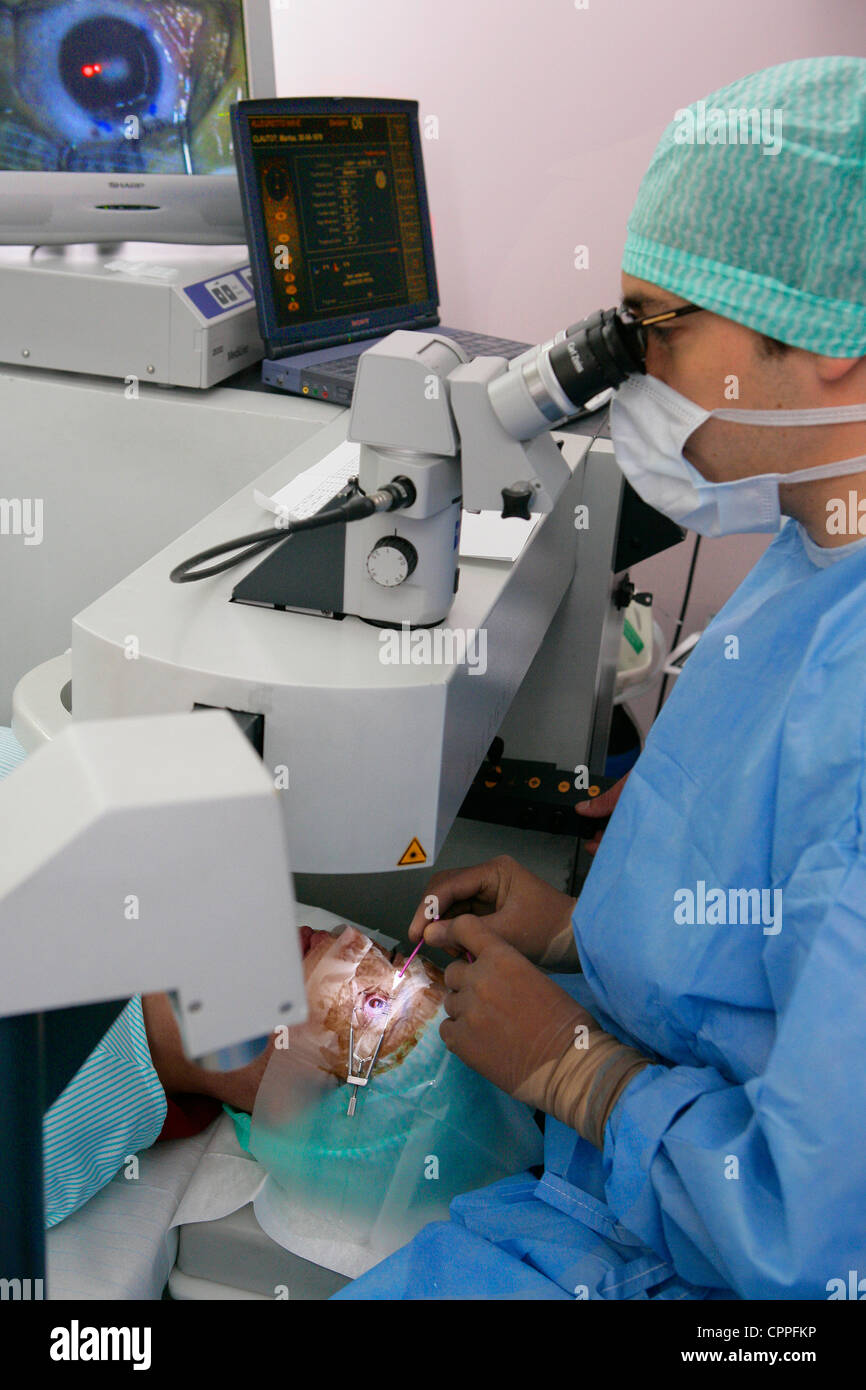
Vivid Who Developed Laser Eye Surgery Capture Photography
Experience the crisp clarity of this stunning who developed laser eye surgery image, available in high resolution for all your screens.

High-Quality Who Developed Laser Eye Surgery Wallpaper Nature
Experience the crisp clarity of this stunning who developed laser eye surgery image, available in high resolution for all your screens.

Mesmerizing Who Developed Laser Eye Surgery Photo in 4K
Transform your screen with this vivid who developed laser eye surgery artwork, a true masterpiece of digital design.

Amazing Who Developed Laser Eye Surgery Photo in 4K
Experience the crisp clarity of this stunning who developed laser eye surgery image, available in high resolution for all your screens.

Stunning Who Developed Laser Eye Surgery View Digital Art
This gorgeous who developed laser eye surgery photo offers a breathtaking view, making it a perfect choice for your next wallpaper.

Exquisite Who Developed Laser Eye Surgery Capture in HD
A captivating who developed laser eye surgery scene that brings tranquility and beauty to any device.
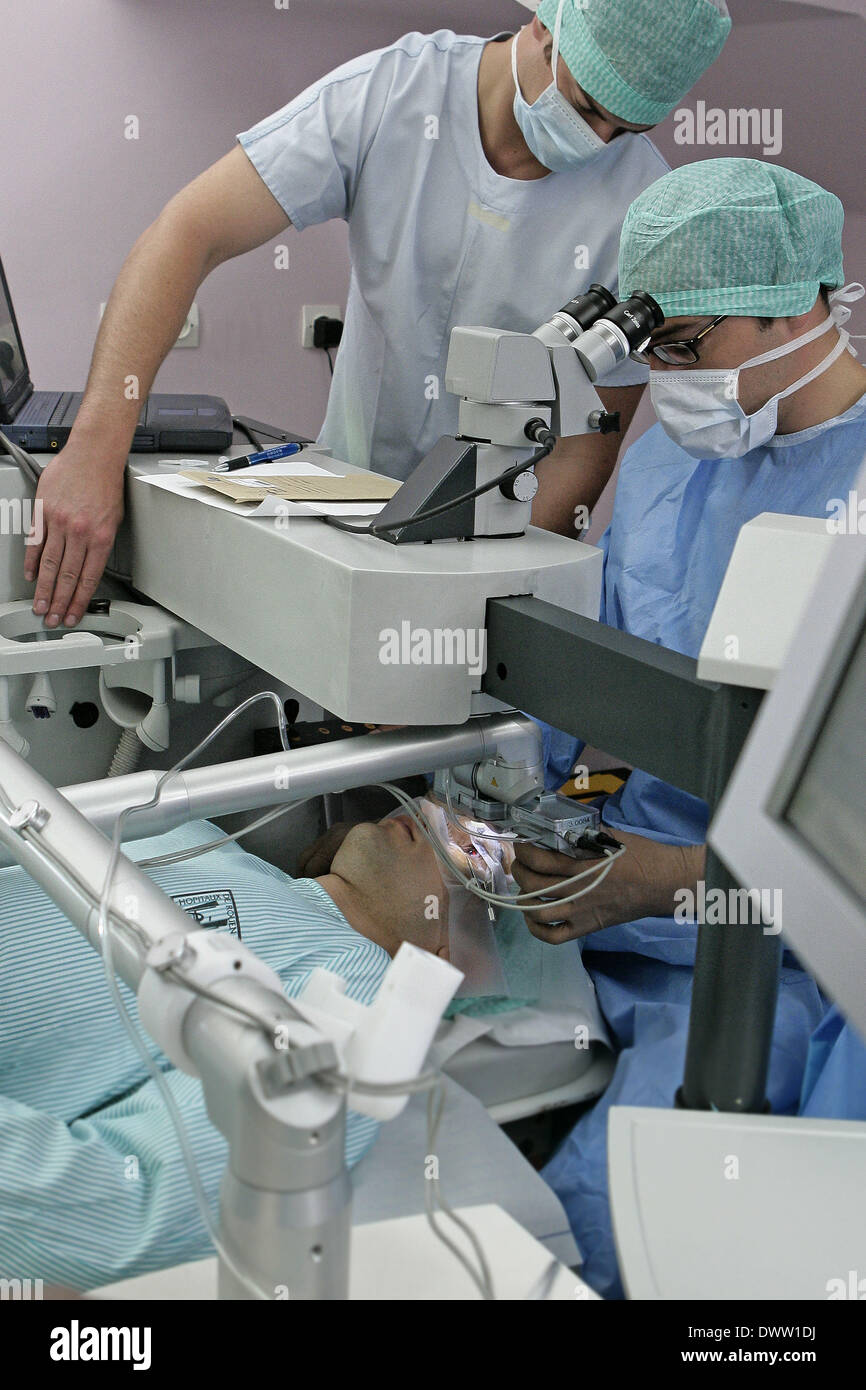
Vibrant Who Developed Laser Eye Surgery Background in 4K
Experience the crisp clarity of this stunning who developed laser eye surgery image, available in high resolution for all your screens.

Mesmerizing Who Developed Laser Eye Surgery Photo in HD
Discover an amazing who developed laser eye surgery background image, ideal for personalizing your devices with vibrant colors and intricate designs.

Artistic Who Developed Laser Eye Surgery Wallpaper Nature
Immerse yourself in the stunning details of this beautiful who developed laser eye surgery wallpaper, designed for a captivating visual experience.

Vivid Who Developed Laser Eye Surgery Capture Art
Discover an amazing who developed laser eye surgery background image, ideal for personalizing your devices with vibrant colors and intricate designs.

Lush Who Developed Laser Eye Surgery Image Art
Immerse yourself in the stunning details of this beautiful who developed laser eye surgery wallpaper, designed for a captivating visual experience.
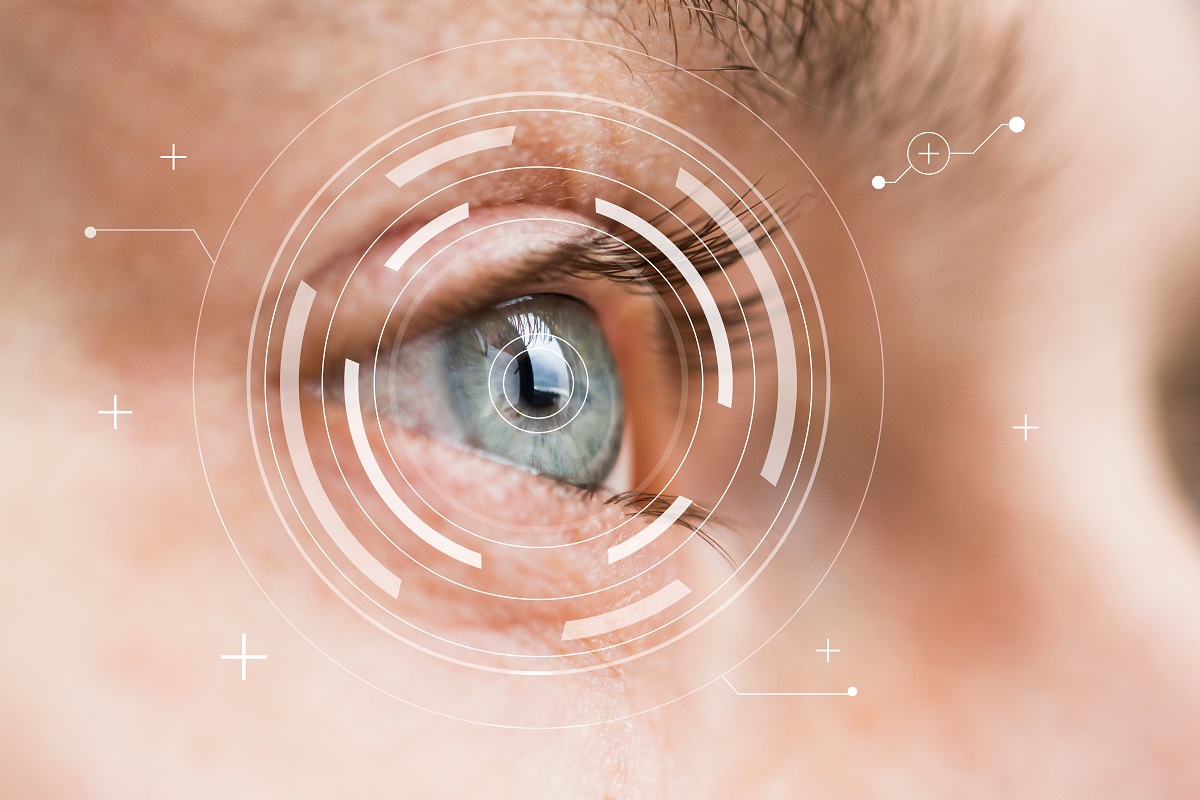
Captivating Who Developed Laser Eye Surgery Photo for Your Screen
A captivating who developed laser eye surgery scene that brings tranquility and beauty to any device.

Captivating Who Developed Laser Eye Surgery Landscape in 4K
Find inspiration with this unique who developed laser eye surgery illustration, crafted to provide a fresh look for your background.

Breathtaking Who Developed Laser Eye Surgery Abstract Illustration
Transform your screen with this vivid who developed laser eye surgery artwork, a true masterpiece of digital design.
Download these who developed laser eye surgery wallpapers for free and use them on your desktop or mobile devices.
0 Response to "Who Developed Laser Eye Surgery"
Post a Comment