Aurora Eye
Unveiling the Magic of the Aurora Eye: Your Ultimate Guide to Chasing the Northern Lights
There are few natural spectacles as awe-inspiring as the Aurora Borealis, the dancing lights that paint the polar skies. Many people dream of seeing them, but achieving that perfect, life-changing view requires more than just luck. It requires preparation, knowledge, and what we call the "Aurora Eye"—the mindset and skill set necessary to consistently find and appreciate these elusive lights.
Are you ready to stop relying on chance and start mastering the hunt? This comprehensive guide will equip you with everything you need, turning you from a hopeful observer into an expert Aurora hunter. We will delve into the science, the locations, the preparation, and the photography required to truly see the Northern Lights through the keen perspective of the Aurora Eye.
What Exactly is the Aurora Eye?
The term Aurora Eye isn't just about sharp vision; it represents a synergy of scientific understanding, geographical awareness, and psychological preparedness. It is the ability to interpret subtle weather patterns, monitor space weather forecasts, and know precisely where and when to position yourself for the best display.
Being successful in your Northern Lights hunt means having patience and the ability to distinguish between high cloud cover and the faint glow of the beginning of a display. It's an approach that prioritizes maximizing your time under the dark sky.
The Scientific Gaze: Understanding Solar Winds and Geomagnetic Activity
To truly develop the Aurora Eye, you must first understand what causes the lights. The Aurora is the result of charged particles released from the sun—known as solar wind—colliding with the Earth's atmosphere. These collisions excite atoms of oxygen and nitrogen, causing them to emit light.
Key to predicting displays is monitoring the KP Index, a measurement of geomagnetic activity. A KP Index of 3 or higher usually indicates visible activity, while a KP 5 or above promises a spectacular, widespread show. Monitoring services like NOAA or regional aurora apps are essential tools in your Aurora hunting toolkit.
More Than Just Seeing: Experiencing the Aurora Eye Philosophy
The philosophy behind the Aurora Eye emphasizes preparation and presence. While the science dictates when the lights might appear, your readiness determines if you actually see them. This philosophy includes:
- Minimizing Light Pollution: Always travel far away from city lights, seeking truly dark skies.
- Optimizing Comfort: Staying warm and dry is crucial; discomfort shortens your waiting time significantly.
- Patience and Persistence: Displays often start subtly. You might need to wait hours in the cold for the grand finale.
Furthermore, recognizing that the strongest displays usually happen in short bursts means you must be ready to deploy your camera instantly when the show peaks.
Finding Your Perfect View: Key Locations for the Aurora Eye Experience
The Northern Lights appear in the 'aurora oval,' a band surrounding the magnetic pole. Successful hunters position themselves directly under this oval. While specific spots change based on the geomagnetic forecast, several regions consistently offer outstanding viewing potential.
Top contenders for your Aurora Eye adventure include:
- Tromsø, Norway (A popular hub with infrastructure and frequent displays).
- Yellowknife, Canada (Known for stable weather and clear skies).
- Abisko National Park, Sweden (Sits in a unique 'blue hole' often spared from cloud cover).
- Iceland (Highly accessible, though weather can be highly unpredictable).
Choosing a location isn't enough, however. Within these regions, you need strategy to succeed.
Essential Preparations Before the Hunt
Preparation is the difference between a cold, disappointing night and an unforgettable sighting. Before you even leave your accommodation, you need to check multiple forecasts: cloud cover, temperature, and space weather.
Moreover, always have a secondary location planned. If the clouds roll in on your primary spot, having a clear alternative 30 minutes away can save your night. This flexibility is a hallmark of the experienced Aurora Eye hunter.
Gear Up: What to Pack for the Cold
If you aren't warm, you won't wait long enough. Arctic temperatures demand serious layering. Forget fashion; focus entirely on insulation. Your extremities—hands and feet—are the most vulnerable areas.
- Base Layer: Wool or synthetic thermal underwear (top and bottom).
- Mid Layer: Fleece jacket and down vest for critical warmth retention.
- Outer Layer: Windproof, water-resistant parka and insulated trousers.
- Footwear: Thermal boots rated to -20°C or colder.
- Accessories: Wool or down mittens (better than gloves) and chemical hand warmers.
Timing is Everything: Best Months and Hours
While the lights are technically present year-round, you need darkness to see them. This means prime viewing occurs from September to April. The best months often surround the equinoxes (September and March) when Earth's tilt aligns favorably with the solar wind, statistically increasing the chance of a major storm.
In terms of hours, the peak viewing window is generally between 10 PM and 2 AM local time. However, keeping watch from sunset until sunrise ensures you don't miss an early or late surprise.
Capturing the Spectacle: Aurora Eye Photography Tips
Once you've mastered the hunt, the next stage of the Aurora Eye is preservation—capturing the moment. Camera technology often sees colors and intensity that the naked eye misses, making your photographic documentation crucial.
You absolutely need a camera capable of manual settings (DSLR or mirrorless), a sturdy tripod (non-negotiable in the wind), and extra batteries, as cold temperatures drain power incredibly quickly.
Recommended Camera Settings
Aurora photography requires balancing light collection (shutter speed and aperture) with noise reduction (ISO). These settings are a great starting point for beginners, but remember to adjust based on the Aurora's intensity.
- Mode: Manual (M)
- Focus: Manual Focus (MF), set to infinity.
- Aperture (f-stop): Wide open, typically f/2.8 to f/4.0.
- ISO: Start at ISO 800 and adjust up to 3200 depending on light (lower is always better for image quality).
- Shutter Speed:
- For faint, slow movement: 15 to 25 seconds.
- For bright, rapidly dancing displays: 3 to 8 seconds (to capture the curtains without blur).
Remember to shoot in RAW format if possible. This gives you much greater flexibility during post-processing to bring out the subtle greens and pinks of the display.
Conclusion: Mastering the Aurora Eye
Achieving the pinnacle of Northern Lights viewing is less about luck and more about applying the principles of the Aurora Eye. By combining scientific awareness (KP index), meticulous preparation (layers and location scouting), and technical readiness (camera gear), you drastically increase your odds of witnessing a truly spectacular show.
Chasing the Aurora is a rewarding pursuit that tests your patience and celebrates the beauty of our planet's interaction with the sun. Trust the forecasts, stay warm, and keep your Aurora Eye focused on the northern horizon. The magic awaits!
Frequently Asked Questions (FAQ) About the Aurora Eye Experience
- Can I see the Northern Lights with my naked eye, or only through the camera?
- Yes, you can absolutely see them with your naked eye! The camera often captures deeper colors, but strong displays (KP 4+) are vivid and easily visible. Faint displays might look like grayish clouds until the camera confirms the color.
- Is a full moon bad for seeing the Aurora Eye?
- Surprisingly, no. While a very bright full moon can slightly wash out faint Auroras, it illuminates the landscape beautifully, which can lead to stunning photographs. It certainly doesn't prevent you from seeing a strong display.
- How important is zero light pollution for the Aurora Eye?
- It is extremely important. Even small amounts of artificial light can obscure the fainter parts of the Aurora or drown out the start of a display. A true Aurora Eye experience demands complete darkness.
- Do I need to look directly North?
- Generally, yes. However, during very strong geomagnetic storms (KP 6+), the Aurora oval expands, and the lights can be seen high overhead or even towards the South in higher latitudes. Always scan the entire sky, but focus your initial hunt on the North.
Aurora Eye
Aurora Eye Wallpapers
Collection of aurora eye wallpapers for your desktop and mobile devices.

Vibrant Aurora Eye Moment Illustration
Explore this high-quality aurora eye image, perfect for enhancing your desktop or mobile wallpaper.
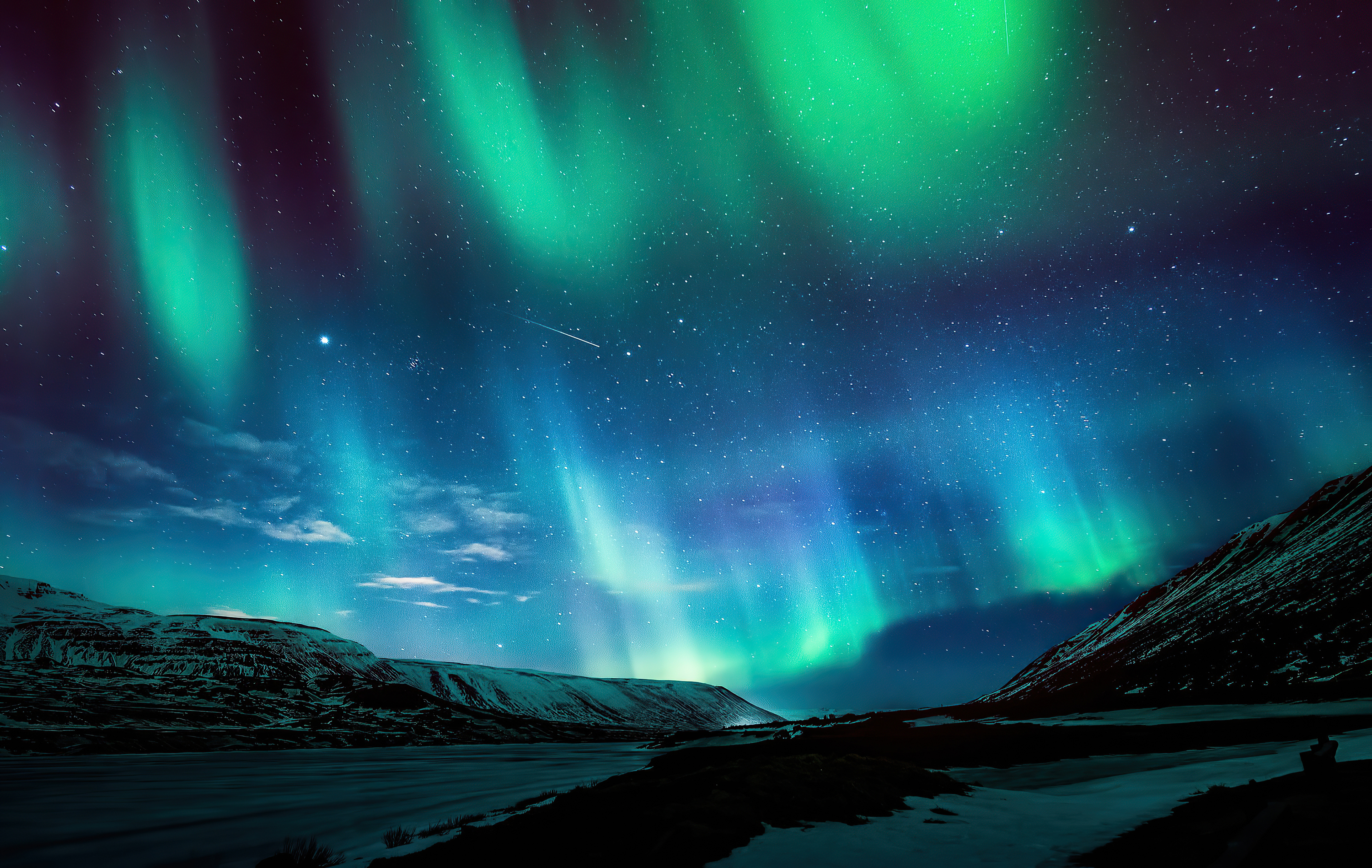
Captivating Aurora Eye Picture Collection
Find inspiration with this unique aurora eye illustration, crafted to provide a fresh look for your background.
Spectacular Aurora Eye Image Art
A captivating aurora eye scene that brings tranquility and beauty to any device.
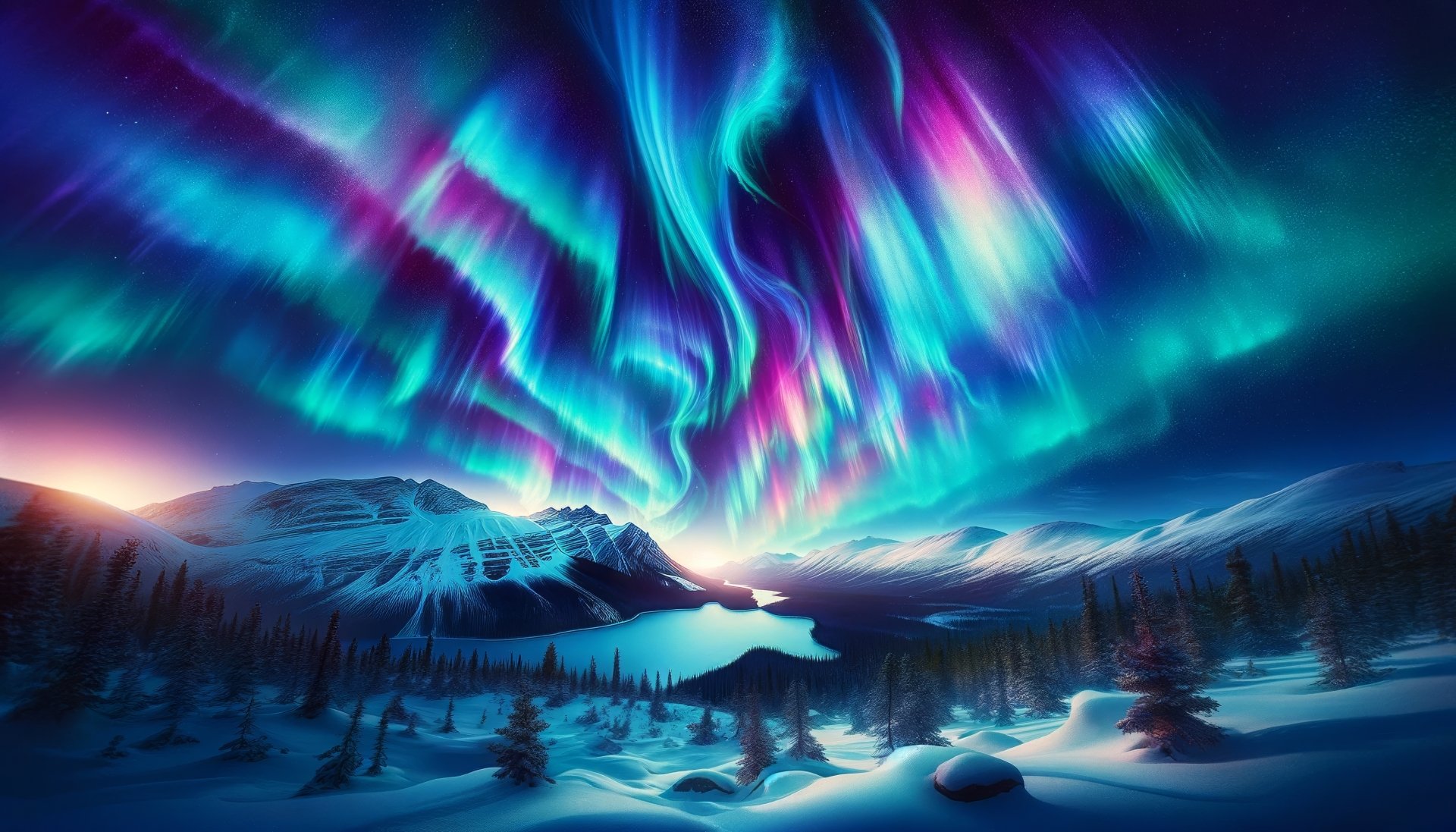
Amazing Aurora Eye Artwork Art
Discover an amazing aurora eye background image, ideal for personalizing your devices with vibrant colors and intricate designs.
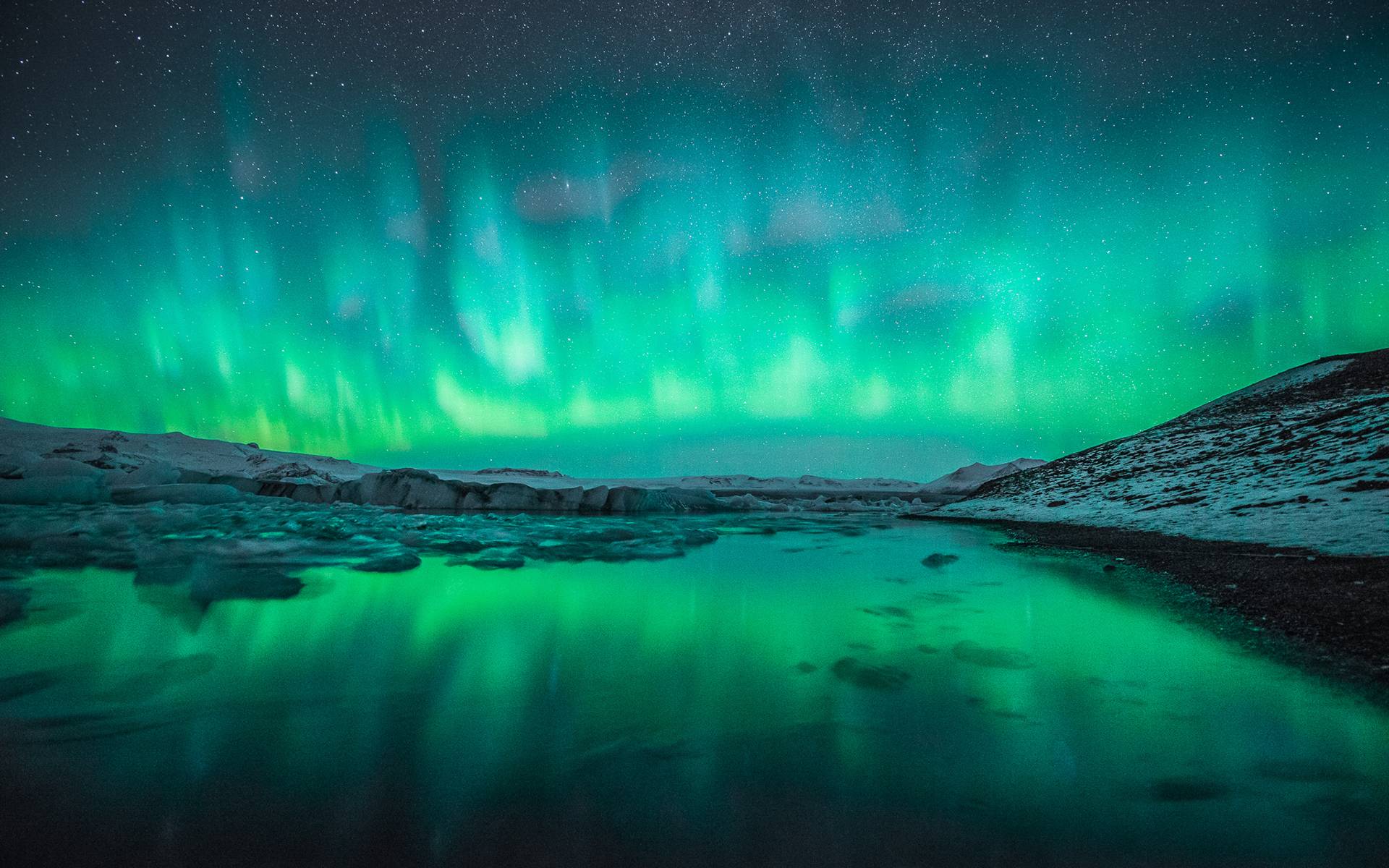
Artistic Aurora Eye Image Illustration
Immerse yourself in the stunning details of this beautiful aurora eye wallpaper, designed for a captivating visual experience.
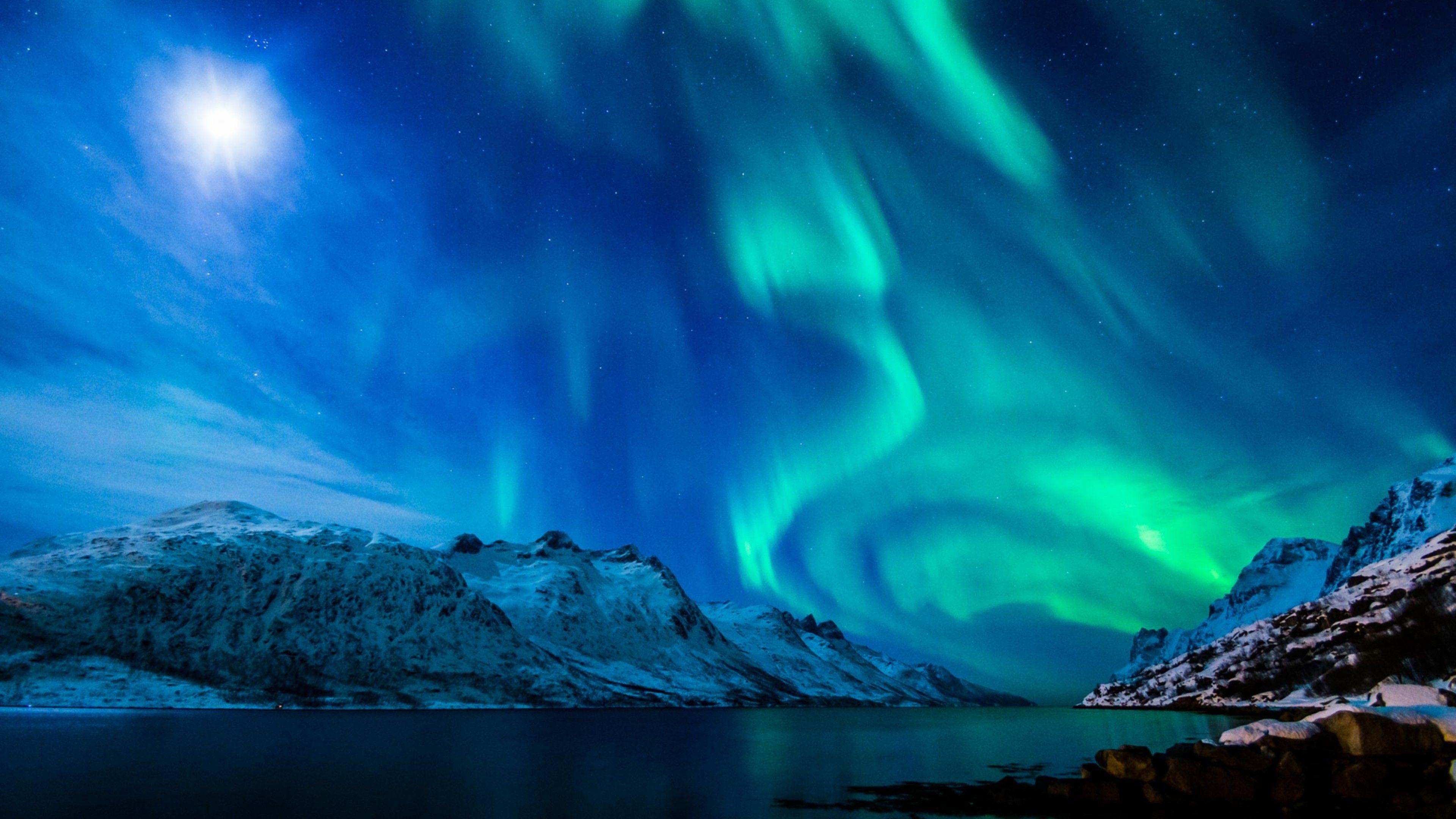
Vivid Aurora Eye Photo for Desktop
Discover an amazing aurora eye background image, ideal for personalizing your devices with vibrant colors and intricate designs.
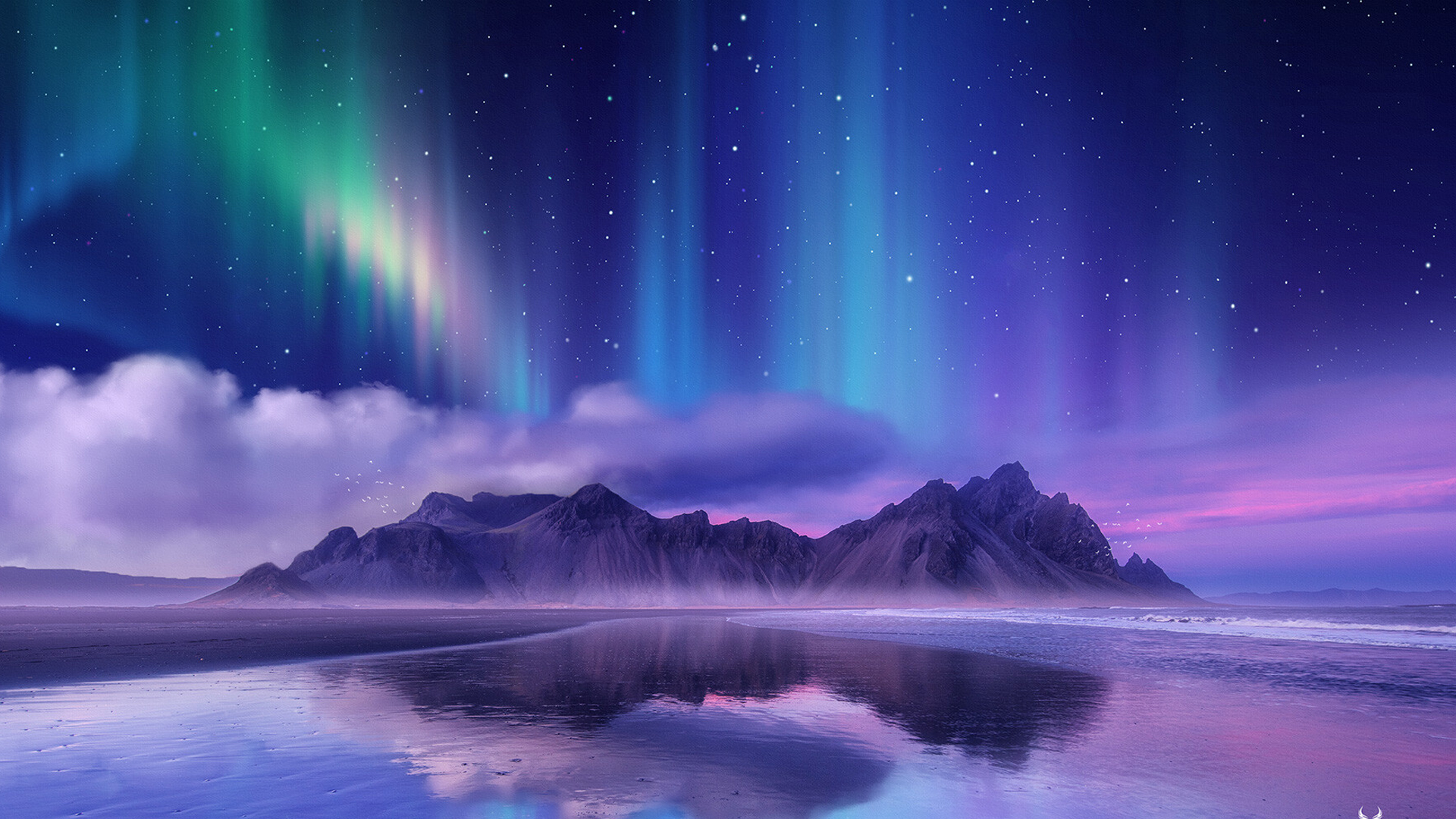
Artistic Aurora Eye View Collection
Find inspiration with this unique aurora eye illustration, crafted to provide a fresh look for your background.
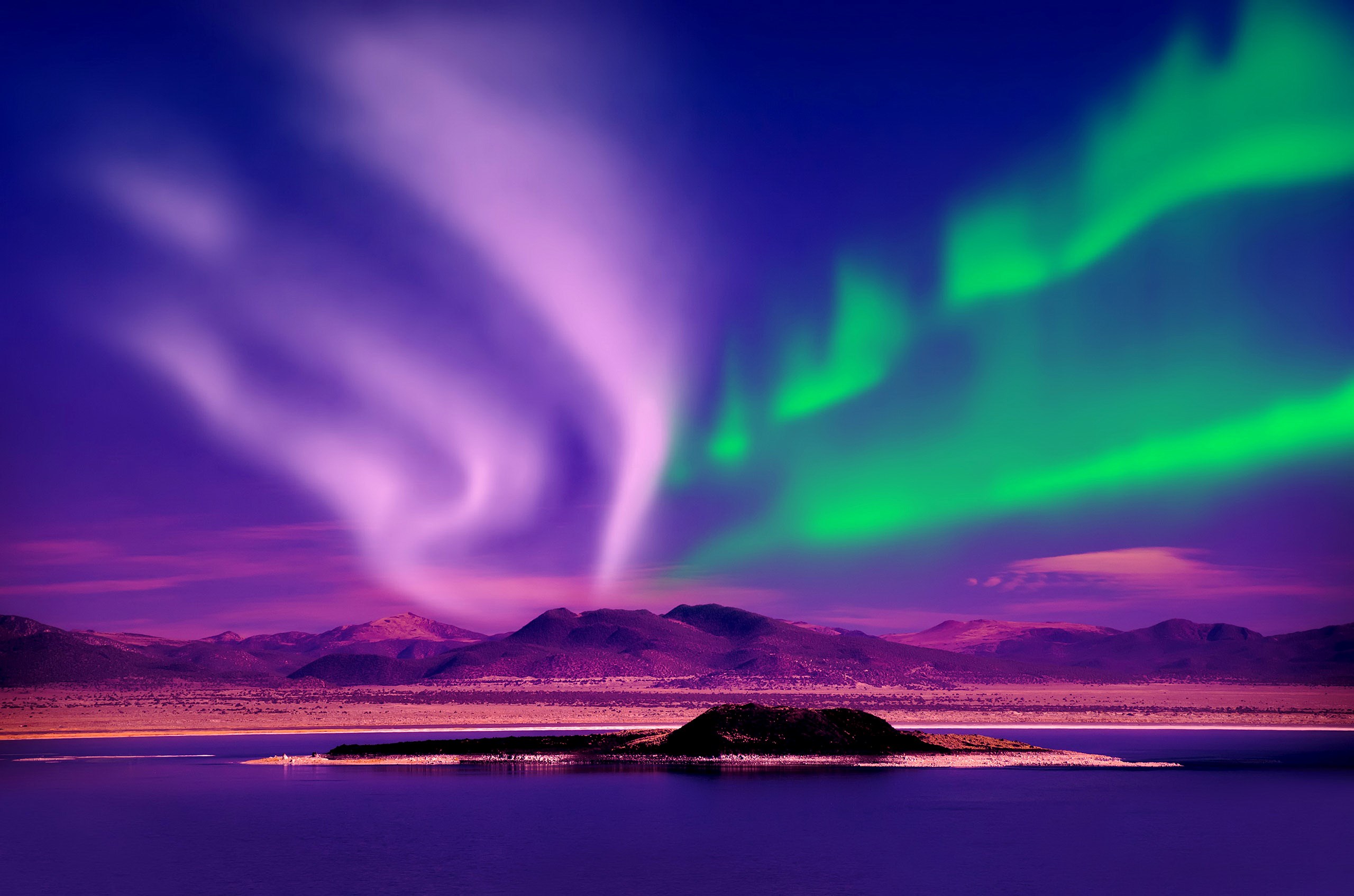
Serene Aurora Eye Abstract in HD
Discover an amazing aurora eye background image, ideal for personalizing your devices with vibrant colors and intricate designs.

Captivating Aurora Eye Design for Desktop
Immerse yourself in the stunning details of this beautiful aurora eye wallpaper, designed for a captivating visual experience.
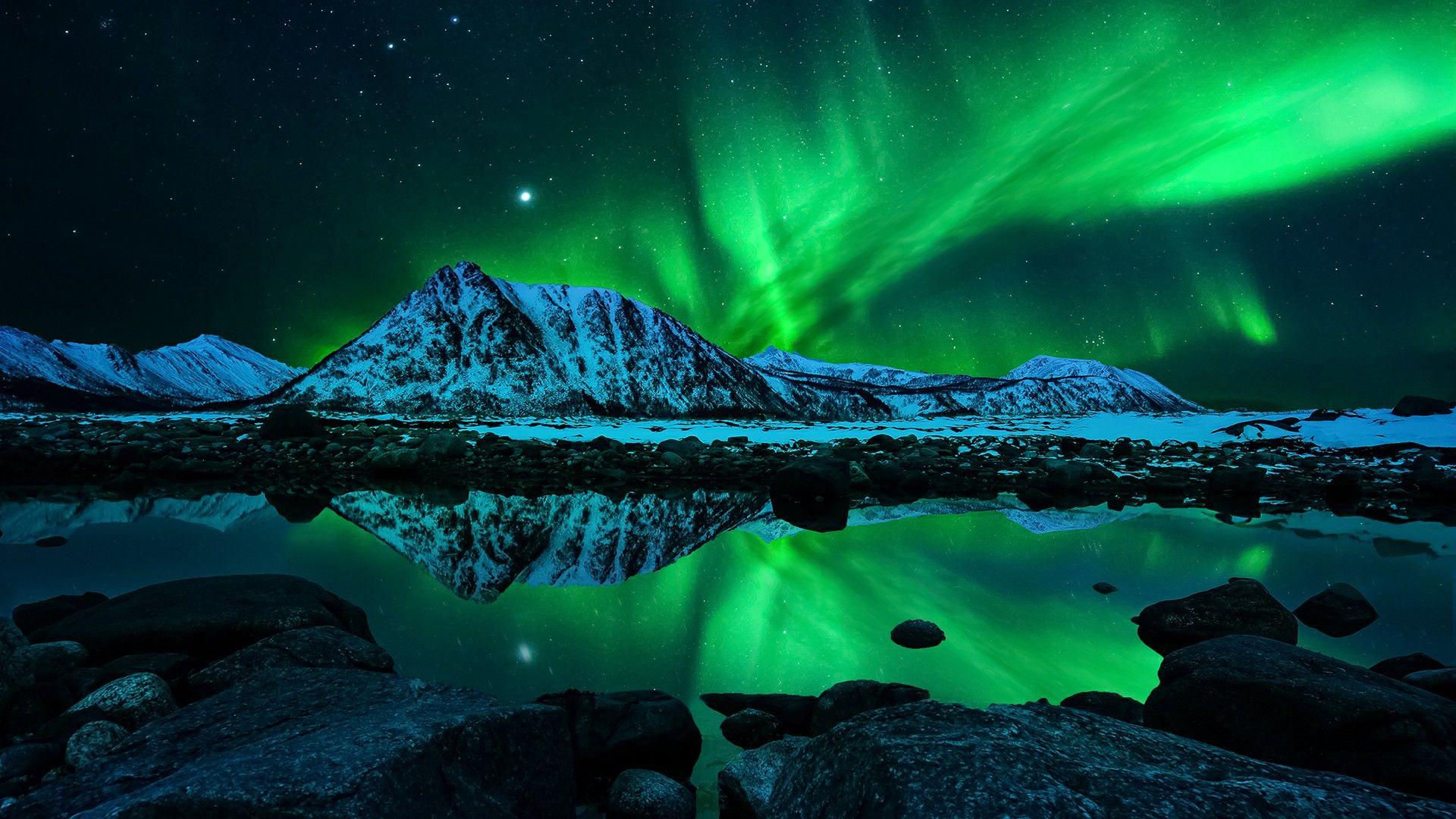
Exquisite Aurora Eye Scene Photography
Find inspiration with this unique aurora eye illustration, crafted to provide a fresh look for your background.

High-Quality Aurora Eye Capture in HD
Transform your screen with this vivid aurora eye artwork, a true masterpiece of digital design.
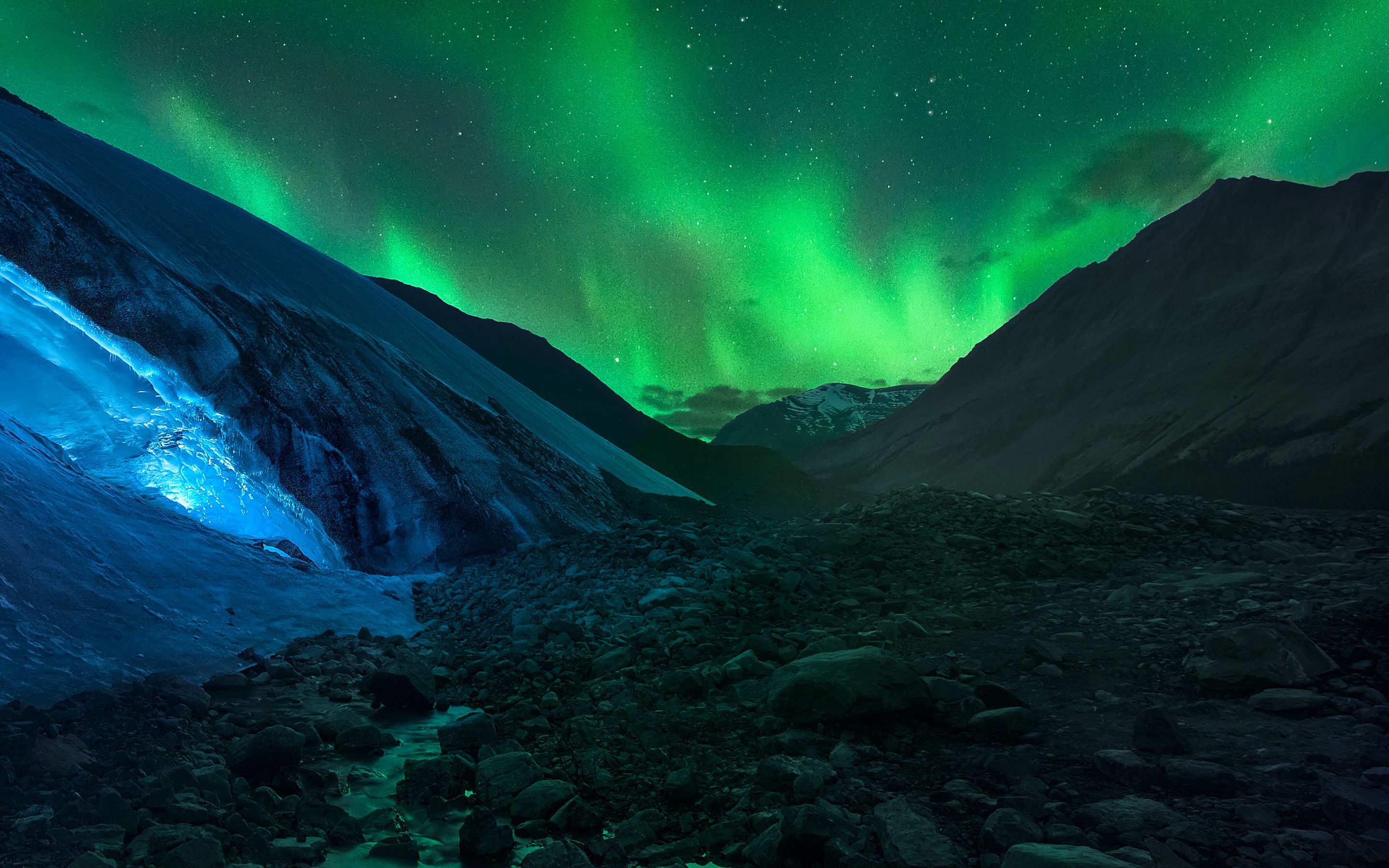
Exquisite Aurora Eye View Concept
This gorgeous aurora eye photo offers a breathtaking view, making it a perfect choice for your next wallpaper.
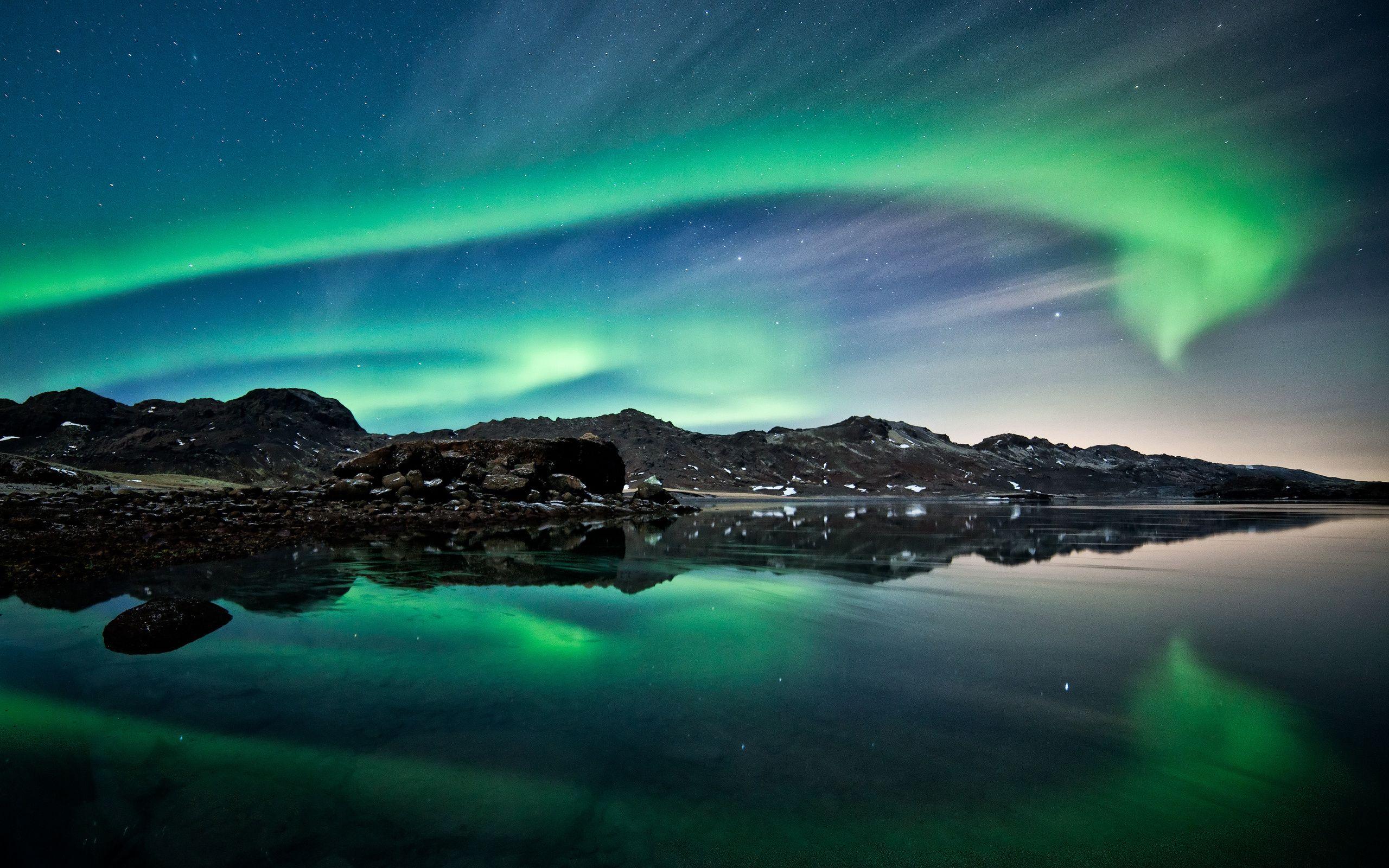
Vibrant Aurora Eye Scene for Your Screen
Explore this high-quality aurora eye image, perfect for enhancing your desktop or mobile wallpaper.

Breathtaking Aurora Eye Design Collection
Transform your screen with this vivid aurora eye artwork, a true masterpiece of digital design.
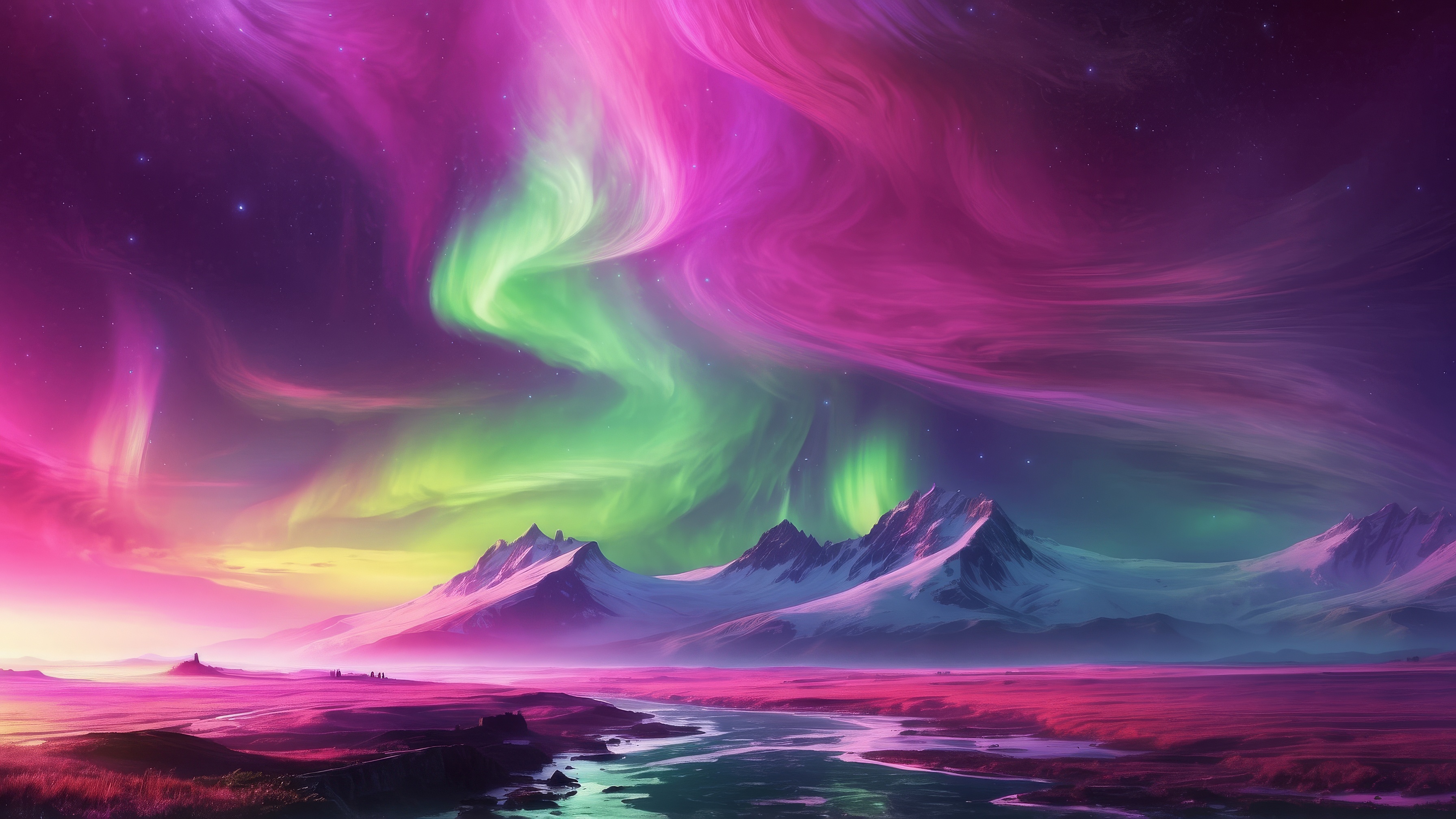
Gorgeous Aurora Eye Design Illustration
This gorgeous aurora eye photo offers a breathtaking view, making it a perfect choice for your next wallpaper.
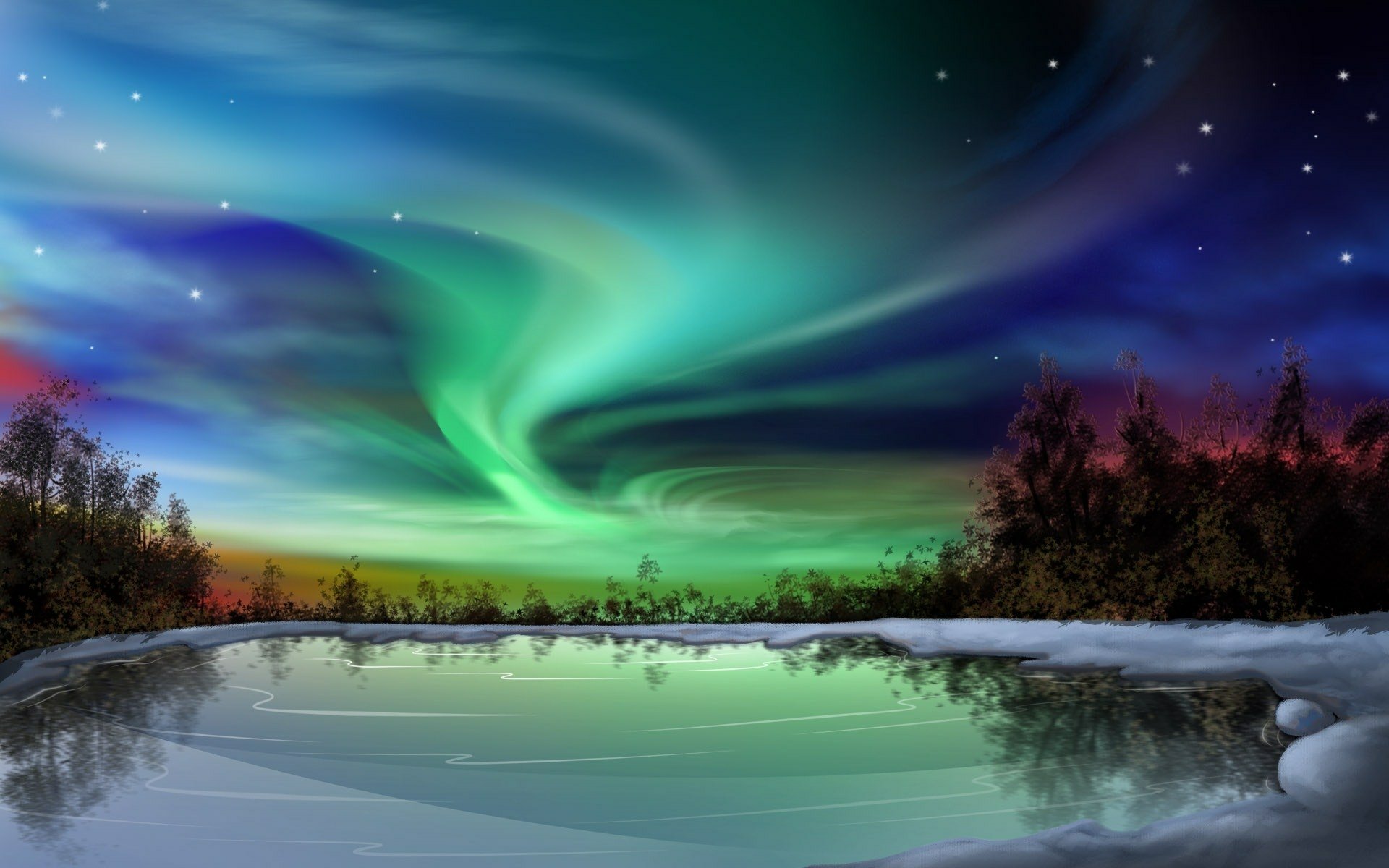
Amazing Aurora Eye Design Art
Discover an amazing aurora eye background image, ideal for personalizing your devices with vibrant colors and intricate designs.
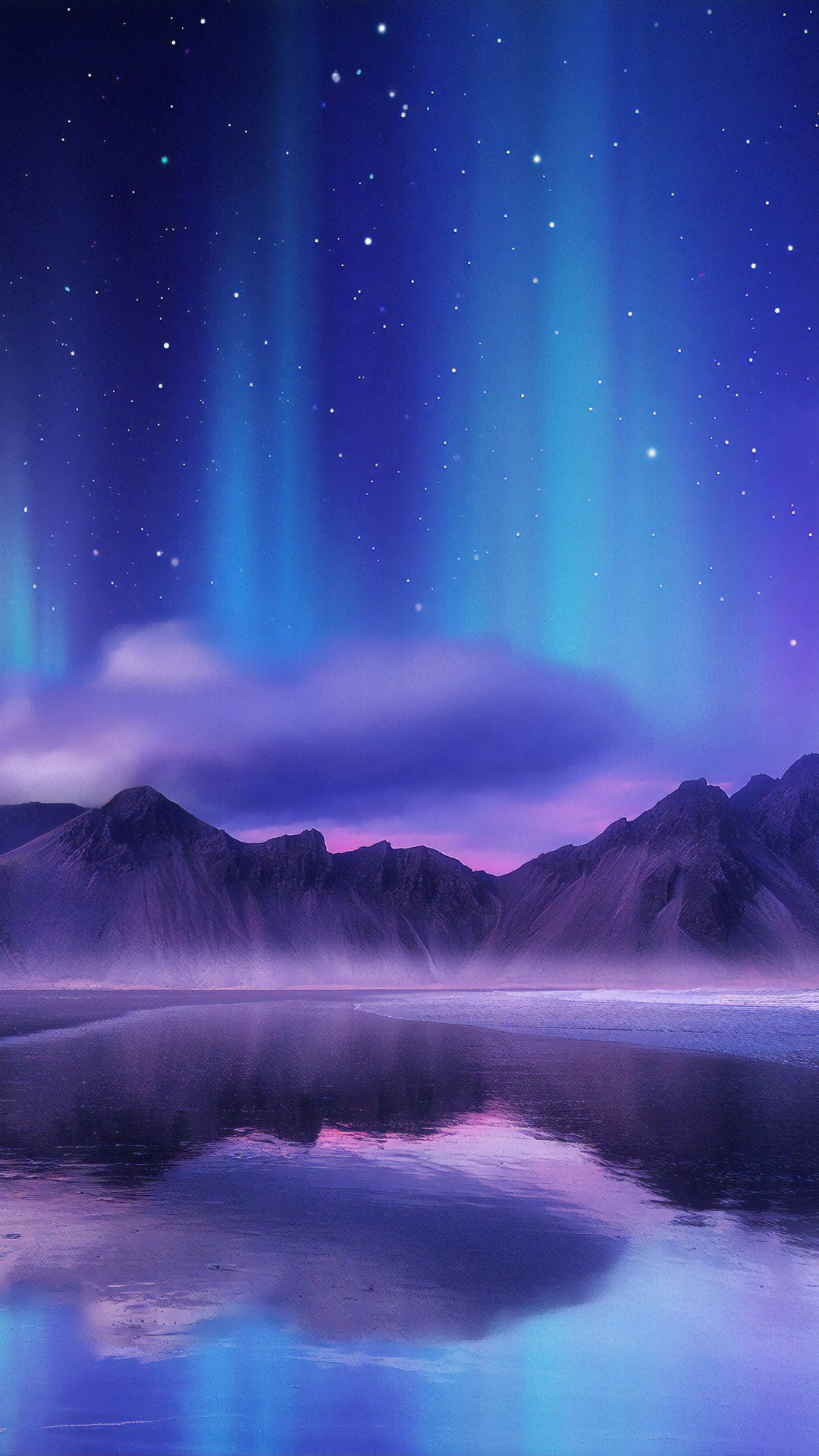
Gorgeous Aurora Eye Background in HD
Immerse yourself in the stunning details of this beautiful aurora eye wallpaper, designed for a captivating visual experience.
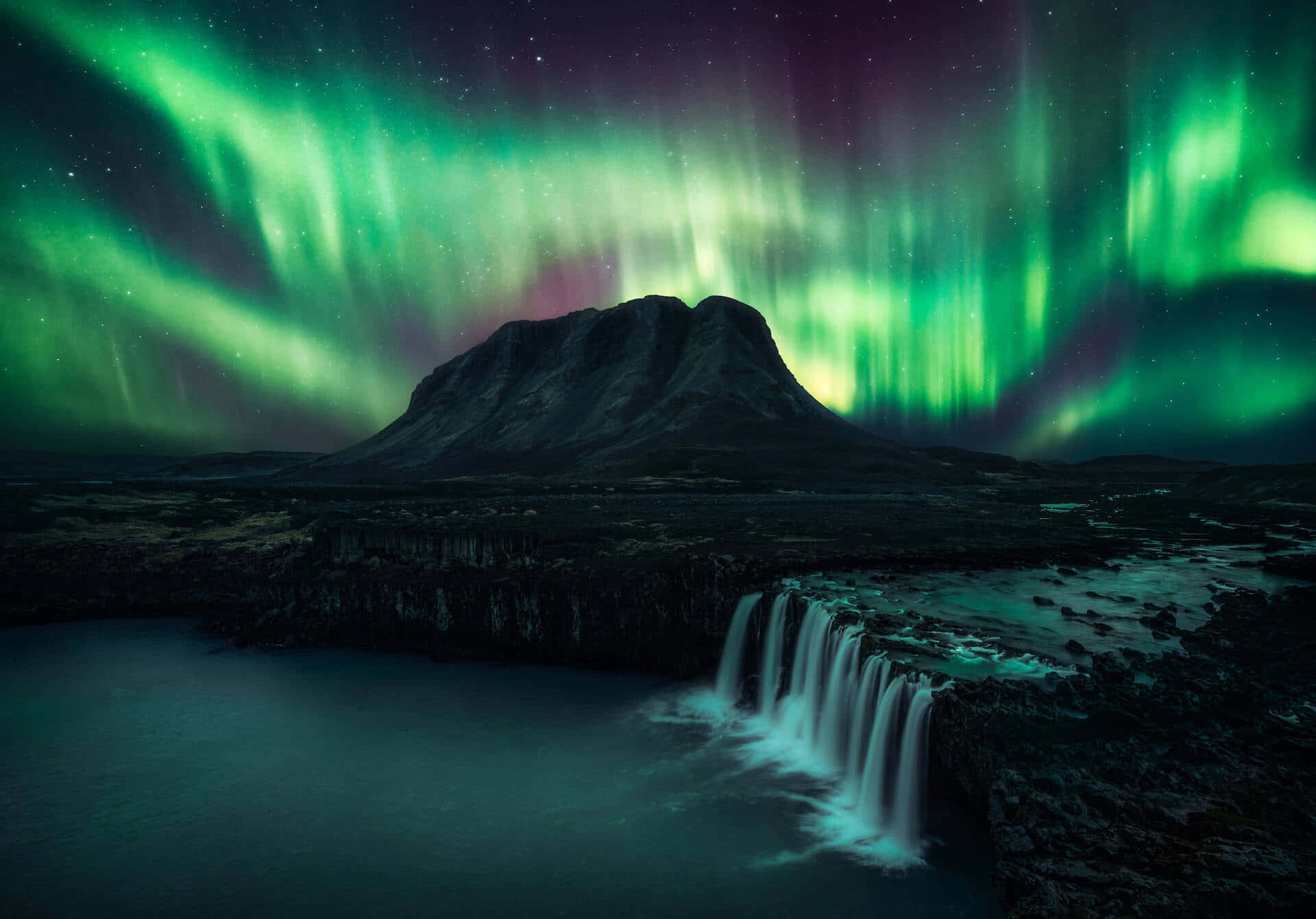
Amazing Aurora Eye Image Art
Discover an amazing aurora eye background image, ideal for personalizing your devices with vibrant colors and intricate designs.
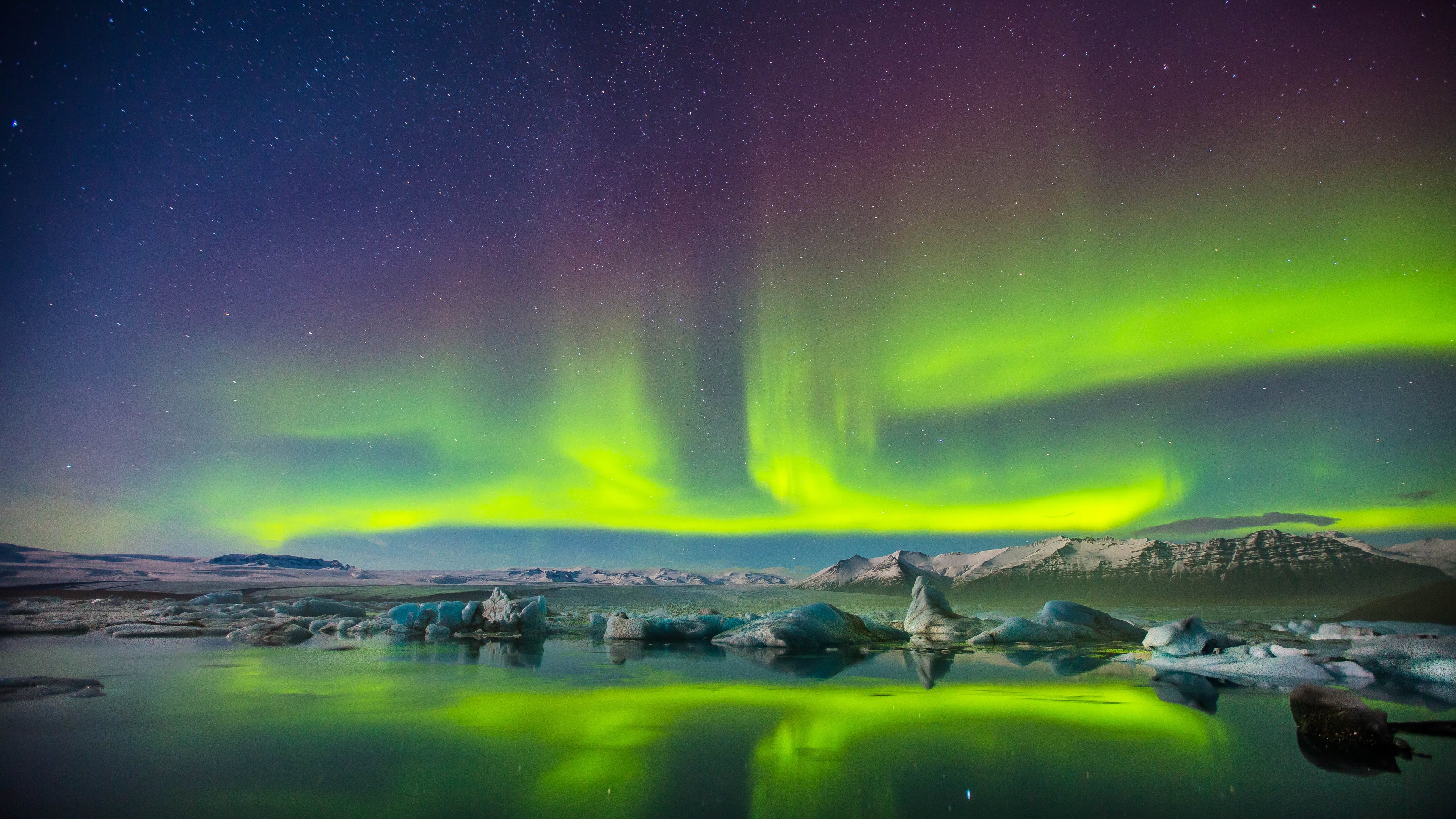
Dynamic Aurora Eye View in HD
A captivating aurora eye scene that brings tranquility and beauty to any device.
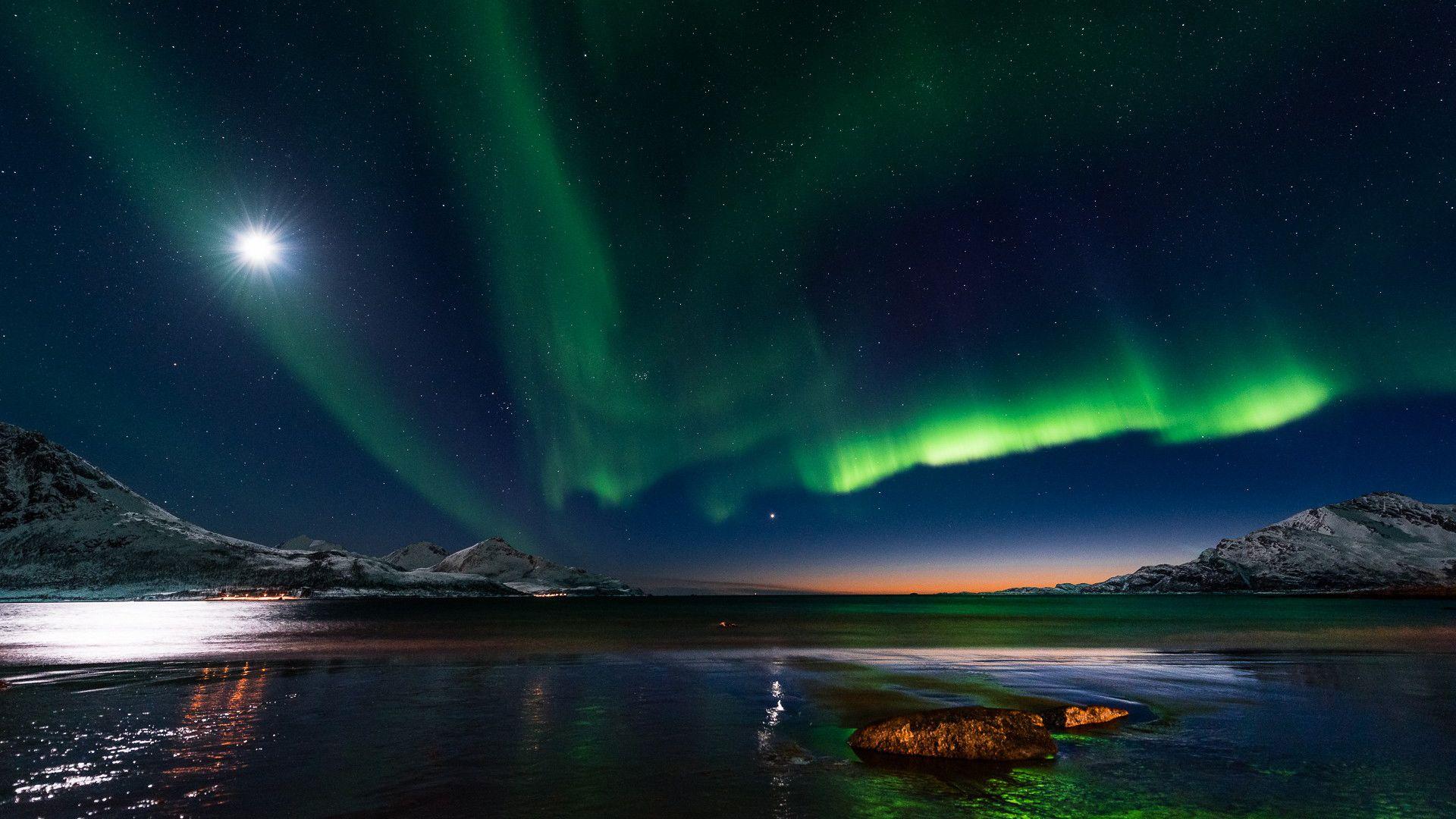
Exquisite Aurora Eye Capture Photography
Find inspiration with this unique aurora eye illustration, crafted to provide a fresh look for your background.
Download these aurora eye wallpapers for free and use them on your desktop or mobile devices.
0 Response to "Aurora Eye"
Post a Comment