Dry Eye Examination
Dry Eye Examination: Everything You Need to Know Before Your Visit
If you've been dealing with gritty, burning, or persistently uncomfortable eyes, you might be suffering from Dry Eye Syndrome (DES). It's a very common condition, but that doesn't make it any less irritating.
Taking the step toward diagnosis is the most important part of finding relief. This article will walk you through exactly what a comprehensive Dry Eye Examination entails, ensuring you feel prepared and comfortable before you even sit in the eye doctor's chair.
We'll cover everything from the preliminary questions to the specific tests designed to measure your tears and assess the overall health of your ocular surface. Let's dive in!
Understanding Dry Eyes: Why Are My Eyes Bothering Me?
Dry eye occurs when your tears aren't functioning correctly. Tears aren't just water; they are a complex mix of water, oil, and mucus, designed to keep your eyes smooth, clear, and protected.
When this balance is off—either due to insufficient tear production (Aqueous Deficiency) or rapid evaporation (Evaporative Dry Eye)—you experience those tell-tale symptoms. Recognizing these issues is the first step toward a successful Dry Eye Examination.
Common Symptoms That Warrant an Examination
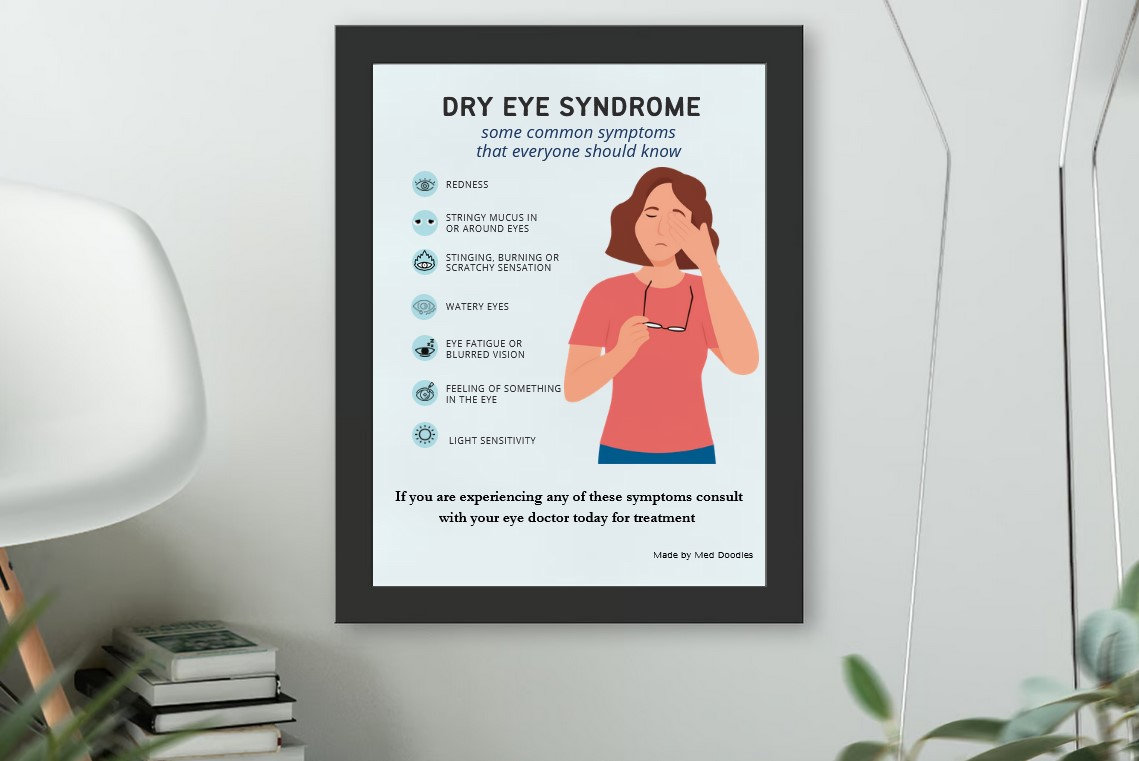
If you experience any of the following symptoms consistently, it's a strong signal that you need a professional assessment.
- A gritty feeling, like sand is in your eye.
- Stinging or burning sensations.
- Redness or irritation, especially late in the day.
- Excessive watering or tearing (ironically, the eye's response to irritation).
- Blurred vision that temporarily clears after blinking.
- Discomfort while wearing contact lenses.
Initial Steps: What Happens During a Dry Eye Examination?
The journey to diagnosing dry eyes always begins with a detailed conversation with your eye care professional. This helps them understand your lifestyle, medical history, and specific symptoms.
Patient History and Symptom Assessment
Expect your doctor to ask very specific questions about when your symptoms occur. They want to know if they are worse in the morning, after screen use, or in certain environments (like air conditioning or high wind).
They will also inquire about medications you are taking, as many common drugs (antihistamines, decongestants, certain antidepressants) can significantly contribute to dry eye problems. They may use standardized questionnaires, such as the Ocular Surface Disease Index (OSDI), to quantify the severity of your discomfort.
Checking Your Visual Acuity
Although dry eyes primarily affect comfort, severe cases can certainly impact vision quality. A standard vision test will usually be conducted early in your visit. This establishes a baseline and ensures no underlying refractive errors are contributing to your visual complaints.
Key Tests Performed During a Dry Eye Examination
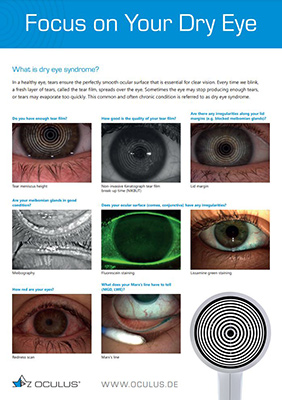
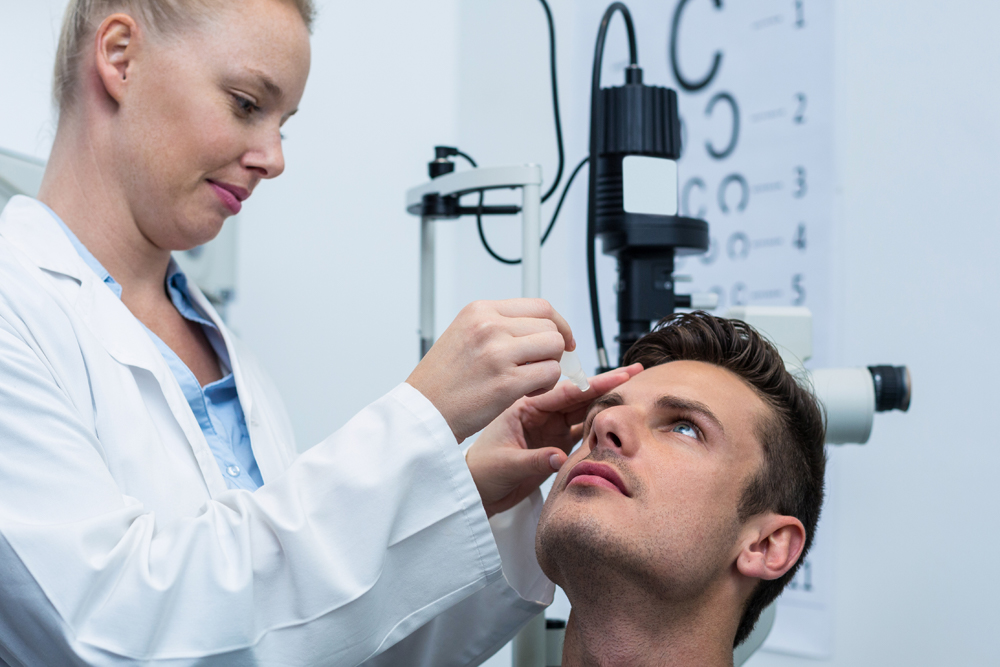
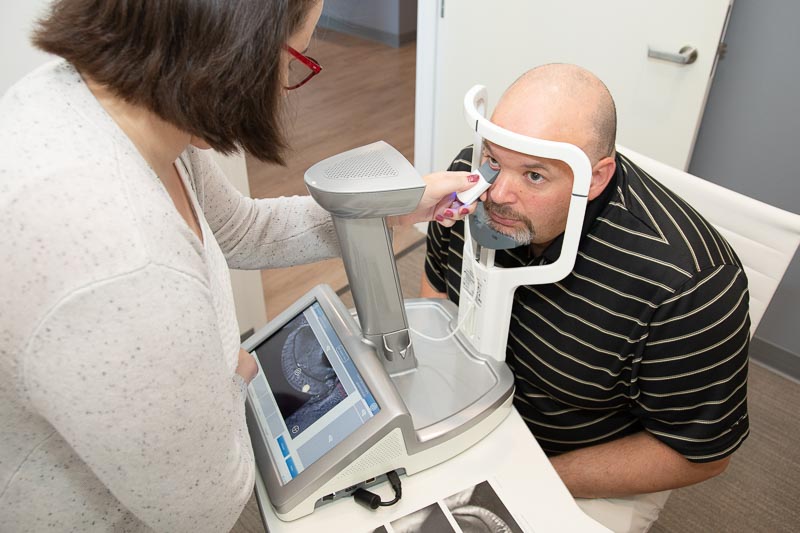
Once the initial assessment is complete, your doctor will perform several specialized tests to determine the quantity and quality of your tears. These tests are quick, non-invasive, and crucial for tailoring the right treatment plan.
The Schirmer Test: Measuring Tear Volume
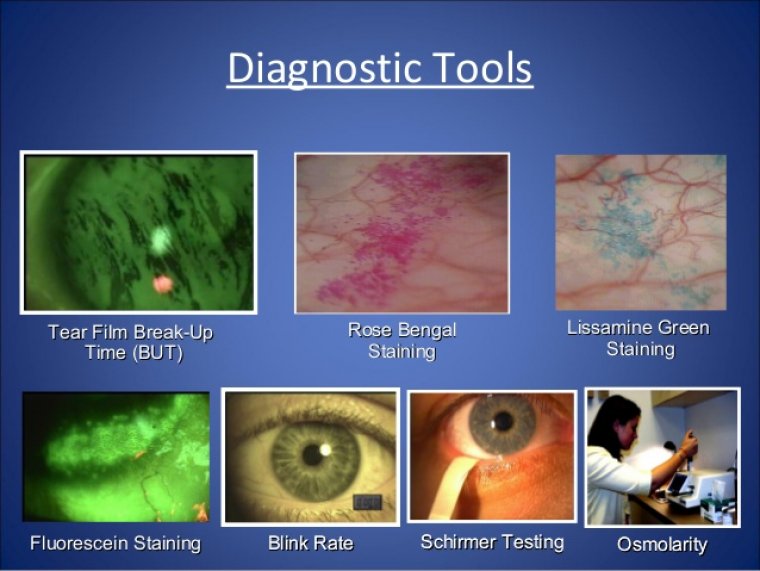
The Schirmer test is one of the oldest methods used to measure tear production. It involves placing small strips of filter paper inside your lower eyelid for about five minutes. The test measures how much of the paper is soaked by your tears during this time.
A low wetting result usually indicates aqueous deficiency, meaning your eyes simply aren't producing enough of the watery component of tears. It's painless, though it might feel slightly ticklish.
Tear Break-Up Time (TBUT) Assessment
While the Schirmer test measures volume, the TBUT assessment measures stability. This test tells the doctor how quickly your tears evaporate once you blink. If they evaporate too fast, you have evaporative dry eye—the most common type.
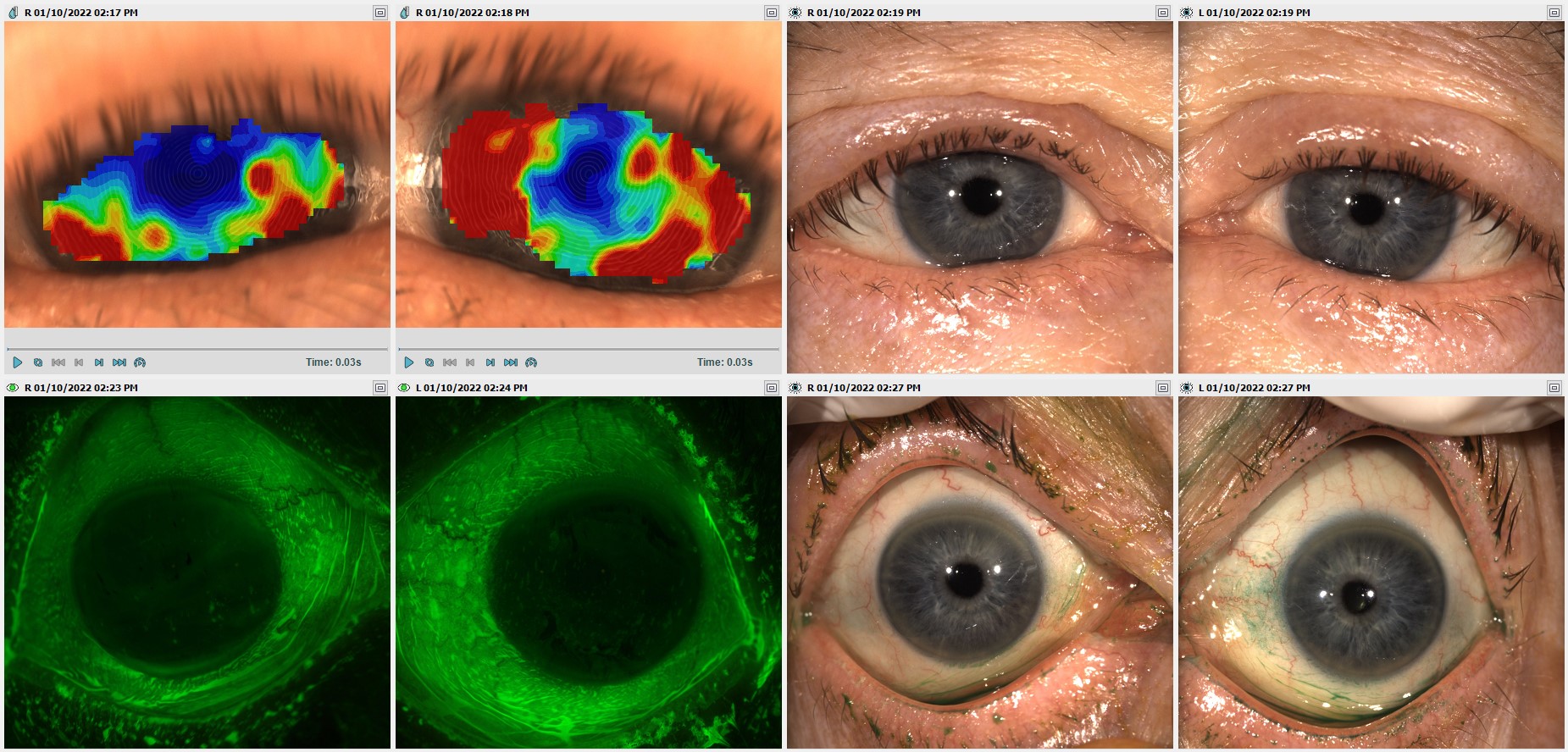
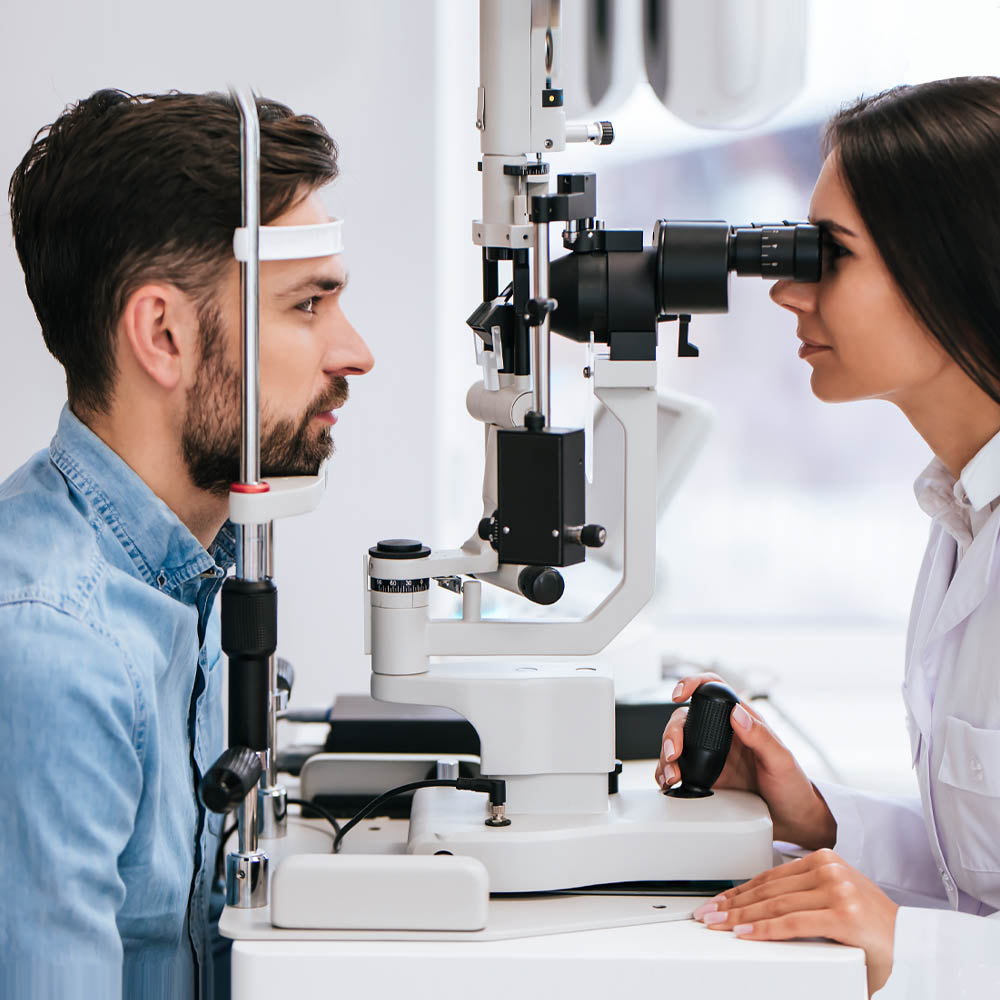
During the TBUT test, the doctor will introduce a small amount of fluorescein dye to the tear film. You will be asked to hold your eyes open after a blink, and the doctor observes through a slit lamp how long it takes for dry spots (breaks) to appear on the tear film. A TBUT of less than 10 seconds is generally considered abnormal.
Fluorescein and Lissamine Green Staining
These specialized dyes are critical tools during your Dry Eye Examination. When the tear film is unstable, parts of the cornea and conjunctiva can become exposed and damaged.
Fluorescein dye highlights damage or abrasions on the cornea, while Lissamine Green highlights damage on the conjunctiva (the white part of the eye). The staining pattern helps the doctor grade the severity of the damage caused by dryness.
Meibomian Gland Evaluation
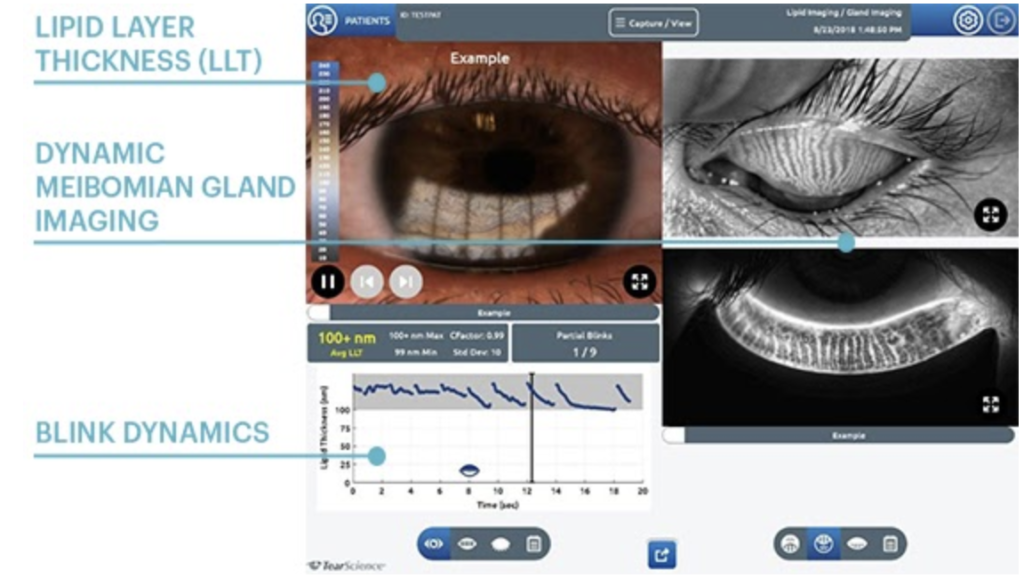
Did you know the oil layer of your tears comes from tiny glands lining your eyelids? These are called Meibomian Glands. Dysfunction of these glands (MGD) is the primary cause of evaporative dry eye.
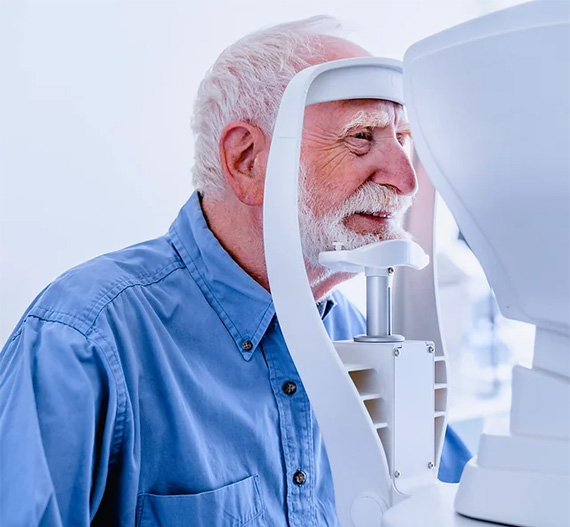
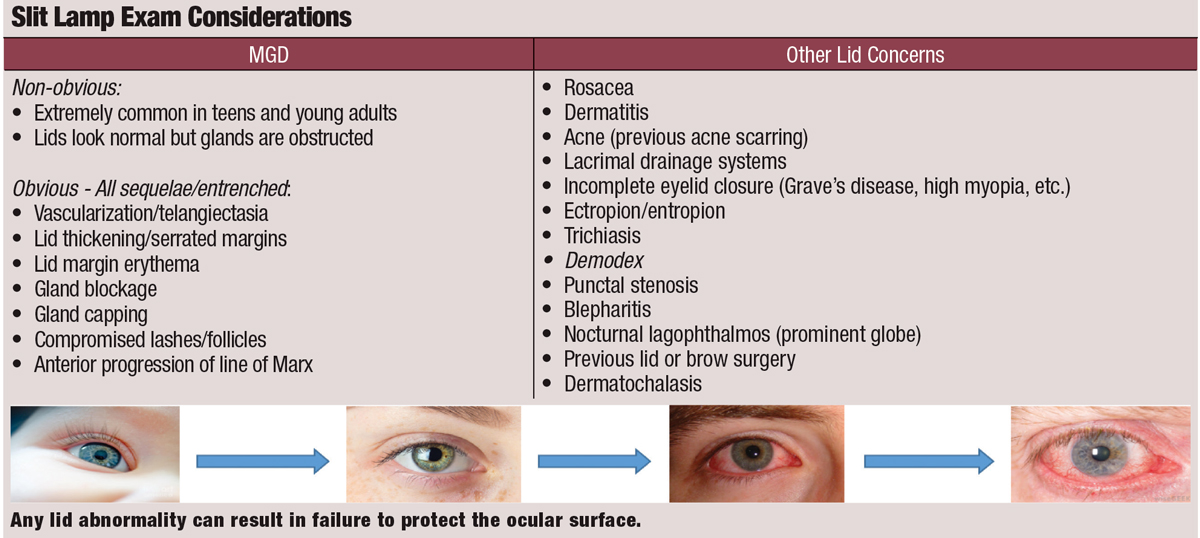
Your eye doctor will examine these glands using a slit lamp. They might gently press on your eyelids to check the consistency of the oil being expressed. Thick, paste-like oil, or lack of oil entirely, indicates MGD. Advanced examinations may even include meibography, which images the glands directly.
Preparing for Your Dry Eye Examination
A successful appointment relies partly on good preparation. Here are a few tips to ensure your eye doctor gets the most accurate data during your tests.
- Stop wearing contact lenses: Unless specifically instructed otherwise, try to avoid wearing contact lenses for at least 12 to 24 hours before your appointment. Contacts can temporarily alter the stability of your tear film.
- Bring a list of medications: Note down all prescription and over-the-counter medications, including supplements. This is critical for identifying potential contributing factors.
- Don't use artificial tears immediately beforehand: While lubricating drops are helpful, using them right before your appointment can skew the results of the Schirmer or TBUT tests.
- Be specific about timing: Detail when your symptoms are the worst and what activities seem to trigger them.
By following these steps, you help facilitate a highly accurate and efficient Dry Eye Examination.
What Happens After the Diagnosis?
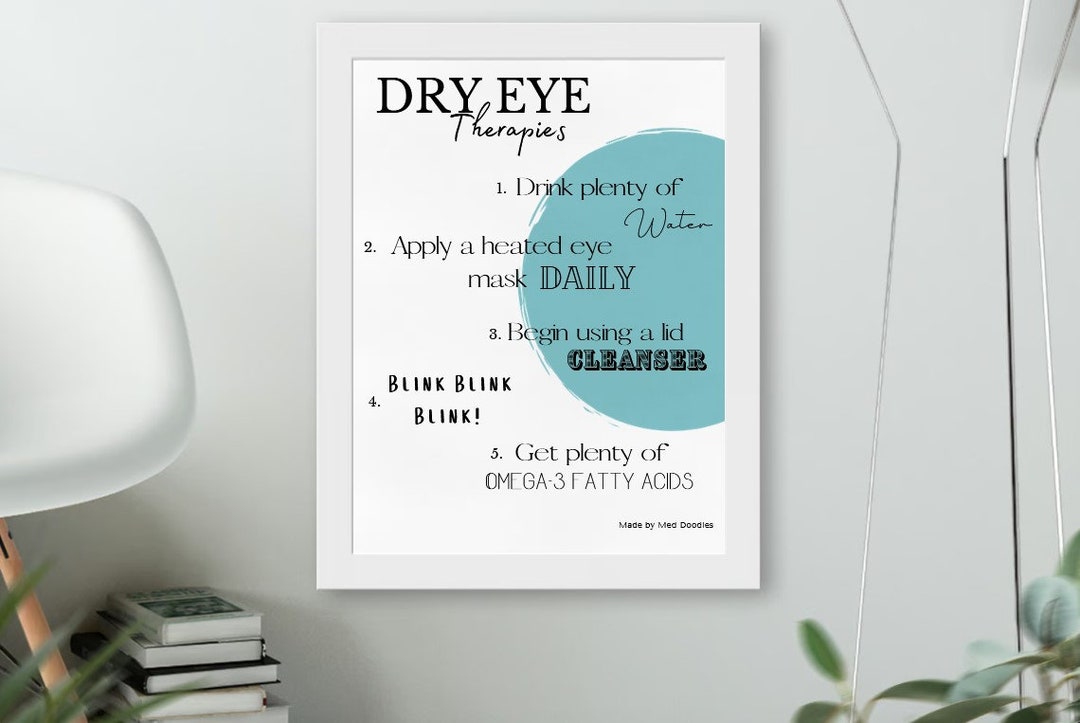
Once your doctor has all the necessary data, they will formulate a treatment plan tailored specifically to the type and severity of your dry eye. Treatment options are broad and may include prescription drops, nutritional supplements, specific lid hygiene routines, or even in-office procedures like punctal plugs or LipiFlow.
Conclusion
Dealing with dry, uncomfortable eyes can significantly reduce your quality of life, but relief is certainly achievable through a structured and comprehensive process. The detailed Dry Eye Examination is the critical first step in uncovering the root cause of your symptoms, whether it's insufficient tear production or rapid tear evaporation.
Remember that the various tests—including Schirmer, TBUT, and gland evaluations—provide a complete picture of your ocular health. Don't hesitate to schedule your appointment; understanding your condition is the best defense against chronic discomfort.
Frequently Asked Questions (FAQ) About the Dry Eye Examination
- What is the main difference between an aqueous deficiency and evaporative dry eye?
- Aqueous deficiency means your eyes aren't producing enough of the watery component of tears (measured by the Schirmer Test). Evaporative dry eye means the tears you do produce evaporate too quickly, often due to poor oil production from the Meibomian Glands (measured by the TBUT test). The Dry Eye Examination aims to distinguish between these two types.
- Is the Dry Eye Examination painful?
- No, the examination is generally not painful. Some tests, like the Schirmer test, might cause a mild sensation of foreign body irritation or a slight tickle, but they are very well tolerated. The use of diagnostic dyes is also harmless and temporary.
- How long does a specialized Dry Eye Examination take?
- While a standard eye exam might take 30 minutes, a comprehensive Dry Eye Examination focusing solely on ocular surface disease can take between 45 to 60 minutes, depending on the number of advanced tests required, such as meibography or specific diagnostic imaging.
- Do I need to stop wearing makeup before my appointment?
- It is highly recommended that you arrive without eye makeup, especially eyeliner and mascara. Residue from these products can contaminate the diagnostic dyes and potentially interfere with the Meibomian Gland evaluation, leading to less accurate results.
Dry Eye Examination
Dry Eye Examination Wallpapers
Collection of dry eye examination wallpapers for your desktop and mobile devices.
Captivating Dry Eye Examination Picture Digital Art
Find inspiration with this unique dry eye examination illustration, crafted to provide a fresh look for your background.

Lush Dry Eye Examination Landscape for Your Screen
A captivating dry eye examination scene that brings tranquility and beauty to any device.
Vibrant Dry Eye Examination Abstract Nature
Discover an amazing dry eye examination background image, ideal for personalizing your devices with vibrant colors and intricate designs.
Stunning Dry Eye Examination View for Mobile
This gorgeous dry eye examination photo offers a breathtaking view, making it a perfect choice for your next wallpaper.
Stunning Dry Eye Examination View Art
Find inspiration with this unique dry eye examination illustration, crafted to provide a fresh look for your background.

Serene Dry Eye Examination Scene Collection
Transform your screen with this vivid dry eye examination artwork, a true masterpiece of digital design.

Crisp Dry Eye Examination Moment for Desktop
A captivating dry eye examination scene that brings tranquility and beauty to any device.
Detailed Dry Eye Examination Artwork in 4K
Experience the crisp clarity of this stunning dry eye examination image, available in high resolution for all your screens.
Stunning Dry Eye Examination Design Illustration
Immerse yourself in the stunning details of this beautiful dry eye examination wallpaper, designed for a captivating visual experience.
Stunning Dry Eye Examination Picture Nature
This gorgeous dry eye examination photo offers a breathtaking view, making it a perfect choice for your next wallpaper.

Stunning Dry Eye Examination Image Illustration
Find inspiration with this unique dry eye examination illustration, crafted to provide a fresh look for your background.
High-Quality Dry Eye Examination Background Illustration
Transform your screen with this vivid dry eye examination artwork, a true masterpiece of digital design.
Vibrant Dry Eye Examination Photo for Desktop
Explore this high-quality dry eye examination image, perfect for enhancing your desktop or mobile wallpaper.

Exquisite Dry Eye Examination Abstract in 4K
Find inspiration with this unique dry eye examination illustration, crafted to provide a fresh look for your background.
Detailed Dry Eye Examination Artwork Digital Art
Explore this high-quality dry eye examination image, perfect for enhancing your desktop or mobile wallpaper.
Lush Dry Eye Examination Moment Illustration
A captivating dry eye examination scene that brings tranquility and beauty to any device.
Gorgeous Dry Eye Examination Abstract for Desktop
Immerse yourself in the stunning details of this beautiful dry eye examination wallpaper, designed for a captivating visual experience.
Amazing Dry Eye Examination Artwork Collection
Explore this high-quality dry eye examination image, perfect for enhancing your desktop or mobile wallpaper.
Dynamic Dry Eye Examination Wallpaper for Desktop
Find inspiration with this unique dry eye examination illustration, crafted to provide a fresh look for your background.

Lush Dry Eye Examination Artwork in HD
Immerse yourself in the stunning details of this beautiful dry eye examination wallpaper, designed for a captivating visual experience.
Download these dry eye examination wallpapers for free and use them on your desktop or mobile devices.
0 Response to "Dry Eye Examination"
Post a Comment