Eye Sight After Stroke
Eye Sight After Stroke: Your Essential Guide to Recovery and Hope
Experiencing a stroke is life-altering, and navigating the recovery process can feel overwhelming. Many survivors face unexpected challenges, and one of the most frightening changes involves their vision. If you or a loved one are struggling with your Eye Sight After Stroke, please know that you are not alone, and there is significant hope for improvement.
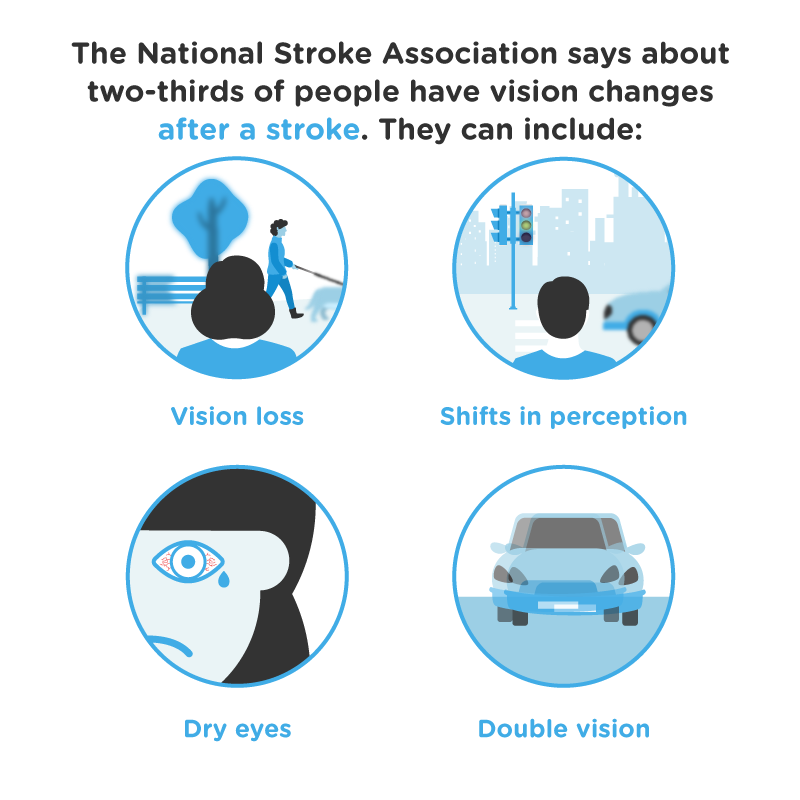
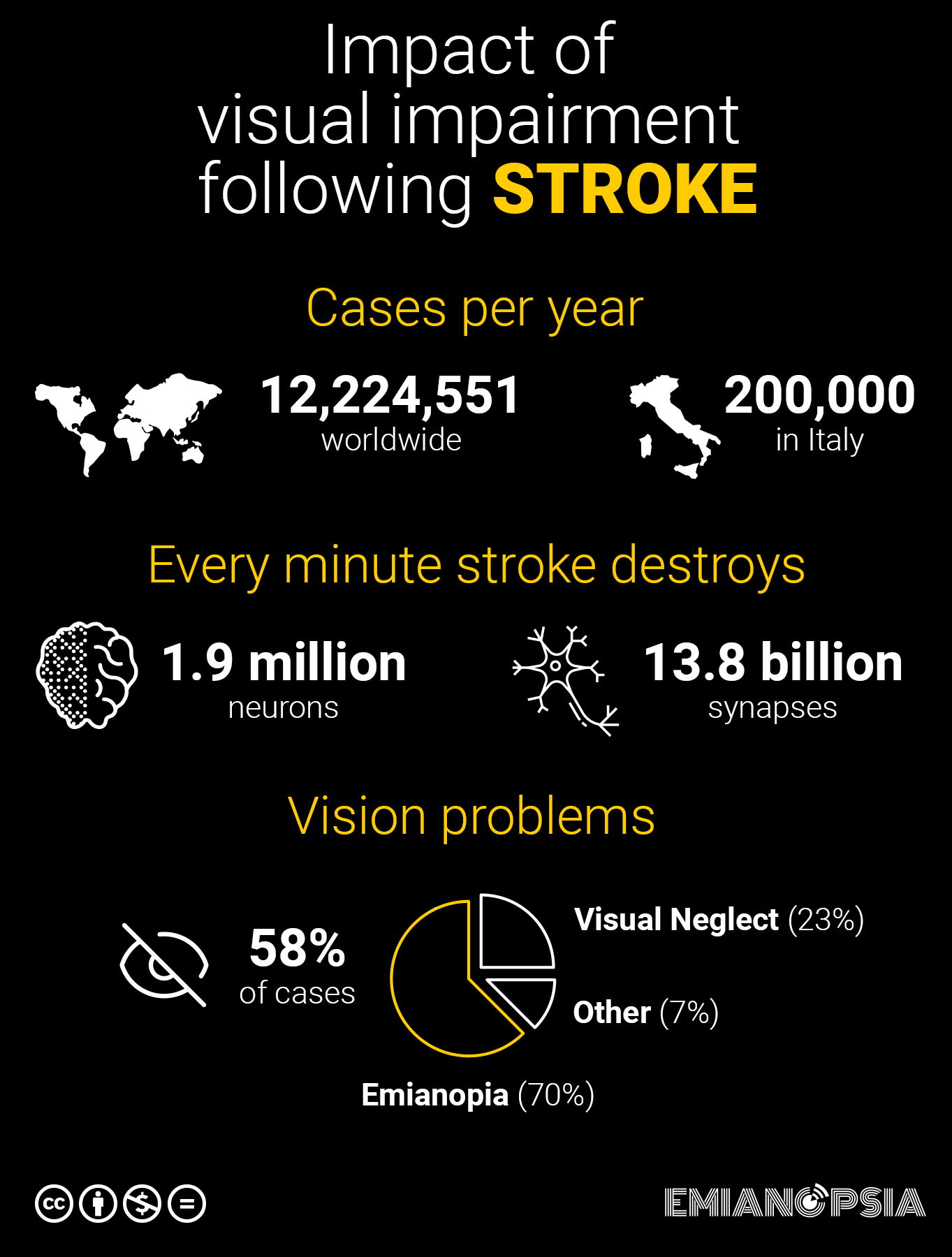
Vision impairment is actually one of the most common consequences of stroke, affecting up to two-thirds of all survivors immediately afterwards. Dealing with blurry vision, missing visual fields, or double vision adds tremendous difficulty to daily life and rehabilitation efforts. This guide aims to clearly explain why these changes happen, what treatments are available, and how you can reclaim your visual independence.
Why Does Vision Change After a Stroke?
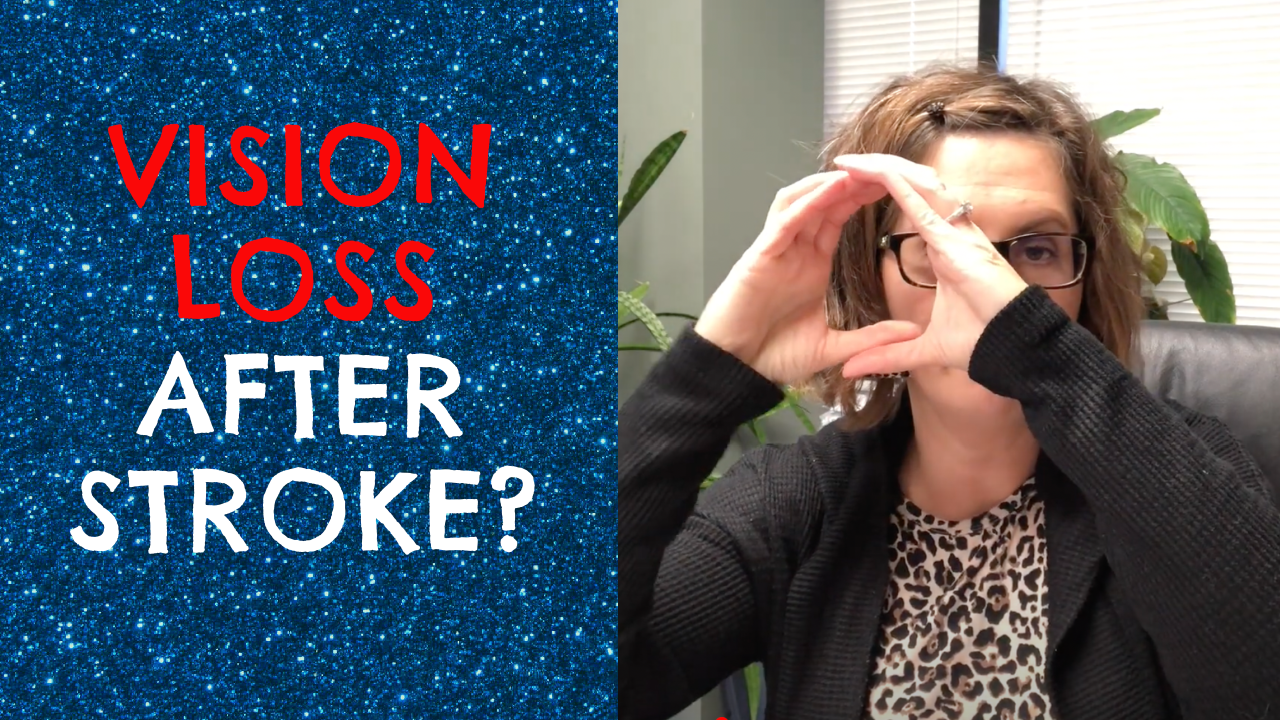
When most people think of stroke, they usually focus on issues like mobility or speech. However, strokes often affect the parts of the brain responsible for processing visual information, leading to vision loss or distortion. It's not usually the eyes themselves that are damaged, but the pathway connecting the eyes to the brain, or the brain's processing centers.
The Visual Pathway Explained
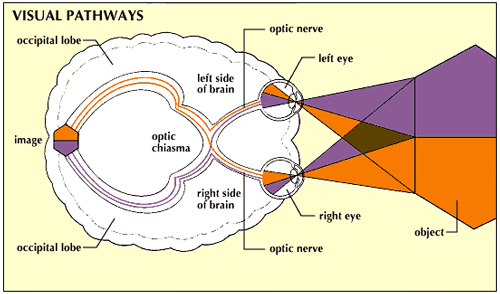
Your brain is constantly working to interpret the visual information received by your eyes. This information travels along the optic nerve and through several processing stations before reaching the visual cortex, located mainly in the occipital lobe at the back of your head. Damage to any part of this extensive pathway can lead to vision problems.
For example, a stroke in the posterior cerebral artery often cuts off blood supply to the occipital lobe. Since the occipital lobe is where sight is fundamentally processed, damage here directly impairs the ability to "see" what the eyes are capturing. Strokes can also affect the parietal lobe, which is responsible for spatial awareness and attention.
Common Types of Vision Problems After Stroke
The specific visual impairment you experience depends entirely on the location and severity of the stroke. Recognizing the type of vision loss is the first step toward effective rehabilitation and improving your overall Eye Sight After Stroke.
Here are some of the most common visual deficits seen:
- Hemianopia (Homonymous Hemianopsia): This is the most prevalent vision problem, where you lose half of your visual field in both eyes (e.g., you can only see the left side of space).
- Quadrantanopia: Similar to Hemianopia, but only a quarter of the visual field is lost.
- Diplopia (Double Vision): This happens when the muscles controlling eye movement are affected, making the eyes unable to work together simultaneously.
- Visual Neglect (Unilateral Spatial Neglect): This is a complex issue where the brain ignores visual input from one side of space, even though the eyes themselves can technically see it. This is often associated with parietal lobe damage.
- Visual Acuity Issues: The ability to see clearly might diminish, requiring new prescriptions or visual aids.
Diagnosing Vision Issues After Stroke
Early diagnosis is crucial for maximizing recovery time. While the emergency room doctors focus on stabilizing the stroke, a comprehensive vision assessment must follow quickly. Don't wait for your general practitioner to suggest it; be proactive and ask for a specialist referral.
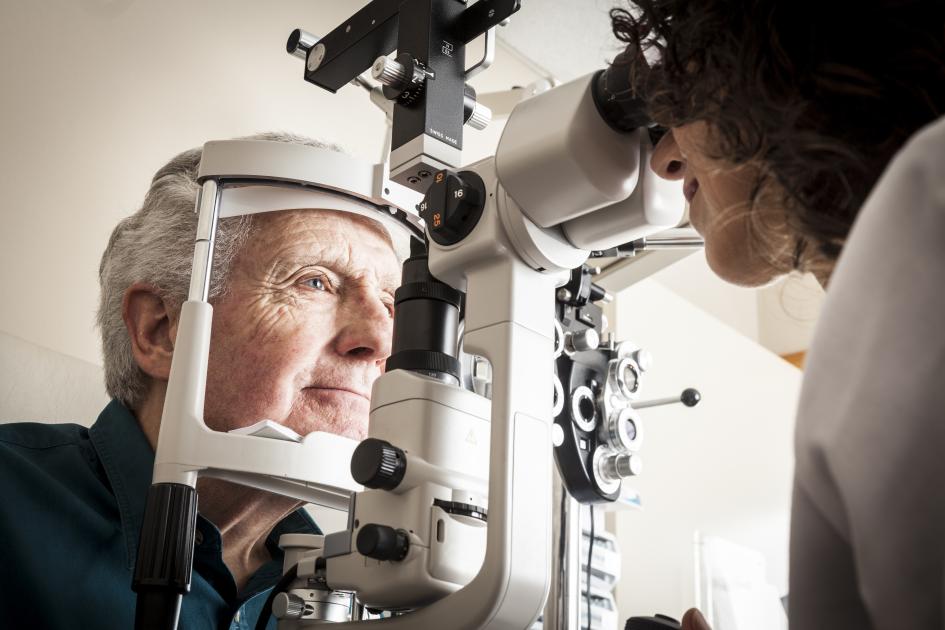
The best professional to evaluate your vision deficits is typically a neuro-ophthalmologist or a developmental/rehabilitation optometrist. These specialists understand the intricate relationship between brain injury and sight. Standard eye exams often miss stroke-related vision loss because the eye itself is healthy.
The diagnostic process usually involves visual field testing (perimetry), assessment of eye alignment, and testing visual scanning abilities. This careful assessment helps the rehabilitation team determine whether the focus should be on restoring the lost field or compensating for the loss.
Treatment and Rehabilitation Strategies
The good news is that the brain possesses remarkable plasticity, meaning it can reorganize itself. Many people see spontaneous improvement in their Eye Sight After Stroke, particularly in the first six months. However, specific therapies can significantly enhance and speed up this recovery process.
Vision Restoration Therapy (VRT)
Vision Restoration Therapy (VRT) is a structured, computer-based training program designed to help the brain relearn how to process visual information in the area surrounding the visual field loss. This therapy requires dedication, as it involves regular sessions over several months.
The goal of VRT is to stimulate the border zone between the blind area and the seeing area, potentially expanding the functional visual field. While results vary greatly among individuals, it represents a direct attempt to restore lost function, not just compensate for it.
Compensatory Techniques and Aids
For some types of vision loss, especially those that are severe or chronic, the focus shifts to compensatory training. This involves teaching the survivor effective scanning techniques to consciously sweep their gaze into the blind area. This is essential for preventing accidents and improving reading ability.
Various optical devices can also be immensely helpful, especially for those dealing with Hemianopia or Diplopia. These aids do not fix the issue but make navigating the world safer and more efficient.
Common compensatory aids include:
- Prism Lenses: These specialized lenses bend light to shift the image from the blind field into the seeing field, often used for double vision or visual field loss.
- Peli Prisms or Peripheral Awareness Prisms: Devices fitted to glasses that help alert the user to movement in their neglected visual field.
- Reading Guides and Line Markers: Simple tools that help those with visual field cuts keep their place while reading.
- Occlusion (Patching): Sometimes used temporarily for severe Diplopia, though often prisms are preferred.
Occupational Therapy's Role
Occupational Therapists (OTs) play a crucial role in integrating visual function back into daily life. They help survivors apply scanning techniques to functional tasks like cooking, dressing, and recognizing faces in a crowded room. OT focuses on safety and independence.
For someone with Visual Neglect, an OT might use specialized training to encourage turning the head and seeking objects on the neglected side. They also address crucial areas like depth perception and spatial awareness, which can be severely impacted when vision changes occur.
Living Well with Vision Changes
Adapting to a permanent change in vision takes time and patience. It's important to prioritize safety, especially at home, and to utilize resources that support your visual recovery journey. Never hesitate to modify your environment to suit your new needs.
Home Safety Adjustments:
- Ensure adequate lighting in all areas, especially stairways and bathrooms.
- Use contrasting colors to mark edges of steps and countertops.
- Keep floors clear of clutter and rugs that might cause tripping, which is a major risk when dealing with impaired peripheral vision.
Managing Driving Restrictions:
If you have lost a significant portion of your visual field, driving may no longer be safe or legally permitted. This is a difficult adjustment, but prioritizing safety is paramount. Consult with your neuro-ophthalmologist and local DMV about specific visual requirements.
Remember that recovery is a marathon, not a sprint. Celebrate small victories and lean on support systems to manage the frustration that often accompanies changes in Eye Sight After Stroke.
Conclusion
The path to recovering your Eye Sight After Stroke demands commitment, but the potential for improvement is real. Whether through natural brain reorganization, dedicated Vision Restoration Therapy, or utilizing smart compensatory aids like prism lenses, there are many avenues for regaining independence.
The most important step you can take today is seeking a specialized vision assessment immediately following the stroke event. With the right diagnosis and a tailored rehabilitation plan involving neuro-optometry and occupational therapy, you can learn to navigate the world safely and effectively again. Maintain hope, be persistent in your training, and know that improved vision and quality of life are absolutely achievable.
Frequently Asked Questions (FAQ) About Eye Sight After Stroke
- Can I fully recover my vision after a stroke?
- While spontaneous recovery is common, especially in the first few months, full recovery depends on the extent and location of the brain damage. For conditions like Hemianopia, some loss may be permanent, but rehabilitation focuses on maximizing the remaining vision and teaching effective compensatory techniques.
- How long does vision recovery take?
- The most significant improvements usually occur within the first six months post-stroke. However, visual improvements and adaptations through therapy can continue for years, thanks to the brain's neuroplasticity. Consistency in vision therapy is key.
- Is double vision (Diplopia) treatable?
- Yes, Diplopia is often treatable. Treatment options range from exercises to improve eye alignment, to specialized prism lenses fitted to glasses. In severe cases, patching one eye might be used temporarily, but prisms are generally preferred as they offer binocular function.
- What is the difference between an Optometrist and a Neuro-Ophthalmologist?
- A Neuro-Ophthalmologist is a medical doctor (MD) who specializes in vision problems related to the nervous system and brain (like those caused by stroke). A Rehabilitation Optometrist (OD) specializes in non-medical management and treatment, such as prescribing specialized lenses or providing vision therapy for functional deficits related to Eye Sight After Stroke.
Eye Sight After Stroke
Eye Sight After Stroke Wallpapers
Collection of eye sight after stroke wallpapers for your desktop and mobile devices.
Captivating Eye Sight After Stroke View in HD
This gorgeous eye sight after stroke photo offers a breathtaking view, making it a perfect choice for your next wallpaper.
High-Quality Eye Sight After Stroke Photo in 4K
Experience the crisp clarity of this stunning eye sight after stroke image, available in high resolution for all your screens.

Artistic Eye Sight After Stroke Capture Illustration
Find inspiration with this unique eye sight after stroke illustration, crafted to provide a fresh look for your background.
Dynamic Eye Sight After Stroke Wallpaper for Desktop
Immerse yourself in the stunning details of this beautiful eye sight after stroke wallpaper, designed for a captivating visual experience.

Artistic Eye Sight After Stroke View Photography
Immerse yourself in the stunning details of this beautiful eye sight after stroke wallpaper, designed for a captivating visual experience.

Mesmerizing Eye Sight After Stroke Image for Your Screen
Transform your screen with this vivid eye sight after stroke artwork, a true masterpiece of digital design.

Lush Eye Sight After Stroke Picture Art
Immerse yourself in the stunning details of this beautiful eye sight after stroke wallpaper, designed for a captivating visual experience.

Amazing Eye Sight After Stroke Design Nature
Experience the crisp clarity of this stunning eye sight after stroke image, available in high resolution for all your screens.

Breathtaking Eye Sight After Stroke Artwork for Mobile
Experience the crisp clarity of this stunning eye sight after stroke image, available in high resolution for all your screens.

Vivid Eye Sight After Stroke Image for Mobile
Experience the crisp clarity of this stunning eye sight after stroke image, available in high resolution for all your screens.

Exquisite Eye Sight After Stroke Design for Mobile
Find inspiration with this unique eye sight after stroke illustration, crafted to provide a fresh look for your background.

Dynamic Eye Sight After Stroke Picture Photography
Find inspiration with this unique eye sight after stroke illustration, crafted to provide a fresh look for your background.

Breathtaking Eye Sight After Stroke Photo Concept
Discover an amazing eye sight after stroke background image, ideal for personalizing your devices with vibrant colors and intricate designs.
Stunning Eye Sight After Stroke Background Concept
Find inspiration with this unique eye sight after stroke illustration, crafted to provide a fresh look for your background.

Detailed Eye Sight After Stroke Design in HD
Discover an amazing eye sight after stroke background image, ideal for personalizing your devices with vibrant colors and intricate designs.
Vibrant Eye Sight After Stroke Scene Digital Art
Experience the crisp clarity of this stunning eye sight after stroke image, available in high resolution for all your screens.
High-Quality Eye Sight After Stroke Design for Your Screen
Explore this high-quality eye sight after stroke image, perfect for enhancing your desktop or mobile wallpaper.

Mesmerizing Eye Sight After Stroke Abstract Nature
Discover an amazing eye sight after stroke background image, ideal for personalizing your devices with vibrant colors and intricate designs.

Breathtaking Eye Sight After Stroke Artwork for Desktop
Experience the crisp clarity of this stunning eye sight after stroke image, available in high resolution for all your screens.
Serene Eye Sight After Stroke Design in HD
Explore this high-quality eye sight after stroke image, perfect for enhancing your desktop or mobile wallpaper.
Download these eye sight after stroke wallpapers for free and use them on your desktop or mobile devices.
0 Response to "Eye Sight After Stroke"
Post a Comment