Eye Twitching Seizure
Is That Just a Twitch or an Eye Twitching Seizure? Understanding the Difference
Have you ever experienced that annoying, persistent flutter in your eyelid? Most of the time, that little spasm—what doctors call myokymia—is completely harmless, usually caused by stress or too much coffee. But what happens when that twitch feels more intense, perhaps accompanied by other symptoms?
Naturally, the thought can pop into your head: could this be an Eye Twitching Seizure? It's important to understand the connection between simple eye spasms and neurological activity.
While most twitches are benign, recognizing the signs of a potential seizure that manifests around the eye is crucial. We're here to break down the facts so you know exactly what to look for and when it's truly time to call the doctor.
What is Eye Twitching (And Why It Usually Isn't Scary)
Before we dive into the complex world of seizures, let's establish what a typical eye twitch looks like. This common occurrence is simply a tiny muscle spasm in the eyelid.
It is involuntary and usually involves the lower lid, though the upper lid can also participate. These spasms are generally painless, though they can certainly be quite irritating and distracting.
In most cases, they last for a few minutes and then disappear just as quickly as they arrived, leaving you slightly annoyed but perfectly fine.
Benign Eye Twitching (Myokymia) vs. Seizure
Myokymia, the medical term for benign eye twitching, is almost always related to controllable lifestyle factors. Understanding these triggers can help you manage them effectively and stop the twitch before it even starts.
These non-seizure related twitches occur because the tiny muscles surrounding the eye are temporarily irritated. Crucially, a benign twitch only affects the eyelid and does not involve other facial muscles or changes in consciousness.
Common triggers for this type of eye twitching include:
- High stress levels or ongoing anxiety.
- Excessive consumption of caffeine or alcohol.
- Severe fatigue or chronic lack of sleep.
- Eye strain resulting from long periods spent in front of a computer screen.
- Side effects resulting from certain prescription medications.
When a Twitch Might Be Something More
Sometimes, what looks like a simple twitch can be part of a larger, more complex neurological condition, such as Hemifacial Spasm (HFS). HFS is a rare condition where involuntary spasms occur on one side of the face, often starting around the eye and then progressing to the cheek and mouth.
While HFS is a movement disorder and not typically epilepsy, it shows how easily facial spasms can be misinterpreted. The key differentiator for HFS is that the spasms are usually sustained and not associated with altered brain electrical activity like an Eye Twitching Seizure.
Understanding the "Eye Twitching Seizure" Connection
When medical professionals refer to an Eye Twitching Seizure, they are generally referring to a specific type of epileptic activity called a focal onset seizure. These seizures begin in one particular area of the brain.
If the seizure originates in the part of the brain that controls facial muscles, especially the ones around the eye and mouth, it can manifest as rhythmic, repetitive eye twitching or rapid blinking. This is a very different mechanism from the random flutter of benign myokymia.
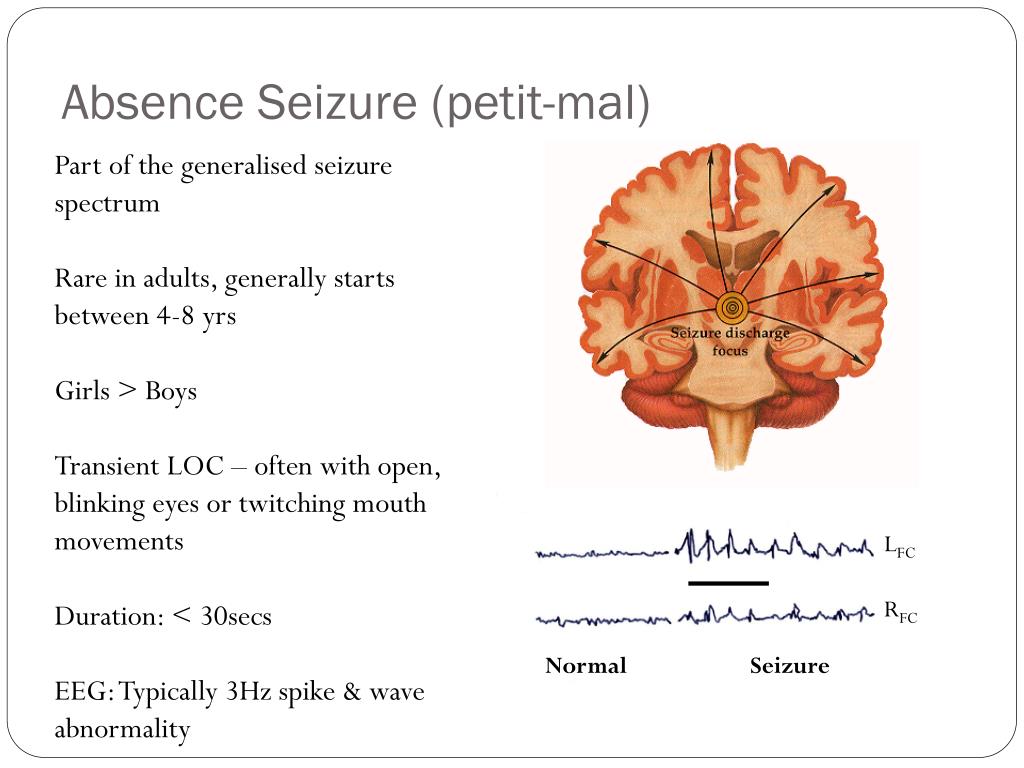
This type of seizure is caused by abnormal electrical discharge in the brain, essentially short-circuiting the normal communication pathways and causing the muscles to contract uncontrollably.
How Focal Seizures Present in the Eye Area
Focal seizures are defined by their localized origin. If the electrical disturbance occurs in the motor cortex controlling the face, the resulting twitching is typically highly organized, rhythmic, and consistently repetitive.
Unlike simple stress twitches, these movements often involve more than just the eyelid. You might notice the corner of the mouth twitching simultaneously, or possibly movement spreading into the neck or arm on the same side.
This spreading of focal motor symptoms is sometimes referred to as "Jacksonian March" and is a strong clinical indicator of genuine seizure activity.
Another crucial factor is consciousness. During a focal seizure, the person may experience changes in awareness. This can range from being completely aware but unable to stop the movement (focal aware) to being confused, staring off blankly, or having temporary memory loss (focal impaired awareness).
Specific Conditions Linked to Eye Movement Seizures
While many seizures involve generalized body movement, some specific epilepsy syndromes frequently include repetitive eye movements as a primary symptom. These syndromes often first present themselves in childhood or adolescence, making early diagnosis critical.
If the entire eyeball moves or deviates during the episode, rather than just the eyelid muscles fluttering, that is a serious sign that neurological assessment is needed. Regular, stress-induced twitches never cause the eyeball itself to move.
Two notable examples involving eye movement include:
- Eyelid Myoclonia with Absences (EMA): This syndrome is characterized by frequent, very short episodes where the eyelids flutter rapidly—sometimes dozens of times in a row. This is often accompanied by the eyes rolling slightly upwards (retroversion). A short absence seizure may sometimes follow this fluttering.
- Benign Epilepsy with Centrotemporal Spikes (BECTS) or Rolandic Epilepsy: Though these seizures are typically nocturnal, they can cause focal seizures affecting the face and throat, which may include facial or periocular twitching (twitching around the eye).
How to Spot the Difference: Twitch vs. Seizure
Distinguishing between benign myokymia and a focal Eye Twitching Seizure is vital for knowing when to seek urgent medical attention. If you are concerned, observing the details of the movement is your most powerful tool.
When assessing the movement, keep these three essential questions in mind:
- Is it Rhythmic? Seizure activity is often highly regular, predictable, and repeats itself in a pattern for the duration of the event. Benign twitches are more random, sporadic tremors that fade in and out.
- Does it Involve More Than the Eyelid? Seizures often spread to the rest of the face, involving the mouth, cheek, or neck muscles. Myokymia is strictly confined to the delicate muscles of the eyelid.
- Are You Confused or Unaware? Any change in awareness, even a brief moment of staring, feeling "distant," or being unable to speak clearly, strongly suggests a seizure rather than a simple benign twitch.
If the movement is happening to someone else, try to talk to them or try to get their attention. If they do not respond normally, seek immediate help.
Essential Steps for Diagnosis and When to See a Doctor
If you suspect your eye twitching is something more than stress, preparation is crucial before meeting with a neurologist. They will likely need specific and detailed information about the events, as there is no blood test for seizure disorders.
You should seek prompt medical advice if your eye twitching includes any of the following features:
- It is accompanied by weakness, numbness, or tingling in the face or body.
- It causes the entire eye to deviate, move, or roll back (nystagmus or eye deviation).
- It leads to a loss of awareness, confusion, or inability to communicate.
- It lasts consistently longer than a few minutes or is highly repetitive throughout the day without typical triggers like stress or caffeine.
- It clearly involves muscles beyond the eyelid, such as the cheek, forehead, or jaw.
A doctor will use diagnostic tools such as an EEG (Electroencephalogram) to monitor brain activity and determine if the electrical patterns match those of an epileptic seizure. An MRI or CT scan may also be used to rule out underlying structural causes in the brain.
Final Thoughts: Don't Panic, But Stay Aware
While the overwhelming majority of eye twitches are simply annoying symptoms of fatigue or stress (myokymia), it is always wise to be informed about the rarer possibilities, such as an Eye Twitching Seizure.
Remember that a true seizure involving eye twitching will usually be rhythmic, possibly spread to other facial areas, and may affect your state of consciousness. If you notice these specific warning signs, meticulously tracking the symptoms and consulting with a healthcare professional, ideally a neurologist, is the necessary next step.
Taking proactive steps ensures that you get the proper diagnosis and appropriate treatment, giving you peace of mind.
Frequently Asked Questions About Eye Twitching Seizures
- Can stress cause an eye twitching seizure?
- Stress itself generally cannot cause an epileptic seizure unless the individual already has an underlying seizure disorder, where stress may act as a trigger. However, stress is the most common trigger for benign eye twitching (myokymia).
- What is the main difference between myokymia and an epileptic twitch?
- Myokymia is isolated to the eyelid and is not rhythmic. An epileptic twitch (seizure) is often highly rhythmic, repetitive, may involve the entire eyeball or other facial muscles, and is frequently associated with altered awareness or consciousness.
- Should I film the twitching episode?
- Yes! If you or a witness can safely film the event, video evidence is one of the most useful things you can provide for your neurologist. Video helps them determine definitively if the movement is a seizure or a benign movement disorder, which speeds up diagnosis.
- If I have an Eye Twitching Seizure, does that mean I have epilepsy?
- Not necessarily. While epilepsy is defined by recurrent, unprovoked seizures, a single seizure event can be caused by various factors, including temporary illness, high fever, or injury. However, any diagnosed seizure activity requires comprehensive medical investigation to rule out epilepsy.
Eye Twitching Seizure
Eye Twitching Seizure Wallpapers
Collection of eye twitching seizure wallpapers for your desktop and mobile devices.

Captivating Eye Twitching Seizure Background in HD
This gorgeous eye twitching seizure photo offers a breathtaking view, making it a perfect choice for your next wallpaper.

Crisp Eye Twitching Seizure Picture Digital Art
A captivating eye twitching seizure scene that brings tranquility and beauty to any device.

Beautiful Eye Twitching Seizure Design Illustration
Explore this high-quality eye twitching seizure image, perfect for enhancing your desktop or mobile wallpaper.
Vivid Eye Twitching Seizure Wallpaper Collection
Discover an amazing eye twitching seizure background image, ideal for personalizing your devices with vibrant colors and intricate designs.

Beautiful Eye Twitching Seizure Design for Desktop
Transform your screen with this vivid eye twitching seizure artwork, a true masterpiece of digital design.

Gorgeous Eye Twitching Seizure Artwork for Desktop
Immerse yourself in the stunning details of this beautiful eye twitching seizure wallpaper, designed for a captivating visual experience.

Gorgeous Eye Twitching Seizure Photo Nature
A captivating eye twitching seizure scene that brings tranquility and beauty to any device.
Amazing Eye Twitching Seizure Picture Concept
Transform your screen with this vivid eye twitching seizure artwork, a true masterpiece of digital design.

Vibrant Eye Twitching Seizure View Art
Experience the crisp clarity of this stunning eye twitching seizure image, available in high resolution for all your screens.

Gorgeous Eye Twitching Seizure Moment Nature
Find inspiration with this unique eye twitching seizure illustration, crafted to provide a fresh look for your background.

Beautiful Eye Twitching Seizure Moment for Mobile
Explore this high-quality eye twitching seizure image, perfect for enhancing your desktop or mobile wallpaper.
:max_bytes(150000):strip_icc()/how-to-stop-an-eye-twitch-3422065-5bb7c09046e0fb0051ecfe46.png "Detailed Eye Twitching Seizure Moment Concept")
Detailed Eye Twitching Seizure Moment Concept
Discover an amazing eye twitching seizure background image, ideal for personalizing your devices with vibrant colors and intricate designs.

Amazing Eye Twitching Seizure Picture in 4K
Experience the crisp clarity of this stunning eye twitching seizure image, available in high resolution for all your screens.
Vibrant Eye Twitching Seizure Background Collection
Discover an amazing eye twitching seizure background image, ideal for personalizing your devices with vibrant colors and intricate designs.
Vibrant Eye Twitching Seizure Moment for Desktop
Explore this high-quality eye twitching seizure image, perfect for enhancing your desktop or mobile wallpaper.

High-Quality Eye Twitching Seizure Picture for Your Screen
Discover an amazing eye twitching seizure background image, ideal for personalizing your devices with vibrant colors and intricate designs.

Breathtaking Eye Twitching Seizure Photo for Desktop
Discover an amazing eye twitching seizure background image, ideal for personalizing your devices with vibrant colors and intricate designs.

Mesmerizing Eye Twitching Seizure Photo Concept
Experience the crisp clarity of this stunning eye twitching seizure image, available in high resolution for all your screens.

Detailed Eye Twitching Seizure Image Illustration
Experience the crisp clarity of this stunning eye twitching seizure image, available in high resolution for all your screens.

0 Response to "Eye Twitching Seizure"
Post a Comment