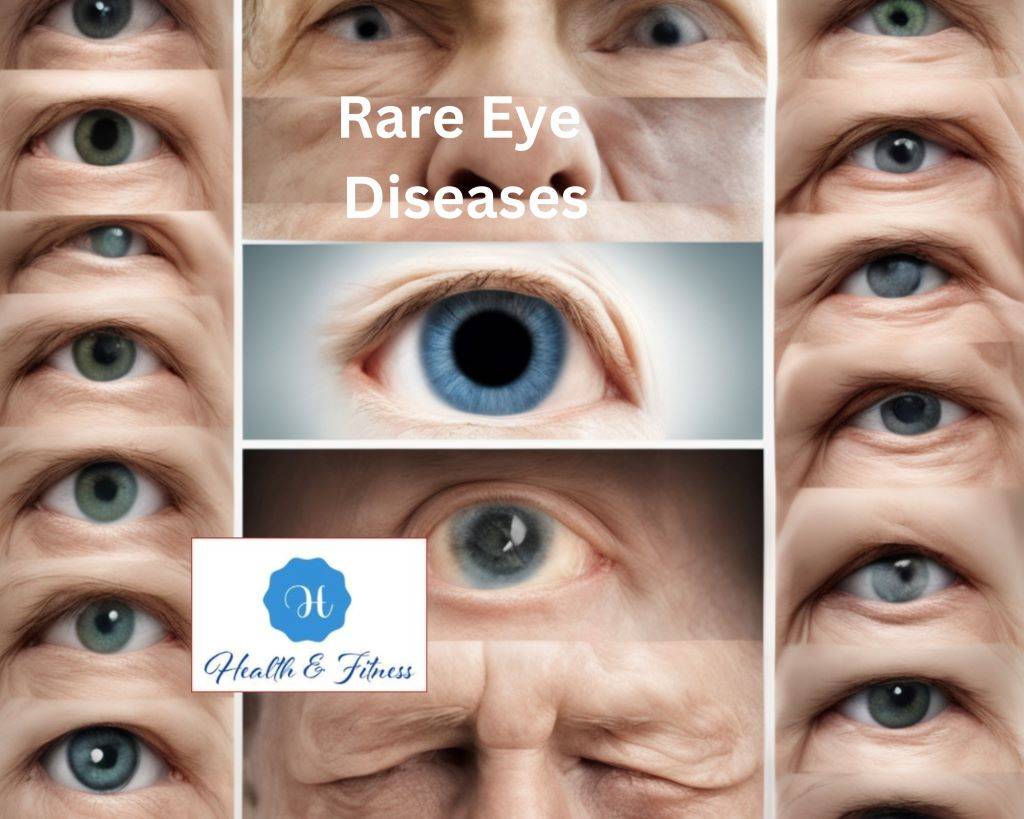
Rare Eye Problems
Understanding Rare Eye Problems: A Comprehensive Guide to Uncommon Vision Challenges
If you or a loved one has recently been diagnosed with a condition that few people have heard of, you might feel isolated and overwhelmed. Dealing with vision loss is challenging enough, but navigating the world of Rare Eye Problems adds another layer of complexity. However, knowledge is power.
In this guide, we will explore what defines these uncommon conditions, discuss some of the most prominent examples, and outline crucial steps for seeking effective diagnosis and specialized care. We are here to help demystify these complex issues and provide clarity.
What Makes an Eye Condition "Rare"?
In general medical terms, a condition is often classified as "rare" if it affects a very small percentage of the population—typically fewer than 200,000 people in the United States. When discussing rare conditions affecting the eyes, this rarity often translates into several challenges.
These challenges include limited public awareness, fewer specialists available, and sometimes, less established standard treatment protocols. Furthermore, research funding may be scarcer than for common conditions like cataracts or typical glaucoma.
Genetic Factors and Inherited Conditions
A significant number of Rare Eye Problems are rooted in our genetic code. These inherited disorders occur when a single gene mutation or a combination of mutations affects the development or function of the retina, optic nerve, or other crucial eye structures. If a condition runs in your family, even if sporadically, genetic counseling may be highly beneficial.
These conditions are often highly complex because the function of just one protein or enzyme can drastically change how the eye processes light or transmits information to the brain. Understanding the specific gene involved is often the first step toward potential gene therapy research.
Autoimmune and Inflammatory Causes
Not all rare eye issues are inherited. Some result from the body's immune system mistakenly attacking healthy eye tissue. This leads to chronic inflammation, often causing severe damage if not managed quickly and aggressively. Vogt-Koyanagi-Harada (VKH) disease is a prime example of a rare autoimmune condition that impacts the eyes and other organ systems.
The management of these conditions typically involves strong immunosuppressive medications to halt the damaging inflammatory process. Because these systemic medications affect the entire body, finding the right balance requires constant monitoring by specialized ophthalmologists and rheumatologists.
Recognizing Symptoms of Rare Eye Problems
While the specific symptoms vary drastically depending on the exact condition, there are several general signs that might suggest a serious, perhaps rare, underlying issue. If you notice persistent or rapid changes in your vision, it is vital to see an eye care professional immediately.
Pay close attention to symptoms that go beyond typical refractive errors. For example, sudden loss of central vision, severe light sensitivity, or trouble seeing clearly in low light are all red flags that require immediate investigation. The severity of these symptoms often dictates the urgency of the diagnosis.
Common symptoms that may indicate Rare Eye Problems include:
- Progressive loss of peripheral vision (tunnel vision).
- Significant difficulty with night vision (nyctalopia).
- Photophobia (extreme sensitivity to light).
- Distortion or wavy appearance of straight lines (metamorphopsia).
- Persistent inflammation or recurring redness that does not respond to standard treatment.
Five Fascinating (and Serious) Rare Eye Problems
To give you a better idea of the spectrum of conditions we are discussing, let's look closely at five distinct examples. These conditions illustrate the diversity of how genetics and biology can affect sight.
Retinitis Pigmentosa (RP)
Retinitis Pigmentosa is a group of inherited disorders that cause slow, progressive deterioration of the retina's photoreceptor cells. It typically starts by affecting the rods (cells responsible for low-light vision and peripheral vision) before progressing to the cones (cells responsible for central and color vision).
The hallmark early symptom is difficulty seeing at night, followed by the gradual development of tunnel vision. While there is currently no cure for all forms of RP, significant breakthroughs in gene therapy, such as Luxturna for specific genetic mutations, offer hope for stabilization or even restoration of vision in some patients.
Leber's Hereditary Optic Neuropathy (LHON)
LHON is a mitochondrial disorder that primarily affects young men, though it can occur in women and at any age. It causes a sudden, painless loss of central vision due to the death of cells in the optic nerve. Interestingly, this condition is passed down exclusively through the mother's mitochondrial DNA.
The vision loss is often severe and rapid, initially affecting one eye and then, weeks or months later, affecting the second eye. While vision recovery can occur in a small percentage of cases, most individuals experience permanent, profound central visual impairment.
Ocular Albinism
Ocular Albinism is characterized by a reduction or absence of melanin (pigment) primarily in the eyes, which can lead to low vision, nystagmus (involuntary eye movements), and severe light sensitivity. Unlike Oculocutaneous Albinism, Ocular Albinism generally affects the eyes much more severely than the skin or hair.
Vision impairment results from the lack of pigment in the iris and retina, causing improper development of the fovea (the central part of the retina) and misrouting of the optic nerve fibers. Management focuses on low-vision aids and protective eyewear.
Stargardt Disease
Stargardt Disease is the most common form of inherited juvenile macular degeneration. It causes progressive damage to the macula—the small, central area of the retina responsible for sharp, detailed central vision. People with Stargardt often notice blurry vision, difficulty reading, and blind spots in their central field.
The condition is caused by mutations in the ABCA4 gene, which leads to the accumulation of fatty lipofuscin deposits beneath the macula. Crucially, patients are often advised to strictly avoid Vitamin A supplements, which can exacerbate the accumulation of these toxic deposits in the retina.
Uveitis (Complex Forms)
While Uveitis (inflammation of the uvea layer of the eye) itself is not exceedingly rare, certain complex or obscure presentations are definitely classified as Rare Eye Problems. These include chronic posterior uveitis or uveitis linked to very specific systemic diseases like sarcoidosis or Behcet's disease.
Managing these rare inflammatory forms requires a meticulous approach, often utilizing advanced imaging and systemic therapies like biologics. Early and correct diagnosis by a uveitis specialist is paramount to prevent permanent structural damage and maintain vision.
Seeking Diagnosis and Treatment
If you suspect a rare eye condition, or if a standard optometrist is unable to identify your problem, the path forward requires seeking highly specialized care. The journey may involve multiple consultations and sophisticated testing, but patience is key to finding the right expert.
It is important to remember that general ophthalmologists may not have the necessary experience to diagnose these ultra-specific conditions. You must look for subspecialists, such as neuro-ophthalmologists or retinal specialists (especially those specializing in inherited retinal diseases).
The diagnostic process for Rare Eye Problems typically involves:
- **Detailed Patient History:** Gathering a thorough history of symptoms and family background.
- **Advanced Imaging:** Utilizing OCT (Optical Coherence Tomography), fundus photography, and autofluorescence to visualize damage.
- **Functional Testing:** Including visual field testing and electroretinography (ERG) to assess how the retina responds to light.
- **Genetic Testing:** Confirming inherited conditions through DNA sequencing, which is becoming increasingly accessible.
- **Consultation with Related Specialties:** Often involving rheumatologists, neurologists, or genetic counselors.
Once diagnosed, treatment may range from low-vision aids and nutritional counseling to innovative approaches like gene therapy or specialized immunosuppression. Even without a cure, early diagnosis allows for crucial interventions that can preserve remaining vision.
Conclusion
While a diagnosis of one of the many Rare Eye Problems can be daunting, modern medicine and dedicated research offer more hope than ever before. Remember that you are not alone; connecting with support groups and patient advocacy organizations can provide invaluable emotional and practical assistance.
The key steps are vigilance regarding symptoms, proactive pursuit of specialized care, and adherence to the recommended treatment plan. By staying informed and working closely with experts, you can effectively manage the challenge and maintain the best possible quality of life.
Frequently Asked Questions (FAQ) About Rare Eye Problems
- What is the difference between a rare and common eye problem?
- A common eye problem, like typical cataracts or dry eye, affects a large percentage of the general population. A rare eye problem affects fewer than 1 in 2,000 people and often involves complex genetic, inflammatory, or metabolic causes.
- Can rare eye problems be cured?
- Some rare eye problems, particularly those caused by treatable inflammation (uveitis), can be effectively managed and controlled. For inherited conditions, while a complete cure is rare, recent advances in gene therapy and pharmaceuticals offer the ability to stabilize vision loss or, in specific cases, restore some function.
- Where should I look for specialists in rare eye conditions?
- The best places to find specialists are often large academic medical centers, university hospitals, and specialized eye institutes. These facilities typically have the resources, equipment, and expert staff (like neuro-ophthalmologists and inherited retinal disease specialists) needed for accurate diagnosis.
- Is genetic testing necessary for all rare eye problems?
- If the condition is suspected to be inherited, genetic testing is highly recommended. It confirms the diagnosis, helps predict the progression, and is essential for determining eligibility for clinical trials and specific gene therapies. It also provides crucial information for family planning.
Rare Eye Problems
Rare Eye Problems Wallpapers
Collection of rare eye problems wallpapers for your desktop and mobile devices.

Vivid Rare Eye Problems Picture Collection
Transform your screen with this vivid rare eye problems artwork, a true masterpiece of digital design.
Stunning Rare Eye Problems Background Nature
This gorgeous rare eye problems photo offers a breathtaking view, making it a perfect choice for your next wallpaper.
Captivating Rare Eye Problems Landscape in HD
Immerse yourself in the stunning details of this beautiful rare eye problems wallpaper, designed for a captivating visual experience.
Vivid Rare Eye Problems Abstract Digital Art
Discover an amazing rare eye problems background image, ideal for personalizing your devices with vibrant colors and intricate designs.

Detailed Rare Eye Problems Wallpaper Digital Art
Explore this high-quality rare eye problems image, perfect for enhancing your desktop or mobile wallpaper.

Dynamic Rare Eye Problems Wallpaper for Desktop
Find inspiration with this unique rare eye problems illustration, crafted to provide a fresh look for your background.

Lush Rare Eye Problems Design Digital Art
Find inspiration with this unique rare eye problems illustration, crafted to provide a fresh look for your background.

Vivid Rare Eye Problems Design Nature
Explore this high-quality rare eye problems image, perfect for enhancing your desktop or mobile wallpaper.

Exquisite Rare Eye Problems Wallpaper in 4K
This gorgeous rare eye problems photo offers a breathtaking view, making it a perfect choice for your next wallpaper.
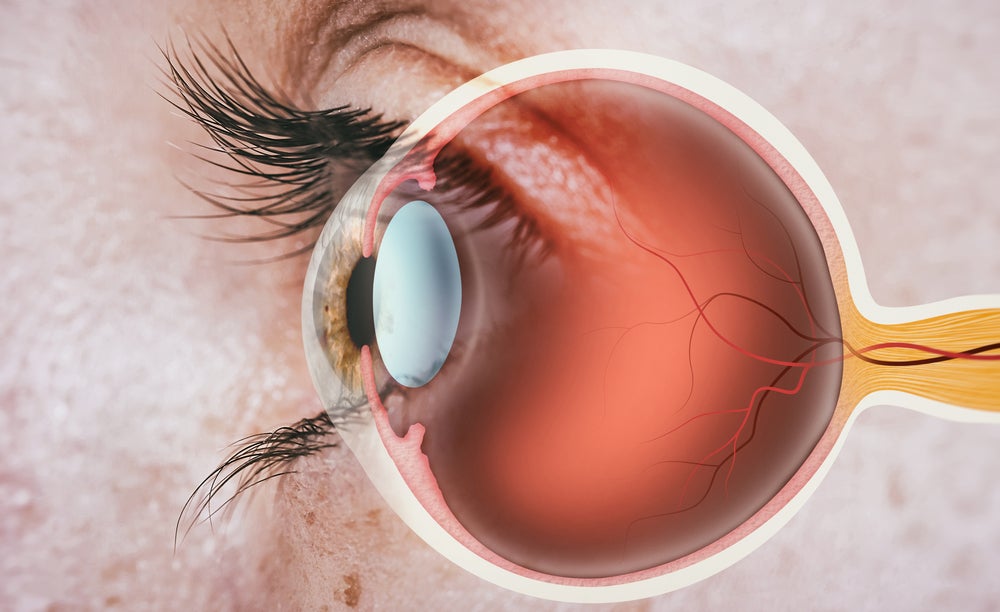
Exquisite Rare Eye Problems Moment Photography
Immerse yourself in the stunning details of this beautiful rare eye problems wallpaper, designed for a captivating visual experience.
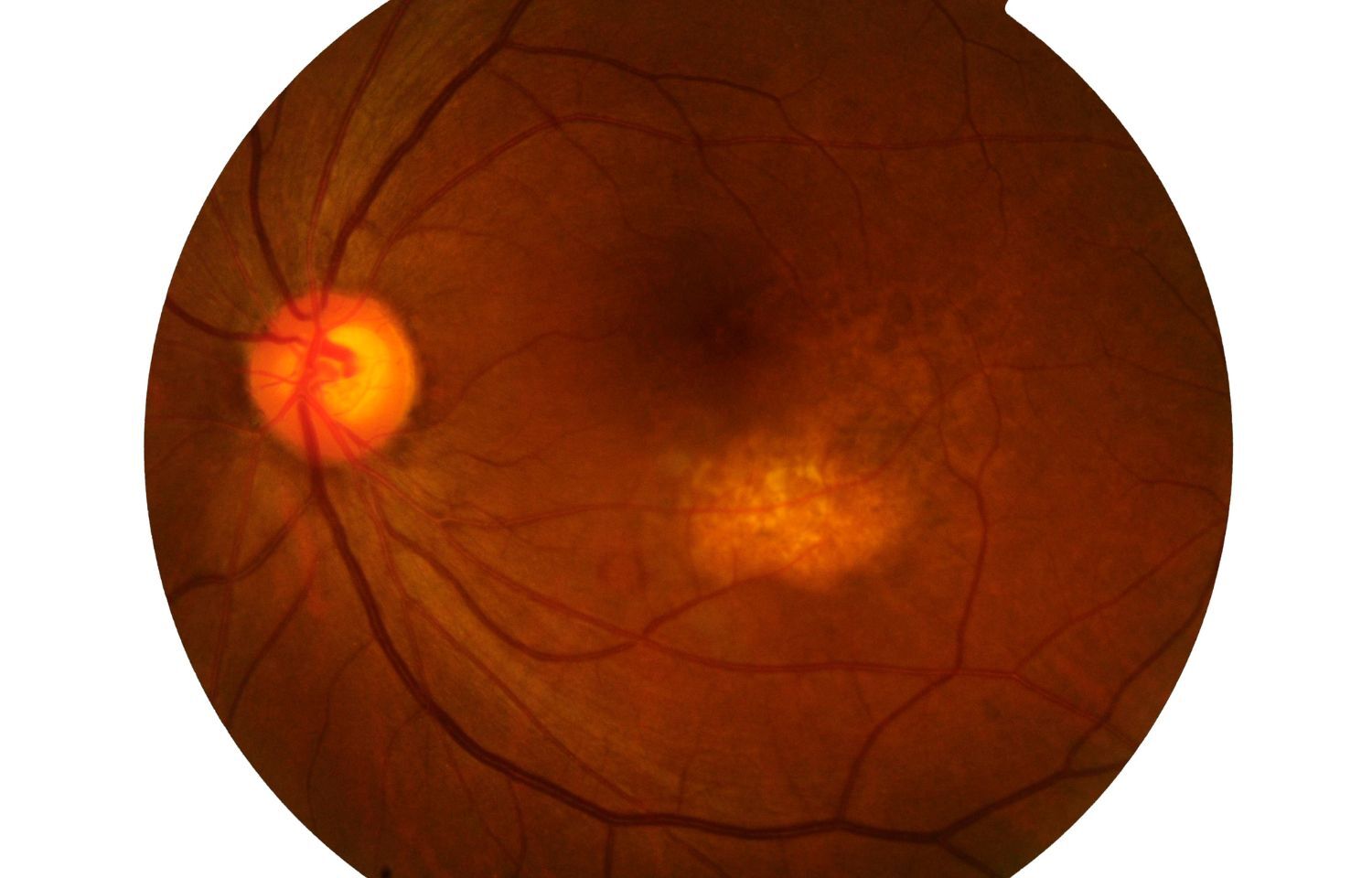
Detailed Rare Eye Problems Design in HD
Explore this high-quality rare eye problems image, perfect for enhancing your desktop or mobile wallpaper.

Gorgeous Rare Eye Problems Capture Digital Art
Immerse yourself in the stunning details of this beautiful rare eye problems wallpaper, designed for a captivating visual experience.
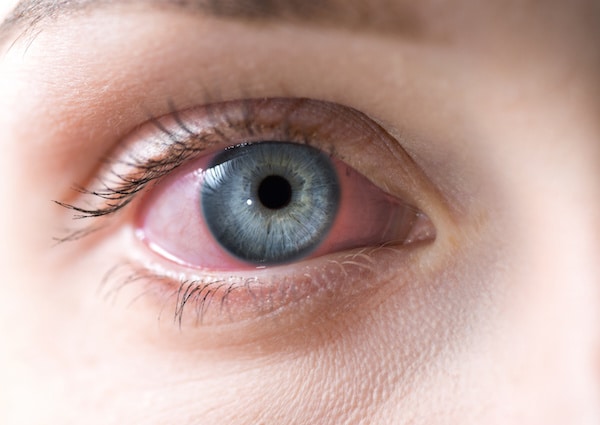
Breathtaking Rare Eye Problems Picture Collection
Transform your screen with this vivid rare eye problems artwork, a true masterpiece of digital design.
Crisp Rare Eye Problems Image for Desktop
A captivating rare eye problems scene that brings tranquility and beauty to any device.
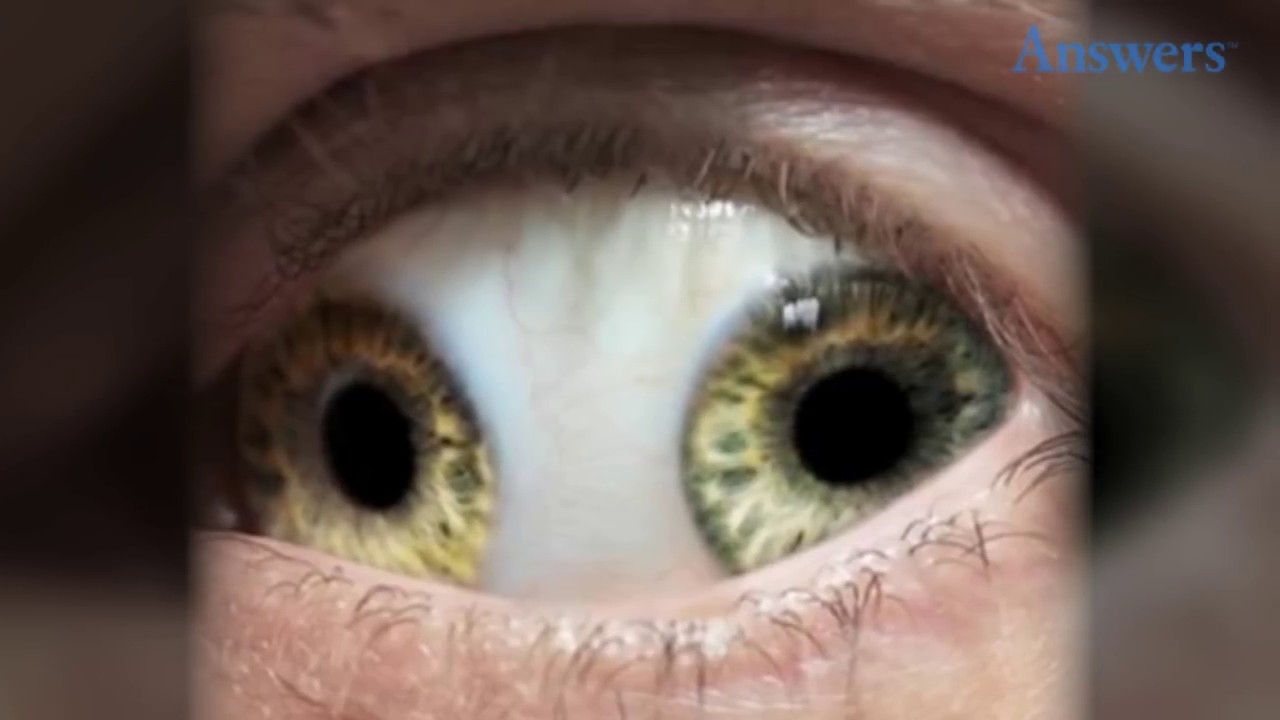
Captivating Rare Eye Problems Capture Nature
A captivating rare eye problems scene that brings tranquility and beauty to any device.
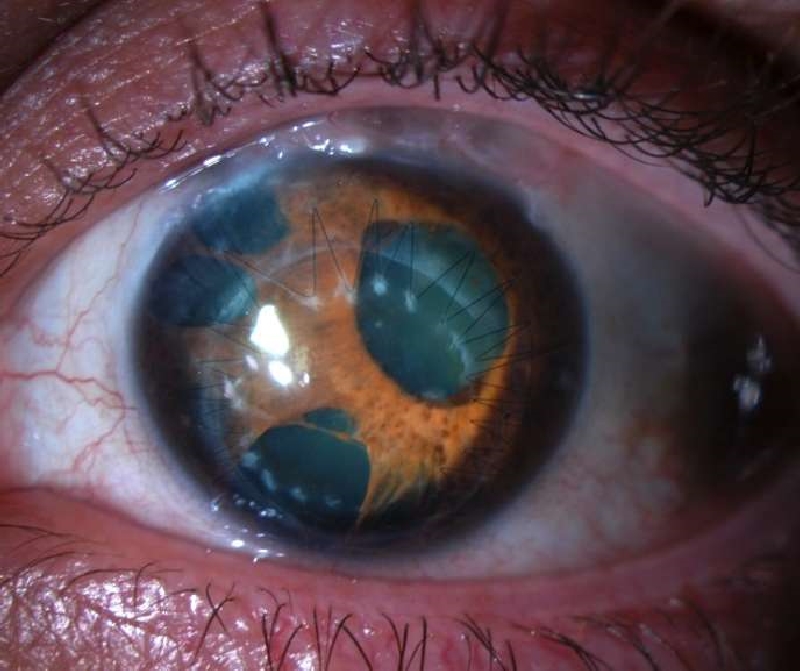
Mesmerizing Rare Eye Problems Photo Art
Experience the crisp clarity of this stunning rare eye problems image, available in high resolution for all your screens.

Lush Rare Eye Problems Photo in HD
Find inspiration with this unique rare eye problems illustration, crafted to provide a fresh look for your background.
Serene Rare Eye Problems Abstract Concept
Explore this high-quality rare eye problems image, perfect for enhancing your desktop or mobile wallpaper.

Exquisite Rare Eye Problems Design Art
A captivating rare eye problems scene that brings tranquility and beauty to any device.
Lush Rare Eye Problems Abstract in HD
This gorgeous rare eye problems photo offers a breathtaking view, making it a perfect choice for your next wallpaper.
Download these rare eye problems wallpapers for free and use them on your desktop or mobile devices.
0 Response to "Rare Eye Problems"
Post a Comment