Eye Doctors Accept Medical
Eye Doctors Accept Medical Insurance: A Guide to Coverage and Care
Finding quality eye care is essential, but navigating insurance coverage can often feel like reading the fine print of a prescription—confusing and complicated! If you're wondering, "Do eye doctors accept medical insurance?" the answer is a resounding "Yes," but with a few important distinctions you need to know.
Most people have two types of insurance that pertain to their eyes: standard medical insurance (like Medicare, PPO, or HMO) and vision insurance (like VSP or EyeMed). The key to maximizing your benefits is understanding which type of insurance covers what kind of visit.
We're here to break down the barrier between medical coverage and vision care, giving you the clarity needed to book your next appointment without financial stress. Let's dive into how eye doctors accept medical benefits for various conditions and treatments.
Understanding 'Medical' Insurance vs. 'Vision' Insurance
The biggest source of confusion when visiting an optometrist (OD) or ophthalmologist (MD) revolves around how the billing department codes your visit. The crucial difference lies in the purpose of your appointment.
Medical insurance, which is designed to cover illness, injury, and disease, will pay for visits addressing health issues related to your eyes. Vision insurance, conversely, is typically a separate, supplementary plan designed specifically for elective vision correction.
Here is a quick breakdown:
- Medical Insurance (e.g., Aetna, Blue Cross, Medicare): Covers the health and medical treatment of the eye. This includes diagnosing and managing conditions, treatments, surgeries, and emergency care.
- Vision Insurance (e.g., VSP, EyeMed): Covers routine services aimed at correcting refractive errors. This typically includes a standard eye exam, a fixed allowance for glasses frames, and contact lenses.
If you come in because your eye is suddenly red and painful, that's a medical issue. If you come in because you need a new prescription for your glasses, that's generally a vision benefit.
When Do Eye Doctors Accept Medical Coverage?
Your primary medical insurance kicks in when the purpose of the visit transitions from correcting vision to treating a medical condition. This is why it's critical to clearly state the reason for your visit when scheduling your appointment.
Many patients automatically assume their routine annual exam is covered by medical insurance, but this isn't always the case unless you have specific pre-existing conditions that require monitoring.
Routine Exams vs. Medical Conditions
A routine eye exam is often purely refractive—meaning the doctor is checking for changes in your vision prescription (nearsightedness, farsightedness, astigmatism). This falls under vision insurance.
However, if the eye doctor detects a serious underlying medical issue during a routine exam (like signs of glaucoma or cataracts), they will transition the billing from vision to medical. This split billing process is common, but it can be confusing. Always confirm with the doctor's office how they plan to bill the visit based on your primary complaint.
If you schedule a visit explicitly to check a persistent medical symptom—such as chronic dry eye, floaters, or pain—your eye doctors accept medical insurance because the visit is diagnostic and therapeutic.
Common Eye Conditions Covered by Medical Insurance
There are numerous chronic and acute conditions for which eye doctors accept medical benefits. These typically involve pathology or systemic diseases that impact eye health. Having your medical plan cover these visits can save you a significant amount of money.
The following common conditions are generally billed to your medical insurance:
- Glaucoma Management: Ongoing testing, monitoring, and treatment for elevated eye pressure.
- Cataracts: Diagnosis, pre-operative testing, and surgical correction.
- Macular Degeneration: All diagnostic testing, monitoring, and injection treatments.
- Diabetes-Related Eye Exams (Diabetic Retinopathy): Annual monitoring specifically related to systemic diabetes.
- Acute Issues: Pink eye (conjunctivitis), corneal abrasions, foreign body removal, and sudden vision loss.
- Chronic Dry Eye Syndrome: Diagnosis and treatment plans, including prescription eye drops or procedures.
- Flashes and Floaters: Sudden onset of these symptoms often requires a medically urgent retinal exam.
Remember that coverage details may vary depending on your specific policy's deductible and co-pays. It is essential to verify benefits regardless of the diagnosis.
Navigating the Payment Process: What to Ask
Before you even step foot in the clinic, you need to be proactive. Calling ahead and asking the right questions can prevent nasty surprise bills weeks later. Don't assume anything; confirm everything.
The Importance of Verification
Call the eye doctor's billing department and your insurance provider. Even if a doctor generally accepts your medical plan, specific procedures might not be covered, or you may have a remaining deductible.
When you call, be sure to have your insurance card handy and ask these specific questions:
- "Do eye doctors accept medical insurance plan [Name of Plan] for treating chronic dry eye/floaters/etc.?"
- "If the visit starts as routine but becomes medical, how will the billing be handled?"
- "What is my co-pay or deductible obligation for a specialist visit under my medical plan?"
- "Does my plan require a referral from my primary care physician (PCP) before seeing the eye doctor?" (This is crucial, especially for HMO plans.)
Getting answers to these questions upfront eliminates ambiguity and allows you to budget accordingly.
In-Network vs. Out-of-Network Providers
Just like with any other specialist, the cost difference between an in-network and an out-of-network eye doctor can be enormous. In-network providers have negotiated rates with your insurance company, meaning your out-of-pocket costs are generally lower and more predictable.
If you choose an out-of-network provider, your eye doctors accept medical insurance only on a reimbursement basis, or you may be required to pay the full amount upfront and submit claims yourself. Furthermore, the insurance company may only pay a small fraction of the total bill.
Always verify the current network status of the doctor with both the provider's office and the insurance company website, as network participation can change frequently.
Finding an Eye Doctor Who Accepts Medical
If you are looking for a new provider, the easiest way to confirm their acceptance of your medical coverage is by using the tools provided by your insurance company.
Go to your insurance provider's website (e.g., Cigna, UnitedHealthcare, Medicare). They will have a "Find a Provider" search function. Input the specialty (Optometry or Ophthalmology) and filter by your specific plan name.
While the website is helpful, it is always the best practice to call the doctor's office directly to confirm their acceptance before scheduling. They will confirm your eligibility and give you the most accurate information regarding your appointment. When eye doctors accept medical coverage, they generally make this information very clear to potential patients.
Don't be afraid to look for specialized clinics if you have a specific condition. Ophthalmic surgeons and retina specialists almost exclusively bill through medical insurance because their work involves complex medical treatment, not just routine vision correction.
Conclusion
It is definitely true that eye doctors accept medical insurance, but the key is understanding *when* they accept it. Medical coverage is reserved for medical necessity—illness, injury, or disease management—while vision coverage handles routine refraction and corrective lenses.
By verifying your coverage ahead of time, understanding the difference between medical and vision billing, and confirming your provider's network status, you can ensure your eyes receive the top-quality medical care they deserve without unexpected financial burdens. Don't delay treatment out of confusion; reach out to your provider today to gain clarity on your benefits.
Frequently Asked Questions (FAQ) About Medical Insurance and Eye Doctors
- Can I use my medical insurance and my vision insurance for the same visit?
- Yes, in some cases, you can. This is called split billing. If the doctor treats a medical condition (billed to medical) and then provides a routine vision check (billed to vision), they may use both plans. However, you cannot double-dip; the entire routine exam cannot be billed to both.
- Is an annual routine eye exam covered by medical insurance?
- Generally, no, unless you have specific medical conditions like diabetes, hypertension, or certain autoimmune diseases that require mandatory annual eye monitoring. If the exam is solely to check for a new glasses prescription, it is typically billed to vision insurance.
- Do Eye Doctors Accept Medical for new glasses or contact lenses?
- No. Glasses, contact lenses, and refractive exams are considered vision benefits, not medical necessities. There are rare exceptions, such as medically necessary contacts required due to certain corneal diseases (like keratoconus), which may be covered by medical plans.
- Does Medicare cover eye exams?
- Original Medicare (Part B) does not cover routine eye exams or eyeglasses. However, it covers medically necessary services, such as cataract surgery, glaucoma screenings for high-risk individuals, and diagnostic tests for pre-existing medical conditions.
- What if I don't have vision insurance but have a medical problem?
- If you have medical insurance, eye doctors accept medical coverage for the treatment of any acute or chronic medical issue, regardless of whether you have vision insurance or not. Your co-pay and deductible rules will apply just as they would for any specialist visit.
Eye Doctors Accept Medical
Eye Doctors Accept Medical Wallpapers
Collection of eye doctors accept medical wallpapers for your desktop and mobile devices.

Serene Eye Doctors Accept Medical Abstract for Mobile
Discover an amazing eye doctors accept medical background image, ideal for personalizing your devices with vibrant colors and intricate designs.

Captivating Eye Doctors Accept Medical Capture Concept
Immerse yourself in the stunning details of this beautiful eye doctors accept medical wallpaper, designed for a captivating visual experience.
Mesmerizing Eye Doctors Accept Medical Abstract Illustration
Experience the crisp clarity of this stunning eye doctors accept medical image, available in high resolution for all your screens.
Exquisite Eye Doctors Accept Medical Picture Digital Art
Find inspiration with this unique eye doctors accept medical illustration, crafted to provide a fresh look for your background.
Exquisite Eye Doctors Accept Medical Wallpaper for Mobile
A captivating eye doctors accept medical scene that brings tranquility and beauty to any device.
Gorgeous Eye Doctors Accept Medical Picture Digital Art
A captivating eye doctors accept medical scene that brings tranquility and beauty to any device.

Lush Eye Doctors Accept Medical Photo Art
This gorgeous eye doctors accept medical photo offers a breathtaking view, making it a perfect choice for your next wallpaper.

Exquisite Eye Doctors Accept Medical Photo Photography
Immerse yourself in the stunning details of this beautiful eye doctors accept medical wallpaper, designed for a captivating visual experience.

Dynamic Eye Doctors Accept Medical Scene for Desktop
A captivating eye doctors accept medical scene that brings tranquility and beauty to any device.

Exquisite Eye Doctors Accept Medical Moment Photography
Immerse yourself in the stunning details of this beautiful eye doctors accept medical wallpaper, designed for a captivating visual experience.
Breathtaking Eye Doctors Accept Medical Capture Concept
Discover an amazing eye doctors accept medical background image, ideal for personalizing your devices with vibrant colors and intricate designs.
Breathtaking Eye Doctors Accept Medical Scene Nature
Transform your screen with this vivid eye doctors accept medical artwork, a true masterpiece of digital design.
Gorgeous Eye Doctors Accept Medical Abstract for Mobile
This gorgeous eye doctors accept medical photo offers a breathtaking view, making it a perfect choice for your next wallpaper.

Captivating Eye Doctors Accept Medical Scene in HD
This gorgeous eye doctors accept medical photo offers a breathtaking view, making it a perfect choice for your next wallpaper.
Captivating Eye Doctors Accept Medical Scene Concept
This gorgeous eye doctors accept medical photo offers a breathtaking view, making it a perfect choice for your next wallpaper.

Beautiful Eye Doctors Accept Medical Picture Illustration
Explore this high-quality eye doctors accept medical image, perfect for enhancing your desktop or mobile wallpaper.

Detailed Eye Doctors Accept Medical Wallpaper Digital Art
Explore this high-quality eye doctors accept medical image, perfect for enhancing your desktop or mobile wallpaper.

Vibrant Eye Doctors Accept Medical Abstract Photography
Transform your screen with this vivid eye doctors accept medical artwork, a true masterpiece of digital design.

Crisp Eye Doctors Accept Medical Abstract for Mobile
Immerse yourself in the stunning details of this beautiful eye doctors accept medical wallpaper, designed for a captivating visual experience.
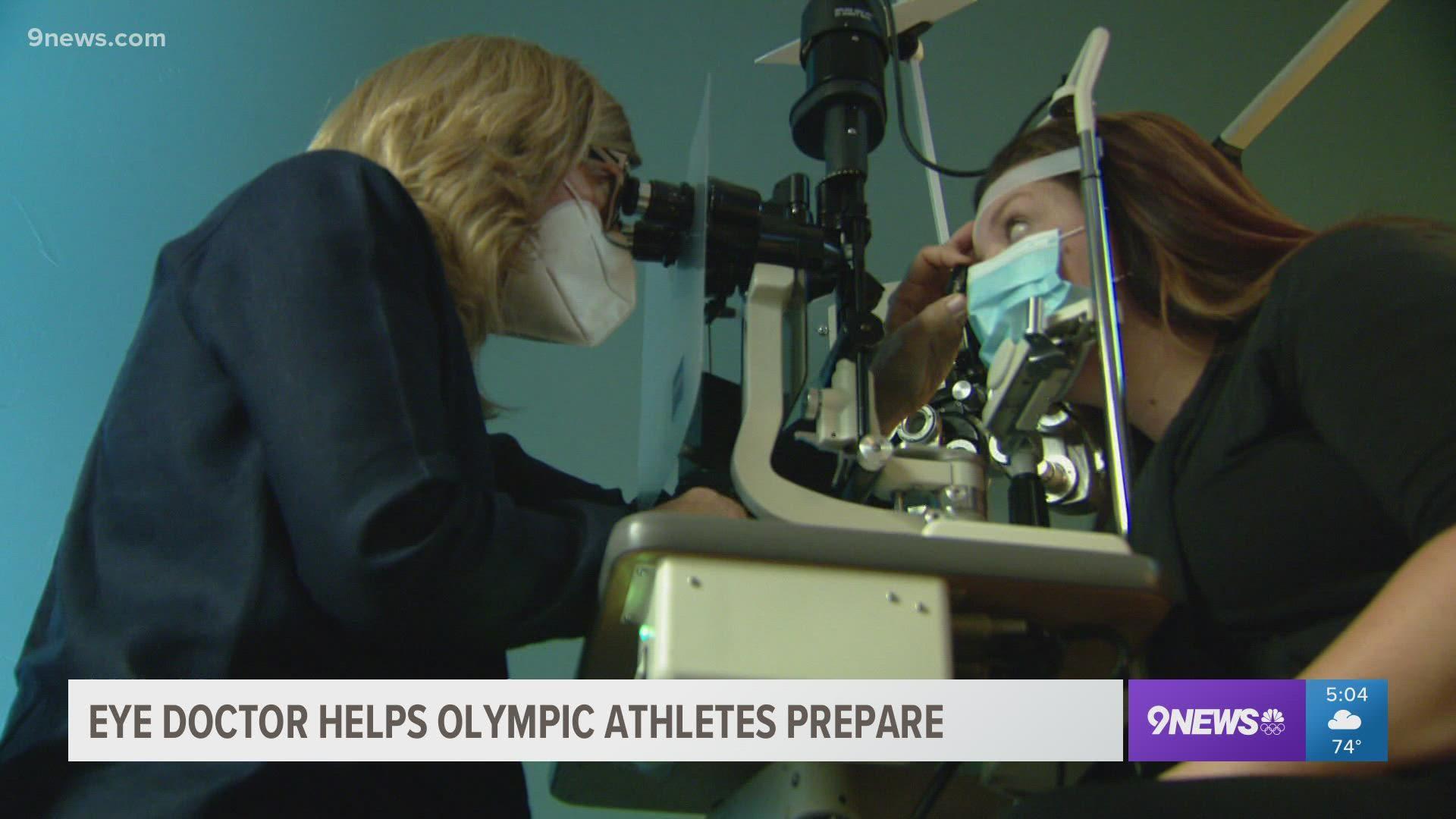
Spectacular Eye Doctors Accept Medical Artwork in HD
This gorgeous eye doctors accept medical photo offers a breathtaking view, making it a perfect choice for your next wallpaper.
Download these eye doctors accept medical wallpapers for free and use them on your desktop or mobile devices.
0 Response to "Eye Doctors Accept Medical"
Post a Comment