Eye Piece
The Ultimate Guide to Choosing Your Perfect Telescope Eye Piece
Welcome to the fascinating world of backyard astronomy! If you've just bought a telescope, or perhaps you're looking to upgrade your views, you've quickly realized that the magic happens not in the main tube, but in a small, often overlooked component: the Eye Piece.
Think of the eye piece as the lens that translates the huge, faint image captured by your telescope's primary mirror or lens into a crisp, magnified image your eye can actually see. It is arguably the most critical accessory you will ever purchase, directly impacting the clarity, magnification, and overall comfort of your viewing experience.
Choosing the right eye piece can be confusing, with jargon like "Plössl," "focal length," and "apparent field of view" floating around. Don't worry, we are here to break down everything you need to know about the amazing eye piece so you can make informed decisions and truly enjoy the cosmos.
What Exactly is an Eye Piece and Why Does It Matter?
At its core, an eye piece (sometimes called an ocular) is a set of lenses mounted in a cylindrical barrel that fits into the focuser of your telescope. Its primary job is simple yet profound: taking the light cone gathered by the telescope's objective (the main mirror or lens) and magnifying it so it can be viewed comfortably.
Every telescope comes with a fixed focal length, determined by the size and shape of its primary optical element. The eye piece is what allows you to change the magnification. Without a suitable eye piece, you would only see a tiny, inverted image the size of a postage stamp.
The quality of your eye piece has a massive impact on the final image. A poorly designed eye piece can introduce distortions, reduce light transmission, and make viewing uncomfortable, even if you have a top-tier telescope. This is why investing in good oculars is often recommended before upgrading the telescope itself.
Decoding the Numbers: Focal Length and Apparent Field of View
When you look at an eye piece, you will see a number marked in millimeters (mm). This number is the focal length of the eye piece, and it's essential for determining your magnification level. Generally, eye pieces come in focal lengths ranging from 4mm (high power) up to 40mm (low power).
Understanding Focal Length
Magnification is calculated by dividing the telescope's focal length by the eye piece's focal length. If your telescope has a focal length of 1000mm, here's how different eye pieces affect the power:
- 10mm Eye Piece: 1000mm / 10mm = 100x Magnification
- 25mm Eye Piece: 1000mm / 25mm = 40x Magnification
- 40mm Eye Piece: 1000mm / 40mm = 25x Magnification
As you can see, a shorter focal length eye piece gives you higher magnification. While higher power sounds better, remember that maximum useful magnification is limited by the stability of the atmosphere (seeing conditions) and the aperture (size) of your telescope. Don't chase ridiculously high numbers; good quality views are always better than blurry high-power views.
Apparent Field of View (AFOV)
The Apparent Field of View (AFOV) is the angle of the cone of light that the eye piece can gather, measured in degrees. This tells you how large the "window" feels when you look through it.
Standard eye pieces typically offer an AFOV of 50 degrees. Wide-field eye pieces can range from 68 to a massive 100+ degrees. A wider AFOV is particularly useful for finding objects and viewing large deep-sky targets like nebula and star clusters, as it provides a more immersive, "spacewalk" feeling.
Different Types of Eye Piece Designs (A Buyer's Guide)
Eye pieces are differentiated by their optical design—the arrangement and number of lenses inside the barrel. Each design balances factors like price, field of view, and optical correction (how well they handle edge distortion).
The Classics: Plössl and Kellner
These two designs are common starting points and offer excellent performance for their price. They are fantastic utility eye pieces that every astronomer should own.
- Kellner/MA (Modified Achromatic): Usually comes standard with entry-level telescopes. Uses three lens elements. They are bright and inexpensive, but their field of view is narrow (about 40-45 degrees), and distortion can be noticeable at the edges, especially with fast (low focal ratio) telescopes.
- Plössl: The workhorse of amateur astronomy. Uses four lens elements arranged in two doublet groups. Plössls offer a 50-52 degree field of view and excellent sharpness and contrast. They are highly versatile but their main drawback is short eye relief (the distance your eye must be from the lens) at high magnification, which can be uncomfortable.
Premium Viewing: Nagler, Ethos, and Wide-Fields
If you are serious about minimizing aberrations and maximizing the immersive experience, these advanced, complex designs are your best bet. They contain many lens elements and are significantly more expensive.
These high-end eye pieces are designed to deliver razor-sharp images, correct for curvature and astigmatism, and provide massive fields of view. They are often heavy and large, but the viewing pleasure they provide is unmatched.
- Orthoscopic (Ortho): Uses four elements. While the AFOV is narrow (40-45 degrees), they offer near-perfect contrast and sharpness, making them superb for planetary and lunar viewing where subtle details matter most.
- Nagler/Panoptic: Designed by Tele Vue, these are known for their extremely wide fields (68-82 degrees). They offer a fantastic blend of high magnification and a large window onto the sky, often compensating for the short focal length.
- Ethos: Considered the top tier, offering truly astonishing AFOVs (100-110 degrees). They create the most immersive, panoramic views possible, though they come with a hefty price tag and weight.
Key Factors to Consider Before Buying
Beyond design and focal length, there are three other critical characteristics you must evaluate when choosing the perfect eye piece for your setup.
1. Eye Relief: This is the distance between the outermost lens of the eye piece and your eye. Short eye relief (less than 10mm) forces your eye right up against the lens, which is uncomfortable, especially for eyeglass wearers. Long eye relief (15-20mm) is far more comfortable and allows eyeglass users to see the entire field of view without removing their glasses. Plössls at high power often suffer from poor eye relief.
2. Barrel Size: Most modern eye pieces come in two standard sizes: 1.25 inches (the most common and versatile) and 2 inches. Two-inch eye pieces are necessary for achieving the lowest possible magnification and the widest fields of view, as they require a larger lens element than can fit in a 1.25-inch barrel. Check your telescope's focuser to ensure compatibility.
3. Coatings: All quality eye pieces should have anti-reflective coatings applied to their lens surfaces. These coatings dramatically increase light transmission, ensuring the maximum amount of light reaches your eye. Look for "Fully Multi-Coated" (FMC) eye pieces, which provide the best contrast and brightness.
Remember that a balanced set of eye pieces usually involves at least three focal lengths: a low-power eye piece (25mm or more) for wide views and finding objects, a medium-power eye piece (around 15mm) for general viewing, and a high-power eye piece (5mm-10mm) for planetary and lunar detail.
Conclusion: Finding Your Eye Piece Sweet Spot
Choosing an Eye Piece is a deeply personal journey, dependent on your viewing habits, the telescope you own, and your budget. By understanding focal length, field of view, and eye relief, you can move beyond the basics that came with your instrument and start tailoring your astronomical experience.
Don't be afraid to mix and match different brands and designs. A high-quality eye piece can last a lifetime, transferring easily between different telescopes you may own. Start with a solid 25mm Plössl, add a quality high-power Ortho for the Moon, and maybe save up for a wide-field Nagler down the line. Happy stargazing!
Frequently Asked Questions (FAQ) About Eye Pieces
- What is the best eye piece for viewing planets?
- The best eye piece for planetary viewing typically has a shorter focal length (5mm to 10mm) to achieve high magnification and a narrow field of view, such as an Orthoscopic or high-quality Plössl. High contrast and sharpness are key, rather than extreme wide fields.
- Can I use a 2-inch eye piece in a 1.25-inch focuser?
- No, a 2-inch eye piece will not fit into a standard 1.25-inch focuser directly. However, if your telescope has a 2-inch focuser, you can use a 1.25-inch eye piece by using a step-down adapter, which is often included with the telescope.
- How do I calculate the True Field of View?
- The True Field of View (TFOV), which is what you actually see in the sky, is calculated by dividing the Apparent Field of View (AFOV) of the eye piece by the magnification achieved. For example: A 52° AFOV eye piece at 100x magnification gives a TFOV of 0.52 degrees.
- Should I buy zoom eye pieces?
- Zoom eye pieces offer the convenience of varying focal lengths in a single unit. While modern zoom eye pieces are optically excellent, they typically offer a slightly narrower AFOV and can sometimes lack the crispness of a dedicated fixed-focal-length eye piece. They are great for quick observing sessions or finding the ideal magnification for unsteady atmospheric conditions.
Eye Piece
Eye Piece Wallpapers
Collection of eye piece wallpapers for your desktop and mobile devices.

Breathtaking Eye Piece Design Collection
Explore this high-quality eye piece image, perfect for enhancing your desktop or mobile wallpaper.

High-Quality Eye Piece Picture Illustration
Explore this high-quality eye piece image, perfect for enhancing your desktop or mobile wallpaper.

Stunning Eye Piece Capture for Your Screen
This gorgeous eye piece photo offers a breathtaking view, making it a perfect choice for your next wallpaper.

Vibrant Eye Piece Wallpaper in HD
Experience the crisp clarity of this stunning eye piece image, available in high resolution for all your screens.
Detailed Eye Piece Design Art
Explore this high-quality eye piece image, perfect for enhancing your desktop or mobile wallpaper.

Vibrant Eye Piece Design Concept
Explore this high-quality eye piece image, perfect for enhancing your desktop or mobile wallpaper.
Exquisite Eye Piece Scene Illustration
A captivating eye piece scene that brings tranquility and beauty to any device.
Exquisite Eye Piece Scene Collection
Find inspiration with this unique eye piece illustration, crafted to provide a fresh look for your background.

Detailed Eye Piece Image Digital Art
Experience the crisp clarity of this stunning eye piece image, available in high resolution for all your screens.
Mesmerizing Eye Piece Wallpaper Concept
Discover an amazing eye piece background image, ideal for personalizing your devices with vibrant colors and intricate designs.

Mesmerizing Eye Piece Capture in HD
Experience the crisp clarity of this stunning eye piece image, available in high resolution for all your screens.

Artistic Eye Piece Image Collection
Immerse yourself in the stunning details of this beautiful eye piece wallpaper, designed for a captivating visual experience.

Captivating Eye Piece Picture Nature
A captivating eye piece scene that brings tranquility and beauty to any device.
Captivating Eye Piece View Digital Art
A captivating eye piece scene that brings tranquility and beauty to any device.
Mesmerizing Eye Piece Picture in HD
Experience the crisp clarity of this stunning eye piece image, available in high resolution for all your screens.
High-Quality Eye Piece Photo for Your Screen
Explore this high-quality eye piece image, perfect for enhancing your desktop or mobile wallpaper.
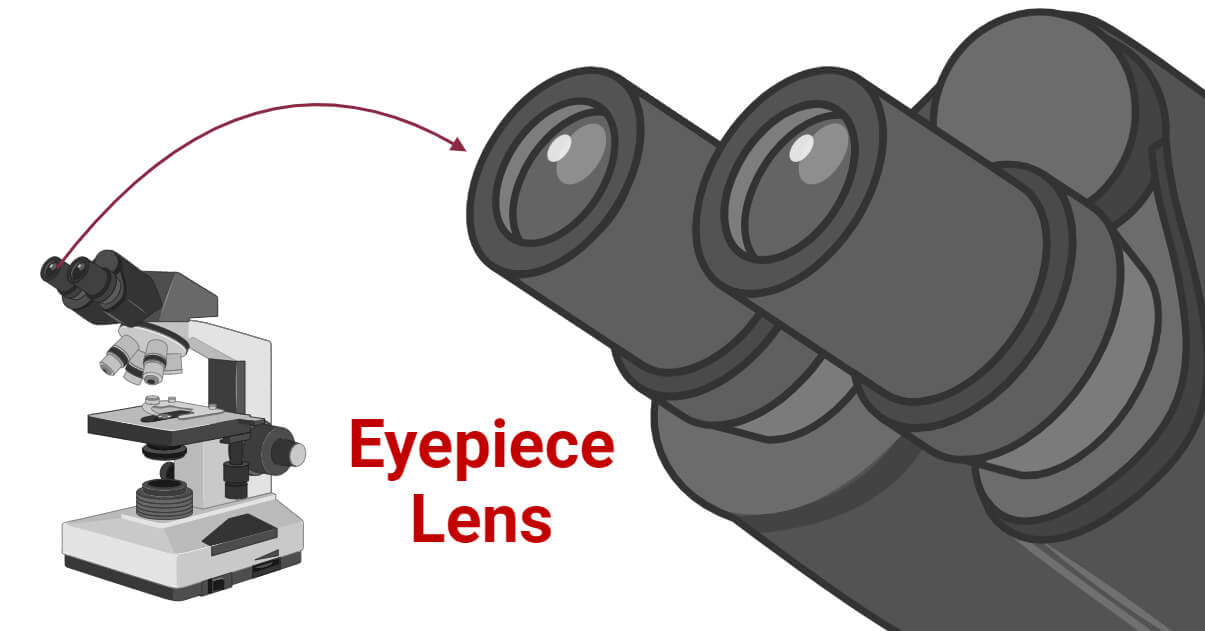
Spectacular Eye Piece Design in 4K
Find inspiration with this unique eye piece illustration, crafted to provide a fresh look for your background.
Dynamic Eye Piece Moment for Mobile
Immerse yourself in the stunning details of this beautiful eye piece wallpaper, designed for a captivating visual experience.
Vivid Eye Piece Capture Photography
Experience the crisp clarity of this stunning eye piece image, available in high resolution for all your screens.
Captivating Eye Piece Landscape for Your Screen
This gorgeous eye piece photo offers a breathtaking view, making it a perfect choice for your next wallpaper.
Download these eye piece wallpapers for free and use them on your desktop or mobile devices.
0 Response to "Eye Piece"
Post a Comment