Eye Exam Schedule
Your Essential Eye Exam Schedule: A Friendly Guide to Protecting Your Sight
How often should you really have your eyes checked? If you're like most people, you probably put off scheduling that annual check-up until something feels wrong. But when it comes to vision, waiting for symptoms can sometimes be too late. That's why understanding your ideal Eye Exam Schedule is absolutely critical for lifelong eye health.
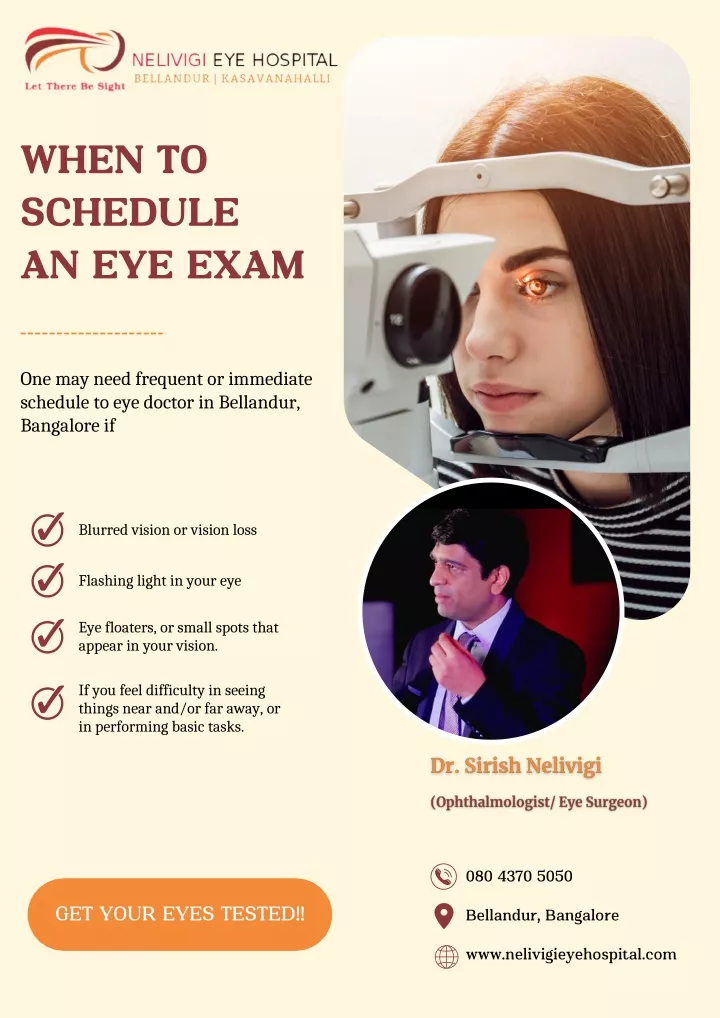
Think of your eyes as the windows to your overall health. A routine eye examination does far more than just check if you need new glasses; it can detect serious health issues like diabetes, high blood pressure, and even certain types of brain tumors long before other symptoms appear.
We've broken down everything you need to know about when to book your next appointment, regardless of your age or current health status. Let's make sure your vision stays crystal clear!
Why Regular Eye Exams are Crucial, Not Optional
Many serious eye diseases, such as glaucoma, diabetic retinopathy, and macular degeneration, often show no early symptoms. You could be losing vision slowly without even realizing it. These conditions are best treated when caught early, making a consistent Eye Exam Schedule your best defense.
A comprehensive eye exam is a preventive powerhouse. Your optometrist or ophthalmologist can spot subtle changes in your vision or internal eye structure that indicate potential problems down the road. Moreover, regular exams ensure your prescription is always up-to-date, maximizing your comfort and visual performance, whether you're driving or reading a book.
The Standard Eye Exam Schedule for Different Age Groups
The frequency of your exams changes significantly as you age. Your developmental stage and risk factors play a major role in determining the ideal cadence for your eye check-ups.
Kids and Teens: Setting the Foundation
Vision development is crucial in childhood. Undiagnosed problems like amblyopia (lazy eye) or strabismus (crossed eyes) must be corrected early to ensure proper visual pathways develop. Poor vision can also seriously impact a child's performance in school and during sports.
Here is the recommended general Eye Exam Schedule for children:
- Infants (6-12 months): One initial screening is recommended to check for congenital issues.
- Preschoolers (3-5 years): At least one comprehensive eye exam before starting school.
- School Age (6-17 years): Exams should be conducted annually or bi-annually if no risk factors are present. If vision correction is needed, yearly exams are required.
Adults (18-64): Keeping Watch
For most healthy adults with no existing vision issues, the schedule is generally less demanding. However, it is easy to forget about your eyes when everything seems fine, which is why sticking to a consistent schedule is important.
The standard recommendation for healthy adults is:
- Ages 18-39: An exam every two to three years.
- Ages 40-64: Once you hit 40, vision changes often accelerate (hello, presbyopia!). It is highly recommended to switch to an exam every one to two years, even if you feel your vision is stable.
If you wear contact lenses or have specific risk factors, your schedule will be much tighter, as we'll discuss below.
Seniors (65+): Prioritizing Vision Health
The risk of serious age-related eye diseases increases significantly after age 65. Conditions like cataracts, glaucoma, and age-related macular degeneration (AMD) become far more prevalent.
For seniors, the standard advice is clear: You should have a comprehensive eye exam every year. This annual schedule allows your doctor to monitor subtle changes and initiate treatment immediately, potentially saving your sight.
Factors That Might Change Your Eye Exam Schedule
The general guidelines above are based on healthy individuals. If you have any specific risk factors or existing conditions, your eye doctor will likely recommend a more aggressive Eye Exam Schedule.
Existing Health Conditions
Certain systemic diseases directly impact the health of your eyes and require very frequent monitoring. The most common risk factors are related to vascular health.
Diabetes and Vision Health
If you have Type 1 or Type 2 diabetes, you are at a much higher risk for diabetic retinopathy, which damages the blood vessels in the retina. Depending on the stability of your blood sugar, most patients with diabetes need an eye exam annually, and potentially even more often if retinopathy is detected.
High Blood Pressure
Hypertension can cause damage to the blood vessels in the back of the eye (hypertensive retinopathy). If you are managing high blood pressure, discuss with your doctor whether you should move to an annual exam schedule.
Contact Lens Wearers
If you use contact lenses, whether daily disposables or extended wear, your exam schedule is automatically annual. This isn't just about checking your vision; it's about ensuring your contacts aren't causing harm to your cornea or increasing your risk of infection.
An annual contact lens exam includes lens fitting, material assessment, and ensuring oxygen flow to the eye is adequate. Your prescription renewal is tied to this yearly check-up.
Family History Matters
Genetics play a huge role in eye health. If a close relative (parent, sibling, or grandparent) has been diagnosed with serious conditions like glaucoma, cataracts, or macular degeneration, you are considered high risk.
If you have a strong family history of these issues, you should begin annual comprehensive eye exams much earlier than the standard age recommendations, often starting in your 30s.
What Happens During an Eye Exam?
If you haven't had an eye exam in a while, you might be curious about the process. A comprehensive eye exam typically takes 30 to 60 minutes and is completely painless. It includes several essential steps:
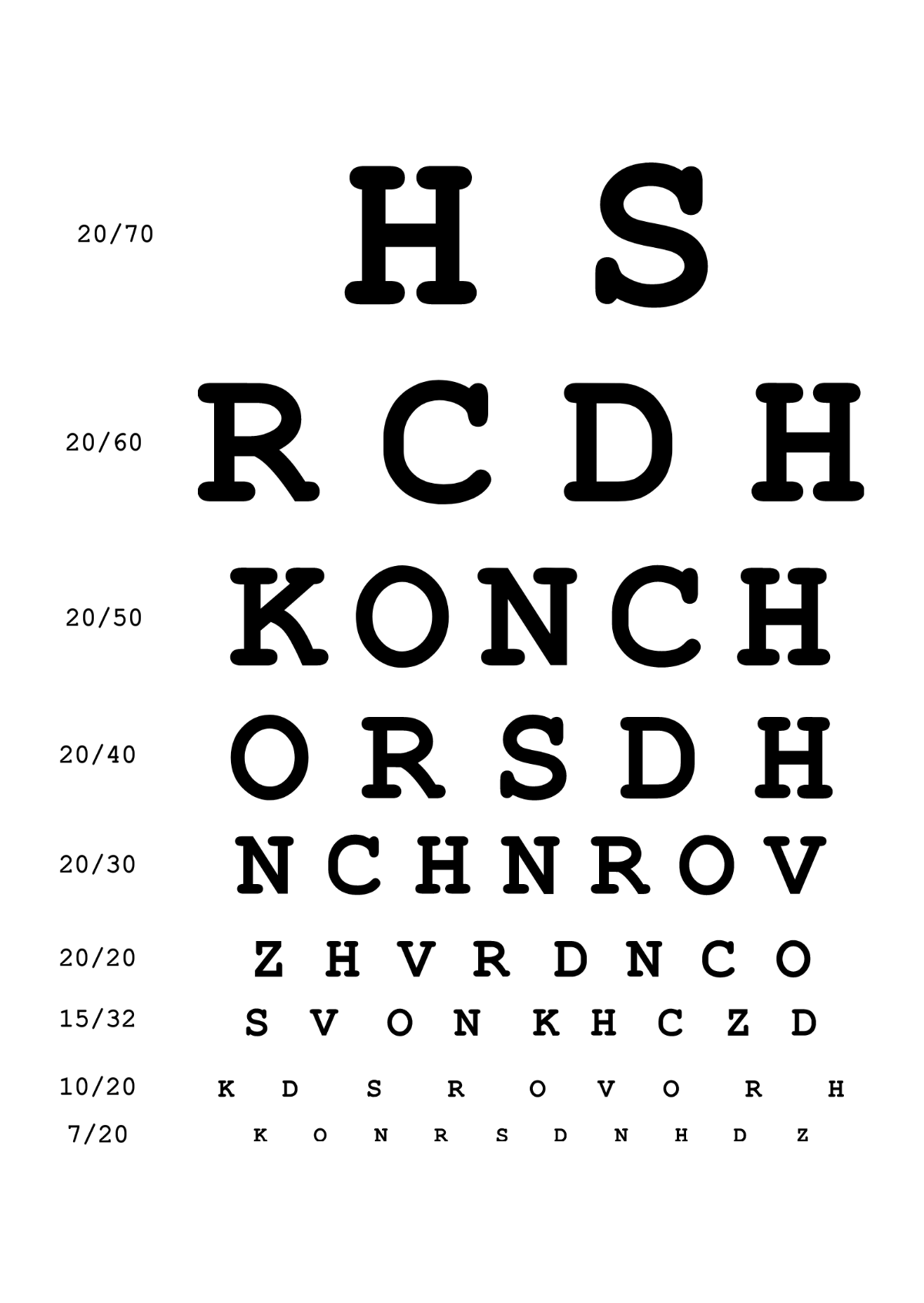
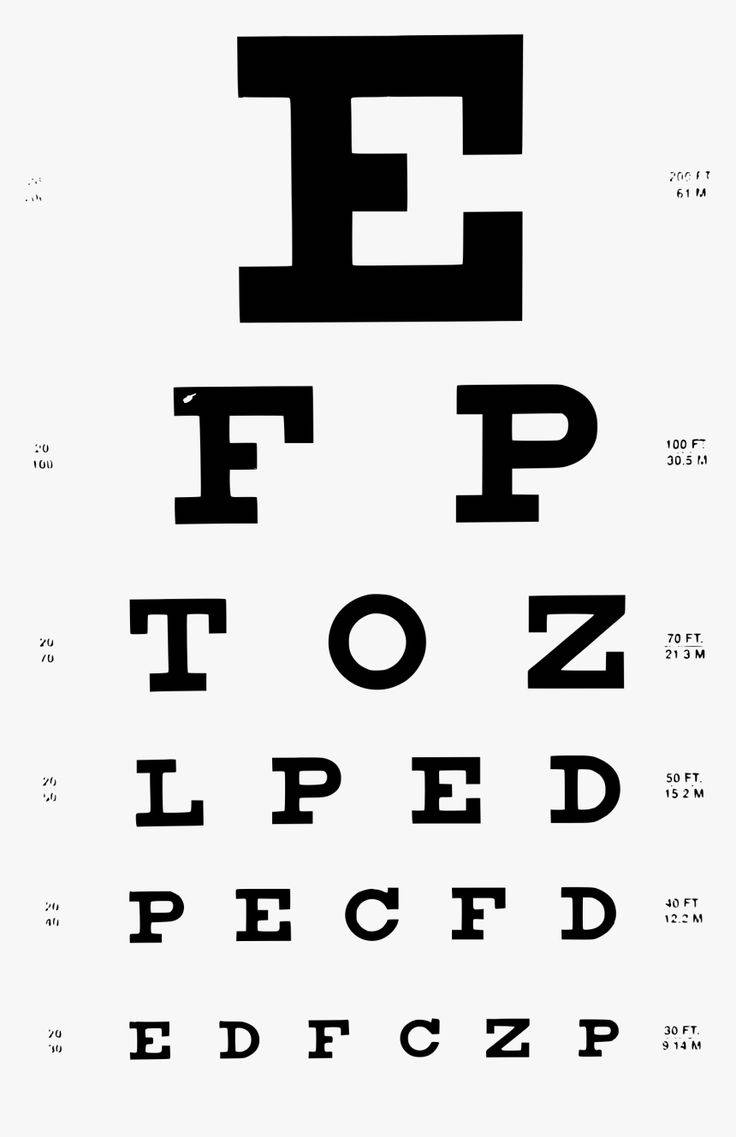
- Vision Acuity Test: Reading the chart to determine clarity of sight.
- Refraction Assessment: Using the phoropter (the machine with lenses) to determine your precise prescription.
- Eye Muscle Movement Test: Checking how well your eyes track objects.
- Glaucoma Screening: Measuring the fluid pressure inside your eyes.
- Eye Health Evaluation (often with dilation): Your doctor uses a special magnifying lens to look at the retina, optic nerve, and the back of the eye for signs of disease.
Preparation is simple: bring your current glasses or contacts, a list of any medications you take, and be prepared to discuss any family history of vision problems.
Conclusion: Setting Your Personal Eye Exam Schedule
Maintaining a proactive Eye Exam Schedule is the simplest and most effective way to protect your vision for life. Whether you are a healthy young adult needing a check every couple of years or a senior or diabetic patient requiring annual care, consistency is key.
Don't wait until you notice a problem. Take a moment right now to check your calendar and see when your last appointment was. If it's been longer than the recommendations for your age group and risk profile, it's time to call your eye care professional. Your future vision depends on the action you take today!
Frequently Asked Questions About Your Eye Exam Schedule (FAQ)
- What is the difference between an eye screening and a comprehensive eye exam?
- A screening (often done at schools or the DMV) is a quick check for basic clarity (acuity). A comprehensive eye exam is performed by an optometrist or ophthalmologist, includes dilation and pressure checks, and examines the internal health of the eye, which is essential for detecting diseases like glaucoma.
- How often should I get my prescription updated if I wear glasses?
- If you are under 65, and your vision feels stable, you might wait two years. However, most eye doctors recommend an annual check to ensure the prescription is precise and to rule out underlying eye health changes that might affect your vision.
- Should I still schedule an annual eye exam if my vision seems fine?
- Absolutely. Many serious eye diseases (like glaucoma or early-stage diabetic retinopathy) are asymptomatic in the initial stages. A comprehensive exam is the only way to detect these silent vision stealers early enough for effective treatment. Sticking to your recommended Eye Exam Schedule is purely preventative.
- How long does a comprehensive eye exam usually take?
- A comprehensive exam typically takes between 30 to 60 minutes. If your eyes are dilated, the process may take longer, as dilation requires 20-30 minutes for the drops to take full effect.
Eye Exam Schedule
Eye Exam Schedule Wallpapers
Collection of eye exam schedule wallpapers for your desktop and mobile devices.

Detailed Eye Exam Schedule Moment Collection
Explore this high-quality eye exam schedule image, perfect for enhancing your desktop or mobile wallpaper.

Dynamic Eye Exam Schedule Picture in HD
Find inspiration with this unique eye exam schedule illustration, crafted to provide a fresh look for your background.
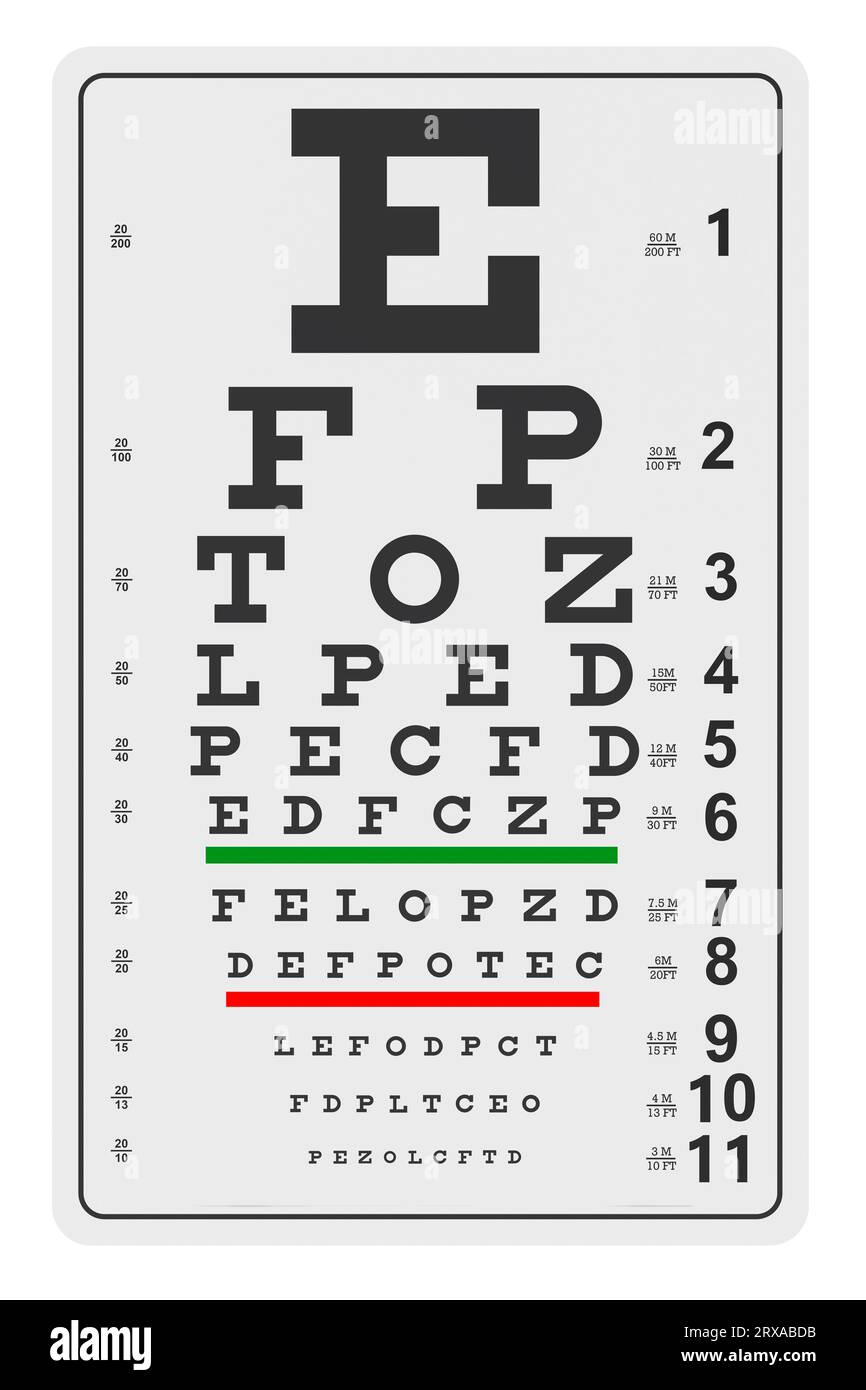
Lush Eye Exam Schedule Landscape Collection
A captivating eye exam schedule scene that brings tranquility and beauty to any device.

Spectacular Eye Exam Schedule Scene Nature
Immerse yourself in the stunning details of this beautiful eye exam schedule wallpaper, designed for a captivating visual experience.

Stunning Eye Exam Schedule Abstract in 4K
This gorgeous eye exam schedule photo offers a breathtaking view, making it a perfect choice for your next wallpaper.
Vivid Eye Exam Schedule Capture Digital Art
Transform your screen with this vivid eye exam schedule artwork, a true masterpiece of digital design.
Crisp Eye Exam Schedule Wallpaper Photography
Find inspiration with this unique eye exam schedule illustration, crafted to provide a fresh look for your background.
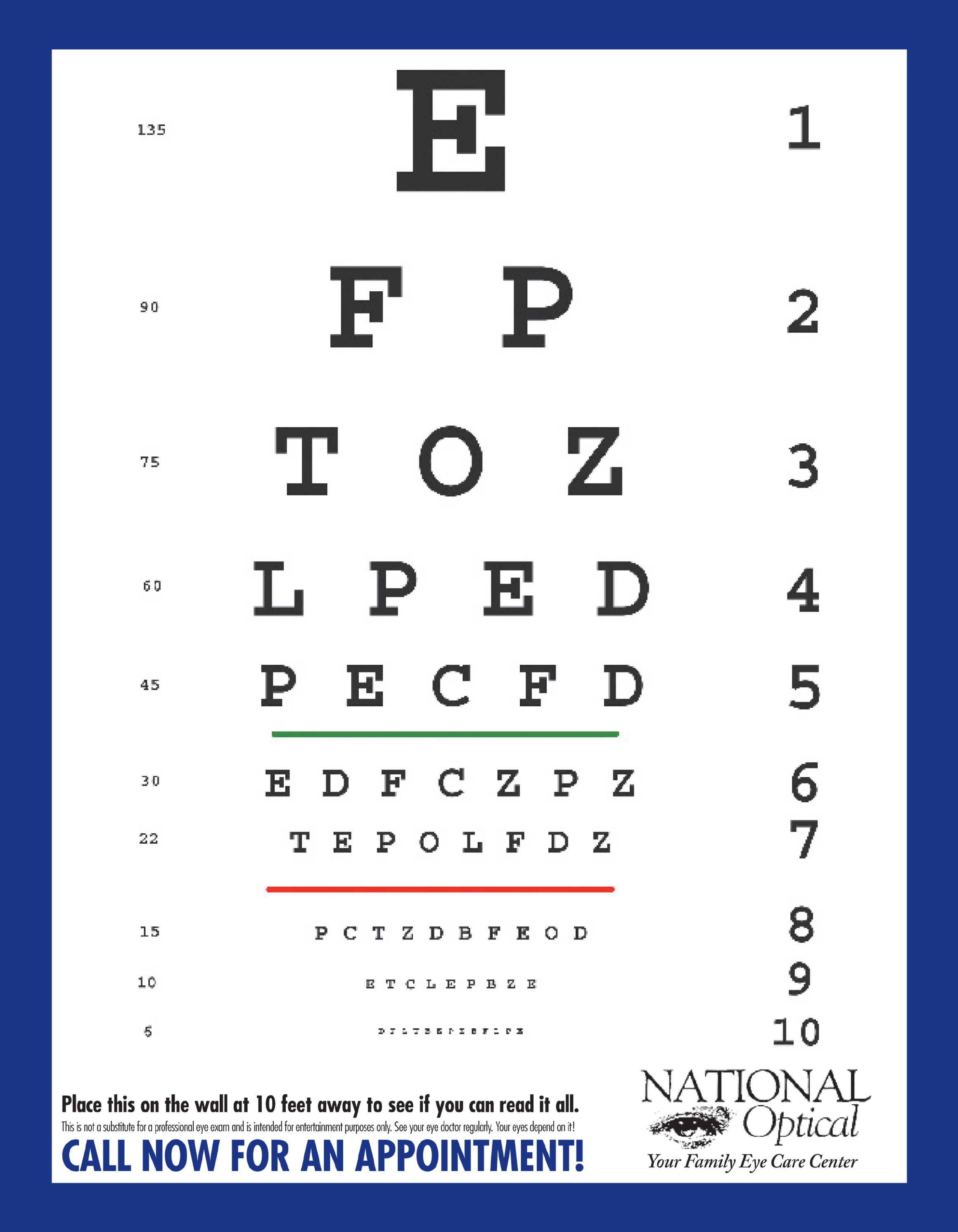
Exquisite Eye Exam Schedule Moment Art
This gorgeous eye exam schedule photo offers a breathtaking view, making it a perfect choice for your next wallpaper.
Stunning Eye Exam Schedule Scene for Desktop
Immerse yourself in the stunning details of this beautiful eye exam schedule wallpaper, designed for a captivating visual experience.

Beautiful Eye Exam Schedule Abstract in 4K
Discover an amazing eye exam schedule background image, ideal for personalizing your devices with vibrant colors and intricate designs.

Exquisite Eye Exam Schedule View Nature
Find inspiration with this unique eye exam schedule illustration, crafted to provide a fresh look for your background.

Crisp Eye Exam Schedule Background in HD
A captivating eye exam schedule scene that brings tranquility and beauty to any device.

High-Quality Eye Exam Schedule Image Art
Explore this high-quality eye exam schedule image, perfect for enhancing your desktop or mobile wallpaper.
Breathtaking Eye Exam Schedule View Photography
Explore this high-quality eye exam schedule image, perfect for enhancing your desktop or mobile wallpaper.

Dynamic Eye Exam Schedule Picture Art
A captivating eye exam schedule scene that brings tranquility and beauty to any device.
Gorgeous Eye Exam Schedule Capture Digital Art
Find inspiration with this unique eye exam schedule illustration, crafted to provide a fresh look for your background.
Serene Eye Exam Schedule Scene Illustration
Discover an amazing eye exam schedule background image, ideal for personalizing your devices with vibrant colors and intricate designs.

Lush Eye Exam Schedule Landscape Nature
Immerse yourself in the stunning details of this beautiful eye exam schedule wallpaper, designed for a captivating visual experience.

Crisp Eye Exam Schedule Image Concept
Find inspiration with this unique eye exam schedule illustration, crafted to provide a fresh look for your background.
Lush Eye Exam Schedule Landscape Concept
This gorgeous eye exam schedule photo offers a breathtaking view, making it a perfect choice for your next wallpaper.
Download these eye exam schedule wallpapers for free and use them on your desktop or mobile devices.
0 Response to "Eye Exam Schedule"
Post a Comment